
Tarantula vs Scorpion: A Detailed Comparison

Welcome to PetCareWorld, your ultimate guide to the wonderful world of pet ownership! Are you fascinated by the enigmatic allure of arachnids? Then prepare to delve into a captivating comparison of two fascinating creatures: the Tarantula and the Scorpion. Discover the surprising similarities and crucial differences between these intriguing pets in our in-depth article, " Tarantula vs Scorpion: A Detailed Comparison," and unlock the secrets to responsible ownership within our Reptiles & Exotic Pets section. Prepare to be amazed!
- Tarantula Scorpion Pet Comparison: Understanding Key Differences
- Tarantula vs Scorpion: Lifespan and Maintenance
- Choosing Between Tarantula and Scorpion as Pets: Factors to Consider
-
Frequently Asked Questions
- What is the main difference between a tarantula and a scorpion?
- Are both tarantulas and scorpions good pets for beginners?
- How dangerous are tarantula and scorpion bites/stings?
- What are the major differences in their care requirements?
- What is the average lifespan of a tarantula compared to a scorpion?
- Final Reflection: The Venomous Verdict: Choosing Your Eight-Legged Companion
- Unleash Your Arachnid Expertise!
Tarantula Scorpion Pet Comparison: Understanding Key Differences
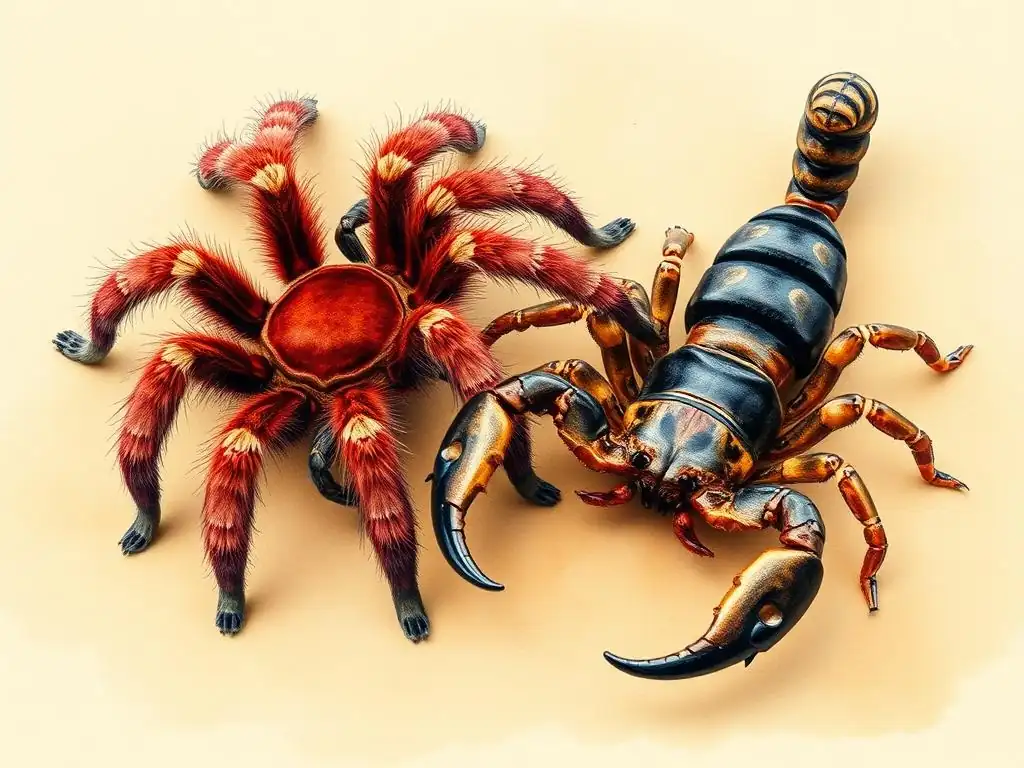
Choosing between a tarantula and a scorpion as a pet involves careful consideration of several key factors. Both arachnids offer unique appeal to invertebrate enthusiasts, but their care requirements, temperaments, and potential dangers differ significantly. This comprehensive guide will delve into the crucial distinctions between tarantulas and scorpions, equipping you with the knowledge necessary to make an informed decision based on your experience level and lifestyle. We will explore their venom, handling characteristics, housing needs, and overall suitability as pets, ultimately helping you determine which arachnid best aligns with your capabilities and commitment to responsible pet ownership.
Understanding these differences is paramount to ensuring the well-being of both the animal and the owner. The goal is not to dissuade you from keeping either creature, but to provide you with the information needed to make a responsible and informed choice. 🕷️🦂
Venom and Toxicity: Tarantula vs Scorpion Danger Assessment for Pet Owners
While both tarantulas and scorpions possess venom, their toxicity levels and the potential danger they pose to humans differ considerably. Let's examine each:
Tarantulas: Most tarantulas possess venom, but it's generally considered relatively harmless to humans. A tarantula bite might feel like a bee sting – painful, but rarely life-threatening. Symptoms usually include localized pain, swelling, and itching. However, allergic reactions are possible, and individuals with known allergies should exercise extreme caution. The severity of a bite also depends on the species of tarantula; some are known to have more potent venom than others. [Specific venom potency data for common pet tarantula species pending].
Scorpions: Scorpions, on the other hand, present a more significant risk. Their venom varies considerably in toxicity depending on the species. Some species possess venom that is mildly irritating, while others have venom that can be extremely dangerous and even fatal, particularly to young children, the elderly, or individuals with compromised immune systems. [Specific venom potency data for common pet scorpion species pending].
Always prioritize species selection with the guidance of a knowledgeable reptile and invertebrate specialist. Understanding the specific venom potency of the species you are considering is crucial for responsible pet ownership. Appropriate first-aid knowledge and access to immediate medical attention are essential if a scorpion sting occurs.
Temperament and Handling: A Guide to Safe Tarantula and Scorpion Keeping
The temperament and handling requirements of tarantulas and scorpions also differ significantly, impacting the level of experience needed for responsible pet ownership.
Tarantulas: While generally docile, tarantulas are not cuddly pets. They are best observed rather than handled frequently. Improper handling can lead to defensive postures, such as urticating hairs (tiny barbed hairs that can cause skin irritation) or a bite. [Data on frequency of defensive behaviors in common pet tarantula species pending]. Gentle, controlled movements are crucial when interacting with a tarantula, even when performing routine maintenance of their enclosure.
Scorpions: Scorpions are generally considered more aggressive and unpredictable than tarantulas. They are more prone to stinging if they feel threatened or cornered. Handling scorpions should only be attempted by experienced keepers with appropriate safety equipment and a deep understanding of scorpion behavior. Improper handling can result in a painful and potentially dangerous sting. [Data on frequency of stinging behaviors in common pet scorpion species pending]. It is often recommended to avoid handling scorpions altogether, opting instead for careful observation from a safe distance.
This section provides a foundational understanding of the key differences between tarantulas and scorpions as pets. The following sections will delve into more specific aspects of their care, including housing, feeding, and overall well-being.
Housing Requirements: Creating Ideal Habitats for Tarantulas and Scorpions
Tarantula Enclosure Setup and Considerations
Setting up a suitable enclosure for your tarantula is crucial for its health and well-being. The size of the enclosure depends heavily on the species; larger terrestrial species will require significantly larger enclosures than smaller arboreal species. Generally, a minimum of twice the leg span of the tarantula is recommended for the enclosure floor space. The height of the enclosure is also important, particularly for arboreal species which require vertical space to climb and build their webs. Substrate is a key component; a blend of peat moss, coconut fiber, and vermiculite provides excellent drainage and humidity retention.
Avoid substrates that retain too much moisture, as this can lead to fungal infections. Adding a shallow water dish is important, especially for terrestrial species, ensuring access to fresh water at all times. Decorations like cork bark, branches, and artificial plants provide enrichment and hiding places, mimicking their natural environment. Proper ventilation is essential; while maintaining humidity, the enclosure must allow for adequate airflow to prevent mold and mildew growth.
Remember to choose an enclosure made of a material that is escape-proof. Glass terrariums are popular, but always secure the lid properly. Regular cleaning is also vital to maintain hygiene and prevent the build-up of waste products. Failure to provide a suitable environment can lead to stress, illness, and even death in your tarantula.
Scorpion Terrarium Design and Essential Features
Scorpions, while seemingly similar in their terrestrial nature to some tarantulas, have distinct habitat needs. The terrarium should be escape-proof, preferably with a secure lid and smooth sides. The substrate should be a mix that retains some moisture but allows for drainage, preventing the accumulation of standing water. A layer of sand mixed with peat moss is a suitable option. Providing hiding places is crucial for scorpions, as they are primarily nocturnal creatures.
Rocks, cork bark, and half-logs offer excellent cover and security. Maintaining appropriate temperature and humidity levels is also essential. Temperature gradients are beneficial, allowing the scorpion to thermoregulate by moving to different areas within the terrarium. A heat mat placed on one side of the terrarium can create this gradient. Appropriate humidity levels are species-specific, but generally, a slightly humid environment is preferred.
Ventilation is important to prevent mold and mildew, but avoid strong drafts. The size of the terrarium should be proportionate to the scorpion's size, allowing sufficient space for movement and burrowing. Unlike tarantulas, scorpions often burrow, so a deeper substrate layer is often necessary. Regular cleaning and monitoring of temperature and humidity are key aspects of successful scorpion keeping.
Feeding and Diet: Nutritional Needs of Tarantulas and Scorpions
Tarantula Prey and Feeding Schedule
Tarantulas are obligate carnivores, meaning their diet consists entirely of live prey. The type and size of prey will depend on the size and species of the tarantula. Smaller slings (juveniles) may be fed small insects such as fruit flies or pinhead crickets, while larger adults can consume larger prey like crickets, roaches, and even small mice (depending on the species). The frequency of feeding also varies depending on the age and size of the tarantula.
Young tarantulas may need to be fed every few days, while adults may only need feeding once or twice a week. It's crucial to avoid overfeeding, which can lead to obesity and other health problems. Always ensure that the prey is appropriately sized; prey that is too large can injure or even kill the tarantula.
Providing a varied diet, when possible, is also beneficial, mimicking their natural food sources. Always remove uneaten prey from the enclosure to maintain hygiene and prevent the build-up of waste. Observing your tarantula's feeding behavior and adjusting the feeding schedule accordingly is crucial for maintaining its health.
Scorpion Diet and Feeding Frequency
Scorpions, like tarantulas, are obligate carnivores. Their diet typically consists of insects and other small invertebrates. The size and type of prey will depend on the size and species of the scorpion. Smaller scorpions may be fed small insects like crickets or mealworms, while larger scorpions can consume larger prey such as roaches, locusts, and even other scorpions in some cases (though this should be avoided in captivity).
Feeding frequency varies depending on the age and size of the scorpion. Young scorpions may need to be fed more frequently than adults. However, overfeeding should be avoided, as it can lead to health problems. Similarly to tarantulas, the prey should be appropriately sized to avoid injury.
A varied diet is beneficial for their health. Uneaten prey should be promptly removed from the enclosure to prevent contamination. Regular monitoring of the scorpion's feeding habits is important for ensuring its nutritional needs are met. Providing a water source is also crucial, as scorpions can dehydrate quickly.
Tarantula vs Scorpion: Lifespan and Maintenance
This section delves into the lifespan and maintenance requirements of tarantulas and scorpions, crucial factors to consider before welcoming either creature into your home. Understanding their respective life cycles and care needs is paramount to ensuring their well-being and longevity. Choosing between a tarantula and a scorpion as a pet hinges greatly on these differences.
Tarantula Lifespan and Growth Stages
Tarantulas boast remarkably long lifespans compared to many other invertebrates. Female tarantulas, in particular, can live for 15 to 25 years, sometimes even longer, depending on the species and environmental conditions. Males, however, typically have shorter lifespans, ranging from 3 to 10 years. This significant difference in lifespan is a key factor to consider when choosing a tarantula as a pet. You're making a long-term commitment!
Their growth involves a series of molts. During these molts, the tarantula sheds its exoskeleton to accommodate its increasing size. The frequency of molting decreases as the tarantula matures. Young tarantulas may molt several times a year, while adults may molt only once every one to two years or even less frequently. Observing these molting cycles is a fascinating aspect of tarantula care and provides valuable insights into their health and development. A healthy molting process is a good indicator of overall well-being. Irregular or problematic molting could signal underlying health issues requiring veterinary attention.
Scorpion Lifespan and Maturity
Scorpions, while also relatively long-lived compared to other invertebrates, generally have shorter lifespans than their arachnid counterparts, the tarantulas. The lifespan of a scorpion varies greatly depending on the species, but typically ranges from 2 to 8 years. Some species may live even longer under ideal conditions, reaching upwards of 10 years, but this is less common.
Unlike tarantulas, scorpions don't undergo the dramatic molting process. Their growth is more gradual and continuous, without the shedding of an entire exoskeleton. While they do experience a degree of exoskeleton growth and adaptation, it’s not as visibly dramatic as a tarantula molt. This difference in growth and development contributes to the varying care requirements of scorpions compared to tarantulas. Understanding this distinction is vital for responsible scorpion pet ownership.
Veterinary Care for Tarantulas and Scorpions: Identifying and Addressing Health Issues
While generally hardy creatures, tarantulas and scorpions can still suffer from various health issues. Access to a veterinarian experienced in exotic pets is crucial for both, although finding such specialists might present a challenge depending on your location. Early detection and intervention are key to successful treatment.
Veterinary care for these invertebrates often focuses on identifying and addressing issues such as:
- Dehydration: This is a common problem, especially in scorpions. Symptoms include lethargy and a shrunken appearance.
- Malnutrition: Improper diet can lead to developmental issues and weakened immune systems.
- Parasites: Both tarantulas and scorpions can be affected by parasites.
- Injury: Improper handling or accidents can cause injuries requiring veterinary attention.
- Molting problems: Difficulties during molting can be life-threatening for tarantulas.
Early signs of illness can be subtle, requiring careful observation. Changes in behavior, appetite, or physical appearance should prompt a consultation with a qualified veterinarian specializing in invertebrates. Proactive care, including providing a suitable environment and a proper diet, is the best way to prevent health problems and ensure the longevity of your tarantula or scorpion pet. Regular monitoring is crucial for early detection of any potential health issues. Remember, responsible pet ownership extends to seeking professional veterinary help when needed.
Choosing Between Tarantula and Scorpion as Pets: Factors to Consider
This section delves into the crucial factors prospective pet owners should weigh when deciding between a tarantula and a scorpion. Choosing the right invertebrate pet depends on a careful assessment of your lifestyle, resources, and commitment level. Understanding these factors will help ensure a successful and enriching experience for both you and your pet. This detailed comparison will help you make an informed decision regarding your "tarantula scorpion pet comparison."
Experience Level and Commitment: Assessing Your Readiness for Exotic Pet Ownership
Owning an exotic pet like a tarantula or scorpion requires a significant commitment of time, resources, and knowledge. Tarantulas, while generally considered less demanding than scorpions, still necessitate a dedicated owner. Beginners often find tarantulas a more manageable entry point into the world of invertebrate keeping. Their relatively docile nature and lower maintenance requirements make them suitable for novice keepers. However, even with tarantulas, understanding their specific needs regarding humidity, temperature, and substrate is crucial. Neglect can lead to health problems and even death.
Scorpions, on the other hand, present a steeper learning curve. Many species possess potent venom, requiring experienced handling techniques and specialized safety precautions. Their more complex care requirements, including specific dietary needs and environmental control, make them a less suitable choice for beginners. Furthermore, the potential dangers associated with handling venomous scorpions necessitates a high level of responsibility and expertise.
Consider the following checklist before making your decision:
- [ ] Research: Have you extensively researched the specific needs of both tarantulas and scorpions?
- [ ] Commitment: Are you prepared to dedicate the necessary time and resources for several years (or even decades, in some cases)?
- [ ] Safety: Do you understand the potential risks associated with handling venomous scorpions?
- [ ] Space: Do you have appropriate housing and environmental control systems in place?
- [ ] Emergency Plan: Do you know where to find a veterinarian experienced with exotic pets in case of illness or injury?
Legal Aspects and Regulations: Understanding Local Laws Regarding Tarantula and Scorpion Keeping
Before acquiring any exotic pet, it's essential to understand the local laws and regulations governing their ownership. The legality of keeping tarantulas and scorpions varies significantly depending on location. Some jurisdictions may have outright bans, while others may require permits or licenses. Penalties for illegal ownership can range from fines to confiscation of the animal.
It's crucial to research your local and regional regulations thoroughly. Contact your local animal control authorities, wildlife agencies, or even your city or county government to determine the specific legal requirements in your area. This research should encompass not only the legality of ownership but also any specific regulations concerning housing, transportation, and potential breeding. Failing to comply with these regulations could result in legal repercussions and may even jeopardize the well-being of your pet.
Remember, responsible pet ownership includes adhering to all relevant laws and ordinances. Ignoring these regulations is not only irresponsible but also risks harming the animal and potentially causing harm to others. Always prioritize legal compliance in your "tarantula scorpion pet comparison."
Cost Comparison: The Financial Implications of Owning Tarantulas and Scorpions
The cost of owning a tarantula or scorpion extends beyond the initial purchase price. While the initial investment for a tarantula might seem lower, ongoing costs can accumulate. These costs include:
| Item | Tarantula | Scorpion |
|---|---|---|
| Initial Purchase Price | Relatively Low | Can be significantly higher |
| Terrarium/Enclosure | Moderate | Moderate to High |
| Substrate | Low | Moderate |
| Heating/Lighting | Low to Moderate | Moderate to High |
| Food (Insects) | Low to Moderate | Moderate to High (specialized diets) |
| Veterinary Care | Potentially Low | Potentially High (specialized care) |
| Insurance | Generally Unavailable | Generally Unavailable |
While tarantulas generally have lower upfront and ongoing costs, scorpions, especially larger and more venomous species, can demand significantly higher expenses. Specialized enclosures, specialized food items, and the potential need for specialized veterinary care all contribute to the higher cost of scorpion ownership. Therefore, a thorough financial assessment is crucial before committing to either pet. 💰 Remember to factor in unexpected costs, such as repairs to the enclosure or emergency veterinary visits, into your budget.
Frequently Asked Questions
What is the main difference between a tarantula and a scorpion?
Tarantulas are arachnids belonging to the spider family, while scorpions are also arachnids but belong to a different order. The key difference lies in their body structure and venom delivery: tarantulas have fangs, and scorpions have a venomous stinger on their tail.
Are both tarantulas and scorpions good pets for beginners?
Generally, tarantulas are considered better beginner pets than scorpions. Scorpions require more specialized care and handling, and their venom can be dangerous. Thorough research is crucial before owning either.
How dangerous are tarantula and scorpion bites/stings?
Most tarantula bites are relatively harmless to humans, causing only localized pain. Scorpion stings can be more serious, ranging from mild discomfort to severe pain and requiring medical attention, depending on the species.
What are the major differences in their care requirements?
Tarantulas require a simple terrarium setup with proper substrate and humidity. Scorpions need a more complex environment with specific temperature and humidity levels, and often require live insect feeding.
What is the average lifespan of a tarantula compared to a scorpion?
Tarantulas can live for several years, even decades for some species. Scorpions also have relatively long lifespans, with some species living for over 25 years. Lifespan varies greatly depending on species and care.
Final Reflection: The Venomous Verdict: Choosing Your Eight-Legged Companion
The detailed comparison of tarantulas and scorpions presented in this article highlights a crucial point: responsible pet ownership transcends mere aesthetics and requires a deep understanding of the animal's needs. While both arachnids offer unique challenges and rewards, the choice between them should never be taken lightly. The potential dangers, from venomous stings to demanding care requirements, demand careful consideration before bringing either creature into your home.
The enduring fascination with these creatures speaks volumes about our complex relationship with the natural world. We are simultaneously drawn to and repelled by their power and otherness. Their presence in our homes, as pets, represents a unique form of engagement with the wild, a blurring of the lines between human and nature. The more I learn about these creatures, the more I realize how little I know.
- This sentiment, though personal, reflects the ongoing journey of discovery that accompanies the responsibility of keeping such unique pets.
So, which venomous wonder will you choose? This article has provided the tools for informed decision-making, but the ultimate choice rests with you. Consider the commitment involved, the potential risks, and the unique personality of each creature. Remember, responsible ownership isn't just about providing food and shelter; it's about understanding the animal's needs, respecting its nature, and ensuring its well-being. Embrace the challenge, and you'll discover a world of fascinating complexity within these eight-legged wonders.
Unleash Your Arachnid Expertise!
Thank you for exploring the fascinating world of tarantulas and scorpions! We hope you've developed a new appreciation for these remarkable creatures. Now it's time to test your knowledge and share your discoveries.
- Become an Arachnid Expert: Delve deeper into the world of arachnids by researching specific species, their habitats, and care requirements. Focus on an aspect of arachnid biology or behavior that particularly captivated you.
- Share your newfound knowledge with friends and family! You might inspire others to appreciate these often-misunderstood creatures.
- Challenge our community: What's the most surprising fact you learned about tarantulas or scorpions? Let's start a discussion in the comments!
Ready to explore the captivating world of arachnids even further?