
Scorpion Shopping Guide: Selecting a Healthy Scorpion

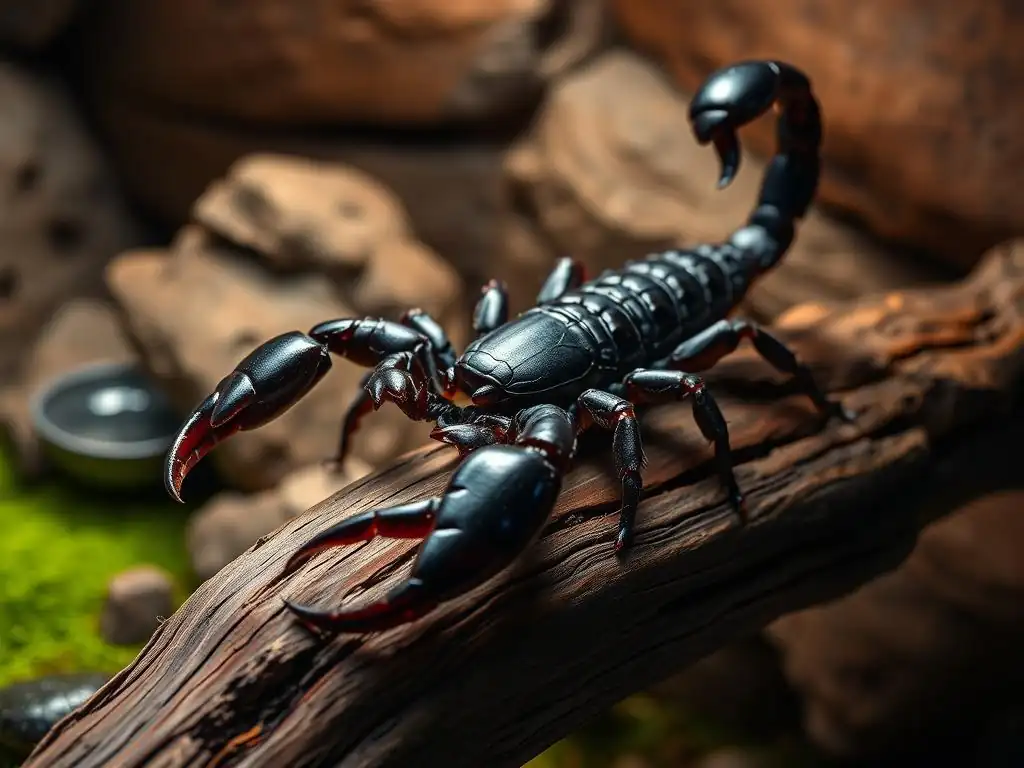
Welcome to PetCareWorld, your ultimate guide to the fascinating world of pet care! Are you ready to embark on an exciting journey into the captivating realm of exotic pets? Then delve into our expert best scorpion pet selection guide, where we unravel the secrets to choosing a healthy and thriving scorpion companion. Discover the essential factors to consider before welcoming this unique creature into your home, and learn how to provide the best possible care. Prepare to be amazed by the diversity and wonder of scorpions – your adventure starts now!
- Understanding Scorpion Species for Beginners: Choosing the Right Pet Scorpion
- Best Scorpion Pet Selection Guide: Essential Factors to Consider
- Sourcing Your Scorpion: Reputable Breeders vs. Pet Stores
-
Setting Up the Ideal Scorpion Habitat: Essential Equipment and Considerations
- Choosing the Right Enclosure Size and Material: Species-Specific Requirements
- Creating the Perfect Substrate: Moisture Levels and Material Choices
- Providing Appropriate Hiding Places: Enhancing Security and Reducing Stress
- Temperature and Humidity Control: Maintaining Optimal Living Conditions
- Essential Accessories: Water Dishes, Feeding Dishes, and Enrichment Items
-
Scorpion Diet and Nutrition: Feeding Your Pet Scorpion
- Understanding Scorpion Dietary Needs: Live Food Sources and Frequency
- Choosing Appropriate Prey: Insects and Other Suitable Food Sources
- Safe Handling of Live Food: Preventing Escapes and Ensuring Scorpion Safety
- Monitoring Food Intake and Adjusting Feeding Schedule: Signs of Overfeeding or Undernourishment
- Handling and Caring for Your Scorpion: Safety Precautions and Best Practices
- Long-Term Care of Your Pet Scorpion: Ensuring a Healthy and Happy Life
- Common Myths and Realities about Keeping Scorpions as Pets
- Frequently Asked Questions
- Final Reflection: The Unexpected Wisdom of Scorpion Selection
- Unleash Your Inner Arachnid Enthusiast!
Understanding Scorpion Species for Beginners: Choosing the Right Pet Scorpion
Choosing a scorpion as a pet is a unique and rewarding experience, but it requires careful consideration and preparation. Unlike more common pets like dogs or cats, scorpions have specific needs that must be met to ensure their health and well-being. This comprehensive guide will walk you through the essential steps of selecting a healthy scorpion, helping you make an informed decision that benefits both you and your new arachnid companion. We'll cover everything from identifying beginner-friendly species to understanding their individual care requirements, ensuring you're equipped to provide the best possible environment for your scorpion.
This guide aims to be your definitive resource for finding the best scorpion pet selection, making it the ultimate "best scorpion pet selection guide" for aspiring scorpion keepers. Remember, responsible pet ownership starts with thorough research and understanding. Let's dive in!
Popular Scorpion Species Suitable for Beginners: Temperament and Care Requirements
Several scorpion species are considered relatively docile and suitable for beginners. However, "docile" in the context of scorpions still means handling should be approached with caution and respect. Never underestimate the potential for a sting, even from a species considered beginner-friendly. Here are a few examples:
- Emperor Scorpion ( Pandinus imperator): Known for their relatively calm temperament and large size, Emperor Scorpions are a popular choice for beginners. They are less prone to stinging and require a relatively straightforward care regimen. Their large size also makes them easier to handle (with appropriate precautions, of course!). Average lifespan: 6-8 years.
- Florida Bark Scorpion (Centruroides gracilis): While belonging to a genus known for its venomous species, Centruroides gracilis is generally considered less dangerous. However, professional handling and appropriate safety measures are crucial. They require a slightly more humid environment than Emperor Scorpions. Average lifespan: 2-4 years.
- Striped Scorpion (Hadogenes troglodytes): This species is appreciated for its relatively docile nature and striking appearance. They are relatively slow-moving, making handling (again, with proper precautions) a bit easier. They need a dry, arid environment to thrive. Average lifespan: 4-6 years.
It's crucial to research the specific needs of any species you are considering. Environmental factors like temperature and humidity are vital, as is understanding their dietary requirements. Always consult reputable sources and experienced keepers before making your final decision. Remember, even seemingly harmless species can inflict a painful sting if provoked.
Assessing Your Experience Level: Matching Scorpion Species to Your Expertise
Choosing a scorpion based on your experience level is paramount. Beginners should start with species known for their docile nature and easier-to-manage care requirements, as listed above. More experienced keepers might opt for species with more demanding needs, or those with a more complex temperament.
| Experience Level | Suitable Scorpion Species | Considerations |
|---|---|---|
| Beginner | Pandinus imperator, Centruroides gracilis (with caution) | Easier care, relatively docile, readily available |
| Intermediate | Hadogenes troglodytes, certain species of Heterometrus | Requires more specialized knowledge of habitat and dietary needs |
| Advanced | Many species requiring specialized care and handling expertise | Thorough research, prior experience with challenging invertebrates is essential. |
Never attempt to handle a scorpion without the proper training and safety equipment. Always prioritize your safety and the well-being of the animal.
Researching Specific Scorpion Needs: Habitat, Diet, and Handling
Once you've chosen a species, thorough research into its specific needs is essential. This includes:
- Habitat: This encompasses the type of enclosure, substrate, temperature, humidity, and lighting requirements. Providing an appropriate habitat is crucial for the scorpion's health and longevity. Specific temperature and humidity ranges vary greatly by species.
- Diet: Scorpions are carnivorous, and their diet typically consists of insects like crickets, roaches, and mealworms. The size and frequency of feeding will depend on the scorpion's age and size. Providing a varied diet is essential for optimal nutrition.
- Handling: While some species are considered more docile, handling scorpions should always be approached with extreme caution. Always use appropriate handling tools and never handle a scorpion without proper safety measures in place. A sting, even from a "less venomous" species, can be painful and potentially require medical attention. Observe the scorpion's behavior and avoid handling if it appears agitated or defensive. The use of tongs is strongly recommended.
Remember, responsible scorpion ownership involves ongoing learning and commitment. Continuous research and a willingness to adapt to your scorpion's specific needs are key to a successful and rewarding experience.
Best Scorpion Pet Selection Guide: Essential Factors to Consider
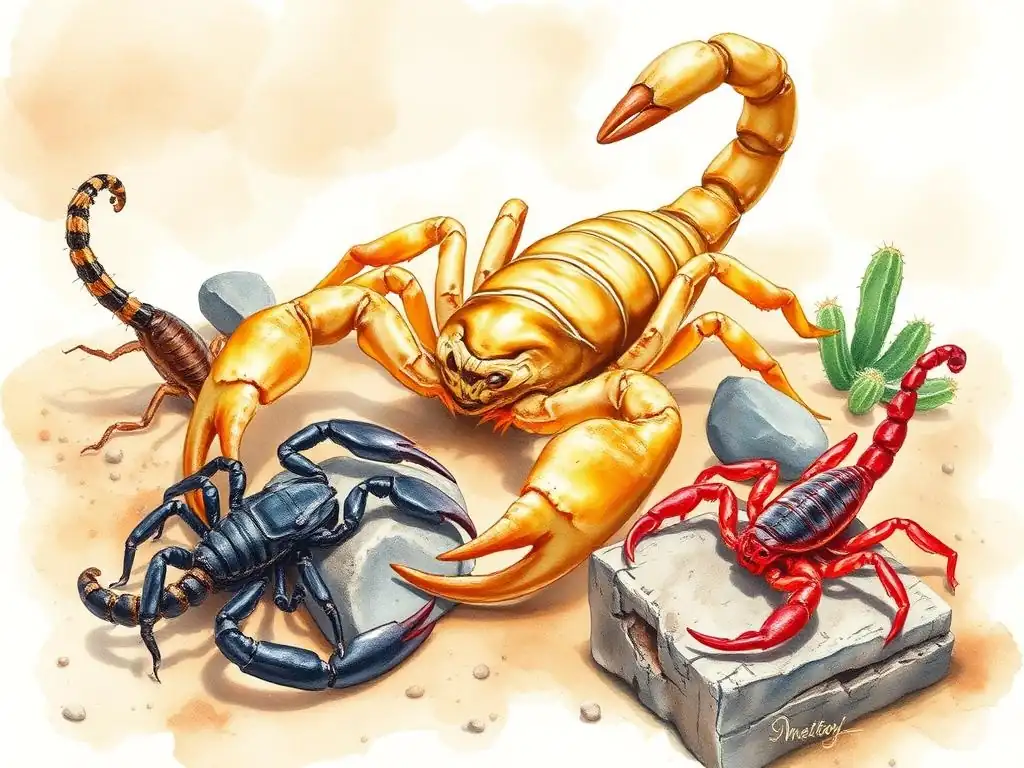
This section delves into the crucial factors you must consider when selecting a healthy scorpion as a pet. Choosing the right scorpion involves more than just its appearance; it requires a thorough assessment of its physical condition, behavior, and potential health issues. This guide will equip you with the knowledge to make an informed decision and ensure a long and healthy life for your arachnid companion. Remember, responsible scorpion ownership begins with careful selection.
Evaluating the Scorpion's Physical Condition: Signs of Health and Disease
A healthy scorpion displays specific physical characteristics. Before purchasing, meticulously examine the scorpion for any signs of illness or injury. Look for:
- Bright, clear exoskeleton: A dull, discolored, or damaged exoskeleton can indicate past injuries, dehydration, or disease. The color should be consistent with the species, vibrant and free from blemishes. A healthy exoskeleton is firm and smooth to the touch (avoid handling unnecessarily! ).
- Active and responsive pedipalps and legs: Observe the scorpion's movements. Are its pedipalps (the claw-like appendages near the mouth) and legs moving smoothly and purposefully? Weakness, tremors, or paralysis are serious warning signs.
- Alertness and responsiveness: A healthy scorpion will react to stimuli in its environment. A lethargic or unresponsive scorpion may be sick or stressed.
- Well-defined body segments: Examine the scorpion's body segments for any signs of swelling, deformities, or missing parts.
- Clean and clear telson (stinger): The telson, the scorpion's tail containing the stinger, should be clean, free from any discharge, and firmly attached to its body.
A table summarizing these key indicators can be helpful:
| Feature | Healthy Scorpion | Unhealthy Scorpion |
|---|---|---|
| Exoskeleton | Bright, clear, smooth, firm | Dull, discolored, damaged, soft |
| Pedipalps & Legs | Active, responsive, smooth movement | Weak, tremors, paralysis, uncoordinated movement |
| Alertness | Alert, responsive to stimuli | Lethargic, unresponsive |
| Body Segments | Well-defined, no deformities | Swelling, deformities, missing parts |
| Telson | Clean, clear, firmly attached | Discharge, damaged, loosely attached |
Remember, if you observe any of these unhealthy indicators, it's crucial to avoid purchasing the scorpion. Consulting with an experienced reptile or invertebrate veterinarian before purchasing any animal is always recommended.
Assessing the Scorpion's Behavior: Active vs. Docile Species
Scorpion behavior varies greatly across species. Some are more active and aggressive than others. Understanding a species' temperament is vital for responsible pet ownership. Research the specific species you're considering thoroughly before purchasing. Consider factors like:
- Activity level: Some scorpions are primarily nocturnal, while others are diurnal. Consider your lifestyle and whether you can provide the appropriate environment for the scorpion's natural activity patterns.
- Aggression level: Some species are known for their aggressive nature and potent venom, while others are relatively docile. Beginners should opt for species known for their calmer temperaments. This will minimize the risk of stings and allow for easier handling (always handle with appropriate safety precautions).
- Defensive mechanisms: Observe how the scorpion reacts to gentle probing (from a safe distance!). Does it immediately raise its tail and display defensive behavior, or does it remain relatively calm? This indicates its general temperament.
Choosing a scorpion species that matches your experience level and living situation is essential for both your safety and the well-being of the scorpion. Do your research and choose wisely!
Identifying Potential Health Issues: Parasites, Injuries, and Malnutrition
Even seemingly healthy scorpions can harbor unseen health problems. Look for subtle signs indicating potential issues:
- Parasites: While not always visible to the naked eye, parasites can weaken a scorpion significantly. Look for any unusual activity or clustering of small organisms on the scorpion's body. A veterinarian can perform a thorough examination to detect internal parasites.
- Injuries: Examine the scorpion carefully for any wounds, cuts, or missing limbs. Even minor injuries can lead to infection if left untreated.
- Malnutrition: A malnourished scorpion will appear thin, with a sunken abdomen and a generally weak appearance. This is often a result of improper diet or inadequate husbandry.
It's vital to remember that early detection of these issues is crucial for successful treatment. If you suspect any health problems, immediately consult a veterinarian specializing in exotic animals. Prevention is always better than cure; thorough research and careful selection are key to owning a healthy and happy scorpion.
Sourcing Your Scorpion: Reputable Breeders vs. Pet Stores
Choosing where to acquire your scorpion is a crucial step in responsible pet ownership. The health and temperament of your new companion depend heavily on the source. Generally, reputable breeders prioritize the well-being of their animals, offering healthier specimens and better support than many pet stores. This section will help you navigate the differences and make an informed decision regarding the best scorpion pet selection. Understanding the nuances of sourcing will significantly increase your chances of finding a healthy and thriving scorpion.
Finding Reputable Scorpion Breeders: Online Forums and Local Communities
Locating ethical scorpion breeders requires diligence and research. Avoid impulse purchases! Start your search within specialized online forums and communities dedicated to arachnid enthusiasts. These platforms often feature dedicated sections for buying, selling, and discussing scorpion care. Members frequently share experiences with breeders, offering valuable insights into reputation, animal health, and breeding practices. Look for breeders who are transparent about their breeding methods, provide detailed health information about their scorpions, and actively participate in the community by offering advice and support. Positive feedback and recommendations are strong indicators of a reputable breeder.
Another avenue is exploring local herpetological societies or reptile clubs. These groups often connect hobbyists with knowledgeable breeders in their geographic area. Networking within these communities provides opportunities to meet breeders in person, observe their facilities (if possible), and assess the overall health and condition of their scorpions firsthand. Remember to always prioritize breeders who emphasize ethical breeding practices, focusing on genetic diversity and the well-being of their animals above profit. The investment in a healthy scorpion from a reputable source will pay dividends in the long run, reducing the risk of disease and behavioral problems.
Evaluating Pet Stores: Ensuring Ethical Sourcing and Healthy Animals
While some pet stores may offer scorpions, it's crucial to approach these purchases with caution. The sourcing practices of pet stores can vary significantly, and ethical concerns are often paramount. Before purchasing a scorpion from a pet store, carefully observe the animals' living conditions. Look for clean, appropriately sized enclosures with suitable substrate and hiding places. Scorpions should be alert, active, and display normal feeding behaviors. Avoid stores that house scorpions in cramped, unsanitary conditions or show signs of neglect.
Scrutinize the store's policies regarding animal sourcing. Reputable pet stores will be transparent about their suppliers, ideally showcasing a commitment to responsible breeding practices. Ask specific questions about the scorpions' origin, age, and health history. If the store is unable or unwilling to provide this information, it's best to seek a different source. Remember that a healthy scorpion will be more likely to thrive under your care, providing a rewarding and enriching pet-owning experience. Choosing a healthy scorpion from the start reduces the likelihood of future health issues and associated costs.
Questions to Ask Before Purchasing: Health History and Handling Practices
Regardless of whether you purchase from a breeder or a pet store, asking pertinent questions is essential. This proactive approach ensures you obtain a healthy and well-adjusted scorpion. Here are some crucial questions to ask:
- Health History: Inquire about the scorpion's feeding habits, molting schedule (if applicable), and any previous health issues. A detailed health history provides valuable insight into the animal's overall well-being.
- Handling Practices: Ask about the breeder or store's handling procedures. Gentle and careful handling is crucial to minimize stress and prevent injury to the scorpion. Observe how the animal is handled during the purchase process—this provides a glimpse into their practices.
- Species Identification: Confirm the scorpion's species with certainty. Accurate species identification is essential for providing appropriate care, including suitable housing, temperature, and humidity levels. Misidentification can lead to improper care and endanger the scorpion's health.
- Quarantine Procedures: Ask about any quarantine procedures implemented before selling the scorpion. Quarantine helps prevent the spread of diseases and parasites.
- Feeding Regimen: Inquire about the scorpion's current feeding regimen. Knowing their diet will help you smoothly transition them to your care.
By asking these questions and carefully evaluating the source, you can significantly improve your chances of selecting a healthy and happy scorpion companion, making your journey into scorpion ownership a successful and rewarding one. Remember, responsible pet ownership begins with a well-informed choice.
Setting Up the Ideal Scorpion Habitat: Essential Equipment and Considerations
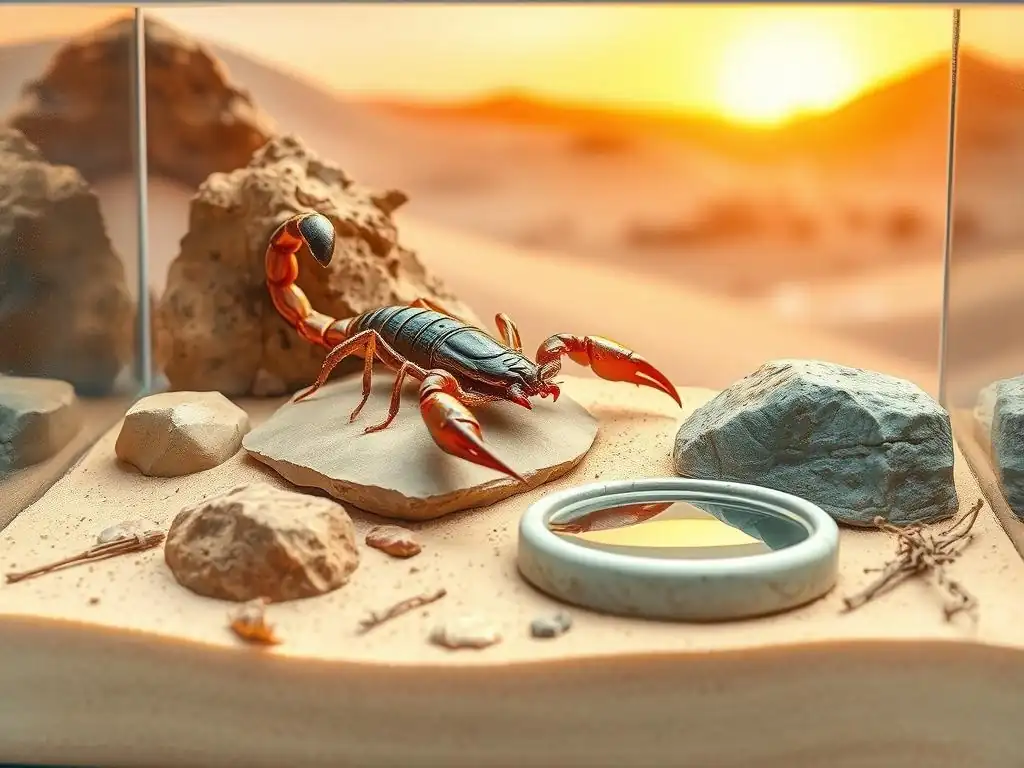
This section focuses on creating a thriving environment for your new scorpion companion. A properly set up habitat is crucial for your scorpion's health, longevity, and overall well-being. Remember, a happy scorpion is a healthy scorpion! This guide will help you select the best scorpion pet, focusing on the environmental needs that contribute to optimal scorpion health. Choosing the right equipment and understanding the specific requirements of your scorpion species are key aspects of responsible scorpion ownership. Selecting the best scorpion pet often hinges on the owner’s ability to provide appropriate care.
Choosing the Right Enclosure Size and Material: Species-Specific Requirements
The size and type of enclosure you choose are paramount. Different scorpion species have vastly different size requirements. A small species like a Centruroides sculpturatus will thrive in a smaller enclosure, whereas a larger species such as an Emperor Scorpion (Pandinus imperator) will necessitate a significantly larger habitat. As a general rule, aim for an enclosure at least three times the scorpion's body length in each dimension (length, width, and height).
Consider the material of the enclosure carefully. Glass terrariums are popular due to their visibility and ease of cleaning. However, ensure the enclosure is securely sealed to prevent escapes. Escape-proof lids are absolutely essential. Mesh tops should be avoided as they don't provide sufficient humidity retention, which is crucial for most scorpion species. Some owners prefer plastic enclosures for their durability and affordability, but ensure adequate ventilation is present to avoid mold and mildew buildup. The choice depends on the species and your budget, but always prioritize security and appropriate environmental control.
Here's a table summarizing enclosure size recommendations for a few common scorpion species:
| Scorpion Species | Minimum Enclosure Size (L x W x H) | Material Recommendation |
|---|---|---|
| Centruroides sculpturatus | 10" x 8" x 6" | Glass or Secure Plastic |
| Pandinus imperator | 24" x 18" x 12" | Glass |
| Heterometrus swammerdami | 16" x 12" x 10" | Glass or Secure Plastic |
Remember, these are minimum recommendations; providing a larger enclosure is always preferable to allow for natural behaviors such as burrowing and exploration.
Creating the Perfect Substrate: Moisture Levels and Material Choices
The substrate, or bottom layer of the enclosure, plays a critical role in maintaining appropriate humidity levels and providing a suitable burrowing medium. The type of substrate you use will depend on the specific needs of your scorpion species. Some scorpions prefer drier environments, while others need higher humidity levels to thrive. Incorrect substrate can lead to dehydration or fungal infections.
Popular substrate choices include:
- Coconut fiber: This is a widely used and readily available option that retains moisture well and provides excellent burrowing capabilities.
- Sand and peat moss mix: This offers good drainage and humidity control, but the ratio of sand to peat moss needs to be adjusted based on the scorpion's moisture requirements.
- Vermiculite: This is an inorganic substrate that retains moisture effectively and is often used in combination with other substrates.
Maintaining the correct moisture level is essential. Regularly monitor the substrate moisture using a hygrometer. The ideal humidity level will vary depending on the species, but generally, scorpions need a moderately humid environment, usually between 60-80% relative humidity. You can adjust moisture levels by misting the substrate with water or adding more or less of a moisture-retaining component. Always avoid overwatering, which can lead to mold and mildew growth.
Providing Appropriate Hiding Places: Enhancing Security and Reducing Stress
Scorpions are naturally shy and secretive creatures. Providing adequate hiding places is crucial for reducing stress and promoting a sense of security. These hiding places should mimic their natural environment and allow them to feel safe and protected.
Suitable hiding places include:
- Cork bark: Pieces of cork bark provide excellent hiding spots and can be arranged in various ways within the enclosure.
- Rocks and stones: Larger, flat rocks can be used to create crevices and shelters.
- Half-log hides: These are commercially available and provide a natural-looking hiding place.
- Artificial plants: While not as natural as other options, artificial plants can add visual appeal and provide some cover.
Ensure there are multiple hiding places strategically positioned throughout the enclosure. This allows your scorpion to choose its preferred location and feel secure. Avoid overcrowding the enclosure with hiding places, as this could hinder observation and cleaning. The key is to provide enough options without compromising the overall space and aesthetics of the habitat. A well-designed habitat contributes significantly to a happy and healthy scorpion, making it a crucial part of selecting the best scorpion pet for you.
Temperature and Humidity Control: Maintaining Optimal Living Conditions
Maintaining the correct temperature and humidity levels is crucial for your scorpion's health and longevity. Scorpions are ectothermic, meaning they rely on external sources to regulate their body temperature. Fluctuations outside their preferred range can lead to stress, illness, and even death. The specific temperature and humidity requirements vary depending on the scorpion species. For example, Hadrurus arizonensis (Arizona bark scorpion) thrives in a temperature range of 75-85°F (24-29°C) with a humidity level around 40-50%, while Androctonus australis (yellow fat-tailed scorpion) might prefer slightly warmer temperatures and lower humidity.
Always research the specific needs of your chosen scorpion species before acquiring it. This information is readily available from reputable breeders, online databases, and herpetological societies. Failing to provide the correct environmental conditions can significantly shorten your scorpion's lifespan and compromise its overall well-being. Accurate temperature monitoring is paramount. Invest in a reliable digital thermometer with a probe that can be placed inside the enclosure to ensure consistent readings.
Using a thermostat-controlled heating pad or heat lamp is recommended to maintain a stable temperature gradient within the habitat; this allows your scorpion to thermoregulate effectively by moving to different zones within its enclosure. Humidity is equally critical. A hygrometer is essential to monitor humidity levels. Methods to regulate humidity include misting the substrate, using a water dish (which also provides a water source!
), or placing damp sphagnum moss in a corner of the enclosure. Regular monitoring and adjustments are necessary to prevent both overly dry and overly humid conditions. Overly dry conditions can lead to dehydration and shedding problems, while excessively high humidity promotes mold and bacterial growth. Careful attention to these details will significantly improve the chances of a happy and healthy scorpion.
Essential Accessories: Water Dishes, Feeding Dishes, and Enrichment Items
Providing your scorpion with appropriate accessories is essential for its well-being. This isn't simply about providing sustenance; it's about creating a stimulating and enriching environment that mimics its natural habitat. Let's start with the basics: food and water. A shallow, stable water dish is crucial. Avoid using deep dishes that your scorpion could potentially drown in. A small, weighted dish, such as a ceramic or glass one, is ideal.
Keep the water fresh and changed regularly, usually every 2-3 days, to prevent bacterial growth. The feeding dish should also be shallow and easy to clean. A small, flat dish or even a section of the substrate slightly cleared of debris will suffice. Avoid using anything that could potentially harbor bacteria or become a breeding ground for insects. Remember to remove any uneaten food promptly to maintain hygiene.
Beyond these essentials, enrichment items are vital for stimulating natural behaviors and preventing boredom. Scorpions are active hunters, so providing hiding places is crucial. These can be as simple as pieces of cork bark, rocks, or artificial plants. Creating a varied terrain with different levels and hiding spots allows your scorpion to explore and feel secure.
Avoid sharp objects or anything that could injure your scorpion. The substrate itself should be loose enough to allow burrowing and creating hiding places. Many scorpion keepers utilize a mix of sand, peat moss, and coconut fiber to replicate the natural substrate of their scorpion's habitat. The substrate depth should be appropriate for the size of the scorpion, allowing for adequate burrowing.
Remember, an enriched environment will lead to a healthier and more active scorpion, reducing stress and promoting natural behaviors. Observe your scorpion carefully to determine what types of enrichment it enjoys the most and adjust the setup accordingly. Regular cleaning and maintenance of the enclosure are also crucial aspects of providing a safe and healthy environment for your pet scorpion.
Scorpion Diet and Nutrition: Feeding Your Pet Scorpion
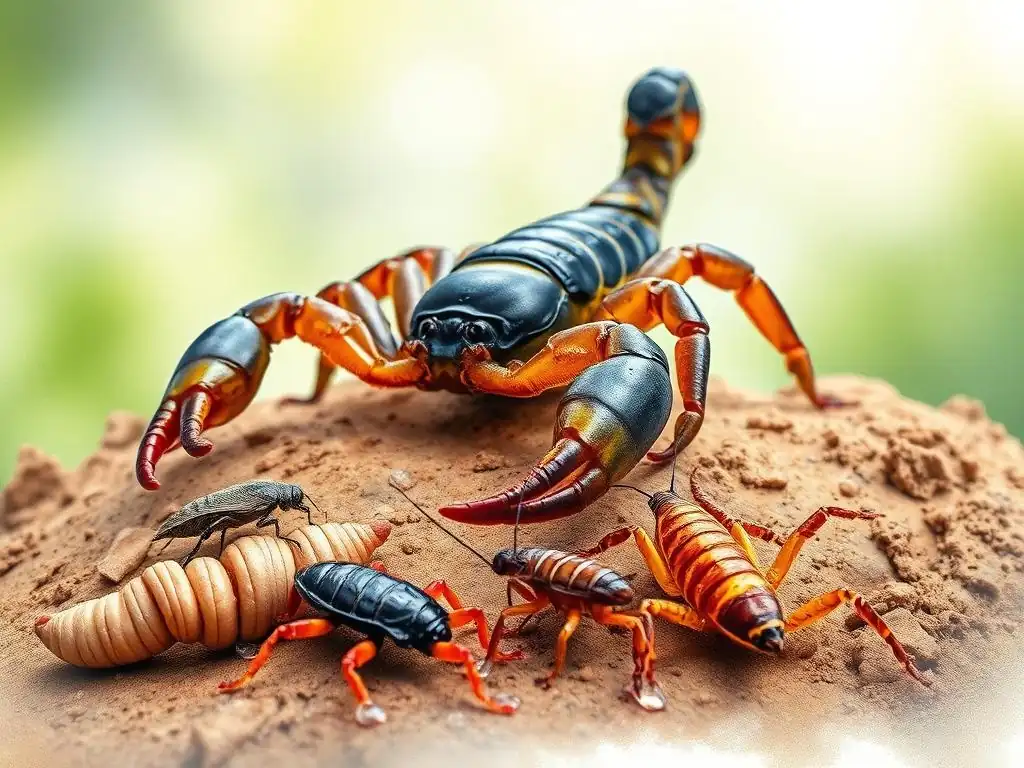
This section delves into the crucial aspect of scorpion nutrition, offering guidance on selecting appropriate prey, safe handling practices, and understanding the dietary needs of your pet scorpion. Providing the right diet is paramount to your scorpion's health, longevity, and overall well-being. A poorly nourished scorpion is more susceptible to disease and may exhibit behavioral problems. This guide will help you become a responsible and informed scorpion keeper.
Understanding Scorpion Dietary Needs: Live Food Sources and Frequency
Scorpions are obligate carnivores, meaning their diet consists entirely of live prey. The frequency of feeding depends heavily on the scorpion's size, age, and species. Generally, adult scorpions need to be fed once every 7-10 days, while younger, growing scorpions may require feeding every 3-5 days. Overfeeding can lead to obesity and health complications, while underfeeding will result in a weakened and unhealthy animal. Observe your scorpion's feeding behavior; if it consistently refuses food, adjust the feeding schedule accordingly. Always remove any uneaten prey after 24 hours to prevent the build-up of decaying matter in the enclosure.
Remember that feeding frequency is not just about the number of times you feed, but also the size of the prey. A larger scorpion will require larger prey items, while a smaller scorpion should receive smaller, appropriately sized food. The prey should never be larger than the scorpion's body size. Providing inappropriately sized prey can lead to injury or even death for your scorpion.
Choosing Appropriate Prey: Insects and Other Suitable Food Sources
The best food sources for scorpions are live insects, specifically those that are readily available and safe. Popular choices include:
- Crickets: A staple food source, crickets are readily available in pet stores and come in various sizes. Ensure they are gut-loaded (fed nutritious food) before offering them to your scorpion.
- Mealworms: These are another good option, offering a balance of nutrients. However, they should be offered in moderation as they are high in fat.
- Dubia Roaches: A more sustainable and less smelly option compared to crickets, Dubia roaches are becoming increasingly popular amongst scorpion keepers.
- Waxworms: These should be offered as an occasional treat only, as they are very high in fat and can lead to obesity if fed regularly.
Avoid feeding your scorpion wild-caught insects, as they may carry parasites or pesticides. Always purchase your insect food from reputable suppliers. The size of the prey should always be carefully considered; a good rule of thumb is to choose insects that are no larger than the width of your scorpion's body.
| Prey Type | Nutritional Value | Frequency | Considerations |
|---|---|---|---|
| Crickets | Good source of protein | Regular | Gut-load before feeding |
| Mealworms | High in fat, good protein | Occasional | Feed in moderation |
| Dubia Roaches | Good protein, low fat | Regular | Less smelly than crickets |
| Waxworms | Very high in fat | Occasional treat | Only as an occasional treat, high in fat |
Safe Handling of Live Food: Preventing Escapes and Ensuring Scorpion Safety
Handling live food requires caution to prevent escapes and ensure the safety of both the scorpion and the keeper. Never introduce prey directly into the scorpion's enclosure without proper preparation. Use tongs or forceps to carefully place the prey item within the enclosure, away from the scorpion's immediate vicinity.
Always check for any escapes thoroughly after feeding. A loose insect within your home can cause significant problems. Make sure the enclosure is properly sealed to prevent escapes. If you are keeping multiple scorpions, never house them together as they are cannibalistic. Always provide enough hiding places for the scorpion to feel secure and reduce stress. Proper enclosure maintenance and regular cleaning are essential to minimizing the risk of escape. Remember, safety is paramount in scorpion keeping, for both you and your pet. 🕷️
Monitoring Food Intake and Adjusting Feeding Schedule: Signs of Overfeeding or Undernourishment
Regularly monitoring your scorpion's food intake is crucial for maintaining its health and well-being. A healthy scorpion will readily consume appropriate prey items offered, exhibiting a keen interest and actively hunting or ambushing its food. However, discrepancies in eating habits can signal underlying problems. Consistent refusal of food, even after offering a variety of suitable prey, can indicate illness, stress, or an unsuitable environment. Conversely, excessive eating can lead to obesity, impacting the scorpion's mobility and overall health.
Overfeeding is a significant concern. Signs of overfeeding in scorpions can manifest as a noticeably bloated abdomen, sluggish movement, and a decreased appetite. In extreme cases, obesity can put extra strain on the scorpion's exoskeleton and internal organs, potentially leading to health complications and a reduced lifespan. It's important to observe your scorpion's body condition regularly. A healthy scorpion should have a firm, but not overly distended, abdomen.
Undernourishment, on the other hand, presents a different set of challenges. A scorpion suffering from undernourishment will exhibit a noticeably thin abdomen, a lack of energy, and potentially a weakened exoskeleton. Their hunting behavior might also be affected, with a reduced willingness to pursue and capture prey. This can be easily missed if you only spot-check their enclosure occasionally. A consistent feeding schedule and careful observation are vital for early detection.
Adjusting the feeding schedule is crucial based on your scorpion's age, size, and activity level. Younger scorpions generally require more frequent feeding than adults. The frequency should also be adjusted according to the scorpion's response to the provided food. If the scorpion consistently leaves food uneaten, reduce the frequency or the amount of food offered.
If, however, the scorpion seems to be constantly hungry and actively hunting, a slight increase in frequency or portion size might be necessary. Always err on the side of caution, and it's better to slightly underfeed than overfeed. Remember to consult reliable resources and experienced keepers for species-specific dietary guidelines, as nutritional needs vary greatly among different scorpion species.
Careful observation and timely adjustments are key to ensuring your scorpion thrives under your care. Regularly weighing your scorpion (using a precise scale) can also provide valuable data to track growth and identify potential weight issues. This practice is especially important for younger scorpions.
Handling and Caring for Your Scorpion: Safety Precautions and Best Practices
Choosing the right scorpion is only the first step in responsible scorpion ownership. Understanding proper handling techniques and creating a secure environment are crucial for both your safety and the well-being of your pet. This section provides essential information for minimizing risks and ensuring a harmonious co-existence. Remember, scorpions, even docile species, possess venom, and caution is always paramount. This guide aims to help you become a responsible scorpion keeper, selecting the best scorpion for your experience level and ensuring its health and safety.
Safe Handling Techniques: Minimizing Risk to Both You and Your Scorpion
Safe handling of scorpions requires specialized equipment and a calm, deliberate approach. Never handle a scorpion without proper preparation. The best scorpion pet selection guide always emphasizes the importance of safety.
- Use appropriate tools: Always use long-handled tongs or forceps to handle your scorpion. Avoid direct contact with your bare hands. The length of the tongs should be proportionate to the size of your scorpion to ensure a secure grip.
- Observe before handling: Before attempting to handle your scorpion, observe its behavior for several days. Note its activity levels, feeding habits, and any signs of aggression or stress. This observation period is crucial for understanding your individual scorpion's temperament.
- Minimize stress: Handle your scorpion only when necessary, such as during cleaning or feeding. Keep handling sessions short and gentle, avoiding sudden movements or jarring the enclosure. Sudden movements can trigger defensive behavior in even the most docile scorpions.
- Support the scorpion’s body: When using tongs, gently support the scorpion's body to prevent injury. Avoid squeezing or applying excessive pressure. Incorrect handling can result in injury to the scorpion, causing significant stress and potentially compromising its health.
- Post-handling: After handling, thoroughly wash your hands with soap and water. Even with tongs, there's a small risk of contamination. This simple step is a critical part of responsible scorpion care.
Remember, even with careful handling, accidents can happen. Having an antivenom readily available (if applicable for your scorpion species) is a wise precaution. Always consult with a veterinarian specializing in exotic animals before acquiring a scorpion.
Recognizing Signs of Aggression or Stress: Understanding Scorpion Behavior
Understanding your scorpion's behavior is key to responsible ownership and safe handling. Recognizing signs of aggression or stress can help you prevent accidents and ensure your scorpion's well-being. A stressed scorpion is more likely to exhibit defensive behaviors, including stinging.
- Aggression indicators: These might include raised tail, rapid movements, clicking sounds (stridulation), and attempts to pinch with pedipalps. These are clear warnings that the scorpion feels threatened and is preparing for defense.
- Stress indicators: Lethargy, loss of appetite, unusual posture (curled up, immobile), and changes in coloration can indicate stress. Environmental factors such as improper temperature or humidity levels often cause stress.
- Behavioral changes: Any unexpected changes in your scorpion's behavior should be carefully monitored. Sudden increases or decreases in activity levels warrant attention. Keep a detailed log of your scorpion's behavior to help identify patterns and potential health issues.
- Species-specific behavior: Remember that different scorpion species exhibit varying levels of aggression. Research your specific scorpion species thoroughly before acquiring it. Some species are naturally more docile than others.
Understanding these behavioral cues will improve your ability to provide a safe and enriching environment for your scorpion and minimize the risk of stings or injuries. This knowledge is paramount for anyone considering scorpions as pets.
Creating a Safe and Secure Environment: Preventing Escapes and Injuries
Providing a secure enclosure is crucial for both your safety and your scorpion's well-being. Escapes can be dangerous for both you and your pet. The best scorpion pet selection guide always stresses the importance of a well-secured enclosure.
- Escape-proof enclosure: Use a secure enclosure with a tightly fitting lid and no gaps or openings. Glass terrariums with secure locking mechanisms are recommended. Mesh lids are generally not suitable for scorpions, as they are adept climbers and escape artists.
- Substrate: Use a suitable substrate that retains moisture and allows for burrowing. This will provide a natural environment for your scorpion and reduce stress. Avoid using materials that could be ingested or cause injury.
- Temperature and humidity control: Maintain appropriate temperature and humidity levels based on your scorpion's specific requirements. Use a thermometer and hygrometer to monitor these conditions regularly. Incorrect levels can cause stress and health issues.
- Hiding places: Provide hiding places such as rocks, cork bark, or artificial caves. This will reduce stress and provide a sense of security for your scorpion. This is critical for the well-being of your pet scorpion.
- Regular maintenance: Regularly clean and maintain the enclosure to prevent the buildup of waste and bacteria. This is essential for maintaining a healthy environment. This helps prevent the spread of disease and parasites.
By following these guidelines, you can create a safe and secure environment for your scorpion, minimizing the risk of escapes and injuries. This is a cornerstone of responsible scorpion ownership and contributes significantly to the overall well-being of your pet.
Regular Cleaning and Maintenance: Maintaining a Healthy Habitat
Maintaining a clean and appropriately humid environment is crucial for your scorpion's health and longevity. Neglecting hygiene can lead to bacterial or fungal infections, impacting your pet's well-being and potentially shortening its lifespan. Regular cleaning isn't just about aesthetics; it's a vital part of responsible scorpion ownership.
A crucial aspect of this process involves removing any uneaten food items. Leaving food scraps in the enclosure can attract unwanted insects or mites, which could prey on your scorpion or introduce diseases. Remove any leftover food within 24 hours of feeding. This prevents the buildup of bacteria and keeps the environment sanitary. Remember to always wash your hands thoroughly before and after handling food or cleaning the enclosure.
Substrate cleaning is equally important. The substrate, the material at the bottom of the enclosure (e.g., sand, soil, coconut fiber), can accumulate waste products and debris over time. The frequency of substrate cleaning depends on the type of substrate and the size of your enclosure, but generally, a partial cleaning every 2-3 weeks is recommended. This involves removing the top layer of substrate and replacing it with fresh, clean material. A complete substrate change should be performed every 3-6 months, depending on the level of soiling. Always use appropriate cleaning tools to avoid injuring your scorpion.
Beyond substrate cleaning, regular spot cleaning is vital. This involves removing any visible waste or uneaten food items daily. This prevents the rapid buildup of harmful bacteria and maintains a healthier living space for your scorpion. A small, dedicated cleaning tool, like a small scoop or tweezers, can be helpful for this purpose. Remember to thoroughly clean and disinfect any tools used for cleaning the enclosure to prevent cross-contamination. Disinfectants specifically designed for reptile and invertebrate enclosures are ideal for this task.
Finally, ensuring proper ventilation is key. Poor ventilation can lead to the buildup of ammonia and other harmful gases, compromising your scorpion's respiratory health. Regularly inspect the ventilation system of your enclosure to ensure it's functioning correctly and unobstructed. This might involve simply checking for any blockages or cleaning any dust or debris that might accumulate. A well-ventilated enclosure is a healthy enclosure. Remember, a healthy habitat is the cornerstone of a happy and thriving scorpion. Prioritize regular cleaning and maintenance as a vital part of responsible scorpion ownership.
Long-Term Care of Your Pet Scorpion: Ensuring a Healthy and Happy Life
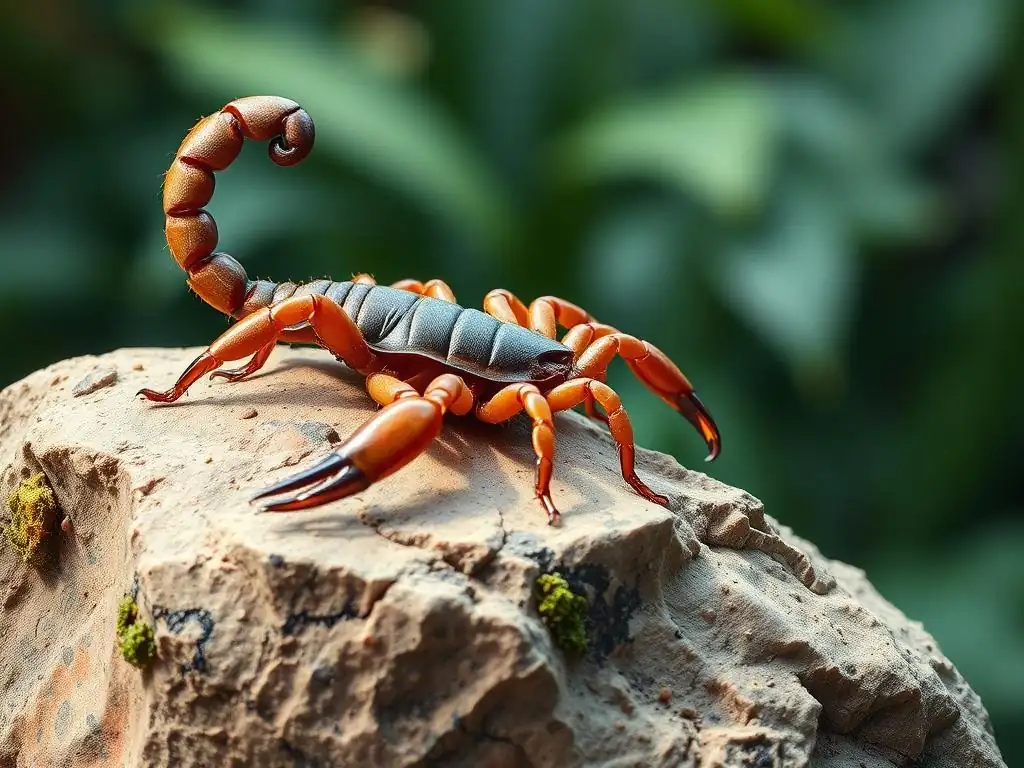
Owning a scorpion is a rewarding experience for dedicated invertebrate enthusiasts, but it requires a long-term commitment. Understanding the complexities of scorpion care is crucial to ensuring your pet's well-being and a positive owner experience. This section delves into essential aspects of long-term scorpion care, moving beyond the initial setup and into the ongoing responsibilities of scorpion ownership. Choosing the best scorpion pet involves considering not just initial acquisition, but the entire lifespan of the animal.
Ongoing Health Monitoring: Recognizing Signs of Illness and Seeking Veterinary Care
Regular observation is paramount to maintaining your scorpion's health. While scorpions are relatively low-maintenance, subtle changes in behavior or appearance can indicate underlying health issues. Look for signs such as lethargy, loss of appetite, changes in coloration, unusual posture, or difficulty molting. A healthy scorpion will be active, responsive to stimuli, and have a bright, clear exoskeleton.
Early detection is key. Unfortunately, specialized veterinary care for scorpions is limited. Finding an exotic animal veterinarian experienced with arachnids is vital. Before purchasing a scorpion, research local veterinary options and their expertise in treating invertebrates. Documenting your scorpion's behavior and any changes you observe will be invaluable information for a veterinarian should a problem arise. Remember, preventative care is the best approach. Maintaining a clean and appropriately humid environment significantly reduces the risk of illness.
Breeding Considerations: Responsible Breeding Practices and Ethical Considerations
Breeding scorpions should only be undertaken by experienced keepers with a thorough understanding of the species' specific needs and ethical implications. Irresponsible breeding contributes to overpopulation and can negatively impact wild scorpion populations. Before attempting to breed your scorpion, consider the following:
- Species Knowledge: Are you familiar with the specific breeding requirements of your scorpion species? This includes understanding their mating rituals, gestation periods, and the care of offspring.
- Housing Capacity: Do you have sufficient space to house the parents and potential offspring? Scorpion offspring require separate housing to prevent cannibalism.
- Ethical Considerations: Do you have a plan for rehoming the offspring? Unplanned breeding leads to an excess of scorpions that may be difficult to rehome, impacting their well-being.
- Genetic Diversity: Are you breeding from healthy, genetically diverse scorpions to avoid inbreeding and maintain a healthy population?
Responsible breeding requires extensive planning and commitment. It’s not a task to undertake lightly. Prioritize the health and well-being of the scorpions above all else. If you are unsure about any aspect of scorpion breeding, it's best to consult with experienced breeders before proceeding. The ethical implications of breeding scorpions as pets must always be carefully considered.
Potential Lifespan of Different Scorpion Species: Planning for Long-Term Commitment
The lifespan of scorpions varies significantly depending on the species. Some species might live for only a few years, while others can live for over 20 years. This longevity underscores the importance of careful planning before acquiring a scorpion as a pet. Researching the expected lifespan of your chosen species is crucial for making an informed decision.
| Scorpion Species | Average Lifespan (Years) | Notes |
|---|---|---|
| Hadrurus arizonensis | 5-8 | Relatively shorter lifespan compared to other species. |
| Androctonus australis | 8-12 | Moderate lifespan, requires specific environmental conditions. |
| Heterometrus swammerdami | 10-15 | Longer lifespan, a popular choice for experienced keepers. |
| Pandinus imperator | 8-10 years (some reports indicate longer) | Known for their relatively docile nature and longer lifespan. Further research needed to confirm upper limits. |
Understanding the potential lifespan allows you to make a realistic assessment of your ability to provide adequate long-term care. This commitment includes providing appropriate housing, nutrition, and veterinary care throughout the scorpion's entire life. Choosing a species with a lifespan compatible with your lifestyle and commitment level is crucial for both your well-being and the scorpion's. Don't underestimate the significant time investment involved in responsible scorpion ownership.
Common Myths and Realities about Keeping Scorpions as Pets
This section addresses common misconceptions surrounding scorpion ownership, separating fact from fiction to help you make an informed decision. Choosing a scorpion as a pet requires careful consideration, and understanding the realities of scorpion care is crucial for both your safety and the well-being of the animal. Many potential owners are deterred by inaccurate information circulating online and through word-of-mouth. This section aims to clarify those misconceptions. The goal is to empower you with the knowledge necessary to determine if scorpion keeping aligns with your lifestyle and capabilities. Remember, responsible pet ownership is paramount, regardless of the species.
Debunking Myths about Scorpion Venom: Understanding the Risks and Safety Precautions
Many potential scorpion owners are understandably concerned about venom. While it's true that some scorpion species possess potent venom, the reality is far less dramatic than often portrayed in popular culture. The vast majority of scorpion species pose a relatively low risk to humans. Their venom, while capable of causing pain and discomfort, is rarely lethal to healthy adults. However, this doesn't mean venom should be disregarded.
- Myth: All scorpions are deadly. Reality: Only a small percentage of scorpion species possess venom dangerous enough to be life-threatening to humans. Many species have venom that causes only localized pain.
- Myth: A scorpion sting is always fatal. Reality: While some stings can be serious, requiring medical attention, fatalities are rare, especially in developed countries with access to antivenom. The severity of a sting depends on several factors, including the species of scorpion, the amount of venom injected, and the health of the person stung.
- Myth: There's no way to prevent scorpion stings. Reality: Careful handling and providing appropriate enclosure conditions significantly reduce the risk of stings. Never handle a scorpion without proper protective gear, such as thick gloves. Regular enclosure maintenance helps to prevent escapes.
Always prioritize safety. Research the specific species you are considering thoroughly to understand its venom potency. Have a plan in place in case of a sting, including knowing the nearest hospital and contacting emergency services if necessary. Appropriate first aid knowledge is essential.
Addressing Concerns about Handling: Safe and Responsible Handling Practices
Handling scorpions requires caution and respect. While some species might be more docile than others, it's crucial to never underestimate their potential to sting. Responsible handling minimizes risks for both you and the scorpion.
- Protective Gear: Always wear thick, puncture-resistant gloves when handling scorpions. Long sleeves and eye protection are also recommended.
- Controlled Environment: Handle scorpions in a confined, controlled space to prevent escapes. A large, sturdy container is ideal.
- Gentle Movements: Avoid sudden or jerky movements that might startle the scorpion and trigger a defensive sting. Handle them slowly and deliberately.
- Observation over Handling: For many species, observing your scorpion from a safe distance is more rewarding and safer than frequent handling. Appreciate their unique behaviors and characteristics without risking a sting.
- Species-Specific Handling: Some species are more docile than others, but even the most docile scorpion can sting if provoked or feels threatened. Always research the temperament of your chosen species before attempting to handle it.
Dispelling Myths about Scorpion Care: Providing Optimal Living Conditions
Providing proper care is essential for your scorpion's health and longevity. Many misconceptions surround scorpion care, leading to inadequate environments and unhappy, unhealthy pets.
- Myth: Scorpions need minimal care. Reality: Scorpions, like all living creatures, require specific environmental conditions to thrive. This includes maintaining proper temperature and humidity levels, providing suitable substrate, and offering appropriate food and water.
- Myth: Scorpions can survive on water alone. Reality: Scorpions need regular feeding, typically consisting of appropriately sized insects. The frequency of feeding will depend on the scorpion's size, age, and species. Water should also be provided regularly, using a shallow dish to prevent drowning.
- Myth: Any enclosure will do. Reality: The enclosure must be escape-proof, appropriately sized for the scorpion, and designed to maintain the necessary temperature and humidity levels. The substrate should be suitable for burrowing and provide hiding places.
- Myth: Scorpions are solitary creatures and don't need social interaction. Reality: While most scorpions are solitary, some species may tolerate the presence of other scorpions, but only if the enclosure is sufficiently large and the scorpions are well-fed. Housing multiple scorpions together is generally not recommended for beginners.
Careful research into the specific needs of your chosen scorpion species is crucial. Providing the correct environment and care will ensure your pet scorpion thrives and lives a long, healthy life. Remember, responsible ownership means understanding and meeting the specific needs of your pet, not relying on generalized information.
Frequently Asked Questions
What makes a scorpion a good pet?
Some scorpions are relatively easy to care for, requiring less space and interaction than other exotic pets. They are also fascinating to observe, showcasing unique behaviors and appearances. However, proper research and commitment are crucial.
What are some of the best scorpion species for beginners?
Emperor scorpions (Pandinus imperator) are often recommended for beginners due to their docile nature and relatively straightforward care requirements. Florida bark scorpions (Centruroides sculpturatus) are another popular choice, though they require more careful handling.
What kind of enclosure do I need for a pet scorpion?
The size of the enclosure depends on the scorpion species. It should be escape-proof, with appropriate substrate (like sand or soil), hiding places, and a water dish. Maintain proper temperature and humidity levels.
How often should I feed my pet scorpion?
Feeding frequency varies by species and age. Young scorpions may need feeding more frequently than adults. Generally, adult scorpions can be fed 1-2 times per week with appropriately sized insects.
Are pet scorpions dangerous?
While many scorpion species are relatively harmless, some possess potent venom. Always research the specific species you are considering and handle it with extreme caution, even docile species. Never handle without proper preparation and equipment.
Final Reflection: The Unexpected Wisdom of Scorpion Selection
The responsible keeping of exotic pets is not just a hobby; it's a commitment to understanding and respecting a creature's complex needs. The seemingly niche world of scorpion keeping holds a surprising mirror to our broader relationship with the natural world, highlighting the importance of informed choices and ethical considerations.
My journey in researching this guide has profoundly shifted my perspective on the seemingly mundane act of pet selection. It's easy to overlook the intricate lives of creatures often perceived as simply "creepy crawlies." But understanding the specific needs of a scorpion—its habitat requirements, dietary preferences, and even its unique personality—reveals a level of complexity that demands respect. The more we learn about the natural world, the more we realize how little we know, and how much we have to learn.
This quote underscores the ongoing need for responsible pet ownership, regardless of the species.
So, as you embark on your own journey of scorpion selection, remember that this is not merely about acquiring a pet; it's about embarking on a relationship. Consider the commitment involved, the research required, and the ethical implications of bringing a wild creature into your home. Will you provide the best possible care, ensuring its health and well-being? The answer to that question will determine not only the scorpion's fate but also the reflection of your own values and responsibilities.
Unleash Your Inner Arachnid Enthusiast!
Thank you for learning about responsible scorpion care! We hope you feel confident choosing a healthy scorpion for your collection. Ready to put your knowledge into practice?
- Find the Perfect Scorpion: Start your search with reputable breeders who prioritize scorpion well-being. Thorough research is crucial for your pet's health.
- Share Your Scorpion Journey: Join our PetCareWorld community forum to share photos and ask questions. It's a great place to connect with other enthusiasts.
- Master Scorpion Care: Explore our extensive library of articles on scorpion habitats, feeding, and handling to ensure a long and happy life for your new pet.
Are you ready to welcome a fascinating and unique scorpion into your home, confident in your ability to provide excellent care?