Common Stick Insect Health Issues: Prevention and Treatment
😊 Keep your stick insect thriving! Learn about common stick insect health problems, including preventative measures and effective treatments, ensuring a long…
Read article
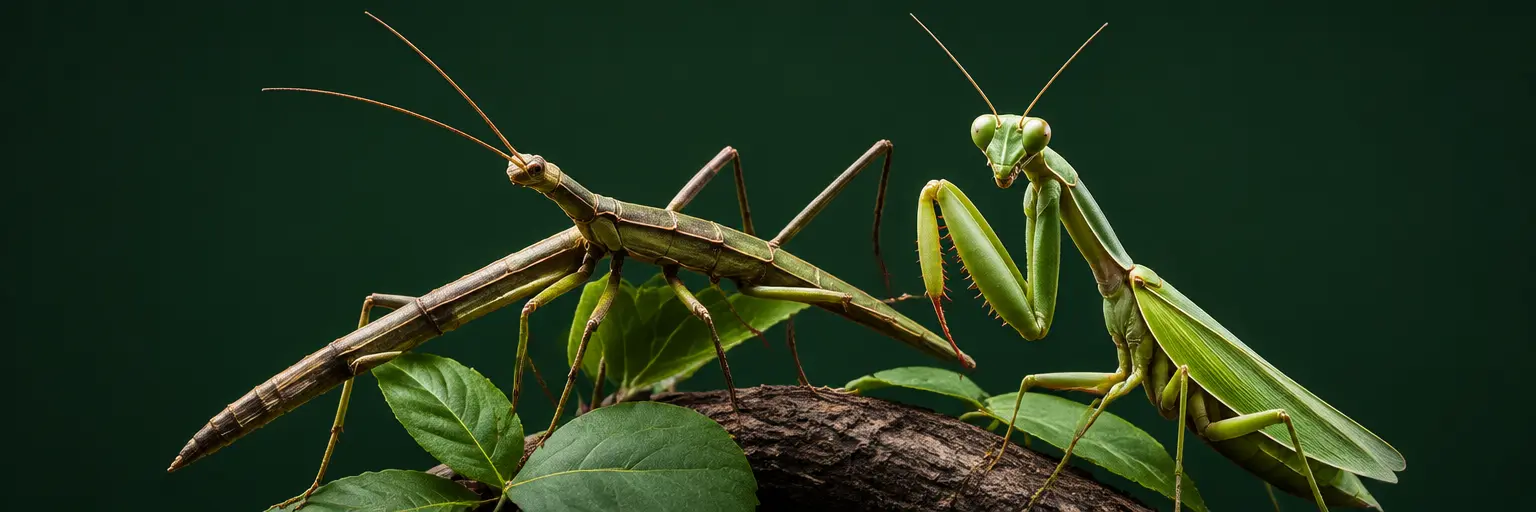
Discover the fascinating world of stick insects and mantises—the ultimate low-maintenance, high-intrigue invertebrate pets for exotic pet enthusiasts. These masters of camouflage offer a unique window into nature’s artistry, requiring minimal space and simple care, yet delivering endless observation opportunities. Whether you’re drawn to the gentle, leaf-like Phasmatodea or the predatory grace of Mantodea, these species are perfect for beginners and seasoned hobbyists alike. With no fur, no noise, and no complex heating (for most species), they thrive on a diet of fresh leaves or live insects, making them an eco-friendly and educational choice for families or apartment dwellers. Their remarkable behaviors—from swaying like twigs in the breeze to lightning-fast strikes—provide a captivating, hands-on biology lesson right at home. Explore our expert guides on habitat setup, feeding schedules, molting cycles, and safe handling to ensure your exotic companion flourishes. Embrace the extraordinary with these living gems that turn your terrarium into a miniature wonderland.
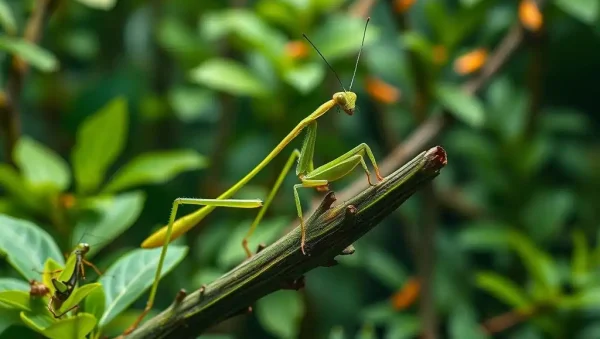
😊 Keep your stick insect thriving! Learn about common stick insect health problems, including preventative measures and effective treatments, ensuring a long…
Read article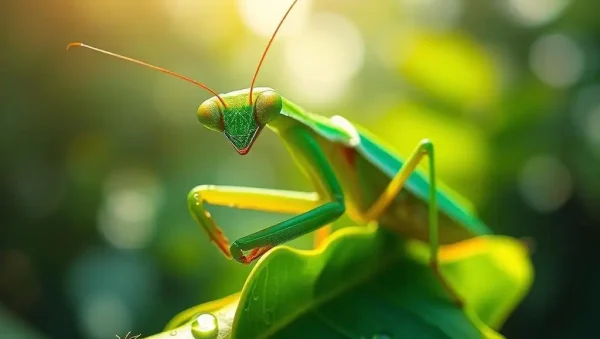
🤔 Considering a praying mantis as a pet? PetCareWorld's comprehensive praying mantis care guide answers all your questions, from habitat setup to…
Read article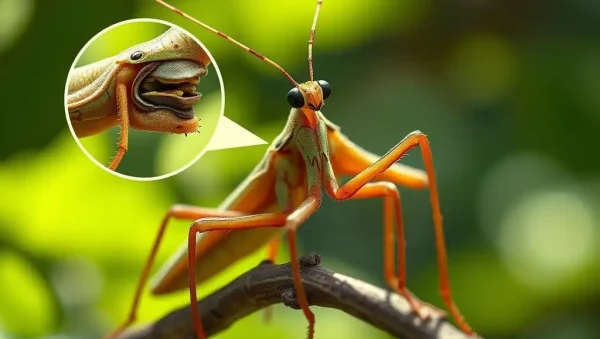
😊 Discover the fascinating world of stick insects! This comprehensive stick insect anatomy guide reveals the unique physical adaptations that make these…
Read articleWelcome to PetCareWorld’s dedicated guide on invertebrate pets, specifically focusing on stick insects and mantises. These remarkable creatures are perfect for enthusiasts seeking a low-maintenance yet highly engaging exotic pet experience. Unlike traditional pets, stick insects (Phasmatodea) and mantises (Mantodea) offer a unique window into insect behavior, camouflage, and predation. This subcategory delivers expert advice on housing, feeding, breeding, and handling, ensuring you can provide optimal care while enjoying the subtle beauty and incredible adaptations of these living sticks and predatory marvels. Whether you are a beginner or a seasoned keeper, our content is designed to boost your knowledge and help your invertebrate companion thrive.
Stick insects require a vertically oriented terrarium that mimics their natural arboreal habitat. Choose a glass or mesh enclosure with a height at least three times the insect’s body length, as they love to climb and molt while hanging. Ventilation is critical to prevent mold, so a fine mesh top or side panels are recommended. Substrate should be simple—paper towels or reptile carpet—to ease cleaning and monitor droppings. Provide sturdy branches of varying widths, as these insects need a firm grip for safe molting and daily activity.
Temperature and humidity play a pivotal role in their health. Most stick insects thrive between 20–25°C (68–77°F), with a slight drop at night. Humidity levels around 60–70% are ideal, achieved by misting the enclosure daily with dechlorinated water. Avoid over-misting, as stagnant moisture can cause fungal infections. Place the terrarium away from direct sunlight and drafts. Using a hygrometer and thermometer ensures a stable microclimate, reducing stress and promoting a longer lifespan, often reaching 1–2 years depending on species.
Mantises are exclusively carnivorous, requiring live prey to trigger their hunting instincts. Fruit flies, houseflies, crickets, and small roaches are excellent staples, sized according to your mantis’s age—no larger than the width of its head. Feed juveniles daily and adults every 2–3 days, always ensuring the prey is gut-loaded with nutritious foods to pass on vital vitamins. Never feed wild-caught insects, as they may carry pesticides or parasites harmful to your mantis.
Hydration is equally crucial but often misunderstood. Mantises rarely drink from a bowl; instead, they lick water droplets from leaves or mesh. Mist the enclosure lightly once or twice daily, ensuring mist doesn’t land directly on the mantis to avoid stress. Provide a small, shallow water dish only for humidity, not drinking. Observing your mantis during feeding is a delight—their rapid strikes and precise handling of prey make them fascinating to watch. Always remove uneaten prey within a few hours to prevent stress or injury to a molting mantis.
Both stick insects and mantises undergo molting (ecdysis) to grow, shedding their exoskeleton in a delicate process. Signs of an impending molt include reduced appetite, duller coloration, and hanging upside down from a branch. Never disturb a molting insect—they are extremely vulnerable and can easily lose limbs or die if stressed. Maintain higher humidity during this time to soften the old skin, making emergence easier. Ensure ample vertical space and rough surfaces for gripping after they emerge.
Post-molt, the new exoskeleton is soft and white, hardening over several hours to days. Do not offer food until the insect’s color fully returns, typically 24–48 hours. If a limb is lost during molting, it can regenerate over subsequent molts in stick insects, but mantises may permanently lose function. To prevent complications, always keep enclosure parameters stable and avoid handling during this period. Understanding this cycle is key to successful breeding and long-term health, reducing the stress that often leads to fatal mismolts.
While both stick insects and mantises are generally handleable, each requires a different approach. Stick insects are slow and docile; gently coax them onto your hand by placing a hand in front of them, never pulling from branches. Their legs may grip firmly, but they do not bite or sting. Mantises, however, are more defensive and can deliver a startling but harmless pinch. Handle them by allowing them to walk onto your hand from a perch, avoiding sudden movements that trigger their strike response.
Always wash your hands before and after handling to avoid transferring chemicals or oils. Children should be supervised, as excessive handling can cause stress and lead to defensive postures. Limit handling sessions to 10–15 minutes, returning them to their enclosure to rest. Never hold a molting individual, and avoid handling directly after feeding when they are most active. With regular, gentle interaction, many mantises become accustomed to human presence, offering a rewarding bond for patient keepers.
For stick insects, the Indian stick insect (Carausius morosus) is the top recommendation—hardy, parthenogenetic (females can reproduce without males), and easy to feed with bramble or lettuce. Another favorite is the Extatosoma tiaratum (Macleay’s spectre), known for its spiky appearance and ability to feed on eucalyptus leaves. For mantises, the Ghost mantis (Phyllocrania paradoxa) is perfect for beginners due to its small size and forgiving care. The Chinese mantis (Tenodera sinensis) grows larger and is robust, making it an excellent display species.
Each species has specific humidity and dietary needs, so research before purchase. Avoid wild-caught specimens, as they may carry parasites. Purchase from reputable breeders or specialized pet stores that guarantee health and legal origin. Beginners should start with one or two individuals to learn their care routines. As you gain experience, you can explore more exotic varieties like the thorny stick insect or the jeweled flower mantis, each offering unique colors and behaviors that enrich your invertebrate journey.
Most stick insects thrive at room temperature (20–25°C) and do not require a heat lamp. In cooler climates, a low-wattage heat mat placed on one side of the enclosure can provide a gentle gradient. Always use a thermostat to prevent overheating, as temperatures above 30°C can be fatal. Monitor with a thermometer to ensure a stable environment.
Mantises are cannibalistic, especially during molting or when prey is scarce. Housing them together is not recommended unless you have ample space, lots of food, and experience. For beginners, separate enclosures are safest to prevent injury or death. Only consider communal housing for specific species like the ghost mantis, and even then, provide visual barriers and abundant prey.
Stick insects are herbivores and thrive on fresh leaves from plants like bramble, oak, rose, and lettuce, depending on species. Avoid offering vegetables like carrots or potatoes as a staple, as they lack essential nutrients. Wash leaves thoroughly to remove pesticides, and replace them every 1–2 days to prevent wilting and mold growth.
The lifespan of a mantis varies by species, typically ranging from 6 to 12 months in captivity. Males often live shorter lives than females, especially after mating. With proper care—adequate humidity, a varied diet, and correct temperatures—you can maximize their lifespan. After adulthood, molting stops, and their growth is complete, so focus on maintaining health.
Laws vary by country and region. Many common species like the Indian stick insect are legal in most places, but some exotic species may be restricted to prevent ecological invasion. Always check local wildlife regulations and CITES listings before acquiring any invertebrate pet. Purchase only from licensed breeders who can provide documentation of legal origin.