
Mantis FAQs: Everything You Need to Know

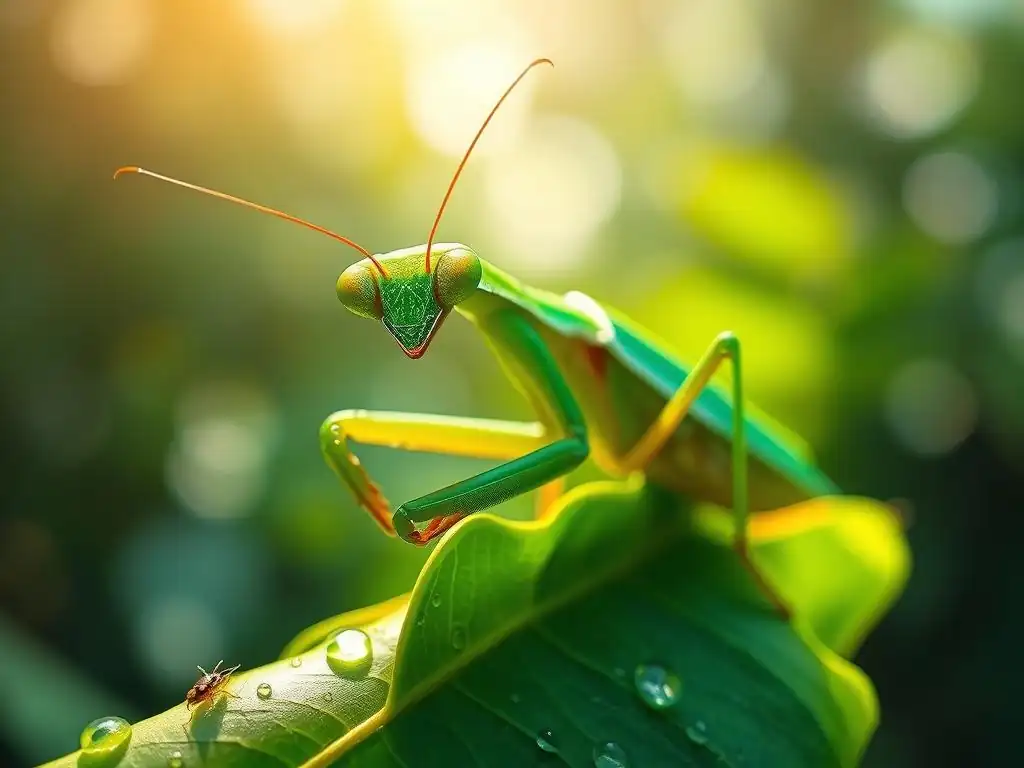
Welcome to PetCareWorld, your ultimate guide to a happier, healthier life for your beloved companions! Are you fascinated by the intricate world of praying mantises but unsure where to begin? Our comprehensive Praying Mantis Care Guide dives deep into everything you need to know, from habitat setup and feeding to understanding their unique behaviors. Discover the secrets to successfully raising these captivating creatures – prepare to be amazed by what you learn!
- Understanding Praying Mantis Behavior and Needs
- Praying Mantis Care: A Comprehensive Guide
- Breeding and Reproduction of Praying Mantises
- Common Praying Mantis Health Problems and Solutions
- Choosing the Right Praying Mantis Species
- Frequently Asked Questions about Praying Mantis Care
- Frequently Asked Questions
- Final Reflection: The Enduring Allure of the Praying Mantis
- Unleash Your Inner Mantis Expert!
Understanding Praying Mantis Behavior and Needs
Praying mantises, with their striking appearance and predatory nature, are fascinating creatures that are increasingly popular as pets. This comprehensive guide delves into the essential aspects of praying mantis care, providing you with the knowledge and confidence to successfully raise and care for these unique invertebrates. Whether you're a seasoned exotic pet owner or a curious beginner considering adding a mantis to your family, this "Praying Mantis Care Guide" will equip you with the information you need to ensure your mantis thrives.
We'll cover everything from their lifespan and dietary requirements to the ideal habitat and essential husbandry practices, helping you become a responsible and informed mantis keeper. Understanding their specific needs is crucial for their well-being and longevity, and this guide aims to be your ultimate resource for successful praying mantis care. Let's delve into the captivating world of these incredible insects!
Mantis Lifespan: How Long Do Praying Mantises Live?
The lifespan of a praying mantis varies significantly depending on the species. Some smaller species may only live for a few months, while larger species can live for up to a year. Several factors influence their lifespan, including genetics, diet, and environmental conditions.
For example, a mantis consistently provided with a varied and nutritious diet will generally live longer than one that is malnourished. Similarly, maintaining a stable temperature and humidity within their enclosure plays a crucial role in their overall health and longevity. Providing appropriate environmental conditions, like maintaining optimal temperature and humidity, is crucial for a long and healthy life.
It's important to research the specific lifespan of the species you've chosen. This information is usually available from reputable breeders or online resources specializing in mantis care. Remember that even with optimal care, there's a natural variation in lifespan, and some mantises might live slightly longer or shorter than the average for their species. Proper care can maximize your mantis's lifespan, however, ensuring that you're providing everything necessary for its health and well-being. Providing a stimulating environment is also beneficial. This can include providing various branches and foliage for climbing and exploring.
Praying Mantis Diet: What Do Praying Mantises Eat?
Praying mantises are carnivorous predators, primarily feeding on live insects. Their diet should consist mainly of appropriately sized insects, tailored to the mantis’s size and stage of development. Never feed a mantis anything larger than its head to avoid injury. Suitable prey includes:
- Flies: Fruit flies ( Drosophila melanogaster) are ideal for smaller nymphs, while larger houseflies are suitable for adult mantises.
- Crickets: Crickets are a staple food source, offering a good balance of nutrients. Choose appropriately sized crickets to avoid overwhelming your mantis.
- Grasshoppers: Similar to crickets, grasshoppers are a good protein source, particularly for larger species.
- Moths: Moths, especially those that are not poisonous, can be a nutritious addition to their diet.
- Other Insects: Small caterpillars, mealworms (occasionally), and other small insects can also be offered as occasional treats, ensuring variety in their diet.
It is crucial to dust the insects with a calcium and vitamin supplement before feeding to ensure your mantis receives the necessary nutrients. Avoid feeding your mantis wild-caught insects as they may carry parasites or pesticides. Always prioritize live, healthy prey items. A varied diet contributes to a healthier and longer life for your mantis. The frequency of feeding depends on the age and size of the mantis; nymphs need to be fed more frequently than adults.
Housing Your Mantis: Choosing the Right Enclosure Size
The size of your mantis's enclosure is crucial for its well-being. A cramped enclosure can lead to stress, injury, and even death. Conversely, an enclosure that is too large can make it difficult for your mantis to find prey. As a general rule, the enclosure should be approximately three times the height of the mantis, allowing ample space for climbing and molting. The enclosure's shape is also important; taller enclosures are generally preferred as mantises are vertical climbers.
Suitable enclosure types include:
- Tall terrariums: These are ideal for most mantis species, providing ample vertical space.
- Mesh enclosures: Mesh enclosures offer good ventilation, but ensure they are secure to prevent escapes.
- Small insect cages: These can be suitable for smaller mantis species or nymphs.
The enclosure should be furnished with appropriate substrate, such as peat moss or vermiculite, to maintain humidity. Branches and foliage should be included to provide climbing surfaces and hiding places. Adequate ventilation is crucial to prevent the buildup of mold and mildew. Remember, regular cleaning and maintenance are essential to maintain a healthy environment for your mantis. The correct enclosure will contribute greatly to your mantis's overall health and happiness.
Ideal Habitat Conditions: Temperature and Humidity for Mantises
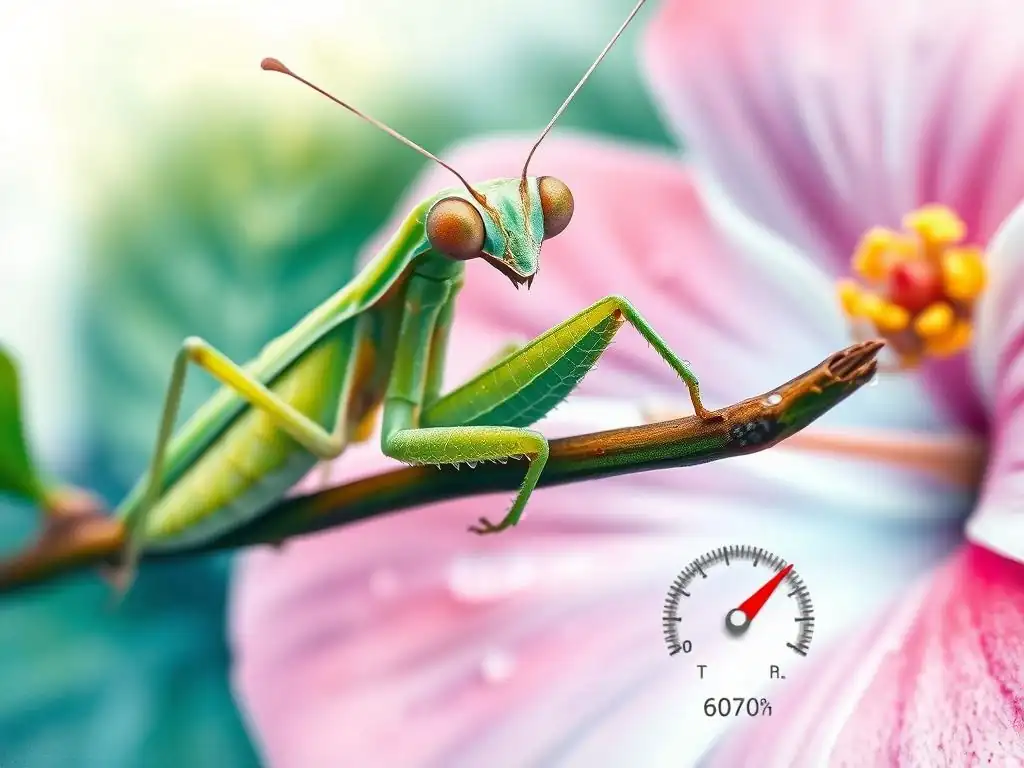
Maintaining the correct temperature and humidity levels is crucial for the health and longevity of your praying mantis. These delicate creatures are highly sensitive to environmental fluctuations, and improper conditions can lead to illness, developmental problems, and even death. The ideal temperature range generally falls between 70°F and 80°F (21°C and 27°C).
However, this can vary slightly depending on the specific species of mantis you are keeping. Some species, particularly those from tropical regions, may require slightly warmer temperatures, while others might tolerate a slightly cooler environment. Always research the specific needs of your mantis species before setting up its enclosure.
Monitoring humidity is equally important. Most mantis species thrive in a moderately humid environment, typically around 60-70% relative humidity. You can achieve this through various methods, including using a hygrometer to monitor humidity levels and misting the enclosure regularly with water. Over-misting can lead to mold growth, while under-misting can result in dehydration. Finding the right balance is key to creating a comfortable and healthy habitat for your praying mantis.
Regularly check the substrate for dampness; if it feels overly wet, reduce misting frequency. Conversely, if it feels dry, increase misting. Remember that the size of the enclosure influences humidity retention; smaller enclosures require more frequent misting than larger ones. Consistent monitoring and adjustments are vital to ensure your mantis remains comfortable and healthy. Providing adequate ventilation is also crucial to prevent mold and mildew from developing.
Substrate Selection for Your Mantis Enclosure
The substrate you choose for your mantis enclosure plays a significant role in maintaining appropriate humidity levels and providing a natural-looking environment. While some owners opt for paper towels for their ease of cleaning, a more natural substrate offers a more enriching experience for your mantis and provides better humidity control. Popular choices include peat moss, vermiculite, or a mixture of both. These materials retain moisture effectively, helping to maintain the necessary humidity levels without becoming overly soggy. Avoid using soil, as it can harbor harmful bacteria and fungi that could negatively impact your mantis's health.
When selecting your substrate, consider factors such as drainage and ease of cleaning. The substrate should allow for adequate drainage to prevent waterlogging. It should also be easy to clean and replace regularly to prevent the buildup of waste and potential pathogens. A depth of approximately 1-2 inches is generally sufficient for most mantis species.
Before adding your mantis to the enclosure, thoroughly rinse and dry the chosen substrate to remove any potential contaminants. Regularly inspect the substrate for any signs of mold or mildew, and replace it immediately if any are found. A clean and properly maintained substrate is essential to prevent the development of harmful microorganisms and maintain a healthy environment for your praying mantis. Remember to always prioritize the well-being of your pet when selecting and maintaining its habitat.
Praying Mantis Care: A Comprehensive Guide
This section delves into the specifics of providing optimal care for your praying mantis, ensuring its health, longevity, and overall well-being. Remember, proper mantis care is crucial for these fascinating creatures to thrive. This detailed praying mantis care guide will equip you with the knowledge to successfully raise your pet mantis.
Setting up the Perfect Mantis Habitat: Enclosure Setup and Essentials
Creating a suitable habitat is paramount for your praying mantis's health. The enclosure needs to mimic its natural environment, providing adequate space, ventilation, and security. Avoid overly large enclosures, as this can make it difficult for your mantis to hunt effectively.
- Enclosure Size: The size of the enclosure should be roughly 2-3 times the length of your mantis. A small terrarium or even a mesh enclosure will suffice for smaller species. For larger species, a larger enclosure might be necessary. Always prioritize proper ventilation.
- Substrate: A thin layer of substrate is recommended. This could be coconut fiber, vermiculite, or even paper towels. Avoid using anything that could retain excessive moisture and lead to mold growth. A clean substrate is essential for a healthy environment.
- Perches: Praying mantises are ambush predators, relying on camouflage and stillness. Provide various perches of different heights and textures, such as twigs, branches, and artificial plants. These perches allow them to climb, rest, and ambush their prey. Consider the size and species of your mantis when choosing perch sizes.
- Ventilation: Proper ventilation is crucial to prevent the buildup of moisture and mold. Ensure your enclosure has adequate air circulation, either through mesh sides or small ventilation holes. Stagnant air can be detrimental to your mantis's health.
- Essential Considerations: Avoid overcrowding multiple mantises in one enclosure, as they are cannibalistic. Clean the enclosure regularly to remove waste and uneaten prey, preventing the buildup of harmful bacteria and parasites. Regular cleaning is a crucial aspect of responsible praying mantis care.
Feeding Your Mantis: Frequency, Prey Size, and Types
Feeding your praying mantis correctly is critical for its survival and growth. Providing the right kind of prey at the right frequency is crucial for maintaining a healthy and active mantis.
The size of the prey should be roughly the size of the mantis's abdomen or slightly smaller. Overfeeding can lead to health problems, while underfeeding can cause starvation.
- Prey Types: Suitable prey includes live insects like flies (fruit flies, houseflies), crickets, moths, and grasshoppers. The size of the prey should be adjusted according to the mantis's size and stage of development. Avoid using larger prey that could injure or overwhelm your mantis.
- Feeding Frequency: The feeding frequency depends on the mantis's age and size. Nymphs (young mantises) generally need to be fed daily, while adults can be fed every 2-3 days, or even less frequently depending on their size and appetite. Observe your mantis's behavior and adjust the feeding schedule accordingly. Always remove any uneaten prey after a few hours to maintain hygiene.
- Live Prey Only: It's crucial to remember that praying mantises are exclusively carnivorous and require live prey. Dead insects are not suitable and will not be consumed. Ensure a constant supply of appropriate-sized live insects.
Maintaining Optimal Humidity and Temperature
Maintaining the correct humidity and temperature levels within the mantis enclosure is essential for its well-being. These environmental factors significantly impact the mantis's health, molting process, and overall survival.
- Temperature: The ideal temperature range for most praying mantis species is between 70-80°F (21-27°C). Use a thermometer to monitor the temperature inside the enclosure and adjust accordingly using a heat lamp or heat mat (avoid direct contact with the heat source). Extreme temperatures can be fatal.
- Humidity: The required humidity level varies depending on the species, but generally, a moderate humidity level of around 50-70% is suitable. You can maintain humidity by lightly misting the enclosure with water every few days, or using a humidifier. Avoid over-misting, which can lead to mold growth. Monitor the humidity level using a hygrometer.
- Monitoring and Adjustment: Regularly monitor both temperature and humidity levels to ensure they remain within the optimal range. Adjustments may be needed depending on the season and the specific needs of your mantis species. Consistent monitoring is key to creating a thriving environment for your pet. Consistent and careful monitoring is essential for successful praying mantis care.
Cleaning Your Mantis Enclosure: Preventing Disease and Parasites
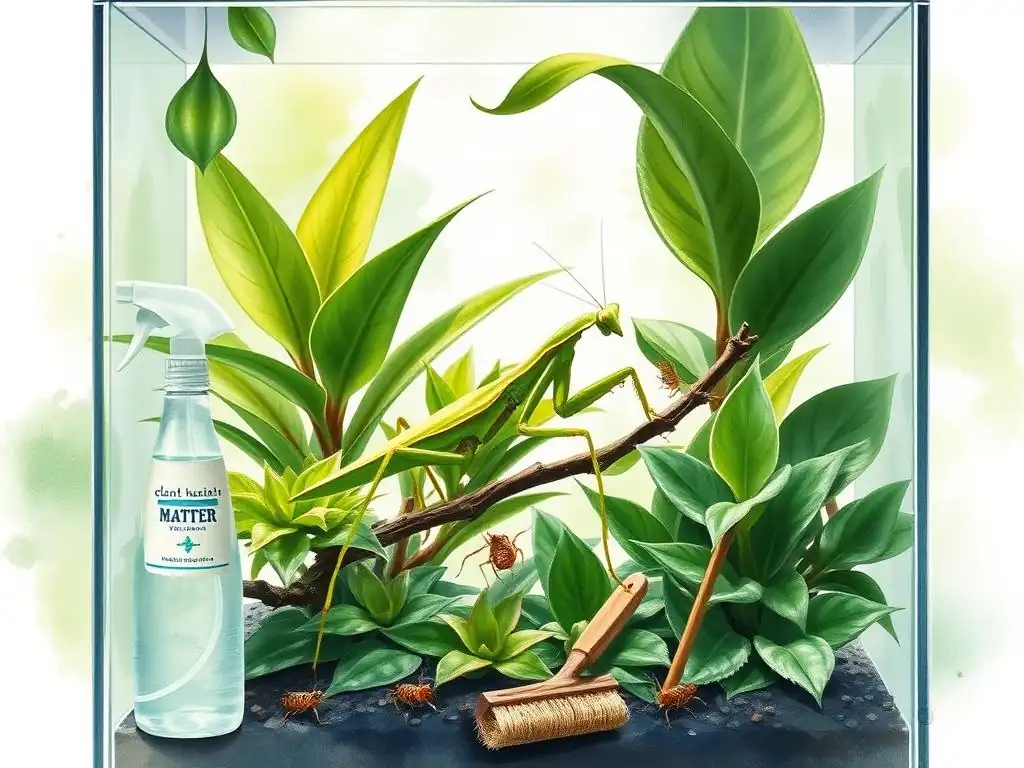
Maintaining a clean praying mantis enclosure is paramount to your pet's health and longevity. A dirty environment can quickly become a breeding ground for bacteria, fungi, and parasites, leading to illness and even death. Regular cleaning prevents the buildup of waste, uneaten food, and mold, significantly reducing the risk of disease.
The frequency of cleaning depends on the size of the enclosure and the number of mantises housed within. As a general rule, spot cleaning should be performed daily, removing any visible waste or uneaten prey items. A more thorough cleaning, involving a complete substrate change, should be undertaken at least once a week for smaller enclosures and every two weeks for larger ones.
For spot cleaning, use a small brush or forceps to carefully remove debris. Avoid disturbing your mantis unnecessarily during this process. For a complete enclosure clean, carefully remove your mantis to a temporary, secure container. Discard the old substrate – avoid simply adding new substrate on top of old, as this will not eliminate existing pathogens.
Thoroughly wash the enclosure with warm water and a mild, pet-safe disinfectant. Avoid using harsh chemicals that could harm your mantis. Rinse thoroughly and allow the enclosure to dry completely before replacing the substrate and returning your mantis.
Remember to wash your hands thoroughly before and after handling your mantis or its enclosure to minimize the risk of cross-contamination. Regular cleaning, coupled with providing fresh food and water, is a crucial element of responsible praying mantis care and contributes significantly to a healthy and thriving pet. Neglecting hygiene can severely compromise your mantis's well-being, potentially leading to costly veterinary interventions or, tragically, the loss of your pet.
Handling Your Praying Mantis: Best Practices and Safety Tips
Handling your praying mantis requires a gentle touch and careful consideration of both your safety and the mantis's well-being. Remember, these creatures are delicate and can be easily injured. While some species are more docile than others, it's crucial to approach handling with caution and respect. Avoid handling your mantis unnecessarily, as frequent handling can stress the insect and potentially shorten its lifespan. If you must handle your mantis, ensure your hands are clean and free of lotions or perfumes that could irritate its delicate exoskeleton.
Before attempting to handle your mantis, prepare a soft, smooth surface such as a clean cloth or a piece of smooth paper. Gently guide the mantis onto this surface, avoiding sudden movements that could startle or injure it. Support the mantis's body gently but firmly, avoiding any pressure on its abdomen. Never grasp its legs tightly, as this could cause damage.
Remember that a praying mantis's powerful forelegs are designed for catching prey, and they can inflict a surprisingly painful pinch. Handle with care and respect its natural defenses. Keep handling sessions brief and avoid prolonged contact. After handling, carefully return your mantis to its enclosure and observe its behavior to ensure it hasn't been stressed or injured.
Observe your mantis closely for any signs of distress such as lethargy, loss of appetite, or unusual posture. If you notice any changes in its behavior, consult a knowledgeable invertebrate specialist or veterinarian. Prioritizing the mantis's well-being through careful and mindful handling is essential for a positive and enriching experience for both you and your fascinating pet.
Breeding and Reproduction of Praying Mantises
Breeding praying mantises can be a rewarding experience for experienced invertebrate keepers, offering a fascinating glimpse into the lifecycle of these captivating creatures. However, it's crucial to understand the intricacies of mantis reproduction to ensure the success of your breeding program and the well-being of the offspring. Successfully raising mantises from eggs requires patience, attention to detail, and a thorough understanding of their specific needs. This section will detail the key aspects of mantis breeding, from recognizing sexual dimorphism to caring for the resulting oothecae (egg cases). A successful "praying mantis care guide" must include this information.
Recognizing Male and Female Mantises: Sexual Dimorphism
Distinguishing between male and female praying mantises is crucial for successful breeding. Sexual dimorphism, the distinct differences between the sexes, is readily apparent in many mantis species. Males are typically smaller and slimmer than females, with longer antennae and a more slender abdomen. Females, conversely, possess a broader, more robust abdomen, necessary for egg development and carrying the ootheca.
The number of abdominal segments also differs; males usually have eight, while females have six. Furthermore, males often possess enlarged forelegs, adapted for gripping during mating. Observing these subtle but significant differences is a cornerstone of any effective praying mantis care guide. Careful observation is key; misidentification can lead to unsuccessful breeding attempts or even cannibalism during mating.
For example, in the Tenodera sinensis species (Chinese mantis), the difference in size is quite noticeable, with females often being nearly twice the size of males. The extended abdomen of the female is also significantly more pronounced. These visual cues, combined with careful observation of their behavior, can lead to accurate sex determination.
Mating Praying Mantises: The Process and Considerations
Mating praying mantises is a delicate process, often fraught with risk for the male. Female mantises are known for their propensity for sexual cannibalism, where they consume the male during or after mating. While not always the case, it's a significant factor to consider. To increase the chances of successful mating and male survival, it's recommended to introduce a well-fed male to a well-fed female, ideally in a spacious enclosure. Providing ample hiding places can also help the male escape after mating.
The mating process itself involves a complex courtship ritual. The male will cautiously approach the female, often using his antennae to communicate. Successful mating requires careful observation and a degree of patience. Post-mating, the female will begin producing an ootheca, a protective egg case containing numerous eggs. The size and shape of the ootheca vary greatly depending on the species. A successful breeding program relies heavily on understanding this mating ritual and mitigating the risks involved. Remember, a comprehensive praying mantis care guide should always emphasize the potential dangers and necessary precautions.
Mantis Ootheca Care: Incubating Mantis Egg Cases
Once the female mantis has produced an ootheca, the focus shifts to proper incubation. The ootheca needs specific environmental conditions to ensure successful hatching. These conditions vary depending on the species, but generally include appropriate temperature and humidity levels. The ootheca should be kept in a separate container with good ventilation to prevent mold growth.
Maintaining consistent humidity is critical. Too much moisture can lead to mold, while too little can result in the eggs drying out. Regularly misting the enclosure (but not directly on the ootheca) may be necessary, depending on the ambient humidity. The temperature should also be carefully monitored and maintained within the recommended range for the specific mantis species.
The incubation period varies significantly, ranging from several weeks to several months. Once the nymphs hatch, they require a different care regimen, focusing on providing sufficient food and preventing cannibalism among the young mantises. Detailed information on nymph care is beyond the scope of this section but is crucial for any complete praying mantis care guide. Careful monitoring of the ootheca and meticulous record-keeping are key to successful hatching and raising a new generation of praying mantises.
Raising Baby Mantises (Nymphs): Special Care Requirements
Raising baby mantises, or nymphs, requires meticulous care and attention to detail. These tiny creatures are incredibly vulnerable and have specific needs that differ significantly from adult mantises. Their high metabolic rate means they require frequent feeding and a consistently suitable environment. Neglecting even minor aspects of their care can lead to high mortality rates. Successful nymph rearing hinges on providing the right combination of humidity, temperature, and, most importantly, a readily available food source.
One of the biggest challenges is providing appropriate food. Newly hatched nymphs are incredibly small, requiring equally tiny prey. Fruit flies ( Drosophila melanogaster ) are a staple, their size perfectly suited to the mandibles of young mantises. However, as the nymphs grow, the prey size must increase accordingly.
A gradual transition to larger insects, like small crickets or flightless fruit flies, is essential to avoid starvation and ensure proper development. The frequency of feeding is crucial; very young nymphs may need to be fed multiple times a day, while slightly older nymphs can be fed every other day or so, depending on their size and appetite. Always monitor their feeding habits to assess if adjustments are necessary.
Maintaining the correct humidity level is another critical aspect of nymph care. Too little humidity can lead to dehydration and death, while too much can promote the growth of harmful molds and fungi. Regular misting of the enclosure is usually sufficient, aiming for a slightly moist, but not soaking wet, environment. The substrate, often a mixture of peat moss and vermiculite, should retain some moisture but not be waterlogged. Close observation of the nymphs' behavior can offer clues – lethargy or a reluctance to move might indicate a problem with humidity or temperature.
Temperature regulation is equally important. Praying mantis nymphs thrive within a specific temperature range, typically between 70°F and 80°F (21°C and 27°C). Fluctuations outside this range can significantly impact their growth and survival. Consistent temperature control can be achieved through the use of heat mats or lamps, but it's crucial to avoid overheating, as this can be just as detrimental as low temperatures. A thermometer placed inside the enclosure is essential for monitoring and adjusting the temperature as needed. Remember that even small temperature variations can have a significant impact on these delicate creatures.
Finally, appropriate housing is vital. Individual housing is generally recommended for nymphs, preventing cannibalism, a common behavior among mantises. Small containers, such as deli cups with mesh lids for ventilation, provide sufficient space for individual nymphs. The size of the container should be increased as the nymphs grow to accommodate their expanding size and hunting needs. Regular cleaning of the enclosure is also essential to prevent the build-up of waste and maintain a hygienic environment for the growing nymphs. Careful attention to these details is paramount for successfully raising healthy and thriving baby mantises.
Common Praying Mantis Health Problems and Solutions
Praying mantis care, while rewarding, requires vigilance to ensure the health and longevity of these fascinating creatures. Understanding common health issues and implementing preventative measures is crucial for responsible mantis ownership. This section will delve into the most prevalent health problems encountered by mantis keepers, providing practical solutions and preventative strategies to keep your praying mantis thriving. This praying mantis care guide aims to equip you with the knowledge to address potential health concerns effectively.
Identifying Signs of Illness in Your Mantis
Recognizing the subtle signs of illness in your mantis is paramount for timely intervention. A healthy mantis will be active, alert, and have a good appetite. Deviations from this norm should raise concerns. Look out for the following warning signs:
- Lethargy and inactivity: A mantis that is usually active but suddenly becomes sluggish or unresponsive could be unwell. This could indicate a range of problems, from dehydration to a more serious illness.
- Loss of appetite: A significant decrease or complete loss of appetite is a major red flag. Mantises are voracious predators; a sudden refusal to feed warrants immediate attention.
- Abnormal posture: An unusual posture, such as drooping wings or legs, may indicate weakness or pain. Observe your mantis closely for any changes in its typical stance.
- Discoloration or unusual markings: Changes in the mantis's body color or the appearance of unusual spots or blemishes can be indicative of disease or injury.
- Swollen abdomen: An abnormally swollen abdomen might suggest internal parasites or a bacterial infection.
- Difficulty molting: Molting is a critical process for mantises, and difficulties can be fatal. Look for signs of struggle or incomplete shedding. This often indicates underlying health issues.
- Discharge from the mouth or anus: Any discharge is a serious sign of illness and requires immediate action. The color and consistency of the discharge can provide clues about the underlying condition.
Careful daily observation is key to early detection. Regularly checking your mantis's behavior and appearance will allow you to spot subtle changes that might signal a developing health problem before it becomes severe. Remember, early detection significantly improves the chances of successful treatment. Documenting your observations, including date, time, and specific symptoms, can be invaluable for tracking progress and seeking professional advice if needed.
Dealing with Parasites and Diseases
Parasites and diseases can significantly impact a mantis's health and survival. While prevention is always the best approach, knowing how to address infestations or infections is essential.
- Mites: Mites are common external parasites that can weaken a mantis and potentially lead to death. Signs of mite infestation include tiny moving dots on the mantis's body, lethargy, and difficulty molting. Treatment usually involves carefully cleaning the enclosure and using a mite-specific insecticide (always following instructions carefully).
- Fungal infections: Fungal infections can affect various parts of the mantis's body, often appearing as discolored patches or lesions. Maintaining a clean and dry enclosure is crucial for prevention. Treatment may involve applying antifungal agents, but success depends on early detection.
- Bacterial infections: Bacterial infections can manifest in various ways, including lethargy, loss of appetite, and unusual body discharges. Treatment may require antibiotics, but obtaining these for invertebrates can be challenging and should only be done under the guidance of a veterinarian experienced with exotic pets. This is where detailed record keeping from the previous section becomes crucial.
Remember, treating parasites and diseases in mantises requires careful consideration. Using incorrect treatments or inappropriate dosages can be harmful. Consult with a knowledgeable invertebrate specialist or an exotic pet veterinarian if you suspect your mantis has a parasitic or disease problem.
Preventing Common Health Issues in Mantises
Proactive measures are the best defense against mantis health problems. By providing optimal care, you can significantly reduce the risk of illness and ensure your mantis thrives.
| Prevention Strategy | Description | Benefits |
|---|---|---|
| Maintaining a clean enclosure | Regularly cleaning the enclosure removes waste and prevents the buildup of harmful bacteria and parasites. | Reduces the risk of bacterial and fungal infections, as well as parasitic infestations. |
| Providing appropriate humidity levels | Maintaining the correct humidity levels is essential for a mantis's health and successful molting. | Prevents dehydration, respiratory problems, and molting difficulties. |
| Offering a balanced diet | Feeding your mantis a varied diet of appropriate-sized prey ensures it receives all the necessary nutrients. | Promotes overall health, strengthens the immune system, and reduces susceptibility to diseases. |
| Proper ventilation | Adequate ventilation prevents the buildup of moisture and mold, creating a healthier environment for your mantis. | Reduces the risk of respiratory issues and fungal infections. |
| Avoiding overcrowding | Providing ample space for your mantis prevents stress and reduces the risk of injury or disease transmission. | Promotes healthy behavior and reduces competition for resources. |
| Quarantining new mantises | Isolating new mantises before introducing them to your existing collection prevents the spread of disease. | Prevents the introduction of parasites and diseases into your established colony. |
| Regular monitoring and observation | Closely monitoring your mantis's behavior and appearance allows for early detection of health problems. | Enables timely intervention and increases the chances of successful treatment. Early detection is key to success. 🎧 |
By diligently implementing these preventative measures, you significantly increase the chances of your praying mantis enjoying a long, healthy, and fulfilling life. Remember, responsible mantis ownership involves proactive care and a commitment to their well-being.
Choosing the Right Praying Mantis Species
Selecting the appropriate praying mantis species is paramount for successful mantis keeping. The ideal species will depend on your experience level, available space, and commitment to specialized care. Beginners should prioritize species known for their hardiness and relatively straightforward care requirements. More experienced keepers might venture into more challenging species with unique needs. Choosing wisely ensures a higher chance of a thriving mantis and a rewarding experience. Remember, responsible pet ownership extends to understanding the specific needs of your chosen species and providing an appropriate environment.
Popular Praying Mantis Species for Beginners
Several praying mantis species are well-suited for beginners due to their ease of care and readily available resources. These species generally exhibit greater tolerance for slight variations in environmental conditions and are less demanding in terms of diet and humidity control.
- European Mantis (Mantis religiosa): This common species is readily available, relatively docile, and adaptable to a range of temperatures and humidity levels. They are a good choice for learning the basics of mantis care.
- Chinese Mantis (Tenodera sinensis): Another popular beginner species, the Chinese mantis is slightly larger than the European mantis and exhibits a similar level of hardiness. They are known for their striking appearance and relatively easy breeding.
- Carolina Mantis (Stagmomantis carolina): This North American native species is a good option for those seeking a more readily available and locally sourced mantis. They are relatively easy to care for and exhibit interesting hunting behaviors.
Choosing a beginner species allows you to gain experience and confidence before tackling more demanding species. Remember to always research the specific requirements of even beginner species to ensure you can provide adequate care. Improper care, even for seemingly easy-to-care-for species, can lead to illness and death.
Species-Specific Care Requirements: Researching Your Chosen Mantis
Once you’ve chosen a species, thorough research is crucial. Each species has unique requirements regarding temperature, humidity, enclosure size, and diet. Failing to meet these specific needs can lead to stress, illness, and even death for your mantis.
For example, some species require higher humidity levels than others, necessitating frequent misting or the use of a humidification system within their enclosure. Others may have very specific dietary needs, preferring certain types of prey insects. Enclosure size also varies significantly; a small species will thrive in a smaller enclosure, while larger species will require a much larger space to thrive.
| Species | Temperature (°C) | Humidity (%) | Enclosure Size (approx.) | Prey Insects |
|---|---|---|---|---|
| Mantis religiosa | 20-25 | 50-70 | 1 gallon | Flies, crickets, moths |
| Tenodera sinensis | 22-28 | 60-80 | 2-3 gallons | Crickets, moths, grasshoppers |
| Stagmomantis carolina | 24-30 | 60-70 | 1-2 gallons | Crickets, flies, small roaches |
Note: These are approximate ranges. Always consult multiple sources to confirm the specific requirements for your chosen species. The size and type of prey should also be adjusted to the size of your mantis.
Sourcing Healthy Mantises: Reputable Breeders and Suppliers
Acquiring healthy mantises from reputable breeders or suppliers is vital for their well-being and longevity. Reputable sources prioritize the health and welfare of their animals, ensuring they are properly cared for and free from disease. Avoid purchasing mantises from unreliable sources, as these animals may be unhealthy, stressed, or carrying parasites.
Look for breeders and suppliers who are transparent about their breeding practices and can provide information about the mantises’ origins, age, and health. Ask questions about their husbandry practices and inspect the mantises carefully before purchasing to ensure they are active, alert, and free from visible signs of injury or disease. A healthy mantis will be active, have clear eyes, and a firm abdomen.
Avoid mantises that appear lethargic, have damaged limbs, or show signs of dehydration. Investing in a healthy mantis from a responsible source significantly increases your chances of success in mantis keeping. Remember, responsible sourcing is a key component of responsible pet ownership.
Frequently Asked Questions about Praying Mantis Care
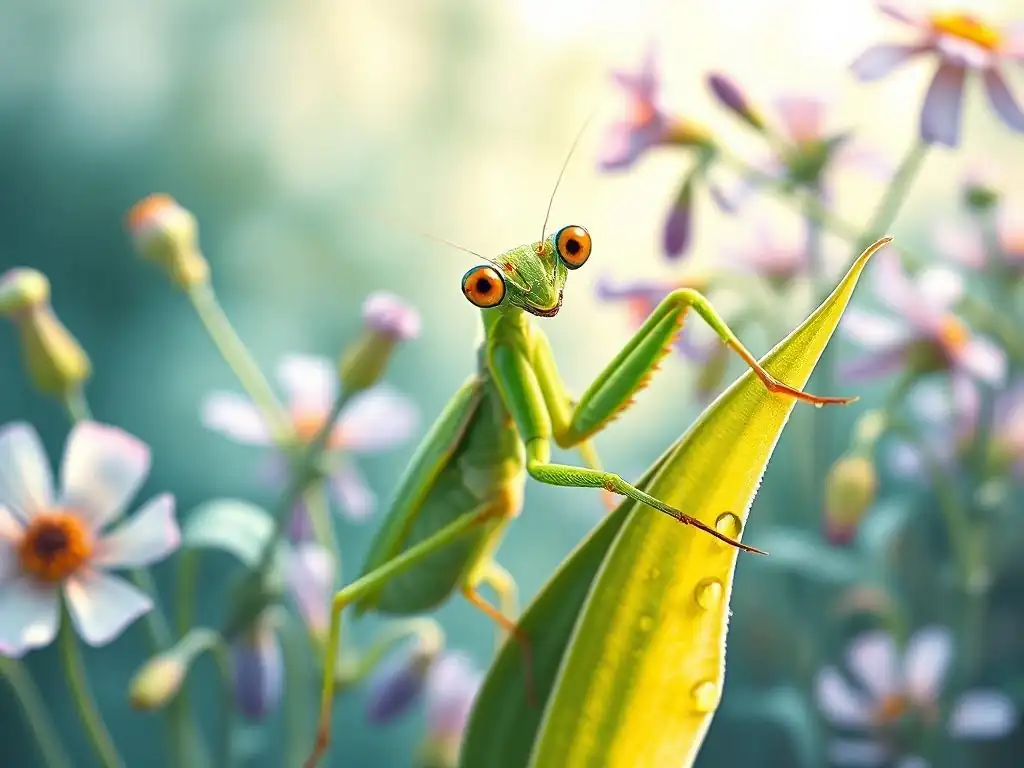
This section addresses common queries regarding praying mantis care, providing detailed answers to help you become a confident mantis keeper. Understanding these nuances is crucial for ensuring the health and longevity of your fascinating invertebrate pet. This guide will equip you with the knowledge to provide optimal praying mantis care, making you a successful mantis owner.
How often should I mist my mantis enclosure?
Maintaining the appropriate humidity level is paramount for a praying mantis's well-being. The frequency of misting depends heavily on several factors, including the species of mantis, the size of the enclosure, and the ambient humidity of your home. Generally, a good rule of thumb is to mist the enclosure once or twice a day, focusing on the plants and substrate rather than directly spraying the mantis.
Over-misting can lead to mold growth, a significant threat to your mantis's health. Under-misting, on the other hand, can result in dehydration. Observe your enclosure carefully. Look for water droplets clinging to the leaves and sides of the enclosure; this indicates sufficient humidity. If the enclosure appears dry, you may need to increase the misting frequency.
Consider using a spray bottle with a fine mist setting to avoid overwhelming the mantis with excessive water. You can also monitor humidity levels using a hygrometer, a small, inexpensive device that measures humidity. Aim for a humidity range of 60-70%, though this can vary depending on the species. For example, a tropical species might require slightly higher humidity. Remember, consistent monitoring and adjustment are key to creating the ideal environment for your praying mantis.
Can I feed my mantis mealworms exclusively?
While mealworms are a readily available and convenient food source for praying mantises, feeding them exclusively is strongly discouraged. A diet consisting solely of mealworms lacks the necessary nutritional diversity to support a mantis's long-term health. Mealworms are relatively low in certain essential nutrients and can also be difficult to digest in large quantities.
A varied diet is crucial. Consider supplementing mealworms with other insects like:
- Crickets: These are an excellent source of protein and other essential nutrients.
- Fruit flies: Especially beneficial for smaller mantises or nymphs.
- Houseflies: A good source of protein, but ensure they are not exposed to pesticides.
- Waxworms (occasionally): These are high in fat and should be offered sparingly as a treat.
A balanced diet mimics the mantis's natural prey in the wild, promoting optimal growth, development, and overall health. Aim for a diverse range of insects, adjusting the size of the prey to match the size of your mantis. Always ensure the prey is alive and moving to stimulate the mantis's hunting instincts.
Feeding your mantis a varied diet is a key aspect of responsible praying mantis care. Consider rotating your feeding schedule to include a variety of prey insects. This will ensure your mantis receives a complete range of essential nutrients, mimicking its natural diet and promoting a healthier, longer life.
What size enclosure do I need for a Chinese Mantis?
The appropriate enclosure size for a Chinese mantis ( Tenodera sinensis) depends on its life stage. Nymphs require smaller enclosures, while adult mantises need significantly more space. A general guideline is to provide an enclosure that is at least three times the length of the mantis.
For a nymph, a small container with adequate ventilation might suffice. However, as the mantis grows, it will require an upgrade. An adult Chinese mantis ideally needs an enclosure that is approximately 12 inches tall by 12 inches wide and 12 inches deep (30cm x 30cm x 30cm). This provides sufficient space for climbing, hunting, and molting. Remember, overcrowding can lead to stress, cannibalism, and ultimately, death.
Ensure the enclosure has adequate ventilation to prevent mold and maintain proper air circulation. Using mesh sides or a screen top is recommended. The enclosure should also include branches or sticks for the mantis to climb and perch on, mimicking its natural habitat. Providing appropriate space is a crucial element of proper praying mantis care, ensuring the well-being and healthy development of your pet. Prioritize ample vertical space, as Chinese mantises are known for their climbing abilities. Providing appropriate climbing structures will enhance their quality of life and reduce stress.
How long does it take for a mantis ootheca to hatch?
The incubation period for a praying mantis ootheca varies significantly depending on several factors. These factors include the species of mantis, the ambient temperature, and the humidity levels. Generally, you can expect a mantis ootheca to hatch anywhere from a few weeks to several months. Some species might hatch within three to four weeks under ideal conditions (warm temperatures around 75-85°F and moderate humidity), while others may take considerably longer, even up to six months or more, particularly in cooler environments.
It's crucial to maintain a consistent temperature and humidity range throughout the incubation period to ensure successful hatching. Sudden fluctuations can negatively impact the developing nymphs and potentially lead to a failed hatch. Regularly monitor the ootheca for any signs of movement or changes in color or texture, which could indicate an impending hatch. Remember that patience is key; consistent care and observation are far more important than rushing the process. Avoid unnecessarily disturbing the ootheca, as this could also hinder the hatching process. Providing a suitable environment is the most effective way to encourage successful hatching.
What are the signs of a dehydrated mantis?
A dehydrated praying mantis will exhibit several telltale signs. One of the most obvious indicators is a loss of turgor pressure, meaning the mantis will appear shriveled or wrinkled, particularly in its abdomen. Its body will lack the usual plumpness and firmness associated with a healthy insect. This dehydration can cause the mantis to become lethargic and unresponsive, moving slowly or exhibiting a lack of its characteristic predatory behavior. You might observe a decrease in appetite, as a dehydrated mantis may be less inclined to hunt and feed.
Another sign of dehydration is a change in the mantis's exoskeleton. It might appear dull or less vibrant in color compared to its usual healthy appearance. Furthermore, the mantis's behavior can be indicative of dehydration; it might cling to moist surfaces more frequently, seeking out sources of moisture. In severe cases, the mantis may become extremely weak and unable to right itself if it falls on its back.
Immediate intervention is necessary in such situations to prevent the mantis's death. Providing a readily available source of water, such as a water droplet on a leaf or a small, shallow dish of water, is crucial in addressing dehydration. Maintaining appropriate humidity levels in the mantis's enclosure is equally important in preventing this condition.
Frequently Asked Questions
What is the best enclosure size for a praying mantis?
The ideal enclosure size depends on the mantis species and its life stage. Generally, aim for an enclosure at least three times the mantis's length in height and width. Good ventilation is crucial.
What do praying mantises eat?
Praying mantises are predatory insects. Their diet consists primarily of live insects, such as flies, crickets, and moths, sized appropriately for the mantis. The size of prey should generally be no larger than the mantis itself.
How often should I feed my praying mantis?
Feeding frequency depends on the mantis's age and size. Nymphs (young mantises) need feeding daily, while adults may only require feeding every 2-3 days. Remove uneaten prey to prevent mold.
How long do praying mantises live?
The lifespan of a praying mantis varies greatly depending on the species. Most mantises live for several months to a year, with some species living slightly longer. Proper care significantly impacts lifespan.
How do I know if my praying mantis is healthy?
A healthy mantis is active, has a good appetite, and exhibits normal coloration and movement. Look for signs of lethargy, discoloration, or difficulty moving, which could indicate illness or injury. Consult a veterinarian if you have concerns.
Final Reflection: The Enduring Allure of the Praying Mantis
Understanding the intricate world of praying mantis care is not merely a hobby; it's a window into the fascinating complexity of the natural world. The seemingly simple act of providing for these captivating creatures reveals a deeper appreciation for the delicate balance of ecosystems and the vital role each species plays. This understanding, now more accessible than ever, empowers us to become more responsible stewards of our planet.
The impact of responsible pet ownership extends far beyond the individual animal. It fosters a sense of empathy and connection with the natural world, encouraging a deeper understanding of biodiversity and conservation efforts. The more we learn about the natural world, the more we are drawn to protect it.
This quote resonates deeply, as caring for a praying mantis can spark a lifelong passion for nature and its preservation. The seemingly small act of providing a suitable habitat for a single insect can ignite a fire of environmental consciousness, leading to broader positive impacts.
Now, consider your own connection to nature. Have you ever felt the wonder of observing a creature in its natural environment? Take the knowledge gained from this guide and apply it not just to the care of your mantis, but to your broader understanding of the interconnectedness of life.
Perhaps you'll find yourself more observant of the insects in your own backyard, more mindful of the impact of your actions on the environment, or even inspired to contribute to conservation efforts. The journey of understanding begins with a single step – and the care of a praying mantis can be that very first step towards a richer, more meaningful relationship with the natural world.
Unleash Your Inner Mantis Expert!
Thanks for exploring the fascinating world of mantises! We hope you feel more confident in understanding these incredible creatures. Ready to take the next step?
- Become a Mantis Master: Research mantis species native to your region and consider creating a safe and enriching habitat for one (or more!). This is your chance to become a true mantis enthusiast!
- Share Your Mantis Journey: Share your newfound knowledge with friends and family! Post this article on social media and spark conversations about these amazing insects.
- Explore Further: Discover more unique and fascinating pets in other articles on PetCareWorld! You might just find your next favorite creature!
Ready to begin your mantis adventure? What interesting mantis fact will you share today?