
The Unique Anatomy of Stick Insects: A Close Look

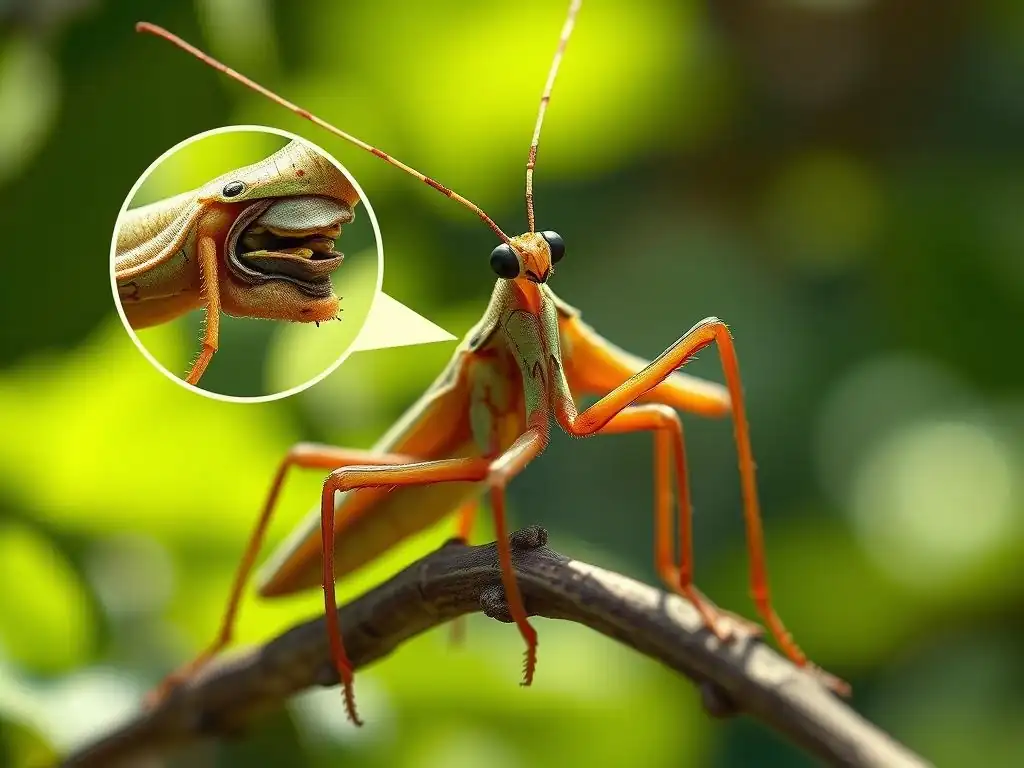
Welcome to PetCareWorld, your ultimate guide to the fascinating world of pet care! Are you ready to delve into the intriguing details of the animal kingdom? We're excited to share our expertise, starting with a deep dive into the unique anatomy of stick insects. Discover the remarkable adaptations that allow these masters of camouflage to thrive. This comprehensive guide reveals the secrets of their incredible bodies – prepare to be amazed!
- Understanding Stick Insect Anatomy: A Comprehensive Guide
- Stick Insect Camouflage and Mimicry: Anatomical Adaptations
- Stick Insect Anatomy Compared to Other Insects
- Caring for Your Stick Insect Based on its Anatomy
- Frequently Asked Questions
- Final Reflection: The Enduring Wonder of Stick Insect Mimicry
- Unleash Your Inner Entomologist: Discover the Fascinating World of Stick Insects!
Understanding Stick Insect Anatomy: A Comprehensive Guide
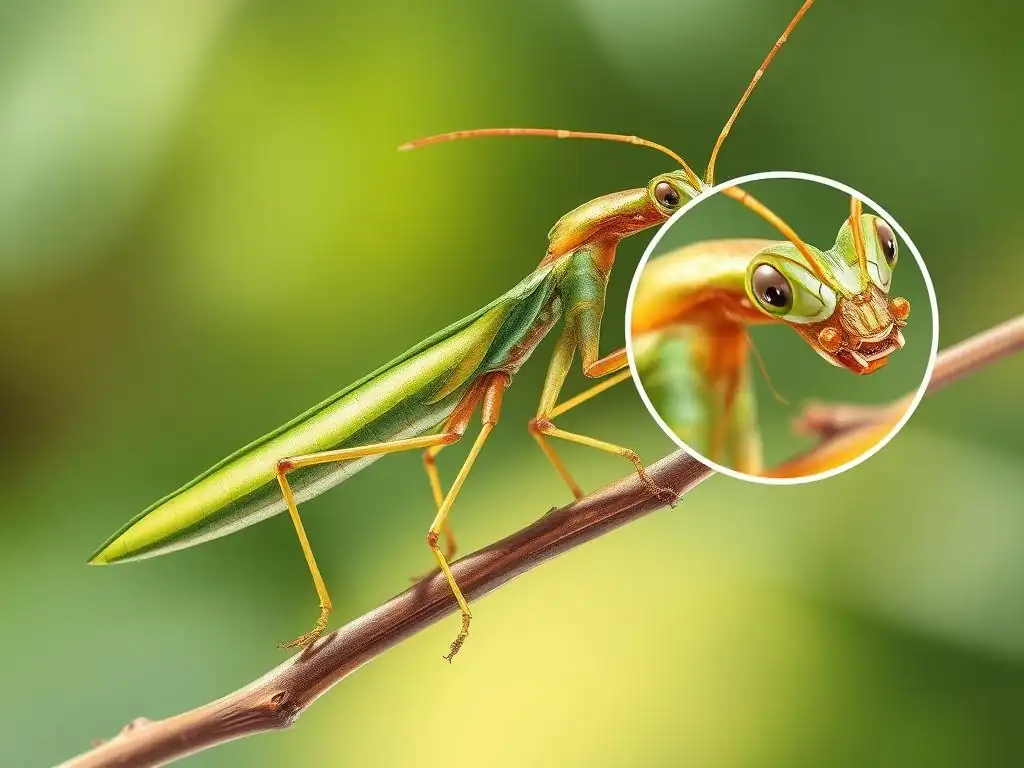
Stick insects, also known as phasmids, are fascinating creatures renowned for their remarkable camouflage and unique anatomy. This comprehensive guide delves into the intricate details of their body structure, exploring the adaptations that have allowed them to thrive in diverse environments. Understanding stick insect anatomy is crucial for responsible pet ownership, enabling better care and appreciation of these captivating invertebrates.
This "stick insect anatomy guide" will equip you with the knowledge to understand their unique features and needs, from their sensory organs to their specialized feeding mechanisms and locomotion systems. We'll examine each body segment in detail, highlighting the remarkable adaptations that make these insects so successful. Whether you're a seasoned entomologist or a new stick insect owner, this guide will provide valuable insights into the world of phasmids.
The Head: Sensory Organs and Feeding Adaptations
The head of a stick insect is relatively small compared to its body, but it houses crucial sensory organs and specialized mouthparts essential for survival. Their head is the control center, responsible for processing sensory information and coordinating movement and feeding. Let's explore these vital components in detail.
Eyes and Antennae: Detecting the Environment
Stick insects possess a pair of compound eyes, providing them with a mosaic vision. These eyes are not as highly developed as those of some other insects, but they are sufficient for detecting movement and changes in light intensity. This helps them avoid predators and navigate their environment. Their antennae, long and slender, are extremely sensitive and play a vital role in detecting smells, vibrations, and air currents. They use this information to locate food sources, mates, and to assess potential dangers. The length and segmentation of the antennae can vary slightly depending on the species.
Mouthparts: Specialized for Herbivory
Stick insects are herbivores, and their mouthparts are perfectly adapted for consuming plant material. They possess a chewing type of mouthpart called mandibles, strong and sharp enough to cut and grind leaves and other plant tissues. These mandibles work in conjunction with other mouthparts, like the maxillae and labium, to manipulate food and aid in ingestion. Their diet consists mainly of leaves, twigs, and other plant matter, making understanding their feeding habits crucial for their proper care in captivity. Providing a varied diet mimicking their natural habitat is key to their health and longevity.
The Thorax: Locomotion and Wing Development
The thorax is the middle section of a stick insect's body, and it serves as the attachment point for the legs and wings (where present). This segment is crucial for locomotion and in some species, for flight. Let's examine the key features of this vital body region.
Legs: Structure and Movement in Stick Insects
Stick insects possess six legs, each attached to the thorax. These legs are remarkably long and slender, perfectly adapted for clinging to branches and twigs. Each leg is composed of several segments, including the coxa, trochanter, femur, tibia, and tarsus. The tarsus is equipped with claws and adhesive pads, providing excellent grip on various surfaces. The arrangement and movement of their legs allow for a slow, deliberate gait, ideal for their cryptic lifestyle. The structure of their legs is a key feature that contributes to their exceptional camouflage and their ability to remain undetected by predators.
Wings (Where Present): Types and Function
While many stick insect species are wingless, some species possess wings. The presence and type of wings can vary significantly between different species. Winged stick insects typically have two pairs of wings: the forewings (tegmina) which are often leathery and protective, and the hindwings (alae), which are larger and membranous, providing the primary means of flight. The function of wings is primarily for escape from predators or for dispersal to new habitats, although their flight is often weak and unsteady. The presence or absence of wings is a key characteristic used in the classification of stick insects.
The Abdomen: Respiration and Reproduction
The abdomen is the posterior section of a stick insect's body, and it houses vital organs related to respiration and reproduction. It's segmented, allowing for flexibility and movement. Unlike many insects, stick insects don't possess a complex internal respiratory system like lungs. Instead, they rely on a system of tubes called tracheae.
These tracheae branch extensively throughout the body, delivering oxygen directly to the tissues. The abdomen also contains the digestive system, processing the insect's diet of leaves and other plant matter. Waste products are eliminated through the anus located at the end of the abdomen.
The size and shape of the abdomen can vary depending on the species and the sex of the insect, often becoming more distended in females due to egg development. Observing the abdomen can provide valuable clues about the insect's health and reproductive status. A healthy abdomen is typically firm and segmented, while a distended or abnormally shaped abdomen could indicate illness or internal parasites.
Spiracles: Breathing in Stick Insects
Stick insects, like many other insects, breathe through a network of tiny openings called spiracles. These spiracles are located along the sides of the abdomen, and each spiracle leads to a branch of the tracheal system. The spiracles can open and close, regulating the flow of air into and out of the tracheae.
This control allows the insect to conserve water and manage its oxygen intake. The precise number and arrangement of spiracles vary depending on the stick insect species, but they are typically quite small and difficult to see without magnification. Studying the spiracles can reveal valuable information about the insect's respiratory health and efficiency.
For example, if the spiracles appear blocked or damaged, it could indicate a respiratory problem. The efficient functioning of the spiracles is crucial for the insect's survival, as it directly impacts its ability to obtain oxygen and eliminate carbon dioxide. The study of spiracle function is a significant area of research in insect physiology.
Reproductive Organs: Sexual Dimorphism and Egg-Laying
A key aspect of stick insect anatomy is the significant sexual dimorphism evident in their reproductive organs. Female stick insects typically possess a well-developed ovipositor, a specialized organ used to deposit eggs. This ovipositor can vary considerably in length and shape among different species, often reflecting the specific substrate in which the eggs are laid. Some species lay their eggs directly onto the ground or vegetation, while others have specialized ovipositors for burying eggs or attaching them to leaves.
Males, on the other hand, possess a pair of claspers, used to grasp the female during mating. These claspers are also species-specific in their shape and size, reflecting adaptations for successful mating. The female's abdomen often becomes noticeably larger as it matures and fills with eggs. The process of egg-laying, or oviposition, can be quite fascinating to observe.
Females often exhibit specific behaviors related to egg-laying, such as searching for suitable locations and carefully positioning each egg. The eggs themselves are remarkably diverse in shape, size, and color across different stick insect species, adding another layer of complexity to their reproductive biology. Understanding the reproductive anatomy of stick insects is critical for successful breeding in captivity, allowing enthusiasts to maintain healthy populations of these fascinating creatures.
Stick Insect Camouflage and Mimicry: Anatomical Adaptations
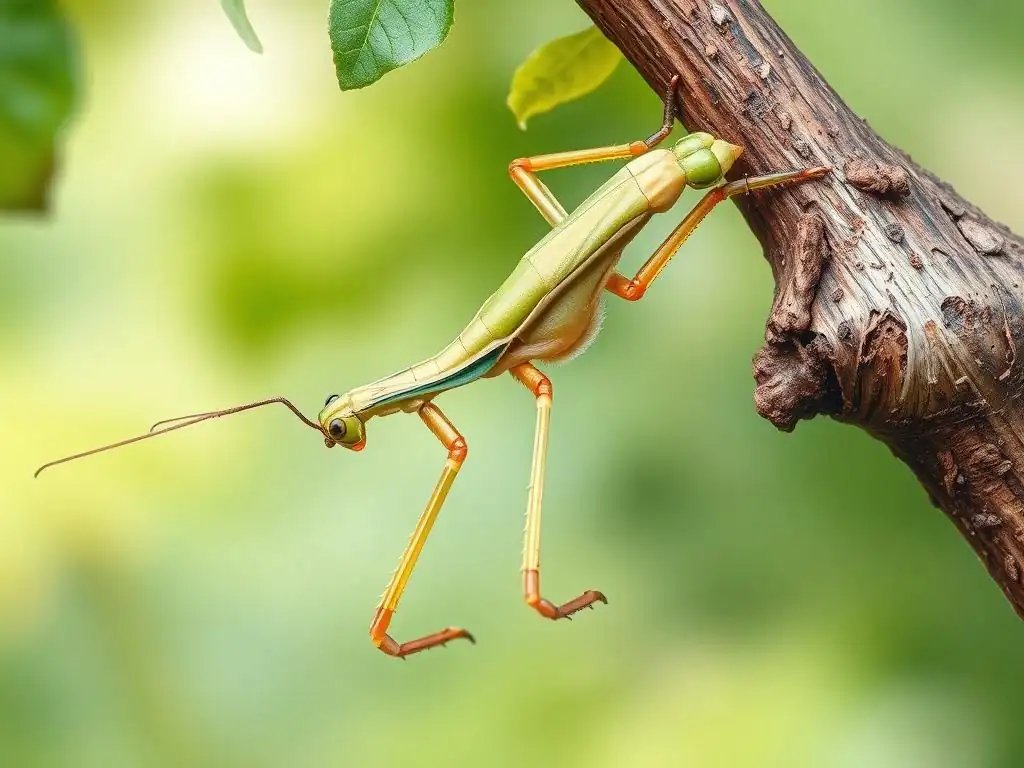
Stick insects, also known as phasmids, are masters of disguise, employing a remarkable suite of anatomical adaptations for camouflage and mimicry. Their survival depends heavily on avoiding predation, and their body plans reflect this evolutionary pressure. Understanding their anatomy is key to appreciating their incredible survival strategies. This section delves into the specific anatomical features contributing to their exceptional camouflage abilities, solidifying this guide's position as your definitive stick insect anatomy guide.
Body Shape and Coloration: Masters of Disguise
The most striking aspect of stick insect anatomy is their remarkable resemblance to twigs and branches. This isn't accidental; it's the result of millions of years of evolution. Their elongated, cylindrical bodies, often with knobby protrusions and irregularities, perfectly mimic the texture of plant material. This body shape, coupled with their coloration, provides excellent camouflage in their natural environments.
Many stick insect species exhibit phylliform bodies, flattened and leaf-like, further enhancing their disguise. Their coloration is incredibly diverse, ranging from browns and greens to grays and even vibrant reds and yellows, allowing them to blend seamlessly with their surroundings. Some species even exhibit seasonal color changes, adapting their coloration to match the changing foliage throughout the year. This adaptability is a crucial element of their survival strategy.
The precise coloration and patterning aren't uniform; instead, they often feature subtle variations and gradients to better mimic natural imperfections in plant life. For instance, a species inhabiting a forest floor might have mottled browns and grays to blend with fallen leaves and twigs, while a species living in a lush canopy might display vivid greens and yellows to match the foliage. This detailed level of adaptation underscores the effectiveness of their camouflage.
Furthermore, the stick insect anatomy includes specialized structures that enhance their disguise. Many species possess small, leaf-like appendages on their legs and bodies, further enhancing the illusion of being part of the plant itself. These details, often overlooked, are critical components of their overall camouflage system.
Behavioral Camouflage: Integrating with the Environment
While their anatomy provides a fantastic foundation for camouflage, stick insects also employ behavioral strategies to enhance their disguise. This isn't simply a passive reliance on their body shape and color; it's an active process of integration with their environment. Their behavior is intrinsically linked to their anatomy, creating a powerful survival mechanism.
One key behavioral adaptation is their immobility. When threatened, stick insects often freeze, remaining completely still for extended periods. This stillness, combined with their appearance, makes them incredibly difficult to spot against the backdrop of their environment. This immobility is facilitated by their physiology; their slow, deliberate movements, when they do move, further enhance the illusion of being part of the plant.
Another crucial aspect of their behavioral camouflage is their swaying motion. Many species subtly sway their bodies back and forth, mimicking the gentle movement of branches in the breeze. This subtle movement makes them less conspicuous to predators, who might otherwise detect a static object as an anomaly. The precise control over this swaying motion is a testament to the sophisticated neural control underlying their camouflage strategies. This behavior is a perfect example of how their stick insect anatomy and behavior work synergistically for survival.
Finally, some species use self-mutilation as a defense mechanism. If a predator grabs a leg, the insect may detach it, allowing it to escape while the predator is distracted. While this is a drastic measure, it highlights the lengths to which stick insects will go to survive. The ability to regenerate lost limbs is another fascinating aspect of their stick insect anatomy. This regeneration, however, requires further research to fully understand the process and its implications.
Stick Insect Anatomy Compared to Other Insects
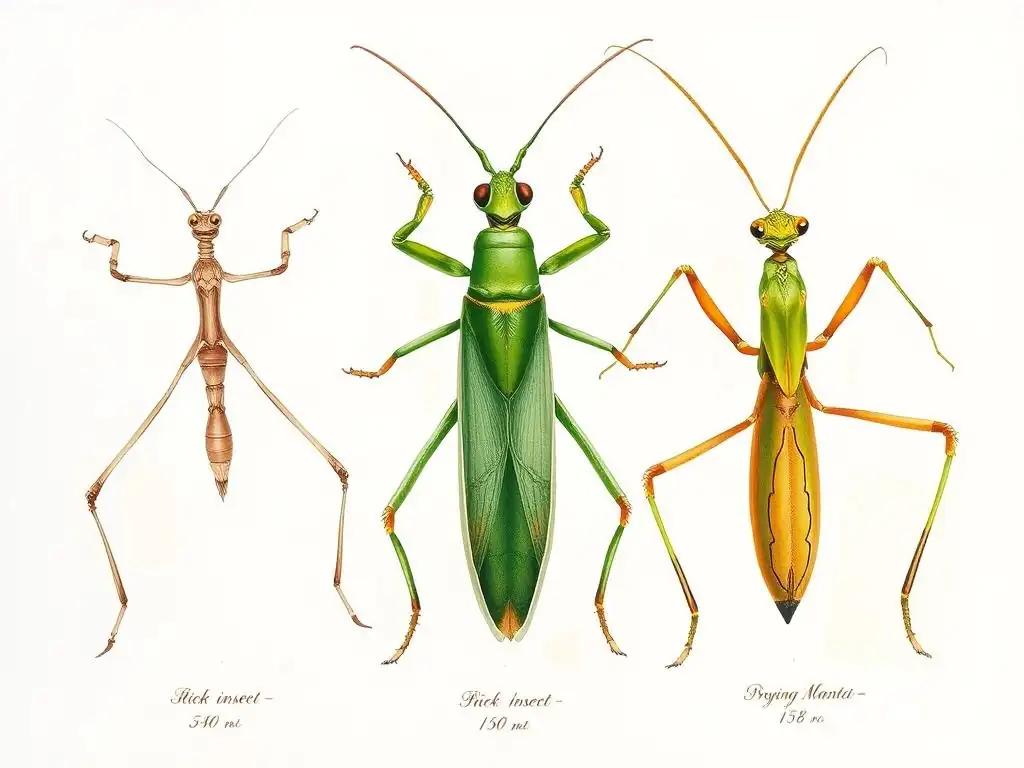
Key Differences in Body Structure and Function
Stick insects, also known as phasmids, possess a body plan typical of insects, exhibiting the three main body sections: head, thorax, and abdomen. However, their anatomy showcases fascinating adaptations that distinguish them from other insect orders. A key difference lies in their extreme elongation. This remarkable feature significantly alters the proportions of their body segments compared to, say, a beetle or a grasshopper. Their legs, in particular, are exceptionally long and slender, perfectly adapted for clinging to branches and mimicking twigs.
Another crucial distinction lies in their reduced wings. While some stick insect species retain vestigial wings, many are entirely wingless. This lack of wings, coupled with their cryptic coloration and behavior, contributes significantly to their remarkable camouflage. This contrasts sharply with many other insects, where wings play a vital role in locomotion, mate finding, and escaping predators. The absence of functional wings reflects a specific evolutionary pathway focused on camouflage and immobility as primary defense mechanisms.
Consider the sensory organs. While stick insects possess antennae, eyes, and other sensory structures, their sensitivity and functionality might differ from those of other insects. For example, their olfactory senses might be less developed, given their reliance on camouflage rather than active foraging or mate attraction through scent. Further research is needed to fully understand the intricacies of sensory perception in various stick insect species. [Specific information pending on sensory organ comparative analysis across insect orders].
We can also examine their digestive systems. While the basic insect digestive plan is present, the specifics of the stick insect gut microbiome and digestive efficiency might be uniquely adapted to their diet, primarily consisting of leaves. [Specific information pending on comparative analysis of stick insect gut microbiome]. The length of their gut, for instance, could be correlated to their need to extract maximum nutrients from low-nutrient foliage.
Evolutionary Adaptations: Unique Anatomical Features
The remarkable camouflage of stick insects is intricately linked to their anatomy. Their body shape itself mimics twigs and branches. This is not just a matter of color; the cylindrical body, the segmented appearance, and even the subtle irregularities on their surface contribute to the illusion. Their legs, with their long, thin segments and the way they grip onto branches, further enhance this disguise. The movement of stick insects is also remarkably slow and deliberate, minimizing the chances of detection.
The coloration of stick insects is another key anatomical adaptation. Many species exhibit a remarkable degree of cryptic coloration, perfectly matching the color and texture of their environment. This camouflage is often not static; some species can even change color slightly depending on the background. This dynamic camouflage, coupled with their morphology, represents a sophisticated defense mechanism against predators. The effectiveness of these adaptations is underscored by the fact that many stick insects remain undetected even by keen-eyed predators.
Furthermore, some stick insect species exhibit thoracic expansions that resemble thorns or other plant structures, adding another layer of complexity to their disguise. These extensions are not merely superficial; their texture and even their positioning often mimic the fine details of the plants they inhabit. This level of detail highlights the effectiveness of their evolutionary adaptations. The interplay between their body shape, coloration, and behavior makes them masters of disguise. The study of stick insect anatomy offers a fascinating glimpse into the power of natural selection and the remarkable adaptations that organisms can evolve to survive.
Caring for Your Stick Insect Based on its Anatomy
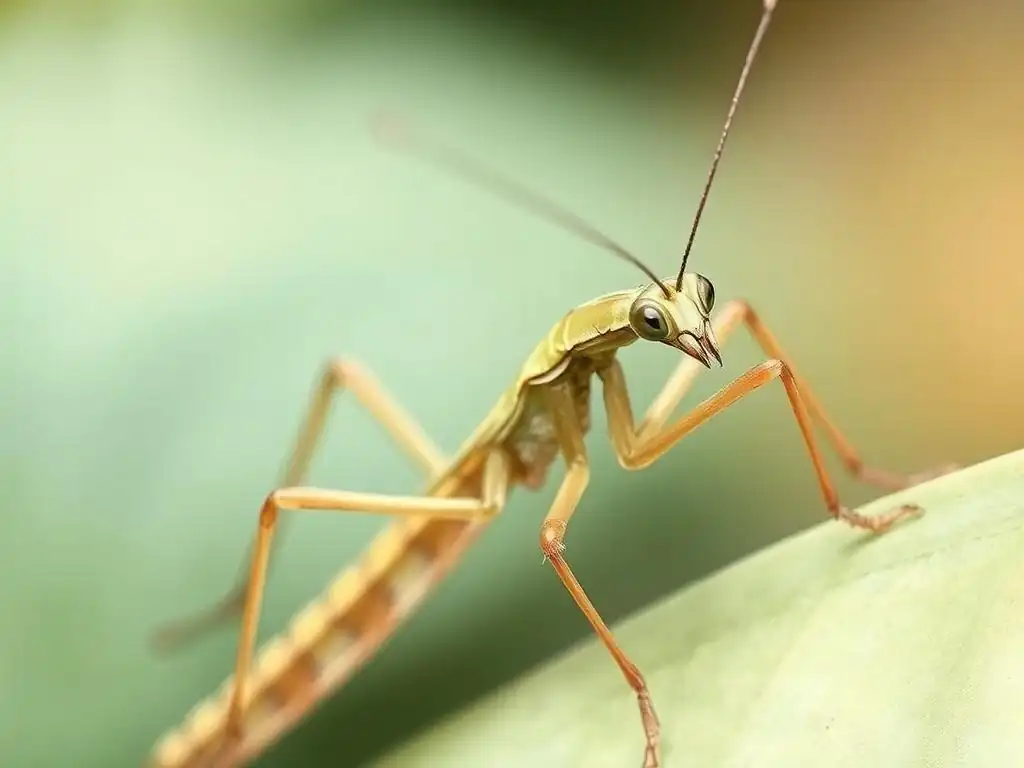
Understanding the unique anatomy of a stick insect is crucial for providing proper care. This section delves into specific aspects of their physiology and how this directly impacts their housing, diet, and handling. A comprehensive stick insect anatomy guide should always consider these factors to ensure the well-being of these fascinating creatures.
Housing Considerations: Providing Suitable Space
Stick insects, masters of camouflage, rely on their elongated bodies and slender legs for navigating their environment. Their fragile exoskeleton requires careful consideration when designing their habitat. The size of the enclosure should be directly proportional to the insect's size and the number of insects housed together. Overcrowding can lead to stress, injury from physical contact (especially during molting), and competition for resources.
For example, a single adult stick insect of average size might thrive in a terrarium measuring at least 30cm x 30cm x 45cm (length x width x height). Larger species, of course, will require significantly more space. The height is particularly important, as stick insects are primarily arboreal, spending most of their time climbing and clinging to branches.
Providing ample vertical space is critical. Include various branches of varying thicknesses and textures to mimic their natural habitat. Avoid using smooth surfaces, as stick insects rely on their gripping legs for stability. Rough bark or twigs offer superior grip and a more secure environment. Always ensure the branches are securely fastened to prevent them from falling and injuring the insects.
Remember that ventilation is essential. A poorly ventilated enclosure can lead to the buildup of moisture, resulting in fungal growth and potential respiratory problems for your stick insect. Adequate airflow is crucial, but avoid strong drafts that could stress or chill the insect.
Diet and Nutrition: Meeting Nutritional Needs
The stick insect's specialized mouthparts, designed for chewing and rasping, dictate a diet primarily consisting of leaves. Different species have varying dietary preferences; some may be quite selective, while others are more adaptable. Providing a diverse range of fresh leaves is vital to ensure a balanced diet. Knowing the specific dietary needs of your stick insect species is paramount. A poorly balanced diet can lead to nutritional deficiencies, impacting growth, molting, and overall health.
Here's a sample table illustrating potential dietary options and considerations:
| Plant Type | Suitability | Nutritional Benefits | Precautions |
|---|---|---|---|
| Oak Leaves | Excellent | High in fiber, minerals | Ensure leaves are from pesticide-free trees |
| Bramble Leaves | Good | Rich in vitamins and antioxidants | Avoid thorns |
| Blackberry Leaves | Good | Source of vitamins and minerals | Wash thoroughly to remove dirt and pesticides |
| Eucalyptus Leaves | Species-Specific | Some species thrive on eucalyptus | Some species are toxic; research carefully |
| Ivy Leaves | Generally Avoid | Can be toxic to some stick insect species | Avoid completely unless confirmed safe for your species |
It's crucial to avoid spraying leaves with pesticides or herbicides, as these can be highly toxic to stick insects. Always source leaves from pesticide-free plants, ideally from your own garden or a reputable supplier. Fresh water should always be available, ideally using a shallow dish or a damp sponge.
Handling and Observation: Minimizing Stress
Stick insects, despite their seemingly delicate nature, are surprisingly resilient. However, improper handling can cause significant stress and even injury. Their exoskeleton, while protective, is also fragile, especially during molting. Rough handling can easily damage their legs or antennae.
Always approach handling with gentle movements and support their body weight. Avoid sudden movements or jarring actions. Gentle support under their abdomen is usually best. Frequent handling should be minimized, as it can stress the insect. Regular observation is important for monitoring their health and detecting potential problems early on.
Observe their feeding habits, activity levels, and molting cycles. Signs of stress may include lethargy, loss of appetite, or unusual posture. Note any changes in their appearance or behavior. This attentive observation, combined with a proper understanding of their anatomy and needs, is key to providing optimal care and ensuring a long, healthy life for your stick insect. 🐛
Frequently Asked Questions
What are the main body segments of a stick insect?
Stick insects, like other insects, have three main body segments: the head, the thorax, and the abdomen. These segments house their vital organs and appendages.
How do stick insects camouflage themselves?
Their exceptional camouflage is achieved through their body shape and coloring, which closely mimics twigs and branches. This helps them avoid predators.
What are the stick insect's legs like?
Stick insects possess six long, slender legs attached to the thorax, allowing for effective movement and clinging to branches. Their legs are adapted for grasping and climbing.
Do stick insects have wings?
While some species of stick insects have wings, many are wingless. The presence or absence of wings varies greatly depending on the specific species.
What are the most important features of a stick insect's head?
The head features prominent antennae used for sensing their environment and powerful mandibles for chewing leaves, their primary food source. Eyes are usually present, though sometimes quite small.
Final Reflection: The Enduring Wonder of Stick Insect Mimicry
The intricate camouflage and deceptive anatomy of stick insects remain a powerful testament to the ingenuity of natural selection, a marvel of evolutionary biology relevant to our understanding of adaptation and survival in diverse ecosystems today. Their ability to seamlessly blend into their environment offers a compelling lesson in the power of adaptation, a lesson that extends far beyond the insect world.
The more I delved into the fascinating world of stick insect anatomy, the more I was struck by the sheer elegance of their design. Their bodies, perfectly sculpted to mimic twigs and leaves, are a constant reminder of the intricate processes shaping life on Earth. Nature is painting for us, day after day, pictures of infinite beauty.
This quote, though not directly about stick insects, perfectly captures the awe-inspiring artistry of their form and function. Understanding their anatomy allows us to appreciate the delicate balance of nature and the profound interconnectedness of all living things.
Consider the remarkable adaptations you've learned about today. Think about how this knowledge can deepen your appreciation for the natural world. Take a moment to observe the seemingly ordinary plants and insects around you – you might be surprised by the hidden wonders waiting to be discovered. Let the stick insect, with its masterful disguise and intricate design, inspire you to look closer, to question, and to marvel at the breathtaking complexity of life.
Unleash Your Inner Entomologist: Discover the Fascinating World of Stick Insects!
Thank you for exploring the amazing world of stick insects with us! We hope you've gained a new appreciation for these incredible creatures and their unique adaptations. Now it's time to put your knowledge into action!
- Become a Stick Insect Expert: Delve deeper into the world of phasmids by researching diverse species and their unique habitats. Explore online resources like scientific journals and websites, or visit local museums and insectariums.
- Share Your Passion: Inspire others by sharing this article with fellow nature enthusiasts and pet lovers on social media. Let's spread the word about these fascinating insects!
- Create a Miniature Habitat: Build a miniature stick insect habitat at home—a fun and engaging project for the whole family! This will allow you to observe their behavior up close.
Ready to embark on your own stick insect adventure? What was the most surprising thing you learned today about these amazing creatures?