Fin Rot, Ich, and Beyond: A Comprehensive Guide to Common Fish Illnesses
🤔 PetCareWorld's expert guide tackles common goldfish diseases treatment, covering fin rot, ich, and other ailments. Learn how to identify and effectively…
Read article
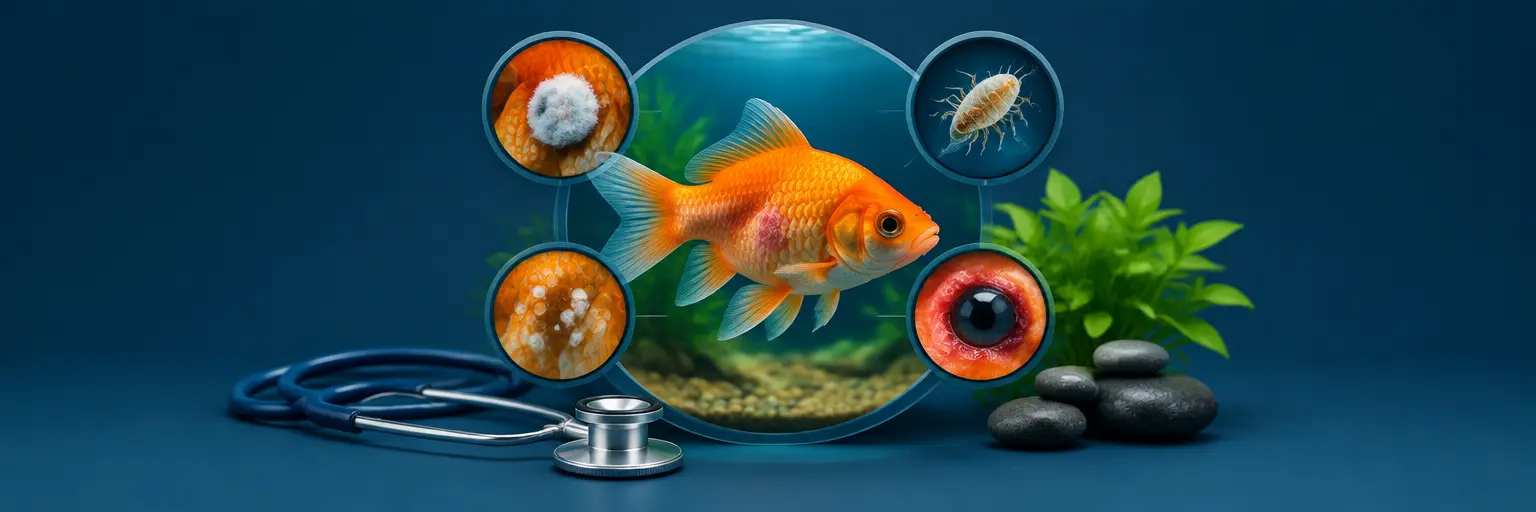
When it comes to keeping your aquatic companions thriving, understanding common fish diseases is your first line of defense—and your secret weapon for a vibrant, healthy tank. 🐠 From the telltale white spots of ich to the frustrating mystery of fin rot, recognizing symptoms early can mean the difference between a quick recovery and a preventable loss. Our expert-backed guidance breaks down the most frequent ailments affecting freshwater and marine species, offering clear, actionable treatment plans, preventive care routines, and nutrition tips to boost your fish’s immunity. Whether you’re a beginner learning to spot stress signs or a seasoned aquarist fine-tuning your water parameters, you’ll find practical solutions that prioritize safety and long-term wellness. Dive in to master disease prevention, quarantining techniques, and natural remedies that keep your underwater world beautifully balanced. 🐟🩺
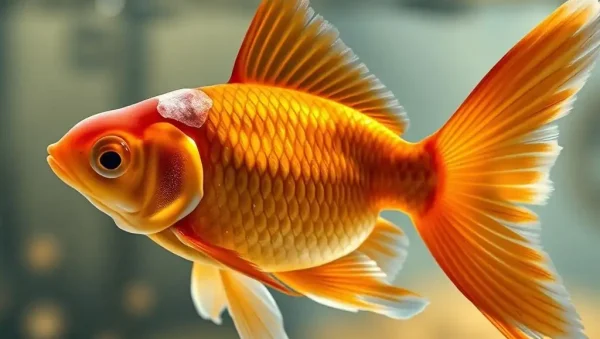
🤔 PetCareWorld's expert guide tackles common goldfish diseases treatment, covering fin rot, ich, and other ailments. Learn how to identify and effectively…
Read article
😊 Mastering aquarium health is key! This guide from PetCareWorld arms you with the knowledge to prevent common fish diseases, covering prevention…
Read article
😊 PetCareWorld's expert guide tackles fish diseases head-on! Learn proven treatment options and, critically, how to prevent common fish illnesses, ensuring your…
Read articleKeeping your aquarium inhabitants vibrant and thriving requires more than just clean water and regular feedings. Diseases can strike swiftly, and recognizing the early warning signs is crucial for effective treatment. This subcategory dives deep into the most prevalent fish ailments, offering actionable prevention strategies, symptom identification, and remedies tailored for both freshwater and marine environments. Whether you are a novice aquarist or a seasoned hobbyist, understanding these conditions will empower you to maintain a healthier underwater ecosystem and minimize fish mortality.
Bacterial infections are among the most common health issues in fish, often triggered by stress, poor water quality, or physical injury. Symptoms typically include red streaks on the fins or body (hemorrhagic septicemia), ulcerative sores, cloudy eyes, and frayed fins. Early detection is critical, as bacterial pathogens like Aeromonas and Pseudomonas can rapidly proliferate in weakened fish. You should immediately quarantine affected specimens and test your water parameters for ammonia or nitrite spikes, which commonly precipitate these outbreaks.
Treatment usually involves broad-spectrum antibiotics added to the water or medicated food, depending on the severity. For external infections, a salt bath (using aquarium salt, not table salt) can help reduce osmotic stress. To prevent recurrence, maintain impeccable hygiene by performing regular partial water changes and avoiding overcrowding. Remember that overuse of antibiotics can create resistant strains, so always follow dosage instructions precisely and consider a dedicated hospital tank to protect your main display from contamination.
Fungal infections are often secondary to physical damage or poor water conditions. The most recognizable sign is white, cotton-like growths (Saprolegnia) appearing on the skin, fins, or mouth, which can eventually impair mobility and breathing if left untreated. Unlike bacterial issues, fungi thrive in cooler, dirtier water, so your first step is always to improve aeration and filtration. Affected fish may also show lethargy, loss of appetite, and clamped fins, indicating systemic stress.
Treatment options include over-the-counter antifungal medications containing malachite green or methylene blue, which are effective for most external mycoses. For a more natural route, gradually raising the water temperature by 2-3°F can boost fish immunity and slow fungal growth. Always remove any decaying organic material, as it provides a substrate for spores. Preventative care centers on minimizing injuries—handle fish with soft nets, avoid sharp decorations, and quarantine new additions for at least two weeks before introducing them to your main tank.
Parasites are the stealthiest threat to aquarium fish, often living unnoticed until populations explode. Ichthyophthirius multifiliis (Ich) presents as tiny white salt-like dots on the body and gills, causing fish to flash against objects. Velvet disease (Oodinium) appears as a fine, golden-brown dusty coating, often mistaken for poor lighting. More advanced infestations like Hexamita (Hole-in-the-Head) create pitted lesions on the head, progressing to severe tissue erosion if ignored. Each parasite has a distinct lifecycle, requiring targeted therapies.
For Ich, raising temperature to 82°F (28°C) and adding an ich-specific medication over several days breaks the lifecycle. Velvet benefits from copper-based treatments, but these are toxic to invertebrates, so remove snails and shrimp first. Hole-in-the-Head demands improved nutrition—especially vitamin C and minerals—alongside metronidazole-based medications. Prevention relies on strict quarantine and feeding high-quality, varied diets to bolster fish resilience. Always verify compatibility of medications with your filtration system, as some can disrupt biological filtration.
Not all fish ailments are infectious; many stem from suboptimal husbandry. Chronic stress from inconsistent water temperature, pH shifts, or inadequate hiding spots can suppress fish immune systems, making them susceptible to every pathogen previously mentioned. Nutritional deficiencies, particularly a lack of omega-3 fatty acids, vitamin C, or iodine, manifest as faded colors, stunted growth, and fin erosion. Environmental issues often appear as gasping at the surface, erratic swimming, or sudden appetite loss without any visible lesions.
To address this, begin by auditing your water source—test for heavy metals, ammonia, and nitrates weekly. Provide a spacious tank with appropriate decor that mimics natural habitats, including plants and caves for shy species. Offer a varied diet of flakes, frozen, and live foods to cover all nutritional bases. Routine water changes of 10-20% per week dramatically reduce toxin buildup. By correcting these environmental factors, you not only treat the immediate symptoms but also prevent future outbreaks, creating a sustainably balanced ecosystem.
Establishing a dedicated quarantine tank is the single most effective measure for managing disease outbreaks. A 10–20 gallon setup with a bare bottom, sponge filter, and minimal décor makes observation and treatment easier. Before introducing any new fish, run a 14-day quarantine period, during which you monitor for symptoms and conduct prophylactic treatments if needed. When sick fish are detected, move them promptly to quarantine to avoid contaminating the main tank, but use water from the display to minimize osmotic shock.
In the quarantine tank, begin with conservative measures: raised temperature, gentle aeration, and low-stress lighting. Never mix multiple medications without veterinary advice, as interactions can be toxic. Keep detailed records of dosages and water changes. If a disease is unidentifiable, perform a freshwater dip for 5 minutes to dislodge some external parasites, then reassess. While quarantine requires extra effort, it pays dividends by preserving the health of your existing fish population and preventing costly, heartbreaking losses.
Fungal infections appear as fluffy, white or gray cotton-like growths, often near wounds or fins. Bacterial infections show red streaks, ulcers, or cloudiness in the eyes. A fungal outbreak is usually superficial, while bacterial issues often affect deeper tissues first. When in doubt, treat for bacteria first, as fungal infections frequently follow unresolved bacterial wounds.
Gradually raise the water temperature to 82°F (28°C) and add an over-the-counter ich remedy containing malachite green or formalin. Keep aeration high, as warmer water holds less oxygen. Repeat treatments for 5–7 days to cover the parasite's full lifecycle, then perform a large water change. Remove activated carbon from filters during treatment for best results.
Aquarium salt (sodium chloride) is effective for promoting slime coat production and reducing stress, but use it sparingly—around 1 tablespoon per 5 gallons for mild issues. It helps with ich and minor parasitic infections but is harmful to catfish, loaches, and live plants. Never use table salt due to anti-caking agents. For severe infections, rely on targeted medications instead.
Yes, but time is critical. Loss of appetite usually signals advanced illness or severe stress. Begin by checking water quality—ammonia and nitrite spikes are common culprits. Offer highly palatable foods like garlic-soaked brine shrimp or live worms. If no improvement within 48 hours, isolate the fish and treat symptomatically based on visible signs. Recovery is possible with prompt, correct intervention.
Immediate quarantine and isolation are your first defense—move affected fish to a separate hospital tank. Disinfect any nets, siphons, or décor that contacted the sick fish using a diluted bleach solution and thorough rinsing. Avoid sharing water between tanks without treatment. Boost remaining fish health with varied nutrition and stress-free conditions. Never introduce new fish without a minimum two-week quarantine to break disease cycles.







