
Fin Rot, Ich, and Beyond: A Comprehensive Guide to Common Fish Illnesses

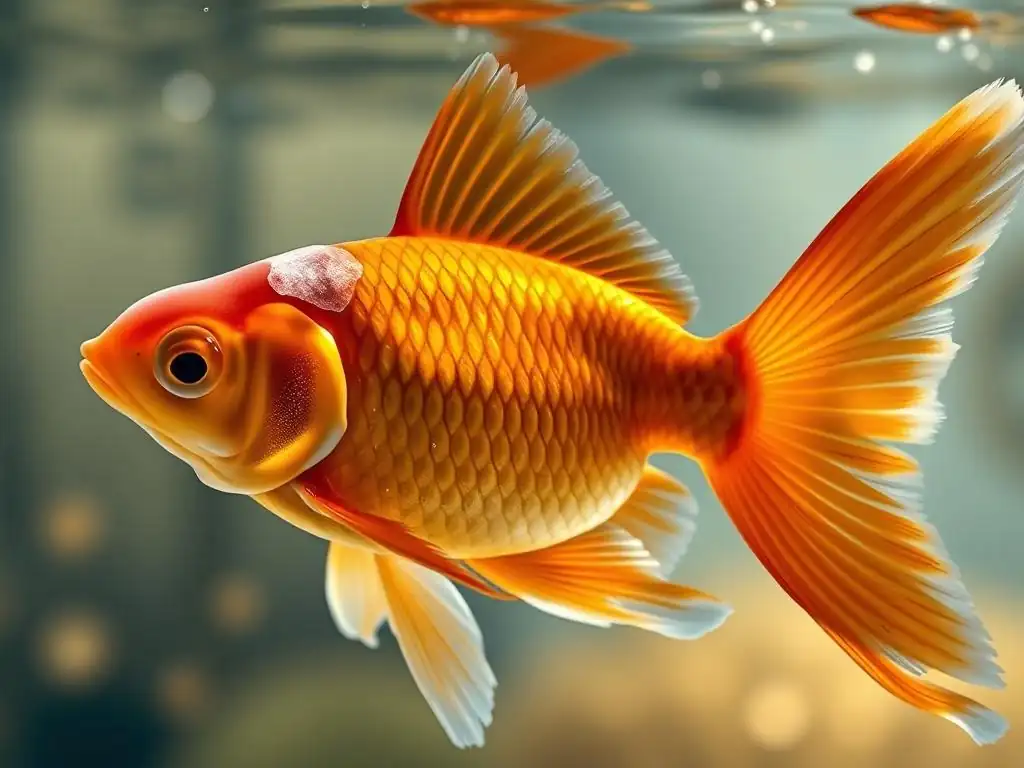
Welcome to PetCareWorld, your ultimate guide to a happier, healthier life for your beloved companions! Are you concerned about your goldfish's fin rot or battling a mysterious illness? Then dive into our comprehensive guide to common goldfish diseases treatment and discover practical solutions to keep your aquatic friends thriving. Learn how to identify, prevent, and effectively treat Fin Rot, Ich, and many other common fish illnesses – ensuring the vibrant well-being of your scaly friends. Explore our expert advice and unlock the secrets to responsible and rewarding pet ownership.
- Understanding Common Goldfish Diseases: A Vet's Perspective
- Fin Rot in Goldfish: Prevention and Treatment
- Ich (White Spot Disease) in Goldfish: A Comprehensive Guide
- Other Common Goldfish Diseases and Their Treatment
- Maintaining a Healthy Goldfish Environment: Prevention is Key
- When to Seek Professional Veterinary Care for Your Goldfish
- Frequently Asked Questions about Goldfish Diseases Treatment
- Frequently Asked Questions
- Final Reflection: The Enduring Health of Our Finned Friends
- Unlock Your Fish's Health Potential: Take Action Today!
Understanding Common Goldfish Diseases: A Vet's Perspective
Keeping goldfish, with their graceful movements and vibrant colors, can bring immense joy to any home aquarium. However, responsible goldfish ownership necessitates a thorough understanding of common health issues. This comprehensive guide delves into the most prevalent goldfish diseases, providing insights into their identification, diagnosis, and effective treatment strategies.
We'll explore the early warning signs, delve into specific illnesses like fin rot and ich (Ichthyophthiriasis), and discuss preventative measures to keep your finned friends healthy and thriving. Understanding these common goldfish diseases is crucial for ensuring the longevity and well-being of your beloved pets, transforming you from a casual fish-keeper into a confident and caring goldfish guardian. This guide specifically targets common goldfish diseases and their treatment, equipping you with the knowledge to address health concerns effectively and promptly.
Ignoring these issues can lead to significant suffering for your fish and ultimately, their demise. Let's dive in and learn how to keep your goldfish healthy and happy!
Identifying the Early Signs of Goldfish Illness
Recognizing the early signs of illness in goldfish is paramount for successful treatment. Often, subtle changes in behavior or appearance precede more severe symptoms. Early intervention significantly improves the chances of a full recovery. Here's what to look for:
- Lethargy and Loss of Appetite: A goldfish that is usually active and eager to eat but suddenly becomes listless and refuses food is a major red flag. This can indicate a variety of underlying issues.
- Unusual Swimming Patterns: Changes in swimming behavior, such as erratic movements, tilting, or difficulty staying upright, are often indicative of disease or injury.
- Changes in Appearance: Look for changes in coloration, fin clamping (fins held close to the body), excessive slime coat (making the fish look cloudy), or the presence of any unusual spots or lesions on the body or fins.
- Respiratory Distress: Rapid gill movement or gasping at the surface of the water suggests difficulty breathing, potentially due to water quality issues or infection.
- Fecal Matters: Analyze the consistency and color of their waste. Unusual changes can be indicative of internal problems.
Early detection is key. If you observe any of these signs, immediately begin monitoring your goldfish closely and consider seeking advice from a veterinarian specializing in aquatic animals. Remember, prompt action can often make the difference between a successful recovery and a tragic loss.
Common Goldfish Diseases: Symptoms and Diagnosis
Several diseases commonly affect goldfish. Accurate diagnosis is essential for appropriate treatment. Let's examine some of the most prevalent:
| Disease | Symptoms | Diagnosis |
|---|---|---|
| Fin Rot | Shredded, ragged, or decaying fins; redness and inflammation at the base of fins | Visual inspection; bacterial culture may be needed for confirmation. |
| Ich (Ichthyophthiriasis) | White spots on the body and fins; fish rubbing against objects; lethargy | Visual inspection; microscopic examination of skin scrapings may be necessary. |
| Columnaris | Cotton-like growths on the body and fins; ulcers; fin rot; lethargy | Visual inspection; bacterial culture may be needed for confirmation. |
| Velvet Disease | Goldfish appears covered in a golden or brown dust; rapid breathing; lethargy | Visual inspection; microscopic examination of skin scrapings may be necessary. |
| Dropsy | Swollen abdomen; scales protruding; lethargy; loss of appetite | Visual inspection; often difficult to treat successfully. |
It is crucial to understand that accurate diagnosis often requires a combination of visual inspection and potentially laboratory testing. While this guide provides valuable information, it is not a substitute for professional veterinary advice. If you suspect your goldfish is ill, consulting a veterinarian experienced in aquatic animal care is strongly recommended. Early and accurate diagnosis greatly increases the chances of a successful outcome. 🐠
Fin Rot in Goldfish: Prevention and Treatment
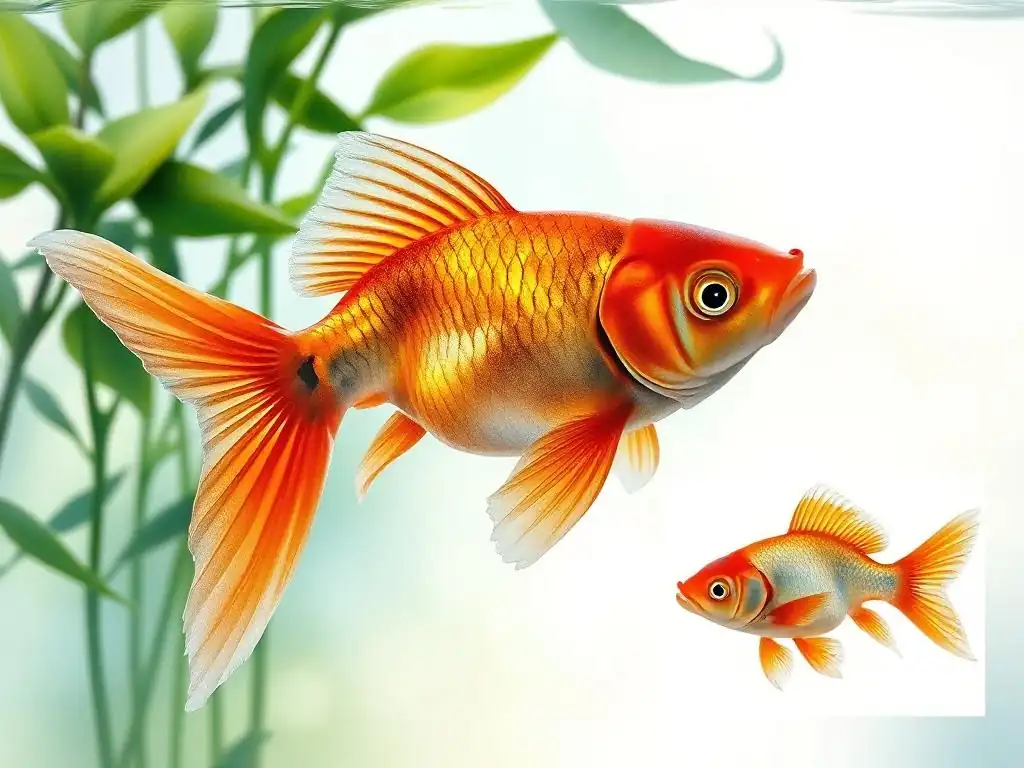
Fin rot, a bacterial infection affecting the fins of goldfish and other fish, is a common goldfish disease that can significantly impact their health and well-being. Understanding its symptoms, implementing effective treatments, and practicing preventative measures are crucial for maintaining a healthy aquarium environment. This section focuses specifically on fin rot in goldfish, providing practical advice for diagnosis and management. Effective treatment hinges on early detection and prompt action.
Recognizing Fin Rot Symptoms in Your Goldfish
Early detection is key to successful treatment of fin rot in goldfish. Initial symptoms often manifest as frayed or ragged fin edges. You might observe small tears or discolorations along the fin margins. As the infection progresses, the fin damage becomes more extensive, leading to significant fin erosion and potentially complete fin loss.
The affected fins may appear translucent or have a whitish or reddish discoloration. Furthermore, goldfish suffering from fin rot may exhibit lethargy, loss of appetite, and unusual swimming patterns, such as clamping their fins close to their bodies. Observing your goldfish's behavior is as important as visually inspecting their fins.
A change in their normal activity level should always raise concern. It's important to differentiate fin rot from other conditions that might cause similar symptoms. For example, fin nipping by tank mates can mimic some aspects of fin rot, but typically presents with more precise, clean cuts rather than the ragged edges characteristic of bacterial infection.
Remember, early intervention is critical for the successful treatment of common goldfish diseases like fin rot. Don't hesitate to consult a veterinarian specializing in aquatic animals if you're unsure about a diagnosis.
Effective Treatments for Fin Rot in Goldfish
Treatment for fin rot in goldfish often involves a multi-pronged approach. A crucial first step is to improve water quality. This might involve performing a partial water change (around 25-50%), using a quality dechlorinator, and ensuring proper filtration. Poor water quality exacerbates bacterial infections. Next, consider administering medication specifically designed for fin rot.
Many commercially available medications contain antibiotics or other antibacterial agents effective against the bacteria responsible for fin rot. Always follow the manufacturer's instructions carefully regarding dosage and treatment duration. It's also important to isolate the affected goldfish to prevent the spread of the infection to other tank mates. This isolation should continue even after apparent symptom improvement, to ensure complete eradication of the bacteria.
In addition to medication, maintaining optimal water parameters is crucial. Regular monitoring of temperature, ammonia, nitrite, and nitrate levels is essential. Consistent water testing helps ensure a stable and healthy environment conducive to healing. In severe cases, the veterinarian might recommend more advanced treatments or alternative therapies. For instance, some holistic approaches might involve using natural remedies, but these should always be used in consultation with a professional. 🐠
Preventing Fin Rot in Your Goldfish Tank
Prevention is always better than cure when dealing with common goldfish diseases. Maintaining impeccable water quality is paramount in preventing fin rot. This involves regular partial water changes (25-50% weekly), using a high-quality filter, and avoiding overfeeding. Overfeeding contributes to increased ammonia and nitrite levels, creating an ideal breeding ground for bacteria.
Furthermore, ensure your goldfish tank is appropriately sized for the number of fish you keep. Overcrowding leads to stress and increased susceptibility to disease. Quarantine any new goldfish before introducing them to your established tank. This prevents the introduction of pathogens that could trigger fin rot or other diseases.
Regularly inspect your goldfish for any signs of illness, allowing for early detection and intervention. A proactive approach to tank maintenance and monitoring minimizes the risk of fin rot and other common goldfish diseases. Remember, a healthy environment is the best defense against infection. A well-maintained aquarium, with appropriate filtration, regular water changes, and responsible stocking, significantly reduces the chances of fin rot developing in your beloved goldfish.
Ich (White Spot Disease) in Goldfish: A Comprehensive Guide
Ich, or white spot disease, is a common and highly contagious parasitic infection affecting goldfish and other freshwater fish. Caused by the Ichthyophthirius multifiliis protozoan, Ich significantly impacts the health and well-being of your beloved aquatic companions. Understanding its lifecycle and implementing effective treatment and preventative measures are crucial for maintaining a thriving goldfish tank. This section focuses specifically on identifying, treating, and preventing Ich in your goldfish, offering practical advice for goldfish owners looking to tackle this common goldfish diseases treatment challenge.
Identifying Ich in Your Goldfish: Symptoms and Stages
Recognizing Ich in its early stages is key to successful treatment. Initially, you may observe small, white spots scattered across your goldfish's body, fins, and gills. These spots are actually the parasite's cysts, visible to the naked eye. As the infection progresses, these spots become more numerous and noticeable, potentially leading to:
- Lethargy: Your goldfish may become less active, spending more time resting at the bottom of the tank.
- Loss of Appetite: Reduced feeding is a common symptom as the parasite weakens the fish.
- Clamped Fins: The fins may be held close to the body, indicating discomfort and stress.
- Flashing: The fish may repeatedly rub against objects in the tank, attempting to dislodge the parasites.
- Respiratory Distress: In severe cases, gill infestation can lead to labored breathing and gasping at the surface.
The Ich lifecycle consists of several stages: the parasitic trophont (the visible white spots) feeds on the fish, then detaches and forms a cyst on the substrate. This cyst releases thousands of tomites, which then infect other fish. Understanding this cycle helps in choosing the right treatment approach. Early detection is crucial, as untreated Ich can quickly overwhelm a goldfish's immune system, leading to death. Closely monitor your goldfish daily for any unusual behavior or physical changes.
Effective Treatments for Ich in Goldfish
Several treatment options exist for Ich in goldfish, ranging from medication to environmental adjustments. The severity of the infection will determine the most appropriate course of action. Always follow the manufacturer's instructions carefully when using any medication.
- Raising the Water Temperature: Slightly increasing the water temperature (up to 82-86°F or 28-30°C) can accelerate the Ich lifecycle, making it easier for the fish to overcome the infection. However, be cautious not to exceed the goldfish's tolerance level. Monitor the temperature closely.
- Medication: Several effective medications are available to treat Ich, including malachite green and formalin-based treatments. These are often combined for a more effective approach. Always carefully research and choose a medication specifically formulated for use with goldfish. Follow the dosage instructions precisely.
- Salt Treatment: Adding aquarium salt to the tank water can help create an environment less hospitable to Ich. Start with a low concentration and gradually increase it according to the manufacturer's instructions. Monitor your goldfish's response closely, as salt can be stressful for some fish. Never use table salt.
Remember that consistent water changes (25-50% daily) are crucial during treatment to remove dead parasites and maintain water quality. A clean tank environment supports the goldfish's immune system during recovery. Always quarantine infected goldfish to prevent the spread of the disease to other tank mates.
Preventing Ich Outbreaks in Your Goldfish Tank
Preventing Ich outbreaks is far easier than treating them. Proactive measures significantly reduce the risk of infection.
- Quarantine New Fish: Always quarantine any new goldfish for at least 2-4 weeks before introducing them to your main tank. This allows time to observe for any signs of illness and prevents the introduction of parasites.
- Maintain Water Quality: Regular water changes, proper filtration, and avoiding overfeeding are crucial for maintaining a healthy tank environment. Poor water quality weakens the goldfish's immune system, making them more susceptible to infections.
- Avoid Stress: Sudden changes in water parameters, overcrowding, or aggressive tank mates can stress your goldfish, weakening their immune system. Maintain a stable and peaceful environment.
- Regular Cleaning: Regularly clean the tank and equipment to remove debris and prevent the build-up of harmful bacteria. A clean tank is less likely to harbor parasites.
By implementing these preventative measures and understanding the signs and symptoms of Ich, you can significantly reduce the risk of this common goldfish disease and maintain a healthy and thriving goldfish tank. Remember, early detection and prompt treatment are key to successful management of Ich and other common goldfish diseases. Careful observation and proactive care are essential aspects of responsible goldfish ownership. 🐠
Other Common Goldfish Diseases and Their Treatment
Goldfish, while relatively hardy, are susceptible to a range of diseases beyond the common fin rot and ich. Understanding these ailments and their treatments is crucial for maintaining the health and vitality of your aquatic companions. This section delves into three more prevalent goldfish diseases, providing detailed information on symptoms, diagnosis, and effective treatment strategies. Proper diagnosis and swift action are key to successful treatment and preventing further outbreaks within your aquarium. Remember, proactive aquarium maintenance, including regular water changes and appropriate filtration, significantly reduces the risk of disease.
Dropsy: Symptoms, Diagnosis, and Treatment
Dropsy, a serious bacterial or parasitic infection, manifests as a distended abdomen, often accompanied by protruding scales ("pine-coning"). Affected goldfish may also exhibit lethargy, loss of appetite, and clamped fins. The disease is often secondary to another underlying condition, weakening the fish's immune system and making it susceptible to infection.
Diagnosing dropsy requires careful observation of the symptoms described above. Unfortunately, the prognosis for dropsy is often poor, as it's usually a late-stage manifestation of a more serious underlying problem. A quick, accurate diagnosis is critical for even a small chance of success.
Treatment options for dropsy are limited and often unsuccessful due to its advanced nature. Antibiotics, such as kanamycin or oxytetracycline, might be prescribed by a veterinarian specializing in aquatic animals, but success depends heavily on early intervention and the underlying cause. Supportive care, including maintaining optimal water quality and providing a stress-free environment, is crucial. In many cases, euthanasia may be the most humane option to alleviate suffering. Prevention through excellent water hygiene and a robust immune system in your goldfish is paramount.
Velvet Disease: Symptoms, Diagnosis, and Treatment
Velvet disease, caused by the parasite Amyloodinium ocellatum, is characterized by a velvety or golden coating on the goldfish's skin and gills. Affected fish may exhibit increased mucus production, rapid gill movements (indicating respiratory distress), and rubbing against objects in the tank. The parasite attacks the skin and gills, leading to irritation, respiratory difficulties, and ultimately, death if left untreated.
Diagnosing velvet disease involves observing the characteristic golden or velvety coating on the fish's body. A microscope examination of a skin scraping can confirm the presence of the Amyloodinium parasite. Early detection is vital for successful treatment.
Treatment typically involves raising the water temperature (within the goldfish's tolerance), increasing aeration, and administering medications like malachite green or formalin. These medications are effective against the parasite, but careful adherence to dosage instructions is essential to avoid harming the fish. Maintaining pristine water quality throughout treatment is also crucial. Quarantining affected fish is recommended to prevent the spread of the disease to other inhabitants of the aquarium. Regular water changes are also vital during treatment and recovery. 🧐
Columnaris Disease: Symptoms, Diagnosis, and Treatment
Columnaris disease, caused by the bacterium Flavobacterium columnare, is a rapidly progressing infection that affects the skin and gills of goldfish. Symptoms include cotton-like growths on the body, frayed fins, and open sores. Affected fish may also exhibit lethargy, loss of appetite, and difficulty breathing. This disease can progress very quickly, leading to death within days if untreated. The disease thrives in poor water quality, emphasizing the importance of regular maintenance.
Diagnosis involves observing the characteristic cotton-like growths and open sores on the fish's body. Microscopic examination of a sample from an affected area can confirm the presence of Flavobacterium columnare. Prompt diagnosis and treatment are essential for a positive outcome.
Treatment for Columnaris disease typically involves administering antibiotics, such as chloramphenicol or erythromycin. These medications target the causative bacterium and can effectively control the infection. However, the effectiveness of the treatment depends heavily on the severity of the infection and the overall health of the fish. Maintaining excellent water quality and providing a stress-free environment is equally important for recovery. Similar to velvet, quarantine is vital to contain the spread. 🐠 A proactive approach to water quality management is the best preventative measure against Columnaris and other bacterial infections.
Maintaining a Healthy Goldfish Environment: Prevention is Key
Maintaining a healthy environment is paramount in preventing common goldfish diseases. A proactive approach significantly reduces the risk of fin rot, ich, and other ailments, saving you time, money, and the heartache of treating a sick pet. Focusing on water quality, tank maintenance, and a proper diet forms the cornerstone of preventative goldfish care. This section will delve into these crucial aspects, providing practical steps to ensure your goldfish thrives.
Water Quality and its Impact on Goldfish Health
Water quality is the single most important factor in preventing goldfish diseases. Goldfish are relatively hardy, but poor water conditions rapidly compromise their immune systems, making them susceptible to infection. Several key parameters need constant monitoring:
- Ammonia (NH₃): Ammonia is a toxic byproduct of fish waste and uneaten food. Levels should always be zero. Regular water changes are crucial to keep ammonia levels in check. Even trace amounts can stress your fish and weaken their defenses against diseases like fin rot. Regular testing with a reliable liquid test kit is essential.
- Nitrite (NO₂⁻): Nitrite is another toxic byproduct formed during the nitrogen cycle. High nitrite levels can lead to brown blood disease and other serious health issues in goldfish. Again, regular water changes and a well-established nitrogen cycle are vital for keeping nitrite levels at zero.
- Nitrate (NO₃⁻): While less toxic than ammonia and nitrite, high nitrate levels still stress goldfish and weaken their immune systems. Regular partial water changes are the best way to manage nitrate levels, aiming to keep them below 20 ppm.
- pH: Goldfish prefer slightly alkaline water, with a pH range of 7.0 to 7.5. Consistent pH levels are important for maintaining a stable environment and preventing stress. Dramatic fluctuations can trigger disease outbreaks.
- Temperature: Maintaining a consistent temperature is also crucial. Sudden temperature changes can shock goldfish and make them more vulnerable to illness. Aim for a stable temperature within the recommended range for your specific goldfish variety.
Proper Tank Maintenance for Preventing Disease
Beyond water quality testing and adjustments, regular tank maintenance is essential for preventing goldfish diseases. This includes:
- Regular Water Changes: Performing partial water changes (25-50% of the tank volume) weekly or bi-weekly helps remove waste products and maintain water quality. This is arguably the single most effective preventative measure against common goldfish diseases.
- Gravel Vacuuming: Siphoning or vacuuming the gravel during water changes removes debris and uneaten food, preventing the buildup of harmful bacteria and ammonia.
- Filter Maintenance: Regularly clean or replace your filter media according to the manufacturer's instructions. A clean filter is vital for maintaining water clarity and removing harmful substances. Avoid cleaning all filter media at once to preserve beneficial bacteria.
- Tank Cleaning: While you shouldn't scrub the entire tank frequently, occasional cleaning of the glass and decorations helps remove algae and biofilm buildup, improving the overall tank aesthetics and hygiene.
Goldfish Diet and its Role in Disease Prevention
A balanced and appropriate diet plays a crucial role in preventing goldfish diseases. Overfeeding is a common mistake that leads to poor water quality and increased susceptibility to illness. Here's what to consider:
- High-Quality Food: Choose high-quality goldfish food that is specifically formulated to meet their nutritional needs. Avoid cheap, low-quality foods that lack essential nutrients.
- Portion Control: Feed your goldfish only what they can consume in a few minutes. Remove any uneaten food immediately to prevent it from decaying and polluting the water.
- Varied Diet: Providing a varied diet, including occasional treats like blanched vegetables (peas, spinach) or bloodworms, helps ensure your goldfish receive a broad range of nutrients and prevents nutritional deficiencies.
- Avoid Overfeeding: Overfeeding is a major culprit in many goldfish health problems, leading to poor water quality and increased susceptibility to disease. Always err on the side of underfeeding.
By diligently following these preventative measures, you can significantly reduce the risk of common goldfish diseases, ensuring your finned friends live long, healthy, and happy lives. Remember, prevention is always better than cure when it comes to goldfish health.
When to Seek Professional Veterinary Care for Your Goldfish
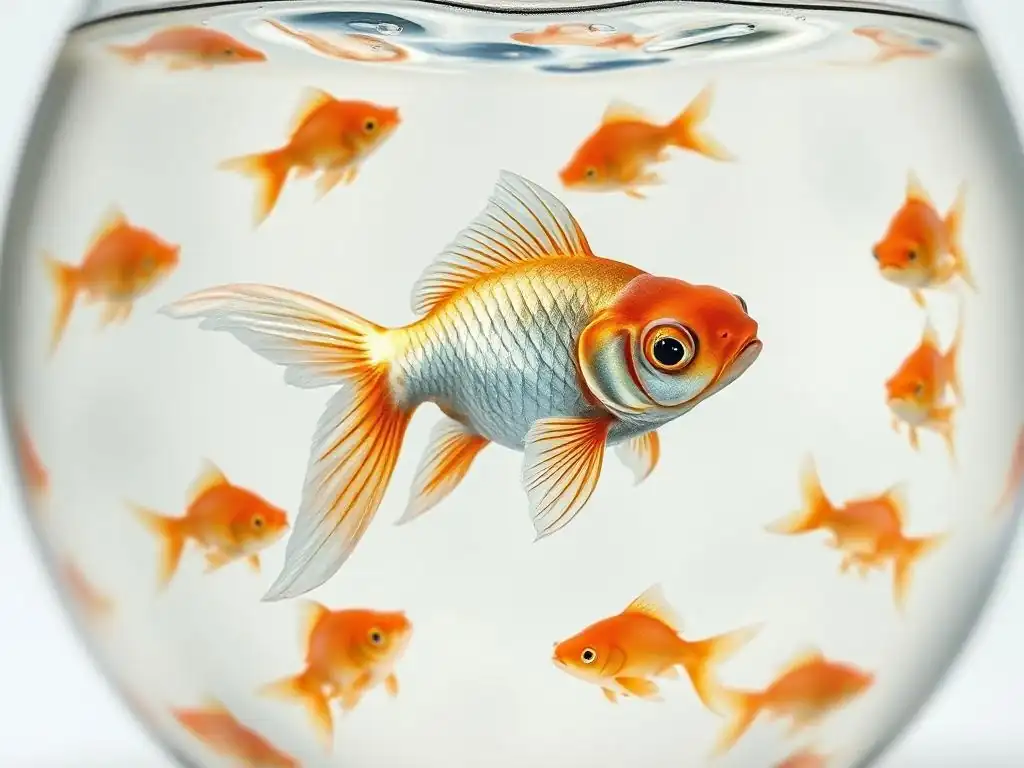
Goldfish, despite their reputation for hardiness, are susceptible to a range of illnesses. While many minor ailments can be treated at home with careful observation and appropriate water parameters, knowing when to seek professional veterinary care is crucial for your goldfish's well-being. Delaying treatment can lead to irreversible damage or even death. Effective treatment for common goldfish diseases, such as fin rot or ich, often relies on early intervention. This section will help you determine when your goldfish needs the expertise of a fish veterinarian.
Recognizing When Home Treatment Isn't Enough
Several indicators suggest that your home treatment efforts are insufficient and professional veterinary care is necessary. These signs often go beyond the typical symptoms of common goldfish diseases.
- Rapid Deterioration: If your goldfish's condition worsens rapidly despite your best efforts at home treatment (e.g., improved water quality, medication), it's a clear sign to seek professional help immediately. This could indicate a more serious underlying condition requiring specialized diagnosis and treatment.
- Lack of Response to Treatment: Even with consistent application of appropriate treatments, some goldfish may not respond as expected. This could be due to a misdiagnosis, a secondary infection, or a more complex illness. A veterinarian can provide accurate diagnostics and adjust the treatment accordingly.
- Severe Symptoms: Severe symptoms like extensive fin rot, severe lethargy (lack of movement or appetite), labored breathing (rapid gill movement), or open wounds necessitate immediate veterinary attention. These issues require more advanced diagnostic tools and potentially more intensive treatment.
- Unusual Symptoms: If your goldfish exhibits symptoms that don't match the typical presentation of common goldfish diseases, such as unusual growths, neurological signs (swimming erratically, loss of balance), or internal organ issues (visible swelling), a veterinarian's expertise is essential.
- Multiple Infections: Sometimes, goldfish can suffer from multiple infections simultaneously. Identifying and treating these effectively requires a professional's assessment and tailored treatment plan. For instance, a goldfish with fin rot might also have a secondary bacterial infection, requiring a combination of treatments.
Finding a Reputable Fish Veterinarian
Finding a veterinarian experienced in treating fish, especially goldfish, isn't always straightforward. Many general veterinary practices may lack the specialized knowledge and equipment needed for proper diagnosis and treatment of aquatic animals. Here's how to find a reputable fish veterinarian:
- Online Searches: Start by searching online for "fish veterinarian near me" or "aquatic animal veterinarian [your location]". Pay close attention to reviews and testimonials from other pet owners.
- Local Pet Stores: Local fish stores or specialty pet shops often have recommendations for experienced fish veterinarians in your area. They frequently collaborate with vets who specialize in aquatic animal care.
- Veterinary Schools: Contacting veterinary schools or colleges can lead to referrals to practitioners with expertise in aquatic animal medicine. These institutions often have connections with specialists.
- Aquarium Societies: Local aquarium societies or clubs may have resources or recommendations for qualified fish veterinarians within your community. These groups are frequently well-connected within the aquatic animal care community.
Remember, acting quickly and seeking professional help when necessary can significantly improve your goldfish's chances of recovery. Early intervention is key in managing common goldfish diseases and ensuring their long-term health and well-being. 🐠
Frequently Asked Questions about Goldfish Diseases Treatment
This section addresses common queries regarding the treatment of goldfish diseases, focusing on practical solutions and preventative measures. Understanding the nuances of fish illnesses is crucial for responsible pet ownership, enabling timely intervention and improved goldfish health. We'll explore key differentiators between similar conditions, effective treatment strategies, and preventative care through water management.
How can I differentiate between fin rot and other fin problems?
Differentiating fin rot from other fin issues requires careful observation. Fin rot, caused by bacteria, typically presents as frayed, ragged, or disintegrating fins. The affected areas might appear cloudy or red, and the fins may shorten progressively.
This contrasts with other fin problems, such as fin nipping (caused by tank mates), which results in clean, sharp cuts rather than a decaying appearance. Physical damage from sharp objects in the tank will also present as clean cuts or tears. Additionally, some parasitic infections can mimic fin rot; however, parasitic infestations often involve visible parasites on the fins, unlike the bacterial decay characteristic of fin rot.
Careful examination under a magnifying glass can be helpful. Look for the presence of any parasites, which will appear as small, moving organisms on the fin surface. If you suspect fin rot, pay close attention to the progression of the damage. Fin rot typically worsens over time if left untreated, while a single instance of fin nipping, for example, may not progress further. A detailed visual inspection, combined with an understanding of your tank environment and the behavior of your goldfish, is key to accurate diagnosis. Remember, early detection is crucial for successful treatment.
What are the safest and most effective treatments for Ich?
Ich, or Ichthyophthirius multifiliis, is a highly contagious parasitic infection in goldfish. Effective treatment often involves a multi-pronged approach combining medication and environmental management. The most common and generally safe treatment is the use of medications containing malachite green and formalin, often available at pet stores. Always follow the dosage instructions precisely as incorrect application can harm your fish. Remember to quarantine the affected goldfish to prevent the spread of Ich to other tank inhabitants.
Beyond medication, improving water quality is crucial. Regular partial water changes (around 25-50% of the tank volume every 2-3 days) help to dilute the parasite load and reduce stress on the fish. Raising the water temperature slightly (by a degree or two) can speed up the Ich lifecycle, making it easier to control. However, be cautious not to raise the temperature excessively, as this can stress the fish.
Maintaining excellent water quality through proper filtration and regular maintenance is essential for both treatment and prevention. The combination of medication and diligent water management significantly improves the chances of a successful outcome. Monitoring the goldfish closely for any signs of improvement or worsening is essential throughout the treatment process.
How often should I perform a partial water change to prevent disease?
Regular partial water changes are a cornerstone of preventative goldfish care. Aim for at least 25% of the tank water volume replaced every 1-2 weeks. This helps to remove accumulated waste products, nitrates, and other harmful substances that can stress fish and make them susceptible to disease. The frequency may need to be increased depending on the stocking density of your tank (more fish = more frequent water changes). Overstocked tanks tend to accumulate waste more quickly.
The process involves carefully siphoning out the old water, removing debris from the gravel simultaneously, and refilling with dechlorinated water matched to the existing water temperature. Avoid using tap water directly; always use a water conditioner to neutralize chlorine and chloramine, which are harmful to fish. Consistent water changes are far more effective than infrequent large changes. Regular maintenance, combined with proper filtration, dramatically reduces the risk of various goldfish diseases, promoting a healthy and thriving environment for your pets. Remember, preventative care is far more effective and less stressful for your goldfish than treating established illnesses. 🐠
Frequently Asked Questions
What are some common goldfish diseases?
Goldfish are susceptible to various illnesses, including fin rot, ich (white spot disease), and dropsy. These often manifest as visible changes in their appearance or behavior. Early detection is crucial for successful treatment.
How can I treat fin rot in my goldfish?
Treatment for fin rot involves improving water quality through regular partial water changes and potentially adding aquarium salt to the tank. In severe cases, a medication specific to fin rot may be necessary. Consult a veterinarian if unsure.
What are the symptoms of ich in goldfish?
Ich, or white spot disease, appears as tiny white spots on the fish's body and fins. Goldfish may also exhibit lethargic behavior, loss of appetite, and rapid gill movement. Immediate treatment is vital.
How can I prevent common goldfish diseases?
Maintaining excellent water quality through regular water changes and filtration is key. A balanced diet, avoiding overfeeding, and quarantining new fish before introducing them to the main tank can also significantly reduce the risk of disease.
Where can I find more information on goldfish health?
PetCareWorld offers a wealth of information on goldfish health and disease. We provide in-depth guides and expert advice to help you keep your goldfish healthy and happy. Consult your local veterinarian for personalized guidance.
Final Reflection: The Enduring Health of Our Finned Friends
The health of our aquarium companions is a direct reflection of our care, and understanding common goldfish diseases is crucial for responsible fishkeeping. Ignoring the subtle signs of illness can lead to suffering and, ultimately, loss; proactive care, however, fosters thriving, vibrant aquatic ecosystems. This knowledge empowers us to be better stewards of these fascinating creatures.
The impact of responsible fishkeeping extends far beyond the individual tank. Our understanding of diseases like fin rot and ich shapes not only our own practices but also contributes to a broader conversation about animal welfare and the ethical treatment of all living beings. The greatness of a nation and its moral progress can be judged by the way its animals are treated.
- Mahatma Gandhi. This quote, while broad, speaks to the interconnectedness of our actions and their ripple effects, reminding us that even seemingly small acts of care hold significant weight.
Now, consider your own aquarium. What steps can you take today to improve the health and well-being of your goldfish? Are you regularly monitoring water parameters? Do you quarantine new fish? Take this opportunity to reflect on your practices and commit to providing the best possible care for your finned friends. The vibrant health of your goldfish is a testament to your dedication and a source of ongoing joy and learning.
Unlock Your Fish's Health Potential: Take Action Today!
Thank you for exploring our comprehensive guide on common fish illnesses! We hope you found valuable insights into preventing and treating diseases like fin rot and ich. Now, let's put that knowledge into practice!
- Prioritize your fish's health with a thorough water quality test. This is crucial for maintaining a healthy aquarium. Knowing your ammonia, nitrite, nitrate, and pH levels is essential.
- Share this vital information with other fish keepers. Help build a healthier community for aquatic pets.
- Learn more about fish care and disease prevention by exploring reputable online resources dedicated to aquatic animal health.
Ready to create a thriving underwater world? What's the first step you'll take to improve your fish's health?