
The Ultimate Guide to Fish Disease: Treatment Options and Prevention Strategies

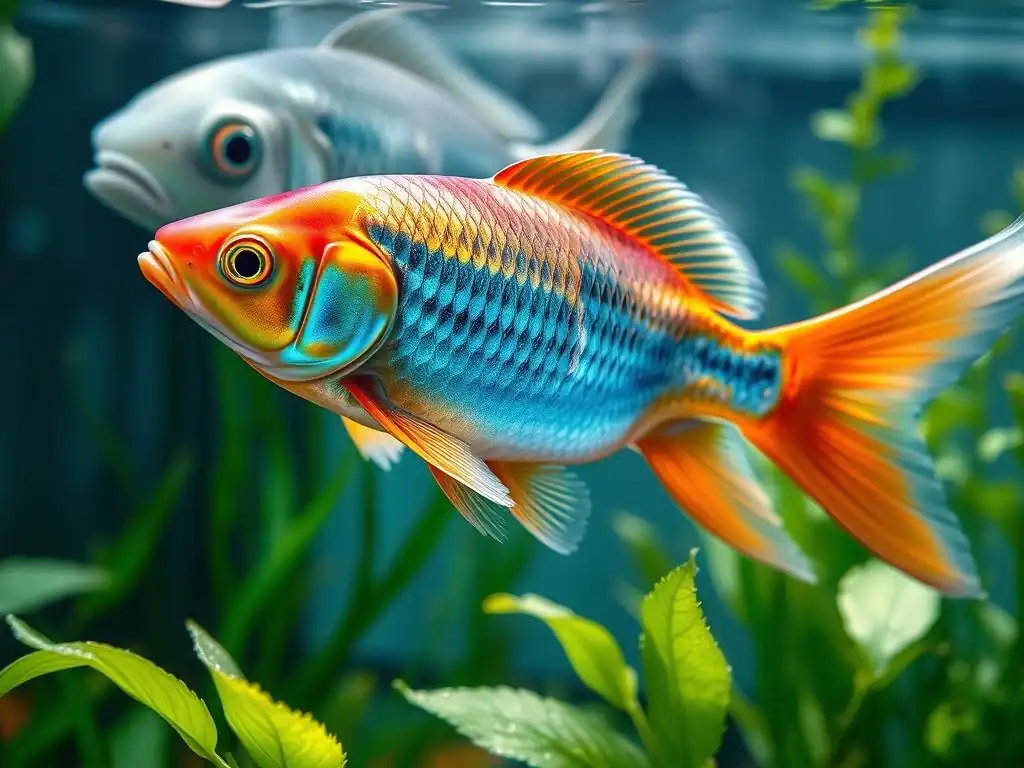
Welcome to PetCareWorld, your ultimate guide to a happier, healthier life for your beloved companions! Are you ready to unlock the secrets to keeping your aquatic friends thriving? Dive into our comprehensive guide on preventing common fish diseases, learn to identify early warning signs, and discover effective strategies to safeguard your finned friends. This essential resource, found within our Reptiles & Exotic Pets section, will equip you with the knowledge to maintain a vibrant and disease-free aquarium. Let's explore the fascinating world of fish health together and ensure your aquatic pets live long and prosperous lives!
- Understanding Common Fish Diseases and Their Symptoms
- Preventing Common Fish Diseases: Proactive Aquarium Management
- Effective Treatment Options for Common Fish Diseases
- Advanced Strategies for Preventing Fish Diseases
- When to Seek Professional Veterinary Care for Your Fish
- Conclusion: Ensuring a Healthy and Thriving Aquarium Environment
- Frequently Asked Questions
- Final Reflection: A Healthy Ecosystem, A Healthy Future
- Ready to Give Your Fish a Healthier, Happier Life?
Understanding Common Fish Diseases and Their Symptoms
Keeping fish as pets brings immense joy, but responsible ownership requires understanding the common health challenges they face. This comprehensive guide explores prevalent fish diseases, their tell-tale symptoms, effective treatment options, and crucially, preventative measures to keep your aquatic companions thriving. We'll delve into specific diseases, providing you with the knowledge to promptly identify and address potential health issues, ultimately preventing common fish diseases and ensuring the longevity and well-being of your finned friends.
Preventing common fish diseases is not just about reacting to illness; it's about proactive care and creating a healthy environment for your fish to flourish. This guide will empower you to become a more informed and effective fish caretaker, equipped to tackle potential problems head-on. We will cover a range of diseases, from the easily recognizable to the more subtle, providing you with the tools to maintain a healthy and vibrant aquarium.
Identifying Ich (White Spot Disease) in Your Aquarium
Ich, or white spot disease, is one of the most common and easily recognizable fish diseases. Caused by the parasite Ichthyophthirius multifiliis, it manifests as tiny white spots scattered across the fish's body, fins, and gills. These spots are actually the parasite's cysts. Infected fish often exhibit rapid gill movements, increased respiration, flashing (rubbing against objects), and lethargy.
Severe infestations can lead to significant stress, secondary infections, and ultimately, death. Early detection is key. Careful observation of your fish's behavior and appearance is crucial for early diagnosis. The severity of the infestation will dictate the treatment needed.
Less severe cases may respond to raising the water temperature slightly, while more advanced cases may require medication. Remember, prompt action is vital to prevent the spread of Ich to other fish in the tank. Maintaining good water quality, including regular partial water changes and proper filtration, is a crucial preventative measure. Overcrowding should also be avoided as it can stress fish and make them more susceptible to disease.
Recognizing Fin Rot and Tail Rot in Fish
Fin and tail rot are bacterial infections that cause the deterioration of a fish's fins and tail. Several bacterial species can cause these infections, often resulting from poor water quality, stress, or injury. Symptoms include frayed, eroded, or disintegrating fins and tail, often appearing red or inflamed. The affected areas may become cloudy or have a fuzzy appearance. In advanced cases, the fins can completely disintegrate.
Prevention focuses on maintaining pristine water conditions, avoiding overcrowding, and providing a stress-free environment for your fish. Regular partial water changes are essential, along with proper filtration and aeration. A balanced diet also plays a crucial role in boosting the fish's immune system, making it less susceptible to bacterial infections. Treatment options usually involve antibiotics, but addressing the underlying causes—poor water quality and stress—is equally important for a full recovery. Early intervention and proper aquarium maintenance are key to preventing these conditions.
Diagnosing Bacterial Infections in Fish: Symptoms and Signs
Bacterial infections are a prevalent concern in fish keeping, encompassing a wide range of conditions with varied symptoms. These infections can stem from various bacteria and often manifest as lethargy, loss of appetite, unusual swimming patterns (such as listlessness or erratic movements), and cloudy eyes. Lesions, open sores, or discoloration on the body or fins are also common indicators. Some bacterial infections may cause internal organ damage, making diagnosis challenging.
Water quality plays a significant role; poor water parameters, such as high ammonia or nitrite levels, create an environment conducive to bacterial growth. Stress, caused by overcrowding or aggressive tank mates, further weakens the fish's immune system, making it more vulnerable. Preventing bacterial infections hinges on maintaining impeccable water quality through regular water changes and efficient filtration.
Avoiding overcrowding, providing a species-appropriate environment, and ensuring a balanced diet are equally critical. Treatment often involves antibiotics, but success depends on addressing the underlying causes and providing optimal aquarium conditions. Careful observation and prompt action are essential for a positive outcome.
Detecting and Treating Fish Parasites: A Comprehensive Guide
Fish parasites are a common problem for aquarium owners, often leading to significant health issues for their finned friends. These tiny organisms can range from single-celled protozoa to larger crustaceans, each with its own unique method of infestation and resulting symptoms. Early detection is crucial for successful treatment, and understanding the various types of parasites is the first step.
One of the most prevalent fish parasites is Ichthyophthirius multifiliis, commonly known as ich. Ich manifests as small, white spots scattered across the fish's body, fins, and gills. Infected fish often exhibit rapid gill movements, flashing (rubbing against objects), and lethargy. Treatment typically involves raising the water temperature slightly (within the fish's tolerance range) and adding medications containing malachite green or formalin, always following the manufacturer's instructions carefully. Regular water changes are also essential to remove parasite cysts and maintain water quality.
Another common parasite is Gyrodactylus, a type of monogenean flatworm. These parasites attach to the fish's skin and gills, causing irritation and excessive mucus production. Affected fish may display clamped fins, loss of appetite, and increased respiration. Treatment often involves using praziquantel-based medications, again, strictly adhering to the dosage and application instructions. Maintaining impeccable water quality through regular partial water changes and efficient filtration is key to preventing infestations.
Beyond these common examples, many other parasites can affect fish, including flukes, nematodes, and crustaceans like copepods and louse. Symptoms can vary widely, ranging from visible external parasites to internal infections causing weight loss, bloating, and lethargy. Accurate diagnosis often requires a microscopic examination of a water sample or the fish itself by a veterinarian specializing in aquatic animals.
This professional assessment is vital to determine the precise type of parasite and select the most effective treatment strategy. Preventative measures, such as quarantining new fish and maintaining excellent water quality, are crucial in minimizing the risk of parasitic infections. Remember, acting swiftly and decisively upon noticing any unusual symptoms is essential to prevent widespread infection and ensure the health of your aquarium inhabitants.
Fungal Infections in Fish: Identification and Treatment
Fungal infections, while less common than bacterial or parasitic infestations, can be equally devastating to fish. These infections often arise as secondary infections, meaning they exploit weakened immune systems caused by stress, poor water quality, or existing diseases. Early detection and appropriate treatment are vital to prevent the spread of the infection and save the affected fish.
One of the most common fungal infections in fish is Saprolegnia, a water mold that typically presents as fluffy, white or grayish patches on the fish's body, fins, or gills. These patches can quickly spread, leading to skin lesions and potential secondary bacterial infections. Treatment often involves improving water quality through regular water changes and adding antifungal medications containing malachite green or methylene blue.
However, it's crucial to remember that these medications can be toxic to fish if misused, so carefully following the manufacturer's instructions is paramount. Additionally, maintaining a clean and properly maintained aquarium environment is vital in preventing fungal outbreaks.
Another type of fungal infection is caused by Ichthyosporidium hoferi, a more insidious infection that can affect various internal organs. This infection is often difficult to detect in its early stages, with symptoms such as lethargy, loss of appetite, and unusual swimming behavior being the primary indicators. Unfortunately, treatment for this type of fungal infection is often less successful, emphasizing the importance of preventative measures.
Maintaining optimal water parameters, avoiding overcrowding, and providing a stress-free environment are crucial for preventing the onset of Ichthyosporidium hoferi and other similar fungal infections. In cases of suspected fungal infections, consulting a veterinarian specializing in aquatic animals is recommended for an accurate diagnosis and tailored treatment plan. Remember that prompt action and a proactive approach to aquarium maintenance are key to preventing and effectively managing fungal infections in your fish.
Preventing Common Fish Diseases: Proactive Aquarium Management
Preventing common fish diseases is paramount to maintaining a thriving aquarium ecosystem. A proactive approach, focusing on preventative measures rather than reactive treatments, significantly reduces the risk of illness and improves the overall well-being of your aquatic companions. This section delves into crucial aspects of preventative care, emphasizing the importance of consistent monitoring and diligent maintenance. By understanding and implementing these strategies, you'll significantly improve your chances of preventing common fish diseases and fostering a healthy environment for your fish.
Maintaining Optimal Water Quality for Fish Health
Maintaining optimal water quality is the cornerstone of preventing common fish diseases. Water parameters like temperature, pH, ammonia, nitrite, and nitrate levels directly impact the health and immunity of your fish. Regular water testing using a reliable test kit is crucial. Aim for stable parameters within the species-specific recommended ranges. For example, while many common freshwater fish thrive in a slightly alkaline pH range (7.0-8.0), certain species require more acidic or alkaline conditions. Failing to maintain the correct pH can weaken your fish's immune system, making them more susceptible to bacterial and parasitic infections.
Consistent partial water changes are essential. Replacing a portion of the aquarium water regularly (typically 10-25% weekly, depending on tank size and bioload) helps remove accumulated waste products, preventing the buildup of harmful substances. This simple yet effective practice significantly contributes to preventing common fish diseases by reducing the risk of ammonia spikes and maintaining a clean, healthy environment.
Remember to always use dechlorinated water. Tap water often contains chlorine and chloramine, which are toxic to fish. Use a water conditioner to neutralize these chemicals before adding water to your aquarium. Neglecting this step can severely compromise fish health and increase susceptibility to disease. Regular water testing and meticulous water changes are fundamental preventative measures that significantly reduce the risk of common fish diseases.
The Importance of Proper Aquarium Filtration for Disease Prevention
A robust and appropriately sized filtration system is vital for preventing common fish diseases. The filter removes waste products, uneaten food, and other debris, preventing the buildup of harmful bacteria and maintaining water clarity. A properly functioning filter is crucial for maintaining stable water parameters, thereby reducing stress on your fish and strengthening their natural defenses against disease.
There are various types of aquarium filters, each with its own advantages and disadvantages. Choosing the right filter for your tank size and the number of fish is crucial. Undersized filters struggle to cope with the bioload, resulting in poor water quality and increased risk of disease. Regular filter maintenance is equally important. Cleaning or replacing filter media according to the manufacturer's recommendations ensures optimal performance and prevents the buildup of harmful bacteria within the filter itself. Neglecting filter maintenance can lead to a decline in water quality and a surge in the risk of various fish diseases.
Consider using a combination of mechanical, biological, and chemical filtration to achieve the best results. Mechanical filtration removes large particles, biological filtration breaks down harmful waste products through beneficial bacteria, and chemical filtration removes undesirable substances from the water. Implementing a multi-faceted filtration strategy offers a comprehensive approach to maintaining optimal water quality and preventing common fish diseases.
Understanding and Managing Fish Tank Ammonia Levels
Ammonia is a highly toxic byproduct of fish waste and uneaten food. Even low levels of ammonia can stress fish, weakening their immune systems and making them more vulnerable to various diseases. Monitoring ammonia levels regularly is crucial for preventing common fish diseases. A healthy aquarium should ideally have zero detectable ammonia levels.
The nitrogen cycle plays a vital role in managing ammonia levels. Beneficial bacteria convert ammonia into nitrite, and then nitrite into nitrate, which is less toxic. Establishing a mature nitrogen cycle before introducing fish is essential. This process takes time, typically several weeks, and involves gradually introducing ammonia into the tank to allow the beneficial bacteria to colonize and proliferate. Rushing this process can lead to dangerously high ammonia levels, resulting in fish deaths.
Regular water changes are critical in managing ammonia. Partial water changes help dilute ammonia levels, reducing the risk of toxicity. Overstocking an aquarium also increases ammonia production. Ensure your tank isn't overcrowded, providing ample space for your fish to thrive. This reduces stress levels and prevents ammonia buildup, further contributing to a healthy and disease-free environment. Understanding and diligently managing ammonia levels is a key element in preventing common fish diseases, ensuring the health and longevity of your aquatic pets.
Preventing Fish Diseases Through Regular Water Changes
Regular water changes are paramount in preventing common fish diseases. Dirty water, laden with accumulated waste products like ammonia, nitrite, and nitrate, creates a breeding ground for harmful bacteria and parasites. These toxins directly stress fish, weakening their immune systems and making them susceptible to infections. A healthy aquarium maintains a stable environment, minimizing stress and bolstering the fish's natural defenses against disease.
The frequency of water changes depends on several factors, including the size of your aquarium, the number of fish, and the type of filtration system you have. Generally, a 25% water change weekly is a good starting point for most setups. Larger aquariums may require less frequent changes, while smaller tanks might benefit from more frequent partial changes. Always use a dechlorinator to neutralize chlorine and chloramine found in tap water, which are toxic to fish.
Before adding new water, ensure it’s at the same temperature as the aquarium water to avoid shocking your fish. Careful monitoring of water parameters, using a reliable test kit, is crucial to ensure the water quality remains optimal. Regular testing allows for proactive adjustments, preventing the buildup of harmful substances and avoiding potential disease outbreaks.
Neglecting water changes is a major contributor to common fish illnesses, so establishing a consistent routine is crucial for long-term aquarium health. This proactive approach significantly reduces the risk of disease and promotes a thriving aquarium ecosystem. Remember, clean water is the cornerstone of preventing common fish diseases.
Choosing the Right Aquarium Size for Your Fish Species
Selecting the appropriate aquarium size is a critical preventative measure against fish diseases. Overcrowding is a significant stressor, leading to increased ammonia levels, poor water quality, and a heightened susceptibility to disease. Fish require adequate space to swim, explore, and establish territories, reducing aggression and stress. Cramped living conditions force fish into constant proximity, facilitating the rapid spread of parasites and bacteria among the population.
Choosing the right size involves considering not only the adult size of your fish but also their activity level and social behavior. A highly active species like a silver dollar will need significantly more space than a less active species like a betta. Similarly, schooling fish require ample space to swim together without becoming stressed or overcrowded.
Researching the specific needs of your chosen fish species is essential before purchasing them and setting up your aquarium. Aquarium size guides and online resources often provide specific recommendations for different fish types, considering their adult size, temperament, and required swimming space. Remember that the recommended minimum size is just that – a minimum.
Providing more space than the minimum always benefits the fish, promoting their health and well-being, thereby reducing the likelihood of disease. Proper planning and selection of the appropriate aquarium size are fundamental steps in preventing common fish diseases and ensuring a healthy and thriving aquarium.
Effective Treatment Options for Common Fish Diseases
This section delves into effective treatment strategies for some of the most prevalent fish diseases. Early detection and prompt treatment are crucial for successful outcomes. Remember, always quarantine affected fish to prevent the spread of disease within your main aquarium. Accurate diagnosis is paramount; if unsure, consult a veterinarian specializing in aquatic animals. Proper water parameters—temperature, pH, ammonia, nitrite, and nitrate levels—are fundamental to preventing and treating many fish ailments. Maintaining pristine water quality is your first line of defense in preventing common fish diseases.
Treating Ich (White Spot Disease) in Your Aquarium Fish
Ich, or Ichthyophthirius multifiliis, is a highly contagious parasitic disease easily recognizable by the tiny white spots covering your fish's body and fins. These spots are actually the parasite's cysts. Left untreated, Ich can lead to significant stress, secondary infections, and ultimately, death.
Several treatment options exist, each with its own pros and cons:
- Raising the Temperature: Slightly increasing the aquarium temperature (by 2-3°F or 1-2°C above the normal range for your species) can speed up the Ich life cycle, making it easier to eradicate. However, this method is only effective in the early stages and must be carefully monitored to avoid stressing your fish. Always research the optimal temperature range for your specific fish species before attempting this.
- Medication: Several medications are available to treat Ich, including malachite green, formalin, and various commercially available treatments. Always follow the manufacturer's instructions precisely, paying close attention to dosage and duration of treatment. Some medications can be harmful to beneficial bacteria in your filter, so consider using a separate quarantine tank.
- Salt Treatments: Adding aquarium salt to the water can help create an environment less hospitable to Ich. However, the concentration must be carefully controlled, and not all fish species tolerate salt well. Research the salt tolerance of your specific fish before attempting this treatment.
Successful treatment requires diligent observation. Continue treatment for the full recommended duration, even if the white spots appear to have disappeared. Regular water changes during and after treatment are essential to remove dead parasites and medication residue. Remember to always test your water parameters regularly throughout the treatment process.
Effective Treatments for Fin Rot and Tail Rot
Fin rot and tail rot are bacterial infections that cause the fins and tail to fray, erode, and become ragged. Poor water quality is a significant contributing factor, as is stress. Early detection is crucial to prevent the infection from spreading and causing irreparable damage.
Treatment typically involves:
- Improving Water Quality: This is the most critical step. Perform large water changes (at least 50%) to remove accumulated waste and improve water parameters. Regular maintenance, including filter cleaning and gravel vacuuming, is essential for preventing future occurrences.
- Antibiotic Treatment: In more severe cases, antibiotic medications specifically designed for aquarium fish are necessary. These are usually available in liquid or tablet form. Again, strictly adhere to the manufacturer's instructions. Remember that antibiotics can disrupt the beneficial bacteria in your aquarium, so using a quarantine tank is highly recommended.
- Stress Reduction: Identifying and addressing any sources of stress, such as overcrowding, aggressive tank mates, or inadequate hiding places, is vital for successful treatment and preventing recurrence. Providing a calm and stable environment promotes healing and strengthens the fish's immune system.
Bacterial Infections in Fish: Treatment Strategies
Bacterial infections manifest in various ways, from lethargy and loss of appetite to skin lesions and internal organ damage. These infections are often secondary to other conditions, such as parasitic infestations or injuries. Prompt diagnosis and treatment are vital, as they can quickly become life-threatening.
Treatment strategies vary depending on the specific bacteria and the severity of the infection. Common approaches include:
- Antibiotics: As with fin rot, antibiotics tailored for aquarium fish are often necessary. The choice of antibiotic will depend on the identified bacteria, which may require a professional diagnosis. Some common antibiotics used include erythromycin and tetracycline. Always follow the manufacturer's instructions carefully.
- Supportive Care: Providing a clean and stress-free environment is crucial. Regular water changes, proper filtration, and ensuring appropriate water parameters are essential. Offering high-quality, nutritious food can boost the fish's immune system and aid in recovery.
- Quarantine: Isolate infected fish to prevent the spread of the infection to other inhabitants of the aquarium. A dedicated quarantine tank with suitable filtration and aeration is essential.
Remember that preventing common fish diseases is far easier than treating them. Maintaining excellent water quality, providing a stress-free environment, and selecting healthy fish from reputable sources are crucial steps towards preventing many common ailments. Regular observation of your fish is paramount for early detection of any problems. The proactive approach to fish health significantly reduces the need for extensive treatments.
Parasite Control in Fish Tanks: Treatment Methods
Parasites are a common scourge in fish tanks, impacting fish health and potentially leading to significant losses within a community tank. Effective parasite control requires a multi-pronged approach encompassing accurate diagnosis, targeted treatment, and preventative measures. Identifying the specific parasite is crucial; this often requires microscopic examination of a fish sample by a veterinarian specializing in aquatic animals. Common parasites include Ichthyophthirius multifiliis (Ich), various species of Gyrodactylus and Dactylogyrus (flukes), and various nematodes.
Treatment methods vary depending on the identified parasite. For Ich, raising the water temperature slightly (within safe limits for the species) can sometimes speed up the parasite's life cycle, making it easier to eliminate. Malachite green, though effective, is increasingly restricted due to its toxicity; safer alternatives such as formalin or praziquantel are often preferred by experienced aquarists. However, always follow the manufacturer's instructions meticulously, as overdosing can harm your fish.
Regular water changes are essential during treatment to remove dead parasites and medication residue, preventing secondary infections and ensuring water quality remains optimal. For flukes, praziquantel is a highly effective treatment. Nematodes often require more specialized treatments, possibly involving medications administered directly to the fish, a procedure best performed under veterinary supervision.
Preventive measures are critical in preventing parasite outbreaks. Quarantining new fish before introducing them to the main tank is vital. Maintaining excellent water quality, including regular partial water changes and effective filtration, minimizes stress on the fish, making them less susceptible to parasites.
Overstocking should be avoided, as crowded conditions increase the risk of parasite transmission. Regularly inspecting your fish for any signs of parasites, such as white spots (Ich), excessive scratching, or lethargy, allows for early intervention and prevents widespread infection within the tank. Careful monitoring and proactive measures are key to successful parasite control and the overall well-being of your fish.
Treating Fungal Infections in Fish: Medication and Care
Fungal infections in fish, often manifesting as cotton-like growths or lesions on the body or fins, are a serious concern requiring prompt attention. Several fungal species can affect fish, with Saprolegnia being a particularly common culprit. These infections typically thrive in environments with poor water quality, low oxygen levels, or high organic load. Stressful conditions, such as overcrowding or improper handling, can also predispose fish to fungal infections. Early diagnosis is key to effective treatment; observing your fish regularly for unusual growths or changes in behavior is crucial.
Treatment typically involves a combination of medication and supportive care. Several antifungal medications are available for aquatic use, including methylene blue and malachite green (again, use with caution due to toxicity concerns). These medications are often used in conjunction with improving water quality parameters.
Partial water changes, ensuring sufficient aeration, and reducing organic waste are critical for creating an environment less hospitable to fungal growth. In some severe cases, localized treatment of lesions might be necessary. This may involve carefully applying a diluted antifungal solution directly to the affected area using a sterile cotton swab, a procedure best learned under the guidance of an experienced aquarist or veterinarian.
Preventative care is paramount. Maintaining impeccable water quality through regular partial water changes and effective filtration is crucial. Avoiding overstocking prevents stress and reduces the risk of infection. Proper acclimation of new fish helps prevent stress-induced susceptibility to fungal infections. A balanced diet rich in nutrients supports the fish's immune system, enhancing its ability to fight off infections. By addressing water quality, minimizing stress, and providing a healthy environment, you can significantly reduce the risk of fungal infections in your fish tank, promoting the overall health and longevity of your aquatic companions.
Advanced Strategies for Preventing Fish Diseases
This section delves into proactive measures beyond basic hygiene to significantly reduce the risk of common fish diseases. Implementing these advanced strategies can dramatically improve the health and longevity of your aquatic companions. Preventing common fish diseases requires a multifaceted approach, encompassing quarantine procedures, nutritional management, and stress reduction techniques.
Quarantine New Fish to Prevent Disease Spread
Introducing new fish to an established tank without proper quarantine is a major risk factor for disease outbreaks. Even fish appearing perfectly healthy can harbor pathogens, silently spreading infection throughout your aquarium. A dedicated quarantine tank, separate from your main aquarium, is crucial. This allows you to observe new arrivals for several weeks, monitoring for any signs of illness before integrating them into the community.
The quarantine period should ideally last for at least 30 days, but longer is better, especially for fish sourced from unknown origins or exhibiting any subtle signs of stress upon arrival. During this time, monitor their behavior, appetite, and any visible physical changes. Look for lethargy, unusual swimming patterns, fin rot, cloudy eyes, or changes in coloration. Regular water testing should also be conducted to ensure water parameters remain optimal.
Treatment with prophylactic medications, under veterinary guidance, can further mitigate risk during quarantine. This preventative approach can significantly reduce the spread of infections like Ich ( Ichthyophthirius multifiliis), bacterial infections, and parasitic infestations. Remember, a proactive quarantine period is an investment in the long-term health of your entire aquarium ecosystem.
The Role of Diet in Preventing Fish Diseases
Nutrition plays a pivotal role in bolstering your fish's immune system, making them more resilient to disease. A balanced and varied diet is paramount. Avoid overfeeding, as uneaten food rapidly degrades water quality, creating a breeding ground for pathogens. Feeding high-quality fish food specifically formulated to meet the dietary needs of your particular species is essential. This includes providing appropriate protein sources, vitamins, and minerals.
Consider supplementing their diet with live or frozen foods occasionally to increase nutritional diversity. Examples include bloodworms, daphnia, and brine shrimp. These live foods often contain natural immunostimulants that can further enhance their resistance to disease. However, be cautious about the source of live foods, ensuring they are from a reputable supplier to minimize the risk of introducing parasites or pathogens. A well-nourished fish is a healthy fish, significantly reducing susceptibility to common fish diseases. Regular monitoring of your fish's appetite and body condition will help you assess the effectiveness of their diet.
Stress Reduction Techniques for Healthy Fish
Fish, like all living creatures, are susceptible to stress, which weakens their immune system, making them more vulnerable to illness. Identifying and mitigating stressors within your aquarium is crucial for disease prevention. Common stressors include overcrowding, poor water quality (ammonia, nitrite, nitrate spikes), aggressive tank mates, inadequate filtration, insufficient oxygenation, and sudden changes in water parameters.
Implementing stress-reduction strategies is essential. This involves maintaining a properly sized aquarium with sufficient space for all inhabitants. Regular water changes (at least 25% weekly) are vital to maintain optimal water quality. Choose compatible tank mates to minimize aggression. Ensure your filtration system is adequate for the tank's size and bioload.
Regularly check oxygen levels, especially in densely populated tanks. Avoid sudden changes in temperature or water parameters. A calm and stable aquarium environment is crucial for the well-being of your fish and significantly reduces the risk of disease. Observe your fish regularly for signs of stress, such as rapid gill movements, erratic swimming, or hiding behavior. Addressing these signs promptly can prevent the onset of serious health problems.
Identifying and Addressing Environmental Factors Contributing to Fish Illness
Maintaining a pristine aquarium environment is paramount in preventing common fish diseases. Neglecting water quality is a leading cause of illness, significantly impacting a fish's ability to fight off pathogens. Several key environmental factors demand close attention. Water parameters, including temperature, pH, ammonia, nitrite, and nitrate levels, must remain within the species-specific optimal range.
Regular water testing using reliable kits is crucial. Even slight deviations can compromise a fish's immune system, making it vulnerable to infection. For example, elevated ammonia levels, a byproduct of fish waste and uneaten food, are highly toxic and can lead to severe gill damage and ammonia burns, weakening the fish and making it susceptible to bacterial or fungal infections. Similarly, fluctuations in temperature can stress fish, suppressing their immune response and increasing susceptibility to disease.
Beyond water chemistry, aquarium maintenance plays a vital role. Overfeeding leads to excess waste, further exacerbating water quality issues. Regular partial water changes (typically 25-50% weekly, depending on tank size and bioload) are essential for removing accumulated waste and replenishing essential minerals. Substrate cleanliness is also important; accumulated debris can harbor harmful bacteria. Siphoning the gravel regularly helps maintain a hygienic environment.
Finally, the presence of aggressive tank mates can cause stress and injury, weakening a fish's defenses and increasing its risk of infection. Careful consideration of tank mates and appropriate tank size are crucial for preventing stress-related illnesses. Regular observation of your fish's behavior and appearance is also crucial. Any changes in activity levels, appetite, or appearance should prompt immediate investigation and potential treatment.
Utilizing Probiotics and Beneficial Bacteria to Boost Fish Immunity
Probiotics and beneficial bacteria are increasingly recognized as powerful tools in preventative fish care. These beneficial microorganisms contribute to a healthy gut microbiome, improving digestion and strengthening the immune system. A strong gut microbiome plays a critical role in preventing the establishment of harmful bacteria, effectively bolstering the fish's natural defenses against disease.
Probiotics can be introduced through various methods, including adding live bacteria cultures directly to the aquarium water or through specialized fish food formulated with probiotic strains. The specific strains of beneficial bacteria used will vary depending on the species of fish, but commonly used strains include Bacillus and Lactobacillus species. However, it's crucial to research the specific needs of your fish species before introducing any probiotics.
The use of beneficial bacteria extends beyond probiotics. Establishing a robust biological filtration system is crucial. This system relies on beneficial bacteria to break down harmful waste products like ammonia and nitrite into less toxic nitrate.
A well-established biological filter significantly reduces the risk of ammonia poisoning, a major contributor to fish illness. Regular maintenance of the filter media is vital to ensure the continued health and activity of the beneficial bacterial colonies. Over-cleaning or replacing the filter media too frequently can disrupt the delicate balance of the bacterial community, potentially reducing its effectiveness.
Therefore, a balanced approach, combining regular maintenance with careful attention to avoid excessive disruption, is essential for maintaining a healthy and robust biological filtration system. The use of probiotics and the maintenance of a thriving biological filter are synergistic approaches to enhancing fish health and preventing disease. They represent a proactive and holistic approach to aquarium management.
When to Seek Professional Veterinary Care for Your Fish
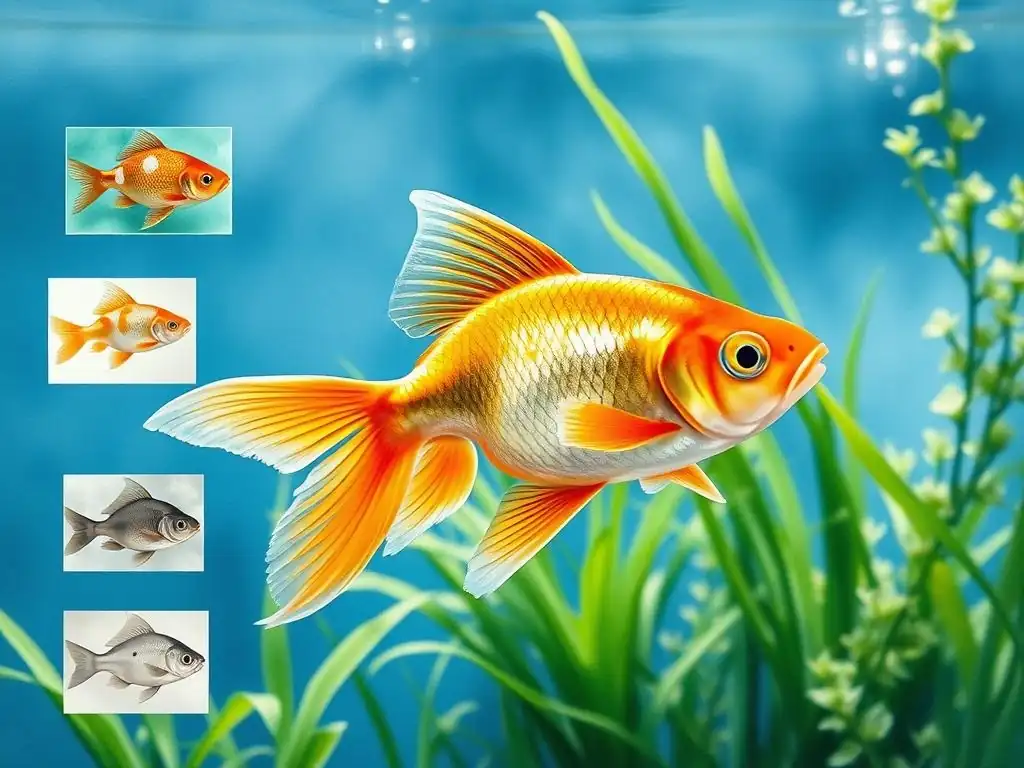
Recognizing the signs of illness in your fish can be challenging, but prompt action is crucial for their well-being. While many minor fish diseases can be managed at home with proper water quality maintenance and targeted treatments, some situations demand immediate professional veterinary intervention. Ignoring serious conditions can lead to suffering, the spread of disease to other tank inhabitants, and ultimately, the loss of your beloved pet. This section will help you understand when to transition from home remedies to professional veterinary care to effectively prevent common fish diseases.
Recognizing When Home Treatment Isn't Enough
Effective prevention of common fish diseases starts with early detection. However, knowing when home treatment is insufficient requires careful observation and understanding of your fish's behavior and physical condition. Several warning signs indicate the need for expert veterinary care:
- Rapid deterioration: If your fish's condition worsens dramatically within a short period (e.g., loss of appetite, lethargy, severe fin rot progressing quickly), immediate veterinary attention is necessary. Delaying treatment could be fatal.
- Unusual lesions or growths: Any unexplained sores, lumps, or growths on your fish's body should be examined by a professional. These could indicate bacterial infections, parasitic infestations, or even tumors, requiring specialized diagnosis and treatment.
- Internal parasites: Suspected internal parasites, like intestinal worms, are difficult to diagnose and treat at home. A qualified fish veterinarian can perform diagnostic tests and prescribe appropriate medication.
- Failure to respond to home treatments: If you've tried standard home remedies, like water changes, medication for common bacterial infections, or parasite treatments, and see no improvement after a reasonable period (usually 2-3 days), seek veterinary help. The underlying issue might be more complex than initially suspected.
- Multiple fish exhibiting similar symptoms: If several fish in your tank show similar signs of illness, it points to a broader issue—possibly a water quality problem or a highly contagious disease—requiring a comprehensive veterinary assessment and tank-wide treatment strategy to prevent further spread and effectively prevent common fish diseases.
- Unusual swimming patterns: Fish exhibiting erratic swimming patterns, such as listlessness, difficulty staying upright, or constantly rubbing against objects, may have a serious underlying condition requiring professional diagnosis and treatment. These are often signs of significant internal problems.
Finding a Qualified Fish Veterinarian Near You
Finding a veterinarian experienced in treating aquatic animals is crucial for effective treatment. Not all veterinary practices have the expertise or equipment to diagnose and treat fish diseases effectively. To locate a qualified fish veterinarian:
- Online search: Use search engines to find "fish veterinarians near me" or "aquatic animal vets [your location]". Look for practices specifically mentioning their experience with fish and other aquatic species.
- Local pet stores: Pet stores, particularly those specializing in aquatic animals, often have lists of recommended veterinarians or can provide referrals.
- Aquarium societies: Local aquarium societies or clubs can be valuable resources, often having connections with experienced fish veterinarians in your area.
- Veterinary schools: Veterinary schools frequently have teaching hospitals that handle a wide variety of animal cases, including fish. They may offer consultations or referrals.
Remember to call ahead and inquire about their experience with specific fish species and the types of diseases they treat. It's essential to find a veterinarian who can provide the appropriate level of care for your fish's needs.
Preparing for a Veterinary Visit with Your Sick Fish
Preparing for a veterinary visit with your sick fish is crucial for a smooth and efficient consultation. Here's how to ensure a successful visit:
- Gather information: Before the visit, note down details about your fish: species, size, age, symptoms, when the symptoms started, any recent changes to the tank environment (e.g., water changes, new additions), and any treatments already administered. This information will help the veterinarian make an accurate diagnosis.
- Transport safely: Use a properly sized container with adequate oxygenation to transport your fish. Avoid jarring movements during transport. Maintain the water temperature as close as possible to the tank temperature.
- Bring a water sample: A water sample from your fish tank will allow the veterinarian to assess water quality parameters (e.g., ammonia, nitrite, nitrate levels, pH) which are vital in diagnosing and preventing common fish diseases.
- Prepare questions: Have a list of questions ready for the veterinarian. This will ensure you receive all the necessary information regarding diagnosis, treatment, and preventative measures.
- Be realistic about expectations: While veterinarians strive to provide the best possible care, not all fish can be saved. Be prepared for a range of outcomes, and be honest with the veterinarian about your expectations and resources. Early intervention and a proactive approach to preventing common fish diseases will significantly increase your chances of a positive outcome.
Understanding Fish Veterinary Costs and Treatment Options
The cost of veterinary care for fish can vary significantly depending on several factors. These factors include the type of fish, the severity of the illness, the necessary diagnostic tests, and the chosen treatment method. A simple examination might only cost a few tens of dollars, while more complex issues requiring specialized treatments, such as surgery or extended hospitalization, could run into hundreds, or even thousands, of dollars. Many factors contribute to this cost variability. For example, specialized diagnostic tools, like advanced microscopy for parasite identification, add to the overall expense.
Similarly, medications used in treating bacterial or fungal infections can be pricey, especially if the fish requires prolonged treatment. The veterinarian's expertise and location also play a crucial role in determining the final bill. Specialized aquatic veterinarians are often more expensive than general practitioners. Geographic location also impacts costs, with urban areas typically having higher veterinary fees.
It’s important to discuss treatment options and associated costs upfront with your veterinarian. Transparency is key. Don't hesitate to ask detailed questions about each proposed treatment, including the expected outcome, the potential risks, and the associated financial commitment.
Getting a clear understanding of the total cost, including medication, diagnostics, and potential follow-up appointments, will allow you to make an informed decision. This upfront discussion empowers you to budget appropriately and ensure you can provide the best possible care for your fish, even if it's expensive. Remember to always prioritize your fish's health and well-being.
While cost is a factor, delaying treatment due to financial concerns can often lead to worse outcomes and increased overall costs in the long run. Exploring payment options, such as payment plans or veterinary credit cards, might be helpful if you face financial constraints. Many veterinary clinics offer flexible payment options to help pet owners manage the cost of care.
Remember that prevention is always cheaper and more humane than treatment. Regular water quality checks, proper aquarium maintenance, and a balanced diet are crucial steps in preventing common fish diseases and reducing the need for expensive veterinary interventions. By proactively caring for your fish, you can significantly reduce the likelihood of needing costly veterinary care.
This preventative approach not only saves money but also ensures your fish lives a long, healthy, and happy life. Investing in quality equipment and supplies for your aquarium is an investment in your fish's health and can indirectly save you money in the long run by preventing costly disease treatments.
Conclusion: Ensuring a Healthy and Thriving Aquarium Environment
This comprehensive guide has explored various common fish diseases, their symptoms, treatment options, and most importantly, preventative measures. Successfully preventing common fish diseases hinges on proactive aquarium management and a deep understanding of your fish's specific needs. Remember, a healthy aquarium environment is the best defense against illness.
By diligently implementing the strategies outlined, you can significantly reduce the risk of disease outbreaks and maintain a thriving aquatic ecosystem for your finned friends. Proactive care is far more effective, and ultimately less stressful, than reactive treatment. The cost savings alone, avoiding expensive medications and potential losses, make prevention a worthwhile investment.
Recap of Key Prevention and Treatment Strategies for Common Fish Diseases
Let's summarize the key takeaways for preventing and managing common fish diseases. Consistent vigilance is crucial. Regularly monitoring your fish for any signs of illness, however subtle, is the first line of defense. Early detection dramatically improves treatment success rates.
Here's a concise checklist to help you proactively prevent common fish diseases:
- Maintain impeccable water quality: Regular water changes (at least 25% weekly), efficient filtration, and accurate temperature control are paramount. Testing your water parameters (ammonia, nitrite, nitrate, pH) regularly using a reliable test kit is essential. Addressing any imbalances promptly is critical.
- Quarantine new fish: Always quarantine new additions to your aquarium for at least two weeks to observe for any signs of disease before introducing them to the main tank. This prevents the introduction and spread of pathogens.
- Proper nutrition: Feed your fish a balanced and varied diet appropriate for their species. Overfeeding is a common cause of water quality issues and stress, weakening your fish's immune system.
- Stress reduction: Avoid overcrowding your aquarium, minimize handling, and ensure a stable environment with appropriate lighting and hiding places. Stress significantly impacts a fish's immune response.
- Thorough cleaning: Regularly clean your aquarium's equipment, including filters and decorations, to prevent the build-up of harmful bacteria and parasites.
If despite your best efforts, your fish becomes ill, remember these treatment considerations:
- Accurate Diagnosis: If possible, seek professional veterinary advice for accurate diagnosis before initiating treatment. Misdiagnosis can lead to ineffective treatment and potentially worsen the condition.
- Targeted Treatment: Use specific medications only as directed, avoiding over-medication which can harm beneficial bacteria and your fish.
- Isolation: Isolate infected fish to prevent the spread of disease to other tank inhabitants.
- Patience and Observation: Treatment may take time; monitor your fish closely and adjust your approach as needed. Note any changes in behavior or appearance.
By combining these preventative measures with prompt and appropriate treatment when necessary, you can significantly increase your chances of maintaining a healthy and vibrant aquarium.
Resources for Further Learning on Fish Health and Disease Management
While this guide provides a solid foundation, continued learning is vital for responsible fish keeping. Expanding your knowledge on fish health and disease management will empower you to provide even better care for your aquatic pets.
Consider exploring these avenues for further learning:
- Veterinary Consultations: Consulting with a veterinarian specializing in aquatic animals is invaluable, especially for complex cases or when dealing with unusual symptoms. They can provide expert advice tailored to your specific situation.
- Reputable Online Forums and Communities: Many online forums and communities offer valuable insights and support from experienced fish keepers. However, always critically evaluate the information you find online.
- Specialized Books and Publications: Numerous books and publications are dedicated to fish health and disease management, providing in-depth information on various aspects of fish care.
- Local Fish Clubs and Societies: Joining local fish clubs or societies offers opportunities to connect with fellow enthusiasts, share experiences, and learn from experts.
Remember, proactive prevention is always the best approach. By consistently applying the strategies outlined in this guide and staying informed, you can significantly contribute to the long-term health and happiness of your fish. Enjoy the beauty and tranquility of your thriving aquarium! 🐠
Frequently Asked Questions
What are the most common fish diseases?
Common fish diseases include fin rot, ich, fungal infections, and internal parasites. These are often caused by poor water quality or stress. Early detection is key for successful treatment.
How can I prevent common fish diseases in my aquarium?
Maintaining excellent water quality is paramount. This means regular water changes, proper filtration, and avoiding overstocking. A healthy, stable environment reduces stress and disease risk.
What are the signs of a sick fish?
Sick fish may exhibit loss of appetite, lethargic behavior, unusual swimming patterns, fin clamping, or visible lesions on their bodies. Immediate action is necessary if you observe these symptoms.
What role does quarantine play in preventing fish diseases?
Quarantine is crucial. New fish should always be quarantined for at least 2-4 weeks before introduction to the main tank to prevent the spread of disease. This allows for observation and treatment if necessary.
What should I do if I suspect my fish has a disease?
Isolate the affected fish immediately. Test your water parameters and research potential diseases based on observed symptoms. Consult a veterinarian specializing in aquatic animals or an experienced aquarist for advice on treatment.
Final Reflection: A Healthy Ecosystem, A Healthy Future
The health of our aquarium ecosystems directly mirrors our responsibility as caretakers. Ignoring the subtle signs of fish disease can lead to devastating consequences, not only for the individual fish but for the entire tank environment. This underscores the critical importance of proactive prevention and early intervention.
The journey into understanding fish diseases has been a profound one, highlighting the intricate balance within these miniature worlds. It's a constant learning process, demanding patience, observation, and a deep respect for the delicate lives entrusted to our care. The best way to find yourself is to lose yourself in the service of others.
– Mahatma Gandhi – This quote resonates deeply, as caring for our fish teaches us responsibility, empathy, and the interconnectedness of all living things. The knowledge gained not only benefits our aquatic companions but also fosters a greater appreciation for the natural world and the importance of ecological balance.
Now, it's your turn. Take what you've learned here and apply it to your own aquariums. Observe your fish closely, maintain impeccable water quality, and don't hesitate to seek expert advice when needed. Remember, preventing disease is not just about keeping your fish healthy; it's about fostering a thriving, vibrant ecosystem that brings joy and wonder to your life. Let's work together to create a future where our aquatic friends flourish.
Ready to Give Your Fish a Healthier, Happier Life?
Thanks for exploring the world of fish health with us! We hope you've gained valuable insights into preventing and treating common fish diseases. Now it's time to put that knowledge into practice.
- Prioritize a water change today! Even a small water change can significantly improve your fish's well-being. This is the single most effective step you can take immediately.
- Maintain a detailed fish health log. Tracking water parameters and your fish's behavior allows for early detection of potential problems.
- Share your best tip for keeping fish healthy with our community in the comments below! Let's help each other create thriving aquatic environments.
Ready to see a healthier, happier tank? What simple change will you make first?