Feeding Carnivorous Reptiles: A Complete Nutrition Guide
Proper nutrition is the cornerstone of health for any carnivorous reptile, from leopard geckos to ball pythons. At PetCareWorld, we understand that feeding these fascinating predators involves far more than dropping in a cricket or thawing a mouse. It requires a careful balance of prey species, gut-loading, supplementation, feeding frequency, and environmental factors like temperature and lighting. This guide dives deep into the science and practical art of nourishing your scaly companion, ensuring they thrive, not just survive. Whether you’re a first-time keeper or a seasoned herpetoculturist, you’ll find actionable, evidence-based advice to master your reptile’s diet.
🦎 Understanding Prey Types and Nutritional Value
Carnivorous reptiles are not a monolith. Their dietary needs vary dramatically by species, size, and natural history. For insectivores like bearded dragons and chameleons, the staple diet includes crickets, roaches, mealworms, and black soldier fly larvae. Each insect carries a different protein-to-fat ratio and calcium-phosphorus profile. For example, dubia roaches are superior to mealworms due to their higher protein and lower fat content, while silkworms offer exceptional digestibility. Conversely, piscivorous and rodent-eating reptiles, such as water monitors or corn snakes, require whole prey like fish, quail chicks, or appropriately sized mice and rats. Whole prey provides a balanced array of amino acids, fats, vitamins, and minerals that no synthetic supplement can fully replicate. Always choose prey that is no wider than the widest part of your reptile’s body to prevent regurgitation or impaction. Rotating prey species prevents nutritional monotony and mimics their wild foraging behavior, which is essential for long-term metabolic health.
🍽️ Feeding Schedules by Age, Species, and Season
Feeding frequency is a delicate dance between growth, metabolism, and natural cycles. Juvenile carnivorous reptiles generally require daily or every-other-day feedings because they are growing rapidly and have high caloric demands. For example, a baby leopard gecko should be offered 5-7 small crickets daily, while an adult only needs 6-8 larger insects every 2-3 days. Snakes follow a different rhythm: hatchlings may eat every 4-5 days, subadults every 7-10 days, and adults every 10-14 days, depending on prey size. Seasonal variation is critical for temperate species like garter snakes or box turtles, which may experience a natural brumation period with reduced or zero feeding. Overfeeding is a common fatal error, leading to obesity, fatty liver disease, and shortened lifespan. Underfeeding, conversely, causes stunted growth and immune suppression. Observe your reptile’s body condition score—a visible waistline and smooth spine indicating ideal weight—and adjust portions accordingly. Always offer food during active periods: diurnal species feed in the morning, nocturnal species at dusk.
🧪 Gut-Loading and Supplementation Essentials
Even the best insects are nutritionally incomplete without proper preparation. Gut-loading, or feeding your feeder insects a nutrient-dense diet for 24-48 hours before offering them to your reptile, is non-negotiable. Use commercial gut-loading powders or fresh dark leafy greens, sweet potatoes, and carrots to boost calcium and vitamin A levels. This process can double the calcium content of crickets and significantly increase essential fatty acids. Dusting adds another layer of precision. For insectivores, dust prey with a calcium powder (without D3 if your reptile gets UVB light) at every feeding, and a multivitamin with preformed vitamin A once or twice weekly. Rodent-eating snakes rarely need dusting because whole prey offers complete nutrition. However, for juveniles or breeding females, a light dusting of calcium on a thawed mouse may be beneficial. Always use supplements specifically formulated for reptiles; human or dog vitamins contain harmful ratios. Remember that UVB lighting is essential for vitamin D3 synthesis, and without it, calcium is poorly absorbed regardless of dusting. For species requiring high vitamin A, like chameleons, avoid beta-carotene-only supplements since many reptiles convert it inefficiently.
🐛 Live Prey vs. Frozen-Thawed: Pros and Safety Risks
The debate between live and frozen-thawed prey is more about safety than preference. Live prey offers natural hunting enrichment and stimulates instinctual behavior, which is crucial for species that refuse to eat otherwise. However, live prey poses significant risks: crickets and superworms can bite and burrow into your reptile’s skin, causing abscesses; mice and rats can inflict severe wounds, especially on snakes. Always supervise live feedings and remove uneaten prey after 15-20 minutes to prevent stress or injury. Frozen-thawed prey is the safer, more ethical, and more convenient option for most snake keepers and many lizard owners. Thawing properly in warm water (never microwave) to an internal temperature of 95°F mimics freshly killed prey, reducing dietary conservatism. For picky eaters, switch gradually by scent-marking frozen prey with a drop of lizard or frog scent. Wild-caught prey is never recommended due to parasite and pesticide exposure. For insect-eating reptiles, live insects are mandatory, but you can stun them briefly to prevent escapes and make swallowing easier. Always source prey from reputable breeders to avoid contamination.
💧 Hydration, Feeding Environment, and Common Mistakes
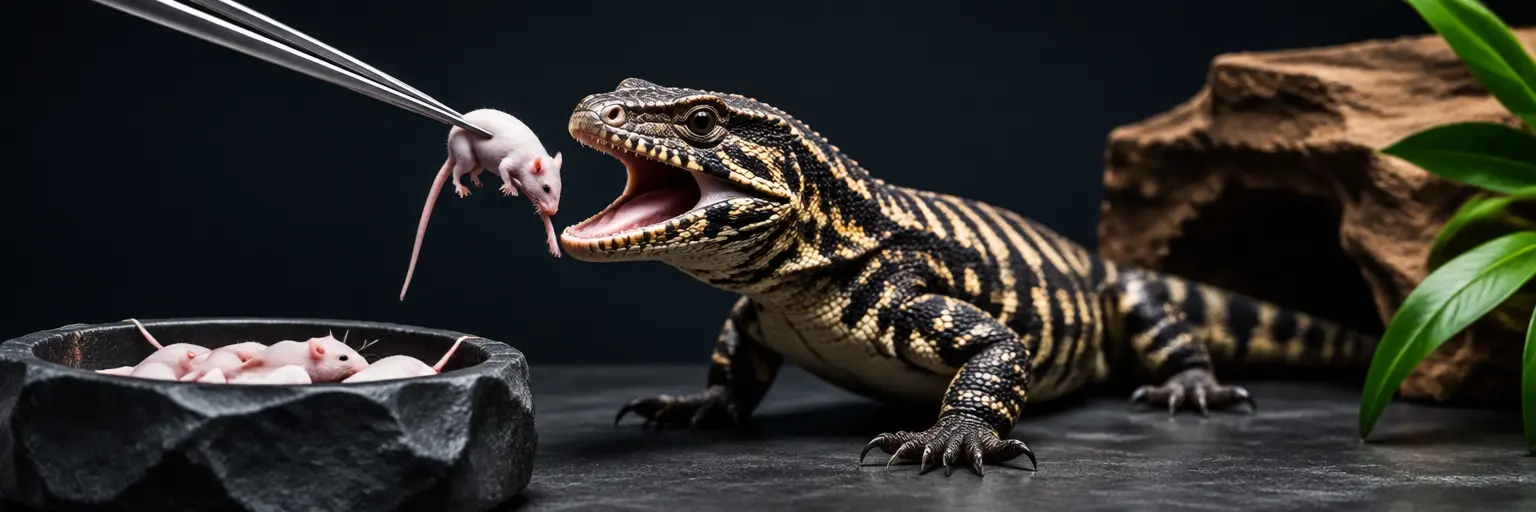
Hydration is often overlooked but vital for carnivorous reptiles, especially those that eat dry prey like mice. Many species, particularly snakes, obtain most of their water from prey, but they still require a clean, fresh water dish for soaking and drinking. Insectivores need a humid microclimate; misting their enclosure daily helps maintain shedding and kidney function. Feeding environment drastically affects digestion. For snakes, feeding inside the enclosure is acceptable if you use a separate feeding tub to avoid substrate ingestion. For lizards, a designated feeding dish or tong-feeding reduces accidental substrate intake that causes impaction. Common feeding mistakes include offering food that is too large (causing regurgitation), feeding inside a dirty enclosure (bacterial exposure), and handling your reptile immediately after feeding (which can induce vomiting). Also, never feed a reptile that is shedding or stressed; appetite naturally wanes. Observe post-feeding behavior: a proper thermal gradient allows your reptile to bask at 95-100°F to digest efficiently. If your reptile fasts for more than 2 weeks (for adults) or loses weight, consult a veterinarian experienced in exotic pets.
Frequently Asked Questions
How often should I feed my juvenile ball python?
Juvenile ball pythons should be fed a properly sized frozen-thawed mouse every 5-7 days. The prey should be no larger than the widest part of the snake’s body. As they grow, extend the interval to 7-10 days for subadults and 10-14 days for adults after 3 years of age. Monitor body condition to adjust frequency, as obesity is a common health issue in captive snakes.
Is it safe to feed my bearded dragon mealworms as a staple?
No, mealworms should be an occasional treat, not a staple. They are high in fat and have a poor calcium-to-phosphorus ratio, which can lead to metabolic bone disease. Instead, use dubia roaches, black soldier fly larvae, or crickets as staples. If you offer mealworms, limit to once weekly and always dust them with calcium.
Can carnivorous reptiles eat vegetables or fruits?
No, strict carnivores like snakes and most geckos cannot digest plant matter effectively and will derive no nutritional value. However, some species like bearded dragons are omnivorous and need a small portion of leafy greens. Always research your specific species’ natural diet. For pure carnivores, offering plants can cause gastrointestinal blockage or malnutrition.
What is the best way to thaw frozen mice for my snake?
Place the frozen mouse in a sealed plastic bag and submerge it in warm water (95-100°F) for 20-30 minutes until fully thawed. Never use boiling water or a microwave, as this can cook the prey unevenly and destroy nutrients. After thawing, dry the mouse with a paper towel before offering it with tongs to avoid transferring odors from your hands.
Why does my carnivorous reptile refuse to eat for weeks?
Occasional fasting is normal, especially during shedding, breeding season, or brumation. However, frequent refusals may indicate incorrect temperatures, low humidity, stress, or underlying illness. First, verify your thermal gradient and hide availability. If the fast exceeds 2-3 weeks for a juvenile or 4 weeks for an adult, consult a reptile veterinarian to rule out parasites or impaction.