Decorations and Enrichment for Reptile Habitats: Create a Thriving Environment
Creating a truly vibrant and healthy home for your reptile goes beyond just heat lamps and substrate. Decorations and enrichment are essential pillars of responsible reptile care, directly influencing your pet’s physical health, mental stimulation, and natural behaviors. From climbing branches and hiding caves to background visuals that mimic wild terrains, the right habitat decor transforms a sterile tank into a functional ecosystem. At PetCareWorld, we guide you through every option, ensuring your scaly companion enjoys a life full of exploration, security, and comfort. Discover how purposeful enrichment reduces stress, encourages exercise, and unlocks your reptile’s natural instincts right within their enclosure.
🪨 Selecting Safe Substrates and Natural Hardscapes
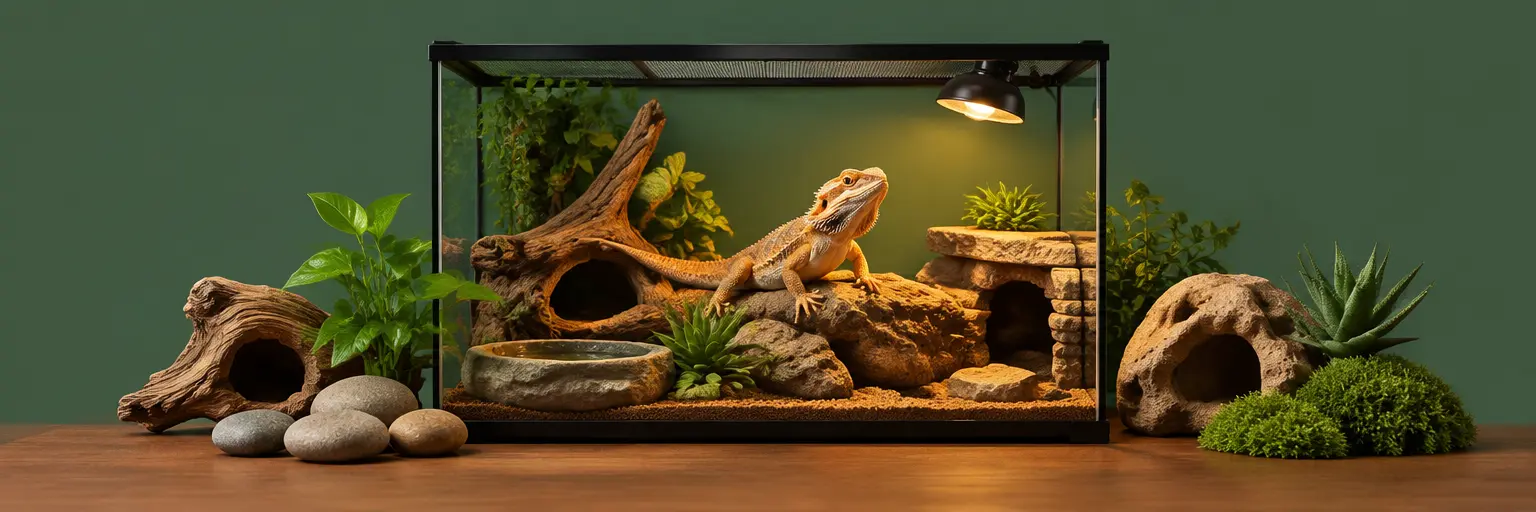
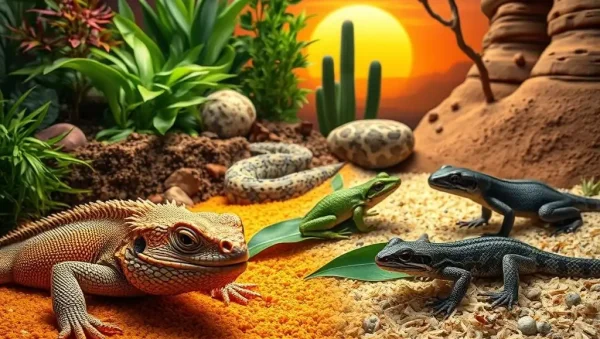
Substrates are the foundation of your habitat’s look and function, but they also play a critical role in humidity retention and burrowing behavior. From bioactive soil mixes to coconut fiber and reptile-safe sand, choosing the right base prevents impaction and supports digging species like bearded dragons or leopard geckos. We break down absorbency, ease of cleaning, and compatibility with various reptile species to avoid common pitfalls.
Beyond the floor, hardscapes like rocks, driftwood, and slate tiles offer essential basking spots and climbing surfaces. These natural decorations not only mimic a reptile’s native landscape but also aid in shedding by providing rough textures. We explain how to safely sanitize and arrange hardscapes to create stable, multi-level terrains that maximize usable space while preventing injury. Always avoid sharp edges or unstable stacks, and prioritize heat-resistant materials for areas near lamps.
🌿 Live Plants vs. Artificial Foliage for Enrichment
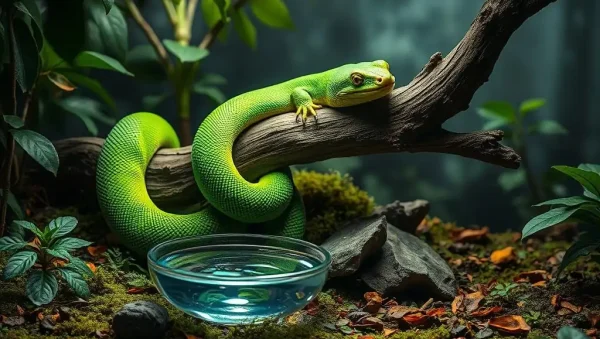
Live plants bring a dynamic, self-regulating element to your terrarium, improving air quality and humidity while offering hiding spots and natural grazing options for herbivorous reptiles. Species like pothos, ferns, and bromeliads thrive in humid setups, but require proper lighting and drainage. We cover the best low-maintenance live plants for desert, tropical, and temperate habitats, plus how to quarantine them to prevent pests from entering your enclosure.
Artificial foliage, on the other hand, offers durability, zero maintenance, and endless design flexibility without the risk of toxic ingestion. High-quality silk or plastic plants can be arranged to create dense cover, which is crucial for shy species that need visual barriers to feel secure. We compare realism, cleaning ease, and safety features of artificial options, and provide tips for securing them so they do not become accidental climbing hazards or substrates for bacteria growth.
🏡 Hides, Caves, and Climbing Structures for Security
Hides are non-negotiable for reptile well-being, as they replicate the crevices and burrows where these animals naturally retreat to escape stress and regulate temperature. Offering a cool-side hide and a warm-side hide allows your pet to thermoregulate without sacrificing security. We detail materials like cork bark, resin caves, and ceramic hides, explaining which retain humidity best and which are easiest to disinfect for species prone to skin issues.
Climbing structures, including branches, vines, and ledges, satisfy arboreal species such as chameleons and crested geckos, while adding vertical space for terrestrial reptiles to explore. Properly anchored perches encourage exercise and muscle development, preventing obesity and boredom. We share safe mounting techniques, weight-bearing guidelines, and how to create a gradient of heights that promotes natural exploration without overcrowding the enclosure.
🧩 Interactive Enrichment: Feeding Stations and Puzzle Toys
Feeding time offers a perfect opportunity to engage your reptile’s predatory instincts. Feeding tongs, puzzle feeders, and scattered prey simulate hunting, reducing stress and preventing stereotypical behaviors like glass surfing. For insectivores, we explain how to create foraging stations using leaf litter or crinkled paper, encouraging slower feeding and mental stimulation. For omnivores, hiding fresh vegetables in puzzle toys promotes exploratory feeding and cognitive exercise.
Interactive enrichment isn’t limited to food—changes in layout, new scents, or even supervised out-of-tank exploration can invigorate curious species. We discuss safe rotation schedules and how to introduce novel items without triggering aggression or fear. Regular environmental variability keeps your reptile engaged, and we provide a 7-day enrichment planner that balances novelty with stability, ensuring your pet remains confident and responsive in its habitat.
💡 Visual Backgrounds and Lighting-Focused Decor
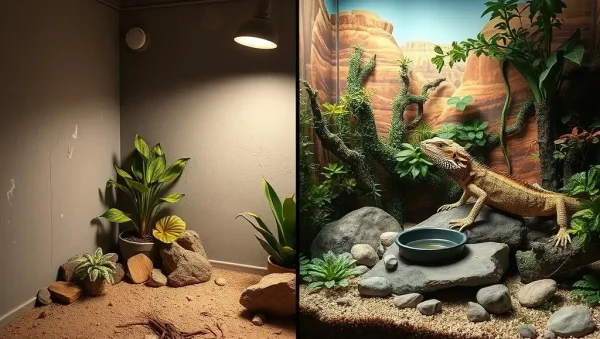
A captivating background—whether a 3D rock wall, printed forest scene, or cork bark panel—provides context and reduces the “glass box” feel, which can lower stress and encourage natural behaviors. We guide you in selecting backgrounds that match your species’ habitat, and show how to attach them securely without harming your reptile. Backgrounds also trap heat and humidity, improving microclimates near walls, which is especially beneficial for tropical species.
Lighting-focused decor includes UVB-reflective surfaces, basking platforms, and photoperiod timers that simulate dawn and dusk. Decor that enhances UVB exposure, such as elevated stones placed under lamps, ensures your reptile synthesizes vitamin D3 effectively. We explain how to position decor to avoid overexposure while maximizing beneficial rays, and how to integrate dimmable night lights or moonlight simulations for crepuscular species. Your habitat’s visual depth and functional lighting work together for optimal health.
Frequently Asked Questions
What is the best substrate for a bearded dragon?
For juvenile bearded dragons, a safe, non-particulate substrate like slate tile or reptile carpet is ideal to prevent impaction. Adults can enjoy a mix of play sand and organic topsoil, which supports burrowing. Avoid calcium sand and walnut shells, which are harmful. Always provide a feeding dish to minimize substrate ingestion.
How often should I change decorations in my reptile’s habitat?
Major rearrangements every 2-4 weeks is a good rule to provide novelty without causing stress. However, keep essential hides and thermal zones consistent. Rotate smaller items like branches or fake plants weekly. Observe your reptile’s behavior—if they seem restless or anxious, revert to a familiar layout temporarily.
Are live plants safe for my reptile enclosure?
Yes, but only if you choose reptile-safe, non-toxic species and ensure they are free from pesticides. Quarantine new plants for two weeks and wash them before planting. Also, provide proper lighting and drainage. Avoid plants with spines or those known to be toxic, like sago palm. Always research your specific reptile’s dietary habits, as some may eagerly eat plant leaves.
How do I clean artificial decorations without harming my pet?
Remove decorations and wash them with hot water and a reptile-safe disinfectant, like chlorhexidine or a 5% bleach solution. Rinse thoroughly to remove all residue, then dry completely before reintroducing. Scrub off any fecal matter or algae. Avoid harsh chemicals like ammonia, which are toxic to reptiles. For porous items like wood, oven-baking at 200°F for 30 minutes sterilizes them safely.
Can enrichment reduce aggression in territorial reptiles?
Yes, providing hiding spots and visual barriers can significantly reduce territorial stress. Multiple hides, plants, and sightline breaks allow a reptile to feel secure and establish its own space, which lowers chronic aggression. Enrichment also channels excess energy into exploration. However, if aggression persists, consider consulting a herpetology veterinarian, as it may stem from health or cohabitation issues.