
Reptile Habitat Transformation: BeforeandAfter Decor Makeovers

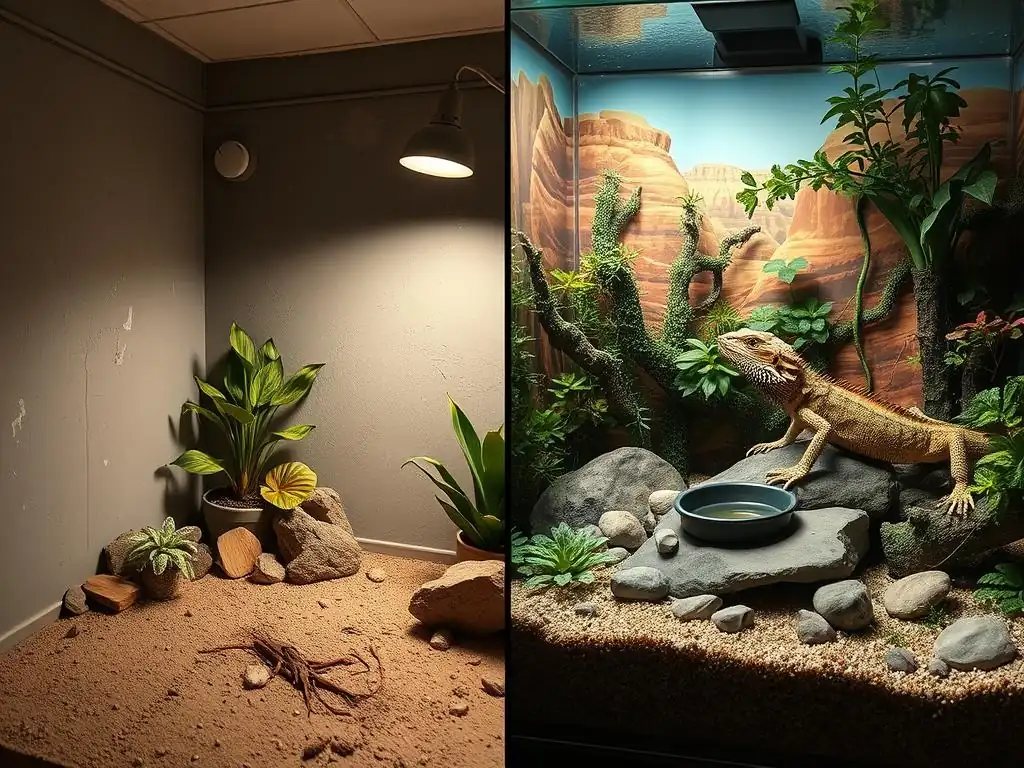
Welcome to PetCareWorld, your ultimate guide to a happier, healthier life for your beloved companions! Are you ready to unleash your inner interior designer and create a stunning, thriving environment for your scaly friend? Dive into our Reptile Habitat Makeover Ideas and discover inspiring before-and-after transformations that will leave you amazed. Prepare to be captivated by innovative designs and practical tips that will turn your reptile's habitat from ordinary to extraordinary. Let's embark on this exciting journey together!
- Inspiring Reptile Habitat Makeover Ideas: Before & After Transformations
- Essential Elements for a Stunning Reptile Habitat Makeover
- Step-by-Step Guide: Replicating the Makeovers
- Budget-Friendly Reptile Habitat Decor Ideas
- Maintaining Your Transformed Reptile Habitat
-
Frequently Asked Questions
- What is the purpose of a reptile habitat makeover?
- What are some key elements to consider when planning a reptile habitat makeover?
- How often should I do a reptile habitat makeover?
- What materials are safe for use in a reptile habitat makeover?
- Where can I find more inspiration for reptile habitat makeover ideas?
- Final Reflection: The Ever-Evolving World of Reptile Habitats
- Unleash Your Reptile's Inner Explorer!
Inspiring Reptile Habitat Makeover Ideas: Before & After Transformations
Transforming your reptile's habitat from a bland enclosure into a thriving, enriching environment is incredibly rewarding! This article dives into the exciting world of reptile habitat makeovers, showcasing stunning before-and-after transformations that highlight creative design, functional improvements, and the overall enhancement of your reptile's quality of life. We'll explore various species-specific habitat designs, providing practical tips and inspiration to help you create the perfect home for your scaly companion.
Whether you're a seasoned reptile keeper or a new enthusiast, this guide will equip you with the knowledge and ideas to embark on your own reptile habitat makeover project, ensuring a safe, stimulating, and aesthetically pleasing environment for your pet. Remember, a well-designed habitat is crucial for your reptile's physical and mental well-being, contributing to their overall health and longevity. Let's get started on creating the ultimate reptile paradise!
From Bland to Grand: A Leopard Gecko Habitat Upgrade
Leopard geckos, known for their docile nature and beautiful patterns, often find themselves housed in rather basic enclosures. However, with a little creativity, you can transform their habitat into a visually appealing and functional space. Let's consider a makeover example:
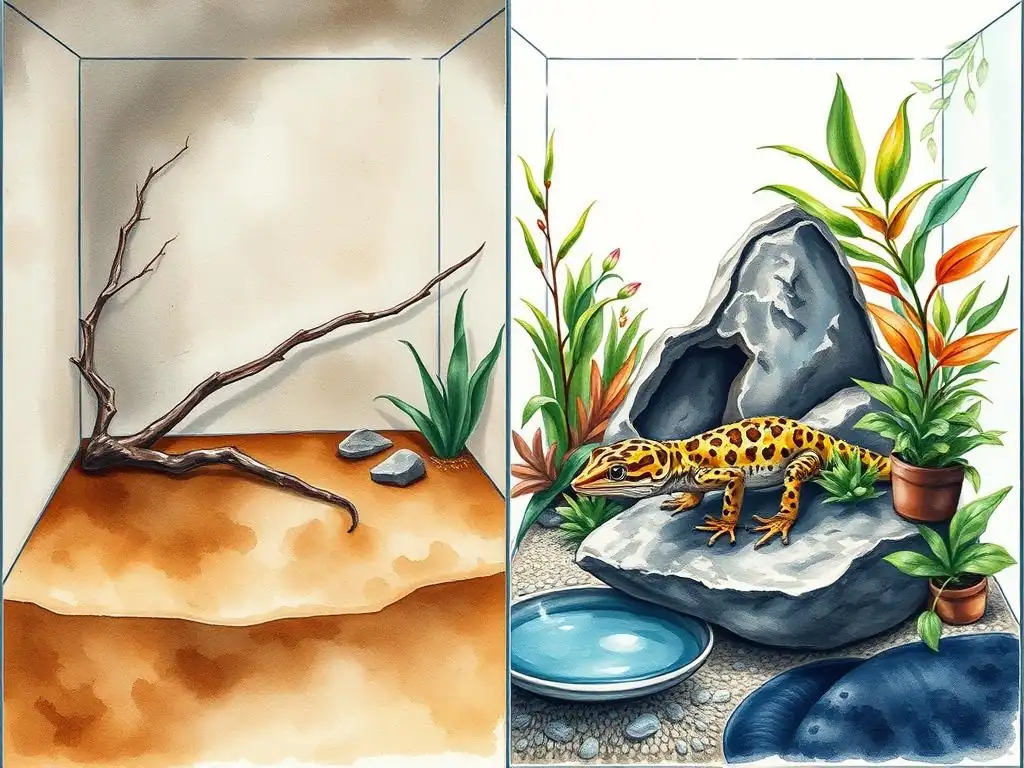
Before: The initial setup consisted of a plain glass terrarium with a single hide, a shallow water dish, and a sparse layer of substrate. The overall aesthetic was sterile and lacked enrichment features crucial for a leopard gecko's well-being. The lack of varied textures and climbing opportunities was evident.
After: The makeover involved a complete overhaul. We replaced the plain substrate with a more naturalistic blend, adding varied textures and depth. Multiple hides were strategically placed, offering diverse microclimates and security. Climbing structures, such as rocks and branches, were introduced to provide vertical space and exploration opportunities.
The addition of live plants, carefully chosen for their non-toxicity and suitability for leopard geckos, significantly improved the aesthetic appeal and provided additional humidity control. The final result was a vibrant and stimulating habitat that perfectly mirrored a leopard gecko's natural environment. The transformation significantly improved the quality of life for the gecko, offering a more enriching and engaging environment. We also added a temperature gradient system to ensure optimal thermoregulation.
Creating a Lush Rainforest Vibe: A Green Tree Python Enclosure Makeover
Green tree pythons, with their arboreal lifestyle, require a habitat that mimics the lush canopy of their natural rainforest home. A successful makeover focuses on providing ample vertical space, humidity control, and plenty of climbing opportunities.
Before: The initial enclosure was a standard glass terrarium, lacking the necessary verticality and humidity levels crucial for a green tree python. The lack of climbing branches and foliage resulted in a barren and unsuitable environment.
After: The transformation began with the addition of several sturdy branches of varying thicknesses, creating a complex network of climbing structures. Live and artificial plants were carefully selected and arranged to create a dense, leafy canopy, mimicking the python's natural habitat. A misting system was installed to maintain optimal humidity levels. The substrate was changed to a moisture-retentive blend to further support humidity regulation.
The overall aesthetic was transformed into a vibrant, lush rainforest environment, perfectly suited for the arboreal lifestyle of the green tree python. The improved humidity and climbing opportunities significantly enhanced the python's well-being and provided a more stimulating environment. Careful consideration was given to the size and strength of branches to ensure the snake's safety.
Desert Oasis Transformation: A Bearded Dragon Habitat Revamp
Bearded dragons thrive in arid and semi-arid environments. A successful habitat makeover for a bearded dragon focuses on creating a basking spot with appropriate temperature gradients, providing ample space for basking and burrowing, and selecting appropriate substrate and décor.
Before: The original setup was a basic enclosure with a single basking lamp, a limited amount of substrate, and few hiding places. The lack of varied temperatures and enrichment features was evident.
After: The transformation involved creating a temperature gradient using multiple heat sources, including a basking lamp and a heat mat. This ensures the bearded dragon can regulate its body temperature effectively. A variety of rocks and hides were added, providing basking spots and secure retreats. The substrate was changed to a more naturalistic blend suitable for burrowing. The addition of sand and rocks created a more textured and stimulating environment.
The inclusion of non-toxic plants, such as certain succulents, added visual appeal and provided additional enrichment. The final result was a vibrant desert oasis, providing a stimulating and enriching environment for the bearded dragon. The addition of a shallow water dish and a UV lamp completed the transformation, ensuring the dragon's health and well-being. The careful placement of the heat sources was crucial to avoid overheating.
Essential Elements for a Stunning Reptile Habitat Makeover
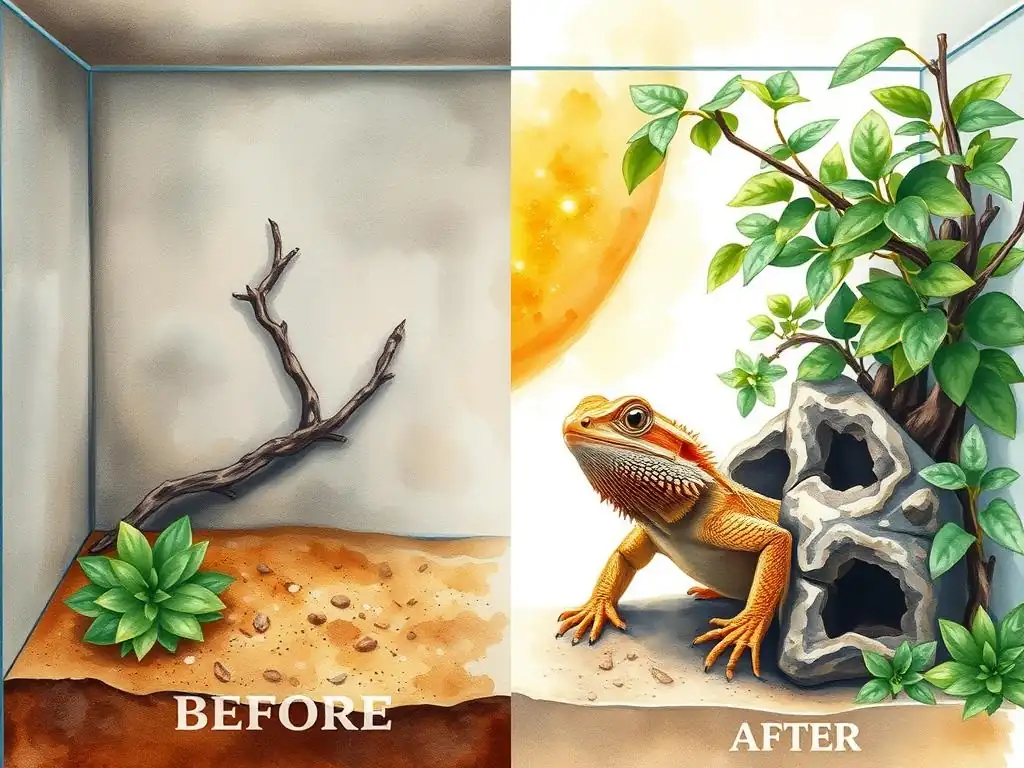
This section delves into the crucial components needed to achieve a truly spectacular reptile habitat makeover. We'll explore how careful selection of substrate, background, and enrichment features dramatically impacts your reptile's well-being and the aesthetic appeal of its enclosure. Remember, a successful reptile habitat makeover isn't just about looks; it's about creating a thriving and stimulating environment for your scaly friend. Optimizing your reptile's habitat is key to their health and happiness, making "reptile habitat makeover ideas" a crucial search term for responsible pet owners.
Selecting the Right Substrate for Your Reptile's Needs
Substrate selection is paramount for maintaining a healthy and aesthetically pleasing reptile enclosure. The wrong substrate can lead to impacted bowels, respiratory issues, or even bacterial infections. The ideal substrate depends entirely on your reptile species. For example:
- Desert species (e.g., Leopard Geckos): These reptiles thrive on a loose, arid substrate. Options include a blend of play sand and calcium sand, or commercially available desert reptile substrate mixes. Avoid substrates that retain too much moisture, as this can lead to fungal growth and skin issues. Proper ventilation is crucial with any loose substrate.
- Tropical species (e.g., Green Tree Frogs): These species require a substrate that retains some moisture, but doesn't become waterlogged. Coco fiber, cypress mulch, or orchid bark are excellent choices. Regular misting and monitoring of humidity levels are essential.
- Burrowing species (e.g., Corn Snakes): These reptiles need a substrate that allows for burrowing and digging behavior. Aspen shavings, reptile bark, or a mix of topsoil and coconut fiber are suitable options. Ensure the substrate is deep enough to allow for comfortable burrowing.
Consider these factors when choosing your substrate:
| Substrate Type | Pros | Cons | Suitable for |
|---|---|---|---|
| Play Sand & Calcium Sand | Affordable, readily available, good drainage | Can be dusty, may not be suitable for all species | Desert-dwelling reptiles |
| Coco Fiber | Retains moisture, good for tropical species | Can become compacted, needs regular replacement | Tropical and semi-tropical species |
| Aspen Shavings | Absorbent, good for burrowing | Can be messy, may not be aesthetically pleasing | Burrowing species, some semi-arid species |
| Paper Towels | Easy to clean, inexpensive | Not aesthetically pleasing, lacks enrichment | Quarantine or temporary setups |
Remember to research the specific needs of your reptile species before making a substrate choice. Improper substrate can significantly impact your pet's health and the overall success of your "reptile habitat makeover ideas".
Choosing the Perfect Background for Visual Appeal and Enrichment
The background is more than just decoration; it contributes significantly to your reptile's well-being and the overall aesthetic of the enclosure. A visually stimulating background can reduce stress and encourage natural behaviors. Consider these options:
- 3D Backgrounds: These offer texture and depth, providing hiding places and climbing opportunities. They can be made of cork bark, wood, or even specially designed reptile background panels. They offer excellent opportunities for implementing creative "reptile habitat makeover ideas".
- Painted Backgrounds: A well-executed painted background can create a realistic and immersive environment. However, ensure the paints used are non-toxic and reptile-safe. A professional artist specializing in reptile habitats can create a truly stunning and unique backdrop.
- Natural Backgrounds: Using natural materials like large rocks, driftwood, and carefully selected plants can create a naturalistic and visually appealing background. Ensure all materials are cleaned thoroughly and free of pesticides or harmful chemicals before introducing them to the enclosure.
When selecting a background, consider:
- Species-specific needs: Does your reptile require climbing structures? Does it prefer a more open or enclosed environment?
- Visual appeal: Choose a background that is both visually appealing to you and provides a stimulating environment for your reptile.
- Durability and ease of cleaning: The background should be durable enough to withstand regular cleaning and resist damage from your reptile's activities.
Remember, the background is a key element in making your "reptile habitat makeover ideas" a reality; a well-chosen background transforms a simple enclosure into a captivating and enriching environment.
Adding Hiding Places and Enrichment Features for Reptile Wellbeing
Hiding places are crucial for a reptile's well-being. They provide a sense of security and reduce stress, especially for shy or timid species. Enrichment features stimulate natural behaviors and prevent boredom.
Here are some ideas:
- Commercial hides: Many commercially available hides are designed specifically for reptiles, offering various shapes, sizes, and materials. Choose hides appropriate for your reptile's size and species.
- DIY hides: Get creative and build your own hides using safe materials like cork bark, rocks, or terracotta pots.
- Enrichment features: Branches, rocks, and climbing structures provide opportunities for exploration and exercise. Live plants (if appropriate for the species) add visual appeal and contribute to a more natural habitat.
Remember to consider these factors when adding enrichment:
- Safety: Ensure all items are secure and cannot collapse or injure your reptile.
- Species-specific needs: Some reptiles require specific types of enrichment, such as basking spots, water features, or specific climbing structures.
- Variety: Offer a variety of hides and enrichment features to keep your reptile stimulated and engaged.
By implementing thoughtful "reptile habitat makeover ideas," focusing on substrate, background, and enrichment, you'll create a thriving and visually appealing home for your reptile companion. Remember that a well-designed habitat is essential for your reptile's physical and mental health, contributing to a longer and happier life.
Step-by-Step Guide: Replicating the Makeovers
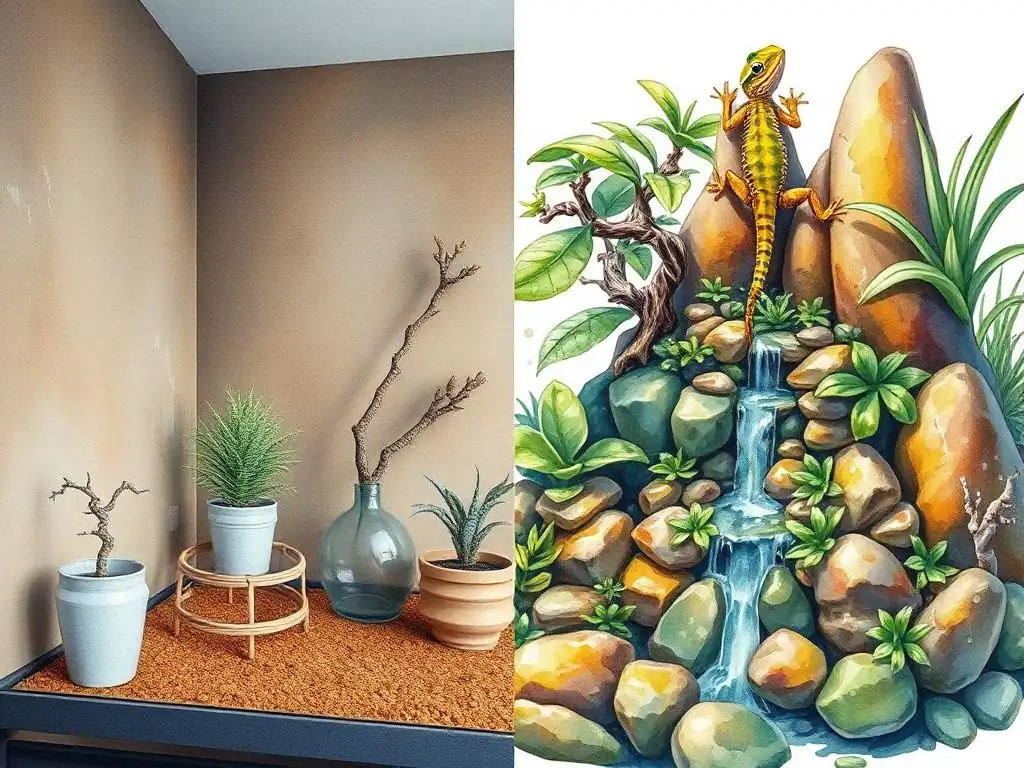
This section provides a practical, step-by-step guide to transforming your reptile's habitat. We'll cover everything from initial assessment to final touches, offering actionable advice to achieve a stunning and functional reptile habitat makeover. Remember, safety and the well-being of your reptile are paramount throughout this process. Always research the specific needs of your reptile species before undertaking any habitat changes.
Planning Your Reptile Habitat Redesign: Assessing Your Current Setup
Before you even think about purchasing new materials, a thorough assessment of your current reptile habitat is crucial. This isn't just about aesthetics; it's about ensuring the safety and well-being of your reptile. Consider these key factors:
- Species-Specific Needs: The first and most important step is understanding your reptile's specific needs. A bearded dragon requires a completely different setup than a corn snake. Consider temperature gradients, humidity levels, substrate type, and appropriate hiding places. Incorrect setup can lead to stress, illness, and even death.
- Substrate Evaluation: Is your current substrate appropriate? Is it easy to clean? Does it retain too much moisture, creating a breeding ground for bacteria and fungus? Consider switching to a more suitable substrate like paper towels, reptile carpet, or specific types of soil depending on your reptile's needs.
- Enclosure Size & Functionality: Is the enclosure large enough for your reptile to comfortably move around and exhibit natural behaviors? Does it provide adequate climbing structures, basking areas, and hiding places? Consider upgrading to a larger enclosure if necessary. Remember, a cramped habitat can lead to stress and behavioral problems.
- Current Decor Assessment: Analyze your existing decorations. Are they safe? Are they providing enough environmental enrichment? Are they easy to clean? Outdated or unsafe decorations should be removed or replaced.
- Temperature and Humidity: Verify that your current heating and humidity control systems are functioning properly and providing the correct parameters for your reptile's species. Invest in accurate thermometers and hygrometers to monitor these vital factors. Inaccurate readings can be detrimental to your reptile's health.
Gathering Supplies and Materials for Your Reptile Habitat Makeover
Once you've assessed your current setup, you can start gathering the necessary supplies and materials. This will vary depending on your reptile's species and the specific changes you plan to make. However, here's a general checklist:
| Item | Description | Considerations |
|---|---|---|
| New Substrate | Paper towels, reptile carpet, coconut fiber, etc. | Choose a substrate appropriate for your reptile's species and humidity needs. |
| Enclosure Upgrades | Larger enclosure, improved ventilation, etc. | Ensure the new enclosure is appropriately sized and safe for your reptile. |
| Decorative Elements | Branches, rocks, plants (real or artificial), hides, etc. | Choose safe, non-toxic materials that are appropriately sized for your reptile. |
| Cleaning Supplies | Disinfectant, scrub brush, paper towels, etc. | Thoroughly clean and disinfect the enclosure before introducing new elements. |
| Heating & Lighting | Heat lamps, UVB bulbs, thermostat, etc. | Ensure proper temperature and UVB gradients are maintained. |
| Humidity Control | Misting bottle, humidifier, etc. | Maintain appropriate humidity levels for your reptile's species. |
Implementing the Changes: A Step-by-Step Guide to Transformation
Now for the exciting part – the actual makeover! Remember to proceed slowly and methodically, prioritizing your reptile's safety and comfort.
- Thorough Cleaning: Begin by thoroughly cleaning the existing enclosure. Remove all existing decorations and substrate. Scrub the enclosure with a reptile-safe disinfectant, paying attention to all corners and crevices. Allow it to dry completely before proceeding.
- Substrate Replacement: Add the new substrate, ensuring it's evenly distributed and appropriately deep for your reptile's species.
- Strategic Placement of Decor: Carefully place the new decorations, creating a visually appealing and functionally enriching environment. Include hiding places, climbing structures, and basking areas, mimicking your reptile's natural habitat as closely as possible. Avoid overcrowding the enclosure.
- Temperature and Humidity Checks: After setting up the new habitat, use your thermometers and hygrometers to verify that temperature and humidity levels are within the optimal range for your reptile. Make adjustments as needed.
- Gradual Introduction: Once everything is in place and the parameters are correct, carefully introduce your reptile back into its transformed habitat. Monitor its behavior closely for any signs of stress or discomfort. A gradual introduction helps your reptile adjust to the changes.
- Ongoing Monitoring and Maintenance: Regularly monitor your reptile's behavior, temperature, and humidity. Clean the enclosure regularly to maintain hygiene and prevent the buildup of waste. Regular maintenance is crucial for your reptile's long-term health and well-being. Remember, a well-maintained habitat is a happy reptile!
Post-Makeover Monitoring: Ensuring Your Reptile's Comfort and Safety
Following a reptile habitat makeover, vigilant monitoring is crucial to ensure your reptile's continued well-being and safety. The initial days and weeks after a significant change to their environment are especially important. Observe your reptile closely for any signs of stress or discomfort. These can manifest in various ways, including changes in appetite, lethargy, unusual hiding behavior, or changes in their shedding patterns. A reptile's natural response to a stressful environment might be reduced food intake, so carefully track their eating habits. A significant decrease in food consumption should prompt a re-evaluation of the habitat changes.
Regularly check the temperature and humidity levels within the enclosure using accurate gauges. Even minor fluctuations from the ideal range can negatively impact your reptile's health. Remember that the placement of heat sources and humidity-generating elements can influence the microclimate within the enclosure, creating localized temperature gradients. Use multiple thermometers and hygrometers strategically placed throughout the enclosure to ensure accurate readings across all areas. Consider using data loggers to track temperatures and humidity over time, providing a comprehensive picture of the enclosure's climate. This data can be invaluable if you need to adjust your heating and humidification systems.
Beyond temperature and humidity, inspect the substrate and décor for any signs of deterioration or potential hazards. Loose substrate particles could be ingested, causing impaction. Sharp edges on rocks or décor could cause injury. Regularly check for mold or mildew growth, especially in humid environments. Proactive cleaning and maintenance are essential to maintaining a sanitary and safe environment. This may involve spot cleaning daily and more thorough cleaning every few weeks, depending on your reptile's needs and the type of substrate.
The post-makeover period is also an excellent time to observe your reptile's behavior more closely. Are they utilizing the new enrichment features? Do they seem comfortable exploring the different areas of the enclosure? If they consistently avoid certain areas or exhibit signs of stress, consider making further adjustments to the habitat design. Remember that creating an enriching and stimulating environment is an iterative process.
Continual observation and adaptation are key to providing optimal care for your reptile companion. Your reptile's well-being is the ultimate measure of a successful habitat makeover. By carefully monitoring their health and behavior, you can ensure a thriving and comfortable home for your scaled friend. Don't hesitate to seek advice from a veterinarian specializing in reptiles if you have any concerns.
Budget-Friendly Reptile Habitat Decor Ideas
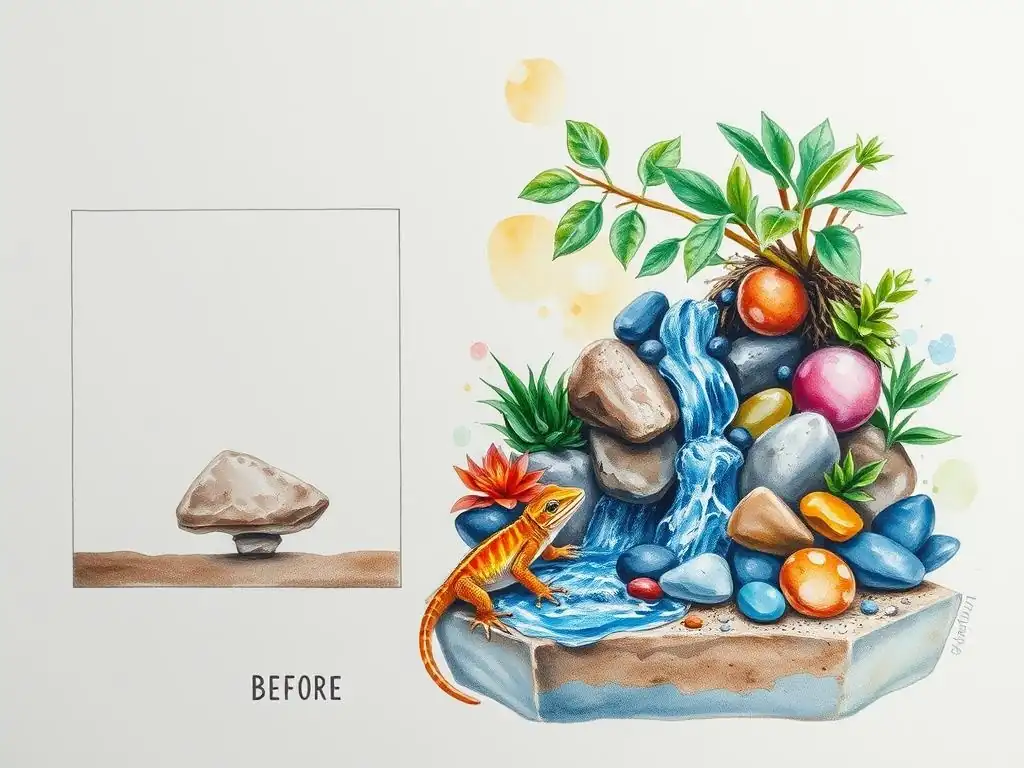
Creating a stimulating and visually appealing reptile habitat doesn't require breaking the bank. With a little creativity and resourcefulness, you can achieve a stunning makeover without sacrificing your budget. This section explores various cost-effective strategies for enhancing your reptile's environment, focusing on DIY projects, repurposing everyday items, and savvy shopping. Remember, a thriving reptile habitat prioritizes functionality and safety alongside aesthetics.
DIY Reptile Habitat Decorations: Cost-Effective Solutions
Many visually appealing and functional reptile habitat decorations can be crafted at home using readily available, inexpensive materials. This reduces costs significantly compared to purchasing pre-made decorations. For example, consider creating naturalistic backgrounds using cork bark, readily available at craft stores or even salvaged from nature (ensure it's properly cleaned and free of pesticides). These can be arranged to create caves, climbing structures, and visually interesting textures.
Another inexpensive option involves making hiding places using terracotta pots. These are readily available at gardening centers and can be arranged in various configurations to create multiple hideaways for your reptile. Simply bury them partially in the substrate, creating a natural and secure shelter. You can even paint them with non-toxic paints to blend them better with your habitat's theme.
Finally, consider creating custom branches and climbing structures from fallen branches collected responsibly from safe locations. Thoroughly clean and bake these to eliminate any potential parasites or bacteria before introducing them to the enclosure. These natural additions provide climbing opportunities and add a rustic, natural charm to the habitat. Remember to always prioritize safety; ensure branches are smooth, free of splinters, and securely anchored to prevent collapse.
Repurposing Household Items for Reptile Enclosure Enrichment
Repurposing household items is a fantastic way to enhance your reptile's habitat without spending extra money. Items that might otherwise end up in the trash can be transformed into enriching elements. For instance, clean, empty plastic containers (after thorough cleaning and ensuring no toxic residues remain) can serve as excellent hiding places. Similarly, smooth, flat rocks can be used to create basking platforms or create a more varied substrate.
Even old, unused ceramic tiles can be added to create textured basking areas or pathways, adding visual interest and providing thermal mass. Always inspect repurposed items carefully before introducing them to the enclosure, ensuring they are clean, safe, and free of sharp edges or potentially harmful substances. Consider the size and species of your reptile when repurposing items, selecting materials appropriate for their size and behavior. For instance, a large snake might need sturdier structures than a smaller gecko.
Remember to prioritize safety and suitability. Avoid using anything that could leach harmful chemicals or pose a risk of ingestion or injury to your reptile.
Finding Affordable Decorations Online and in Local Stores
While DIY projects and repurposing can significantly reduce costs, shopping smart can also yield affordable reptile habitat decorations. Check online marketplaces and local pet stores for sales and discounts on decorations. Often, you can find great deals on clearance items or end-of-season products.
Consider exploring local thrift stores or antique shops for unique and inexpensive décor. Old pottery shards, interesting rocks, and even small pieces of driftwood can add character and visual interest to your reptile's habitat. Always inspect items carefully to ensure they are clean, safe, and free of any harmful substances before adding them to your reptile's enclosure. Remember to research the specific needs of your reptile species to ensure any new additions are suitable for their environment and behavior. Prioritizing safety and suitability is crucial when selecting décor, regardless of cost.
Maintaining Your Transformed Reptile Habitat
Transforming your reptile's habitat is only half the battle; maintaining its pristine condition is crucial for your reptile's health and well-being. A beautifully decorated enclosure quickly becomes a breeding ground for bacteria and parasites if not properly maintained. This section focuses on practical strategies for keeping your reptile's upgraded habitat clean, safe, and stimulating. Remember, a successful reptile habitat makeover isn't a one-time event; it's an ongoing commitment to your pet's welfare. This includes regular cleaning, proactive disease prevention, and continuous enrichment. Let's delve into the specifics.
Regular Cleaning and Maintenance of Reptile Habitats
Regular cleaning is paramount in preventing the buildup of harmful bacteria and parasites. The frequency depends on the species, the size of the enclosure, and the substrate used. For example, a bioactive setup with live plants might require less frequent, but more thorough, cleaning than a simpler setup with paper towels. Here's a breakdown of a typical cleaning schedule and best practices:
- Daily: Spot cleaning is essential. Remove any uneaten food, fecal matter, and shed skin immediately. This prevents the rapid growth of harmful microorganisms. Think of it as a quick tidy-up – a small effort that prevents bigger problems later. 🧹
- Weekly: This involves a more thorough cleaning of the enclosure. Remove and replace soiled substrate (if using a non-bioactive setup). Clean water dishes and food bowls thoroughly with reptile-safe disinfectant. Gently wipe down the enclosure walls and décor with a damp cloth. 🧼
- Monthly: This is the time for a deep clean. Completely remove all substrate, décor, and furnishings. Thoroughly scrub the enclosure with a reptile-safe disinfectant, paying close attention to corners and crevices. Allow the enclosure to dry completely before replacing everything. 🧽
Table 1: Cleaning Schedule Recommendations Based on Substrate Type
| Substrate Type | Cleaning Frequency (General) | Notes |
|---|---|---|
| Paper Towels | Weekly | Easy to replace, minimizes bacterial growth. |
| Aspen Shavings | Weekly | Requires more frequent spot cleaning due to dust and potential mold. |
| Coconut Fiber | Bi-weekly | Retains moisture, requires careful monitoring for mold growth. |
| Bioactive Substrate | Monthly (spot cleaning weekly) | Requires less frequent overall cleaning, focus on removing waste. |
Remember to always use reptile-safe disinfectants. Never use household cleaners as they can be toxic to your reptile.
Preventing Disease and Parasites in Enhanced Habitats
Even with regular cleaning, disease and parasites can still be a concern. Proactive measures are crucial to protect your reptile's health. Here are some key preventative strategies:
- Quarantine New Reptiles: Always quarantine any new reptile for at least 30 days before introducing it to your existing collection. This helps prevent the introduction of diseases or parasites. This is a critical step often overlooked, but it's a powerful preventative measure. 🔒
- Proper Ventilation: Ensure your enclosure has adequate ventilation to prevent the buildup of ammonia and other harmful gases. Poor ventilation is a major contributor to respiratory infections. 🌬️
- Maintaining Proper Temperature and Humidity: Maintaining the correct temperature and humidity levels is crucial for your reptile's immune system. Fluctuations can weaken their immune system, making them more susceptible to illness. 🌡️
- Regular Veterinary Checkups: Schedule regular checkups with a veterinarian experienced in reptile care. Early detection of health problems is key to successful treatment. This is crucial for preventative care and early intervention. 🩺
- Observe Your Reptile Daily: Regularly observe your reptile for any signs of illness, such as lethargy, loss of appetite, or unusual droppings. Early detection is paramount in successful treatment. 👀
By implementing these maintenance and preventative strategies, you can ensure your reptile thrives in its beautifully transformed habitat, enjoying a long and healthy life. Remember, a proactive approach to reptile care is the best way to prevent problems and maintain a thriving and visually appealing enclosure.
Frequently Asked Questions
What is the purpose of a reptile habitat makeover?
A reptile habitat makeover improves your reptile's quality of life. It provides environmental enrichment, stimulating natural behaviors and reducing stress, leading to a healthier and happier pet. A makeover also often enhances the aesthetic appeal of the enclosure.
What are some key elements to consider when planning a reptile habitat makeover?
Consider your reptile's specific needs (species, size, temperature, humidity). Focus on providing appropriate substrate, hiding places, climbing structures, and basking areas. Safety is paramount; ensure no escape routes or hazardous materials are present.
How often should I do a reptile habitat makeover?
The frequency depends on your reptile's growth rate and the condition of the enclosure. Generally, a thorough cleaning and minor adjustments are needed every few months. A complete makeover might be needed annually or when the reptile outgrows its habitat.
What materials are safe for use in a reptile habitat makeover?
Use non-toxic and reptile-safe materials. Avoid anything that could be ingested or cause injury. Research materials specifically designed for reptile enclosures, such as natural wood, slate, and specific types of plants.
Where can I find more inspiration for reptile habitat makeover ideas?
Explore PetCareWorld's extensive guides and articles on reptile care. You can also find inspiration on other reputable pet websites and forums, but always verify information against trusted sources to ensure the safety of your reptile.
Final Reflection: The Ever-Evolving World of Reptile Habitats
Creating the perfect reptile habitat isn't just about aesthetics; it's about providing a thriving, enriching environment that directly impacts the well-being of these fascinating creatures. The transformations showcased in this article highlight the profound effect even small changes can have on a reptile's quality of life, a truth that resonates deeply in our increasingly human-centered world. We must remember that responsible pet ownership extends far beyond simply providing food and water.
Witnessing the positive responses of reptiles to improved habitats—a basking lizard's increased activity, a snake's more confident exploration—is profoundly rewarding. It underscores the importance of viewing our pets not as mere possessions, but as sentient beings with complex needs. The animals that we keep in captivity are not just objects to be displayed, but living beings with their own unique personalities and needs.
This simple truth guides our approach to habitat design, pushing us to constantly learn and improve our understanding of reptile care.
The journey of creating the ideal habitat is an ongoing one. It's a process of continuous learning, adaptation, and refinement. I encourage you to take the lessons learned here and apply them to your own reptile's environment. Observe your pet's behavior, research their specific needs, and don't be afraid to experiment with different designs and decorations. Remember, the ultimate goal is to create a space where your reptile can thrive, a testament to your dedication and love. Let's continue to elevate the standards of reptile care, one habitat makeover at a time.
Unleash Your Reptile's Inner Explorer!
Thank you for exploring the world of reptile habitat design! We hope you've found inspiration to enhance your reptile's home. Ready to put your ideas into action?
- Craft the perfect habitat: Use the design principles discussed to create a vibrant and engaging environment for your reptile. Let your creativity shine and personalize it to reflect your pet's unique needs!
- Share your amazing transformation: Post before-and-after photos of your reptile's habitat makeover on social media using #ReptileHabitatMakeover and tag @PetCareWorld. Let's inspire other reptile keepers!
- Discover new enrichment opportunities: Research additional ways to stimulate your reptile's natural instincts – you might be surprised by the discoveries you make!
What exciting enrichment features are you planning to add to your reptile's habitat? Let's discuss in the comments!