
The Ultimate Guide to Reptile Habitat Enrichment: Boosting Wellbeing Through Design

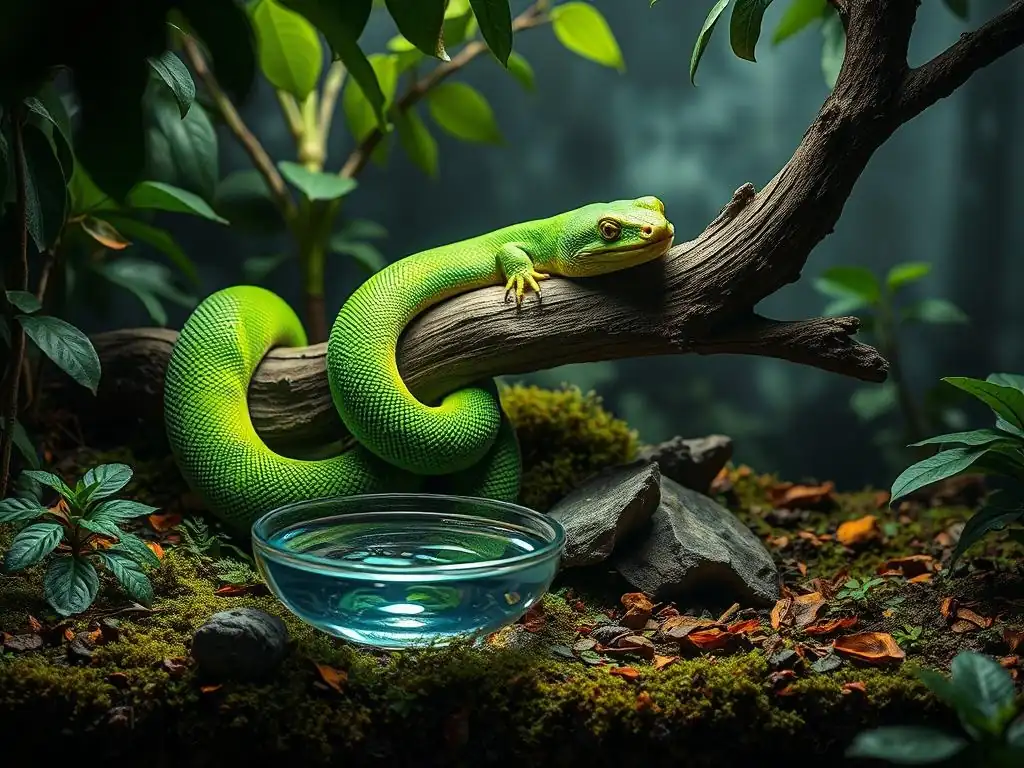
Welcome to PetCareWorld, your ultimate destination for everything pet-related! Are you ready to unlock the secrets to a thriving reptile companion? Dive into our expert guide on Reptile Habitat Enrichment, and discover how thoughtfully designed environments can dramatically improve your reptile's wellbeing and happiness. Learn the techniques and strategies to create a stimulating and enriching habitat that will transform your pet's life. Explore now and embark on a journey to unparalleled pet care!
Understanding Reptile Enrichment: Why it Matters
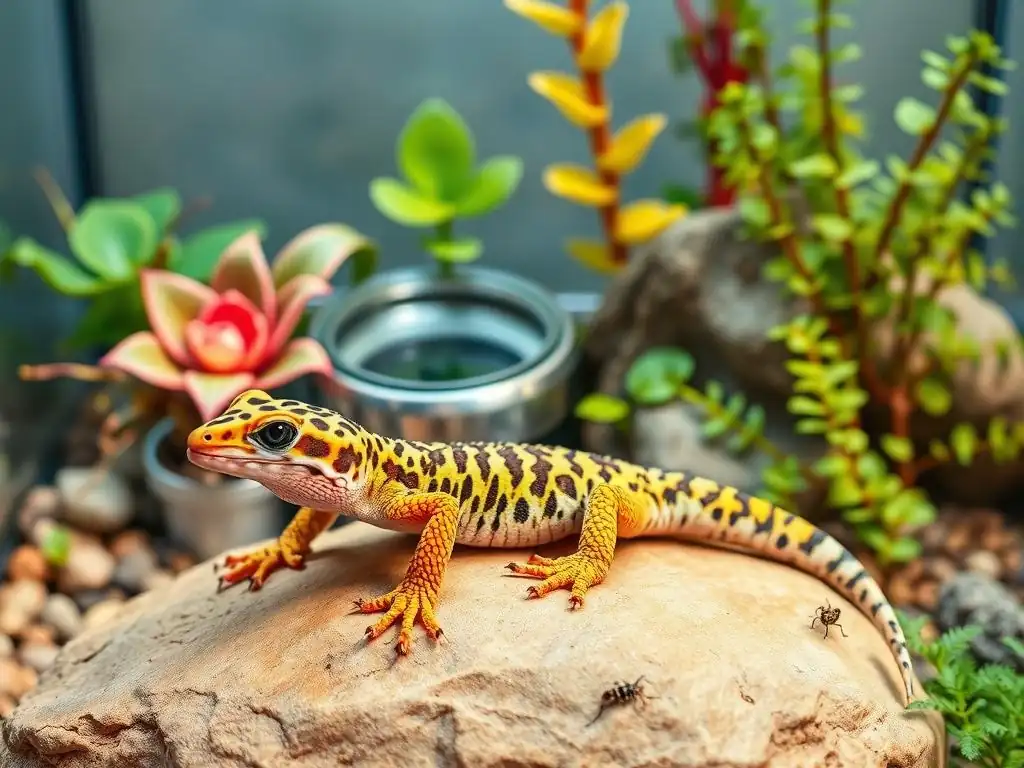
Reptiles, often perceived as low-maintenance pets, actually require significant environmental stimulation to thrive. This isn't just about providing food and water; a truly enriching habitat is crucial for their physical and psychological well-being. Neglecting environmental enrichment can lead to stress, behavioral problems, and even health issues in your reptile companion.
This ultimate guide to reptile habitat enrichment will delve into the importance of stimulating environments, exploring practical design elements to create a thriving habitat for your scaled friend. We'll cover everything from choosing the right substrate and providing appropriate hiding places to incorporating interactive elements that mimic their natural behaviors. By the end, you'll understand how to transform your reptile's enclosure from a basic living space into a stimulating and enriching environment that promotes a long, healthy, and happy life.
This guide focuses on best practices for creating a stimulating environment for your reptile, helping you become a more informed and responsible pet owner. Think of it as your roadmap to a flourishing reptile habitat!
The Importance of Physical Stimulation: Beyond the Basics
Creating a stimulating physical environment for your reptile goes far beyond simply providing a spacious enclosure. It's about mimicking their natural habitat as closely as possible. This involves careful consideration of several key factors:
- Substrate Selection: The type of substrate you choose significantly impacts your reptile's well-being. Sand, bark chips, coconut fiber, and paper towels all offer different levels of digging and burrowing opportunities. The correct substrate choice depends on the specific species of reptile and its natural environment. For example, a desert tortoise will thrive in a sandy substrate, while a humid-loving species might prefer coconut fiber. Incorrect substrate can lead to impaction, skin problems, or difficulty thermoregulating.
- Temperature and Humidity Gradients: Reptiles are ectothermic, meaning they rely on external sources of heat to regulate their body temperature. Providing a thermal gradient within the enclosure – an area with warmer temperatures and an area with cooler temperatures – allows your reptile to thermoregulate effectively. Similarly, maintaining appropriate humidity levels is crucial for many species, preventing dehydration and skin problems. This often requires the use of humid hides, misting, or specialized equipment.
- Climbing Structures and Branches: Many reptiles are arboreal or semi-arboreal, meaning they spend a significant amount of time climbing and exploring branches. Providing ample climbing opportunities, such as branches of varying sizes and textures, allows them to exercise, explore, and engage in natural behaviors. The inclusion of these structures also provides additional basking spots and visual interest.
- Hiding Places: Reptiles instinctively seek out safe, secure spaces to hide and feel protected. Providing multiple hiding places of various sizes and designs – such as caves, hollow logs, or artificial shelters – reduces stress and allows your reptile to feel secure. These hiding places should be strategically placed throughout the enclosure, offering a variety of options for your reptile.
Mental Stimulation: Engaging Your Reptile's Mind
While physical enrichment is essential, mental stimulation is equally important for a reptile's overall well-being. A stimulating mental environment prevents boredom and encourages natural behaviors. Here's how to achieve this:
- Environmental Complexity: A complex environment with varying textures, colors, and levels stimulates exploration and natural foraging behaviors. Avoid a sterile, minimalistic setup; instead, create a visually interesting and stimulating environment. Think about incorporating plants (non-toxic to your reptile! ), rocks, and other natural elements.
- Interactive Toys and Puzzles: While not all reptiles will engage with toys in the same way mammals do, some species may enjoy interactive elements. For example, you can hide food items within the enclosure to encourage foraging behaviors, or provide puzzle feeders that require some effort to access food. The type of toy or puzzle should be carefully selected based on the species and its natural behaviors.
- Rotation of Enrichment Items: To prevent your reptile from becoming habituated to its environment, periodically rotate or change the enrichment items. This helps maintain interest and prevent boredom. This could involve changing the position of branches, adding new plants, or introducing temporary items like smooth stones or interesting driftwood.
- Social Interaction (Species-Specific): For social species, appropriate interaction with conspecifics (members of the same species) can significantly enhance their well-being. However, this must be done carefully to avoid aggression or stress. Research your specific reptile species to determine the appropriate level of social interaction. Improper social interaction can lead to territorial disputes and injuries.
Monitoring Your Reptile's Response: Signs of a Thriving Habitat
Finally, it's crucial to closely monitor your reptile's behavior and response to its environment. Several indicators suggest whether your enrichment efforts are successful:
- Active Exploration: A healthy and stimulated reptile will actively explore its enclosure, climbing, basking, and investigating its surroundings. A lethargic or inactive reptile may be a sign of an inadequate environment.
- Healthy Appetite: A good appetite is a strong indicator of overall well-being. If your reptile is consistently refusing food, it may be a sign of stress or illness.
- Appropriate Waste Elimination: Regular and consistent waste elimination is another crucial sign of a healthy reptile. Changes in bowel movements could indicate underlying health problems or environmental issues.
- Absence of Stress Behaviors: Stress behaviors in reptiles can include excessive hiding, lethargy, changes in appetite, or repetitive movements. Observe your reptile carefully for these signs, as they may indicate the need for environmental adjustments. Early intervention is key to preventing more serious problems.
Remember, creating a truly enriching habitat for your reptile is an ongoing process. Regular observation, adjustments, and research will ensure that you provide your scaled companion with the best possible environment for a long and happy life.
Frequently Asked Questions
What is reptile habitat enrichment?
Reptile habitat enrichment involves creating a stimulating and engaging environment for your reptile, mimicking their natural habitat as closely as possible. This includes providing opportunities for exploration, foraging, and natural behaviors.
Why is habitat enrichment important for my reptile's wellbeing?
A stimulating environment prevents boredom and stress, reducing the risk of health problems and behavioral issues. Enrichment promotes natural behaviors and improves your reptile's overall quality of life.
What are some examples of reptile habitat enrichment?
Consider adding climbing structures, hiding places, thermal gradients, and live or artificial plants. You can also incorporate foraging opportunities by scattering food items throughout the enclosure.
How do I know if my reptile's habitat needs enrichment?
Signs of insufficient enrichment include lethargy, repetitive behaviors, and poor appetite. If your reptile seems bored or stressed, it's time to reassess and enhance their habitat.
Where can I find more information on reptile habitat enrichment?
PetCareWorld offers a comprehensive Reptile Habitat Enrichment Guide with detailed instructions and examples. Explore our website for expert advice and practical solutions to create the perfect environment for your reptile.
Final Reflection: Cultivating Thriving Ecosystems, One Enclosure at a Time
The meticulous design of a reptile's habitat is not merely a matter of aesthetics; it's a fundamental cornerstone of their wellbeing and a direct reflection of our ethical responsibility as keepers. A thoughtfully enriched environment translates directly into a healthier, happier reptile, showcasing the profound impact we can have on these often misunderstood creatures. Ignoring this crucial aspect is not only detrimental to their physical and mental health but also diminishes the enriching experience of reptile ownership.
The journey of understanding reptile enrichment has been a deeply personal one for me, highlighting the interconnectedness between environmental design and animal welfare. It's a continuous learning process, constantly evolving as we gain a deeper understanding of reptile behavior and needs. The greatest discovery of all time is that a person can change his future by merely changing his attitude.
- Oprah Winfrey. This quote resonates deeply because our attitude towards providing enrichment directly shapes the quality of life for our scaly companions. We must constantly strive to improve our understanding and application of these principles.
Now, consider your own reptile's environment. Is it truly stimulating their natural behaviors? Are you providing opportunities for exploration, foraging, and basking that mirror their wild counterparts? Take this opportunity to reassess your approach, to delve deeper into the world of enrichment, and to create a habitat that not only meets but exceeds the needs of your reptile. Embrace the challenge of continuous improvement, and witness the transformative power of a truly enriching environment. The reward – a thriving, vibrant reptile – is immeasurable.
Unleash Your Reptile's Inner Explorer: Design a Thriving Habitat!
Thanks for joining us on this journey into reptile enrichment! You've gained valuable knowledge to create a truly thriving environment for your scaled companion. Ready to put your expertise to the test?
- Prioritize one enrichment feature this week: This could be improving their basking spot, adding a climbing structure, or providing a more stimulating hide. Make a noticeable difference today!
- Share your success: Take a picture of your improved habitat and share it on PetCareWorld's social media—let's inspire other reptile owners!
- Explore our forums for more ideas and connect with fellow reptile enthusiasts! Let's build a supportive community dedicated to creating thriving habitats.
What exciting addition will you make to your reptile's home first, and why?