Understanding Conservation and Exotic Pet Ownership at PetCareWorld
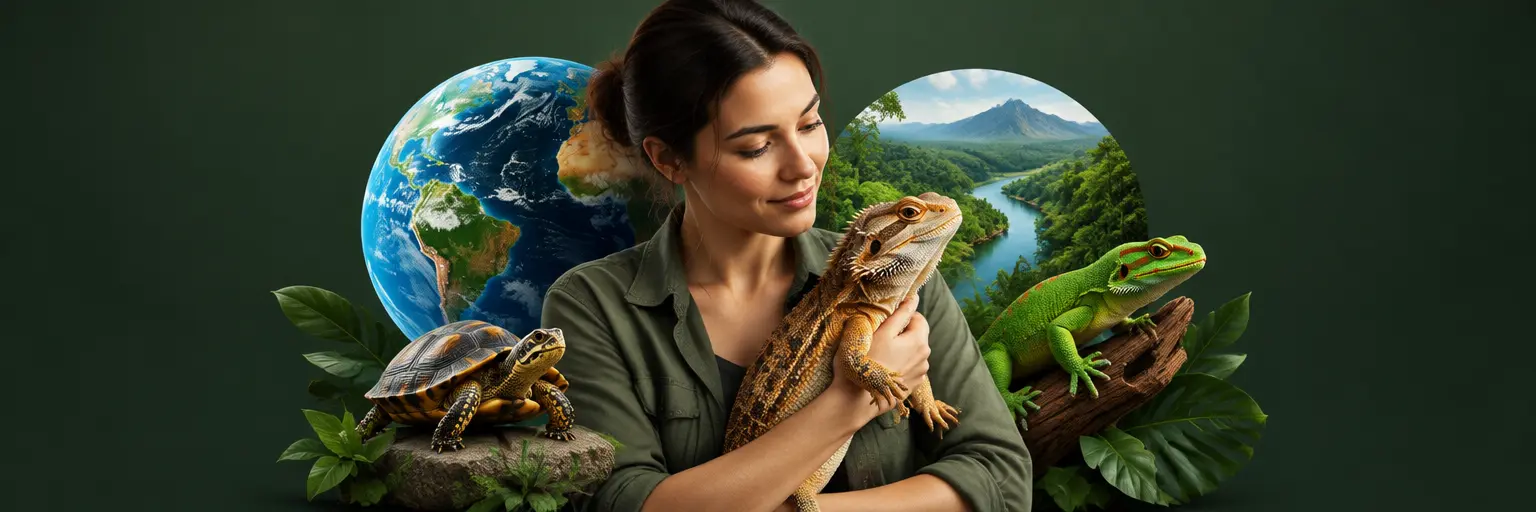
Owning an exotic pet is a significant commitment that goes far beyond providing food and shelter. In our Conservation and Exotic Pet Ownership subcategory, we explore the delicate balance between responsible private care and the broader impact on wild populations. Here, you will discover how ethical sourcing, habitat preservation, and species-specific welfare intersect, ensuring your passion for reptiles and exotic animals contributes positively to global conservation efforts. Our guides are designed to help you make informed, eco-conscious decisions while fostering a thriving home environment for your unique companion.
🦎 Ethical Sourcing and Legal Compliance in Exotic Pet Trade
When considering an exotic pet, understanding the origin of your animal is paramount. We break down the complexities of CITES regulations, captive-bred versus wild-caught specimens, and local licensing requirements. You will learn how to verify that your potential pet comes from a reputable breeder who prioritizes genetics and welfare, not just profit. This section empowers you to avoid contributing to illegal wildlife trafficking while ensuring your ownership journey starts on solid, ethical ground.
Moreover, we highlight the subtle red flags in online and in-person exotic pet sales, helping you spot fraudulent documentation or animals that may have been smuggled. By choosing a legally compliant and ethically sourced pet, you directly support conservation programs that rely on consumer demand for sustainable practices. Our actionable checklists simplify the process, from inspecting health certificates to understanding quarantine protocols, so you can confidently welcome your new family member without unintended ecological harm.
🏞️ The Role of Exotic Pet Owners in Species Preservation
Did you know that responsible exotic pet owners are becoming unexpected allies in conservation? Through participation in species survival plans and captive breeding networks, hobbyists help maintain genetic diversity for endangered reptiles and amphibians. This H3 section explores how your private collection can serve as an insurance population, especially for species facing habitat destruction in the wild. We provide real-world examples of community-led initiatives that have successfully reintroduced captive-bred individuals into protected reserves.
Additionally, we discuss the ethical boundaries of breeding for profit versus conservation, guiding you on how to collaborate with zoological institutions and research universities. By documenting your observations and sharing data on feeding behaviors or reproductive cycles, you contribute to scientific knowledge that informs wild habitat restoration. This collaborative approach transforms your hobby from a personal interest into a meaningful contribution to global biodiversity, creating a legacy that extends far beyond your vivarium’s glass walls.
🌍 Habitat Enrichment and Its Conservation Impact
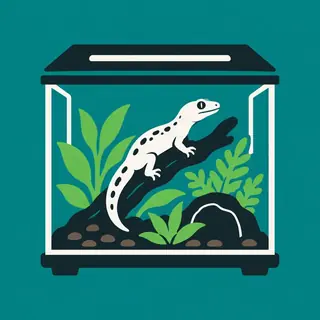
Creating a naturalistic habitat is not just about aesthetics; it is a direct reflection of conservation principles. We delve into how replicating the microclimates, substrates, and plant life of your exotic pet’s native ecosystem reduces stress and promotes natural behaviors like burrowing, climbing, and foraging. This section offers step-by-step guides for building bioactive enclosures that self-sustain, minimizing waste and resource consumption. You will also learn about the environmental footprint of common pet supplies, from plastic hides to imported wood, and how to choose sustainable alternatives.
Our expert advice also covers the importance of temperature gradients, humidity cycling, and seasonal light changes in mimicking wild conditions. Such enrichment not only enhances your pet’s psychological health but also reduces the likelihood of stereotypic behaviors that often lead to abandonment. By investing in high-quality, long-lasting habitat components, you reduce the demand for cheap, disposable products that contribute to deforestation and carbon emissions. This mindful approach aligns your daily care routine with conservation ethics, proving that small changes at home can have a planetary ripple effect.
🛡️ Health Management and Zoonotic Disease Prevention
Caring for an exotic pet involves unique health challenges, especially when it comes to preventing zoonotic diseases that can transfer between animals and humans. Here, we provide comprehensive information on routine veterinary checkups, parasite screenings, and vaccination schedules tailored to species like iguanas, parrots, or hedgehogs. You will discover why quarantine periods for new arrivals are critical, not just for your pet’s safety but also for the protection of your existing collection and local wildlife populations. We emphasize the role of preventative care in reducing the need for antibiotics, which can contribute to antimicrobial resistance in both veterinary and human medicine.
We also address the ethical dilemma of releasing unhealthy or unwanted exotic pets into the wild, a practice that can introduce invasive species and diseases. Instead, we outline rehoming networks and sanctuary partnerships that offer humane alternatives. By understanding and mitigating health risks, you become a steward of public health while ensuring your pet lives a long, comfortable life. Our downloadable health logs and symptom checkers empower you to recognize early signs of distress, facilitating prompt intervention and reducing long-term healthcare costs.
📚 Resources for Continuous Learning and Advocacy
Conservation and exotic pet ownership is an evolving field, and staying informed is key to ethical care. We curate a list of scientific journals, online courses, and conservation organizations that welcome amateur contributions. Whether you are interested in field research volunteer opportunities or virtual citizen science projects, this section connects you to vetted resources that expand your knowledge and network. You will also find book recommendations and documentary lists that offer deeper insights into the complex relationships between humans, exotic pets, and wild ecosystems.
Furthermore, we encourage you to become an advocate within your community by sharing accurate information and debunking myths about exotic pet ownership. Our advocacy toolkit includes printable brochures, social media graphics, and public speaking tips to help you engage with schools, local clubs, and policymakers. By positioning yourself as a responsible owner, you can influence positive legislation that balances animal welfare with conservation goals. This section ensures that your journey continues long after the initial purchase, fostering a lifelong commitment to learning and environmental stewardship.
Frequently Asked Questions
Is it legal to own an exotic pet in my state?
Laws vary widely by country and even by state or province. We recommend checking your local fish and wildlife agency’s website for a list of restricted and permitted species. Some areas require specific licenses, microchipping, or enclosure inspections. Always consult with a local exotic veterinarian who stays updated on regional regulations to avoid legal pitfalls.
How can I verify that my exotic pet was captive-bred?
Reputable breeders will provide a certificate of captive origin, often with a unique identification number. Look for animals that are well-socialized and handled frequently. You can also request photos of the breeding parents and their vivarium setup. Avoid sellers who are vague about an animal’s origin or who offer unusually low prices.
Can exotic pets carry diseases that affect humans?
Yes, reptiles can carry Salmonella, while birds may transmit psittacosis, and hedgehogs can harbor ringworm. Regular veterinary screenings, proper hygiene like handwashing, and avoiding contact with feces are essential. Immunocompromised individuals should consult a doctor before acquiring any exotic pet. Keep enclosures clean and use separate cleaning tools.
What should I do if I can no longer care for my exotic pet?
Never release it into the wild, as this can harm both the animal and local ecosystems. Contact local reptile rescues, exotic pet sanctuaries, or your breeder for rehoming options. Some humane societies have specialized programs for exotics. If you must surrender, do so in person to ensure the animal finds a qualified home.
Does keeping an exotic pet help conservation efforts?
When done responsibly, yes. Breeding programs for endangered species can boost population numbers and fund habitat protection. However, ownership of wild-caught animals harms conservation. Always support captive-bred sources and participate in research or education initiatives. Your ethical choice can definitely contribute to positive environmental outcomes.