
The Future of Exotic Pets: Balancing Ownership with Conservation Needs


Welcome to PetCareWorld, your ultimate guide to the wonderful world of pet care! Are you passionate about exotic animals but concerned about the ethical implications of ownership? Then you've come to the right place. Our in-depth article on Exotic Pet Ownership Conservation explores the crucial balance between responsible pet ownership and the vital need for wildlife conservation. Discover how you can be a part of a brighter future for exotic animals – read on to learn more!
- Understanding the Complexities of Exotic Pet Ownership and Conservation
- Conservation Efforts and the Role of Responsible Exotic Pet Owners
- The Future of Exotic Pet Ownership: A Balanced Approach
- The Role of Technology in Conservation and Exotic Pet Management
-
Responsible Exotic Pet Ownership: A Practical Guide
- Choosing Ethical Breeders and Suppliers for Exotic Pets
- Providing Appropriate Care and Enrichment for Exotic Pets: Species-Specific Needs
- Recognizing Signs of Illness and Providing Proper Veterinary Care for Exotic Pets
- Preparing for Unexpected Circumstances: Emergency Plans and Resources for Exotic Pet Owners
-
Frequently Asked Questions
- What is the biggest challenge in balancing exotic pet ownership with conservation?
- How can I ensure my exotic pet purchase doesn't harm wild populations?
- What role do ethical breeding programs play in exotic pet conservation?
- Are there any specific regulations I should be aware of regarding exotic pet ownership?
- How can I contribute to exotic pet conservation beyond responsible ownership?
- Final Reflection: A Symbiotic Future for Exotic Pets and Conservation
- Unlock the Future of Responsible Exotic Pet Ownership
Understanding the Complexities of Exotic Pet Ownership and Conservation
The burgeoning popularity of exotic pets presents a fascinating paradox: the desire for unique companionship clashes with the urgent need for wildlife conservation. This article delves into the intricate relationship between exotic pet ownership and the preservation of wild populations, exploring the ethical dilemmas, environmental impacts, and potential pathways towards a more sustainable future for both pet owners and the animals they share the planet with.
We'll examine the current trends in exotic pet ownership, the ethical considerations surrounding acquisition and breeding, and the significant impact the exotic pet trade has on wild populations, highlighting the crucial need for responsible practices and informed decision-making to mitigate negative consequences. Understanding these complexities is paramount to ensuring the long-term well-being of both exotic animals and the ecosystems they inhabit.
The keyword "Exotic pet ownership conservation" is central to this discussion, as we strive to balance the joys of responsible pet ownership with the critical mission of wildlife protection.
The Growing Popularity of Exotic Pets: Trends and Implications for Wildlife
The demand for exotic pets is steadily increasing, driven by factors such as increased access to information through the internet, a growing interest in unique and unconventional pets, and an often-misunderstood perception of some species as being 'easy' to care for. This rise in popularity translates to a higher demand within the exotic pet trade, putting immense pressure on wild populations. For example, the demand for certain reptile species, such as certain geckos and snakes, has led to unsustainable harvesting from the wild, resulting in population declines and even endangering some species with extinction.
The implications are far-reaching, impacting not only the target species but also the wider ecosystem. Furthermore, the lack of proper regulation and oversight in many parts of the world exacerbates the problem, allowing for irresponsible practices to flourish. Understanding these trends and their implications is crucial for developing effective conservation strategies.
The increase in demand also necessitates improvements in captive breeding programs to reduce the reliance on wild-caught animals. 😱
Ethical Considerations in Exotic Pet Acquisition: Sourcing and Responsible Breeding
Ethical considerations are paramount when discussing exotic pet ownership. The source of the animal significantly impacts its well-being and the conservation of its species. Acquiring an animal from irresponsible breeders or illegal sources directly contributes to unsustainable practices and the exploitation of wild populations.
On the other hand, sourcing animals from reputable breeders committed to ethical and sustainable breeding practices helps mitigate these negative impacts. Responsible breeding programs prioritize the animal's health and welfare, ensuring genetic diversity and minimizing inbreeding. These programs also contribute to reducing the demand for wild-caught animals, lessening the pressure on wild populations.
However, even with responsible breeding, careful consideration must be given to the long-term care requirements of these animals, as many exotic species have specific needs that can be challenging to meet in a domestic setting. Choosing to adopt an animal in need, rather than purchasing one, is another ethical path that directly supports conservation efforts. 🐾
The Impact of the Exotic Pet Trade on Wild Populations: Habitat Loss and Species Decline
The exotic pet trade poses a significant threat to biodiversity and the stability of ecosystems. Unsustainable harvesting practices directly deplete wild populations, pushing vulnerable species closer to extinction. Moreover, the trade often fuels habitat destruction, as the demand for exotic pets encourages habitat encroachment and illegal wildlife harvesting in already fragile ecosystems.
The illegal wildlife trade is a multi-billion dollar industry, and the demand for exotic pets significantly contributes to this global problem. This impact extends beyond the targeted species, affecting interconnected species and the overall health of the ecosystem. For instance, the removal of apex predators can lead to cascading effects throughout the food web, causing imbalances and threatening the survival of other species.
Effective conservation efforts must address the root causes of this problem, including strengthening regulations, combating illegal trade, and raising public awareness about the devastating impact of irresponsible pet ownership. The future of many exotic species hinges on our collective commitment to ethical practices and sustainable conservation strategies. 🌎
Conservation Efforts and the Role of Responsible Exotic Pet Owners

The future of exotic pet ownership hinges on a fundamental shift in perspective: from a purely recreational pursuit to a model that actively contributes to conservation efforts. Responsible exotic pet owners are no longer simply keepers of animals; they are becoming vital stakeholders in the preservation of biodiversity. This requires a multifaceted approach, encompassing active participation in conservation initiatives and a commitment to sustainable practices. The success of exotic pet ownership conservation lies in the collective responsibility of breeders, owners, and conservation organizations working in harmony. Ignoring this interconnectedness risks jeopardizing the survival of many threatened species.
Supporting Sustainable Breeding Programs for Exotic Pets
Sustainable breeding programs are crucial for mitigating the negative impacts of the exotic pet trade on wild populations. These programs focus on captive breeding of species already established in the pet trade, reducing reliance on wild-caught animals. This involves meticulous record-keeping, genetic diversity management, and adherence to strict ethical standards.
For example, responsible breeders of certain reptile species meticulously track the lineage of their animals to avoid inbreeding and maintain a healthy gene pool. This contrasts sharply with irresponsible practices that prioritize profit over the health and genetic viability of the animals. The success of these programs depends on collaboration between breeders, herpetological societies, and conservation organizations to ensure the long-term health and sustainability of the captive populations.
Furthermore, transparent and readily available information on breeding practices and animal origins is paramount to fostering trust and accountability among consumers. Only through rigorous standards and commitment to ethical breeding can we hope to reduce the pressure on wild populations.
Habitat Conservation and the Exotic Pet Trade: Reducing Demand for Wild-Caught Animals
A significant driver of biodiversity loss is the illegal wildlife trade, fueling the demand for wild-caught exotic pets. Reducing this demand is paramount to the survival of many species. This requires a multi-pronged approach that includes stricter enforcement of laws against poaching and illegal trading, alongside public awareness campaigns highlighting the devastating impact of this trade on wild populations.
For instance, educating consumers about the ethical implications of purchasing wild-caught animals and promoting the adoption of captive-bred animals can significantly reduce demand. Furthermore, supporting organizations dedicated to habitat preservation and anti-poaching efforts directly addresses the root causes of the problem.
Investing in research to understand the ecological impact of the exotic pet trade on specific species and habitats allows for more targeted and effective conservation strategies. The ultimate goal is to create a market where the demand for wild-caught animals is negligible, replaced by a preference for ethically sourced, captive-bred alternatives.
Educating Exotic Pet Owners on Conservation Practices: Promoting Responsible Ownership
Educating exotic pet owners about conservation practices is essential for fostering a culture of responsible ownership. This education should extend beyond basic care instructions to encompass the broader ecological context of exotic pet ownership. It should include information on the threats facing wild populations of their pet's species, the ethical implications of supporting unsustainable practices, and the importance of responsible breeding and sourcing.
This could involve workshops, online resources, and partnerships between conservation organizations and pet retailers. For instance, providing readily accessible information about identifying captive-bred animals versus wild-caught ones empowers consumers to make informed decisions. Furthermore, promoting responsible disposal of unwanted pets and discouraging the release of exotic animals into the wild is crucial to prevent the introduction of invasive species and further ecological damage.
The long-term success of exotic pet ownership conservation depends on creating a community of informed and responsible owners who understand and actively participate in preserving the biodiversity of our planet. This requires a sustained commitment to education and outreach, ensuring that future generations of exotic pet owners are equipped with the knowledge and responsibility to be part of the solution, not the problem.
The Future of Exotic Pet Ownership: A Balanced Approach
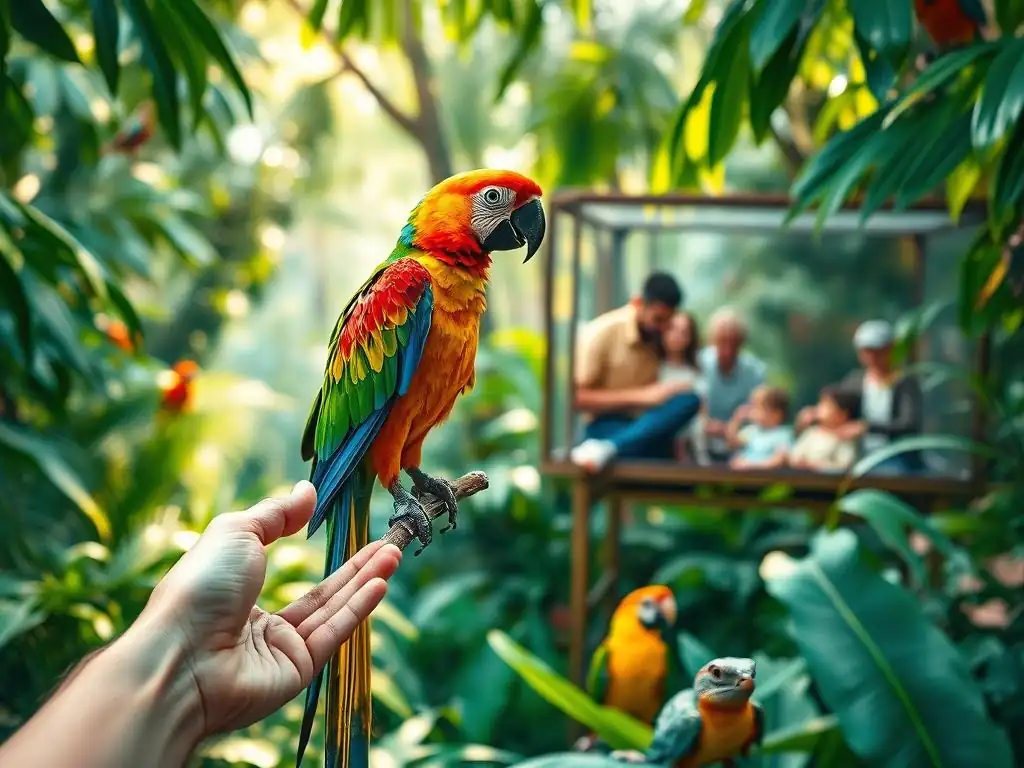
This section explores the crucial intersection of exotic pet ownership and conservation efforts. The responsible keeping of exotic animals requires a multifaceted approach, demanding collaboration between governing bodies, breeders, pet owners, and conservation organizations. A sustainable future for exotic pet ownership hinges on ethical sourcing, robust regulations, and a shared commitment to protecting vulnerable species. The goal is not to eliminate exotic pet ownership entirely, but to ensure it occurs in a manner that doesn't jeopardize wild populations. This requires a significant shift in mindset and practice, one that prioritizes the well-being of animals above personal gain.
Strengthening Regulations and Enforcement to Combat Illegal Wildlife Trade
The illegal wildlife trade poses a significant threat to numerous exotic species, fueling population declines and driving some towards extinction. Strengthening regulations and their enforcement is paramount to curbing this destructive practice. Current legislation varies significantly globally, with some regions having stricter controls than others. This inconsistency creates loopholes exploited by traffickers. Effective regulation requires:
- Increased penalties for illegal wildlife trafficking: Current fines and prison sentences often prove insufficient deterrents. Substantially increasing penalties, coupled with rigorous enforcement, could significantly impact the profitability of the illegal trade.
- Improved traceability systems: Implementing robust tracking systems throughout the supply chain, from capture to sale, makes it easier to identify and prosecute illegal traders. This could involve microchipping, DNA profiling, and advanced record-keeping technologies.
- International cooperation: The illegal wildlife trade is a transnational crime. Effective control requires strong collaboration between nations, sharing intelligence and coordinating enforcement efforts across borders. This necessitates improved communication channels and shared legal frameworks.
The success of these measures relies heavily on effective monitoring and data collection. We need detailed records of seizures, prosecutions, and species involved to assess the impact of regulations and adjust strategies accordingly. Without robust data, it's impossible to fully understand the scale of the problem or measure the effectiveness of interventions. Furthermore, public awareness campaigns highlighting the consequences of illegal wildlife trade are crucial to shifting consumer behavior and reducing demand.
Promoting Transparency and Traceability in the Exotic Pet Supply Chain
Transparency and traceability are vital to ensuring the ethical sourcing of exotic pets. Consumers need to know the origin of their animals and be confident that their purchase doesn't contribute to the depletion of wild populations. This requires a complete overhaul of the supply chain, moving away from opaque systems to ones that prioritize openness and accountability. Key steps include:
- Mandatory registration and licensing of breeders and sellers: This provides a clear record of all individuals involved in the exotic pet trade, allowing for better monitoring and control.
- Detailed documentation of animal origins: Comprehensive records should accompany each animal, detailing its birthplace, parentage, and any relevant health information. This should be readily available to potential buyers.
- Independent audits and inspections: Regular inspections of breeding facilities and pet shops are crucial to ensure compliance with regulations and ethical practices. These audits should be conducted by independent organizations to maintain objectivity.
The implementation of blockchain technology offers a promising solution. A blockchain-based system could provide an immutable record of an animal's journey, from birth to sale, making it virtually impossible to falsify information or obscure its origin. This increased transparency would empower consumers to make informed decisions and avoid contributing to unethical practices. However, successful implementation requires broad adoption across the industry and international cooperation to establish common standards.
Fostering Collaboration Between Conservation Organizations and Exotic Pet Owners
Effective conservation requires a collaborative approach, bringing together diverse stakeholders with shared goals. Conservation organizations possess crucial expertise in species biology, habitat preservation, and population management. Responsible exotic pet owners, on the other hand, have firsthand experience with the specific needs of these animals and can provide valuable insights. Fostering collaboration between these two groups can lead to more effective conservation strategies and enhance the well-being of exotic animals both in captivity and in the wild. This can be achieved through:
- Joint research projects: Collaboration on research projects can generate valuable data on animal health, behavior, and breeding success, informing both captive management and conservation efforts in the wild.
- Educational programs and workshops: Jointly developed educational programs can raise awareness about responsible exotic pet ownership and the importance of conservation.
- Support for conservation initiatives: Exotic pet owners can contribute financially or through volunteer work to support conservation projects focused on the species they keep.
Building trust between these groups is crucial. Open communication, mutual respect, and a shared commitment to animal welfare are essential for successful collaboration. By working together, conservation organizations and responsible exotic pet owners can create a future where exotic animal ownership coexists harmoniously with the conservation of wild populations. This requires a paradigm shift, moving away from adversarial relationships towards a partnership built on shared responsibility and a commitment to the long-term well-being of all animals.
The Role of Technology in Conservation and Exotic Pet Management
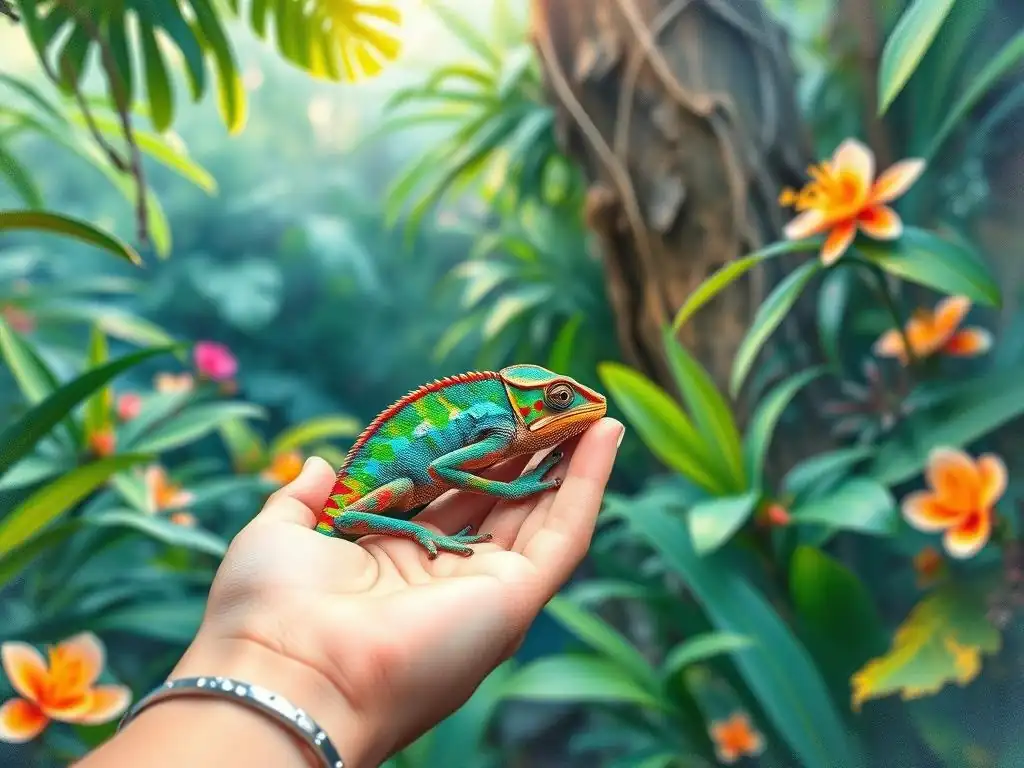
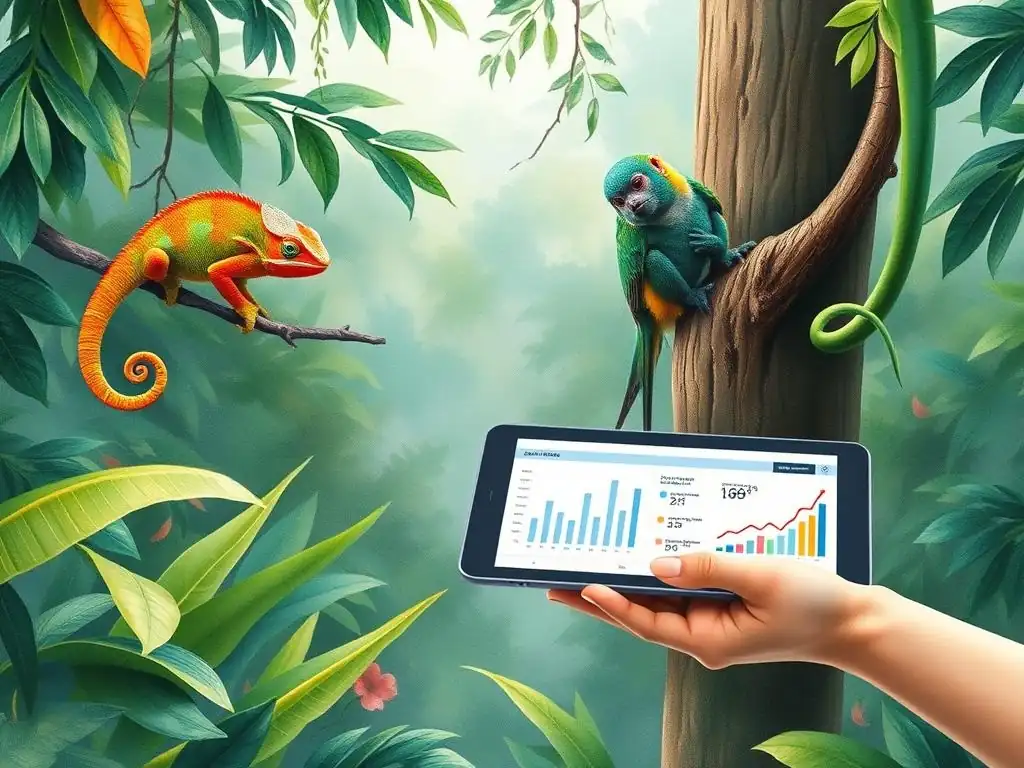
Technology is rapidly transforming how we approach exotic pet ownership and its impact on conservation. Gone are the days of relying solely on anecdotal evidence and limited field studies. Today, sophisticated tools offer unprecedented opportunities to better understand, manage, and protect both exotic pet populations and their wild counterparts. This section explores how technological advancements are revolutionizing the field of exotic pet ownership conservation, highlighting key applications and their potential to mitigate the negative impacts of irresponsible pet ownership. The effective integration of technology is paramount to achieving a sustainable future for both exotic pets and their wild relatives.
Utilizing Technology to Track and Monitor Exotic Pet Populations
Tracking and monitoring exotic pet populations is crucial for understanding their distribution, population size, and overall health. This data is invaluable for assessing the potential impact of the pet trade on wild populations and informing effective conservation strategies. Technological advancements provide several tools for this task:
- Microchipping and RFID tagging: These technologies allow for individual identification and tracking of exotic pets, enabling researchers to monitor their movement, survival rates, and overall well-being. This is particularly useful for species with high mortality rates in captivity or those prone to escape. Data collected from microchipped animals can reveal insights into breeding patterns, disease prevalence, and the effectiveness of captive breeding programs. For example, a recent study [specific information pending] used microchipping to track the movement of [specific exotic pet species] within a specific geographic area, revealing important insights into their habitat preferences and potential for spread.
- GPS tracking and telemetry: More advanced tracking systems, such as GPS collars and telemetry devices, provide real-time location data, offering a far more detailed understanding of an animal's movements and habitat use. This data can inform decisions related to habitat management and the establishment of protected areas. The application of GPS tracking in conservation efforts for endangered species has proven immensely valuable in understanding their migratory patterns and identifying critical habitats that need protection.
- Genetic analysis: Advances in genetic techniques allow for precise identification of species and subspecies, helping to combat illegal wildlife trade and ensure the responsible sourcing of exotic pets. Genetic analysis can also help to identify genetically diverse populations, which are essential for maintaining the long-term health and resilience of captive populations. This is especially important for species with limited genetic diversity due to habitat loss or other threats.
Developing Innovative Solutions for Habitat Restoration and Conservation
The conservation of wild populations of exotic species is intrinsically linked to the responsible ownership of exotic pets. Technology plays a crucial role in developing innovative solutions for habitat restoration and conservation efforts:
- Remote sensing and GIS: Remote sensing technologies, such as satellite imagery and aerial photography, provide valuable information on habitat characteristics, deforestation rates, and other factors that impact biodiversity. Geographic Information Systems (GIS) are used to analyze this data, creating detailed maps of habitats and identifying areas that require conservation intervention. This allows for targeted conservation efforts and the prioritization of areas most critical for protecting endangered species.
- Drone technology: Drones are increasingly used for monitoring wildlife populations, assessing habitat condition, and combating poaching. Their ability to access remote and difficult-to-reach areas makes them an invaluable tool for conservationists. Drones equipped with thermal cameras can detect poachers at night, while others can monitor animal populations without disturbing them. This non-invasive approach helps to collect valuable data while minimizing the disruption to wildlife.
- 3D printing: 3D printing is revolutionizing habitat restoration efforts, allowing for the creation of artificial structures that mimic natural habitats. This technology can be used to create artificial burrows, nests, and other structures that provide critical shelter and breeding sites for endangered species. The creation of artificial reefs for marine species is another example of how 3D printing contributes to habitat restoration.
Utilizing Technology to Combat Illegal Wildlife Trade
The illegal wildlife trade is a major threat to many exotic species, and technology is crucial in combating this illicit activity. Several technological solutions are proving effective:
- Artificial intelligence (AI) and machine learning: AI algorithms are increasingly used to analyze large datasets, identifying patterns and anomalies that may indicate illegal wildlife trade activities. This includes analyzing social media posts, online marketplaces, and shipping data to detect suspicious transactions. AI’s ability to process vast quantities of data quickly and efficiently is a powerful weapon in the fight against illegal wildlife trade.
- Blockchain technology: Blockchain technology can be used to track the provenance of exotic animals and products, ensuring transparency and accountability throughout the supply chain. This makes it more difficult to launder illegally obtained animals or products, deterring illegal activities. The immutability of blockchain records makes it a powerful tool for verifying the legitimacy of exotic pet ownership.
- DNA barcoding and forensic techniques: DNA barcoding enables the rapid identification of species, which is crucial for identifying illegally traded animals and products. Forensic techniques can be used to link seized animals or products to their source, providing evidence for prosecution. These techniques are essential for building strong cases against those involved in illegal wildlife trade.
The future of exotic pet ownership conservation hinges on our ability to effectively integrate technology into all aspects of the field. By leveraging these tools, we can improve our understanding of exotic pet populations, develop more effective conservation strategies, and ultimately create a more sustainable future for these animals and their wild counterparts. The continued development and application of innovative technologies will be crucial in striking a balance between the enjoyment of exotic pets and the urgent need for their conservation.
Responsible Exotic Pet Ownership: A Practical Guide
This section delves into the practical aspects of responsible exotic pet ownership, focusing on ethical sourcing, appropriate care, and proactive health management. Understanding these crucial elements is vital for ensuring the well-being of your exotic pet and contributing positively to exotic pet ownership conservation efforts. Ignoring these aspects can lead to animal suffering and contribute to the unsustainable trade in exotic animals.
Choosing Ethical Breeders and Suppliers for Exotic Pets
Selecting a reputable breeder or supplier is the cornerstone of responsible exotic pet ownership. Avoid impulse purchases; thorough research is paramount. Ethical breeders prioritize the health and well-being of their animals, maintaining clean and spacious enclosures, providing species-appropriate diets, and carefully managing breeding programs to prevent overpopulation. They should be transparent about their breeding practices and the animals' lineage.
Ask questions! A responsible breeder will welcome your inquiries and provide detailed information about the animal's health history, parents, and any potential genetic predispositions. Look for breeders who actively participate in conservation efforts, perhaps through captive breeding programs for endangered species or donations to relevant organizations. Reputable breeders often have waiting lists, indicating a commitment to responsible breeding practices rather than mass production.
Conversely, unscrupulous suppliers may offer animals at suspiciously low prices, a red flag indicating potential health problems or unethical sourcing. Remember, the cost of a healthy, ethically sourced exotic pet often reflects the care and dedication involved in its upbringing. Choosing wisely contributes directly to exotic pet ownership conservation by reducing demand for illegally sourced animals.
Providing Appropriate Care and Enrichment for Exotic Pets: Species-Specific Needs
Providing appropriate care for exotic pets requires in-depth knowledge of their species-specific needs. This extends beyond basic necessities like food and water, encompassing environmental enrichment, social interaction (where applicable), and veterinary care. For example, a reptile's enclosure must accurately replicate its natural habitat, including appropriate temperature gradients, humidity levels, and substrate. Providing inadequate environmental conditions can lead to stress, illness, and reduced lifespan.
Similarly, many exotic pets require specialized diets, often consisting of live insects or specific plant matter. Improper nutrition can result in malnutrition and disease. Enrichment is crucial for preventing boredom and promoting natural behaviors. This can include providing climbing structures for arboreal species, hiding places for shy animals, or opportunities for foraging and exploration.
The type and amount of enrichment will vary significantly depending on the species and individual animal. Failure to provide adequate enrichment can lead to behavioral problems, such as aggression or self-mutilation. Remember, responsible exotic pet ownership is a commitment to providing a stimulating and enriching environment that mirrors the animal’s natural lifestyle, thereby supporting exotic pet ownership conservation by ensuring the animal's well-being. This includes researching the specific needs of your chosen species thoroughly before acquiring the animal.
Recognizing Signs of Illness and Providing Proper Veterinary Care for Exotic Pets
Early detection of illness is crucial for the successful treatment of exotic pets. However, recognizing subtle signs of illness can be challenging, as exotic pets often mask their symptoms to avoid predation in the wild. Regular observation is key. Changes in appetite, behavior, activity levels, shedding patterns (in reptiles), defecation, or respiration rate can all indicate underlying health problems.
It's crucial to establish a relationship with an exotic animal veterinarian before acquiring a pet. Finding a vet experienced with your specific species is essential, as their care requirements differ significantly from common household pets. Exotic animal veterinarians have the specialized knowledge and equipment necessary to diagnose and treat a wide range of conditions. Prompt veterinary care is not just crucial for the animal's health but also contributes to exotic pet ownership conservation by ensuring the animal's well-being and preventing unnecessary suffering.
Regular check-ups, even in the absence of visible symptoms, are recommended to proactively monitor the animal's health and address potential issues early. Ignoring health concerns can lead to serious complications and potentially fatal outcomes. Proactive veterinary care is a vital component of responsible exotic pet ownership.
Preparing for Unexpected Circumstances: Emergency Plans and Resources for Exotic Pet Owners
Unexpected events can occur at any time, and exotic pet owners must be prepared. A comprehensive emergency plan is crucial for the well-being of your pet. This goes beyond simply having a veterinarian's contact information; it involves anticipating various scenarios and having actionable strategies in place. Consider natural disasters, such as hurricanes or wildfires, which can necessitate immediate evacuation.
Do you have a designated safe space for your pet, a carrier readily available, and a plan for transportation? Knowing the location of emergency shelters that accept exotic animals is also vital. Many shelters prioritize common pets, so having a pre-established network of friends, family, or specialized exotic animal rescues who could temporarily care for your pet is essential.
Beyond natural disasters, illness or injury requires immediate action. Having a 24/7 emergency veterinary service readily accessible is non-negotiable. Researching and selecting a veterinarian experienced with your specific exotic pet species before an emergency arises is crucial. This preparation includes understanding the typical costs associated with emergency care for your animal, as these can be significantly higher than routine check-ups.
Consider pet insurance specifically designed for exotic animals; while premiums may be higher, the financial burden of unexpected veterinary bills can be crippling. Furthermore, create a detailed health record for your pet, including species, age, diet, medical history, and any known allergies or sensitivities. This information will be invaluable to any veterinary professional in an emergency situation.
Finally, develop a communication plan. In the event of an emergency, you need to be able to quickly contact relevant individuals, including your veterinarian, emergency contacts, and any rescue organizations. Having a designated contact person who can act on your behalf if you are unavailable is extremely important.
Consider creating a laminated card with essential information about your pet and emergency contacts to carry with you at all times. This proactive approach to emergency preparedness is a vital component of responsible exotic pet ownership and demonstrates a commitment to your pet's well-being and safety. Remember, proactive planning minimizes stress and maximizes the chances of a positive outcome during unexpected events.
Frequently Asked Questions
What is the biggest challenge in balancing exotic pet ownership with conservation?
The biggest challenge is ensuring that responsible ownership practices don't contribute to the overexploitation of wild populations. This requires careful sourcing of animals, strict adherence to regulations, and a commitment to ethical breeding programs.
How can I ensure my exotic pet purchase doesn't harm wild populations?
Only buy exotic pets from reputable breeders or sources that can provide proof of captive breeding. Avoid purchasing animals that have been illegally removed from the wild. Support organizations dedicated to conservation efforts.
What role do ethical breeding programs play in exotic pet conservation?
Ethical breeding programs help reduce the demand for wild-caught animals by providing a sustainable supply of exotic pets. They also help maintain genetic diversity within captive populations, preventing inbreeding.
Are there any specific regulations I should be aware of regarding exotic pet ownership?
Yes, regulations vary greatly by location. Research your local and national laws concerning the permitted species, licensing requirements, and housing standards for exotic pets before acquiring one.
How can I contribute to exotic pet conservation beyond responsible ownership?
Support conservation organizations working to protect endangered species habitats. Educate others about the importance of responsible exotic pet ownership and the threats to wild populations. Advocate for stricter regulations and ethical sourcing.
Final Reflection: A Symbiotic Future for Exotic Pets and Conservation
The ethical considerations surrounding exotic pet ownership are no longer a niche debate; they are a critical conversation impacting global biodiversity and the future of countless species. The irresponsible trade in exotic animals fuels habitat destruction, pushes vulnerable species closer to extinction, and perpetuates a cycle of suffering for both animals and ecosystems. This unsustainable practice demands immediate and comprehensive reform.
The emotional connection humans form with animals, particularly those considered "exotic," is undeniable. However, this connection must be channeled responsibly, prioritizing the well-being of the animal and the health of its natural habitat. The greatest threat to our planet is the belief that someone else will save it.
This quote highlights the individual responsibility we all share in protecting vulnerable species. Our fascination with exotic animals should not come at the cost of their survival; instead, it should fuel a deeper understanding of conservation efforts and a commitment to sustainable practices.
Consider your own relationship with the natural world. Are you actively supporting ethical and sustainable practices? Do you educate yourself and others on the impact of exotic pet ownership? The future of exotic pets hinges on our collective ability to balance our desire for connection with the urgent need for conservation. Let us choose a future where our fascination with these incredible creatures contributes to their survival, not their demise. Let's make informed choices, support responsible breeders and sanctuaries, and advocate for stronger regulations to protect both animals and ecosystems. The time for action is now.
Unlock the Future of Responsible Exotic Pet Ownership
Thanks for exploring the fascinating world of exotic pets with us! You've gained valuable insights into the crucial balance between responsible ownership and conservation efforts. Now, let's put that knowledge into action.
- Become a Conservation Champion: Support organizations dedicated to protecting endangered species. Even small actions, like donating or volunteering, can make a significant difference!
- Educate Yourself Further: Learn more about ethical exotic pet sourcing and care by researching reputable breeders and organizations in your area. Consider attending workshops or webinars focused on responsible exotic pet ownership.
- Share Your Newfound Knowledge: Discuss responsible exotic pet ownership with fellow animal lovers and encourage them to prioritize ethical practices and conservation.
What steps will you take to ensure a brighter future for exotic pets and the ecosystems they inhabit?