
Exotic Pet Trade: A Complex Web of Conservation Challenges

Welcome to PetCareWorld, your ultimate guide to a happier, healthier life for your beloved companion! Are you passionate about exotic pets but concerned about the ethical implications? Then delve into our in-depth exploration of the Exotic pet trade conservation challenges, a critical issue demanding our attention. Discover the complexities and potential solutions within this fascinating and often controversial world. Uncover the surprising truths and learn how you can make a difference. Let's embark on this journey together!
- Understanding the Scope of the Exotic Pet Trade and its Impact on Wildlife
- Conservation Challenges Posed by the Exotic Pet Trade
- The Role of Sustainable Practices in Mitigating the Negative Impacts
- The Future of Exotic Pet Ownership: Balancing Passion with Preservation
-
Frequently Asked Questions
- What are the biggest conservation challenges related to the exotic pet trade?
- How does the exotic pet trade impact endangered species?
- What role does consumer demand play in the exotic pet trade's conservation problems?
- Are there any ethical considerations surrounding the exotic pet trade?
- What can I do to help address the conservation challenges of the exotic pet trade?
- Final Reflection: Untangling the Threads of the Exotic Pet Trade
- Unlock the Secrets to Responsible Exotic Pet Ownership
Understanding the Scope of the Exotic Pet Trade and its Impact on Wildlife
The exotic pet trade, a multi-billion dollar industry, presents a complex and multifaceted challenge to global wildlife conservation. This intricate network, encompassing the capture, transportation, and sale of non-domesticated animals, significantly impacts biodiversity and threatens numerous species with extinction.
This article delves into the key aspects of this trade, exploring its global scale, the factors driving demand, and the pervasive issue of illegal wildlife trafficking, ultimately highlighting the urgent need for comprehensive conservation strategies to mitigate its devastating effects. Understanding the complexities of this trade is crucial for pet owners, conservationists, and policymakers alike to effectively address the conservation challenges it poses.
The ethical implications of exotic pet ownership are interwoven with the broader ecological consequences, demanding a nuanced and informed approach to responsible pet keeping and wildlife protection. We will examine the specific conservation challenges posed by this trade, focusing on the impact on vulnerable species and the interconnectedness of this issue with wider environmental concerns.
The Global Scale of the Exotic Pet Trade: Numbers and Species Involved
The sheer scale of the exotic pet trade is staggering, involving millions of animals annually across numerous species. Precise figures are difficult to obtain due to the largely unregulated nature of much of the trade, but estimates suggest that billions of dollars are generated globally each year. This trade encompasses a wide range of animals, from relatively common species like certain types of snakes and lizards to highly endangered birds, amphibians, and mammals.
The trade fuels the demand for specific species, often driven by trends and fashion, leading to unsustainable harvesting from the wild. Many of these species are already vulnerable due to habitat loss and other environmental pressures; the added pressure of the pet trade pushes them closer to the brink of extinction. The volume of animals traded varies greatly depending on the species and geographic location, with some areas experiencing significantly higher levels of exploitation than others.
Accurate data collection and monitoring are essential for developing effective conservation strategies. For example, [specific information pending] on the number of reptiles traded internationally annually. The lack of comprehensive data highlights the urgent need for improved tracking and reporting mechanisms.
Demand Drivers: Trends and Factors Fueling the Exotic Pet Trade
Several intertwined factors fuel the persistent demand for exotic pets. These include aesthetic appeal, the perceived novelty of owning a unique animal, and the social status associated with possessing rare or unusual species. Online platforms and social media play a significant role in increasing awareness and driving demand, often showcasing exotic animals in an idealized and romanticized manner.
Furthermore, the lack of stringent regulations and enforcement in some regions contributes to the ease with which these animals can be acquired, further fueling the trade. Misinformation and a lack of understanding regarding the complex needs and potential dangers associated with keeping exotic animals also play a crucial role. Many potential owners are unaware of the significant commitment required to provide proper care, leading to neglect and even death of the animals.
The perceived "coolness" factor, often amplified by social media trends, overrides responsible considerations for the welfare of the animals. Understanding these psychological and sociocultural drivers is essential for developing targeted public awareness campaigns that promote responsible pet ownership and discourage the demand for exotic animals.
Illegal Wildlife Trade: The Dark Side of Exotic Pet Ownership
A significant portion of the exotic pet trade operates illegally, often involving the poaching of animals from the wild, smuggling across borders, and the use of unethical and inhumane practices during capture and transportation. This illegal trade poses a severe threat to biodiversity, contributing to population declines and extinctions. The lack of regulation and the difficulty in monitoring and enforcing existing laws make it challenging to combat this illegal activity effectively.
Animals are often subjected to cruel and stressful conditions during transport, resulting in high mortality rates. The illegal trade also facilitates the spread of diseases, impacting both captive and wild populations. Combating this illegal activity requires a multi-pronged approach, including strengthening law enforcement, improving international cooperation, and raising public awareness about the consequences of purchasing illegally sourced animals.
The involvement of organized crime further complicates the issue, highlighting the need for coordinated efforts across various sectors to effectively tackle this complex problem. The devastating consequences of this illegal trade are far-reaching, impacting not only individual animal welfare but also the delicate balance of ecosystems globally. 😡
Conservation Challenges Posed by the Exotic Pet Trade
The exotic pet trade presents a multifaceted threat to global biodiversity and conservation efforts. Driven by consumer demand for unique and visually appealing animals, the trade fuels unsustainable harvesting practices, often targeting vulnerable species already facing habitat loss and other pressures. Understanding the complexities of these challenges is crucial to developing effective conservation strategies.
This section will explore key areas where the exotic pet trade significantly impacts conservation. The scale of the problem necessitates a multi-pronged approach involving stricter regulations, increased public awareness, and sustainable alternatives to the current trade practices. The long-term survival of numerous species depends on addressing these issues effectively.
Habitat Destruction and Loss of Biodiversity due to Exotic Pet Trade
The harvesting of animals for the exotic pet trade often leads to direct habitat destruction. For instance, the collection of certain reptile species, like certain geckos and snakes, involves extensive searching and habitat disturbance. This can disrupt delicate ecosystems, impacting not only the target species but also the wider array of flora and fauna within the habitat. Furthermore, the trade often contributes indirectly to habitat loss through deforestation and other land-use changes driven by the increasing demand for these animals.
The impact is particularly severe in regions with high levels of biodiversity, where the removal of even a single species can have cascading effects on the entire ecosystem. Quantifying this precise impact is challenging, requiring extensive field research and ecological modeling; however, it's clear that the destruction is significant and often irreversible. Studies on [specific region and species pending] could provide valuable data in this area.
The loss of biodiversity extends beyond the direct impact on target species. The removal of key organisms from food webs can disrupt ecological balance, leading to population declines of other species and ultimately reducing the overall resilience of the ecosystem. This loss of biodiversity has far-reaching consequences, including reduced ecosystem services, increased vulnerability to environmental changes, and decreased potential for future discoveries of new medicines and technologies derived from natural resources.
Impact on Endangered Species: Specific Examples and Case Studies
The exotic pet trade poses a significant threat to numerous endangered species. The demand for rare and unusual animals drives unsustainable harvesting practices, pushing already vulnerable populations closer to extinction. For example, the trade in certain parrot species has led to drastic population declines in the wild, with some species now critically endangered. Similarly, the demand for certain reptile and amphibian species has severely depleted wild populations, driving some species towards extinction.
Case Study: The Javan Hawk-owl
The Javan Hawk-owl ( *Ninox scutulata javanensis*) provides a stark example. While not solely threatened by the pet trade, the illegal capture and sale of these owls for the exotic pet market contributes significantly to their declining numbers. Limited enforcement and high demand fuel the illegal trade, making conservation efforts challenging. Data on the exact number of owls captured annually is [specific data pending], highlighting the need for improved monitoring and enforcement.
Understanding the specific impacts on endangered species requires detailed case studies, analyzing the trade routes, the scale of harvesting, and the subsequent impact on wild populations. This information is crucial for prioritizing conservation efforts and implementing targeted interventions to protect vulnerable species. The data gathered from these studies can inform policy decisions, strengthen enforcement, and guide public awareness campaigns.
The Threat of Invasive Species: Escaped or Released Exotic Pets
Another significant conservation challenge posed by the exotic pet trade is the risk of invasive species. When exotic pets escape or are intentionally released into the environment, they can become established invasive species, outcompeting native flora and fauna and disrupting local ecosystems. This can lead to biodiversity loss, economic damage, and even public health concerns.
| Species | Native Range | Invasive Range (Examples) | Impact |
|---|---|---|---|
| Burmese Python | Southeast Asia | Florida, USA | Predation on native wildlife, ecosystem disruption |
| Red-eared Slider | North America | Europe, Asia, Australia | Competition with native turtles, disease transmission |
| Cane Toad | South and Central America | Australia | Predation on native wildlife, toxicity to predators |
The potential for invasive species to establish themselves depends on several factors, including the species' adaptability, the suitability of the new environment, and the presence of natural predators or competitors. However, the risk is undeniable, and proactive measures are necessary to prevent the establishment of invasive species resulting from the exotic pet trade.
These measures include stricter regulations on pet ownership and release, public awareness campaigns emphasizing responsible pet ownership, and effective early detection and rapid response programs to control or eradicate newly established invasive species. Preventing the introduction of invasive species is far more cost-effective than managing established populations.
Disease Transmission: Risks to Native Wildlife and Humans
The exotic pet trade presents a significant threat to global biodiversity through the transmission of diseases. Exotic animals often carry pathogens and parasites that are novel to the ecosystems into which they are introduced, either intentionally or through escape. This can have devastating consequences for native wildlife populations, which lack the evolved immunity to combat these new diseases.
The introduction of a single pathogen can wipe out entire populations of vulnerable species, leading to biodiversity loss and ecosystem instability. For example, the chytrid fungus, responsible for widespread amphibian declines globally, is thought to have spread, at least in part, through the pet trade. The fungus has decimated amphibian populations worldwide, with devastating effects on entire ecosystems reliant on these amphibians.
Furthermore, the risk isn't limited to wildlife. The exotic pet trade also poses a direct threat to human health. Many exotic animals can carry zoonotic diseases – illnesses that can be transmitted from animals to humans. These diseases can range from relatively mild infections to severe and even fatal illnesses.
The handling of reptiles, for instance, is frequently linked to salmonellosis, a bacterial infection causing diarrhea, fever, and abdominal cramps. Similarly, certain bird species can carry avian influenza viruses, posing a risk of pandemic outbreaks. The increasing global trade in exotic pets, coupled with inadequate biosecurity measures, significantly increases the likelihood of zoonotic disease outbreaks, highlighting the urgent need for stricter regulations and improved public health awareness.
The lack of consistent and thorough health checks on imported animals further exacerbates this issue, creating a breeding ground for disease transmission. Effective quarantine protocols and rigorous health screenings are crucial steps towards mitigating these risks. Investing in research to identify and monitor emerging zoonotic diseases associated with the exotic pet trade is also vital for public health protection.
The interconnectedness of global ecosystems means that the consequences of disease transmission are not confined to the immediate area of introduction. Pathogens can spread rapidly, threatening biodiversity on a much larger scale. The long-term implications for both wildlife and human health require a proactive and comprehensive approach to regulating the exotic pet trade, emphasizing biosecurity measures and public health education.
This includes educating pet owners about the risks associated with exotic pets and providing clear guidelines for responsible ownership and hygiene practices. Only through a concerted global effort can we effectively mitigate the disease transmission risks associated with the exotic pet trade and protect both wildlife and human populations.
The Role of Sustainable Practices in Mitigating the Negative Impacts
The exotic pet trade presents a significant challenge to global biodiversity conservation. Unsustainable practices drive many species towards extinction, threatening fragile ecosystems. Mitigating these negative impacts requires a multifaceted approach centered around sustainable practices throughout the entire supply chain, from breeding to consumer ownership. This involves a shift from a purely profit-driven model to one that prioritizes the long-term well-being of animals and their habitats. Success hinges on collaboration between breeders, governments, conservation organizations, and consumers. Failure to adopt sustainable practices will only exacerbate existing problems, leading to further biodiversity loss and the potential collapse of vulnerable populations.
Responsible Breeding Programs for Exotic Pets
Responsible breeding programs are crucial for minimizing the negative impacts of the exotic pet trade on wild populations. These programs must adhere to strict ethical guidelines and prioritize the health and welfare of the animals. Key aspects include:
- Genetic diversity: Maintaining a healthy genetic pool within captive populations is paramount to avoid inbreeding and associated health problems. This requires careful record-keeping and strategic breeding plans. Failure to maintain genetic diversity can lead to weakened immune systems and increased susceptibility to disease, ultimately threatening the long-term viability of the captive population.
- Health screening: Rigorous health checks are essential to prevent the spread of diseases among captive animals and to avoid introducing diseases to wild populations. Regular veterinary examinations and quarantine periods for new animals are crucial.
- Appropriate housing and care: Captive animals must be provided with environments that closely mimic their natural habitats. This includes providing appropriate space, temperature, humidity, and enrichment opportunities to ensure their physical and psychological well-being. The lack of proper housing can lead to stress, illness, and even death.
- Controlled breeding numbers: Overbreeding must be avoided to prevent a surplus of animals, which can lead to lower prices and an increase in irresponsible pet ownership. Careful planning and monitoring are necessary to maintain a balance between supply and demand. Data on breeding success rates and population growth is crucial for informed decision-making.
For example, a well-managed breeding program for a specific species of reptile might involve a detailed genetic analysis of breeding pairs to ensure diversity, regular veterinary checks for parasites and diseases, and the creation of enclosures that accurately replicate the animal's natural habitat, complete with appropriate temperature gradients, humidity levels, and hiding places. The program would also track breeding success rates and adjust breeding numbers to prevent overpopulation.
Regulation and Enforcement of Wildlife Trade Laws
Effective regulation and strict enforcement of wildlife trade laws are essential for curbing illegal activities within the exotic pet trade. Weak laws and inadequate enforcement allow unsustainable harvesting from the wild to continue, fueling the demand for exotic pets and decimating wild populations. This necessitates:
- Stronger international agreements: International collaboration is vital in tackling the global nature of the exotic pet trade. Existing agreements, like CITES (Convention on International Trade in Endangered Species of Wild Fauna and Flora), need strengthening and more robust enforcement.
- Improved traceability systems: Implementing systems to track animals from origin to sale is crucial for identifying illegal activities. This might involve microchipping, DNA profiling, and detailed record-keeping throughout the supply chain. Improved traceability can deter illegal trade and make it easier to prosecute offenders.
- Increased penalties for violations: Deterrent penalties are needed to discourage illegal activities. Current penalties in many regions are insufficient to deter poachers and traffickers. Heavier fines and prison sentences are necessary to send a strong message.
- Enhanced collaboration between agencies: Effective enforcement requires close collaboration between law enforcement agencies, customs officials, and wildlife authorities. Information sharing and joint operations are crucial in combating illegal wildlife trade.
The lack of effective regulation and enforcement mechanisms enables illegal activities to flourish, often leading to the overexploitation of already vulnerable species.
Consumer Awareness and Ethical Pet Ownership
Educating consumers about the ethical implications of purchasing exotic pets is crucial for reducing the demand that drives unsustainable practices. Raising awareness includes:
- Promoting responsible pet ownership: Emphasizing the long-term commitment required to care for an exotic pet is key. Many exotic pets have specialized needs, and unprepared owners often abandon or neglect their animals.
- Highlighting the conservation concerns: Clearly communicating the impact of the exotic pet trade on wild populations is essential. Consumers need to understand that their purchasing decisions have far-reaching consequences.
- Supporting reputable breeders and sellers: Promoting the purchase of animals from responsible breeders who prioritize animal welfare and genetic diversity helps reduce the demand for illegally sourced animals.
- Encouraging adoption over purchasing: Promoting the adoption of exotic pets from rescue organizations reduces the demand for animals bred in captivity or taken from the wild.
Ultimately, a shift in consumer attitudes towards responsible pet ownership is vital for long-term conservation efforts. Educating consumers about the ethical implications and environmental consequences of their choices can significantly impact the sustainability of the exotic pet trade. A well-informed consumer base is a powerful tool in protecting endangered species and preserving biodiversity.
Supporting Conservation Organizations Working to Protect Wildlife
Supporting organizations dedicated to wildlife conservation is crucial in mitigating the negative impacts of the exotic pet trade. These organizations work tirelessly on multiple fronts, from on-the-ground protection efforts to advocating for stronger legislation and raising public awareness. Their work is multifaceted and essential for the long-term survival of many threatened species. Many operate on a shoestring budget, relying heavily on donations and volunteer efforts. Therefore, even small contributions can make a significant difference.
One key aspect of their work involves habitat preservation and restoration. For example, organizations may purchase and protect critical habitats, working to restore degraded ecosystems to support thriving populations of targeted species. This is particularly vital for species heavily targeted by the exotic pet trade, as their natural habitats are often the first to be impacted. Their efforts often involve community engagement, working with local populations to create sustainable practices and ensure long-term protection. This collaborative approach is essential for the success of long-term conservation projects.
Furthermore, these organizations play a vital role in combating illegal wildlife trafficking. They work closely with law enforcement agencies to track and disrupt illegal trading networks, often providing crucial intelligence and expertise. This includes monitoring online marketplaces and collaborating with customs officials to intercept shipments of illegally traded animals. Their efforts significantly reduce the demand driving the illegal trade, contributing to the protection of vulnerable species. This aspect requires considerable resources and expertise, ranging from technological advancements to skilled investigators.
Finally, educational outreach is a cornerstone of many conservation organizations' strategies. They develop and implement educational programs to raise public awareness about the impacts of the exotic pet trade and promote responsible pet ownership. This includes public awareness campaigns, educational materials, and workshops, targeting both potential pet owners and the wider public.
By educating consumers and fostering a sense of responsibility, these organizations aim to decrease the demand that fuels the unsustainable trade. This long-term strategy is crucial for ensuring the future sustainability of wildlife populations. Their effective communication strategies often involve compelling storytelling and impactful visuals to engage a wide audience.
The Future of Exotic Pet Ownership: Balancing Passion with Preservation
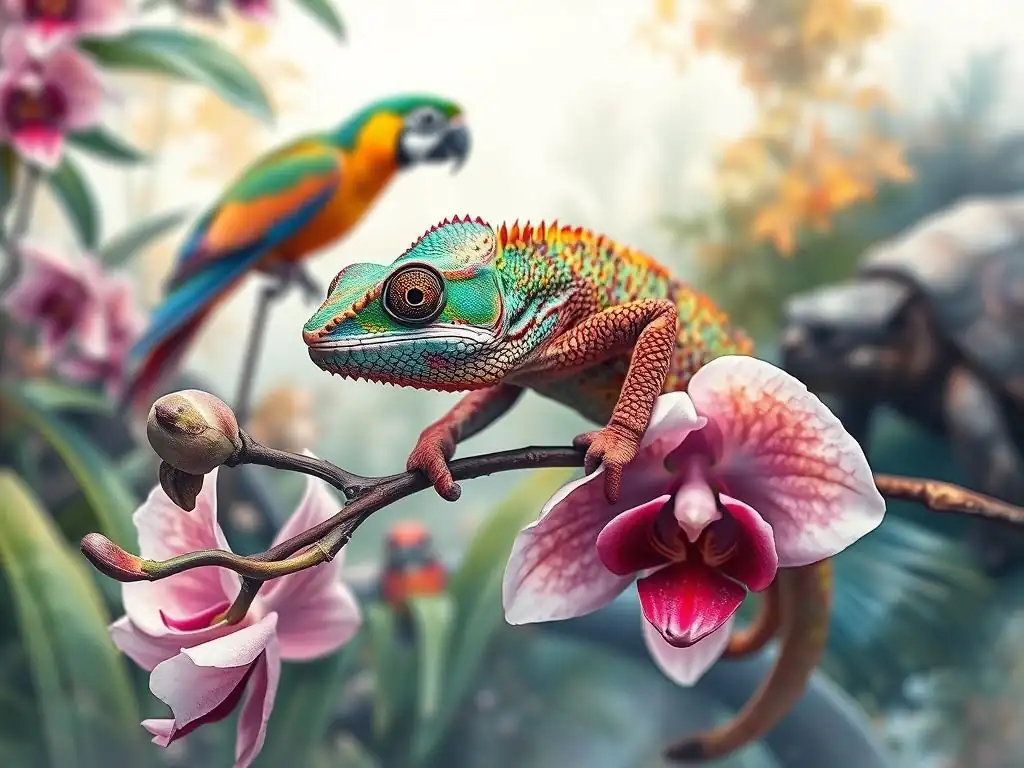
The exotic pet trade presents a significant paradox: a deep-seated human desire for companionship and connection with unique animals clashes directly with the urgent need for biodiversity conservation. The future of exotic pet ownership hinges on finding a balance between these competing forces. This requires a multifaceted approach that addresses both the supply and demand sides of the equation, moving beyond simplistic solutions and embracing a more nuanced understanding of the issue. Simply banning the trade entirely may not be effective, as it often drives the market underground, making it harder to regulate and monitor.
Instead, a strategy focusing on sustainable practices, ethical sourcing, and responsible ownership is crucial. This requires a fundamental shift in societal attitudes and a commitment to long-term conservation efforts. The long-term viability of exotic pet ownership depends on this delicate balancing act.
Promoting Ethical Alternatives to Exotic Pet Ownership
One key aspect of fostering a sustainable future for exotic pet ownership is promoting ethical alternatives. This includes encouraging adoption from reputable rescue organizations specializing in exotic animals. Many exotic animals are surrendered or confiscated due to neglect, improper care, or changes in owner circumstances. These animals often need loving homes and appropriate care, providing a viable and ethical alternative to purchasing animals from potentially unsustainable sources.
Furthermore, focusing on captive-bred animals from responsible breeders who prioritize animal welfare and genetic diversity is vital. This reduces pressure on wild populations and ensures that the animals are more likely to thrive in captivity. Transparency is crucial; ethical breeders should be willing to provide detailed information about their breeding practices, animal origins, and health records.
Promoting these alternatives requires widespread public awareness campaigns that highlight the benefits of ethical sourcing and adoption. This includes showcasing successful examples of responsible exotic pet ownership. Ultimately, ethical alternatives must become the preferred choice for those seeking to share their lives with exotic companions.
The Importance of Education and Public Awareness Campaigns
Effective education and public awareness campaigns are indispensable for addressing the conservation challenges associated with the exotic pet trade. Many individuals are unaware of the significant environmental and ethical implications of their purchasing decisions. Comprehensive educational initiatives, targeting both potential pet owners and the general public, are needed. These campaigns should emphasize the impact of the exotic pet trade on wild populations, habitat destruction, and the spread of invasive species.
The information should be presented in an accessible and engaging manner, utilizing diverse media platforms to reach a wide audience. For example, interactive online resources, documentaries, and educational programs in schools and community centers can effectively convey the message. Crucially, these campaigns should emphasize responsible pet ownership, highlighting the significant commitment required to provide appropriate care for exotic animals.
The long-term success of conservation efforts depends on fostering a well-informed and responsible public. Data on the effectiveness of different educational approaches is needed to refine and improve future campaigns. [Specific data on the success rates of past campaigns pending].
Collaboration Between Governments, Conservationists, and Pet Owners
Addressing the complex conservation challenges of the exotic pet trade requires a collaborative effort involving governments, conservation organizations, and responsible pet owners. Governments play a crucial role in enacting and enforcing regulations that control the import, export, and trade of exotic animals. This includes implementing strict permits and licenses, combating illegal wildlife trafficking, and ensuring that trade adheres to CITES (Convention on International Trade in Endangered Species) guidelines.
Conservation organizations can contribute significantly through research, monitoring wild populations, and educating the public. They can also work with governments to develop and implement effective conservation strategies. Responsible pet owners have a vital role to play in advocating for ethical practices, supporting conservation initiatives, and ensuring the proper care of their exotic pets.
Open communication and collaboration between these stakeholders are essential to develop effective and sustainable solutions. This includes shared data collection and analysis to track the effectiveness of conservation measures and inform future policies. A unified approach, prioritizing conservation and responsible ownership, is the only path towards a future where the passion for exotic animals coexists harmoniously with their protection in the wild.
Long-Term Strategies for Sustainable Exotic Pet Keeping
Sustainable exotic pet keeping requires a multifaceted approach that goes beyond individual responsibility. It necessitates a collaborative effort involving breeders, pet owners, conservation organizations, and governments. One crucial aspect is promoting responsible breeding practices. This means prioritizing the health and well-being of the animals above profit, ensuring genetic diversity within captive populations, and avoiding the overbreeding of specific species already facing population declines in the wild.
Breeders should be transparent about their practices and readily share information about lineage and health records. This transparency builds trust and accountability within the community. Furthermore, stricter regulations and oversight of breeding facilities are necessary to prevent unethical practices and ensure adherence to high welfare standards. This could involve regular inspections, stringent licensing requirements, and penalties for violations.
Another critical component is educating potential pet owners. Many individuals acquire exotic pets without fully understanding the long-term commitment involved, including the specialized care, potential veterinary costs, and the animal's lifespan. Comprehensive educational programs, both online and in-person, are needed to equip potential owners with the knowledge and resources to make informed decisions.
This education should go beyond basic care instructions and delve into the ethical considerations of exotic pet ownership, highlighting the impact on wild populations and the potential for invasive species if pets escape or are released. Increased access to reliable information and expert advice is paramount in fostering responsible ownership. Furthermore, fostering a strong sense of community among exotic pet owners can encourage the sharing of best practices and support for each other in navigating the challenges of responsible pet keeping.
The development of robust captive breeding programs for threatened species is another key strategy. These programs aim to create self-sustaining populations in captivity, reducing pressure on wild populations. However, the success of such programs depends on careful genetic management to prevent inbreeding and maintain genetic diversity. Furthermore, these programs must be integrated with reintroduction programs where feasible and appropriate, aiming to restore wild populations.
This requires collaboration between zoos, conservation organizations, and government agencies to ensure the success of these complex and often costly initiatives. Investing in research to understand the specific needs of different species in captivity is also crucial for improving breeding success rates and maintaining animal welfare. This includes research on nutrition, disease prevention, and environmental enrichment. Without this ongoing research, captive breeding programs will not reach their full potential.
Finally, supporting conservation efforts in the animals' native habitats is essential. This involves contributing to organizations working to protect endangered species in the wild, combating habitat loss, and addressing other threats such as poaching and illegal wildlife trade. By supporting these initiatives, exotic pet owners can actively contribute to the long-term survival of the species they admire.
This could involve donations, volunteering, or raising awareness about the importance of conservation. A holistic approach that links responsible captive breeding, public education, and support for in-situ conservation is vital for achieving a sustainable future for exotic pet ownership and ensuring the preservation of biodiversity. This collaborative effort will require sustained commitment from all stakeholders, but the rewards—a thriving exotic pet community alongside healthy wild populations—are well worth the investment.
Frequently Asked Questions
The biggest challenges include habitat destruction due to unsustainable harvesting, illegal wildlife trafficking, and the spread of diseases. These factors threaten the survival of many species.
How does the exotic pet trade impact endangered species?
The trade significantly impacts endangered species by driving down wild populations through unsustainable harvesting. Demand fuels illegal poaching and contributes to their extinction.
What role does consumer demand play in the exotic pet trade's conservation problems?
High consumer demand for exotic pets directly fuels the trade, driving illegal activities and unsustainable harvesting practices. Reducing demand is crucial for conservation efforts.
Are there any ethical considerations surrounding the exotic pet trade?
Yes, significant ethical concerns exist regarding the animal welfare implications of capturing and keeping exotic pets. Many animals suffer during transport and captivity, experiencing stress and poor health.
What can I do to help address the conservation challenges of the exotic pet trade?
You can help by reducing your demand for exotic pets, supporting conservation organizations, and educating others about the harmful impacts of this trade. Responsible pet ownership is key.
Final Reflection: Untangling the Threads of the Exotic Pet Trade
The unsustainable practices fueling the exotic pet trade pose a significant threat to global biodiversity, demanding immediate and comprehensive action. The interconnectedness of this issue, spanning from consumer demand to habitat destruction, highlights the urgent need for a multifaceted approach that transcends national borders and individual responsibilities. Ignoring this crisis is not an option; the future of countless species hangs in the balance.
The exotic pet trade's impact reverberates far beyond the confines of individual animal ownership, profoundly shaping our understanding of conservation and our relationship with the natural world. It forces us to confront uncomfortable truths about our consumption habits and the devastating consequences of unchecked demand. The greatest threat to our planet is the belief that someone else will save it.
- Robert Swan. This quote underscores the individual responsibility we all share in mitigating the harm caused by this trade. We must move beyond passive observation and actively participate in creating a more sustainable future for wildlife.
Consider the choices you make as a consumer. Are you contributing, even indirectly, to the demand that fuels this destructive industry? Educate yourself, support ethical and sustainable practices, and advocate for stronger regulations. By understanding the complex web of challenges presented by the exotic pet trade, and by actively choosing to engage with this issue, you can become part of the solution, helping to protect the incredible biodiversity of our planet for generations to come.
Unlock the Secrets to Responsible Exotic Pet Ownership
Thank you for exploring the complex world of exotic pet ownership with us! We hope you've gained a clearer understanding of the significant challenges and responsibilities involved. Now, let's put that knowledge into practice.
- Prioritize ethical sourcing: Thoroughly research reputable breeders and shelters committed to responsible breeding practices and animal welfare before acquiring any exotic pet. This is crucial for the animal's health and the long-term survival of wild populations. Avoid supporting irresponsible breeders or those who source animals from the wild.
- Become a knowledgeable caregiver: Invest time in learning about the specific needs of your chosen species. Consult reputable resources, such as veterinary professionals specializing in exotic animals and established conservation organizations, to ensure your pet receives the best possible care. This commitment will contribute to their well-being and longevity.
- Share your commitment: Join the conversation! Share this article with your friends and family to raise awareness about responsible exotic pet ownership and the importance of ethical sourcing.
What specific steps will you take to ensure the ethical and responsible care of your exotic pet?