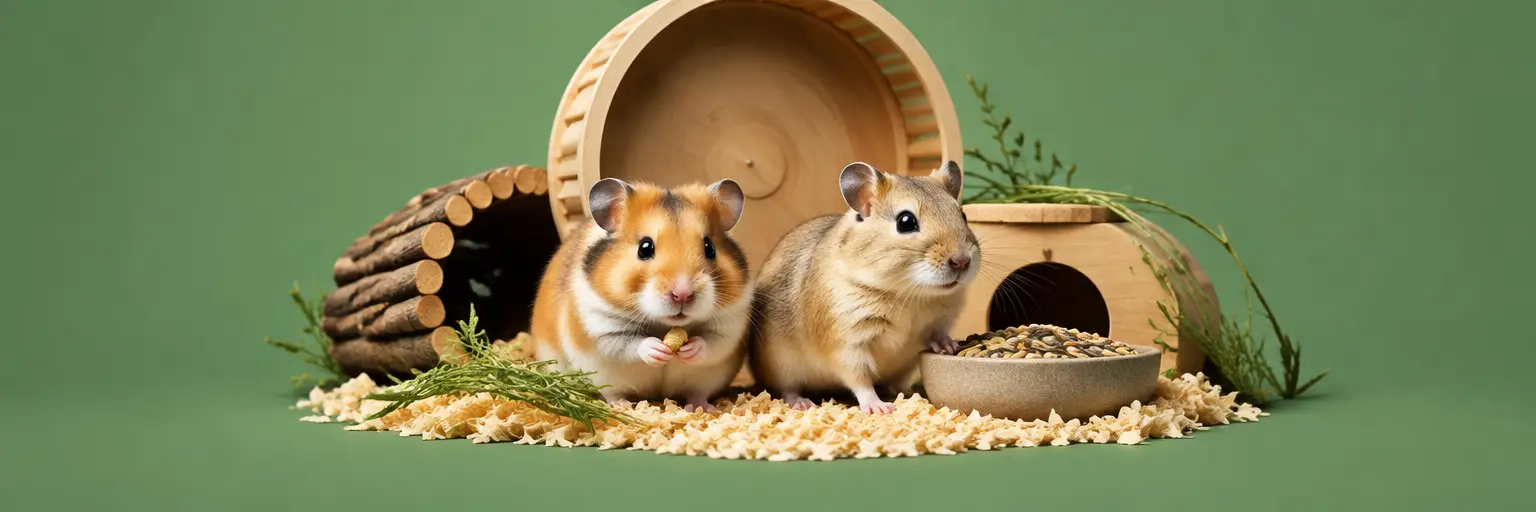
Welcome to the Ultimate Guide for Hamster and Gerbil Care
Owning a hamster or gerbil is a delightful adventure, but these tiny companions have unique needs that go far beyond a simple cage and a bag of seeds. At PetCareWorld, our Small Mammal Care - Hamsters and Gerbils subcategory is your dedicated resource for mastering the art of caring for these charismatic rodents. Whether you are a first-time owner or a seasoned enthusiast, you will find expert-backed advice on everything from habitat enrichment to nutritional balance. Let us help you transform basic pet ownership into a thriving, happy, and healthy life for your small friend. 🐹
🏠 Choosing the Perfect Habitat: Tanks, Cages, and Bedding
Selecting the right home is the single most important decision you will make for your hamster or gerbil. Unlike cats or dogs, these small mammals are highly sensitive to drafts, temperature fluctuations, and inadequate ventilation. A glass aquarium or a wire cage with a solid base both work, but you must avoid wire floors that can injure delicate feet. For gerbils, deep bedding is non-negotiable because they are natural burrowers; a minimum of 6-8 inches of paper-based or aspen bedding allows them to dig and create complex tunnel systems, which is essential for their mental well-being.
For hamsters, the focus shifts to floor space over vertical height, as they are terrestrial creatures that love to roam. A minimum of 450 square inches of uninterrupted floor space is recommended, with the cage placed away from direct sunlight and noisy appliances. Always opt for dust-free bedding to prevent respiratory issues, and include multiple hideouts, chew toys, and a solid exercise wheel. Proper habitat setup prevents stress, obesity, and repetitive behaviors, making your initial investment in a high-quality enclosure one of the best choices for your pet’s long-term health. 🛏️
🍎 Nutrition Essentials: Pellets, Seeds, and Fresh Treats
Feeding a hamster or gerbil is more than just filling a bowl; it is about delivering a balanced diet that mirrors their natural foraging instincts. Commercial pelleted diets are the dietary cornerstone, as they prevent selective feeding—where pets pick out only the tasty seeds and ignore vital nutrients. Look for a pellet with a protein content of 16-18% for hamsters and 14-16% for gerbils, and always provide fresh, filtered water via a sipper bottle, checking it daily for blockages or leaks.
Supplementing pellets with small amounts of fresh vegetables like broccoli, carrot, and cucumber is excellent, but avoid citrus fruits and iceberg lettuce, which can cause digestive upset. Treats should be limited to one teaspoon per day and can include millet sprays, mealworms, or a tiny sliver of apple. For gerbils, a daily scatter feed—hiding food around the enclosure—encourages natural foraging behavior and prevents boredom. Always remove uneaten fresh food after a few hours to avoid spoilage, and consult your vet before introducing any new food to ensure it is safe for your specific species. 🥕
🛠️ Enrichment and Exercise: Preventing Boredom and Stress
These small mammals are intelligent and active, especially during dawn and dusk, so their environment must offer constant stimulation. Without enrichment, hamsters and gerbils can develop stereotypic behaviors like bar biting, over-grooming, or lethargy. Provide a variety of toys, including tunnels, cardboard tubes, and chew blocks made from untreated wood. A solid, appropriately sized running wheel (8-12 inches for hamsters, 8 inches for gerbils) is vital—mesh or wire wheels can trap toes, leading to serious injuries.
Rotate toys every few days to maintain novelty, and consider adding a dig box filled with coco fiber or a shallow sand bath for gerbils to perform their natural dust-bathing routine. For hamsters, a multichamber hideout mimics a natural burrow, offering separate areas for sleeping, storage, and eliminating. Daily out-of-cage time in a secure, escape-proof playpen allows for additional exercise and bonding. Remember that these animals are prey species, so always supervise interactions and never force handling—let them come to you for positive experiences. ⚙️
🩺 Health Monitoring: Common Ailments and Red Flags
Hamsters and gerbils are masters at hiding illness, so proactive observation is your best defense. Check your pet daily for signs of lethargy, a ruffled coat, labored breathing, or a wet tail (a severe diarrheal disease common in hamsters). Gerbils are prone to a skin condition called surfer’s nose, where the hair on the tip of the nose thins due to rubbing on enclosure bars—switching to a smooth glass tank solves this. Regular weight checks using a kitchen scale are invaluable; sudden weight loss is often the first sign of dental or metabolic issues.
Dental health is another critical area: incisors grow continuously, so malocclusion (misaligned teeth) requires prompt veterinary intervention. Provide ample chew toys to help wear down teeth naturally, and inspect the mouth weekly if your pet tolerates gentle handling. Additionally, monitor for eye discharge, which may indicate an infection or dusty bedding. Keep a close relationship with a veterinarian experienced in exotic pets, as they can perform wellness exams, treat mites, and provide guidance on age-related conditions like arthritis. Early detection greatly improves treatment outcomes and enhances your pet’s quality of life. 🩹
🤲 Handling and Socialization: Building Trust
Gentle, consistent handling is the key to a tame and confident pet. Start by placing your hand flat in the enclosure for a few minutes each day, allowing your hamster or gerbil to sniff and climb on you willingly. Never wake a sleeping pet or grab from above, as this triggers a predator response. For hamsters, which are solitary by nature, handle them individually and avoid introducing cagemates after weaning—fighting can be fatal. In contrast, gerbils are highly social and do best in same-sex pairs or groups from the same litter, as they form deep pair bonds.
Once trust is established, you can pick up your pet by scooping them with both hands and cupping gently. Short, positive sessions of 5-10 minutes are more effective than long, stressful ones. Talk softly and offer a tiny treat during handling to reinforce good associations. If your pet bites, resist the urge to jerk away; instead, gently blow a puff of air or use a soft no command, then place them back. Over weeks, your small mammal will become more relaxed, and you will enjoy the rewarding bond that comes from patient, respectful care. 🤝
🧹 Hygiene and Maintenance: Creating a Safe, Clean Environment
A clean habitat is essential for preventing ammonia buildup, which can cause respiratory infections. Spot-clean soiled bedding daily, removing wet patches and any leftover food. A full bedding change should occur weekly for hamsters and bi-weekly for gerbils, but never replace all bedding at once for gerbils—retain a small amount of old, clean bedding to preserve their colony’s scent and reduce stress. Wash the enclosure with warm water and a mild, pet-safe detergent, then rinse thoroughly to eliminate any chemical residue.
Clean food bowls and water bottles every few days, and check for hidden pee corners, which gerbils often select. Use a vinegar-water solution (1:3 ratio) to naturally disinfect surfaces without toxic fumes, but avoid strong-smelling cleaners like bleach. Also, replace any porous wooden toys that have absorbed urine, as they harbor bacteria. Regular maintenance not only keeps your home odor-free but also allows you to inspect your pet’s environment for hazards like sharp edges or loose wires. A proactive hygiene routine is the ultimate investment in your pet’s long-term vitality. 🧽
Frequently Asked Questions
How often should I clean my hamster’s or gerbil’s cage?
Spot-clean daily by removing soiled bedding and uneaten food. For hamsters, perform a full bedding change once a week; for gerbils, do a deep clean every two weeks but always save some old bedding to keep their familiar scent. This schedule prevents ammonia buildup while minimizing stress caused by a completely unfamiliar environment.
Can I keep two hamsters together?
No, all hamster species are solitary and will fight once mature, often resulting in severe injuries or death. Even siblings must be separated by four weeks of age. Gerbils, however, thrive in same-sex pairs or groups from the same litter, as they are highly social and will develop lifelong bonds.
What is the best type of bedding for hamsters and gerbils?
Use unscented, dust-free, paper-based bedding or aspen shavings. Avoid pine and cedar shavings, which release phenols that damage the respiratory system. For gerbils, provide a deep layer of 6-8 inches to allow burrowing; for hamsters, 2-3 inches is sufficient, but always mix in generous amounts for nesting material.
My hamster’s teeth are growing too long. What should I do?
Provide plenty of safe chew toys like untreated wood blocks, cardboard, and mineral chews to help wear teeth naturally. If teeth still appear overgrown, curl over, or cause eating difficulty, visit a vet experienced with exotics. They may trim the teeth or treat underlying malocclusion, which requires professional care.
How can I tell if my gerbil is happy?
Happy gerbils exhibit a relaxed body, active exploration, clear eyes, and a smooth coat. They will often “thump” their hind legs to communicate, which is normal. They also show contentment by grooming themselves and their cagemates, digging complex tunnels, and readily eating from your hand. A sudden increase in hiding or aggression signals stress.