
Gerbil Summer Care: Preventing Overheating and Heatstroke PetCareWorld

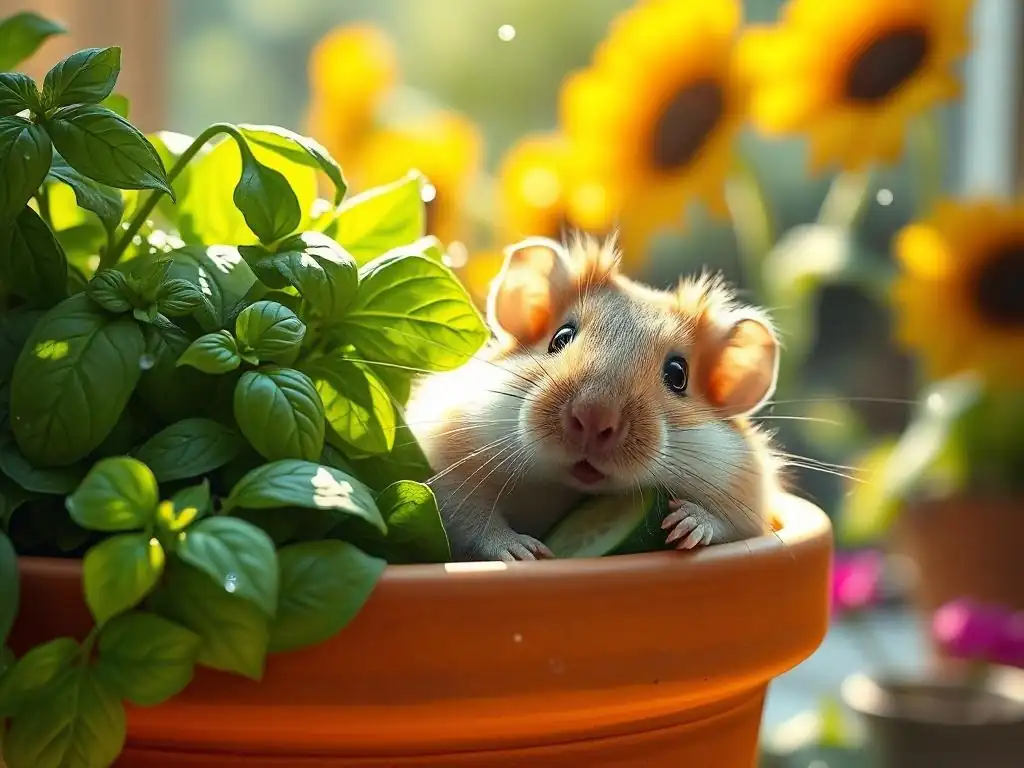
Welcome to PetCareWorld, your ultimate guide to responsible and loving pet ownership! Are you prepared for the summer heat? We know keeping your furry, feathered, or scaled friends safe and healthy can be challenging, especially during intense summer months. Discover crucial tips and essential advice on Gerbil summer heatstroke prevention within our comprehensive Reptiles & Exotic Pets section. Learn how to safeguard your gerbils from the dangers of overheating and ensure a happy, healthy summer for your beloved companions. Dive in and explore the wealth of knowledge waiting for you!
- Understanding Gerbil Sensitivity to Heat
- Creating a Cool and Safe Environment for Your Gerbils
- Hydration and Diet Adjustments for Summer
- Emergency Response to Gerbil Heatstroke
- Preventing Gerbil Heatstroke: Proactive Measures
- Summer Gerbil Enrichment: Safe and Cooling Activities
- Frequently Asked Questions
- Final Reflection: A Summer of Safety for Your Gerbils
- Beat the Heat: Keep Your Gerbil Thriving This Summer!
Understanding Gerbil Sensitivity to Heat
Gerbils, those adorable small mammals with their endearingly twitching noses, are surprisingly sensitive to heat. Unlike some animals that can tolerate significant temperature fluctuations, gerbils have a relatively narrow thermal comfort zone. This means that even seemingly moderate increases in ambient temperature can quickly push them into a state of heat stress, potentially leading to life-threatening heatstroke.
This article will delve into the specifics of gerbil physiology, providing practical tips and crucial information for preventing heatstroke in your furry friends during the summer months. Understanding your gerbil's vulnerability to heat is the first, and most crucial, step in ensuring their safety and well-being, especially during the warmer months. We'll cover how to recognize the early warning signs of heat stress, understand the progression to heatstroke, and ultimately, provide you with the knowledge to keep your gerbils safe and thriving throughout the summer.
Proper gerbil summer care is essential for preventing heatstroke and ensuring their longevity. This guide will empower you to provide the best possible care for your gerbils, allowing you to enjoy their companionship for years to come.
Gerbil Physiology and Heat Tolerance
Gerbils, originating from arid and semi-arid regions, possess physiological adaptations to survive in hot climates. However, their natural coping mechanisms have limitations, particularly when faced with prolonged exposure to high temperatures or inadequate environmental conditions. Their small size contributes significantly to their susceptibility to overheating. Their relatively high metabolic rate produces internal heat, which, coupled with external heat sources, can quickly overwhelm their ability to regulate body temperature.
Unlike larger mammals, gerbils have a limited capacity to dissipate heat through sweating; instead, they primarily rely on panting and behavioral adjustments, such as seeking shade and reducing activity. Understanding these physiological limitations is key to providing appropriate preventative care. For example, their fur coat, while providing insulation in colder temperatures, can trap heat in warmer environments, increasing the risk of overheating. This is why providing adequate ventilation and avoiding direct sunlight are crucial aspects of gerbil summer care.
Recognizing Early Signs of Heat Stress in Gerbils
Recognizing the early warning signs of heat stress in gerbils is crucial for prompt intervention. Early detection can significantly improve the chances of a successful outcome and prevent the progression to heatstroke. Signs of heat stress can be subtle at first, but attentive observation is vital.
Look for changes in behavior such as lethargy, excessive panting (rapid and shallow breathing), and a noticeable decrease in activity levels. Your gerbil might also exhibit signs of dehydration, such as sunken eyes and dry nose. Furthermore, they might seek out cooler areas within their cage more frequently than usual, or even huddle in unusual positions.
A subtle but important indicator is a change in their coat; it may appear slightly damp due to increased panting. The early detection of these subtle cues is paramount in preventing heatstroke. It’s vital to remember that these symptoms can appear gradually, making regular monitoring of your gerbil's behavior essential, particularly during periods of high temperature.
Heatstroke in Gerbils: Symptoms and Severity
Heatstroke represents a severe escalation of heat stress, posing a life-threatening risk to gerbils. While early signs of heat stress are subtle, the symptoms of heatstroke are more pronounced and alarming. These include extreme lethargy, labored breathing (rapid and deep panting), staggering gait, seizures, and potentially even coma. The severity of heatstroke can vary, ranging from mild to life-threatening.
In severe cases, the gerbil may experience organ damage due to cellular dysfunction caused by extreme heat. Immediate veterinary intervention is crucial if you suspect your gerbil is suffering from heatstroke. Time is of the essence in such situations, as prompt cooling and supportive care can significantly improve the chances of survival.
The symptoms can progress rapidly, so quick action is paramount. Unfortunately, the mortality rate for gerbils suffering from severe heatstroke is high, emphasizing the importance of preventative measures. Remember, prevention is always better than cure when it comes to gerbil heatstroke.
Creating a Cool and Safe Environment for Your Gerbils
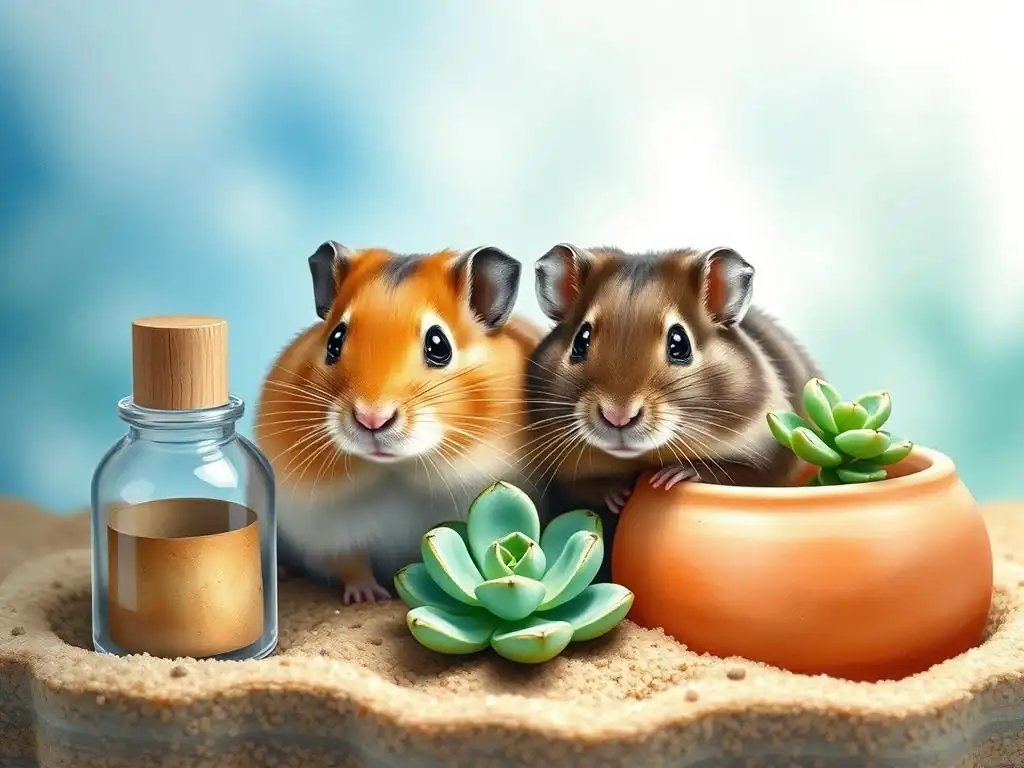
Summer presents unique challenges for gerbils, making heatstroke prevention a top priority for responsible owners. High temperatures can quickly become life-threatening for these small mammals, so understanding and implementing effective cooling strategies is crucial. This section details practical steps to create a cool and safe haven for your gerbils during the warmer months, minimizing their risk of heatstroke and ensuring their well-being. We will explore the key elements of maintaining a safe environment, focusing on temperature control, appropriate housing, and providing ample shade and ventilation.
Maintaining a Cool Ambient Temperature for Gerbils
Maintaining a consistently cool ambient temperature is paramount in preventing gerbil heatstroke. Gerbils are highly susceptible to overheating, and even a slight increase in their surrounding temperature can lead to serious health issues. Ideally, the ambient temperature in your gerbil's living area should remain between 65°F and 75°F (18°C and 24°C). Exceeding these temperatures significantly increases the risk of heatstroke.
Several strategies can help maintain a cool temperature:
- Air Conditioning: Using air conditioning is the most effective method, especially during heatwaves. Ensure the air conditioning is set to a suitable temperature and that the gerbils are not directly in the path of cold air.
- Fans: Fans can help circulate air and create a cooling breeze. However, ensure the fan is positioned safely away from the cage to avoid direct drafts, which can chill your gerbils.
- Avoid Direct Sunlight: Never place the gerbil cage in direct sunlight. Sunlight can rapidly increase the temperature inside the cage, leading to overheating. Choose a location away from windows or use curtains or blinds to block direct sunlight.
- Tile or Marble: Placing the cage on a tile or marble surface can help to draw heat away from the cage. These materials are excellent heat conductors and can slightly lower the overall temperature of the cage.
Optimal Housing for Gerbils During Summer Months
The type of housing you provide for your gerbils plays a significant role in their ability to regulate their body temperature. During summer, selecting the right cage and bedding is crucial for heatstroke prevention.
- Cage Material: Avoid cages made of materials that retain heat, such as plastic. Opt for wire cages with good ventilation. However, ensure the wire spacing is small enough to prevent escapes.
- Bedding: Choose bedding materials that are breathable and absorbent, allowing for good air circulation. Avoid using materials that trap heat and moisture, such as thick fleece or cotton bedding. Paper-based bedding is generally a safe and suitable option.
- Cage Size: Ensure the cage is spacious enough to allow your gerbils to spread out and avoid overcrowding, which can exacerbate heat stress. A larger cage offers more opportunities for them to find cooler spots.
- Avoid Overstocking: Overcrowding increases body heat within the cage, making it harder for gerbils to stay cool. Stick to the recommended number of gerbils per cage size.
Providing Shade and Ventilation in the Gerbil Cage
Even with a cool ambient temperature, providing adequate shade and ventilation within the gerbil cage is essential. This helps to create microclimates within the cage, allowing your gerbils to find cooler spots and avoid overheating.
- Shade: Provide shade within the cage using small, safe objects. You can use small ceramic hides or wooden structures. Ensure these objects are securely placed and cannot be easily chewed or ingested.
- Ventilation: Ensure the cage has adequate ventilation to allow for good airflow. Avoid covering the cage completely, as this can trap heat and moisture. However, remember to prevent drafts.
- Frozen Water Bottles: Place a frozen water bottle (wrapped in a towel or cloth to prevent direct contact with the gerbils) inside the cage to provide a cool surface for them to rest against. This can help them regulate their body temperature. Replace the frozen bottle regularly to maintain its cooling effect.
- Cooling Tiles: Small, ceramic cooling tiles can also be added to the cage. These tiles absorb heat and provide a cool surface for your gerbils. Ensure the tiles are smooth-edged and safe for your gerbils. Again, monitor for potential chewing hazards.
Remember, proactive measures are key to preventing gerbil summer heatstroke. By carefully considering these aspects of their environment, you can significantly reduce their risk and ensure their comfort and safety during the warmer months. 🥵 Regular monitoring of your gerbils’ behavior is also crucial. Signs of heatstroke include lethargy, rapid breathing, and excessive drooling. If you notice any of these symptoms, seek veterinary attention immediately.
Using Cooling Mats and Tiles for Gerbils
Cooling mats and tiles offer a passive way to help your gerbils regulate their body temperature during hot summer months. These aren't intended to replace other cooling methods but can be a valuable addition to your gerbil's environment. The key is to provide a choice: gerbils should never be forced to use a cooling surface. They'll naturally seek them out when they feel too warm.
Several types of cooling mats are available. Some are gel-filled, providing a consistently cool surface. Others are made from a breathable material that helps dissipate heat. Ceramic tiles are another excellent option; they retain coolness for longer periods than many mats. When choosing a cooling mat or tile, ensure it's specifically designed for small animals and is non-toxic. Avoid anything with sharp edges or potentially harmful materials. Always supervise your gerbils initially to ensure they interact safely with the new addition to their cage.
The placement of the cooling surface is crucial. Don't place it directly under a heat source, such as a lamp or a sunny window. Instead, position it in a shaded area of the cage, perhaps under a shelf or in a corner. Providing multiple areas with varying temperatures allows your gerbils to choose their preferred environment.
This is vital because forcing them onto a cold surface could lead to chilling. Remember, the goal is to provide a temperature gradient within the cage, giving your gerbils the agency to manage their own thermal comfort. Observe your gerbils closely; if they consistently avoid the cooling mat or tile, it may be too cold, and you might need to adjust its location or consider alternative cooling methods. Regularly check the temperature of the surface to ensure it remains comfortably cool but not dangerously cold.
A thermometer is a valuable tool for this purpose. Always prioritize your gerbils' safety and comfort. Providing a variety of options ensures they can self-regulate their temperature effectively, mitigating the risk of gerbil summer heatstroke.
Hydration and Diet Adjustments for Summer
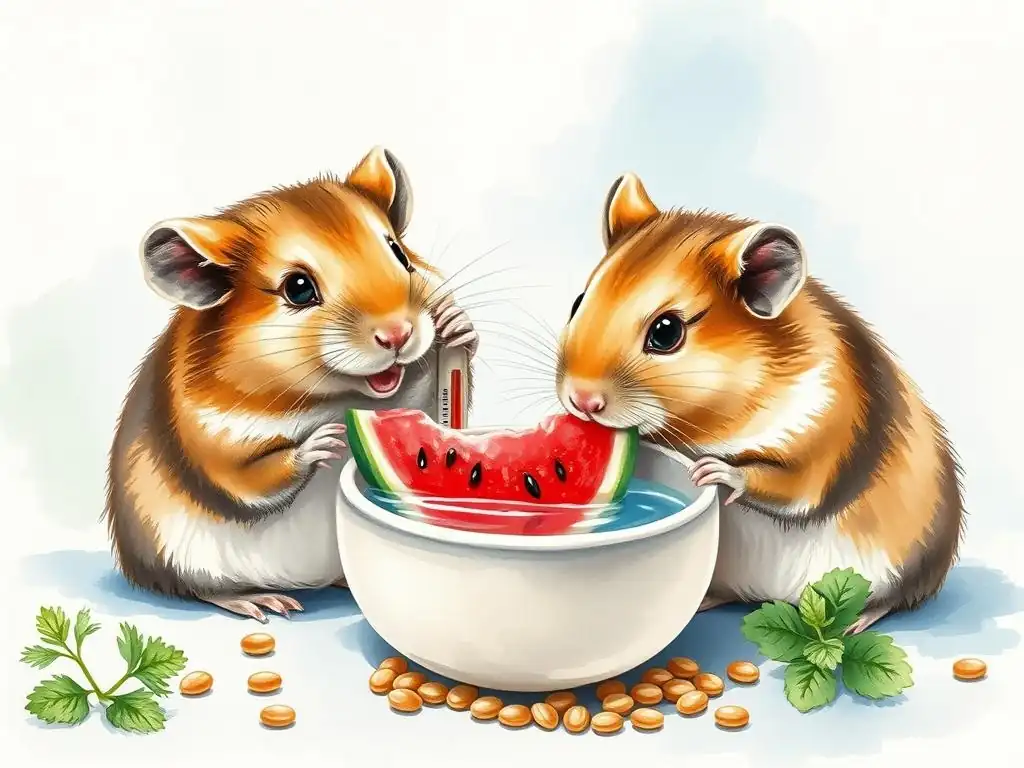
Summer presents unique challenges to gerbils, primarily the risk of heatstroke. Maintaining proper hydration and adjusting their diet are crucial preventative measures. Failing to address these aspects can significantly increase the likelihood of your gerbil experiencing heat-related illness. This section details how to optimize your gerbil's hydration and dietary intake during the warmer months to mitigate the risk of gerbil summer heatstroke prevention.
Ensuring Adequate Water Intake for Gerbils
Water is paramount, especially during hot weather. Dehydration is a major contributing factor to heatstroke in gerbils. Therefore, ensuring a constant supply of fresh, clean water is non-negotiable. Here's how to guarantee your gerbil stays well-hydrated:
- Multiple Water Sources: Don't rely on a single water bottle. Provide both a water bottle and a shallow ceramic dish filled with fresh water. This offers alternative access and caters to individual preferences. Some gerbils prefer to drink from a bowl, while others might be more comfortable with a bottle.
- Frequent Water Changes: Change the water in both the bottle and the dish at least once daily, or more often if the water becomes soiled. Stagnant water can breed bacteria, further compromising your gerbil's health.
- Monitoring Water Consumption: Observe your gerbil's water consumption. A decrease in water intake could indicate illness, so consult a veterinarian immediately if you notice a significant change.
- Water Bottle Check: Regularly check the water bottle to ensure it's functioning correctly and not leaking or clogged. A malfunctioning water bottle leaves your gerbil without access to vital hydration.
Summer-Appropriate Gerbil Diet: Fresh Foods and Hydration
While a balanced gerbil pellet diet forms the base of their nutrition, incorporating hydrating and cooling foods during summer can provide additional support against heat stress. These additions shouldn't replace their regular food but should supplement it.
- High-Water Content Vegetables: Offer small amounts of high-water content vegetables like cucumber, lettuce (in moderation), and bell peppers. These provide both hydration and essential nutrients. Remember to introduce new foods gradually to avoid digestive upset.
- Fresh Herbs: Small amounts of parsley, mint, and basil can be offered as treats. These herbs are generally safe for gerbils and can add variety to their diet. Always research thoroughly before introducing a new food.
- Fruit (Sparingly): Fruits like berries (strawberries, blueberries) can be offered as occasional treats in small quantities. However, fruit is high in sugar, so moderation is key. Too much sugar can lead to health problems.
Remember to always wash and thoroughly dry any fresh produce before offering it to your gerbil.
Avoiding Foods that Exacerbate Heat Stress
Certain foods can contribute to heat stress in gerbils due to their high caloric density or difficulty in digestion. These should be avoided, or at least significantly reduced, during the summer months.
- High-Fat Foods: Foods high in fat, such as seeds and nuts, should be limited. Digesting fatty foods generates excess heat within the body, increasing the risk of overheating. Offer these only as very occasional treats.
- Sugary Treats: Avoid sugary treats like sweets or processed foods. These provide empty calories and can contribute to obesity and other health issues, exacerbating the effects of heat stress.
- Dried Foods: While dried foods are a part of a balanced gerbil diet, reduce the quantity during summer. They offer less hydration than fresh foods.
By carefully managing your gerbil's hydration and adjusting their diet to include hydrating and cooling foods while avoiding those that exacerbate heat stress, you can significantly improve their chances of staying healthy and comfortable during the summer months. This proactive approach is a critical element of gerbil summer heatstroke prevention.
Emergency Response to Gerbil Heatstroke
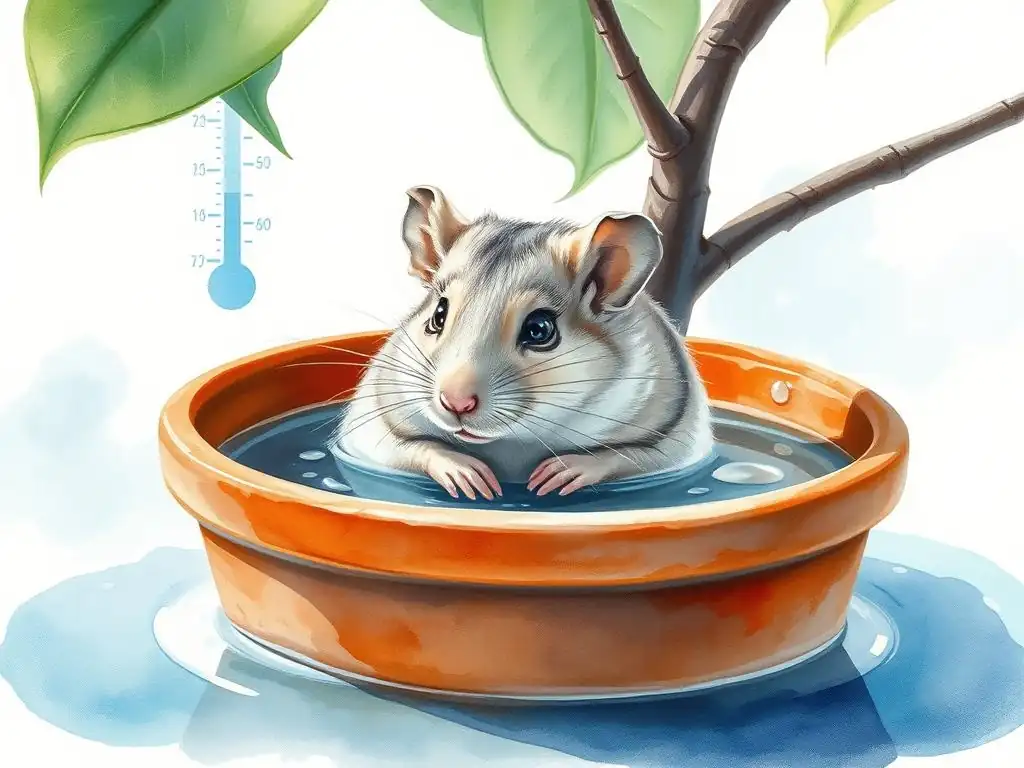
Gerbil summer heatstroke prevention is crucial for their well-being. While preventative measures are paramount, knowing how to react swiftly in an emergency is equally important. This section details immediate actions, veterinary care, and post-heatstroke strategies to ensure your gerbil's survival and recovery. Recognizing the early signs of heatstroke is vital; a lethargic gerbil, excessive panting, or unusual weakness are all warning signs requiring immediate intervention.
Immediate Actions if Your Gerbil Shows Signs of Overheating
If you suspect your gerbil is suffering from heatstroke, act quickly. Time is of the essence. The following steps should be taken immediately:
- Move your gerbil to a cool environment: This could be a cool, shaded area of your home, or even a room with air conditioning. Avoid placing them directly in front of a fan, as this can cause further stress.
- Apply cool compresses: Gently apply cool (not cold!) compresses to your gerbil's body, focusing on the paws and belly. Use a damp cloth or towel, ensuring it's not soaking wet to avoid chilling.
- Provide cool water: Offer your gerbil access to cool, fresh water. You can use a shallow dish or a small bottle designed for small animals. Do not force the water.
- Elevate your gerbil: Gently elevate your gerbil's head and body to aid breathing. A small, soft towel can be used for support.
- Monitor vital signs: Observe your gerbil closely for any changes in breathing, behavior, or alertness. Note the time and any changes you observe. This information will be crucial for the veterinarian.
Important Considerations: Never use ice directly on your gerbil's body. This can cause shock. Avoid submerging your gerbil in cold water. Gentle cooling is key. The goal is to gradually lower the gerbil's body temperature.
Seeking Veterinary Care for Heatstroke in Gerbils
Immediate veterinary care is critical for gerbils suffering from heatstroke. Even with prompt first aid, professional intervention often proves necessary. Delaying veterinary care can lead to irreversible organ damage or death.
Veterinarians will assess your gerbil's condition, checking for dehydration, organ damage, and other complications. Treatment may involve intravenous fluids to rehydrate your gerbil, medication to reduce inflammation, and supportive care to help regulate body temperature and stabilize vital signs. Your vet may also run blood tests to determine the extent of the damage and guide treatment.
Accurate description of the symptoms, when they started, and the first aid measures taken are all crucial information for the vet to accurately diagnose and treat your pet. Be prepared to answer detailed questions about your gerbil's living conditions, diet, and overall health history.
Post-Heatstroke Care and Prevention Strategies
After a heatstroke episode, your gerbil will require careful monitoring and ongoing care. This includes continued access to cool water and a temperature-controlled environment. A gradual return to normal activity should be observed, avoiding strenuous exercise. Your veterinarian will provide guidance on the post-heatstroke care plan, which may include dietary changes and medication. Regular checkups are advisable to monitor for any lingering effects.
Preventing future heatstroke incidents is crucial. This involves:
- Maintaining a cool environment: Ensure your gerbil's cage is in a cool, well-ventilated area, away from direct sunlight and heat sources. Use fans strategically, ensuring they do not directly blow on your gerbil.
- Providing adequate shade: If the gerbil's cage is outdoors, provide ample shade.
- Monitoring the temperature: Regularly monitor the temperature in your gerbil's environment, especially during hot weather. Consider using a thermometer to keep track.
- Supplying plenty of cool water: Always ensure your gerbil has access to fresh, cool water.
- Knowing the signs: Familiarize yourself with the early warning signs of heatstroke so you can intervene quickly if necessary. Early detection significantly improves the chances of recovery. 🥵
By combining preventative measures with prompt emergency response, you can significantly reduce the risk of your gerbil suffering from heatstroke and improve their chances of survival and recovery. Remember, a healthy and happy gerbil is a cool gerbil!
Preventing Gerbil Heatstroke: Proactive Measures
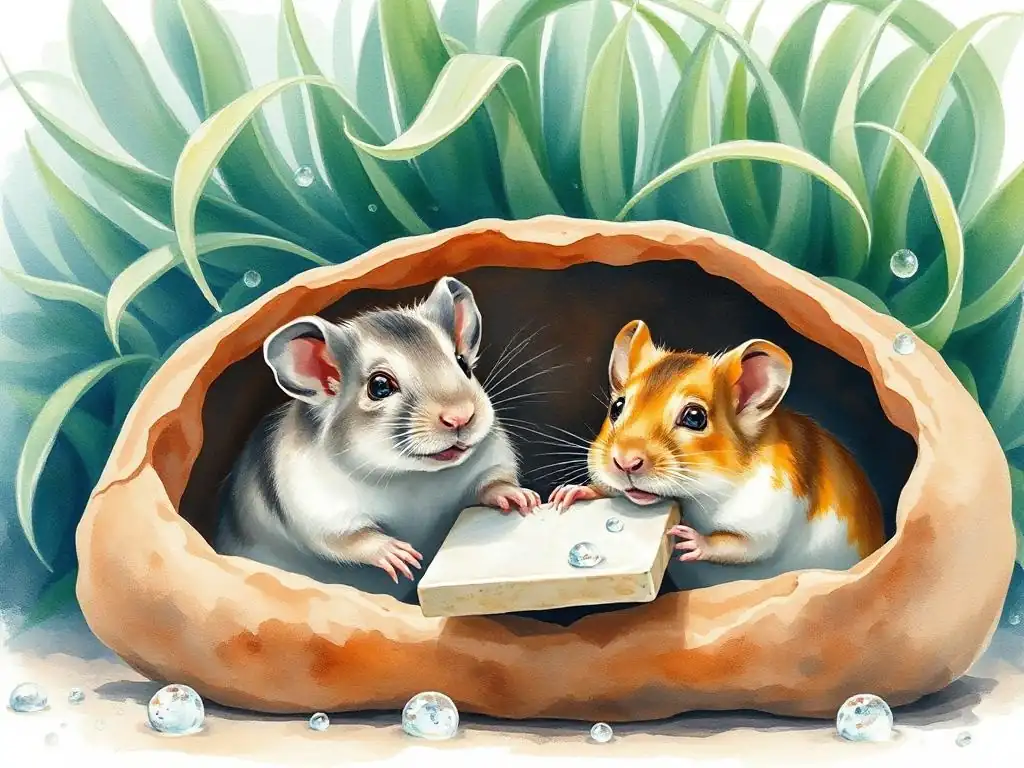
Gerbils, with their naturally high metabolic rates, are particularly susceptible to heatstroke during summer months. Proactive measures are crucial for preventing this potentially fatal condition. Understanding your gerbil's vulnerability is the first step in ensuring their safety and well-being. This involves a multi-pronged approach encompassing environmental control, dietary adjustments, and vigilant monitoring.
Failure to take these steps can lead to serious health consequences, including lethargy, respiratory distress, and ultimately, death. The key to successful gerbil summer heatstroke prevention lies in anticipating and mitigating the risks before they escalate. This section details several crucial preventative strategies to keep your gerbils safe and thriving throughout the warmer months.
Monitoring Your Gerbil's Behavior During Hot Weather
Close observation of your gerbil's behavior is paramount, especially during periods of high temperatures. Changes in their typical activity levels can be early warning signs of heat stress. A healthy gerbil is typically active and playful. However, a gerbil suffering from heat stress might exhibit:
- Lethargy and inactivity: A significant decrease in activity levels, with the gerbil spending more time resting or sleeping than usual.
- Panting and rapid breathing: Gerbils don't sweat; panting is their primary method of cooling down. Excessive panting is a clear indicator of overheating.
- Excessive grooming: While grooming is a normal gerbil behavior, increased grooming, particularly around the face and paws, can signify discomfort and an attempt to cool down.
- Weakness and staggering: In severe cases, heatstroke can manifest as muscle weakness, leading to unsteady gait or staggering.
- Loss of appetite: A decrease or complete loss of appetite is another significant warning sign.
If you observe any of these symptoms, immediately move your gerbil to a cooler environment and take steps to lower their body temperature. Providing cool water and seeking veterinary attention are crucial steps in managing heatstroke. Remember, early intervention is key to improving the chances of a full recovery. Regular monitoring, especially during heatwaves, is a critical aspect of gerbil summer heatstroke prevention.
Regular Cage Cleaning and Hygiene for Gerbils
Maintaining a clean and well-ventilated cage is essential for preventing heat buildup and promoting your gerbil's overall health. Ammonia buildup from urine and feces can exacerbate heat stress, creating a more uncomfortable environment. A clean cage also reduces the risk of bacterial and parasitic infections, which can further weaken your gerbil's ability to cope with heat.
Here's a recommended cleaning schedule:
- Spot cleaning: Daily spot cleaning involves removing soiled bedding and food scraps. This prevents the accumulation of waste and helps maintain a fresher environment.
- Full cage cleaning: A complete cage cleaning should be performed at least once a week. This involves removing all bedding, scrubbing the cage thoroughly with a pet-safe disinfectant, rinsing thoroughly, and replacing with fresh bedding.
- Bedding choice: Use absorbent bedding materials that allow for good air circulation. Avoid using materials that retain excessive moisture or heat.
Regular cleaning not only reduces the risk of heatstroke but also helps prevent respiratory problems and other health issues. A clean cage is a happy and healthy cage – a crucial aspect of gerbil summer heatstroke prevention. Remember to always use pet-safe cleaning products and rinse thoroughly to avoid exposing your gerbils to harmful chemicals.
Creating a Consistent Daily Routine for Your Gerbils
Establishing a consistent daily routine provides stability and helps your gerbils adapt to their environment. This is particularly important during summer, as a predictable routine can help minimize stress and improve their ability to cope with heat. A consistent routine includes:
- Feeding times: Feeding your gerbils at consistent times helps regulate their metabolism and energy levels.
- Water availability: Always ensure fresh, cool water is readily available. Consider adding ice cubes to their water bottle during particularly hot days.
- Exercise time: Provide supervised playtime outside of the cage during cooler parts of the day. Avoid exercising your gerbils during the hottest periods.
- Rest periods: Ensure your gerbils have access to cool, shaded areas within their cage for rest and relaxation.
A predictable routine reduces stress, which can compromise a gerbil's ability to regulate its body temperature. By providing a consistent and comfortable environment, you can significantly reduce their risk of heatstroke. This proactive approach, combined with other preventative measures, is vital for gerbil summer heatstroke prevention and ensures your furry friends remain healthy and happy throughout the summer months.
Summer Gerbil Enrichment: Safe and Cooling Activities
Summer presents unique challenges for gerbils, requiring pet owners to adapt their enrichment strategies to ensure their little companions stay cool and engaged. Traditional enrichment items might absorb heat, potentially exacerbating the risk of gerbil summer heatstroke. Therefore, focusing on cooling and safe options is crucial for their well-being during the warmer months. This section details safe and stimulating activities to keep your gerbil happy and healthy throughout the summer. Preventing gerbil summer heatstroke requires proactive measures, and enrichment plays a vital role.
Summer-Safe Gerbil Toys and Enrichment Ideas
Providing a stimulating environment is key to preventing boredom and stress, which can exacerbate the negative effects of heat. However, not all toys are created equal in summer. Avoid materials that retain heat, such as plush toys or those made from dark-colored fabrics. Instead, opt for:
- Ceramic or glass hideaways: These materials remain relatively cool to the touch, providing a welcome respite from the heat.
- Wooden chew toys: Choose untreated, safe wood that won't splinter. These offer chewing opportunities without adding to the heat.
- Frozen treats: Fill small, shallow containers with gerbil-safe fruits (like small pieces of apple or banana) and freeze them. This provides both a cool treat and mental stimulation.
- Paper tubes and cardboard boxes: These inexpensive and readily available materials are excellent for burrowing and exploration, without posing heat risks. Ensure they are free of inks or toxins.
- Digging boxes: Fill a shallow container with a mixture of safe substrates like sand (ensure it's not dusty) and paper bedding. This provides a great opportunity for natural gerbil behavior, helping them stay cool and entertained.
Remember to always supervise your gerbil with new toys and remove anything that shows signs of wear or damage to prevent accidental ingestion. Regularly rotate toys to maintain interest and prevent boredom. The key is to offer a variety of options that cater to their natural instincts without contributing to heat stress. This proactive approach to gerbil summer heatstroke prevention is essential for their well-being.
Providing a Cool Bathing Opportunity for Your Gerbil (if appropriate)
While gerbils don't typically require baths, offering a shallow dish of cool (not cold!) water can provide a refreshing experience during extremely hot weather. However, proceed with caution. Gerbils are not strong swimmers and can easily drown in even shallow water. Therefore, supervision is absolutely crucial.
The bath should be very shallow, perhaps only an inch or two deep, and should only be offered for a short period under close observation. Make sure the water is clean and fresh and remove the dish after a few minutes. Many gerbils will only take a quick sip or lick from the water. Avoid forcing your gerbil into the water.
Providing a cool, damp area within their enclosure, such as a ceramic tile or a small, smooth stone, can also provide a cooling surface for them to rest on. Always monitor the temperature of any cooling materials to ensure they are not excessively cold. Remember, the goal is to offer a refreshing option, not to subject your gerbil to a shock of cold. Improper bathing can contribute to respiratory issues, so proceed with extreme caution, considering your gerbil's individual temperament and needs.
Monitoring Gerbil Activity Levels During Heat Waves
During heat waves, it's crucial to monitor your gerbil's activity levels closely. A lethargic or unusually quiet gerbil could be a sign of heatstroke. Normal gerbil activity includes periods of activity and rest. However, a significant decrease in activity, coupled with other symptoms such as labored breathing, excessive panting (though less noticeable in gerbils than in dogs), or a hunched posture, warrants immediate attention. Keep a close eye on your gerbil's behavior. Changes in their eating and drinking habits can also indicate a problem. Reduced appetite and increased thirst are common symptoms of heat stress.
Signs of Gerbil Heatstroke: A Quick Checklist
- Lethargy and inactivity
- Labored breathing
- Excessive panting (subtle in gerbils)
- Hunched posture
- Reduced appetite
- Increased thirst
- Weakness or collapse
If you notice any of these signs, immediately move your gerbil to a cooler location and seek veterinary attention. Early intervention is crucial for preventing severe complications and ensuring your gerbil's survival. Remember, prevention is key. By implementing the strategies outlined above, you can significantly reduce the risk of gerbil summer heatstroke and keep your furry friend safe and happy all summer long.
Frequently Asked Questions
What are the main signs of heatstroke in gerbils?
Gerbils suffering from heatstroke may show lethargy, excessive panting, and lack of coordination. Seek immediate veterinary attention if you notice these symptoms.
What's the ideal temperature range for gerbils during summer?
The ideal temperature for gerbils is between 65-75°F (18-24°C). Temperatures above this can be dangerous.
How can I cool down my gerbils' cage during hot weather?
Provide shade, increased ventilation, and a cool tile or ceramic hide. You can also use a fan on low speed, directing air away from the cage.
What foods should I avoid feeding my gerbil in the summer?
Avoid foods that generate extra heat within their bodies during digestion. High-protein and fatty foods are best avoided during hot weather.
My gerbil seems lethargic. Could it be heatstroke? What should I do?
Lethargy is a major warning sign. Immediately move your gerbil to a cooler location, apply a cool compress to its body, and contact a veterinarian immediately. Time is critical in heatstroke cases.
Final Reflection: A Summer of Safety for Your Gerbils
The sweltering summer months pose a significant threat to our small, furry friends, and understanding how to protect gerbils from heatstroke is not just crucial—it's a matter of life and death. Ignoring the specific needs of gerbils during hot weather can have devastating consequences, leading to suffering and even loss. This article has highlighted the vital importance of proactive measures, emphasizing the need for vigilance and careful planning to ensure a safe and comfortable summer for your gerbils.
The impact of rising global temperatures is undeniable, and its effects extend even to our beloved pets. We have a responsibility to adapt our care routines to meet the challenges of a changing climate. The greatest threat to our planet is the belief that someone else will save it.
- Robert Swan. This quote reminds us that each of us plays a crucial role in protecting the vulnerable creatures we share our lives with. Understanding the specific vulnerabilities of gerbils to heat, and taking the necessary steps to mitigate those risks, is a testament to our commitment to their well-being.
This summer, I urge you to take a moment to review your gerbil's living environment. Consider the temperature of their cage, the availability of cool areas, and the frequency of water changes. Remember the simple yet powerful steps outlined in this article, and make the necessary adjustments to ensure your gerbils thrive, not just survive, during the hottest months. Your proactive care will not only safeguard their health but will also deepen the bond you share, creating a summer filled with happy chirps and playful antics.
Beat the Heat: Keep Your Gerbil Thriving This Summer!
Thank you for learning how to keep your gerbil safe and happy during the summer months! We hope you feel confident in protecting your furry friend from overheating. Ready to put this knowledge into practice?
- Prioritize shade and airflow: Immediately check your gerbil's cage for adequate ventilation and shaded areas. Even small improvements can significantly benefit your pet.
- Share your summer gerbil care tips: Let's build a supportive community of well-informed gerbil owners! Share your advice and experiences in the comments below.
- Explore creative cooling methods: Think outside the box! A frozen water bottle can provide extra cooling. What other clever solutions have you found?
Ready to create a cool, comfortable, and enriching summer environment for your gerbil? We'd love to hear your ideas!