Guinea Pig Summer Safety: Keeping Your Cavies Cool & Protected
😊 Beat the heat and keep your guinea pigs safe this summer! PetCareWorld's guide offers essential tips for guinea pig summer heat…
Read article
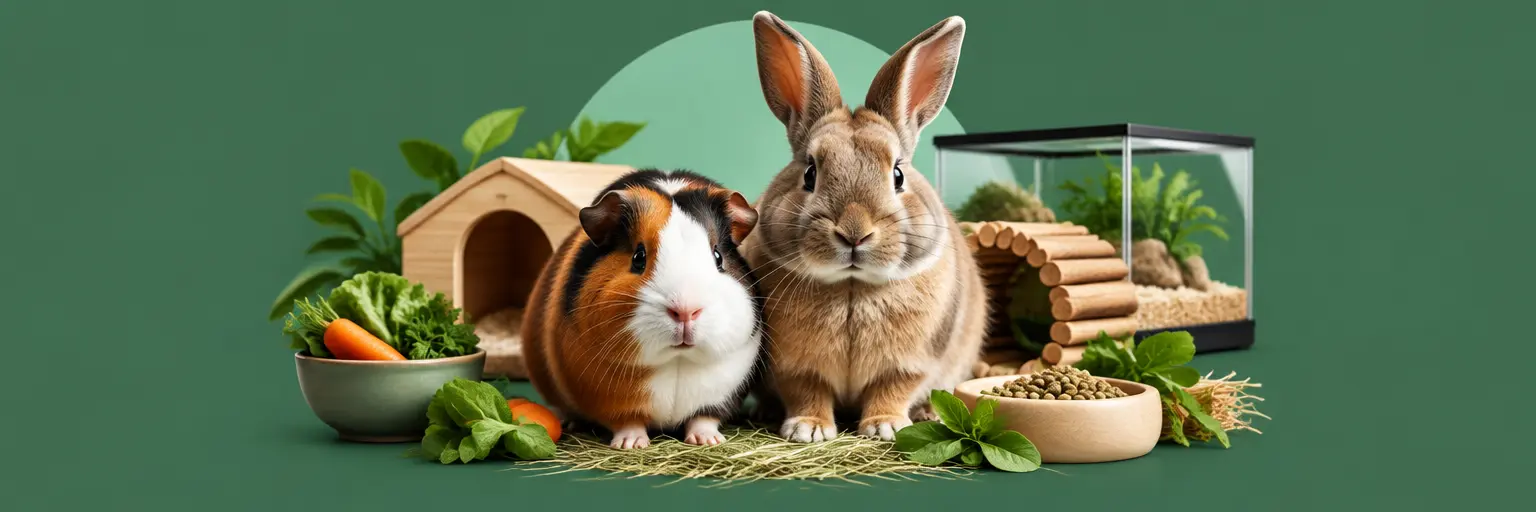
Discover the joy of caring for guinea pigs and rabbits with expert-backed tips from PetCareWorld! 🐹🐰 Whether you’re a first-time owner or a seasoned enthusiast, our guides cover everything from spacious housing and safe bedding to balanced diets rich in hay, fresh veggies, and vitamin C—essential for guinea pigs—and gentle handling techniques that build trust. Learn how to recognize signs of illness early, provide enriching toys and social interaction, and create a predator-proof outdoor or indoor setup. With a focus on small mammal wellness, we break down grooming, nail trimming, and dental care into simple steps. Explore behavior insights to understand thumping, purring, and binkying, ensuring your furry friends thrive. Trust PetCareWorld to turn every day into a safe, joyful adventure for your cherished pets. 🥕✨

😊 Beat the heat and keep your guinea pigs safe this summer! PetCareWorld's guide offers essential tips for guinea pig summer heat…
Read article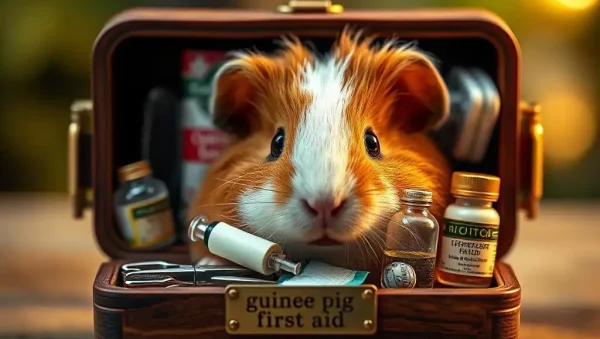
😊 Is your guinea pig suddenly unwell? PetCareWorld's guide to building a guinea pig emergency first aid kit provides essential supplies for…
Read article
😊 Successfully potty train your rabbit with our expert Rabbit litter box training guide! Learn step-by-step how to create a clean and…
Read article
😊 Discover the secrets to a thriving bunny haven! PetCareWorld's "Rabbit Housing 101" offers the best rabbit hutch setup guide, ensuring your…
Read articleWelcome to PetCareWorld’s dedicated hub for small mammal care, focusing specifically on guinea pigs and rabbits. These charming, social creatures require specialized nutrition, housing, and enrichment to thrive. Whether you’re a first-time owner or a seasoned enthusiast, this subcategory offers expert advice on everything from hay-based diets to safe handling, dental health, and bonding techniques. Explore our actionable guides to ensure your furry friend lives a long, happy, and healthy life.
Proper diet is the cornerstone of small mammal health. For both guinea pigs and rabbits, unlimited high-quality grass hay (like timothy or orchard grass) should make up 80% of their intake, supporting dental wear and digestive motility. Guinea pigs uniquely require dietary vitamin C—around 30-50 mg daily—since they cannot synthesize it; supplement with bell peppers, kale, or vitamin C tablets. Rabbits need a measured portion of leafy greens (e.g., romaine, cilantro) and a small amount of high-fiber pellets, avoiding sugary fruits except as rare treats. Never feed iceberg lettuce, seeds, or processed human snacks, as these can cause fatal gastrointestinal stasis.
Hydration is equally vital: always provide fresh, filtered water via a sipper bottle or heavy ceramic bowl. Monitor your pet’s fecal output daily—small, round, uniform droppings indicate healthy digestion. Sudden changes in appetite or stool size warrant immediate veterinary attention. For rabbits, note that muesli-style foods are dangerous; choose plain, uniform pellets with at least 18% fiber. For guinea pigs, avoid any mixed seed treats. Over time, gradual dietary transitions prevent digestive upset; introduce new vegetables one at a time over 48 hours.
Space and stimulation directly impact your pet’s well-being. Rabbits thrive in exercise pens or rabbit-proofed rooms with a minimum of 8 square feet of living space, plus a separate sleeping area. Guinea pigs need at least 7.5 square feet for a pair, with solid flooring covered by absorbent fleece liners or paper-based bedding—avoid cedar or pine shavings due to harmful phenols. Provide hideouts (wooden or cardboard houses), tunnels, and chew toys like untreated willow or apple branches. Daily supervised out-of-cage time is mandatory for both species to prevent obesity and boredom.
Enrichment should mimic natural behaviors: scatter pellets in a foraging box or hang a hay ball to encourage grazing. Rotate toys weekly to maintain interest. For rabbits, provide a litter box with paper pellets; they are naturally trainable. For guinea pigs, include a companion—they are herd animals and can suffer depression if housed alone. Ensure the environment stays between 60-75°F (15-24°C) with low humidity, and never place enclosures in direct sunlight or drafty areas. Clean bedding at least twice weekly, and spot-clean soiled areas daily to reduce ammonia buildup.
Regular health checks prevent common issues like overgrown teeth, bumblefoot, and parasites. Rabbits and guinea pigs have open-rooted teeth that grow continuously; provide unlimited hay and chew toys to wear them down. Inspect incisors and molars weekly—signs of drooling, reduced appetite, or pawing at the mouth indicate dental disease. Annual veterinary exams with an exotic pet specialist are essential, including fecal tests for parasites and weight monitoring. Rabbits should be spayed or neutered to prevent uterine cancer and behavioral issues; guinea pigs benefit from same-sex or neutered pairs to avoid breeding complications.
Grooming needs vary by coat type: long-haired guinea pigs (e.g., Peruvians) require daily brushing, while short-haired breeds need weekly gentle brushing. Rabbits shed heavily; use a soft bristle brush or rubber grooming mitt, and consider a vacuum-safe grooming session during molt periods. Nail trimming every 3-4 weeks is critical—use specialized small animal clippers and styptic powder for accidents. Check ears for wax buildup or mites (black debris) and eyes for discharge. Maintain a flea control plan if other pets live indoors, and always quarantine new animals for 14 days.
Socialization builds trust and reduces stress. Guinea pigs communicate through a range of squeaks, purrs, and chattering; a deep purr indicates contentment, while a loud “wheek” means excitement for food. Rabbits thump to warn danger, and they show affection by “chinning” objects (scent marking). Handle both species gently: support their hindquarters fully, never pick up by ears or scruff. For guinea pigs, scoop from below with two hands; for rabbits, place one hand under the chest and the other under the rump, holding close to your body to prevent kicking and spinal injuries.
Bonding takes patience—spend quiet time near the enclosure, offering treats from your hand. For rabbits, sit on the floor and let them approach you; never force handling. Guinea pigs are more interactive during routine times; talk softly and provide calm environments. For multi-pet households, introduce slowly: rabbits and guinea pigs should never cohabitate (different dietary and pathogen risks), but supervised meeting sessions can be enriching if space allows. Watch for signs of stress: hiding, overgrooming, or aggression. Consistent, gentle interaction daily—even 10 minutes—transforms these prey animals into affectionate companions.
Recognizing early warning signs saves lives. Gastrointestinal stasis (ileus) is a top emergency: symptoms include no droppings, bloated abdomen, and lethargy—caused by stress, dehydration, or pain. Immediately provide critical care formula and schedule a vet visit. Other common issues: respiratory infections (sneezing, nasal discharge) in guinea pigs; urinary sludge or bladder stones in rabbits (bloody urine, straining); and pododermatitis (sore hocks) from wire flooring—switch to solid surfaces. Parasites like mites cause intense itching and fur loss; treat with veterinarian-prescribed ivermectin.
Build a small mammal first-aid kit: styptic powder, sterile saline, a syringe for feeding, betadine solution for wound cleaning, and a towel for restraint. For basic emergencies, check for breathing and heartbeat; perform gentle chest compressions (100-120 per minute) if necessary, while a helper calls the vet. Never give human medications—acetaminophen is lethal. Keep a list of 24-hour exotic emergency clinics. Weigh your pet weekly using a kitchen scale; a sudden 5% loss requires immediate attention. Prevent heatstroke by offering frozen water bottles in summer; in winter, provide extra bedding but avoid heaters that cause burns.
No, they should never share a cage. They have different dietary needs (guinea pigs need vitamin C, rabbits synthesize it), and rabbits can transmit Bordetella bronchiseptica to guinea pigs, which is fatal. Their social structures also differ—rabbits may bully, injure, or stress guinea pigs. Keep them in separate enclosures but allow supervised interaction if both are healthy.
Spot-clean daily by removing wet bedding and leftover vegetables. Deep clean with a mild pet-safe disinfectant every 3-4 days for guinea pigs (hippuric acid in urine is strong) and weekly for rabbits if litter-trained. Replace all bedding or fleece liners completely during deep cleans to prevent ammonia buildup and respiratory issues.
For both species, daily greens include romaine lettuce, cilantro, basil, dill, and red leaf lettuce. Guinea pigs also benefit from bell peppers and a small slice of tomato (not the stems). Avoid spinach, kale, and parsley in large amounts due to high calcium. Introduce new veggies gradually and wash thoroughly to remove pesticides.
With proper care, guinea pigs live 5-7 years, while rabbits can live 8-12 years (often longer if spayed/neutered and kept indoors). Their longevity depends heavily on diet, veterinary care, and living conditions—a well-maintained habitat dramatically extends your pet’s lifespan compared to neglected environments.
Unlimited hay provides essential fiber for both species, preventing gastrointestinal stasis and obesity. It also wears down continuously growing teeth, reducing the risk of malocclusion. Hay also satisfies natural chewing and foraging behavior, reducing stress. Without constant access, digestive motility slows, leading to life-threatening blockages.