
Guinea Pig First Aid Kit: Essential Items for Emergencies

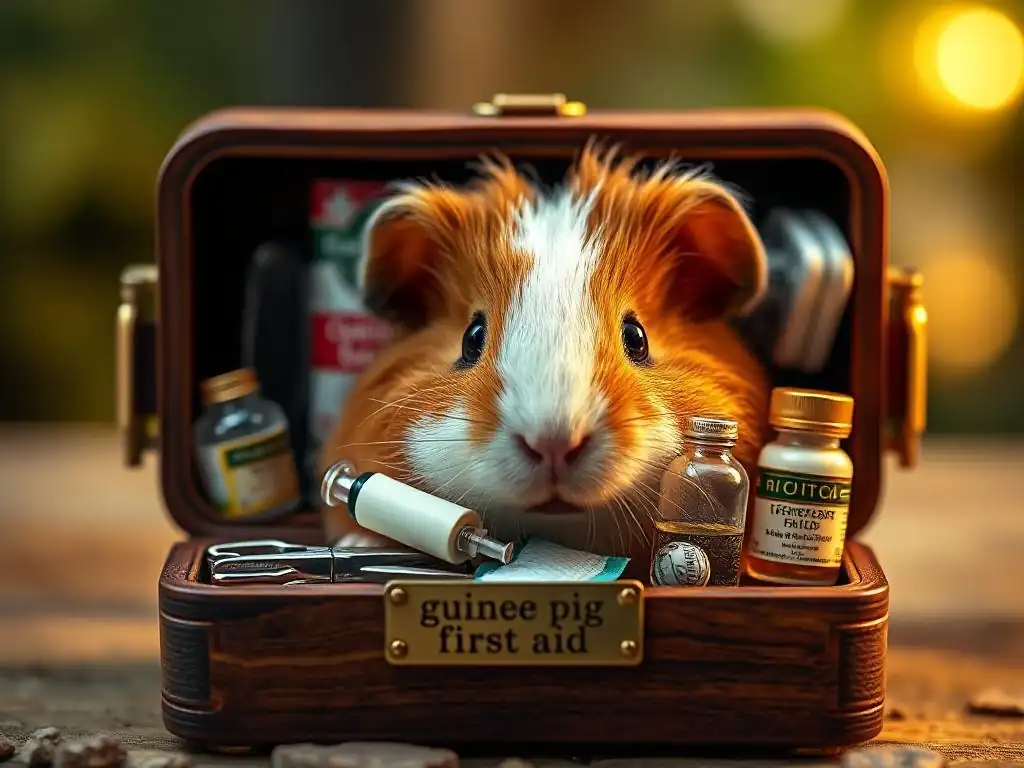
Welcome to PetCareWorld, your ultimate guide to the wonderful world of pet ownership! Are you prepared for any unexpected event? Discover the essential components of a comprehensive Guinea pig emergency first aid kit and learn how to confidently handle common emergencies. We'll equip you with the knowledge and resources to ensure the well-being of your beloved pet. Dive in and explore the crucial steps to take when seconds count!
- Building Your Guinea Pig Emergency First Aid Kit: A Comprehensive Guide
- Responding to Common Guinea Pig Emergencies: A Step-by-Step Approach
- When to Seek Veterinary Care for Your Guinea Pig
- Maintaining Your Guinea Pig First Aid Kit: Regular Checks and Replenishments
- Creating a Guinea Pig Emergency Care Plan: Preparation is Key
-
Frequently Asked Questions
- What should be in my guinea pig emergency first aid kit?
- How do I know if my guinea pig needs immediate veterinary attention?
- What are some common guinea pig injuries that require first aid?
- Can I use human first aid supplies on my guinea pig?
- Where can I find a comprehensive list of guinea pig first aid supplies?
- Final Reflection: Protecting Our Tiny Companions: Guinea Pig Emergency Preparedness
- Empower Yourself: Become Your Guinea Pig's First Responder!
Building Your Guinea Pig Emergency First Aid Kit: A Comprehensive Guide
Guinea pigs, with their endearing personalities and unique needs, require attentive care. While preventative measures are crucial for maintaining their health, knowing how to handle emergencies is equally important. This comprehensive guide outlines the essential components of a guinea pig first aid kit, empowering you to provide immediate assistance in case of minor injuries or unexpected illnesses. A well-stocked kit can significantly improve your furry friend's chances of a speedy recovery, bridging the gap until professional veterinary care is available.
This guide focuses on equipping you to handle common emergencies, emphasizing the importance of seeking veterinary attention for any serious or persistent issues. Remember, this kit is for minor emergencies only; prompt veterinary care is essential for serious conditions. We'll cover everything from treating minor wounds to addressing eye irritations, ensuring you're prepared for a range of scenarios.
Essential Supplies for Minor Guinea Pig Injuries
Having the right supplies on hand is crucial for effectively managing minor guinea pig injuries. A well-prepared kit should include items to clean wounds, stop bleeding, and provide temporary protection. Below is a list of essential items categorized for easy access during an emergency:
- Wound Cleaning: Sterile saline solution (avoid using hydrogen peroxide or alcohol, which can damage delicate guinea pig skin), cotton swabs or gauze pads.
- Hemostasis (Stopping Bleeding): Clean cotton balls or gauze, styptic powder (for minor cuts).
- Wound Protection: Non-stick bandages (small size), vet wrap (self-adhesive bandage), antibiotic ointment (ensure it's safe for guinea pigs – always check with your veterinarian first! ).
- Other Essentials: Tweezers (for removing small debris), blunt-ended scissors (for carefully cutting bandages), disposable gloves.
Remember to store all items in a clean, dry, and easily accessible location. Regularly check the expiration dates of medications and replace any expired or damaged supplies. Consider adding a small notebook to record incidents and treatments administered.
Medications and Topical Treatments for Common Ailments
While this section highlights common medications and treatments, it is crucial to consult your veterinarian before administering any medication to your guinea pig. Improper use can be harmful. This section serves as a guide to what might be recommended by your vet, not a guide to self-medicating your pet.
Antibiotic Ointment for Guinea Pig Wound Care
Antibiotic ointment can help prevent infection in minor wounds. However, it's vital to use an ointment specifically formulated for animals and approved by your veterinarian. Never apply human-grade ointments without veterinary consultation. Apply a thin layer to the cleaned wound as directed by your vet. Monitor the wound closely for signs of infection (increased swelling, redness, pus).
Pain Relief Medication for Guinea Pigs (Consult a Vet First)
Guinea pigs can experience pain, and your vet might prescribe pain relief medication for specific injuries or post-surgical care. Never administer human pain relievers. These can be toxic to guinea pigs. Only use medications specifically prescribed by a veterinarian for your pet.
Eye Wash Solution for Guinea Pig Eye Irritation
A sterile saline eye wash solution can be used to gently rinse away debris or irritants from your guinea pig's eyes. Use a clean cotton ball or gauze pad to apply the solution, ensuring it's lukewarm and only using a small amount to avoid further irritation. If eye irritation persists, seek veterinary attention immediately. Signs of serious eye problems include swelling, discharge, and squinting.
Remember, this first-aid kit is for minor emergencies. Always seek professional veterinary care for any concerning symptoms or injuries. Prevention is key – maintaining a clean and safe environment for your guinea pig significantly reduces the likelihood of accidents and injuries. 🧐
Essential Tools for Guinea Pig First Aid
A well-stocked guinea pig emergency first aid kit needs more than just medications; it requires essential tools to administer the necessary care effectively and safely. These tools are crucial for cleaning wounds, removing debris, and preparing your guinea pig for further treatment. Improper handling can worsen an injury, so having the right tools readily available is paramount. Remember, even seemingly minor injuries can quickly escalate if not addressed promptly and correctly. Always prioritize gentle and careful handling to minimize your pet's stress and discomfort during any first aid procedure.
Clean Towels and Gauze for Guinea Pig Wound Cleaning
Cleanliness is paramount when treating any wound. Using clean towels and gauze is vital to prevent infection. You should have several clean, absorbent towels readily available in your kit. These are useful for both cleaning the area around a wound and for gently restraining your guinea pig if necessary.
Gauze pads, ideally sterile, are preferable for direct contact with the wound itself, as they are more absorbent and allow for better cleaning and dressing of the injury. Remember to replace used towels and gauze immediately after use to maintain hygiene and prevent cross-contamination. Consider keeping a separate, sealed bag for used materials to ensure proper disposal. It’s also wise to have a supply of disposable gloves to protect both yourself and your pet from potential infection.
Tweezers for Removing Foreign Objects
Tweezers are an invaluable tool for removing small foreign objects that may become embedded in your guinea pig's fur or skin. These objects can range from small pieces of wood or plastic to thorns or grass seeds. Opt for fine-tipped tweezers that offer good grip and precision, minimizing the risk of causing further injury. Before using tweezers, carefully examine the object to assess its size and depth of penetration.
If the object is deeply embedded or difficult to remove, it's crucial to seek veterinary attention immediately, as attempting removal yourself could cause more harm. Always prioritize your guinea pig's safety and well-being. Remember, forceful removal can cause unnecessary pain and trauma.
Small Scissors for Trimming Fur Around Injuries
Small, blunt-ended scissors are essential for carefully trimming the fur around an injury. This allows for better access to the wound for cleaning and treatment. Sharp scissors can easily injure your guinea pig, so blunt-ended ones are a safer choice. Never cut too close to the wound itself; instead, trim the surrounding fur to create a clean area for treatment.
This careful trimming will also prevent fur from sticking to the wound and potentially hindering healing. Remember, patience and a gentle hand are key when using scissors near your guinea pig. If you're unsure about trimming the fur yourself, it's always best to consult a veterinarian. They can provide professional guidance and ensure the procedure is performed safely and effectively.
Responding to Common Guinea Pig Emergencies: A Step-by-Step Approach
This section details how to react to common guinea pig emergencies, emphasizing quick, decisive action to maximize their chances of recovery. Remember, swift intervention is crucial in these situations. Always consult your veterinarian following any emergency, even if your guinea pig seems to recover. A seemingly minor issue could indicate a more serious underlying problem. This guide focuses on immediate first aid; professional veterinary care is always the ultimate goal.
Dealing with Bleeding Wounds in Guinea Pigs
Bleeding wounds in guinea pigs can range from minor scrapes to severe lacerations. The severity dictates the response. For minor wounds, gently clean the area with a clean, damp cloth and apply a thin layer of antibiotic ointment designed for small animals. Monitor for signs of infection (swelling, redness, pus).
For more significant bleeding, apply gentle, direct pressure to the wound using a clean cloth or gauze. Elevate the injured limb if possible to reduce blood flow. If bleeding is profuse or uncontrolled, immediately seek veterinary care. Do not attempt to stitch the wound yourself; this should be done by a veterinarian. The following table summarizes the initial response:
| Wound Severity | Initial Response | Next Steps |
|---|---|---|
| Minor | Clean with damp cloth, antibiotic ointment | Monitor for infection; contact vet if worsening |
| Moderate | Apply direct pressure, elevate limb | Contact vet immediately |
| Severe | Apply direct pressure, seek vet care immediately | Transport to vet; provide support and warmth |
It's vital to keep the wound clean and dry to prevent infection. Regularly check the wound for signs of infection or complications. Remember, even a seemingly minor wound can become infected quickly in guinea pigs. Always err on the side of caution and seek veterinary advice if you are unsure about the severity of the wound. The use of appropriate, small-animal-specific products is paramount to prevent further complications.
Addressing Guinea Pig Respiratory Distress
Respiratory distress in guinea pigs manifests as labored breathing, wheezing, rapid breathing (tachypnea), or open-mouth breathing. These symptoms can indicate a variety of underlying conditions, including pneumonia, lung infections, or even heart problems. Immediate veterinary attention is crucial. While waiting for veterinary care, try to keep your guinea pig calm and warm in a quiet, draft-free environment. Avoid stressing the animal further.
Signs of Respiratory Distress
- Rapid, shallow breathing
- Wheezing or whistling sounds
- Open-mouth breathing
- Bluish discoloration of gums (cyanosis)
- Lethargy or weakness
Providing a warm, humid environment can sometimes offer temporary relief. You can achieve this by placing a humidifying device (like a cool-mist humidifier) near the cage, but ensure the guinea pig cannot directly access the water. However, this is merely a temporary measure; veterinary care is essential for diagnosis and treatment. The underlying cause of respiratory distress needs professional assessment and treatment to prevent serious complications or even death. Early intervention is key to a positive outcome.
Handling Guinea Pig Seizures
Guinea pig seizures can be frightening to witness. They may involve convulsions, loss of consciousness, or unusual movements. The exact cause can vary, from neurological disorders to metabolic imbalances or even poisoning. During a seizure, prioritize the guinea pig's safety:
- Protect from injury: Gently move the guinea pig to a safe, padded area to prevent them from hitting anything hard. Remove any potentially hazardous objects from their immediate vicinity.
- Time the seizure: Note the duration of the seizure. This information is crucial for the veterinarian.
- Remain calm: Your calm demeanor can help minimize the animal's stress.
- Do not restrain: Avoid restraining the guinea pig during a seizure; this could cause further injury.
- Seek immediate veterinary care: After the seizure, immediately transport your guinea pig to a veterinarian for a thorough examination and diagnosis.
Following a seizure, monitor your guinea pig closely for any lingering effects, such as weakness, disorientation, or changes in behavior. Providing a quiet, dark, and comfortable environment can help them recover. A comprehensive veterinary examination is necessary to determine the underlying cause of the seizures and to develop an appropriate treatment plan. Keep a detailed record of the seizures, including their frequency, duration, and any associated symptoms. This information will be invaluable to your veterinarian in determining the best course of action. The earlier the intervention, the better the chances of successful management and a positive prognosis.
Treating Guinea Pig Heat Stroke
Heat stroke is a serious and potentially life-threatening condition in guinea pigs. These small mammals have a limited ability to regulate their body temperature, making them highly susceptible to overheating, especially in hot and humid environments. Recognizing the signs of heat stroke is crucial for prompt intervention. Symptoms can include excessive panting, lethargy, weakness, staggering gait, and even seizures. Their skin may feel unusually hot to the touch. If you suspect your guinea pig is suffering from heat stroke, immediate action is vital.
First, move your guinea pig to a cool, shaded area, away from direct sunlight and any sources of heat. A cool, tiled floor is ideal. Gently apply cool (not cold!) water to their body, focusing on their paws, ears, and belly. Avoid submerging them completely, as this can lead to further complications. You can use a damp cloth or a spray bottle to apply the water. Monitor their breathing and temperature closely. A lukewarm bath can also be helpful, but ensure the water temperature is carefully controlled to prevent hypothermia.
While applying cool water, you can also provide them with access to cool water to drink. Offering small amounts frequently is better than overwhelming them with a large quantity at once. If your guinea pig is unresponsive or showing severe symptoms, immediate veterinary attention is necessary. Heat stroke can quickly lead to organ damage and death if left untreated.
Early intervention significantly improves the chances of a successful outcome. Remember, prevention is key; ensure your guinea pig has access to shade, cool water, and adequate ventilation, especially during hot weather. Consider using a cooling mat or placing frozen water bottles wrapped in towels near their cage for additional cooling. Regularly monitoring your guinea pig's behavior and temperature, particularly during warm weather, is essential for detecting heat stroke early.
What to Do if Your Guinea Pig is Injured: Immediate Actions
Injuries in guinea pigs can range from minor scrapes and cuts to more serious fractures and internal bleeding. The immediate response to any injury is crucial for minimizing further damage and ensuring the best possible outcome. Assess the situation calmly and systematically. First, carefully examine your guinea pig for any visible wounds or injuries. Note the location, severity, and type of injury. If bleeding is present, gently apply gentle pressure to the wound with a clean cloth. Do not use antiseptic solutions or hydrogen peroxide directly on open wounds as these can further irritate the tissues.
For minor cuts and scrapes, a small amount of antibiotic ointment can be applied after cleaning the area with clean water. However, for more significant injuries, such as deep wounds, broken bones, or internal bleeding, immediate veterinary attention is absolutely essential. Do not attempt to treat these injuries at home.
Transporting an injured guinea pig requires careful handling to avoid causing further pain or damage. Use a sturdy carrier and keep the guinea pig as still as possible during transport. If the injury involves a limb, consider using a soft, supportive material to immobilize the affected area, but only if you are comfortable doing so and it does not cause additional distress.
Remember to carefully observe your guinea pig for any signs of shock, such as pale gums, rapid breathing, weakness, or lethargy. These signs indicate the need for immediate veterinary care. Keep a record of the injury, the time it occurred, and any treatment you provided, to relay this information to your veterinarian. Prevention of injuries is also important.
Ensure your guinea pig's environment is safe and secure, free from hazards such as sharp objects, electrical cords, and toxic substances. Regular cage cleaning and maintenance are also crucial in preventing injuries. Providing a safe and enriched environment greatly reduces the likelihood of your guinea pig sustaining injuries.
When to Seek Veterinary Care for Your Guinea Pig
Knowing when your guinea pig needs immediate veterinary attention is crucial for their well-being. While a basic first-aid kit can handle minor issues, certain signs indicate a need for professional veterinary care. Delaying treatment in these cases can significantly impact your pet's health and even be life-threatening. This section outlines key indicators prompting an immediate trip to the vet.
Remember, it's always better to err on the side of caution when it comes to your guinea pig's health. Early intervention often leads to better outcomes. Don't hesitate to contact your veterinarian if you're unsure about the severity of your guinea pig's condition. Your veterinarian is your best resource for assessing your pet's unique needs.
Recognizing Serious Guinea Pig Injuries Requiring Immediate Veterinary Attention
Several injuries and illnesses require immediate veterinary attention. These situations often present clear warning signs. Acting swiftly can dramatically increase the chances of a positive outcome. Here are some critical signs to watch for:
- Severe Bleeding: Any significant bleeding, especially from deep wounds or injuries that penetrate the skin, requires immediate veterinary care. Apply gentle pressure with a clean cloth to the wound while en route to the vet.
- Broken Bones: Suspect a broken bone if your guinea pig is exhibiting significant pain, swelling, deformity, or inability to use a limb. Immobilize the affected limb as best as you can using soft materials to minimize further injury before transportation.
- Respiratory Distress: Difficulty breathing, rapid breathing (tachypnea), wheezing, or open-mouth breathing are serious signs requiring immediate veterinary attention. These symptoms can indicate a range of life-threatening conditions.
- Seizures: Seizures are a medical emergency. Note the duration, frequency, and any other associated symptoms. Time is of the essence in these cases.
- Loss of Consciousness: If your guinea pig loses consciousness, this is a critical emergency requiring immediate veterinary intervention. Gently place your guinea pig in a safe, dark, and quiet place while awaiting transportation.
- Severe Diarrhea or Vomiting: Prolonged or excessive diarrhea or vomiting can lead to dehydration and electrolyte imbalance, quickly becoming life-threatening. Monitor fluid intake and seek veterinary assistance if these symptoms persist.
- Sudden Inability to Eat or Drink: A sudden loss of appetite or inability to drink can quickly lead to dehydration and other complications. This warrants immediate veterinary attention.
Finding an Emergency Veterinarian for Guinea Pigs
Finding a veterinarian experienced with guinea pigs is crucial, especially in an emergency. Many general practitioners may not have the specialized knowledge to effectively treat guinea pig-specific ailments. Before an emergency arises, it's essential to:
- Identify Local Exotic Animal Veterinarians: Research and locate veterinarians in your area who specialize in exotic animals, including guinea pigs. Ask for referrals from other guinea pig owners or your regular veterinarian.
- Create a List of Emergency Contacts: Compile a list of emergency veterinary clinics and their contact information, including phone numbers and addresses, and keep this readily accessible.
- Understand Your Insurance Coverage: Review your pet insurance policy to understand your coverage for emergency veterinary care. Knowing your coverage limits will help you make informed decisions during a stressful situation.
- Prepare for Transportation: Have a secure carrier ready for transporting your guinea pig to the veterinary clinic. This will ensure their safety and minimize stress during transit. Include a small towel for comfort and warmth.
Remember, proactive planning and preparedness are crucial when it comes to your guinea pig's health. Having a well-stocked guinea pig emergency first aid kit and knowing when and where to seek veterinary care can significantly improve the chances of a positive outcome in a crisis. The information provided here is for guidance only; always consult with a qualified veterinarian for any health concerns related to your guinea pig. 🐹
Maintaining Your Guinea Pig First Aid Kit: Regular Checks and Replenishments

Owning a guinea pig brings immense joy, but responsible ownership also involves preparedness for potential emergencies. A well-stocked guinea pig emergency first aid kit is crucial, but its effectiveness depends on regular maintenance. Neglecting this vital aspect can render your kit useless when you need it most. This section focuses on the proactive steps to ensure your guinea pig's first aid kit remains effective and readily available. Remember, a proactive approach to guinea pig care is key to preventing and managing health issues effectively. This includes the regular maintenance of your emergency kit.
Checking Expiration Dates of Medications and Supplies
Regularly checking expiration dates is paramount. Expired medications can be ineffective and potentially harmful to your guinea pig. Many supplies, such as antiseptic wipes or gauze, also have shelf lives. Here's a suggested schedule:
- Monthly Check: Perform a quick visual inspection of all items. Look for any signs of damage, discoloration, or unusual odors. Pay particular attention to medications.
- Quarterly Check: This more thorough check should involve verifying expiration dates on all medications and supplies. Discard anything past its expiration date immediately. Note that some medications may have a shorter effective lifespan once opened. Always refer to the manufacturer's instructions.
- Annual Inventory: This is an opportunity for a complete overhaul. Check everything, including the condition of the kit itself. Replace worn-out containers or the entire kit if necessary. This is also a good time to assess if you need to add or remove any items based on your guinea pig's age and specific health needs.
Consider using a spreadsheet or a simple notebook to track expiration dates. This will help you stay organized and avoid unpleasant surprises. Remember, preventative care is always better than reactive treatment when it comes to your guinea pig's well-being. A well-maintained kit is a testament to your dedication to your pet’s health. Don't underestimate the importance of this simple yet vital task.
Replenishing Used Items and Maintaining Kit Organization
Beyond expiration dates, you need to replenish items as they’re used. Running out of essential supplies during an emergency is a serious problem. Maintaining a well-organized kit simplifies access during stressful situations.
Here's how to effectively replenish and organize your guinea pig first aid kit:
- Replenishment Strategy: Keep a separate list of supplies and their quantities. When you use an item, immediately update the list and add it to your shopping list. This prevents you from realizing you're low on a crucial item only during an emergency. Consider a color-coded system, highlighting essential supplies.
- Organization Techniques: Use small, clear containers or zip-top bags to separate different types of supplies. Label everything clearly. This ensures quick access to necessary items. For example, separate medications from wound-care supplies. Smaller, lightweight items are easier to manage and find in an emergency.
- Kit Material and Size: Choose a sturdy, waterproof container that’s easy to carry and large enough to hold everything you need, but not so large that it's unwieldy. A small, portable backpack or a sturdy plastic container are good choices. Consider the size and weight of the kit especially if you frequently transport your guinea pig.
Regularly reviewing and reorganizing your kit is essential. Think of it as a preventative maintenance routine for your guinea pig's health. A well-maintained and organized guinea pig first aid kit is a crucial part of responsible pet ownership, providing peace of mind and ensuring your furry friend receives prompt and effective care in times of need. This consistent attention to detail demonstrates your commitment to your guinea pig's well-being and preparedness for any emergency.
Creating a Guinea Pig Emergency Care Plan: Preparation is Key
A well-stocked guinea pig emergency first aid kit is only half the battle. Effective guinea pig care hinges on proactive planning. Knowing what to do before an emergency arises significantly improves your chances of a positive outcome. This section focuses on creating a comprehensive emergency care plan, ensuring you're prepared to act swiftly and decisively when your furry friend needs you most. Failing to plan is planning to fail, especially when dealing with the delicate health of a guinea pig.
Contact Information for Your Veterinarian and Emergency Services
This is arguably the most crucial element of your emergency plan. Having readily accessible contact information for your regular veterinarian and a 24/7 emergency veterinary clinic is paramount. Guinea pigs are prone to sudden illness, and timely veterinary intervention is often critical.
Keep this information prominently displayed, perhaps near your guinea pig's cage or in a readily accessible location in your home. Include:
- Your Veterinarian's Name and Contact Details: Phone number, address, and after-hours emergency contact information.
- Emergency Veterinary Clinic: The name, address, and phone number of the nearest 24-hour veterinary clinic that handles small animals. Consider noting their driving time from your home for quick reference.
- Emergency Services: Your local emergency services number (911 or equivalent). While not directly related to veterinary care, this is vital in case of a broader emergency impacting your pet's safety.
Consider creating a laminated card with this information for easy access in a crisis. Regularly check these numbers for any changes. A proactive approach to contact information ensures you won't be wasting precious time searching when seconds count.
Developing a Step-by-Step Emergency Response Plan for Your Guinea Pig
Beyond contact information, a clear, step-by-step emergency response plan is essential. This plan should address common guinea pig emergencies and outline your actions. This is not a substitute for professional veterinary care, but rather a guide to help you stabilize your pet until professional help arrives.
Consider including these steps in your plan:
- Assessment: Quickly assess the situation. What seems to be wrong? Is your guinea pig breathing normally? Is there any visible injury? Note any symptoms (lethargy, lack of appetite, unusual vocalizations, etc.). Record this information to relay to the veterinarian.
- Safe Handling: Learn how to safely handle a distressed guinea pig. Avoid sudden movements that could cause further stress or injury. Use a towel to gently restrain your pet if necessary.
- First Aid: Refer to your guinea pig emergency first aid kit (detailed in other sections of this article) and administer appropriate first aid as needed. This might involve cleaning a wound, applying a cold compress, or providing supportive care.
- Transportation: Have a designated carrier ready for transport to the veterinarian. Ensure it's clean, well-ventilated, and secure. Prepare a towel or bedding to keep your guinea pig warm and comfortable during transport.
- Veterinary Contact: Contact your veterinarian or emergency clinic as soon as possible. Clearly explain the situation, providing the information you've recorded during your assessment. Follow their instructions carefully.
Remember, this plan is a guideline. The specific actions you take will depend on the nature of the emergency. Regularly review and update your plan, especially as your knowledge of guinea pig care increases. Your preparedness will significantly enhance your guinea pig's chances of survival and recovery during a crisis. A well-rehearsed plan will help you remain calm and act effectively under pressure.
Frequently Asked Questions
What should be in my guinea pig emergency first aid kit?
Your guinea pig's emergency kit should include gauze pads, non-stick bandages, scissors, tweezers, pet-safe antiseptic wipes, a thermometer, oral rehydration solution, and a small carrier for transport to the vet. Consider including a list of emergency vet contacts.
How do I know if my guinea pig needs immediate veterinary attention?
Seek immediate veterinary care if your guinea pig shows signs of severe bleeding, difficulty breathing, seizures, prolapse, loss of appetite, or sudden lethargy. Any unusual behavior warrants observation, and if it worsens, contact your vet.
What are some common guinea pig injuries that require first aid?
Common injuries include minor cuts and scrapes, eye injuries, and broken toes. For minor wounds, clean gently with antiseptic, apply a bandage if needed, and monitor for infection. More serious injuries require immediate veterinary attention.
Can I use human first aid supplies on my guinea pig?
It's generally recommended to use pet-specific first aid supplies. Human medications and some cleaning solutions can be toxic to guinea pigs. Always check product labels and consult your veterinarian when in doubt.
Where can I find a comprehensive list of guinea pig first aid supplies?
PetCareWorld offers detailed guides and articles on guinea pig first aid, including comprehensive lists of essential supplies. Check our website for in-depth information and expert advice to ensure you're prepared for any emergency.
Final Reflection: Protecting Our Tiny Companions: Guinea Pig Emergency Preparedness
The fragility of life, especially for our beloved guinea pigs, underscores the critical importance of preparedness. A well-stocked emergency first aid kit isn't just a collection of supplies; it's a testament to our commitment to the well-being of these sensitive creatures, offering a lifeline in moments of crisis. Knowing you're ready to respond swiftly and effectively can make all the difference between a minor setback and a devastating outcome.
The responsibility we undertake when welcoming a guinea pig into our lives extends far beyond providing food and shelter; it encompasses a commitment to their health and safety. Their small size and delicate nature make them particularly vulnerable, highlighting the need for proactive care. The best way to find yourself is to lose yourself in the service of others.
– Mahatma Gandhi – While not directly about guinea pigs, this quote speaks to the profound connection we forge with our pets and the selfless act of caring for them. This extends to being prepared for unexpected events, ensuring we can offer the best possible care during times of need.
Consider the contents of your own guinea pig's first aid kit. Is it complete? Is it readily accessible? Take a moment to review the items listed in this article, and ensure you have everything you need. Don't wait for an emergency to strike; prepare today. By taking proactive steps to safeguard your guinea pig's health, you're not only providing them with the best possible care, but you're also fostering a deeper bond built on trust, responsibility, and unwavering love. Your preparedness is a testament to the immeasurable value you place on your tiny companion's life.
Empower Yourself: Become Your Guinea Pig's First Responder!
Thank you for taking the time to learn about essential guinea pig first aid! You are now prepared to confidently handle minor emergencies. Ready to put your new knowledge into practice?
- Assemble your guinea pig's first-aid kit today! Use the information from the article to gather the necessary supplies. This simple step will provide peace of mind and ensure you're prepared for any situation.
- Share this vital information with other guinea pig owners—a little knowledge can make a big difference in the health and well-being of our furry friends!
- Continue learning by exploring additional online resources to further expand your understanding of guinea pig health and care.
Ready to take the next step in becoming your guinea pig's best advocate? What's the first item you'll add to your first-aid kit?