Reptile Supplement Myths Debunked: Separating Fact from Fiction
🤔 Uncover the truth behind common reptile supplement claims! PetCareWorld debunks popular myths, providing evidence-based facts to ensure your reptile receives optimal…
Read article
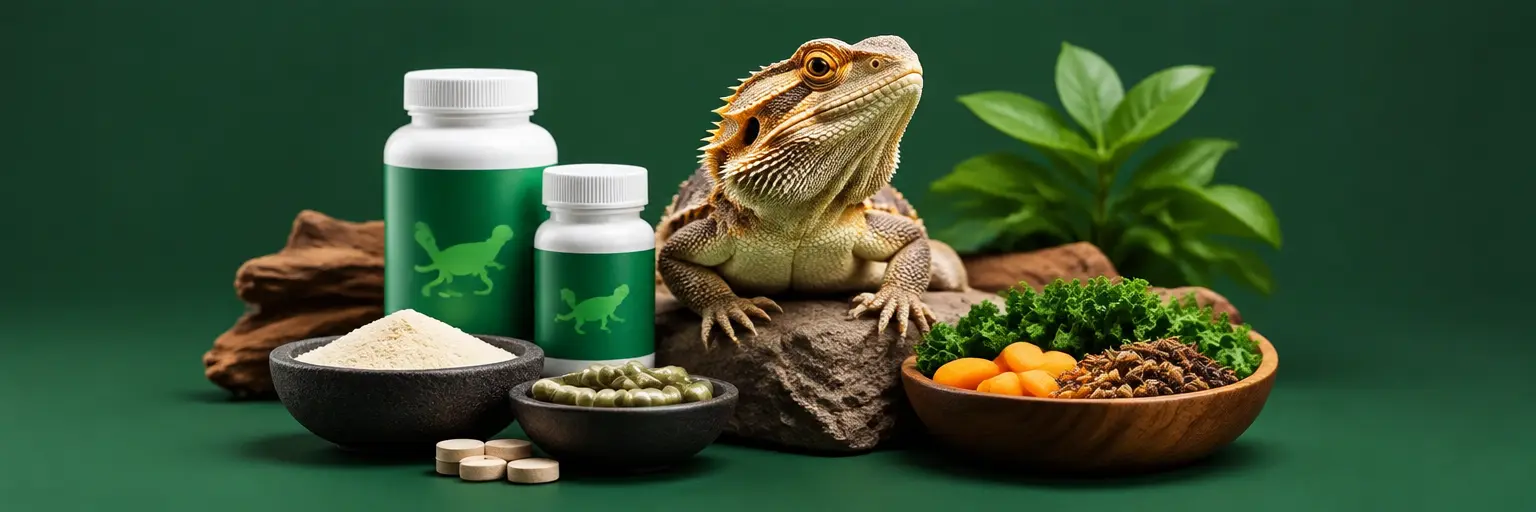
Discover the essential role of reptile nutritional supplements in keeping your scaly companions thriving, whether you care for bearded dragons, geckos, tortoises, or exotic snakes. At PetCareWorld, we know that proper supplementation goes beyond just dusting insects or sprinkling powders—it’s about balancing calcium, vitamin D3, and multivitamins to prevent metabolic bone disease, support healthy shedding, and boost immune function. From UVB light synergies to species-specific dosing schedules, our expert-backed guidance simplifies this complex topic, ensuring you avoid common pitfalls like over-supplementation or nutrient imbalances. Elevate your reptile’s diet with targeted formulas designed for herbivores, insectivores, and omnivores, while learning how to pair supplements with gut-loaded prey and fresh greens for optimal absorption. Whether you’re a new owner or a seasoned enthusiast, these high-quality additives are your secret weapon for a long, active, and vibrant pet. Explore trusted brands, ingredient breakdowns, and vet-approved tips to customize a regimen that fits your reptile’s unique lifecycle—from hatchling growth spurts to adult maintenance.

🤔 Uncover the truth behind common reptile supplement claims! PetCareWorld debunks popular myths, providing evidence-based facts to ensure your reptile receives optimal…
Read article
🤔 Unlock your reptile's full potential! Learn how to craft the best reptile supplement schedule for optimal health and vitality with PetCareWorld's…
Read article
🤔 Proper reptile supplement storage is crucial for maintaining potency. Learn the best practices for storing your reptile's vitamins and minerals to…
Read articleProper nutrition is the cornerstone of reptile health, yet even the most carefully planned diets can miss essential vitamins and minerals. Reptile nutritional supplements bridge that gap, ensuring your scaly companion receives everything from calcium for bone strength to vitamin D3 for metabolic function. At PetCareWorld, we provide expert-backed insights into the best powders, liquids, and targeted formulas for every species, from leopard geckos to bearded dragons. Whether you’re a new keeper or a seasoned herpetologist, this subcategory demystifies supplementation, helping you avoid common pitfalls like over-supplementation and nutrient imbalances.
Calcium is non-negotiable for reptiles, as deficiencies lead to Metabolic Bone Disease (MBD), a painful and often fatal condition. Most supplements come in two forms: with vitamin D3 (for indoor reptiles with minimal UVB exposure) and without (for those basking under proper lighting). Phosphorus-free calcium powders are ideal because high phosphorus levels inhibit calcium absorption. For insectivores, dusting feeder insects with a calcium powder 2–3 times weekly is standard practice; herbivores benefit from a light sprinkle on leafy greens. Always choose a supplement that lists calcium carbonate or calcium gluconate as the primary ingredient, and check particle size—fine powders adhere better to prey items.
Species-specific needs vary dramatically: crested geckos require lower calcium but higher vitamin A, while tortoises need a more balanced ratio. Our guides recommend rotating between pure calcium and multi-vitamin powders to prevent over-reliance on one source. Remember, gut-loading insects (feeding them nutrient-rich foods before offering) amplifies the benefits of dusting, creating a synergistic effect. If you notice lethargy, swollen limbs, or jaw deformities, consult a vet immediately—these are red flags for calcium imbalance often correctable with prompt supplementation.
Beyond calcium, reptiles require a suite of vitamins including A, E, and B-complex, which support vision, immune function, and metabolism. Multivitamin powders typically contain fat-soluble vitamins (A, D3, E, K) and water-soluble ones (B12, biotin), tailored to mimic prey nutritional profiles. Frequency matters: over-supplementing fat-soluble vitamins can cause toxicity (hypervitaminosis), leading to skin shedding issues and organ damage. Most experts recommend offering a multivitamin once or twice a month for adult reptiles, and weekly for juveniles and gravid females. Liquid multivitamins are easier to dose for small species or those that refuse dusty insects, but they expire faster—always refrigerate and use within three months.
Watch for signs of deficiency like poor appetite, dull coloration, or abnormal shedding. For insectivorous reptiles, dusting with a multivitamin on alternating days from calcium creates a balanced weekly schedule (e.g., Monday/Wednesday/Friday calcium; Sunday multivitamin). Herbivores benefit from liquid multivitamins added to drinking water or sprayed on produce, though ensure water intake isn’t reduced. Always store supplements in a cool, dark place to preserve potency, and avoid mixing them directly into water for long periods—microbial growth can deactivate nutrients.
Vitamin D3 is unique because reptiles synthesize it through UVB exposure, but indoor housing often makes supplementation crucial. UVB bulbs degrade over time, losing intensity even if they still emit visible light; replace them every 6–12 months. If your reptile has consistent UVB access, choose a calcium supplement without D3 to prevent overdose. Conversely, for nocturnal species (leopard geckos, African fat-tailed geckos) or those with low UVB, opt for calcium with D3. Toxic levels of D3 cause calcification of soft tissues, so precise dosing is critical. Juvenile reptiles metabolize D3 faster, requiring more frequent supplementation than adults.
A practical rule: use a supplement with D3 only if your UVB source is weak or absent, and switch to D3-free calcium when using high-quality UVB lighting. Gut-loading with vitamin-D rich foods (like dandelion greens) can also reduce supplement reliance. Many keepers test their UVB output with a solar meter, but if that’s not feasible, err on the side of less D3. Always shake powder bottles before each use, as micronutrients settle. If you notice soft shells in turtles or rubbery jaws in lizards, increasing D3 and calcium immediately—but consult a vet to rule out kidney disease, which alters vitamin metabolism.
Vitamin A is critical for epithelial health, affecting eyes, respiratory lining, and skin. Deficiencies manifest as swollen eyelids, nasal discharge, and dysecdysis (stuck shed). However, reptiles have unique tolerance levels—preformed vitamin A (retinol) can be toxic, while beta-carotene (provitamin A) is safer but less bioavailable. Many supplements now use mixed carotenoids to balance safety and efficacy. For insectivores, dusting with a multivitamin high in beta-carotene helps, but herbivores get ample from dark leafy greens like collards and mustard greens. Liquid vitamin A is reserved for severe deficiencies under veterinary guidance.
Over-supplementation risks include skin blisters and liver damage, especially in arboreal species like chameleons. To avoid guesswork, rotate between two different multivitamin brands every few months, as formulations vary in vitamin A content. Also, monitor your reptile’s UVB and temperature gradients—poor husbandry exacerbates vitamin A issues. If you see squinting or excessive tearing, assess diet and lighting first. For omnivorous species, offer whole prey occasionally (e.g., pinky mice) which naturally contain retinyl esters, providing a balanced source without synthetic supplements.
Not all supplements are created equal; quality varies in purity, particle size, and ingredient sourcing. Look for brands that provide third-party testing and label transparency. Reputable names like Repashy, Zoo Med, and Sticky Tongue Farms invest in research and avoid artificial fillers. Check the calcium-to-phosphorus ratio—ideally 2:1 for most species. Also, avoid supplements with added sugar or flavorings. For powders, fine textures stick better to insects; granular formulas are fine for direct feeding. Liquid supplements should be free of preservatives like propylene glycol, which can harm small reptiles.
Read reviews from experienced keepers and consider your species’ specific needs. For example, chameleons require lower phosphorus, while tortoises need higher fiber and calcium. Buy in small quantities to test acceptance—some reptiles refuse certain flourishes. Store supplements away from humidity; moisture clumps powders and accelerates degradation. Finally, don’t rely solely on supplements—baseline diet quality matters. Use supplements as a safety net, not a crutch. If you’re unsure, consult a reptile veterinarian who can perform blood tests to assess nutrient levels and tailor recommendations.
For most insectivores, dust prey with calcium (without D3 if UVB is adequate) every other feeding, and with a multivitamin once weekly. Herbivores get calcium lightly sprinkled on greens 2–3 times weekly. Juveniles and gravid females need more frequent dosing; adjust based on species and lighting. If signs of deficiency appear, increase frequency but not dosage per feeding.
No, human vitamins are formulated for human metabolism and often contain toxic levels of vitamin D3 or synthetic additives. Reptiles have different requirements, especially for vitamin A and calcium ratios. Always use reptile-specific supplements, which are calibrated for their metabolic pathways. Human chewables or tablets can cause overdose or starvation due to improper nutrient ratios.
Calcium with D3 supports absorption when UVB light is insufficient—common for nocturnal or indoor reptiles. Without D3 is safer for reptiles under strong UVB bulbs, as D3 is synthesized naturally, preventing toxic accumulation. If your basking bulb is old, a D3 version provides a safety margin. Always pair D3 supplementation with proper temperature gradients, since heat aids vitamin conversion.
Yes, excessive vitamins—especially A and D3—cause hypervitaminosis, leading to kidney failure, skin lesions, and even death. Fat-soluble vitamins accumulate in tissues, unlike water-soluble ones. Stick to recommended frequencies and dosages. If you notice symptoms like swelling, excessive thirst, or reduced appetite, stop supplements and seek veterinary care. Hydration can help flush some excesses but not fat-soluble ones.
Even with a varied diet, UVB and soil depletion mean wild plants are nutrient-dense, whereas store-bought greens often lack trace minerals. A light dusting of calcium (without D3) on leafy vegetables is still beneficial, especially for growing or egg-laying individuals. Multivitamins once monthly cover gaps. However, avoid overdoing it—herbivores process nutrients slower, so moderation prevents toxicity.