
Reptile Supplement Storage: Ensuring Potency and Effectiveness

Welcome to PetCareWorld, your ultimate guide to a happier, healthier life for your beloved companions! Are you ready to unlock the secrets to optimal reptile care? Then dive into our expert guide on best reptile supplement storage, ensuring your pet receives the full potency and benefits of their essential nutrients. Discover the crucial factors impacting supplement effectiveness and learn how proper storage can make all the difference in your reptile's well-being. Let's embark on this journey together!
- Understanding the Importance of Proper Reptile Supplement Storage
-
Best Reptile Supplement Storage Practices: A Comprehensive Guide
- Optimal Storage Conditions for Reptile Supplements: Temperature and Humidity
- Choosing the Right Containers for Reptile Supplements: Material and Size
- Protecting Supplements from Light and Air Exposure: Best Practices
- Labeling and Organization: A System for Easy Access and Tracking of Expiration Dates
- Best Reptile Supplement Storage Containers and Solutions
- Advanced Reptile Supplement Storage Techniques for Long-Term Preservation
- Troubleshooting Common Reptile Supplement Storage Issues
-
Frequently Asked Questions
- What is the best way to store reptile supplements to maintain their potency?
- How long can I expect reptile supplements to remain effective?
- Are there any specific containers recommended for storing reptile supplements?
- What should I do if my reptile supplements show signs of degradation?
- Where can I find more information on proper reptile care and nutrition?
- Final Reflection: Preserving Vitality: The Long-Term Impact of Proper Reptile Supplement Storage
- Unleash Your Reptile's Potential: Optimize Their Care Today!
Understanding the Importance of Proper Reptile Supplement Storage
Maintaining the health and vitality of your reptile companion relies heavily on providing a balanced and nutritious diet. While a varied diet forms the cornerstone of good reptile health, nutritional supplements often play a crucial role in filling dietary gaps and ensuring your reptile receives all the essential vitamins and minerals it needs to thrive.
However, the effectiveness of these supplements is directly tied to their proper storage. This article will explore the critical aspects of best reptile supplement storage, highlighting the risks of improper storage and outlining best practices to maintain the potency and effectiveness of your reptile's supplements, ultimately contributing to their overall well-being.
Understanding how to store your reptile supplements correctly is not just good practice; it's essential for ensuring your reptile receives the nutritional support it deserves, contributing to a longer, healthier life. We'll delve into the specifics of vitamin and mineral degradation, the factors influencing shelf life, and the direct impact of poor storage on your reptile's health.
Degradation of Reptile Vitamins and Minerals: The Risks of Improper Storage
Reptile vitamins and minerals, like those for humans, are susceptible to degradation. Exposure to light, air, moisture, and fluctuating temperatures can significantly reduce their potency. For example, Vitamin A, a crucial vitamin for many reptiles, is particularly sensitive to oxidation and light exposure, quickly losing its effectiveness if improperly stored. Similarly, Vitamin C, another essential nutrient, is highly unstable and easily destroyed by heat and oxidation.
Improper storage can lead to a dramatic decrease in the concentration of these vital nutrients, rendering your supplements ineffective and potentially harming your reptile's health. This degradation can manifest in various ways, from reduced nutrient absorption to the development of nutrient deficiencies that can negatively impact your reptile's immune system, bone growth, and overall well-being. The consequences of using degraded supplements can range from subtle health issues to severe and even life-threatening conditions.
Imagine a scenario where you're diligently supplementing your bearded dragon's diet, only to discover the supplements have lost significant potency due to poor storage. This could lead to metabolic bone disease (MBD), a common and serious condition in reptiles caused by calcium and vitamin D3 deficiencies. The financial implications are also worth considering; purchasing ineffective supplements is essentially wasting money. Therefore, understanding the risks associated with improper storage is crucial for responsible reptile ownership.
Maintaining Supplement Potency: Key Factors Affecting Shelf Life
Several key factors significantly influence the shelf life and potency of reptile supplements. These factors include:
- Temperature: Extreme temperatures, both high and low, can accelerate the degradation process. Ideally, supplements should be stored in a cool, dry place, away from direct sunlight and heat sources.
- Light Exposure: Ultraviolet (UV) light can break down many vitamins and minerals, rendering them inactive. Storing supplements in opaque containers helps protect them from light degradation.
- Air Exposure: Oxygen can react with certain nutrients, leading to oxidation and loss of potency. Airtight containers are essential to minimize air exposure and maintain supplement quality.
- Moisture: Moisture can facilitate microbial growth and accelerate the degradation of many nutrients. A dry storage environment is crucial to prevent moisture-related spoilage.
- Container Type: The type of container used for storage plays a vital role. Airtight, opaque containers made from materials that don't react with the supplements (such as glass or food-grade plastic) are the most effective.
Following these guidelines will significantly prolong the shelf life of your reptile supplements and ensure that your reptile receives the maximum nutritional benefit. Remember to always check the expiration date on the product packaging and discard any supplements that have passed their expiry.
How Improper Storage Impacts Reptile Health and Well-being
The consequences of improper reptile supplement storage can be far-reaching and detrimental to your reptile's health and well-being. Nutrient deficiencies resulting from degraded supplements can manifest in various ways:
- Metabolic Bone Disease (MBD): A common condition caused by calcium and vitamin D3 deficiencies, leading to weakened bones and skeletal deformities.
- Immune System Weakness: Nutrient deficiencies can compromise the immune system, making your reptile more susceptible to infections and illnesses.
- Slowed Growth and Development: Inadequate nutrient intake can hinder growth and development, particularly in young reptiles.
- Reproductive Problems: Nutrient deficiencies can negatively impact reproductive health and fertility.
- Reduced Overall Vitality: A lack of essential nutrients can lead to lethargy, weakness, and a general decline in overall well-being.
Implementing proper storage practices is not just a matter of convenience; it's a critical aspect of responsible reptile care. By prioritizing the correct storage of your reptile's supplements, you are directly investing in their health, longevity, and overall quality of life. Choosing the best reptile supplement storage methods is paramount to ensuring your reptile receives the full benefits of the supplements you provide.
Best Reptile Supplement Storage Practices: A Comprehensive Guide
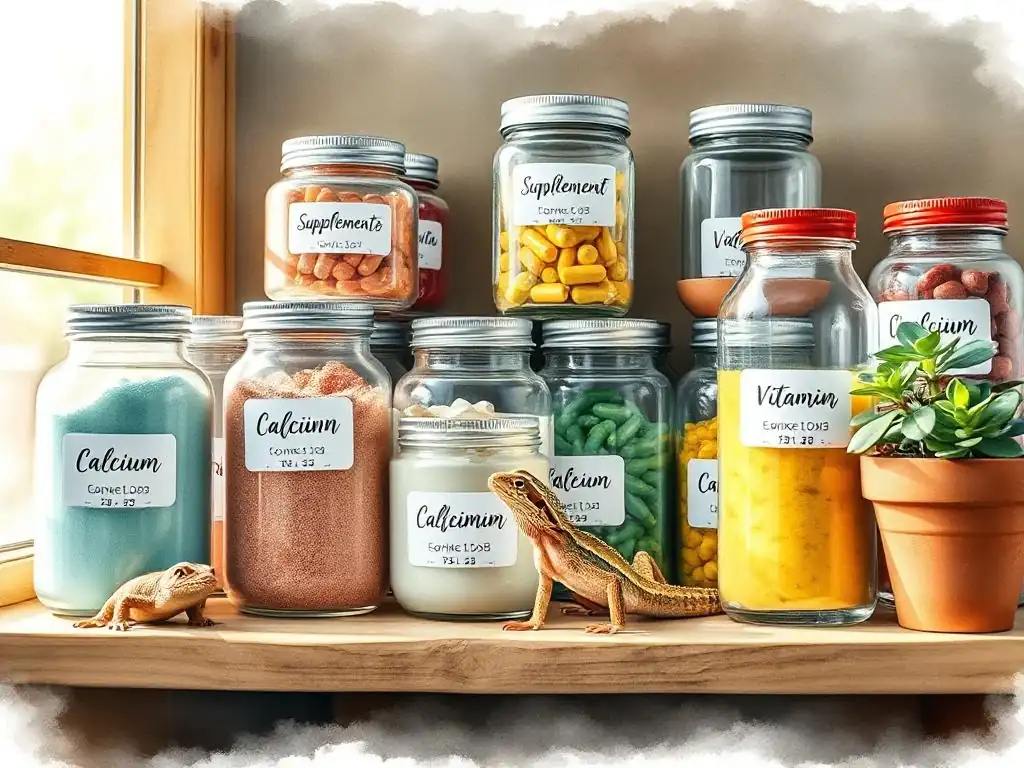
This section delves into the crucial aspects of storing reptile supplements to maintain their potency and effectiveness, ensuring your reptile receives the optimal nutritional benefits. Proper storage is paramount for maximizing the shelf life and efficacy of these vital supplements, directly impacting your reptile's health and well-being. Following these best practices will help you achieve the best reptile supplement storage possible, contributing to a thriving and healthy pet.
Optimal Storage Conditions for Reptile Supplements: Temperature and Humidity
Maintaining the correct temperature and humidity levels is critical for preserving the active ingredients in reptile supplements. Fluctuations in temperature can degrade certain vitamins and minerals, rendering the supplement less effective or even harmful. Similarly, excessive humidity can promote the growth of mold and bacteria, contaminating the product.
Ideally, reptile supplements should be stored in a cool, dry place, away from direct sunlight and heat sources. A temperature range between 65°F and 75°F (18°C and 24°C) is generally recommended. Humidity should be kept low, ideally below 60%. Avoid storing supplements in areas subject to extreme temperature swings, such as near windows, heating vents, or appliances.
Consistent temperature and humidity are key to preserving the quality and potency of your reptile's supplements. Monitoring these conditions with a reliable thermometer and hygrometer is highly advisable. Consider using a temperature-controlled storage unit for added safety, especially in regions with extreme climates. Proper temperature and humidity control is a cornerstone of the best reptile supplement storage strategy.
Choosing the Right Containers for Reptile Supplements: Material and Size
The type of container you choose for storing reptile supplements significantly impacts their longevity and quality. The container should protect the supplements from environmental factors like moisture, light, and air.
- Material: Opt for airtight containers made of materials that are inert and do not react with the supplements. High-density polyethylene (HDPE) or glass containers are excellent choices because they are non-reactive and durable. Avoid using containers made of materials that can leach chemicals into the supplements, such as certain plastics.
- Size: Choose containers that are appropriately sized to hold the amount of supplement you typically use. Larger containers leave more headspace, increasing the risk of degradation from exposure to air and moisture. Smaller containers ensure that once opened, the supplement is used within a reasonable timeframe, minimizing the risk of spoilage.
- Sealing: Airtight seals are paramount. Look for containers with secure lids or screw-on caps that create a hermetic seal. Proper sealing prevents moisture and oxygen from entering the container, preserving the quality of the supplement.
Consider using individual smaller containers for daily or weekly portions of supplements to further minimize exposure to air once the main container is opened. This practice is crucial for maintaining the potency of your reptile's supplements over time, contributing significantly to the best reptile supplement storage regime.
Protecting Supplements from Light and Air Exposure: Best Practices
Light and air exposure are two major factors that contribute to the degradation of reptile supplements. Many vitamins and minerals are sensitive to light, particularly ultraviolet (UV) light. Exposure to light can cause oxidation and break down the active ingredients, leading to a loss of potency. Similarly, exposure to air can lead to oxidation and moisture absorption, further compromising the supplement's quality.
- Darkness: Store supplements in dark, opaque containers or wrap the containers in foil or dark cloth to block light penetration. Avoid storing them in clear containers or on shelves exposed to direct sunlight.
- Airtight Seals: As mentioned earlier, airtight containers are essential for minimizing air exposure. Make sure the container seals completely after each use, preventing oxygen from entering and causing oxidation.
- Rotation: Follow the FIFO (First In, First Out) method for rotating your stock. Use the oldest supplements first to minimize the time they are stored. This simple practice significantly contributes to the best reptile supplement storage methods. Regularly check the expiration dates and discard any supplements that have passed their expiration date.
By diligently following these guidelines on temperature, humidity, container selection, and light/air protection, you significantly enhance the quality and effectiveness of your reptile's supplements, contributing to their overall health and vitality. Remember, proper storage is an integral part of responsible reptile care and contributes greatly to the best reptile supplement storage practices.
Labeling and Organization: A System for Easy Access and Tracking of Expiration Dates
Proper labeling and organization are crucial for maximizing the effectiveness and safety of your reptile supplements. A well-maintained system prevents accidental misuse, ensures you use the freshest products, and simplifies inventory management. Think of it as a crucial component of your overall reptile care strategy – just as important as maintaining the correct temperature and humidity in your terrarium.
Consider using a clear, consistent labeling system for all your reptile supplements. This system should include at minimum: the supplement name, the date of purchase, the expiration date (if applicable), and the dosage instructions. Using a waterproof label maker is highly recommended, especially for supplements stored in areas with higher humidity. This helps prevent label smudging or damage, ensuring the information remains legible throughout the supplement's lifespan. For example, you might use a label that says "Calcium Powder - Purchased 03/15/2024 - Expiry 03/15/2025 - Dosage: 1/4 tsp twice weekly".
Beyond individual labels, consider a larger organizational strategy. This could involve using a dedicated storage cabinet or shelf specifically for reptile supplements. Categorizing supplements by type (e.g., calcium, vitamin D3, multivitamins) can further streamline your access. Consider using clear containers to easily see the contents and their remaining quantity.
This visual cue helps you monitor usage and anticipate when you need to reorder. Some keepers find it helpful to use a small whiteboard or spreadsheet to log the purchase and expiration dates of each supplement. This proactive approach minimizes the risk of using expired supplements, which could potentially harm your reptile. Remember, using expired supplements may not only be ineffective but could also introduce harmful substances into your reptile’s diet.
Prioritize first-in, first-out (FIFO) inventory management. Place newer supplements at the back of the shelf and older ones at the front to ensure you use the oldest supplements first. This simple technique, often used in food service, minimizes waste and prevents the use of outdated supplements. Regularly check your stock and discard any expired products immediately.
This simple step plays a crucial role in maintaining the health and well-being of your reptile. A well-organized and clearly labeled storage system significantly reduces the risk of errors and ensures that your reptile receives the proper nutrition consistently. Taking the time to implement a robust system will pay dividends in the long run, contributing to your reptile's overall health and vitality.
Best Reptile Supplement Storage Containers and Solutions
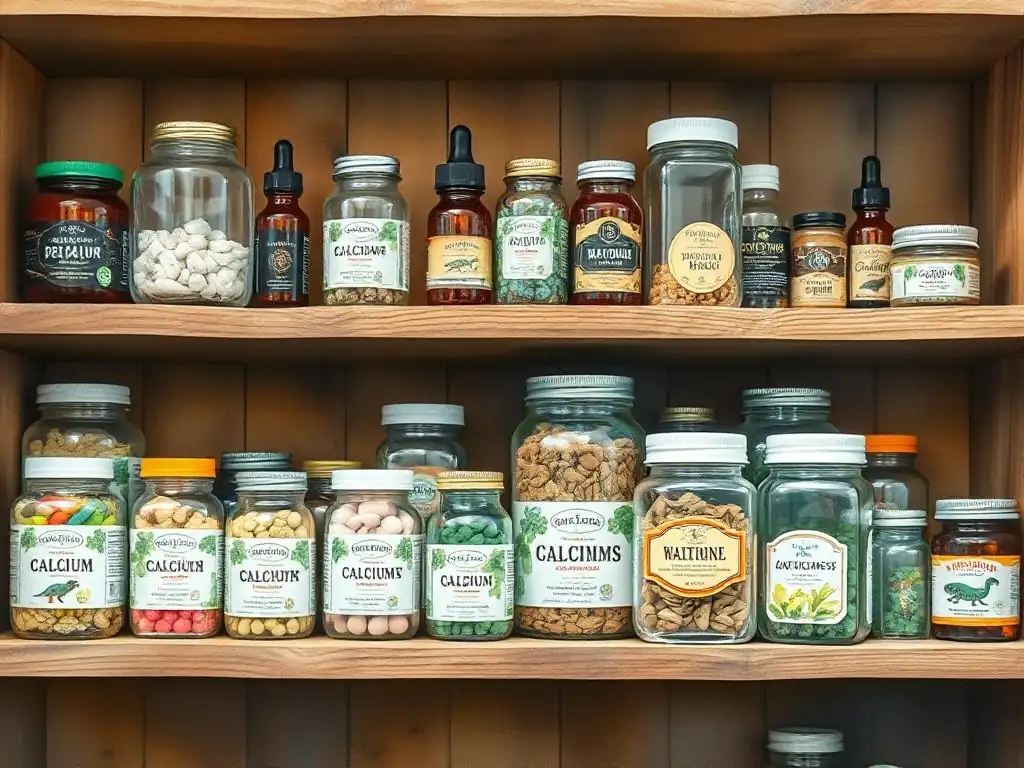
Finding the best way to store reptile supplements is crucial for maintaining their potency and ensuring your reptile receives the full nutritional benefit. Improper storage can lead to degradation, rendering the supplements ineffective and potentially harmful. This section explores optimal storage solutions to maximize the lifespan and efficacy of your reptile's vitamins and minerals.
Choosing the right container and storage environment is key to maximizing the return on your investment and ensuring your reptile's health. Understanding the nuances of proper storage can significantly impact your reptile's well-being. This guide focuses on the best practices for achieving optimal storage of your reptile supplements.
Airtight Containers: Maintaining Freshness and Preventing Oxidation
Airtight containers are paramount for preventing the oxidation of sensitive ingredients within reptile supplements. Oxidation is a chemical process that degrades the quality and potency of many vitamins and minerals, particularly fat-soluble vitamins like Vitamins A, D, E, and K. Exposure to air accelerates this process, leading to a significant reduction in the supplement's effectiveness.
To illustrate, consider a calcium supplement. If exposed to air and moisture, the calcium carbonate can begin to clump, reducing its bioavailability for your reptile. Similarly, vitamin powders can lose their potency significantly faster when exposed to oxygen.
The ideal airtight container should be made of a material that doesn't leach chemicals into the supplement, such as food-grade plastic or glass. Look for containers with secure, airtight seals – ideally, those with a locking mechanism or a good rubber gasket to ensure a complete seal.
Here's a table summarizing the pros and cons of different airtight container materials:
| Material | Pros | Cons |
|---|---|---|
| Glass | Inert, durable, reusable, easy to clean | Breakable, heavier than plastic |
| Food-Grade Plastic | Lightweight, durable, often inexpensive | Can leach chemicals if low-quality, may scratch |
| Metal (stainless steel) | Durable, reusable, prevents light penetration | Can be expensive, may rust (if not stainless steel) |
Remember to always completely fill the container to minimize the amount of air inside, further reducing oxidation. Properly sealed containers are a fundamental aspect of best reptile supplement storage.
Dark-Colored Containers: Blocking Harmful UV Rays
Many vitamins and minerals are sensitive to ultraviolet (UV) light. Exposure to UV rays, even from indirect sunlight, can accelerate degradation and reduce the effectiveness of your reptile supplements. Therefore, storing your supplements in dark-colored containers is a crucial step in maintaining their potency.
Dark-colored containers, such as those made of amber or opaque plastic, or dark-colored glass, effectively block UV light. This prevents photodegradation, a process where light energy breaks down the chemical structure of the supplement's active ingredients.
Think of it like leaving a bottle of sunscreen in direct sunlight. The sunscreen's effectiveness would diminish significantly. The same principle applies to your reptile's supplements. Protecting them from light is just as important as protecting them from air.
Consider these points when selecting dark-colored containers:
- Opacity: Ensure the container is truly opaque, preventing any light penetration.
- Material: Choose a food-grade material that won't leach chemicals.
- Size: Select a container appropriately sized to minimize air exposure.
By implementing this simple measure, you significantly extend the shelf life and efficacy of your reptile supplements, ensuring your reptile receives the maximum nutritional benefit. This is a key element of best reptile supplement storage practices.
Refrigerated Storage for Reptile Supplements: When it's Necessary
While not all reptile supplements require refrigeration, some, particularly those containing live cultures or highly sensitive ingredients, benefit significantly from cooler temperatures. Refrigeration slows down the degradation process, extending the shelf life and preserving the potency of these more delicate supplements.
Always check the manufacturer's recommendations on the supplement label. Some supplements might explicitly state the need for refrigeration. Others might suggest it to extend shelf life, even if it's not strictly necessary.
Storing supplements in the refrigerator can also help prevent the growth of mold or bacteria, especially in powdered or liquid supplements. This is particularly important for live cultures or probiotics which are especially susceptible to degradation at room temperature.
Here’s a checklist to consider before refrigerating supplements:
[ ] Check the manufacturer's instructions. [ ] Ensure the container is airtight and suitable for refrigeration (no risk of cracking or leaking). [ ] Allow the supplement to reach room temperature before use to ensure proper mixing and absorption.
Remember, while refrigeration can be beneficial for certain supplements, it’s crucial to follow the manufacturer's instructions. Overlooking this detail could inadvertently lead to less effective supplements or even damage to the product. Always prioritize the manufacturer's recommendations for optimal results in your reptile's nutritional plan. This is a vital aspect of best reptile supplement storage.
Using Desiccants to Control Moisture: Preventing Clumping and Degradation
Maintaining the potency and effectiveness of reptile supplements is paramount for your pet's health. Moisture is a significant enemy, leading to clumping, spoilage, and the degradation of essential nutrients. This is especially true in humid environments or during warmer months. To combat this, incorporating desiccants into your supplement storage is crucial. Desiccants are substances that absorb moisture from the surrounding air, keeping the environment dry and preventing the detrimental effects of humidity.
Several types of desiccants are readily available, each with its own properties and benefits. Silica gel packets, commonly found in shoeboxes and electronics packaging, are a readily accessible and inexpensive option. These small packets are highly effective at absorbing moisture, and their small size allows for easy placement within supplement containers. However, they are not reusable. For larger containers or longer-term storage, consider using larger, reusable desiccants like clay desiccants or molecular sieves. These offer greater moisture absorption capacity and can be regenerated by heating in an oven at a low temperature, extending their lifespan and minimizing waste.
The amount of desiccant needed depends on the size of the container and the humidity level of your environment. As a general guideline, start with a desiccant quantity that represents approximately 5-10% of the container's volume. Monitor the desiccant regularly; if it becomes saturated (usually indicated by a color change, depending on the type), it needs to be replaced or regenerated.
Failing to monitor and replace saturated desiccants negates their effectiveness and can even accelerate moisture build-up within the container, leading to quicker degradation of your supplements. Remember, proactive moisture control is key to ensuring the longevity and efficacy of your reptile's vital nutritional supplements. Proper desiccant usage is a simple yet highly effective method in the quest for the best reptile supplement storage.
It ensures your pet receives the full benefit of the nutrients, supporting their overall well-being and health. Neglecting this aspect can lead to wasted supplements and, potentially, health issues for your reptile.
Advanced Reptile Supplement Storage Techniques for Long-Term Preservation
This section delves into advanced strategies for preserving the potency and effectiveness of your reptile supplements, ensuring your scaly companions receive the highest quality nutrition. Proper storage is crucial; neglecting it can lead to nutrient degradation, rendering your supplements ineffective and potentially harmful. Finding the best reptile supplement storage method requires understanding the unique challenges posed by these specialized products.
Freezing Reptile Supplements: Extending Shelf Life Significantly
Freezing is a highly effective method for extending the shelf life of many reptile supplements, particularly powders and liquids susceptible to oxidation and degradation. Freezing temperatures drastically slow down or halt the chemical reactions that cause nutrient breakdown. However, not all supplements freeze well. Always check the manufacturer's recommendations before freezing.
Several factors influence the success of freezing reptile supplements:
- Proper Packaging: Use airtight, freezer-safe containers to prevent freezer burn and moisture absorption. Small, individual portions are ideal for easy thawing and preventing repeated freeze-thaw cycles, which can compromise quality. Consider using vacuum-sealed bags for optimal protection.
- Thawing Procedures: When thawing, always transfer the supplement to the refrigerator overnight. Avoid rapid thawing at room temperature, as this can encourage bacterial growth. Once thawed, use the supplement within 24-48 hours.
- Suitable Supplements: Powders like calcium supplements, vitamin powders, and some insect-based protein supplements generally freeze well. Liquid supplements, such as vitamin drops, can also be frozen, but may require careful consideration of potential separation or crystallization upon thawing. Always test a small amount before freezing a large batch.
Freezing your reptile supplements can significantly extend their usable lifespan, potentially doubling or even tripling their shelf life compared to room temperature storage. This translates into cost savings and ensures your reptile consistently receives optimal nutrition. Remember to clearly label all frozen supplements with the date of freezing and the contents.
Vacuum Sealing for Optimal Protection: Minimizing Air Exposure
Air exposure is a major culprit in the degradation of reptile supplements. Oxygen, moisture, and light can all accelerate the breakdown of vital nutrients. Vacuum sealing provides an excellent solution by removing air from the packaging, creating an oxygen-free environment.
The benefits of vacuum sealing for reptile supplements are numerous:
- Extended Shelf Life: By significantly reducing oxidation, vacuum sealing helps maintain the potency of supplements for a much longer period.
- Protection from Moisture: Vacuum sealing protects supplements from moisture, preventing clumping, spoilage, and the growth of harmful microorganisms.
- Prevention of Insect Infestation: Vacuum sealing creates a barrier against insects, preventing contamination and ensuring the purity of your supplements.
- Improved Organization: Vacuum-sealed bags are easily stackable and space-saving, making storage more efficient.
While vacuum sealing is an excellent preservation method, it's crucial to ensure the packaging material is suitable for food storage and is free from any chemicals that could leach into the supplements. Invest in a quality vacuum sealer designed for food preservation to ensure optimal results. Remember to always check the manufacturer's recommendations regarding suitable storage methods for their specific supplements.
Rotation of Stock: First In, First Out (FIFO) Method for Reptile Supplements
Implementing a First In, First Out (FIFO) system is crucial for managing your reptile supplement inventory effectively. This simple yet powerful method ensures that older supplements are used before newer ones, minimizing the risk of spoilage and maximizing the value of your investment.
The FIFO method involves:
- Organized Storage: Arrange your supplements in chronological order, with the oldest items at the front and the newest at the back.
- Regular Inventory Checks: Conduct regular checks of your supplement stock to identify expiring items and ensure timely rotation.
- Clear Labeling: Clearly label all supplements with their purchase dates to facilitate easy identification and rotation.
- Proactive Usage: Make a conscious effort to use older supplements first. Don't let them sit in storage for extended periods.
By diligently following the FIFO method, you can prevent waste, ensure your reptile receives the freshest supplements, and maintain a well-organized storage system. This method is particularly important for supplements with shorter shelf lives, even those stored using advanced techniques like freezing or vacuum sealing. A well-managed FIFO system is a fundamental aspect of responsible reptile care and contributes significantly to the best reptile supplement storage strategy.
Troubleshooting Common Reptile Supplement Storage Issues
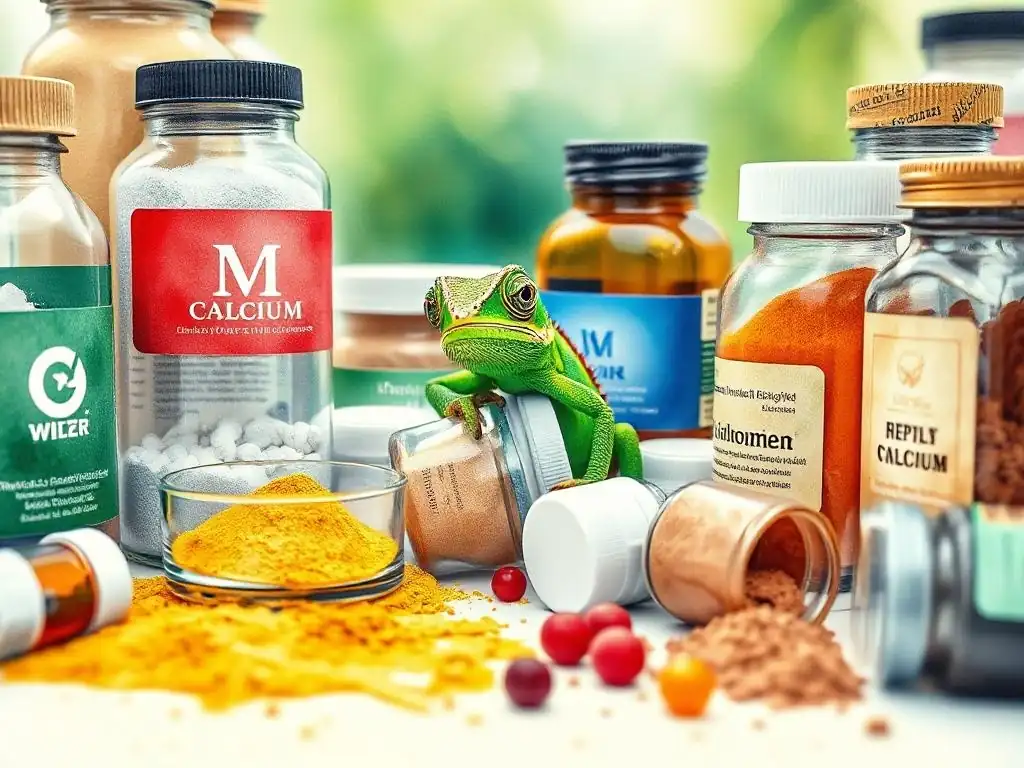
This section addresses common problems encountered when storing reptile supplements and offers practical solutions to maintain their potency and effectiveness. Proper storage is crucial for maximizing the nutritional value of your reptile's supplements and preventing potential health issues. Neglecting proper storage can lead to wasted money and, more importantly, compromised health for your beloved reptile. Finding the best reptile supplement storage method is key to responsible pet ownership.
Dealing with Clumping or Hardening of Supplements
Clumping and hardening are frequent issues, particularly with powdered supplements. This often occurs due to exposure to moisture in the air. Several factors contribute to this problem: poorly sealed containers, fluctuating humidity levels, and even accidental spills that introduce moisture. The result is a less effective supplement that may be difficult to measure accurately and may potentially harbor bacteria or mold.
To prevent clumping and hardening:
- Use airtight containers: Opt for containers specifically designed for storing powdered substances. These often have airtight seals and are made of materials that resist moisture penetration. Consider using desiccant packs inside the container to absorb excess moisture.
- Store in a cool, dry place: Avoid areas with high humidity or fluctuating temperatures. A cool, dark cupboard or pantry is ideal. Direct sunlight can also degrade the supplement's active ingredients.
- Properly measure and dispense: Avoid returning excess powder to the main container. Once you've measured out a dose, discard any remaining powder to minimize the risk of contamination.
- Consider refrigeration (if recommended): Some supplements might benefit from refrigeration to maintain their potency and prevent clumping. Always check the manufacturer's instructions for specific storage recommendations.
Ignoring clumping can lead to inaccurate dosing, potentially resulting in nutritional deficiencies or toxicities for your reptile. Maintaining the proper consistency is vital for your reptile's health.
Identifying Signs of Spoilage in Reptile Supplements
Spoiled reptile supplements pose a significant health risk to your reptile. Recognizing the signs of spoilage is crucial for preventing accidental ingestion of contaminated products. While the exact signs can vary depending on the supplement type, some common indicators include:
- Changes in color or odor: A significant change in color (e.g., darkening, discoloration) or the development of an unusual or foul odor is a strong indication of spoilage.
- Visible mold or fungal growth: The presence of any visible mold or fungal growth is a clear sign that the supplement is no longer safe for use and must be discarded immediately.
- Changes in texture: Beyond clumping and hardening, a significant alteration in the supplement's texture (e.g., becoming gummy or excessively dry) can indicate spoilage.
- Expired best-before date: Even without visible signs of spoilage, supplements past their best-before date should be discarded. The potency and effectiveness decrease over time, even under ideal storage conditions.
Remember, when in doubt, throw it out! The risk to your reptile's health far outweighs the cost of replacing a spoiled supplement. Prioritizing the best reptile supplement storage practices minimizes the chances of spoilage.
Understanding Expiration Dates and Best Before Dates
Expiration dates and best-before dates are often confused. Understanding the difference is critical for responsible supplement management.
- Expiration Date: This indicates the date after which the supplement is no longer guaranteed to be safe or effective. Using a supplement past its expiration date carries a significant risk of consuming spoiled or contaminated product.
- Best Before Date: This refers to the date until which the manufacturer guarantees the full potency and effectiveness of the supplement. While the supplement might still be safe to use after this date, its potency may have decreased, potentially impacting its effectiveness.
Always check both dates on your reptile supplements and discard them once either date has passed. Proactive replacement minimizes the risk of nutritional deficiencies and ensures your reptile receives the necessary nutrients for optimal health. This is another crucial aspect of finding the best reptile supplement storage solution. Proper attention to dates, coupled with appropriate storage, contribute significantly to maintaining the quality and effectiveness of your reptile's supplements, ultimately supporting their overall well-being.
Frequently Asked Questions
What is the best way to store reptile supplements to maintain their potency?
Store supplements in a cool, dark, and dry place, away from direct sunlight and moisture. Airtight containers are crucial to prevent degradation. Proper labeling with expiration dates is also essential.
How long can I expect reptile supplements to remain effective?
The shelf life varies depending on the specific supplement and brand. Always check the expiration date on the packaging. Proper storage significantly impacts the longevity of the supplements' effectiveness.
Are there any specific containers recommended for storing reptile supplements?
Airtight containers made of glass or food-grade plastic are ideal. Avoid using containers that might react with the supplements. Clearly label each container with the supplement's name and expiration date.
What should I do if my reptile supplements show signs of degradation?
Discard any supplements that show signs of discoloration, clumping, or unusual odors. Never administer supplements that appear to be spoiled, as they may be ineffective or even harmful to your reptile.
Where can I find more information on proper reptile care and nutrition?
Visit PetCareWorld for expert advice and in-depth guides on all aspects of reptile care, including detailed information on nutrition and supplement use. We offer reliable information to empower pet owners.
Final Reflection: Preserving Vitality: The Long-Term Impact of Proper Reptile Supplement Storage
The health and vitality of our reptile companions hinge directly on the quality of their supplements, and that quality is profoundly impacted by proper storage. Failing to maintain optimal storage conditions can render even the most premium supplements ineffective, leading to potential health complications for our beloved scaled friends. This isn't just about convenience; it's about responsible pet ownership.
The impact of proper supplement storage extends beyond the individual reptile; it contributes to a broader understanding of responsible herpetoculture. We are increasingly aware of the importance of holistic care, and this includes understanding how environmental factors, like storage conditions, can affect the efficacy of vital nutrients. The smallest details often hold the greatest significance,
a wise herpetologist once remarked, and this rings true when considering the delicate balance of a reptile's nutritional needs. This knowledge empowers us to make informed choices, fostering a healthier and more vibrant community of reptile keepers.
Now, consider your own reptile's supplement regimen. Are you confident in the potency of the products you're using? Take a moment to assess your current storage practices. By implementing the strategies discussed in this article—from choosing the right containers to maintaining ideal temperature and humidity—you can actively contribute to the well-being of your reptile companion. Make a commitment today to prioritize proper supplement storage; it's a small step that can make a world of difference in the life of your scaly friend.
Unleash Your Reptile's Potential: Optimize Their Care Today!
Thank you for learning about maximizing the effectiveness of your reptile's supplements! You're now equipped to ensure your scaly friend thrives. Let's put that knowledge into action:
- Optimize Supplement Storage: Carefully evaluate your current storage methods and make improvements based on the article's recommendations. This is the most crucial step you can take.
- Share Your Expertise: Join the PetCareWorld community and share your best storage practices! Help fellow reptile owners optimize their care routines.
- Experiment with Different Storage Methods: Try various techniques to discover what best suits your needs and your reptile's specific supplement requirements.
What innovative storage solution will you use to maintain the peak performance of your reptile's supplements?