The Ultimate Guide to Centipede Care: Habitat, Feeding, and Handling
😊 Discover the best centipede pet care guide on PetCareWorld! Learn about ideal habitats, feeding regimens, and safe handling techniques for these…
Read article
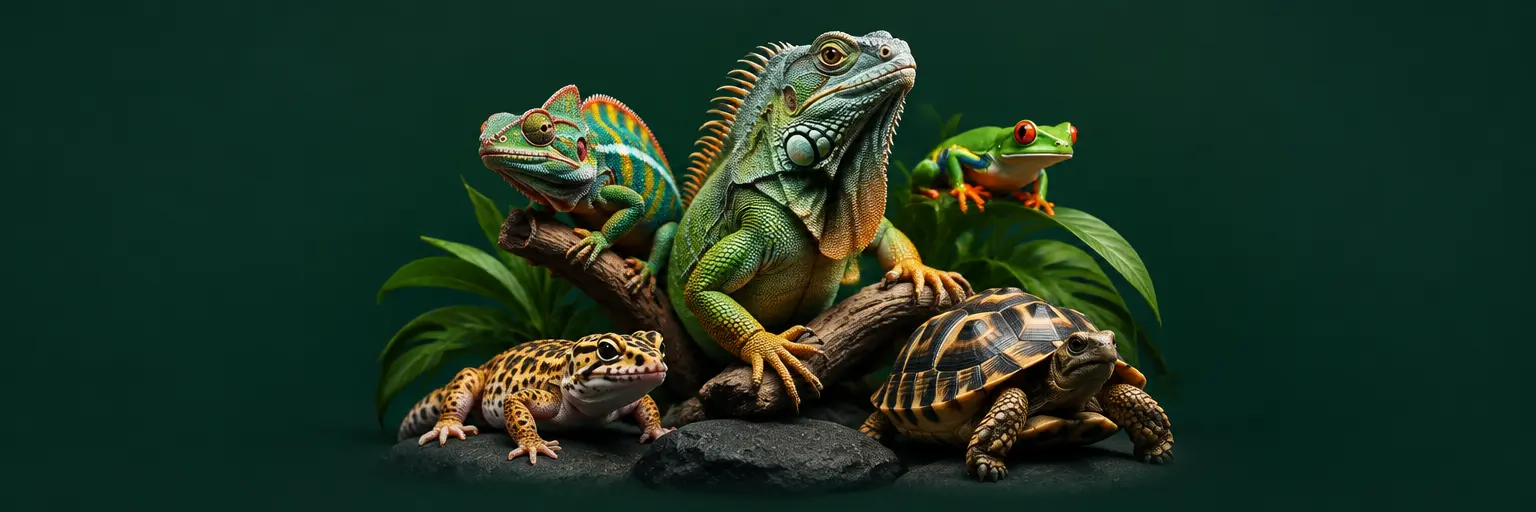
Owning an uncommon species is a thrilling journey into the world of extraordinary animals, from colorful poison dart frogs and gentle giant African millipedes to quirky sugar gliders and enigmatic axolotls. Unlike cats or dogs, these remarkable creatures often have unique environmental, dietary, and health requirements that demand specialized knowledge and dedication. At PetCareWorld, we dive deep into the nuances of exotic pet care, providing expert guidance on habitat setup, humidity control, bioactive enclosures, and species-specific nutrition. Whether you are a seasoned keeper or a curious newcomer, our in-depth resources help you master the art of uncommon species husbandry, ensuring your rare companion thrives, not just survives. Discover the secrets to creating a perfect micro-habitat, recognizing subtle signs of stress, and building a lifelong, rewarding bond with nature’s most fascinating oddities. Your adventure into the extraordinary starts here—with the confidence that comes from trusted, science-backed advice tailored to the most unique pets on Earth.
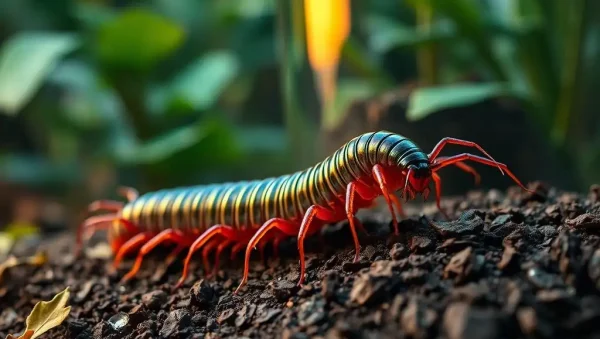
😊 Discover the best centipede pet care guide on PetCareWorld! Learn about ideal habitats, feeding regimens, and safe handling techniques for these…
Read article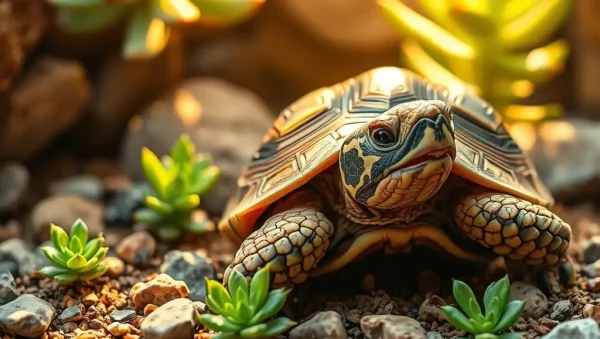
😊 Discover the essentials of Russian tortoise care with our comprehensive guide. Learn about ideal habitats, nutritious diets, and common health concerns…
Read article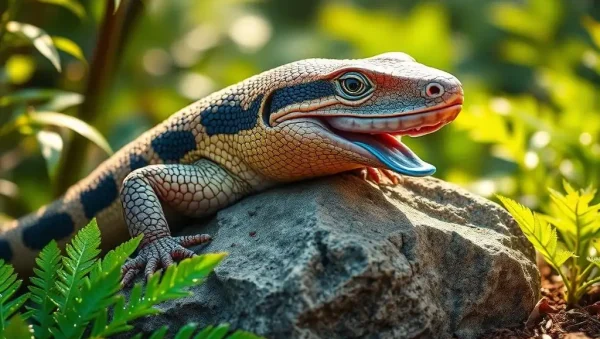
😊 Discover the secrets to successful bluetongued skink care! PetCareWorld's expert guide provides comprehensive advice on habitat, diet, and health, ensuring your…
Read articleDive into the fascinating world of uncommon pets with PetCareWorld’s specialized guide on exotic pet care. This subcategory is designed for dedicated owners and curious enthusiasts alike, focusing on species beyond the typical reptile or bird. From rare amphibians to unusual invertebrates and lesser-known mammals, we provide expert, actionable advice to help you create thriving environments and ensure the health of your unique companion. Explore specialized diets, habitat enrichment, and species-specific medical considerations that general pet resources often overlook.
Uncommon reptiles and amphibians, such as blue-tongued skinks, tomato frogs, or tree pythons, require highly specific temperature gradients, humidity levels, and UVB lighting that differ dramatically from standard pets. Miscalculations can lead to metabolic bone disease or respiratory infections. Our guides break down optimal terrarium setups, substrate choices, and seasonal cycling to mimic natural habitats, ensuring your rare species not only survives but thrives in captivity.
We emphasize hands-on monitoring techniques, including digital thermometers and hygrometers, to maintain stable conditions. You’ll also learn about hibernation and brumation triggers for temperate species, plus emergency acclimation protocols for newly imported animals. Trust our step-by-step checklists to avoid common pitfalls, from improper shedding to nutritional deficits, and discover how to source captive-bred individuals for ethical and healthier ownership.
Feeding an uncommon species goes beyond offering standard crickets or pellets. Many exotic pets require live prey, specialized gut-loading, or even whole-prey items like pinky mice for larger carnivores. This section covers precise calcium-to-phosphorus ratios, vitamin D3 supplementation, and feeding schedules tailored to growth stages and reproductive status. We also address picky eaters and transition plans for wild-caught animals that refuse new foods.
For insectivorous species, we detail culturing your own feeder insects—like dubia roaches, black soldier fly larvae, or waxworms—to guarantee nutritional value. Frugivorous and nectar-feeding species, such as certain geckos, demand homemade nectar-mix recipes and pollen supplements. Our concise charts help you balance proteins, fats, and fibers, preventing obesity or malnutrition. Always cross-reference with veterinary advice, but this foundation empowers you to make informed dietary decisions.
Creating a functional and stimulating enclosure is critical for uncommon species, as boredom and stress often lead to self-mutilation or aggression. We explore bioactive setups using live plants, springtails, and isopods to create self-cleaning ecosystems that reduce maintenance and boost natural behaviors. For arboreal species, we offer vertical space designs with cork bark, vines, and secure basking platforms, while fossorial species benefit from deep burrowing substrates.
Enrichment isn’t just for mammals—reptiles and amphibians also benefit from visual barriers, scent trails, and foraging puzzles. We share DIY ideas for hiding caves, misting systems, and water features that mirror natural rainfall or streams. Seasonal light cycles and thermal gradients are discussed in depth, along with safety checks for toxic plants or sharp decor. A well-designed habitat reduces chronic stress, improves immune function, and makes observation more rewarding for you.
Uncommon species often hide illness until it’s severe, so proactive health checks are non-negotiable. Learn to recognize subtle signs like lethargy, weight loss, abnormal feces, or respiration sounds that indicate parasitic or bacterial infections. We provide a monthly health checklist, including skin condition assessments and hydration checks, plus guidance on quarantine protocols for new arrivals to prevent disease outbreaks in multi-pet households.
Finding a veterinarian with exotic pet expertise is challenging but vital. We explain how to evaluate clinics for appropriate diagnostic tools (e.g., radiographs, blood panels) and suggest questions to ask about anesthesia risks for small or delicate animals. Additionally, we cover preventative care strategies—like UVB bulb replacement schedules, annual fecal exams, and proper shedding aids—that reduce emergency visits. Always have emergency contacts and a first-aid kit tailored to your species’ unique physiology.
Owning an uncommon species carries ethical and legal responsibilities. We clarify CITES regulations and local licensing requirements for protected or endangered species, helping you avoid unintentional illegal possession. Our sourcing guide emphasizes reputable breeders who prioritize genetic diversity and socialization over profit, and we warn against wild-caught specimens that often harbor diseases or fail to adapt. Understand microchipping requirements and documentation for travel or rehoming.
Conservation-minded owners can support breeding programs for threatened species, turning captivity into a tool for preservation. We highlight species that are currently overrepresented in the pet trade and suggest alternatives that are equally fascinating but more sustainable. Learn how to verify breeder credentials online, request health records, and avoid impulse purchases at expos. Responsible ownership also means planning for your pet’s lifetime—some uncommon species live 20+ years, so we discuss long-term commitment and legacy planning.
The hardest part is replicating precise environmental conditions, such as humidity, temperature, and photoperiod, that many uncommon species require. Additionally, finding specialized veterinary care and sourcing appropriate live food can be challenging. However, with our detailed guides and community support, dedicated owners can master these hurdles through consistent research and monitoring.
Generally, no. Mixing species risks cross-contamination of diseases, aggression, and incompatible environmental needs. Even similar species may carry different parasites or stress each other. Always house separately unless you have expert confirmation that cohabitation is safe and beneficial. Quarantine new pets for at least 30 days before any introduction, and prioritize each animal’s territorial and social requirements.
Misting frequency depends on species—tropical frogs may need twice daily, while desert reptiles rarely require misting. Use a hygrometer to track humidity targets, and provide a shallow water dish for drinking if the species consumes standing water. Rain systems with timers can automate misting, but monitor for stagnant water that encourages bacterial growth. Adjust based on behavioral cues like soaking or dry skin.
Yes, a few hardy options include African fat-tailed geckos, fire-bellied toads, or Mexican red-knee tarantulas. These species tolerate slight husbandry errors and have moderate lifespans. However, “beginner” still requires research—start with one animal, invest in quality equipment, and avoid rare morphs that are fragile. Always choose captive-bred individuals, as they adapt better to captivity than wild-caught ones.
First, check environmental parameters—temperature gradients, humidity, and lighting—since many species refuse food due to stress or improper conditions. Review shedding cycles, brumation periods, or reproductive seasons that naturally reduce appetite. If fasting exceeds two weeks for juveniles or one month for adults, consult an exotics veterinarian to rule out parasites or organ dysfunction. Never force-feed without professional guidance.