
The Ultimate Guide to Centipede Care: Habitat, Feeding, and Handling

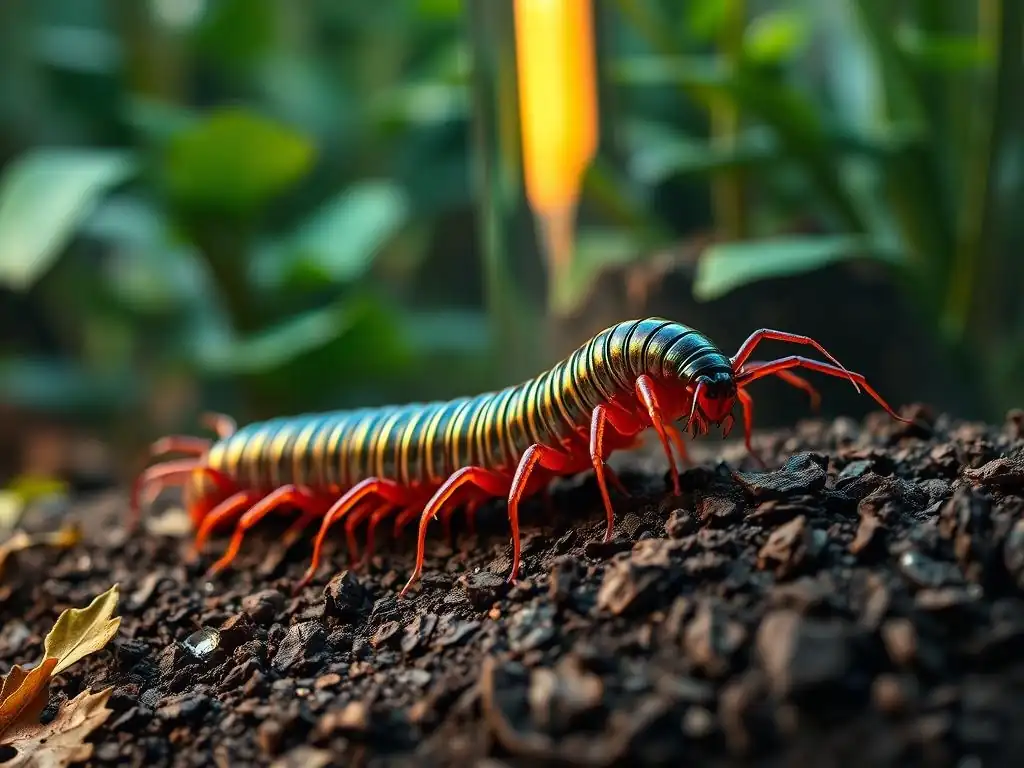
Welcome to PetCareWorld, your ultimate destination for expert pet care advice! Are you ready to delve into the fascinating world of exotic pet ownership? Then prepare to be captivated by our ultimate guide to centipede care. Discover the secrets to creating the perfect habitat, mastering their unique feeding requirements, and handling these intriguing creatures safely and responsibly. Uncover the answers you need – and embark on a journey to becoming a truly exceptional centipede caregiver.
- Understanding Centipede Species Suitable for Pet Ownership
- Setting Up the Ideal Centipede Habitat
- Feeding Your Centipede: A Balanced Diet
- Handling Centipedes Safely and Responsibly
- Common Centipede Health Issues and Prevention
- Breeding Centipedes (Optional): Advanced Centipede Care
- Best Centipede Pet Care Guide: Resources and Further Learning
- Frequently Asked Questions about Centipede Care (FAQ)
- Frequently Asked Questions
- Final Reflection: Embracing the Unexpected Charm of Centipedes
- Unlock Your Centipede's Potential: A Journey to Thriving Care
Understanding Centipede Species Suitable for Pet Ownership
Centipedes, those fascinating, many-legged creatures, are increasingly gaining popularity as unique and engaging pets. However, keeping centipedes requires specialized knowledge and a commitment to providing the right environment. This ultimate guide will equip you with the essential information needed to provide excellent care for your centipede, ensuring its health and longevity.
We'll delve into choosing the right species, setting up the ideal habitat, understanding their dietary needs, and mastering safe handling techniques. This comprehensive guide aims to be your definitive resource for achieving success in centipede keeping, solidifying your position as a responsible and informed centipede owner. Successfully navigating the world of centipede care not only benefits your pet but also contributes to the responsible keeping of these often misunderstood creatures.
This guide focuses on species suitable for beginners, emphasizing ethical and legal considerations throughout. Remember, responsible pet ownership is paramount, and this guide is designed to help you achieve that.
Choosing the Right Centipede: Temperament and Size Considerations
Selecting the appropriate centipede species is crucial for both your success and the well-being of your pet. Not all centipedes are created equal; some are more docile and suitable for beginners, while others require experience and specialized care. Size is another key factor. Larger centipedes, while impressive, often have more demanding care requirements. Smaller species might be better suited for novice keepers. Consider the available space in your enclosure, as larger centipedes will need proportionally larger habitats.
Furthermore, the temperament of the species should align with your experience level. Aggressive species should be avoided by beginners. Before choosing a centipede, research its specific needs and assess your ability to meet them. Remember to prioritize a species known for its relatively calm temperament and manageable size, especially if you're a first-time centipede owner. This will contribute to a positive experience for both you and your pet.
Species Profiles: Popular Centipede Choices for Beginners
Several centipede species are relatively easy to care for and are considered suitable for beginner keepers. However, even these species require research and careful planning. It's essential to understand their specific needs regarding temperature, humidity, and diet. For example, the Scutigera coleoptrata (house centipede), while common, may not be the ideal choice for everyone due to its fast movement and preference for escaping enclosures. Other species, such as certain types of Scolopendra, might be more manageable for beginners who are prepared to meet their slightly more demanding needs.
Detailed species profiles, including information on their size, temperament, habitat preferences, and dietary requirements, are essential before making a decision. Always consult reputable sources and experienced keepers for advice before acquiring a particular species. Remember, responsible pet ownership starts with thorough research. 📈
| Species Name | Size (approx.) | Temperament | Housing Requirements | Dietary Needs |
|---|---|---|---|---|
| [Species Name Pending] | [Size Pending] | [Temperament Pending] | [Housing Pending] | [Dietary Needs Pending] |
| [Species Name Pending] | [Size Pending] | [Temperament Pending] | [Housing Pending] | [Dietary Needs Pending] |
| [Species Name Pending] | [Size Pending] | [Temperament Pending] | [Housing Pending] | [Dietary Needs Pending] |
Legality and Regulations: Checking Local Laws Before Acquisition
Before acquiring any centipede, it is crucial to research and understand the local laws and regulations regarding the ownership and keeping of exotic pets. Many regions have specific rules and permits required for keeping certain species of centipedes. Failure to comply with these regulations can result in significant penalties. Contact your local animal control authorities or wildlife agencies to determine the legality of keeping centipedes in your area.
This may involve obtaining permits or licenses, adhering to specific housing requirements, or restrictions on the species you can own. Understanding and adhering to these regulations is not only essential for responsible pet ownership but also helps protect native wildlife and ecosystems. Always prioritize responsible and legal acquisition of your centipede. ⚖️
Setting Up the Ideal Centipede Habitat
This section delves into the crucial aspects of creating a thriving environment for your centipede, focusing on the elements that contribute to its health and longevity. Remember, proper habitat setup is paramount for the best centipede pet care. Neglecting any of these details can significantly impact your centipede's well-being.
Creating a Suitable Terrarium: Size, Substrate, and Ventilation
Choosing the right terrarium is the foundation of successful centipede keeping. The size should be proportionate to the centipede's adult size, allowing ample space for movement and exploration. A general rule of thumb is to provide at least twice the length of the centipede's body as the terrarium's length. For example, a 6-inch centipede would ideally thrive in a terrarium at least 12 inches long. Height isn't as critical as length and width, but sufficient vertical space allows for burrowing and climbing, mimicking their natural environment.
The substrate is equally important. A well-draining mix is crucial to prevent stagnant moisture, which can lead to fungal growth and bacterial infections. A blend of peat moss, coco coir, and vermiculite, in a roughly 1:1:1 ratio, offers excellent drainage and moisture retention. The substrate depth should be sufficient to allow your centipede to burrow, typically around 2-4 inches depending on the species and size. Avoid using sand as a sole substrate, as it can become compacted and hinder burrowing.
Ventilation is essential for maintaining proper air circulation and preventing the buildup of harmful gases. Good ventilation minimizes the risk of mold and mildew, keeping the environment clean and healthy. Ensure your terrarium has adequate ventilation holes, either through pre-existing vents or by carefully drilling small holes in the sides and lid. Avoid overly large holes, which may allow your centipede to escape.
Maintaining Humidity and Temperature: Essential Environmental Controls
Maintaining the correct humidity and temperature levels is critical for your centipede's health and survival. These parameters vary depending on the species, so thorough research on your specific centipede's needs is paramount. Generally, most centipedes prefer humid environments, with humidity levels ranging from 70% to 90%. A hygrometer is essential for monitoring humidity levels accurately. You can adjust humidity by misting the substrate regularly or using a humidifier. Overly dry conditions can lead to dehydration, while excessively damp conditions can encourage mold and bacterial growth. Finding the right balance is key to providing optimal centipede care.
Temperature is another crucial factor. Most centipedes prefer temperatures ranging from 70°F to 80°F (21°C to 27°C). A thermometer is essential for monitoring temperature levels accurately. You can use a heat mat or heat lamp to maintain the desired temperature, but always ensure that the heat source does not directly contact the substrate, to avoid burning your centipede. Temperature gradients are beneficial, allowing your centipede to choose its preferred temperature zone.
Providing Hiding Places and Enrichment: Promoting Natural Behaviors
Enrichment is crucial for the overall well-being of your centipede. Providing hiding places mimics their natural environment and reduces stress. This can be achieved using various materials such as cork bark, leaf litter, or small, smooth rocks. These hiding places offer security and allow your centipede to feel safe and comfortable. Avoid using sharp or pointed objects that could injure your centipede.
Beyond hiding places, consider adding some environmental enrichment. This may include adding a small water dish (shallow and weighted to prevent tipping), or adding some live plants (non-toxic to centipedes, of course!) to add a more natural look and feel to the terrarium.
Remember, the goal is to create a stimulating and engaging environment that caters to your centipede's natural instincts. This will not only promote their physical health but also their psychological well-being, contributing to a longer and happier life for your unique pet. Providing the best centipede care means understanding and addressing both the physical and behavioral needs of this fascinating creature.
Essential Centipede Habitat Accessories
Creating a thriving centipede habitat requires more than just a suitable enclosure. Several key accessories play crucial roles in maintaining the proper environment and ensuring your centipede's well-being. These accessories aren't optional extras; they're fundamental components of responsible centipede ownership. Neglecting these elements can lead to stress, illness, and even death for your pet.
One of the most important accessories is a high-quality substrate. This isn't just any soil; you need a substrate that retains moisture without becoming soggy, allowing for proper drainage while maintaining the necessary humidity levels. A common choice is a mix of peat moss and coco coir, providing excellent drainage and moisture retention.
The depth of the substrate is also critical; a depth of at least 2-3 inches is generally recommended, allowing your centipede to burrow and create its preferred microclimate. Experimentation might be necessary to find the perfect balance of moisture retention and drainage for your specific centipede species and enclosure size. Always avoid substrates that could retain excessive moisture, potentially causing fungal growth and harming your centipede.
Next, you'll need a reliable source of heat and humidity. Many centipedes thrive in tropical or subtropical conditions, requiring specific temperature and humidity ranges. A thermostatically controlled heat mat placed under one side of the enclosure allows for a thermal gradient, giving your centipede the freedom to regulate its body temperature. A hygrometer is absolutely essential for monitoring humidity levels.
Regular misting of the substrate may also be necessary, depending on the species and the ambient conditions in your home. Remember that consistency is key; sudden fluctuations in temperature or humidity can severely stress your centipede. Proper monitoring and adjustment are vital.
Furthermore, proper ventilation is paramount. While you need to maintain humidity, a stagnant, poorly ventilated enclosure can quickly become a breeding ground for harmful bacteria and fungi. Adequate ventilation prevents this, promoting a healthy environment for your centipede. Small ventilation holes on the sides or top of the enclosure are generally sufficient, but the exact requirements will depend on the size of the enclosure and the species of centipede. Always ensure the ventilation doesn't compromise the humidity levels. Finding the right balance requires careful observation and adjustment.
Finally, consider adding hiding places. Centipedes are naturally shy creatures that prefer dark, secluded areas. Providing suitable hiding places reduces stress and allows them to feel secure. Pieces of bark, cork bark, or even half-buried flower pots can serve as excellent hiding spots.
The number and type of hiding places should be tailored to the size of your enclosure and the number of centipedes housed within. Remember, a stressed centipede is a vulnerable centipede. Providing a safe and secure environment is key to its long-term health and well-being. The right accessories contribute significantly to creating this environment, making the difference between a thriving pet and a stressed one.
Feeding Your Centipede: A Balanced Diet
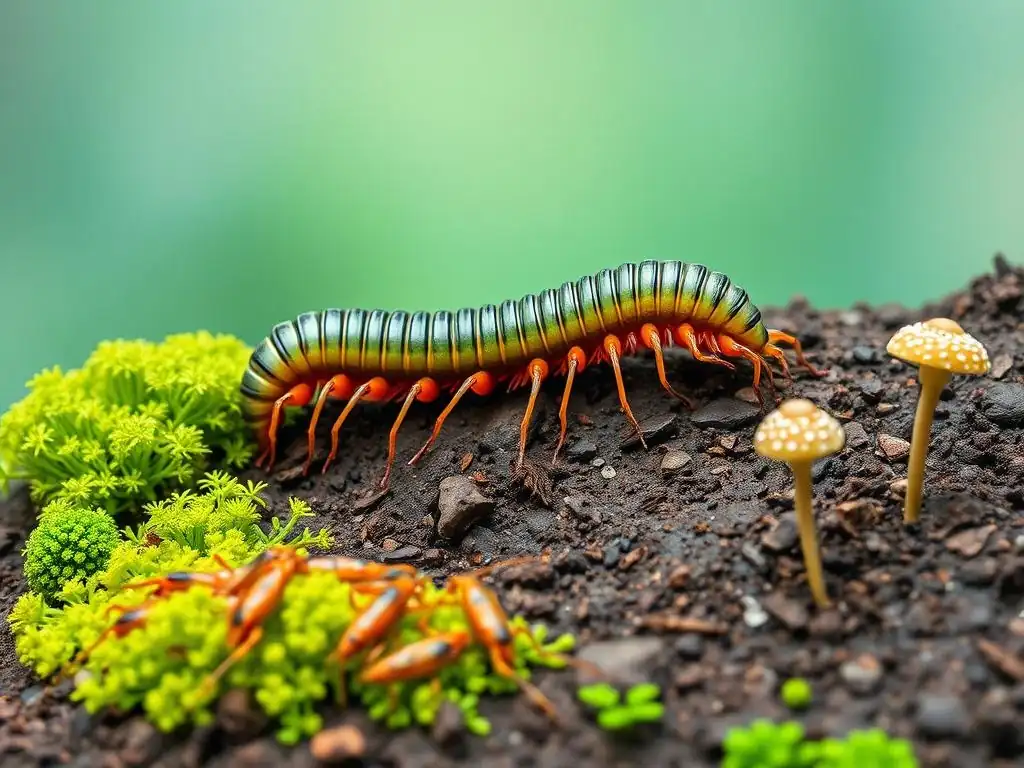
Centipedes, while fascinating creatures, require a specialized diet to thrive. Providing the right food is crucial for their health, growth, and longevity. This section details the dietary needs of centipedes, focusing on the types of insects they prefer, how to prepare and supply food safely, and how often to feed them based on their life stage. This guide will help you achieve the best centipede pet care possible, ensuring your pet centipede flourishes under your care. Remember, proper feeding is a cornerstone of optimal centipede health.
Understanding Centipede Dietary Needs: Insect Prey Preferences
Centipedes are obligate carnivores, meaning their diet consists entirely of live prey. Their preferred food sources are typically insects, with a preference for soft-bodied species. The size of the prey should be carefully considered; it should be no larger than the centipede's head width to avoid injury or rejection. Here's a breakdown of suitable prey options:
- Crickets: A staple for many centipede species. Choose appropriately sized crickets; newly hatched crickets are ideal for smaller centipedes, while larger crickets can be offered to adults.
- Mealworms: Another popular choice, mealworms provide a good source of protein and fat. However, offer them in moderation, as they can be harder to digest than crickets.
- Dubia Roaches: These are a cleaner option than crickets and offer a good nutritional profile. Their slower movement makes them easier for some centipede species to catch.
- Waxworms: These should be offered sparingly, as they are high in fat and can lead to obesity if fed excessively. They are best used as an occasional treat.
Avoid offering wild-caught insects, as they may carry parasites or pesticides. Always source your insect feed from reputable breeders or suppliers to ensure the health and safety of your centipede.
Preparing and Supplying Food: Live Insect Feeding Guide
Providing live food requires a safe and controlled environment. Never simply drop insects into the enclosure; this can stress the centipede and potentially lead to escape. Instead, use tweezers or small tongs to carefully place the prey within the enclosure, away from the centipede's immediate vicinity. Observe your centipede's feeding behavior; some are active hunters, while others might wait patiently for prey to approach.
Here's a step-by-step guide:
- Select appropriate prey: Choose insects that are slightly smaller than the centipede's head.
- Prepare the food: No special preparation is needed for most insects.
- Introduce the prey: Using tweezers, gently place the live insect within the centipede's enclosure. Ensure the insect is alive and moving to stimulate the centipede's hunting instincts.
- Monitor feeding: Observe the centipede's feeding behavior. Remove any uneaten prey after a few hours to prevent the enclosure from becoming unsanitary.
Remember to maintain a clean enclosure to prevent the buildup of uneaten food and insect waste. Regular cleaning is essential for maintaining a healthy environment for your centipede.
Frequency of Feeding: Adjusting Based on Age and Size
The frequency of feeding depends largely on the centipede's age and size. Juvenile centipedes require more frequent feeding due to their rapid growth. Adult centipedes, however, can be fed less frequently.
Here's a general guideline:
| Centipede Age/Size | Feeding Frequency |
|---|---|
| Juvenile (small) | Every 2-3 days |
| Juvenile (medium) | Every 3-4 days |
| Adult (large) | Every 4-7 days |
Always monitor your centipede's weight and activity levels. Adjust the feeding frequency as needed to ensure your centipede maintains a healthy weight and remains active. Overfeeding can lead to obesity and health problems, while underfeeding can result in malnutrition and stunted growth. A well-balanced diet, coupled with proper observation, is key to providing the best centipede pet care.
Supplementing the Diet: Ensuring Nutritional Completeness
Centipedes, while primarily carnivorous, may benefit from occasional dietary supplements to ensure they receive a complete range of nutrients. A solely insect-based diet might lack certain vitamins and minerals crucial for their growth and overall health. While not strictly necessary for all species, supplementing can be particularly beneficial for young centipedes or those exhibiting signs of nutritional deficiency, such as lethargy, slow growth, or a dull exoskeleton.
Several methods exist for supplementing your centipede's diet. One popular approach involves dusting the prey insects with a high-quality vitamin and mineral powder specifically formulated for reptiles and invertebrates. This powder, usually a calcium-based supplement with added vitamins A, D3, and other essential nutrients, adheres to the insect's exoskeleton and is ingested by the centipede as it consumes its meal. It's crucial to use a reputable brand and follow the instructions carefully to avoid over-supplementation, which can be just as harmful as a deficiency.
Another approach involves incorporating gut-loading into your feeding routine. Gut-loading refers to feeding the prey insects a nutritious diet before offering them to your centipede. By feeding crickets or other insects a diet rich in fruits, vegetables, and commercially available gut-loading supplements, you enhance the nutritional value of their bodies, indirectly enriching your centipede's diet.
This method is particularly effective for ensuring a broader spectrum of vitamins and minerals are provided. Remember to research the specific dietary needs of the prey insects to maximize their nutritional content before feeding them to your centipede. A healthy prey insect leads to a healthy centipede!
Careful observation is key. Monitor your centipede's behavior, activity level, and the condition of its exoskeleton. Any signs of lethargy or unusual shedding patterns could indicate a nutritional imbalance and may necessitate a review of your feeding and supplementation strategies. Consulting with an experienced exotic pet veterinarian can provide valuable guidance in tailoring a supplementary plan to your centipede's specific needs.
Avoiding Overfeeding and Waste Management
Overfeeding centipedes is a common mistake among novice keepers, often leading to health problems and unsanitary conditions within the enclosure. Centipedes, unlike some other invertebrates, don't require daily feeding. Adult centipedes may only need to be fed once or twice a week, while younger, growing centipedes may require slightly more frequent feedings, perhaps every 3-4 days. The key is to observe your centipede's behavior and appetite. If food remains uneaten after a few hours, it's a clear sign that you're overfeeding. Uneaten prey insects can quickly decompose, contaminating the substrate and potentially harming your centipede.
Waste management is crucial in maintaining a healthy and hygienic environment for your centipede. Centipedes, like all animals, produce waste. This waste, along with uneaten food, can accumulate quickly and lead to the growth of harmful bacteria and fungi. Regular spot cleaning is essential. Remove any uneaten food items promptly after each feeding and regularly clean up any visible fecal matter.
A complete substrate change should be performed every 2-4 weeks, depending on the size of the enclosure and the amount of waste produced. This process involves removing the old substrate, thoroughly cleaning the enclosure, and introducing fresh, clean substrate. Maintaining a clean environment is paramount to the health and well-being of your centipede. A clean enclosure significantly minimizes the risk of bacterial infections and other health issues, contributing to a longer and healthier life for your pet. Remember, a clean environment is a happy centipede!
Handling Centipedes Safely and Responsibly
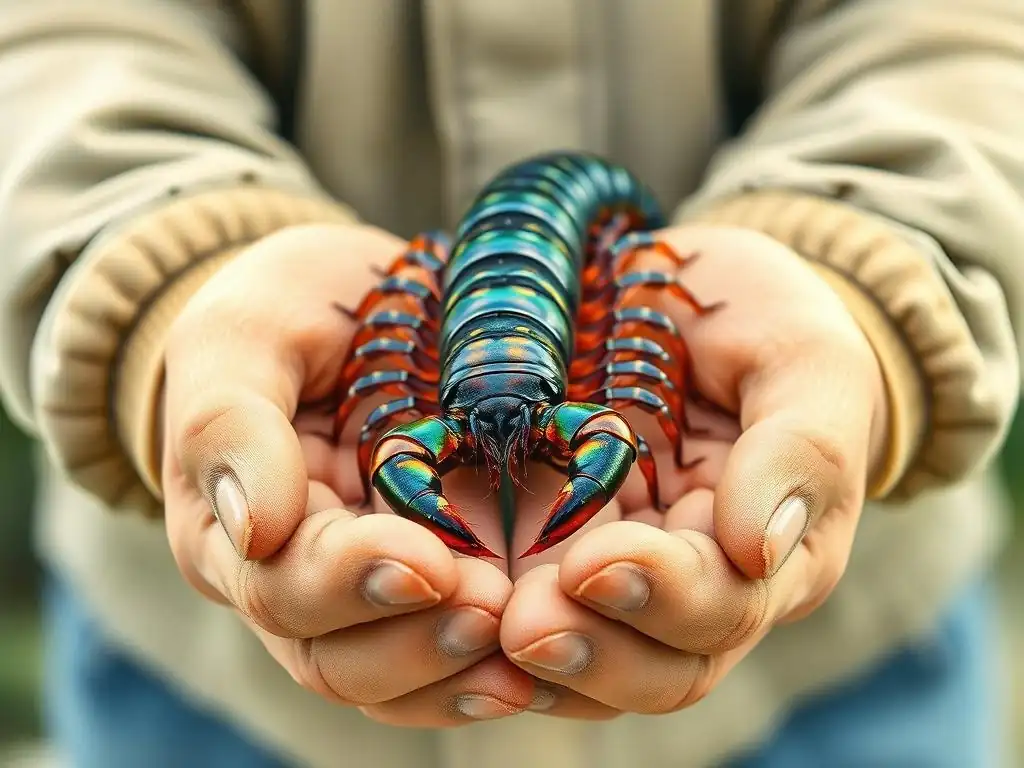
Centipedes, while fascinating creatures, require careful and responsible handling. Their venomous bite, though rarely fatal to humans, can be painful and cause localized swelling and discomfort. Therefore, understanding proper handling techniques is crucial for both your safety and the well-being of your centipede. This section provides a comprehensive guide to ensure a safe and positive interaction with your pet centipede, contributing to the best centipede pet care possible. Remember, even with the best care, accidents can happen, so preparedness is key.
Essential Safety Precautions: Preventing Bites and Escapes
Preventing bites and escapes are paramount when handling centipedes. Several precautions significantly reduce the risk:
- Always wash your hands: Before and after handling, thoroughly wash your hands with soap and water. This prevents the transfer of any harmful bacteria or parasites.
- Use appropriate tools: Never handle a centipede directly with your bare hands. Use long forceps or tongs specifically designed for handling reptiles and insects. These tools provide a safe distance and prevent accidental bites.
- Secure enclosure: Ensure your centipede's enclosure is securely closed with a tight-fitting lid. Centipedes are adept escape artists, and a successful escape can be stressful for both you and your pet, potentially leading to its injury or loss. Regularly inspect the enclosure for any potential escape routes.
- Wear protective gear: Consider wearing protective gloves, especially when cleaning or maintaining the enclosure. This additional layer of protection adds an extra measure of safety, particularly when dealing with larger or more aggressive species.
- Careful cleaning: When cleaning the enclosure, proceed slowly and methodically. Use a soft brush to gently remove waste and debris. Avoid sudden movements that could startle the centipede.
- Know your species: Different centipede species exhibit varying levels of aggression. Research the specific temperament of your centipede species to better understand its potential behavior and adjust your handling techniques accordingly. Some species are more docile than others.
Techniques for Handling Centipedes: Minimizing Stress and Risk
Handling centipedes should be a controlled and deliberate process. Here are some effective techniques to minimize stress and risk for both you and your pet:
- Gentle movements: Avoid sudden or jerky movements that can startle the centipede and increase the likelihood of a defensive bite. Slow, deliberate movements are crucial.
- Support the centipede: When using forceps, gently support the centipede's body to prevent injury. Avoid squeezing or applying excessive pressure.
- Minimize handling: Limit handling to only when absolutely necessary, such as during enclosure cleaning or health checks. Frequent handling can stress the centipede and compromise its well-being.
- Observe your centipede's behavior: Pay close attention to your centipede's body language. If it displays signs of aggression (e.g., raising its forelegs, rapid movements), immediately cease handling.
- Short handling sessions: Keep handling sessions brief and to the point. Prolonged handling can increase stress levels in your centipede.
- Proper posture: Maintain a stable posture while handling to avoid accidental drops or injuries. A firm grip on the forceps is essential.
Recognizing Signs of Illness or Stress in Centipedes
Recognizing signs of illness or stress in your centipede is critical for providing prompt and appropriate care. Early detection can significantly improve the chances of a successful recovery. Key indicators include:
- Lethargy and inactivity: A significant decrease in activity levels compared to its normal behavior is a cause for concern.
- Loss of appetite: Refusal to eat is a common symptom of illness or stress.
- Changes in coloration: Unusual discoloration or dullness of the exoskeleton can indicate illness.
- Dehydration: Signs of dehydration include a shrunken body and lethargy.
- Abnormal shedding: Difficulty shedding or abnormal shedding patterns might suggest underlying health problems.
- Limb loss or damage: Missing or damaged legs can be an indicator of injury or disease.
- Unusual posture: Unusual body postures, such as curling up excessively or exhibiting abnormal leg movements, can also be indicative of illness or stress.
Careful observation and prompt attention to these signs are essential components of the best centipede pet care guide, contributing to a long and healthy life for your fascinating invertebrate companion. Remember, early intervention is crucial for successful treatment.
Cleaning and Maintaining the Terrarium: Hygiene Practices for Centipede Care
Maintaining a clean and hygienic terrarium is paramount for the health and well-being of your centipede. Neglecting cleanliness can lead to the buildup of harmful bacteria, mold, and parasites, potentially causing illness or even death in your pet. Regular cleaning prevents these issues and ensures a thriving environment for your centipede. This doesn't mean you need to scrub the entire terrarium daily, but a consistent schedule of cleaning and maintenance is crucial.
A good starting point is to remove any uneaten food items daily. Centipedes are opportunistic feeders, but leaving uneaten prey in the terrarium promotes bacterial growth and can attract unwanted insects. Use tweezers to carefully remove any food scraps, ensuring you don't accidentally disturb the substrate or your centipede. Remember to wash your hands thoroughly after handling the food and any terrarium equipment.
Spot cleaning should be performed weekly. This involves removing any visible feces or decaying matter. A small brush or cotton swab can be effective for this task. Focus on areas where your centipede spends the most time, such as under hides or near the water dish. Again, careful handling is essential to avoid stressing your pet.
A more thorough cleaning of the entire terrarium should be conducted every 2-3 months, or more frequently depending on the size of the terrarium and the amount of waste produced. This involves carefully removing your centipede to a temporary, secure container. Then, thoroughly clean the terrarium with a reptile-safe disinfectant, ensuring you rinse it thoroughly afterward to remove any residue that could be harmful to your centipede.
Replace the substrate completely with fresh, clean substrate. This process helps eliminate any potential pathogens or parasites that may have accumulated over time. Remember to allow the terrarium to dry completely before returning your centipede to its home.
During the cleaning process, inspect the terrarium for any signs of mold or mildew. If present, address it immediately using a suitable antifungal solution. Always follow the manufacturer's instructions carefully when using any cleaning products or disinfectants near your pet. Prioritize pet safety and hygiene during every cleaning session, ensuring a healthy and safe environment for your centipede companion. This diligent approach to cleaning is a vital component of providing excellent centipede care and contributing to a long and healthy life for your exotic pet. Remember, a healthy environment equals a healthy centipede!
Common Centipede Health Issues and Prevention
Centipedes, while fascinating pets, are susceptible to various health problems. Understanding these issues and implementing preventative measures is crucial for ensuring a long and healthy life for your centipede. This section will delve into common ailments, their identification, treatment, and proactive strategies to minimize risks. This guide aims to help you provide the best centipede pet care possible, solidifying your position as a responsible and informed centipede owner. Remember, early detection and intervention are key to successful treatment.
Identifying and Treating Common Centipede Diseases
Several diseases can affect centipedes, often stemming from improper husbandry. One common issue is bacterial infections, frequently resulting from unsanitary conditions within the terrarium. Symptoms include lethargy, loss of appetite, discoloration of the exoskeleton, and unusual behavior. Treatment usually involves administering antibiotics, prescribed by a veterinarian specializing in exotic pets. The specific antibiotic and dosage will depend on the type of bacteria and the severity of the infection. It's crucial to maintain a meticulously clean environment to prevent bacterial overgrowth.
Fungal infections are another concern. These can manifest as white or discolored patches on the centipede's body. High humidity levels can predispose centipedes to fungal growth. Treatment may involve topical antifungal medications, again under veterinary guidance. Adjusting humidity levels within the terrarium is vital in preventing future fungal infections.
In some cases, centipedes can suffer from molting problems. This can occur if the humidity is too low, hindering the shedding of the exoskeleton. A centipede struggling to molt may exhibit weakness, lethargy, and difficulty moving. Ensuring appropriate humidity and substrate conditions is crucial to prevent this.
Case Study: Bacterial Infection in a Scolopendra gigantea
A large Scolopendra gigantea presented with lethargy, loss of appetite, and a noticeably discolored exoskeleton. Veterinary examination confirmed a bacterial infection. Treatment involved a course of broad-spectrum antibiotics, along with improved terrarium hygiene. The centipede fully recovered within several weeks.
Preventing Parasites and Infections: Proactive Measures
Proactive measures are essential in preventing centipede health issues. Maintaining impeccable hygiene within the terrarium is paramount. Regular cleaning, substrate replacement, and disinfection of the enclosure are crucial steps. Using appropriate disinfectants that are safe for invertebrates is vital. Never use harsh chemicals that could harm your centipede.
Proper ventilation is also key. Poor ventilation can lead to the build-up of harmful bacteria and fungi. Ensure your terrarium has adequate ventilation to maintain optimal air quality. Regularly inspect your centipede for any signs of parasites or injury.
Providing a balanced and nutritious diet is crucial for maintaining a strong immune system. A varied diet, tailored to the specific needs of your centipede species, will help them fight off infections. Avoid feeding your centipede anything that has been improperly handled or that is potentially contaminated.
A well-maintained terrarium, combined with careful observation and preventative measures, will significantly reduce the risk of various health problems.
Signs of Illness and When to Seek Veterinary Advice
Recognizing the subtle signs of illness in your centipede is critical. While centipedes are relatively stoic creatures, changes in their behavior or appearance can indicate underlying health issues. These can include:
- Lethargy: A significant decrease in activity levels.
- Loss of appetite: Refusal to feed, even when presented with preferred prey.
- Discoloration: Unusual changes in the color or texture of the exoskeleton.
- Difficulty molting: Struggling to shed their exoskeleton.
- Visible wounds or parasites: Any noticeable injuries or external parasites.
- Abnormal excretions: Unusual or excessive waste.
If you observe any of these signs, it's crucial to seek veterinary advice immediately. An exotic animal veterinarian will be able to properly diagnose the problem and recommend the appropriate treatment. Early intervention is crucial in improving the chances of a successful outcome. Remember, prompt veterinary care is a vital aspect of responsible centipede ownership and contributes to providing the best centipede pet care.
Breeding Centipedes (Optional): Advanced Centipede Care
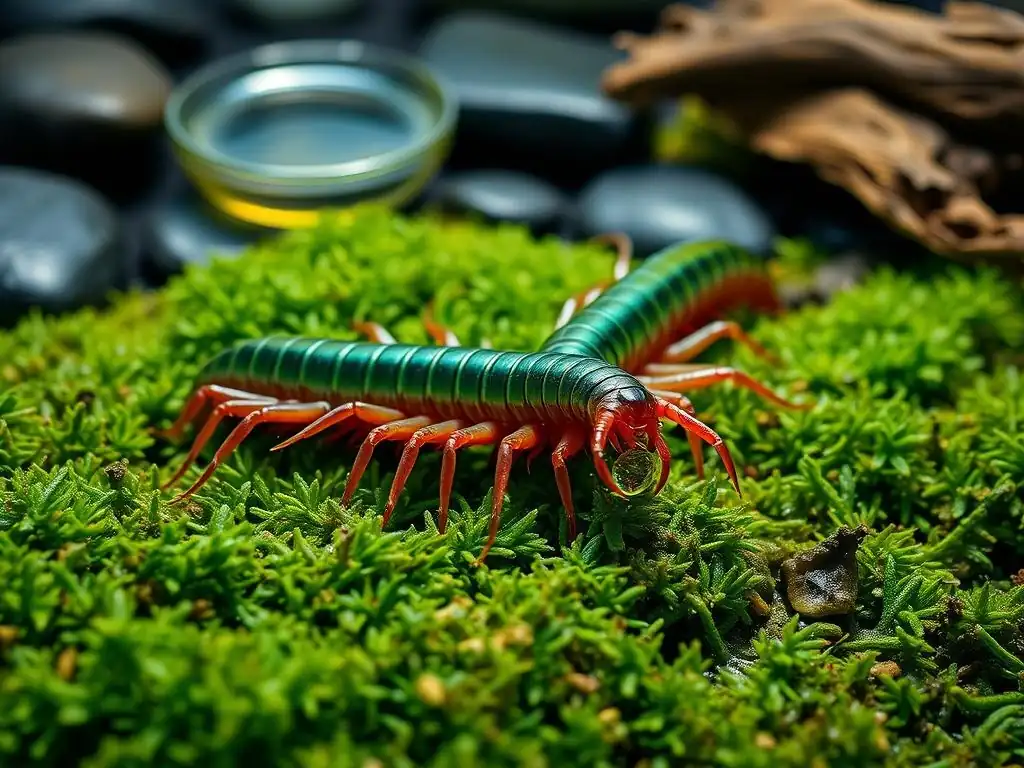
Breeding centipedes is a challenging endeavor, not recommended for beginners. It requires a deep understanding of the species' specific needs and a significant time commitment. This section outlines the key considerations for those experienced keepers who wish to attempt centipede breeding. Success depends heavily on mimicking the centipede's natural breeding environment and providing optimal care throughout the entire process.
This is not a guaranteed process, and many attempts may result in failure. Consider this an advanced topic, requiring significant prior experience in centipede husbandry. Remember, ethical considerations are paramount; ensure you have the resources and commitment to care for any resulting offspring.
Understanding Centipede Reproductive Cycles
Centipede reproductive cycles vary considerably depending on the species. Some species exhibit seasonal breeding patterns, triggered by changes in temperature and humidity. Others may breed year-round under suitable conditions. Understanding your specific centipede species' reproductive cycle is crucial.
Researching your species' natural habitat and observing your own centipedes' behavior for signs of mating readiness is essential. These signs can include increased activity, changes in feeding habits, or the presence of pheromones (though detecting these requires specialized knowledge). Data on specific species' reproductive cycles is often limited; therefore, meticulous observation and record-keeping are vital. For example, the Scolopendra gigantea displays seasonal breeding patterns, while the Scutigera coleoptrata may breed more sporadically.
Creating a Breeding Environment: Specific Requirements
Creating a suitable breeding environment requires replicating the centipede's natural habitat as closely as possible. This involves precise control over temperature, humidity, and substrate. Temperature gradients within the enclosure are often beneficial, allowing the centipedes to self-regulate their body temperature. Humidity levels must be maintained within a narrow range to prevent desiccation or fungal growth. The substrate should provide ample opportunities for burrowing and shelter.
A suitable substrate might be a mix of peat moss, coconut fiber, and leaf litter. The enclosure size needs to be significantly larger than that used for a single centipede to accommodate potential mating and offspring. Providing multiple hiding places is crucial, reducing stress and promoting successful breeding. Overcrowding should be strictly avoided. Precise temperature and humidity requirements vary greatly by species; detailed research is paramount before attempting breeding.
Caring for Centipede Young: Specialized Needs
Newly hatched centipedes are incredibly vulnerable and require specialized care. Their dietary needs may differ from adults. They are often cannibalistic, necessitating individual housing to prevent mortality. Providing appropriately sized prey items is essential; too large prey can overwhelm and injure the young centipedes. Maintaining optimal humidity and temperature is even more critical for young centipedes, as they are less resilient to environmental fluctuations. The substrate needs to be fine enough to prevent injury, yet provide adequate burrowing opportunities.
Monitoring the young centipedes closely for signs of illness or stress is crucial. Mortality rates among young centipedes are often high, regardless of the care provided. Careful observation and prompt intervention are key to maximizing survival rates. The specific needs of young centipedes vary greatly by species, underscoring the importance of thorough research and careful planning. Regularly documenting observations and adjusting care accordingly is essential for successful rearing.
Best Centipede Pet Care Guide: Resources and Further Learning
This section focuses on expanding your knowledge and connecting you with other centipede enthusiasts. Finding reliable information and a supportive community is crucial for successful centipede keeping. A well-informed owner is better equipped to provide the best possible care for their pet centipede. This section will guide you to resources that can help you master the art of centipede care and contribute to the overall well-being of these fascinating creatures.
Recommended Reading and Online Communities
Finding accurate and up-to-date information on centipede care can be challenging. Many online resources contain misinformation or outdated practices. Therefore, it's crucial to be discerning in your search for knowledge. Here's a breakdown of reliable resources to help you build a strong foundation in centipede husbandry:
- Scientific Journals: Look for peer-reviewed articles in scientific journals focusing on invertebrate zoology or arachnology. These articles often provide detailed insights into centipede biology, behavior, and specific care requirements. While the language may be technical, the information is generally highly accurate.
- Specialized Books: Search for books specifically dedicated to invertebrate keeping or arthropod care. These resources often contain detailed information on habitat setup, feeding, and handling various centipede species. Always check publication dates to ensure the information is current.
- Online Forums and Communities: While caution is advised, some online forums and communities dedicated to invertebrate keeping can be valuable sources of information. Look for forums with active moderators who actively combat misinformation and promote responsible pet ownership. Always cross-reference information found on forums with reputable scientific sources. Remember to engage respectfully and contribute positively to the community.
This careful approach will ensure you are receiving accurate and up-to-date information about centipede care. Remember, misinformation can be harmful to your pet, so always prioritize reliable sources. A well-informed centipede owner is a responsible centipede owner. 🔎
Finding Reputable Centipede Breeders and Suppliers
Acquiring your centipede from a reputable source is paramount to its health and well-being. Purchasing from irresponsible breeders or suppliers can lead to unhealthy, stressed, or even diseased centipedes. Here's how to identify and choose a responsible breeder or supplier:
- Ask Questions: Don't hesitate to ask detailed questions about the centipede's origin, diet, and health history. A reputable breeder will be happy to provide thorough answers and demonstrate a deep understanding of their animals' needs.
- Observe the Conditions: If possible, visit the breeder or supplier in person to observe the conditions in which the centipedes are kept. Look for clean enclosures, appropriate substrate, and healthy-looking centipedes. Signs of stress, disease, or poor husbandry should raise red flags.
- Check for Certifications: While not always available for centipedes, some breeders may hold certifications or affiliations with reputable organizations. This can be an indicator of their commitment to ethical and responsible breeding practices.
- Seek Recommendations: Talk to experienced centipede keepers or members of online communities for recommendations on reputable breeders and suppliers in your area. Word-of-mouth recommendations can be invaluable.
Selecting a reputable source is an investment in your centipede's long-term health and happiness. It guarantees a healthy start and increases the chances of a thriving pet centipede. 🏆 Remember, a healthy centipede is a happy centipede!
Frequently Asked Questions about Centipede Care (FAQ)
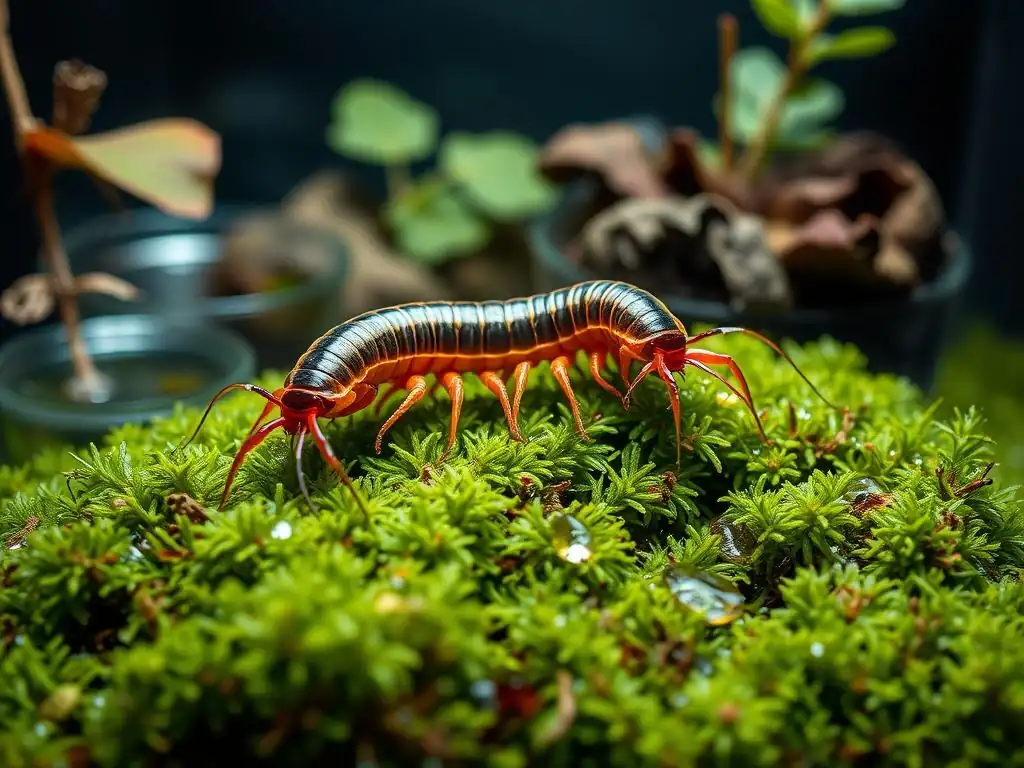
This section addresses common queries regarding centipede care, providing clarity and addressing concerns potential owners may have. We aim to dispel myths and provide accurate information to ensure responsible and ethical centipede keeping. Remember, responsible ownership is paramount when caring for any exotic pet.
How long do centipedes live?
Centipede lifespan varies significantly depending on the species. Some smaller species may only live for a year or two, while larger species, like the Giant Amazonian Centipede ( Scolopendra gigantea), can live for 6-10 years or even longer in optimal captive conditions. Factors influencing lifespan include diet, habitat quality, and overall health. Providing a species-appropriate environment with a consistent diet is crucial for maximizing your centipede's lifespan.
For example, ensuring proper humidity levels is critical, as dehydration can significantly shorten a centipede's life. Regular observation for signs of illness or injury is also vital for early intervention and improved longevity. Unfortunately, precise lifespan data is scarce for many species, so individual variation is expected. Detailed records kept by dedicated centipede keepers could greatly improve our understanding of their lifespans in captivity.
Are centipedes dangerous?
Many people fear centipedes due to their appearance and the fact that some species possess venomous fangs. However, the level of danger varies greatly between species. While the bite of a large centipede can be painful, similar to a wasp sting, it's rarely life-threatening to a healthy adult human. Symptoms might include localized pain, swelling, and redness.
However, individuals with allergies to insect venom should exercise extra caution. Smaller species generally pose a minimal threat. It's crucial to always handle centipedes with care and respect, using appropriate tools like tongs to avoid accidental bites. Never handle a centipede if you're unsure of the species.
Responsible centipede ownership includes recognizing the potential for a bite and taking precautions to prevent one. Always research the specific species you intend to keep thoroughly before acquiring it. Knowing the potential risks allows for safer handling and a more positive experience for both the keeper and the centipede.
How much does it cost to care for a centipede?
The cost of centipede care is relatively low compared to other exotic pets. Initial setup costs include a suitable enclosure (a terrarium is generally recommended), substrate (such as coconut fiber or peat moss), hides, and a water dish. These costs can range from [specific price range pending further research] depending on the size of the enclosure and the chosen materials.
Ongoing costs mainly involve feeding. Centipedes are carnivorous, and their diet typically consists of insects like crickets, roaches, and mealworms. The cost of feeding will depend on the size of your centipede and its appetite, but it's generally quite affordable.
Veterinary care is rarely needed for healthy centipedes, but unexpected illnesses or injuries could incur additional costs. Therefore, while upfront costs are manageable, always budget for potential unforeseen expenses. Maintaining a healthy and stimulating environment is more important than extravagance; a simple, well-maintained setup is perfectly adequate for most centipede species.
What type of substrate is best for centipedes?
Choosing the right substrate is crucial for maintaining a healthy and thriving centipede environment. The ideal substrate needs to retain moisture, provide good drainage to prevent soggy conditions which can lead to fungal growth and harm your centipede, and offer a suitable burrowing medium. Several options exist, each with its own pros and cons. A popular choice among experienced centipede keepers is a mix of peat moss and vermiculite. The peat moss retains moisture well, while the vermiculite ensures proper aeration and drainage.
The ratio can be adjusted depending on the specific humidity needs of your centipede species; a generally good starting point is a 2:1 ratio of peat moss to vermiculite. Always ensure the substrate is slightly damp, but not waterlogged. Testing the moisture level by squeezing a handful – it should feel damp but not dripping wet – is a good way to gauge this. Avoid using substrates that are too fine, as they can compact easily, hindering drainage and making it difficult for your centipede to burrow.
Similarly, avoid substrates that are too coarse, as they may not retain enough moisture. Some keepers also add a thin layer of leaf litter on top for added enrichment and to mimic the natural environment. Remember to always research the specific needs of your centipede species, as their ideal substrate might vary slightly. For instance, some species might prefer a slightly more arid environment, requiring a substrate that retains less moisture.
How often should I clean the terrarium?
Maintaining a clean terrarium is paramount to preventing disease and ensuring your centipede's well-being. The frequency of cleaning depends on several factors, including the size of the terrarium, the number of centipedes housed within, and the type of substrate used. However, a general guideline is to spot-clean the terrarium regularly, removing any uneaten food items, fecal matter, and shed exoskeletons. This should be done at least once a week, or more frequently if necessary.
A more thorough cleaning, involving replacing the substrate, should be performed every 2-3 months, or as needed. During a thorough cleaning, carefully remove your centipede to a temporary, secure container. Gently remove the old substrate, thoroughly wash and disinfect the terrarium (using a reptile-safe disinfectant), and then add fresh, prepared substrate. Remember to carefully monitor the humidity and temperature levels after cleaning to ensure they remain within the optimal range for your centipede.
Avoid using harsh chemicals that could harm your centipede. Always handle your centipede carefully and wear appropriate gloves during cleaning to prevent accidental injury. Regular spot cleaning and less frequent, thorough cleanings are crucial for a healthy and thriving centipede environment, mimicking the natural decomposition processes found in their natural habitat. Neglecting cleaning can lead to the buildup of harmful bacteria and fungi, potentially causing illness or even death to your pet.
Frequently Asked Questions
What makes centipedes good pets?
Centipedes are fascinating creatures that offer a unique and low-maintenance pet-keeping experience. Their active hunting behavior is engaging to watch, and their relatively small size makes them easy to house. However, they are not suitable for all owners.
What type of enclosure is best for a centipede?
A terrarium with good ventilation is ideal. The size will depend on the species, but aim for a space that allows for substrate depth and hiding places. Ensure the enclosure is escape-proof; centipedes are adept climbers.
What should I feed my centipede?
Centipedes are carnivorous. Their diet typically consists of live insects such as crickets, roaches, or mealworms, sized appropriately for the centipede. Avoid overfeeding; a few insects per week is usually sufficient.
How often should I handle my centipede?
Handling centipedes is generally not recommended, especially for beginner keepers. Their venom, while rarely dangerous to humans, can cause a painful sting. Observation is key to enjoying these intriguing pets.
Are centipedes difficult to care for?
Centipede care is relatively straightforward once you understand their specific needs. Maintaining proper humidity, temperature, and providing suitable food are crucial for their health and longevity. Researching your specific species is essential.
Final Reflection: Embracing the Unexpected Charm of Centipedes
Understanding the intricate needs of centipedes is not merely a hobby; it's a gateway to appreciating the often-overlooked biodiversity of our planet. The meticulous care detailed in this guide highlights the surprising complexity of these fascinating creatures, challenging preconceived notions and revealing the beauty in their often-misunderstood world.
My journey into the world of centipede care has been a profound one, shifting my perspective on what constitutes a compelling pet and the responsibility we bear towards all living things. The smallest things often hold the greatest wonders.
This sentiment rings true when observing the intricate behaviors and delicate needs of these often-feared creatures. Their quiet elegance and unique adaptations have captivated me, and I hope this guide has similarly sparked your curiosity and respect.
Now, I invite you to consider your own relationship with the natural world. Are you ready to expand your understanding of the creatures that share our planet, moving beyond the familiar and embracing the unexpected? Perhaps this guide has inspired you to explore the world of invertebrate keeping, or simply to observe the natural world with a newfound appreciation for its diversity and complexity. The journey of responsible pet ownership, no matter the species, is a rewarding one, filled with learning, growth, and a deep connection with the living world.
Unlock Your Centipede's Potential: A Journey to Thriving Care
Thank you for exploring the world of centipede care! You've gained valuable knowledge to help your fascinating pet thrive. Ready to put your expertise into practice?
- Prioritize Enrichment: Evaluate your centipede's environment immediately. Is there enough space, appropriate humidity, and ample hiding places? Make any necessary adjustments right away.
- Share Your Success (or Questions!): Connect with fellow centipede keepers on our PetCareWorld forum. Share your experiences, ask questions, and learn from others.
- Document Your Centipede's Growth: Take photos or videos to track your centipede's progress. It's rewarding to see how it develops and changes!
What small improvement will you make today to enhance your centipede's well-being?