Help! My Reptile Has a Stuck Shed: Practical Solutions
😊 Is your reptile struggling with a stuck shed? PetCareWorld's expert guide offers practical, safe solutions for stuck reptile shed removal, ensuring…
Read article
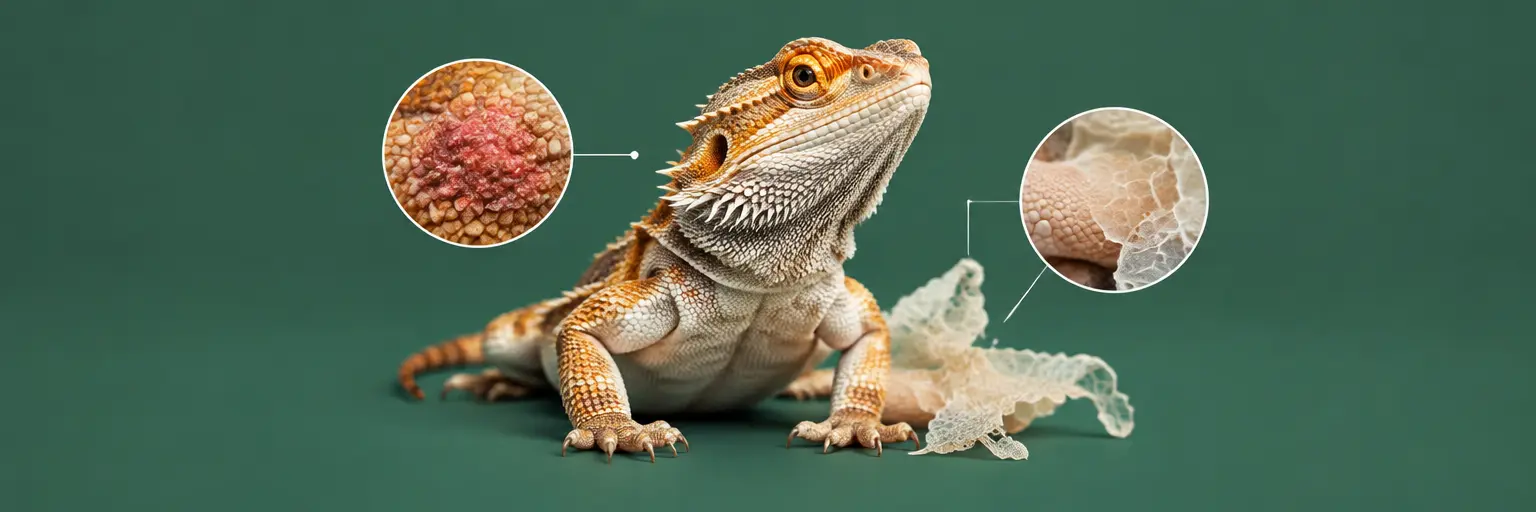
Struggling with abnormal shedding, stuck eye caps, or irritated skin on your scaly companion? 🦎 Common reptile skin and shedding issues are among the top reasons owners seek veterinary help, and they’re often the first warning sign of underlying health problems. From dysecdysis (incomplete shedding) caused by low humidity or dehydration, to bacterial and fungal infections that create blisters, sores, or discolored patches, knowing what’s normal versus concerning is critical for your pet’s comfort and survival. This guide unpacks the most frequent skin conditions—including shed retention around toes and tail tips, scale rot, and post-shed injuries—while offering practical prevention tips like proper substrate choice, humidity gradients, and vitamin supplementation. Early recognition of symptoms such as dull, flaky skin, persistent rubbing, or open wounds can mean the difference between a simple soak and a serious systemic infection. Empower yourself with actionable caretaking strategies to keep your reptile’s skin healthy, vibrant, and shed-ready, ensuring your exotic pet thrives rather than merely survives. 🐍✨
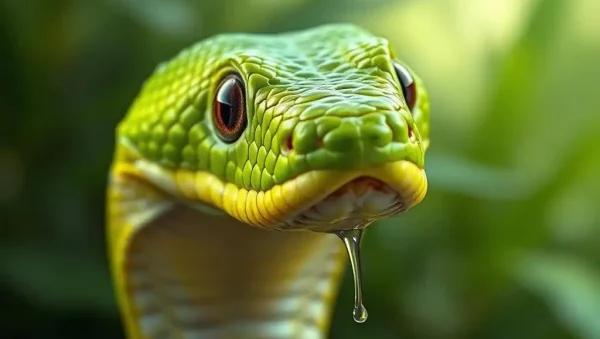
😊 Is your reptile struggling with a stuck shed? PetCareWorld's expert guide offers practical, safe solutions for stuck reptile shed removal, ensuring…
Read article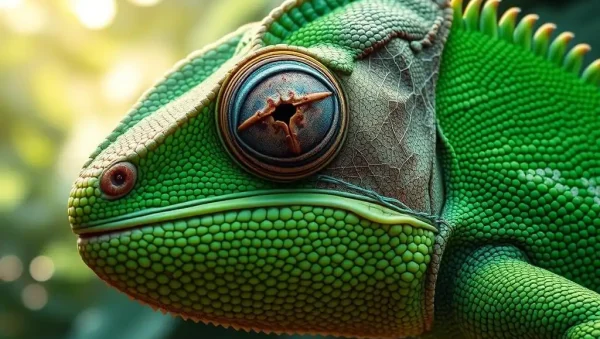
🤔 Unhealthy reptile skin? PetCareWorld reveals the crucial connection between reptile skin health and nutritional deficiencies. Learn how proper diet prevents problems…
Read article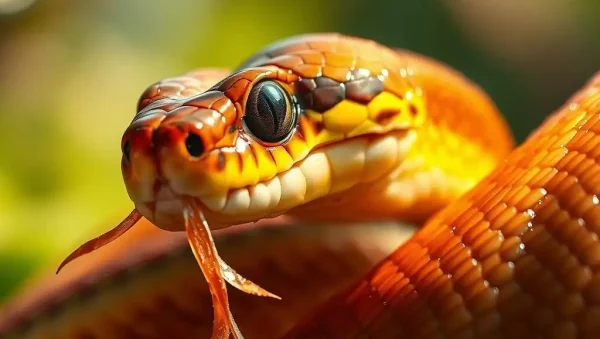
🤔 Reptile shedding, or ecdysis, is a crucial process. PetCareWorld explains the reptile shedding process, detailing the stages, potential problems, and how…
Read articleWhen you welcome a reptile into your home, you take on the responsibility of monitoring its health closely. Among the most frequent concerns for reptile owners are skin problems and abnormal shedding, which can signal underlying issues like poor humidity, nutritional deficits, or infections. This dedicated subcategory at PetCareWorld offers expert-backed guidance on identifying, treating, and preventing these common ailments, ensuring your scaly companion thrives in its environment.
Dysecdysis, or incomplete shedding, is a leading cause of vet visits for reptiles. You will learn to spot retained eye caps, stuck shed around toes, or patches of old skin that remain for days beyond the normal cycle. Our guides explain how factors like low humidity, inadequate hiding spots, and dehydration directly impact the shedding process. We emphasize that early recognition prevents constriction injuries or infections, which can become severe if left untreated.
Beyond symptoms, this section dives into the mechanics of a healthy shed, including the role of pre-shed dulling and increased eye opacification. We provide step-by-step action plans for different species, from leopard geckos to ball pythons, because shed frequency and difficulty vary widely. A thorough soak, a humidity box, or a rough surface may be all you need, but misdiagnosis can lead to harmful manual peeling. Our content helps you decide when a simple home remedy is safe versus when immediate veterinary intervention is necessary.
Skin infections in reptiles often manifest as reddened scales, pustules, ulcers, or unusual lumps. Here, you’ll explore the causes, from unsanitary substrate to contaminated water dishes, which foster bacterial pathogens like Aeromonas and Pseudomonas. We detail how fungal infections, such as yellow fungus disease, progress and why they are notoriously difficult to treat without professional diagnosis. You will gain insight into proper quarantine procedures and the importance of a clean, dry basking area.
This section also covers treatment protocols, including topical antiseptics, systemic antibiotics, and the critical role of thermal support during recovery. We stress that do not self-medicate without a vet’s guidance, as many reptile medications are toxic in wrong doses. Instead, we teach you how to take high-quality photos and document lesion changes, which helps your exotic vet make an accurate diagnosis. Preventative measures—like UVB lighting and calcium supplementation—are explained as foundational defenses against metabolic skin breakdown.
Blister disease, also known as scale rot, typically arises from prolonged contact with wet, dirty substrate. You will learn to distinguish early blisters from bacterial abscesses, and why immediate substrate replacement and wound cleaning are essential. Conversely, thermal burns happen when heat mats or lamps are not properly regulated. We discuss the signs, from white or darkened patches to cracked scales, and outline appropriate first-aid techniques, including cool water flushing and silver sulfadiazine application.
Prevention is emphasized through habitat design innovations: using thermostats, infrared temperature guns, and providing a temperature gradient that allows self-regulation. We also address the psychological stress that accompanies burns, as pain can suppress appetite and immune response. Our expert contributors share case examples showing how simple changes—like raising a heat lamp slightly or adding a tile layer—can prevent recurring injuries. For severe burns, we outline what to expect during surgical debridement and long-term wound care.
External parasites, such as mites and ticks, are visible but often misidentified. Here, we reveal how reptile mites can cause excessive soaking, rubbing, and a dusty appearance to the skin. You’ll learn safe treatment options, including permethrin-based sprays (only for some species) and manual removal, while avoiding dangerous home remedies like petroleum jelly. On the internal side, nutritional deficiencies—especially vitamin A and biotin—trigger poor skin integrity, flaky patches, and dysecdysis. We provide dietary charts and supplement schedules.
Diagnosing parasitic skin issues requires a microscope or vet visit, but the article guides you on collecting skin scrapes and tape preps. We emphasize that mites often hide in eye sockets and ear canals, so thorough inspection is vital. For nutrition, we break down why gut-loading insects and offering varied vegetables matter more than supplementation alone. Learn to recognize the subtle differences between vitamin A deficiency and shedding problems, ensuring your reptile receives proper multivitamins without risking hypervitaminosis.
Choosing the wrong skin product can worsen your reptile’s condition. This section reviews vetted products, from shedding aids containing aloe vera to antimicrobial sprays that are safe for scales. We explain how to use them correctly, including dilution rates and frequency, and warn against common irritants like lotions with fragrances or oils. Habitat adjustments—such as increasing humidity to 70% for tropical species or adding a humid hide—are detailed with species-specific examples.
We also discuss the role of substrate selection in skin health, comparing paper towels, coconut husk, and reptile carpet for absorbency and bacterial resistance. Learn how to create a DIY humidity chamber with moss and a plastic container, which is a lifesaver for snakes during shed cycles. Our maintenance checklist includes daily spot cleaning, weekly deep cleans, and proper water dish placement. By integrating these practices, you reduce the risk of mycosis and ensure your reptile’s skin remains supple, glossy, and free of retained patches.
Early signs include dull, opaque skin that persists beyond three to five days, especially around the eyes and tail tip. You may also notice your reptile rubbing against decorations more frequently. If flakes remain after a full shed cycle, that’s an immediate red flag requiring humidity adjustments and possibly a soak.
No, manual peeling can tear live skin layers and cause severe pain or infection. Instead, soak your reptile in warm (not hot) water for 15–20 minutes, then gently rub the affected area with a soft cloth. For eye caps, never use tweezers; let a vet handle those.
Spot-clean daily by removing waste and uneaten food. Perform a full substrate change and disinfection every two to four weeks, depending on the species and humidity level. Use a reptile-safe disinfectant, rinse thoroughly, and let the enclosure dry completely before reintroducing your pet.
This is often scale rot from wet, dirty substrate, or early thermal burns from a too-hot basking spot. Check your temperature gradient and immediately replace the substrate with paper towels. If the patches don’t improve in 24–48 hours, consult a veterinarian for topical antibiotics.
Not all products are safe for every species. For example, oily products can harm desert species with delicate scales. Always choose a product specifically labeled for reptiles and test on a small area first. Avoid sprays with artificial colors or fragrances, and never apply directly to the eyes or mouth.







