
Nutritional Deficiencies and Reptile Skin: The Link You Need to Know

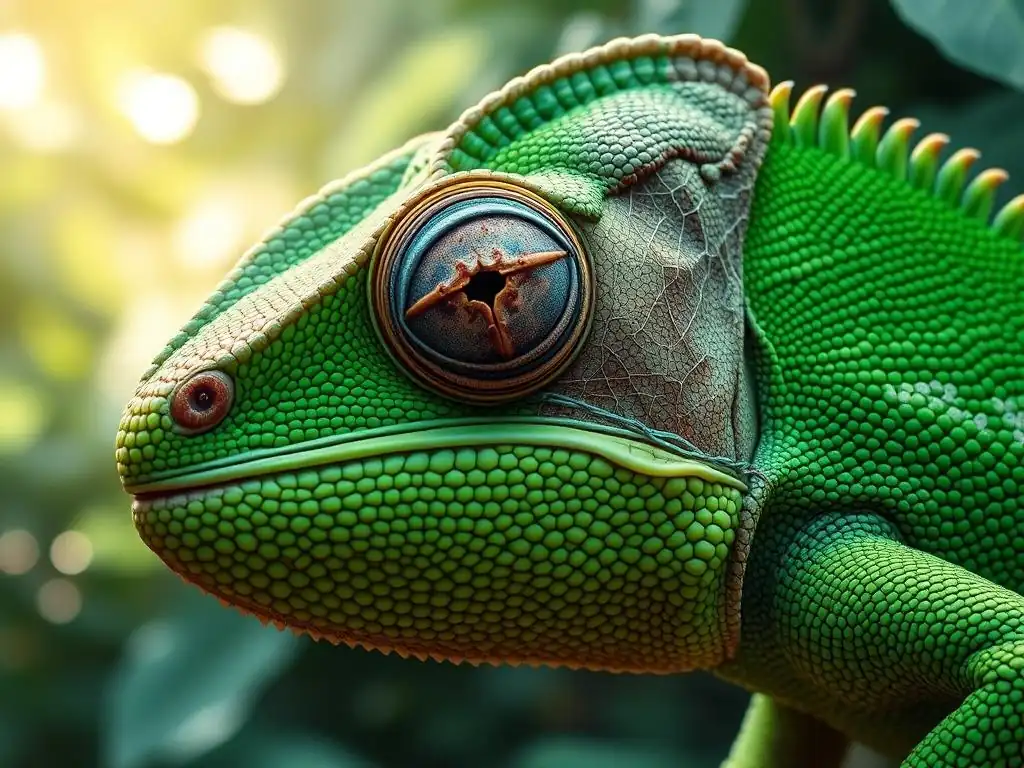
Welcome to PetCareWorld, your ultimate guide to a happier, healthier life for your beloved pets! Are you concerned about your reptile's skin condition? Discover the crucial link between nutritional deficiencies and reptile skin health in our insightful article, "Nutritional Deficiencies and Reptile Skin: The Link You Need to Know." Learn how proper nutrition can transform your reptile's well-being and uncover the secrets to a thriving, vibrant companion. Dive in and unlock the knowledge you need to provide optimal care!
- Understanding Reptile Skin Health and Nutritional Needs
- Recognizing Signs of Nutritional Deficiencies in Reptile Skin
- Diagnosing and Treating Nutritional Deficiencies in Reptiles
- Preventing Nutritional Deficiencies in Reptiles
- Case Studies: Reptile Skin Problems Linked to Nutritional Deficiencies
-
Frequently Asked Questions
- What are the common signs of nutritional deficiencies in reptile skin?
- How do dietary deficiencies affect reptile skin health?
- Which specific nutrients are most critical for healthy reptile skin?
- Can I prevent nutritional deficiencies in my reptile's diet?
- What should I do if I suspect my reptile has a skin condition related to nutrition?
- Final Reflection: The Vibrant Health of Our Scaled Companions
- Unlock Your Reptile's Radiant Skin!
Understanding Reptile Skin Health and Nutritional Needs
Reptile skin health is intrinsically linked to nutrition. A reptile's skin, unlike mammalian skin, plays a crucial role in thermoregulation, hydration, and protection from the environment. Shedding, a vital process for growth and maintaining skin integrity, is heavily influenced by the animal's overall nutritional status. Understanding the nutritional requirements of your reptile is therefore paramount to ensuring its skin remains healthy, vibrant, and functions optimally. This article will explore the critical relationship between nutritional deficiencies and reptile skin problems, providing insights into common deficiencies and their manifestations. Ignoring these nutritional needs can lead to a cascade of health problems, significantly impacting your reptile's quality of life and potentially shortening its lifespan. We will delve into specific deficiencies and their impact, offering a comprehensive guide to recognizing and addressing these issues. This information is crucial for responsible reptile ownership, enabling you to proactively prevent skin problems and maintain your reptile's well-being.
The Importance of Proper Nutrition for Reptile Skin
Proper nutrition is the cornerstone of healthy reptile skin. A balanced diet provides the essential building blocks – proteins, fats, vitamins, and minerals – necessary for healthy cell growth, skin regeneration, and efficient shedding. Dietary deficiencies can lead to a wide range of skin problems, including:
- Improper shedding: Difficult or incomplete shedding (dysecdysis) is a common sign of nutritional deficiencies. This can result in retained scutes, causing discomfort, infection, and even limb deformities.
- Skin discoloration: Pale, dull, or unusually colored skin can indicate a lack of essential vitamins and minerals.
- Skin lesions: Wounds, sores, and other skin lesions can develop as a result of compromised skin integrity due to nutritional deficiencies.
- Increased susceptibility to infections: Malnourished reptiles are more vulnerable to bacterial and fungal infections of the skin.
The specific nutritional requirements vary greatly depending on the species of reptile. Therefore, researching the dietary needs of your specific reptile is crucial. Providing a diet tailored to the species' needs is essential for preventing nutritional deficiencies and maintaining healthy skin. 🧐
Common Nutritional Deficiencies Affecting Reptile Skin
Several nutritional deficiencies are commonly associated with reptile skin problems. These deficiencies often manifest as visible changes in skin appearance and shedding patterns. Understanding these deficiencies and their symptoms is key to early diagnosis and treatment. Early intervention is crucial to prevent long-term health complications. Let's explore some of the most prevalent deficiencies:
Calcium Deficiency and its Impact on Reptile Skin
Calcium (Ca) is a vital mineral for reptiles, playing a crucial role in bone development, muscle function, and the process of shedding. Calcium deficiency, often exacerbated by insufficient Vitamin D3, can lead to metabolic bone disease (MBD). MBD manifests in various ways, including:
- Brittle bones: This can lead to fractures and deformities.
- Soft shell: In turtles, this can be a visible symptom.
- Difficult shedding: The skin may become dry, brittle, and difficult to shed, leading to retained scutes.
- Lethargy and weakness: Calcium is essential for muscle function.
Calcium supplementation is often necessary, especially for rapidly growing young reptiles or those kept in environments lacking adequate UVB lighting.
Vitamin D3 Deficiency and its Effects on Reptile Skin Health
Vitamin D3 is essential for calcium absorption. Reptiles synthesize Vitamin D3 when exposed to ultraviolet B (UVB) radiation. Insufficient UVB exposure, often due to inadequate lighting, can lead to Vitamin D3 deficiency, even with adequate dietary calcium. Symptoms of Vitamin D3 deficiency mirror those of calcium deficiency, including:
- Difficult shedding
- Lethargy
- Bone deformities
- Soft shell (in turtles)
Providing appropriate UVB lighting is crucial to prevent Vitamin D3 deficiency.
Vitamin A Deficiency and its Manifestations in Reptile Skin
Vitamin A plays a vital role in maintaining healthy skin and mucous membranes. Deficiency can lead to:
- Dry, cracked skin
- Eye problems
- Respiratory infections
- Slow wound healing
Vitamin A supplementation may be necessary in some cases.
Other Essential Vitamins and Minerals for Healthy Reptile Skin
Beyond calcium, Vitamin D3, and Vitamin A, other vitamins and minerals are essential for maintaining healthy reptile skin. These include:
- Vitamin E: An antioxidant that protects cells from damage.
- Vitamin B complex: Essential for various metabolic processes.
- Phosphorus: Works in conjunction with calcium for bone health.
- Zinc: Important for skin cell growth and repair.
A balanced diet, supplemented when necessary, is crucial to provide all these essential nutrients. Regular veterinary check-ups can help ensure your reptile receives the proper nutrition for optimal skin health. 🦎
Recognizing Signs of Nutritional Deficiencies in Reptile Skin
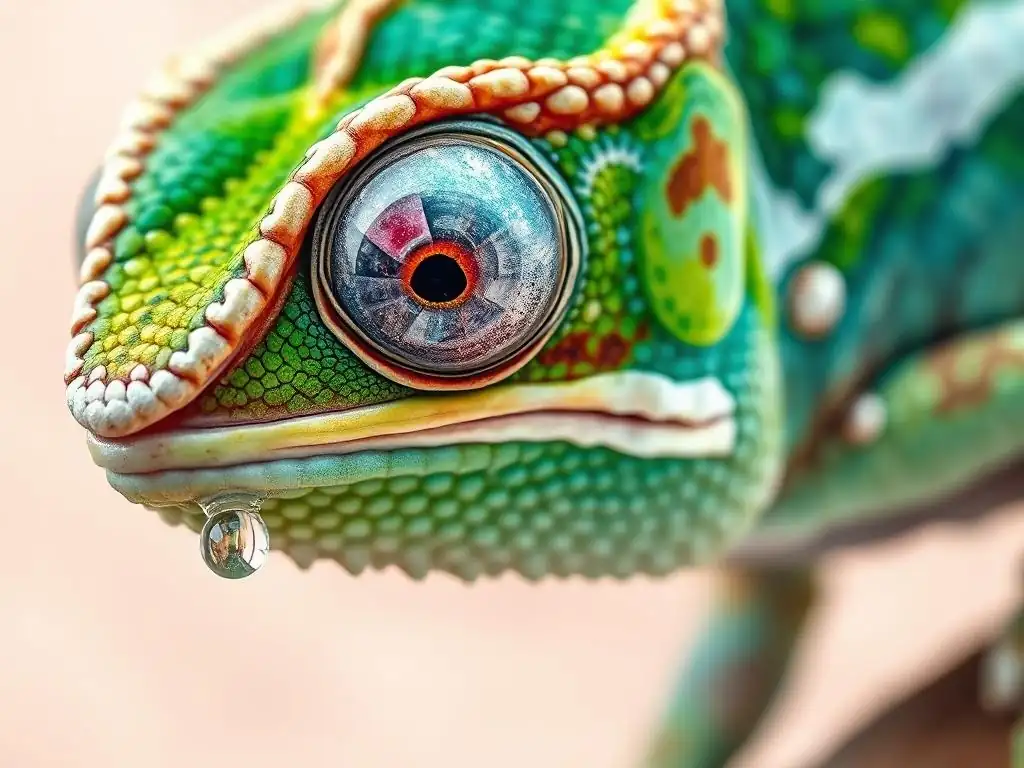
Nutritional deficiencies can significantly impact a reptile's skin health, leading to a range of problems that can affect their overall well-being. Understanding the subtle and sometimes dramatic signs of these deficiencies is crucial for early intervention and preventing more serious health complications. Early detection is key to successful treatment, and this section will provide you with the knowledge to identify potential issues. Remember, consulting a veterinarian specializing in reptiles is always recommended if you suspect a nutritional deficiency.
Visual Indicators of Nutritional Deficiencies in Reptiles
Visual examination of your reptile's skin is the first step in identifying potential nutritional deficiencies. Several key indicators can point towards underlying issues. These visual cues can manifest in various ways, depending on the specific nutrient lacking and the species of reptile.
Shedding Problems and Nutritional Deficiencies
Improper shedding is a common sign of nutritional deficiencies in reptiles. A reptile's ability to shed its skin smoothly depends on proper hydration and the availability of essential vitamins and minerals. Deficiencies in vitamin A, for example, can lead to retained scutes (scales) or difficulty shedding, resulting in stuck or damaged skin. This can cause significant discomfort and even secondary infections.
You might observe:
- Difficulty shedding, with skin stuck to the body.
- Incomplete shedding, leaving patches of old skin.
- Scutes that are dull, brittle, or easily damaged.
- Bloody or inflamed areas under the retained skin.
A healthy shedding process should be smooth and complete, with the old skin coming off in one piece or large sections. Any deviation from this indicates the need for further investigation.
Skin discoloration and texture changes
Changes in skin color and texture can also signal nutritional deficiencies. A dull, pale, or unusually pigmented skin might indicate a lack of certain vitamins or minerals. For instance, a deficiency in calcium can lead to softening of the bones and potentially affect the skin's firmness and texture. Similarly, vitamin D3 deficiency can cause metabolic bone disease, showing up as soft, fragile bones, and potentially affecting the skin's integrity.
Consider these observations:
- Pale or unusually dull skin coloration.
- Dry, cracked, or flaky skin.
- Excessive scaling or abnormal thickening of the skin.
- Skin lesions or sores that are slow to heal.
Lethargy and Loss of Appetite Related to Skin Problems
While not directly visual indicators on the skin itself, lethargy and a loss of appetite can be indirect signs of nutritional deficiencies impacting skin health. If your reptile is experiencing shedding problems or skin discoloration, it may also exhibit a reduced activity level and a decreased appetite. This is because the body prioritizes essential functions over less critical ones when nutrients are scarce. The discomfort from skin problems can further contribute to reduced activity and appetite.
Observe if your reptile:
- Shows less interest in its usual food sources.
- Is less active than normal and spends more time resting.
- Has difficulty moving or shows signs of pain.
Behavioral Changes Associated with Nutritional Deficiencies
Beyond the visual cues, behavioral changes can also indicate underlying nutritional problems affecting skin health. These changes are often subtle and may be easily overlooked unless you are carefully observing your reptile's regular behavior. These subtle shifts can precede more obvious skin issues, offering a window of opportunity for early intervention.
Consider the following behavioral changes:
- Increased scratching or rubbing against surfaces: This could be an attempt to alleviate discomfort from dry or irritated skin.
- Hiding more frequently than usual: This could be a sign of discomfort or weakness.
- Aggression or irritability: Nutritional deficiencies can affect mood and temperament.
- Difficulty basking or thermoregulating: This is particularly important as proper temperature regulation is crucial for shedding and skin health. A reptile with poor skin health may struggle to regulate its body temperature effectively.
Remember, early detection and prompt veterinary care are crucial for addressing nutritional deficiencies and maintaining your reptile's skin health. Regular monitoring of your reptile's appearance and behavior is key to preventing serious health problems. A balanced diet, proper environmental conditions, and regular veterinary checkups are essential for ensuring your reptile thrives.
Diagnosing and Treating Nutritional Deficiencies in Reptiles
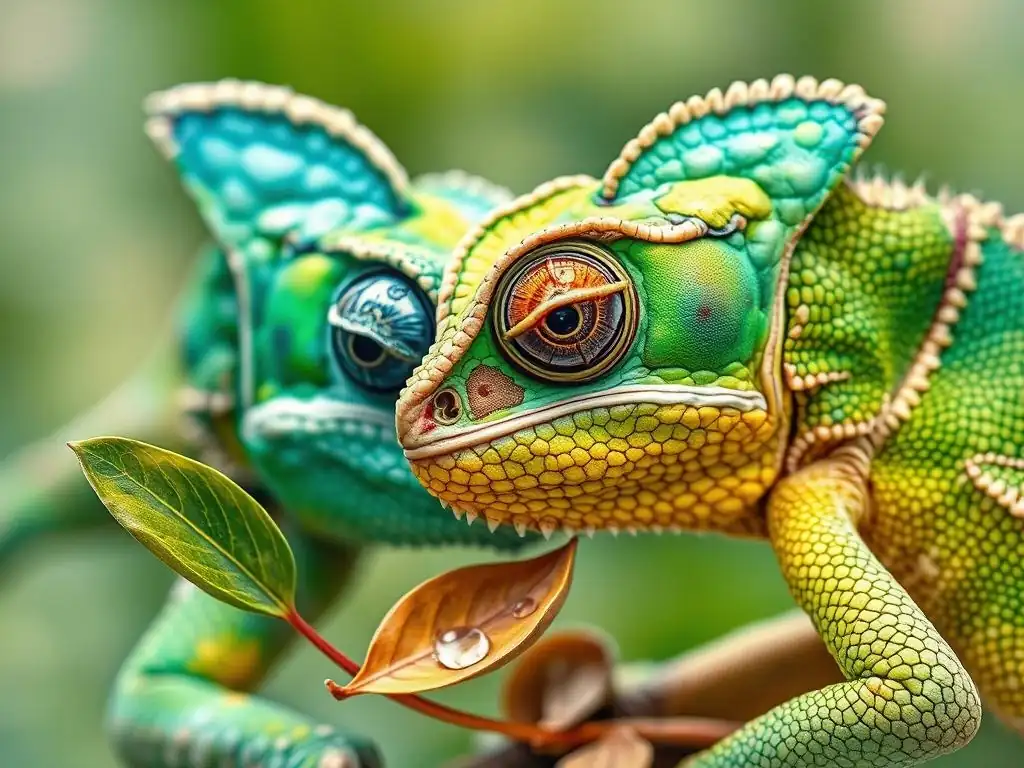
Nutritional deficiencies are a significant cause of reptile skin problems, impacting shedding, coloration, and overall skin health. Understanding how to diagnose and treat these deficiencies is crucial for responsible reptile ownership. Ignoring these issues can lead to serious health complications, impacting the quality of life and potentially the lifespan of your reptile. This section focuses on practical steps to identify and remedy nutritional deficiencies contributing to poor reptile skin condition. We'll explore diagnostic tests, dietary adjustments, and the importance of selecting appropriate commercial foods or supplements.
Veterinary Examination and Diagnostic Tests for Reptile Skin Issues
A thorough veterinary examination is the first and most crucial step in diagnosing reptile skin problems potentially linked to nutritional deficiencies. Simply observing abnormal shedding, dull coloration, or lesions isn't sufficient for accurate diagnosis. A qualified reptile veterinarian will conduct a comprehensive physical exam, paying close attention to the reptile's skin, scales, and overall body condition. They will assess for signs of dehydration, muscle wasting, and other indicators of underlying nutritional problems.
Beyond the visual examination, several diagnostic tests may be necessary. These can include:
- Blood work: This provides crucial information about the reptile's blood chemistry, revealing deficiencies in essential vitamins (like Vitamins A, D3, E, and K) and minerals (calcium, phosphorus, etc.). Blood tests offer a quantitative measure of the severity of any deficiency.
- Radiographs (X-rays): X-rays can help detect metabolic bone disease (MBD), a common condition resulting from calcium and phosphorus imbalances, often manifesting as skeletal deformities and fragile bones, which can indirectly affect skin health.
- Biopsy: In some cases, a skin biopsy might be necessary to determine the underlying cause of skin lesions or other abnormalities. This helps rule out infectious diseases or other non-nutritional factors.
Remember, early detection and intervention are key to successful treatment. Delaying veterinary care can lead to irreversible damage and significantly worsen the reptile's prognosis. Don't hesitate to seek professional help if you suspect a nutritional deficiency is affecting your reptile's skin.
Dietary Adjustments to Address Nutritional Deficiencies
Once a nutritional deficiency has been diagnosed, the next step is to implement appropriate dietary adjustments. This involves carefully modifying the reptile's diet to address the specific deficiencies identified by the veterinarian. Simple changes can often make a significant difference in the reptile's health and the condition of its skin. This process requires patience and meticulous attention to detail.
Supplementing Reptile Diets with Essential Vitamins and Minerals
Supplementing your reptile's diet with essential vitamins and minerals is crucial, especially if the reptile is solely fed commercial food. However, it's vital to follow your veterinarian's recommendations carefully. Over-supplementation can be just as harmful as under-supplementation. The correct dosage depends on the species, age, size, and the specific deficiency.
Common supplements include:
- Calcium: Essential for bone health, muscle function, and proper shedding. Calcium supplementation is particularly important for growing reptiles and females laying eggs.
- Vitamin D3: Crucial for calcium absorption. Many reptiles require UVB lighting to synthesize Vitamin D3, but supplementation may still be necessary.
- Vitamin A: Essential for maintaining healthy skin and mucous membranes. A deficiency can lead to dry, cracked skin and impaired immune function.
- Phosphorus: Important for bone health, but must be balanced with calcium to avoid MBD.
Always use high-quality supplements specifically formulated for reptiles. Never use human or pet supplements designed for mammals or birds.
Adjusting the Calcium to Phosphorus Ratio in the Diet
Maintaining the correct calcium-to-phosphorus (Ca:P) ratio is critical for preventing metabolic bone disease (MBD). The ideal Ca:P ratio varies depending on the species, but generally should be around 2:1 or higher. A diet too low in calcium or too high in phosphorus can lead to MBD, resulting in skeletal deformities and fragile bones, often impacting skin health indirectly. Careful monitoring of the Ca:P ratio in commercial foods and through supplementation is essential. Understanding the nutritional content of your reptile's food is crucial for maintaining the appropriate balance.
Choosing the Right Commercial Reptile Food
Selecting the appropriate commercial reptile food is a crucial aspect of preventing nutritional deficiencies. Not all commercial foods are created equal. Some may be deficient in essential vitamins and minerals, while others may have an imbalanced Ca:P ratio. When selecting commercial food, consider these factors:
- Species-Specific Formulas: Choose a food specifically formulated for your reptile's species. Different reptiles have different nutritional requirements.
- Ingredient Quality: Look for foods with high-quality ingredients, such as whole insects, vegetables, and fruits (where applicable).
- Nutritional Analysis: Check the nutritional analysis on the food label to ensure it provides the appropriate amounts of calcium, phosphorus, and other essential vitamins and minerals. Avoid foods with low calcium levels or high phosphorus levels.
- Reputable Brands: Choose reputable brands with a history of producing high-quality reptile food.
Remember, a balanced diet is the foundation of good health for your reptile. Addressing nutritional deficiencies promptly and consistently will significantly improve your reptile's skin health and overall well-being. Always consult with your veterinarian for personalized advice and guidance.
Treatment Options for Severe Nutritional Deficiencies
Treatment for severe reptile nutritional deficiencies requires a multifaceted approach and often involves veterinary intervention. Simply correcting the diet isn't always enough, especially in advanced cases. The veterinarian will first conduct a thorough examination, possibly including blood work and other diagnostic tests, to assess the severity of the deficiency and the overall health of the reptile. This helps determine the best course of action and the most effective treatment strategy. Early intervention is key to improving the prognosis.
One common treatment strategy involves administering supplemental vitamins and minerals directly. This might involve injections, oral medications, or even soaks in vitamin-enriched solutions, depending on the specific deficiency and the reptile's species. For example, a severe calcium deficiency might necessitate calcium gluconate injections to rapidly raise blood calcium levels, followed by a carefully managed dietary change to prevent recurrence. The frequency and duration of these supplemental treatments will be determined by the veterinarian based on the reptile's response and ongoing monitoring.
Beyond direct supplementation, the veterinarian might recommend supportive care, such as fluid therapy to address dehydration often associated with malnutrition. This is particularly crucial in cases where the reptile is experiencing significant weight loss or lethargy. Maintaining proper hydration is essential for the absorption of nutrients and the overall health of the reptile. Additionally, maintaining a suitable temperature and humidity gradient in the enclosure is vital to aid in nutrient absorption and the overall healing process. Remember, even with treatment, maintaining the correct environmental conditions is crucial for a successful recovery.
Another crucial aspect of treatment is addressing underlying conditions that may have contributed to the nutritional deficiency. For instance, if a reptile has a parasitic infection, treating the infection is as important as correcting the nutritional imbalances. Similarly, if there are issues with the reptile's digestive system, addressing these problems is necessary to ensure proper nutrient absorption from the corrected diet. The goal isn't just to treat the deficiency but to resolve the underlying causes to prevent recurrence. A holistic approach is essential for long-term success.
Finally, ongoing monitoring is critical. Regular veterinary checkups and close observation of the reptile's behavior, appetite, and overall condition are essential to ensure the treatment is effective and to make any necessary adjustments. Regular weight checks and fecal examinations can help track progress and detect any potential setbacks. Remember that patience and consistent care are crucial for a full recovery from severe nutritional deficiencies in reptiles. The rehabilitation process can be lengthy, requiring commitment and attention to detail from the owner.
Preventing Nutritional Deficiencies in Reptiles

Nutritional deficiencies are a significant concern for reptile owners, often manifesting as problems with skin health. Understanding how to prevent these deficiencies is crucial for maintaining your reptile's vibrant health and beautiful skin. Reptile skin nutritional deficiencies can lead to a range of issues, from poor shedding to severe infections, impacting their overall well-being. A proactive approach to nutrition is the best defense.
Creating a Balanced and Nutritious Diet for Your Reptile
Providing a balanced diet is the cornerstone of preventing reptile skin nutritional deficiencies. The specific dietary needs vary greatly depending on the species. For example, insectivores like many lizards require a diet primarily consisting of insects, while herbivores like some tortoises need a diet rich in specific plants. It's crucial to research the precise nutritional requirements of your particular reptile.
Many reptile owners make the mistake of providing a monotonous diet. This can lead to imbalances, depriving your reptile of essential vitamins and minerals necessary for healthy skin and overall development. Variety is key. For insectivores, consider rotating between different insect species, supplementing with calcium and vitamin D3 powders. For herbivores, offer a diverse range of leafy greens, fruits, and vegetables, ensuring a good balance of fiber, vitamins, and minerals.
Consider the following table as a guide to understanding the importance of dietary variety:
| Nutrient | Source Examples | Deficiency Symptoms |
|---|---|---|
| Calcium (Ca) | Leafy greens, insects dusted with calcium powder | Soft bones, weak jaw, poor shedding, tremors |
| Vitamin D3 | UVB lighting, supplemented insects | Metabolic bone disease (MBD), poor bone growth, weak skin |
| Vitamin A | Leafy greens, insects (some species) | Eye problems, respiratory infections, poor shedding |
| Phosphorus (P) | Insects, leafy greens | Bone deformities, muscle weakness |
Remember, improper supplementation can be as harmful as a lack of it. Over-supplementation can lead to other health problems. Always follow the recommended dosage instructions on any supplements you use. Consult a veterinarian specializing in reptiles for personalized dietary recommendations tailored to your reptile's species, age, and individual needs. A healthy diet is the first line of defense against reptile skin nutritional deficiencies.
Regular Veterinary Checkups for Early Detection
Regular veterinary checkups are essential for early detection of nutritional deficiencies. Even with meticulous care, subtle signs of deficiency might go unnoticed by the average owner. A reptile veterinarian can perform thorough physical examinations, including assessing skin condition, bone density, and overall body condition. They can also run blood tests to measure vitamin and mineral levels, providing a more precise diagnosis.
Early detection is crucial because many nutritional deficiencies can be effectively treated in their early stages. The earlier a problem is identified, the better the chances of successful intervention and prevention of long-term complications. Regular checkups are not just about treating illnesses; they're about proactively maintaining your reptile's health. Think of it as preventative maintenance for your scaly friend. A proactive approach significantly reduces the risk of serious health issues and keeps your reptile thriving. This proactive approach is especially important for preventing reptile skin nutritional deficiencies which can quickly escalate.
Monitoring Your Reptile's Weight and Overall Health
Monitoring your reptile's weight and overall health is another critical aspect of preventing nutritional deficiencies. Regular weigh-ins provide valuable data on your reptile's growth and nutritional status. A sudden drop or plateau in weight can signal a potential problem, prompting further investigation.
Beyond weight, pay close attention to your reptile's behavior and appearance. Changes in appetite, lethargy, poor shedding, or changes in skin texture (such as dullness, dryness, or scaling) could indicate a nutritional deficiency. Keep detailed records of your reptile's weight, feeding schedule, and any observed behavioral changes. This data can be invaluable in helping your veterinarian diagnose and treat any issues. Careful observation, combined with regular veterinary checkups, is a potent combination for ensuring your reptile's continued health and well-being. Remember, a healthy reptile is a happy reptile! 🦎
Case Studies: Reptile Skin Problems Linked to Nutritional Deficiencies
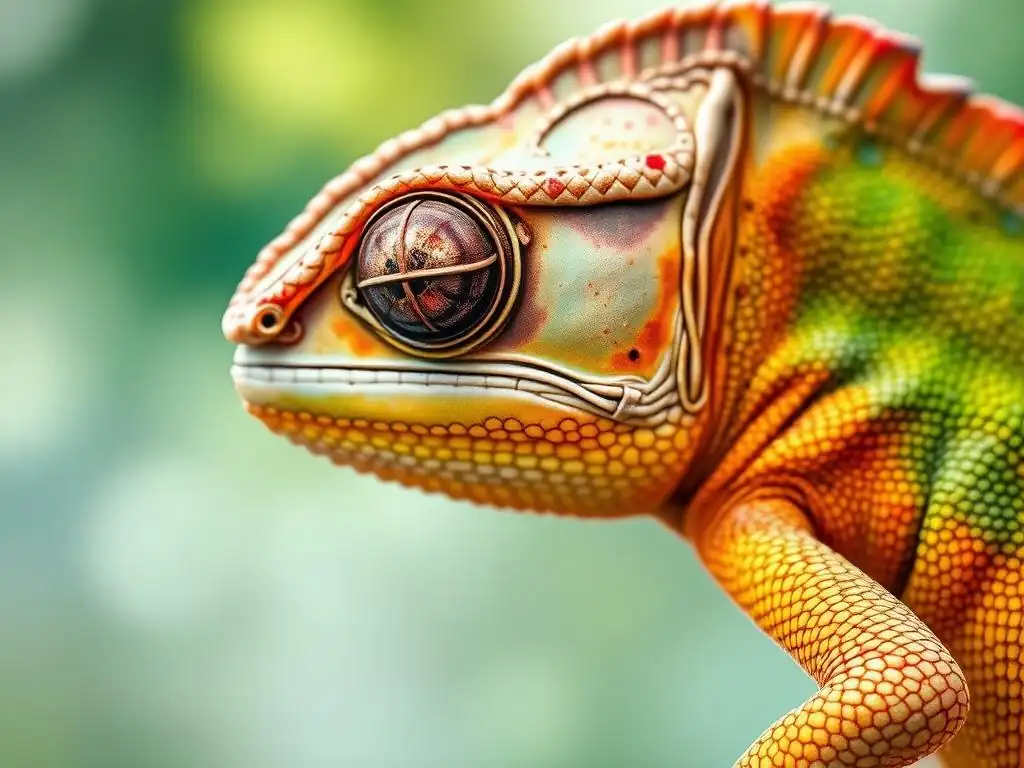
This section presents real-world examples illustrating the direct correlation between nutritional deficiencies and reptile skin health issues. Understanding these case studies will help you recognize potential problems and proactively address them in your own reptile companions. Remember, early detection and intervention are crucial for successful treatment. These cases highlight the importance of providing a balanced and species-appropriate diet to prevent reptile skin nutritional deficiencies.
Case Study 1: Leopard Gecko with Calcium Deficiency
A three-year-old leopard gecko, presented with significantly impaired shedding. Instead of the smooth, complete shedding typical of healthy geckos, this individual exhibited retained scutes, particularly around the limbs and tail. These retained scutes appeared dry, brittle, and were causing visible discomfort. The gecko was also exhibiting signs of lethargy and muscle tremors.
Further investigation revealed a diet primarily consisting of mealworms, with infrequent supplementation of calcium powder. This unbalanced diet resulted in a severe calcium deficiency. Calcium is vital for proper bone development and the healthy shedding process in reptiles. Its deficiency leads to weak bones, impaired muscle function, and problematic shedding, manifested as retained scutes and brittle skin. The gecko's lethargy and tremors further supported the diagnosis of metabolic bone disease (MBD), a common consequence of calcium deficiency in reptiles.
Treatment involved immediate dietary changes, introducing a diverse diet including insects dusted with a high-quality calcium and vitamin D3 supplement. A course of calcium injections was also administered to address the immediate deficiency. Within several weeks, the gecko showed improvement in shedding, and the muscle tremors and lethargy subsided. This case underscores the importance of providing a diverse diet rich in calcium, particularly for leopard geckos who require regular supplementation. Failure to do so can lead to serious health complications, significantly impacting their skin health and overall well-being.
Case Study 2: Bearded Dragon with Vitamin A Deficiency
A juvenile bearded dragon was presented with severe skin lesions and a dull, dry complexion. The dragon exhibited difficulty shedding, with patches of old skin adhering stubbornly to the underlying scales. The affected areas were thickened and hyperkeratotic (excessive keratin production), indicative of a Vitamin A deficiency. Furthermore, the dragon showed signs of eye problems, including cloudy eyes and nasal discharge, frequently associated with vitamin A deficiency.
The owner reported feeding the dragon a diet consisting mainly of greens that were not rich in beta-carotene, the precursor to Vitamin A. While some greens were provided, they lacked the crucial carotenoids necessary for converting to Vitamin A. Bearded dragons require a diet rich in insects and specifically, dark leafy greens that are rich in Vitamin A to maintain healthy skin and immune function. Vitamin A plays a crucial role in cell growth and differentiation, and its deficiency leads to impaired skin regeneration and increased susceptibility to infections.
Treatment involved a complete dietary overhaul, introducing a variety of dark, leafy greens like collard greens and kale, alongside a controlled intake of insects dusted with a vitamin supplement containing Vitamin A. Regular veterinary check-ups were scheduled to monitor the dragon's progress. Within a few months, the skin lesions began to heal, and the shedding process improved significantly.
The eye problems also gradually subsided. This case clearly illustrates how an inadequate diet lacking in essential vitamins, specifically Vitamin A, can severely compromise reptile skin health, leading to chronic skin problems and other systemic issues. Proper supplementation and a balanced diet are paramount in preventing such deficiencies.
Frequently Asked Questions
What are the common signs of nutritional deficiencies in reptile skin?
Reptile skin exhibiting dullness, shedding problems (incomplete or retained shed), blisters, or unusual discoloration may indicate nutritional deficiencies. Consult a veterinarian for proper diagnosis.
How do dietary deficiencies affect reptile skin health?
Lack of essential vitamins and minerals like calcium, vitamin A, and vitamin D3 directly impacts the skin's ability to regenerate and shed properly. This can lead to infections and other health issues.
Which specific nutrients are most critical for healthy reptile skin?
Calcium, vitamin D3, and vitamin A are crucial for skin health, bone development, and immune function in reptiles. A balanced diet supplemented as needed is essential.
Can I prevent nutritional deficiencies in my reptile's diet?
Yes, by providing a varied diet appropriate for your reptile's species, including live insects, leafy greens, and other suitable foods, and using appropriate supplements under veterinary guidance.
Immediately consult a veterinarian specializing in reptiles. They can properly diagnose the issue, recommend appropriate treatment, and create a tailored nutritional plan for your pet.
Final Reflection: The Vibrant Health of Our Scaled Companions
Understanding reptile nutritional deficiencies is not merely an academic pursuit; it's a crucial step towards ensuring the well-being of millions of captive reptiles worldwide. The health of our scaly friends is directly tied to the quality of their care, and a significant portion of that care hinges on providing a balanced and complete diet. Ignoring this fundamental need can lead to devastating consequences, impacting not only their physical health but also their quality of life.
The impact of proper nutrition on reptile health extends far beyond simply preventing visible symptoms of deficiency. It influences their immune system, their ability to thrive, and even their behavior. A healthy reptile is a happy reptile,
a phrase often heard within the herpetological community, perfectly encapsulates this truth. The subtle signs of malnutrition – lethargy, poor shedding, weakened bones – can easily be missed by the untrained eye, highlighting the importance of ongoing education and responsible ownership. This knowledge empowers us to become better caretakers, fostering a deeper connection with these fascinating creatures.
You, the reader, now hold the key to making a tangible difference in the lives of reptiles under your care. Take the time to carefully analyze your reptile's diet, consult reputable sources for species-specific nutritional requirements, and don't hesitate to seek professional veterinary advice if you have any concerns. By actively engaging with this information and applying it to your own practices, you are not only contributing to the health of individual reptiles but also to the advancement of responsible reptile keeping as a whole. Let's work together to ensure a vibrant and healthy future for these magnificent animals.
Unlock Your Reptile's Radiant Skin!
Thank you for exploring the world of reptile nutrition with us! You've learned how vital proper diet is for healthy, vibrant skin. Now let's put that knowledge into action for your scaly companion.
- Prioritize a balanced diet: A reptile's diet significantly impacts its skin health. Research your reptile's specific nutritional requirements and adjust its food accordingly to ensure it receives the necessary vitamins and minerals. This is the most effective way to improve its skin condition.
- Share this vital information: Spread the word among other reptile keepers! Let's create a community of knowledgeable and responsible pet owners.
- Continue learning: Delve deeper into species-specific dietary recommendations to guarantee your reptile receives everything it needs to flourish.
What dietary changes will you implement to help your reptile achieve radiant, healthy skin?