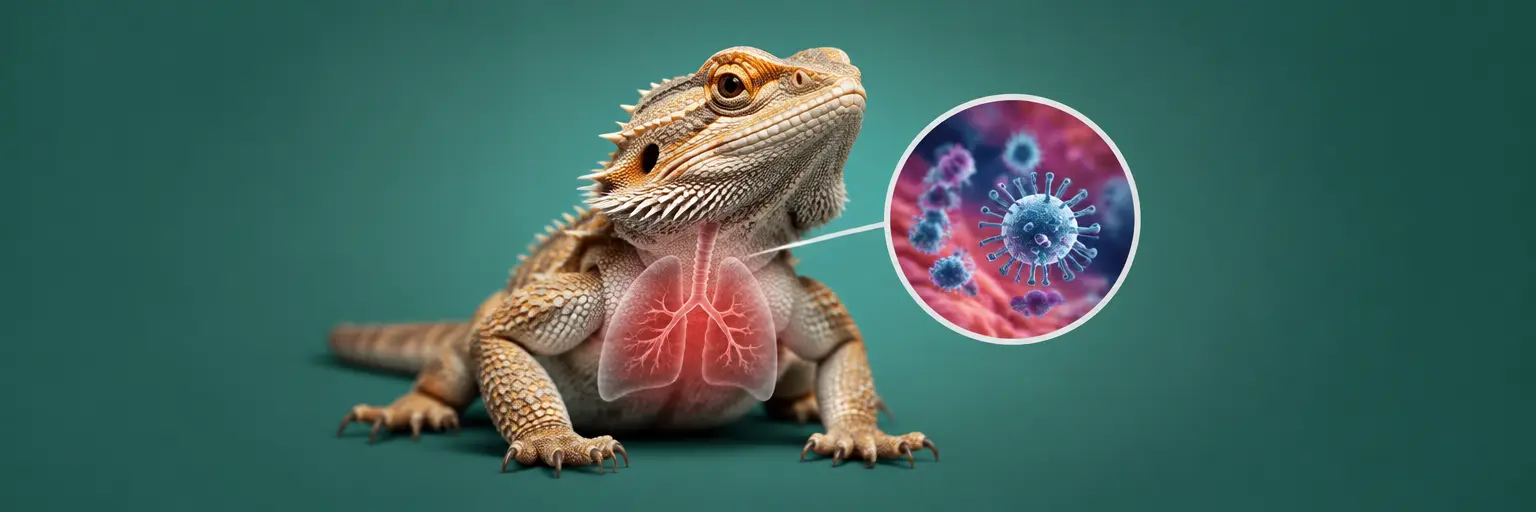
Understanding Respiratory Infections in Reptiles: A Vital Guide for Pet Owners
Respiratory infections are among the most common and potentially serious health issues affecting captive reptiles, including snakes, lizards, and turtles. At PetCareWorld, we delve deep into this subcategory to help you recognize early warning signs, understand underlying causes, and implement effective treatment strategies. Whether you keep a bearded dragon, a ball python, or a red-eared slider, this comprehensive resource empowers you with expert insights to safeguard your exotic companion’s breathing health. From environmental triggers to advanced veterinary interventions, we cover every facet to ensure your reptile thrives, not just survives.
🐍 Early Warning Signs & Symptoms You Must Not Ignore
Recognizing respiratory distress in reptiles can be challenging since they often hide illness until advanced stages. Common indicators include open-mouth breathing, wheezing, nasal discharge, excessive mucus around the mouth or eyes, lethargy, and loss of appetite. Some reptiles may also exhibit a decreased activity level or sit with their head elevated to ease breathing. In aquatic turtles, you might notice floating sideways or difficulty diving. Prompt identification of these signs is critical because untreated infections can progress to pneumonia, which is often fatal. Always compare your pet’s normal behavior against these symptoms—subtle changes matter more than dramatic ones.
Additionally, listen for unusual sounds like clicking or gurgling during respiration, and check for bubbles from the nostrils or mouth. Body posture changes, such as extended neck or strained breathing movements, are red flags. Keep a daily health journal to track eating, basking, and respiration patterns. If you observe two or more symptoms persisting beyond 24 hours, seek veterinary care immediately. Early intervention dramatically improves recovery odds, reducing the risk of chronic respiratory damage that can shorten your reptile’s lifespan.
🦎 Root Causes: Environmental Stress & Husbandry Mistakes
The vast majority of reptilian respiratory infections stem from suboptimal environmental conditions, not contagious pathogens. Temperature fluctuations are the primary culprit—if your reptile’s enclosure is too cool, its immune system weakens, allowing opportunistic bacteria like Mycoplasma or Aeromonas to thrive. Inadequate humidity levels (too low for tropical species or too high for desert dwellers) irritate respiratory mucous membranes. Poor ventilation leads to stagnant, ammonia-rich air from waste, further stressing delicate lung tissues. Overcrowding, improper substrate (e.g., dusty bark), and lack of UVB lighting also compromise immunity.
Stress from handling, loud environments, or frequent cage changes exacerbates vulnerability. Focus on replicating your species’ natural habitat—research precise temperature gradients, basking spots, and humidity ranges. Use digital thermometers and hygrometers to monitor conditions daily. Ensure generous ventilation via screen tops or side vents, and spot-clean waste immediately. Quarantine new reptiles for 30–45 days before introducing them to prevent pathogen spread. By correcting these husbandry pitfalls, you can prevent most respiratory issues before they start, saving your pet from painful treatments and yourself from costly vet bills.
🩺 Diagnosis & Veterinary Care: What to Expect
A thorough veterinary examination is essential for accurate diagnosis of respiratory infections. Your exotic vet will likely perform a physical exam, listening for lung sounds with a stethoscope and observing breathing effort. They may recommend radiographs (X-rays) to check for fluid or masses in the lungs, blood tests to assess white blood cell counts, and culture swabs from the mouth or nostrils to identify specific bacteria and their antibiotic sensitivities. For severe cases, endoscopy or advanced imaging like CT scans might be used. These diagnostic tools ensure targeted therapy, avoiding ineffective broad-spectrum antibiotics that can harm gut flora.
Treatment typically includes injectable or oral antibiotics, fluid therapy to prevent dehydration, and sometimes nebulization to deliver medication directly to airways. Follow your vet’s dosage instructions meticulously—stopping antibiotics early can cause recurrence and antibiotic resistance. At home, increase the enclosure temperature slightly (by 5–10°F) to boost immune function and provide higher humidity for easier breathing, unless directed otherwise. Offer soft, easy-to-eat foods and ensure clean water is always available. Hospitalization may be required for critically ill reptiles needing intensive support. Recovery can take weeks, so be patient and maintain spotless hygiene throughout.
💊 Home Care & Supportive Therapies That Accelerate Healing
Supportive care at home plays a pivotal role in your reptile’s recovery alongside prescribed medications. Create a quarantine area that is stress-free, quiet, and kept at optimal temperatures (e.g., 85–90°F for most tropical species). Use shallow water dishes for easy access and offer small, frequent meals to maintain energy. For snakes and lizards, gently clean nasal discharge with a warm, damp cloth. Nebulization at home, using a pediatric nebulizer with saline or vet-prescribed solutions, can open airways and reduce mucus—always follow professional guidance. Additionally, add a humid hide box filled with damp sphagnum moss to help loosen respiratory secretions.
Monitor hydration closely; if your reptile is not drinking, soak it in shallow, lukewarm water for 15–20 minutes daily (for species that tolerate soaking). Do not use over-the-counter remedies without veterinary approval—many human medications are toxic to reptiles. Boost nutrition with vitamin A-rich foods, as deficiencies impair mucosal health. Keep handling to an absolute minimum to reduce stress. Weigh your pet weekly to track progress. When the infection clears, gradually reintroduce normal routines, but remain vigilant for any lingering symptoms. A dedicated caregiver who observes and adapts makes the difference between a slow decline and a full recovery.
🛡️ Prevention Strategies for Long-Term Respiratory Wellness
Preventing respiratory infections begins with impeccable enclosure management before anything else. Establish a consistent cleaning schedule: spot-clean daily, disinfect surfaces weekly with reptile-safe products, and completely replace substrate every 2–4 weeks. Provide a basking spot that reaches your species’ recommended high-end temperature and a cooler zone for thermoregulation. Use a programmable thermostat to prevent heat source malfunctions that cause dangerous drops overnight. For humidity, maintain species-specific ranges—use misting systems for rainforest dwellers and dry hides for desert lizards—while ensuring air circulation prevents mold growth.
Nutrition is another cornerstone: feed a balanced diet of gut-loaded insects, fresh greens, or appropriate prey, supplemented with calcium and vitamins as recommended by your vet. Routine wellness exams every 6–12 months help catch subclinical issues early, even if your reptile appears healthy. Avoid buying reptiles from unsanitary pet stores or breeders with poor reputations—these animals often arrive with latent infections. When traveling, use insulated carriers and avoid temperature extremes. By integrating these habits into your pet care routine, you significantly reduce respiratory disease incidence, giving your exotic friend a longer, healthier life. Remember, prevention is always kinder and more cost-effective than treatment.
Frequently Asked Questions
How can I tell if my reptile is just shedding or has a respiratory infection?
Shedding typically causes dull skin, flaking, and itchy behavior, but respiration remains normal. Respiratory infections show visible breathing effort, nasal discharge, wheezing, or bubbles from nostrils. If you’re unsure, watch for two hours—shedding doesn’t affect breathing rate or sound. When in doubt, consult a vet for an accurate assessment.
Can respiratory infections in reptiles spread to other pets or humans?
Most reptilian respiratory pathogens are species-specific and rarely zoonotic. However, bacteria like Salmonella can be transmitted via contaminated surfaces, so wash hands thoroughly after handling. Keep infected reptiles isolated from other pets, including mammals, as stress and immune differences can complicate outcomes.
What is the typical recovery time for a reptile with a respiratory infection?
Mild cases improve within 1–2 weeks of proper treatment, while severe pneumonia may take 4–6 weeks or longer. Antibiotics must be completed fully, even if symptoms vanish. Factors like age, species, and underlying husbandry issues influence recovery speed. Always recheck with your vet before stopping care.
Are there any home remedies I can use without visiting a vet first?
No safe home remedies replace veterinary care for active respiratory infections. You can, however, raise enclosure temperatures slightly and increase humidity to ease breathing temporarily. Never administer human cold medications or essential oils, as they are toxic to reptiles. Immediate vet consultation is always the best course.
What should I do if my reptile stops eating during a respiratory infection?
Loss of appetite is common due to difficulty breathing and stress. Offer small, easily digestible foods like pureed vegetables or small prey items. Assist-feeding may be necessary if refusal exceeds a few days—consult your vet for proper techniques and nutritional slurries to prevent weight loss and metabolic decline.