Tortoise Common Mistakes: Avoid These Pitfalls
😊 Avoid common tortoise care pitfalls! PetCareWorld reveals frequent mistakes, from improper diet and habitat setup to handling and hygiene, ensuring your…
Read article
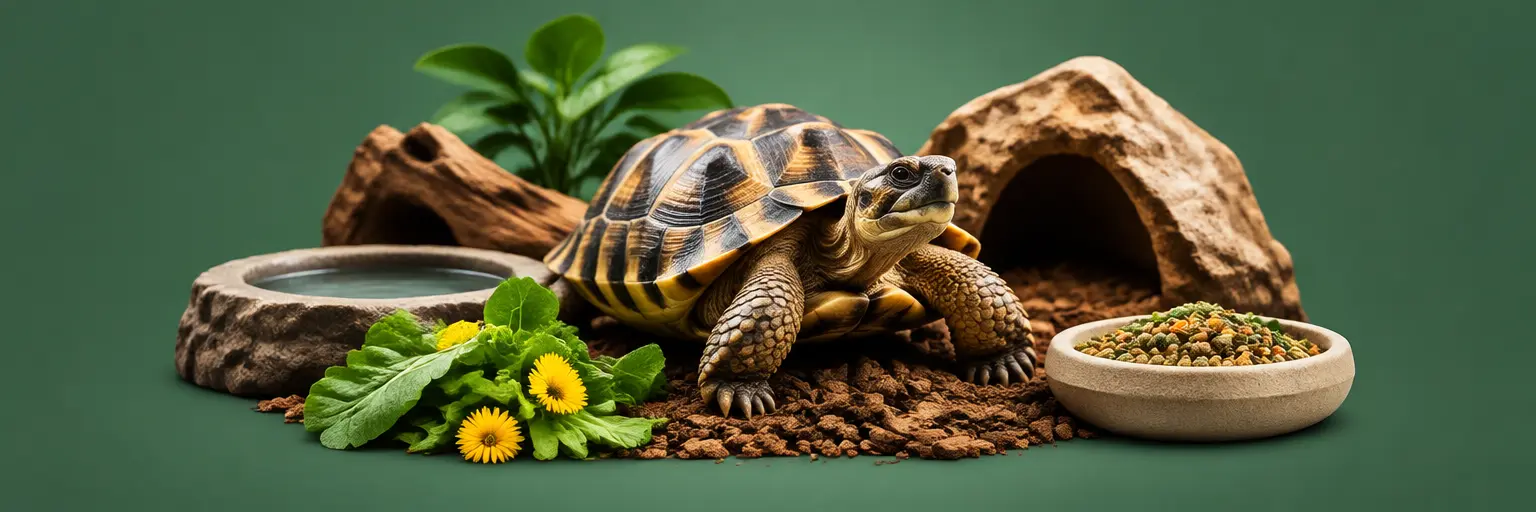
Discover the rewarding world of tortoise care with our expert insights, tailored for devoted owners of these slow-and-steady companions. Unlike their aquatic cousins, tortoises are land-dwelling reptiles that demand a unique blend of habitat precision, dietary balance, and long-term commitment—often living 50 to 100+ years. Master the essentials of outdoor or indoor enclosures, from proper substrate and UVB lighting to temperature gradients that mimic their natural arid or grassland homes. Nutrition is key: high-fiber, low-protein greens like dandelion and collard greens should dominate, while fruits and commercial pellets are treats, not staples. Hydration through shallow soaks prevents common shell and kidney issues. Health vigilance matters: watch for pyramiding, respiratory distress, or soft shells, and schedule routine vet checks with a herp specialist. Our guides also cover species-specific needs—from Russian and Greek tortoises to larger sulcatas—ensuring you adapt care as they grow. Build a safe, enriching environment with burrows, rocks, and varied terrain to encourage natural foraging and exercise.
😊 Avoid common tortoise care pitfalls! PetCareWorld reveals frequent mistakes, from improper diet and habitat setup to handling and hygiene, ensuring your…
Read article
😊 Transform your garden into a safe haven for your tortoise! Learn essential safe tortoise garden design principles for a thriving, predator-free…
Read article
😊 Prevent boredom and stimulate your tortoise's mind with engaging enrichment activities! PetCareWorld offers creative ideas to keep your shelled friend happy…
Read articleWelcome to our dedicated section on caring for tortoises, part of the broader Reptiles & Exotic Pets category here at PetCareWorld. Tortoises are remarkable, long-lived reptiles that require specific, committed care to thrive in a domestic environment. This subcategory is crafted to be your definitive resource, offering actionable insights on habitat setup, nutrition, health monitoring, and behavioral understanding. Whether you are a first-time keeper or a seasoned enthusiast, our content is optimized to boost your knowledge and search visibility, ensuring you find the precise, expert-backed answers you need for a happy, healthy tortoise.
Creating a suitable enclosure is the cornerstone of tortoise wellness. Unlike some reptiles, tortoises need substantial space, both indoors and outdoors, to support their grazing and exploratory behaviors. In this section, we detail the essentials of substrate selection—avoiding sand and using safe topsoil or coconut coir—to prevent impaction and ensure proper digging opportunities. We also cover fencing requirements for outdoor pens, emphasizing predator-proofing and secure boundaries that account for their burrowing instincts.
Beyond the physical structure, you must replicate their natural climate. This means providing a temperature gradient with a basking spot of 90-100°F and a cooler retreat around 70-80°F, alongside high-quality UVB lighting for at least 12 hours daily. We explain how to install and monitor thermostats, humidifiers, and hydration stations effectively. Proper enclosure design minimizes stress, prevents respiratory infections, and supports shell development, making this foundational knowledge invaluable for your tortoise’s long-term resilience.
Feeding tortoises correctly is a frequent challenge, as their dietary needs vary dramatically by species—from the herbivorous Sulcata to the more varied Mediterranean tortoises. Our guides break down the ideal 80/20 rule: 80% fibrous, calcium-rich greens (like dandelion, collard greens, and endive) and 20% other vegetables and occasional fruits for specific species. We stress avoiding protein-heavy foods like dog food or excessive legumes, which cause rapid growth and liver damage.
Calcium and vitamin D3 supplementation is not optional; it is critical for preventing metabolic bone disease. We provide specific supplementation schedules, including how to dust food with phosphorus-free calcium powder and the role of natural sunlight as a complement to artificial UVB. Additionally, we cover hydration strategies, such as daily shallow soaking for young tortoises and offering water dishes that are low and stable. By following these nutritional protocols, you support a smooth, pyramid-free shell and vibrant activity levels.
Proactive health management keeps tortoises thriving for decades, but early detection is key. This subcategory provides a symptom checklist covering respiratory infections (wheezing, nasal discharge), shell rot (soft spots, foul odor), and parasitic infestations (weight loss, diarrhea). We teach you how to perform routine physical exams at home, including checking for eye clarity, beak overgrowth, and consistent urination. You will learn to distinguish abnormal behaviors from natural brumation cues.
We also emphasize the importance of an exotic vet who specializes in reptiles, not a general practitioner. Preventative care includes annual fecal checks, proper quarantine of new animals, and quarantine protocols during seasonal changes. Our articles advise on safe handling techniques to avoid dropping or stressing your tortoise, which can cause internal injuries. Knowledge of these medical red flags empowers you to act swiftly, reducing emergency costs and improving outcomes. Remember, a calm tortoise with a clean environment is far less likely to fall ill.
Tortoises are more interactive than many assume, and understanding their behavior enhances your bond. This section explores pacing, head bobbing, and shell ramming as communication signals, not just random actions. You will learn to distinguish normal exploratory digging from stress-related repetitive motions. Environmental enrichment is not a luxury—it is a necessity. We recommend adding varied terrain like logs, rock piles, and edible plants to encourage foraging, promoting natural problem-solving and physical exercise.
Social interaction is nuanced; while some species are solitary, others tolerate companionship if space permits. We guide you on introducing tortoises safely, avoiding territorial aggression, and monitoring breeding behaviors without causing harm. Seasonal brumation can be alarming without guidance, so we offer a clear framework for preparation and safety, especially for owners in non-tropical climates. By enriching their world, you reduce boredom, enhance resilience, and often witness playful antics that deepen your appreciation for these ancient creatures.
Not all tortoises are equal in care requirements or longevity. Our detailed species profiles compare the Russian tortoise (smaller, manageable), Sulcata tortoise (huge, high space demands), and Red-footed tortoise (tropical needs). We break down lifespan expectations, adult size, temperature preferences, and typical temperament for each species. This helps you match your home environment, climate, and available time to the tortoise’s needs, avoiding common adoption mistakes that lead to rehoming.
We also discuss legal considerations, such as permits and import restrictions, plus the commitment of a 50-100 year lifespan. For families, we examine which species handle handling best and which are more reclusive. Additionally, we provide a budget breakdown, including startup costs for enclosures, lighting, and feeder insects, alongside recurring expenses like fresh greens and vet visits. Making an informed choice here prevents future hardships and ensures a satisfying, long-term partnership with your shelled companion.
Hatchlings and juveniles should be soaked in shallow, warm (80-90°F) water for 15-20 minutes daily. Adults benefit from soaking 2-3 times per week to encourage hydration and bowel movements. This practice is especially vital for arid species like Sulcata or Desert tortoises, as they absorb water through their skin. Always supervise soaks and dry them thoroughly to prevent shell rot.
No, it depends on the species and your local weather. Desert species can tolerate heat but need heating shelters when temperatures drop below 50°F. Mediterranean species need dry, mild winters but may require indoor housing during frosts. Tropical species like Red-footed tortoises cannot handle cold at all. Always provide a climate-controlled backup indoor enclosure to prevent brumation-related health risks.
We recommend a mixture of organic topsoil (free of fertilizers) and play sand in a 3:1 ratio, or coconut coir for higher humidity species. Avoid cedar, pine, or walnut shells, which are toxic or cause impaction. A depth of 4-6 inches allows natural burrowing. Replace wet or soiled substrate regularly to maintain hygiene and prevent bacterial growth.
Key signs include hiding constantly, refusing food for more than 2 days, runny nose, swollen eyes, or soft shell areas. Behavioral stress may show as excessive pacing, aggressive hissing, or repetitive rubbing against walls. Unexplained weight loss or abnormal feces require immediate vet consultation. Regular weekly weigh-ins and observing eating patterns are excellent early warning systems.
If your tortoise gets direct, unfiltered sunlight for at least 4 hours daily, natural UVB is sufficient for vitamin D3 synthesis. However, most indoor basking bulbs lose intensity over time. For outdoor-only tortoises, supplementation is rarely needed, but indoor tortoises should receive calcium with D3 twice weekly. When in doubt, ask your vet for a blood test to check calcium levels.







