
TortoiseFriendly Gardens: Creating a Safe Outdoor Space

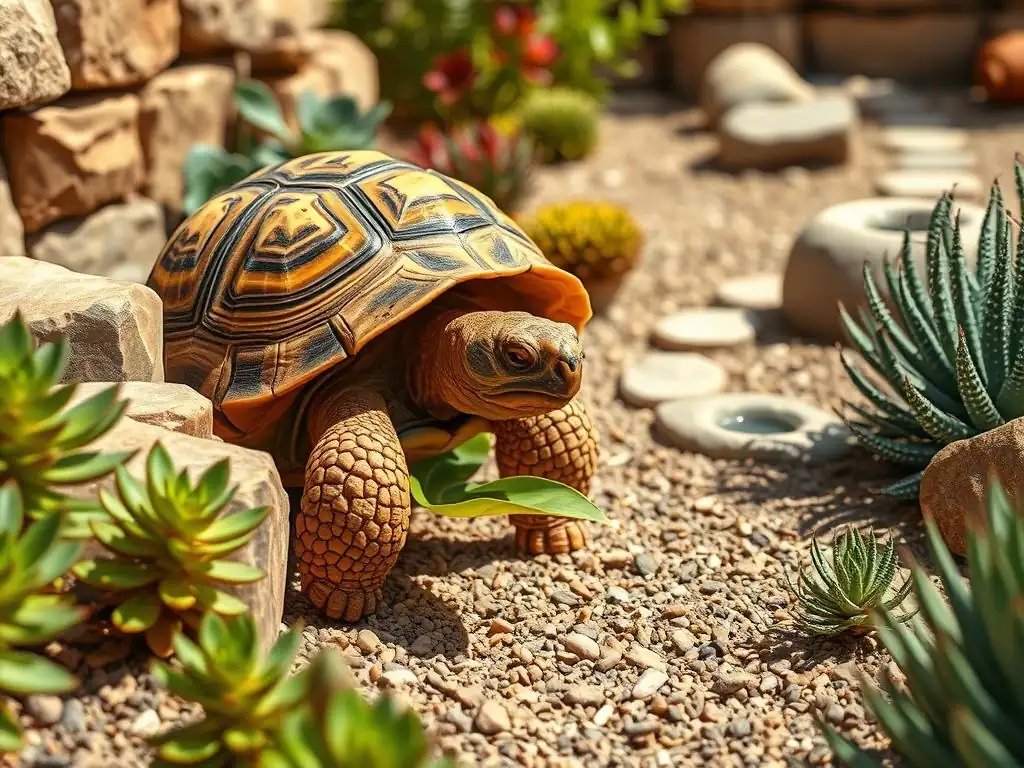
Welcome to PetCareWorld, your ultimate guide to a happier, healthier life for your beloved companions! Are you ready to transform your garden into a safe haven for your tortoise? Discover the secrets to crafting a truly tortoise-friendly outdoor space with our expert guide on Safe Tortoise Garden Design. Learn how to create an environment that thrives with both safety and enrichment for your shelled friend – let's get started!
- Designing a Secure Tortoise Enclosure: Safe Tortoise Garden Design
- Providing Essential Tortoise Habitat Features: Plants, Water, and Hideouts
- Maintaining a Healthy Tortoise Garden Environment: Hygiene and Safety
- Enrichment and Stimulation for Your Tortoise: Toys and Activities
- Monitoring Your Tortoise's Health and Behavior in the Garden: Observation and Prevention
- Expanding Your Tortoise's Outdoor Space: Gradual Introduction and Safety Measures
- Troubleshooting Common Tortoise Garden Problems: Solutions and Prevention
- Frequently Asked Questions
- Final Reflection: Nurturing a Haven: The Enduring Legacy of Tortoise-Friendly Gardens
- Unleash Your Tortoise's Outdoor Paradise!
Designing a Secure Tortoise Enclosure: Safe Tortoise Garden Design
Creating a safe and enriching outdoor environment for your tortoise is crucial for their health and well-being. A well-designed tortoise garden provides the necessary space for natural behaviors like grazing, basking, and burrowing, while also protecting them from predators and preventing escapes. This guide will walk you through the essential steps of designing a tortoise-friendly garden, focusing on key aspects of safe tortoise garden design, ensuring your shelled friend thrives in their outdoor haven.
We will cover everything from selecting the ideal location to building a robust enclosure and choosing the perfect substrate to mimic their natural habitat. Remember, a safe and stimulating environment is key to a happy and healthy tortoise. Let's delve into the specifics of creating the perfect sanctuary for your beloved reptile.
Choosing the Right Location: Sun, Shade, and Shelter
The location of your tortoise enclosure is paramount. Tortoises need a balance of sun and shade throughout the day. Direct sunlight is essential for proper digestion and vitamin D synthesis, crucial for strong shells and overall health. However, prolonged exposure to intense heat can lead to overheating and dehydration. Therefore, the ideal location offers a mix of sunny areas for basking and shady areas for retreat. Consider the following:
- Sunlight Exposure: Aim for at least 6-8 hours of direct sunlight daily, ideally in the morning and early afternoon. Observe the sun's path throughout the day to strategically position basking areas.
- Shade Provision: Provide ample shade using structures like rocks, overhanging branches, or artificial structures like shade cloth. These shaded areas should be easily accessible to your tortoise.
- Shelter from the Elements: The enclosure needs protection from rain, wind, and extreme temperatures. A sturdy structure like a tortoise table or a partially enclosed area can offer this protection. Consider the regional climate and its extremes when designing shelter.
- Ground Conditions: The ground should be well-drained to prevent waterlogging, which can be detrimental to your tortoise's health. Avoid areas prone to flooding or excessive moisture.
Building a Tortoise-Proof Fence: Preventing Escapes and Predators
A secure fence is vital to prevent escapes and protect your tortoise from predators such as foxes, dogs, or birds of prey. The fence must be tall enough to prevent climbing and strong enough to withstand digging attempts. Consider these factors:
- Height: The minimum height should be at least 3 feet (0.9 meters) tall, and taller is always better, especially for active or larger tortoise species. Consider burying the base of the fence at least 6 inches (15 cm) deep to prevent digging underneath.
- Material: Choose a durable material like concrete, metal mesh, or sturdy wood. Ensure there are no gaps or weak points that a determined tortoise could exploit. Metal mesh is preferred for its strength and ability to withstand digging.
- Slope: If using a buried fence, consider sloping the ground slightly outward at the base to further deter digging.
- Lidded Enclosure: For smaller tortoises, or in areas with high predation risk, a fully enclosed tortoise table with a secure lid is the safest option. This prevents escapes and keeps out predators effectively.
Substrate Selection for Tortoise Habitats: Ideal Soil and Ground Cover
The substrate, or ground cover, plays a significant role in your tortoise's health and well-being. It affects their ability to dig, thermoregulate, and maintain proper hygiene. Avoid using materials that can be ingested and cause impaction. Consider these options:
- Soil Mix: A well-draining soil mix is crucial. A blend of topsoil, sand, and possibly some gravel can provide a good balance of drainage and digging consistency. Avoid clay-based soils, which retain too much moisture.
- Ground Cover: You can add elements like leaf litter, straw, or small pebbles to the soil mix to provide a more naturalistic environment and enhance digging opportunities. Always ensure the materials are safe for your tortoise species and free from pesticides or herbicides.
- Hygiene: Regularly clean and replace soiled substrate to prevent the buildup of bacteria and parasites. This is essential for maintaining a healthy environment for your tortoise. The frequency of cleaning will depend on the size of the enclosure and the number of tortoises.
Remember, creating a safe and enriching environment for your tortoise requires careful planning and attention to detail. By following these guidelines, you can provide a thriving habitat that promotes your pet's health, longevity, and overall happiness. 🐢
Providing Essential Tortoise Habitat Features: Plants, Water, and Hideouts
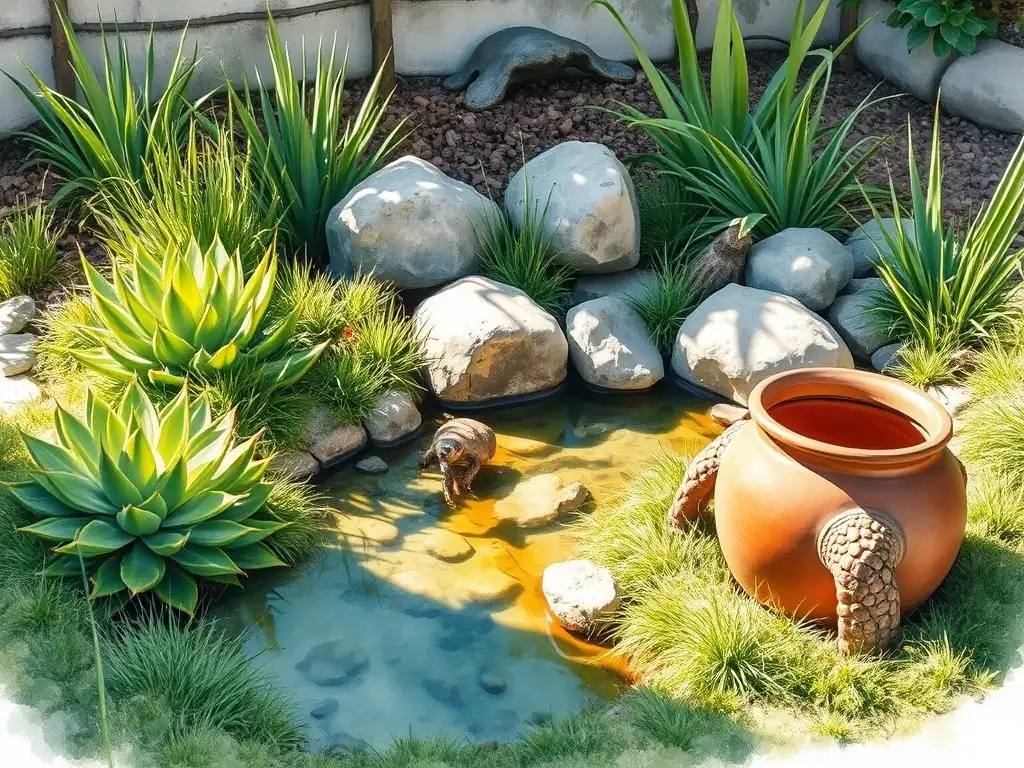
Creating a truly safe tortoise garden design requires careful consideration of your tortoise's specific needs. These shelled reptiles require a habitat that mimics their natural environment, providing essential elements for their health and well-being. This section details the crucial components of a tortoise-friendly outdoor space, focusing on plant selection, water access, and shelter provision. A well-designed enclosure goes beyond simply providing space; it's about creating a thriving and secure ecosystem for your pet. Remember, a happy tortoise is a healthy tortoise! 🐢
Selecting Safe Plants for Tortoises: Avoiding Toxic Flora
Choosing the right plants is paramount in a safe tortoise garden design. Many common garden plants are toxic to tortoises, leading to illness or even death. Therefore, thorough research is crucial before introducing any vegetation. Focus on plants known to be safe and palatable for your specific tortoise species. For example, while Hibiscus flowers are generally safe and enjoyed by many tortoises, Oleander is highly toxic and should be strictly avoided.
Here's a table highlighting safe and unsafe plant choices:
| Safe Plant Choices | Unsafe Plant Choices | Notes |
|---|---|---|
| Dandelions | Azaleas | Dandelions are a great source of nutrients. Azaleas are highly toxic. |
| Clover | Rhododendrons | Clover offers essential vitamins. Rhododendrons can be fatal. |
| Prickly Pear Cactus (pads) | Daffodils | Ensure thorns are removed from prickly pear. Daffodils are poisonous. |
| Grasses (various types) | Tulips | Offer a good source of fiber. Tulips contain toxic alkaloids. |
| Mallow | Ivy | A nutritious and readily available food source. Ivy is toxic. |
Remember to always research the specific needs of your tortoise species, as their dietary preferences and tolerances can vary. Avoid using pesticides or herbicides in your tortoise enclosure, as these chemicals can be extremely harmful. Always wash any plants you introduce to remove any potential contaminants.
Creating a Water Source: Access to Clean Drinking Water
Providing a reliable source of clean drinking water is essential for your tortoise's hydration and overall health. A simple, shallow dish is sufficient, but ensure it's heavy enough to prevent tipping. The water should be changed daily to maintain cleanliness and prevent bacterial growth. A shallow dish also helps prevent accidental drowning, which is a common risk for tortoises. Consider the size and weight of your tortoise when selecting a water dish. A larger tortoise will need a correspondingly larger and sturdier dish.
Furthermore, consider adding a shallow water bath once or twice a week. This will allow your tortoise to soak and hydrate properly. Make sure to supervise your tortoise during these baths to ensure their safety. Regularly cleaning the water dish and bath area is crucial to prevent the build-up of harmful bacteria and algae. Remember, stagnant water is a breeding ground for disease. Maintaining a clean and fresh water supply contributes significantly to a safe tortoise garden design.
Building Shelters and Hideaways: Protection from the Elements
Tortoises need protection from harsh weather conditions, such as extreme heat, cold, and rain. Providing adequate shelter is a vital component of a safe tortoise garden design. These shelters should be sturdy, weatherproof, and offer a cool, shaded area for your tortoise to retreat to when needed.
Several options are available:
- Simple wooden shelters: These can be easily constructed or purchased commercially. Ensure they are well-ventilated and offer sufficient shade.
- Half-buried terracotta pots: These provide a natural-looking hideaway and offer good insulation.
- Rock piles: Larger rocks can be arranged to create a natural shelter, offering both shade and protection.
Regardless of the chosen method, ensure that the shelter is large enough for your tortoise to comfortably fit inside and turn around. The entrance should be low and wide enough for easy access. The shelter should be placed in a location that offers good drainage and protection from direct sunlight during the hottest parts of the day. A well-designed shelter provides a safe and comfortable retreat for your tortoise, contributing to its overall health and well-being within your safe tortoise garden design.
Maintaining a Healthy Tortoise Garden Environment: Hygiene and Safety
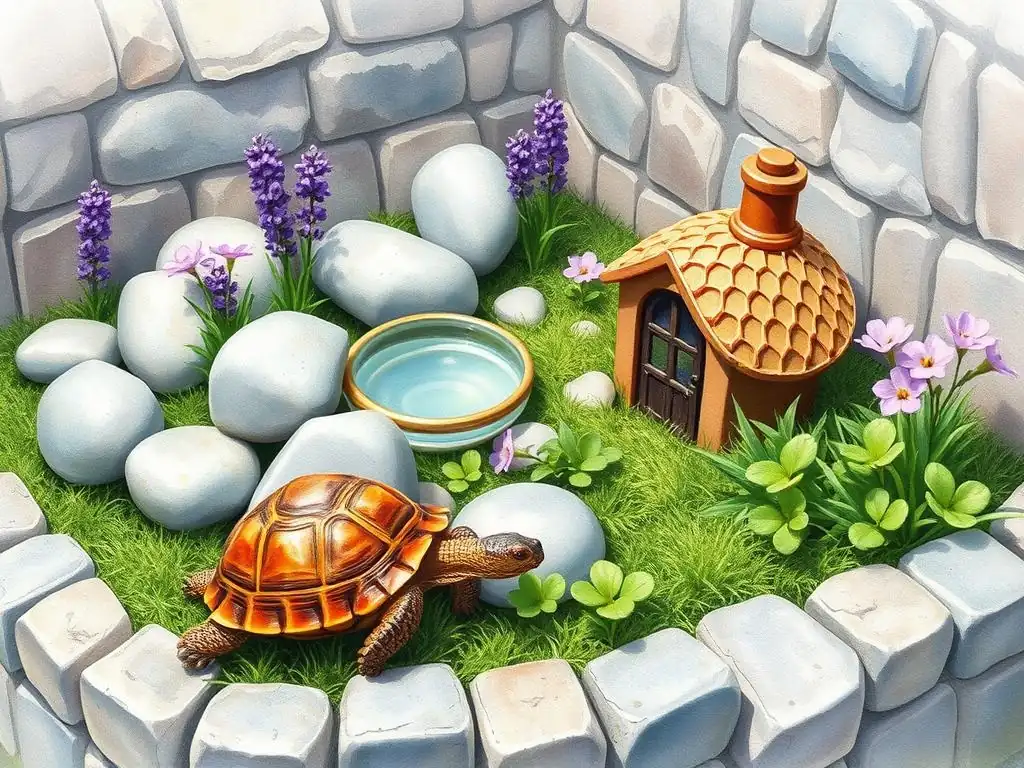
Creating a safe tortoise garden design requires more than just providing ample space and suitable plants. Maintaining a clean and healthy environment is crucial for preventing disease and ensuring your tortoise thrives. Neglecting hygiene can lead to various health problems, impacting your tortoise's well-being and longevity. A proactive approach to hygiene and safety is paramount for responsible tortoise ownership.
Preventing Disease and Parasites: Cleanliness and Hygiene Practices
Tortoises, like all reptiles, are susceptible to various diseases and parasites. Maintaining impeccable hygiene is the first line of defense against these threats. Regular cleaning of the enclosure is essential. This includes:
- Daily Spot Cleaning: Remove fresh droppings and uneaten food daily. This prevents the build-up of harmful bacteria and attracts fewer pests. Use a stiff brush and biodegradable soap to clean any soiled areas.
- Weekly Deep Cleaning: At least once a week, thoroughly clean the entire enclosure. This involves removing all substrate, scrubbing down all surfaces, and replacing the substrate with fresh, clean material. Avoid using harsh chemicals; opt for pet-safe disinfectants.
- Water Dish Hygiene: Clean and refill the water dish daily. Stagnant water is a breeding ground for bacteria and parasites. Consider using ceramic or stainless steel bowls that are easy to clean and sanitize.
- Substrate Selection: Choose a substrate that is easy to clean and doesn't retain moisture. Avoid using materials that can harbor bacteria or become moldy. Examples include reptile carpet, paper towels, or specific tortoise-safe substrates.
Maintaining a clean environment significantly reduces the risk of your tortoise contracting salmonellosis, respiratory infections, or parasitic infestations. Remember, prevention is always better than cure. Early detection and treatment of any health issues are crucial for your tortoise's survival. Regular veterinary check-ups are also strongly recommended.
Managing Weeds and Pests: Protecting Your Tortoise from Harmful Organisms
Weeds and pests can pose a significant threat to your tortoise's health and the overall health of your safe tortoise garden design. Certain weeds can be toxic, while pests can carry diseases or parasites. Effective weed and pest control is therefore a vital component of maintaining a safe environment.
- Weed Control: Regularly remove weeds from the enclosure. Identify and remove any potentially toxic plants before they have a chance to spread. Hand-weeding is often the safest method, avoiding the use of herbicides which could harm your tortoise.
- Pest Control: Monitor for slugs, snails, and insects that could potentially harm your tortoise or introduce diseases. Use natural pest control methods whenever possible. For example, introducing beneficial insects like ladybugs can help control aphid populations. Avoid using pesticides, as these can be extremely toxic to tortoises.
- Plant Selection: Choose tortoise-safe plants that are resistant to pests and diseases. Research thoroughly to ensure that all plants in your enclosure are non-toxic to tortoises. This reduces the need for extensive weed and pest control.
A well-maintained, weed-free environment not only looks better but also significantly reduces the risk of your tortoise ingesting harmful substances or contracting diseases from pests. Prioritizing natural pest control methods ensures the safety and well-being of your reptile companion.
Regular Garden Maintenance: Ensuring a Safe and Stimulating Environment
Beyond cleanliness, regular maintenance is crucial for a flourishing and safe tortoise garden design. This goes beyond just cleaning and encompasses creating an enriching environment.
- Substrate Depth: Ensure the substrate depth is appropriate for your tortoise species. This provides opportunities for digging and burrowing, essential for their natural behaviors. The depth should allow for proper basking and hibernation areas.
- Hiding Places: Provide ample hiding places using rocks, logs, or commercially available hides. This reduces stress and provides a sense of security for your tortoise.
- Basking Area: A proper basking area with a suitable heat source is vital for thermoregulation. Monitor the temperature regularly to ensure it's within the optimal range for your tortoise species. The basking area should be easily accessible and safe to climb on.
- Enclosure Security: Ensure the enclosure is secure to prevent escapes and keep out predators. This might involve using strong fencing, covering gaps, and securing any potential entry points.
Regular maintenance, encompassing all these aspects, guarantees a stimulating and safe habitat for your tortoise, promoting its overall health and well-being. Remember, a healthy and happy tortoise is a testament to a well-maintained and thoughtfully designed outdoor space.
Enrichment and Stimulation for Your Tortoise: Toys and Activities
Creating a safe tortoise garden is only half the battle; a truly thriving tortoise needs mental and physical stimulation. A boring environment can lead to lethargy, stress, and even health problems. Providing enrichment through toys and activities is crucial for a happy and healthy tortoise. This section focuses on enriching your tortoise's life within the confines of your carefully designed, safe tortoise garden. A well-designed safe tortoise garden design prioritizes both safety and enrichment.
Providing Natural Foraging Opportunities: Stimulating Natural Behaviors
Tortoises are naturally inquisitive creatures, and foraging is a key part of their instinctive behavior. Instead of simply placing food in a bowl, scatter their food throughout their enclosure. This mimics their natural foraging behavior in the wild and provides both physical and mental stimulation. Consider these strategies for natural foraging:
- Hide and Seek: Bury small portions of their food under leaves, rocks (ensure they aren't heavy enough to injure your tortoise), or in small, shallow containers. This encourages your tortoise to explore its environment and actively search for its meal.
- Variety is Key: Offer a diverse range of tortoise-safe plants and vegetables. This prevents boredom and provides a wider range of nutrients. Remember to research which plants are safe for your specific tortoise species. Avoid anything toxic! ☠️
- Vertical Foraging: Introduce some vertical elements to your garden, such as small, sturdy branches or logs. This allows you to place food at different heights, encouraging your tortoise to stretch and climb (appropriately for its species and age).
- Rotating Food Locations: Regularly change the locations where you place food to prevent the formation of well-worn paths and encourage exploration of the entire enclosure. This is a critical component of a good safe tortoise garden design.
Introducing Safe and Engaging Tortoise Toys: Keeping Your Tortoise Entertained
While foraging is crucial, additional toys and activities can further enhance your tortoise's environment. Remember to always supervise your tortoise with new toys and ensure they are made of non-toxic materials. Avoid anything that could be easily broken or ingested, posing a choking hazard.
Here are a few ideas for safe and engaging tortoise toys:
| Toy Type | Description | Safety Considerations |
|---|---|---|
| Smooth, flat rocks | Provide basking spots and climbing opportunities. | Ensure rocks are securely placed and cannot fall on your tortoise. |
| Shallow, sturdy bowls | Can be used for water or food, adding variety to feeding and hydration routines. | Choose bowls that cannot easily tip over or break. |
| Small, safe branches | Allow for climbing and exploration. | Ensure branches are strong enough to support your tortoise's weight and are free of splinters. |
| Tunnels (cardboard) | Provide hiding places and encourage exploration. | Supervise your tortoise to ensure they do not ingest cardboard. |
Remember, the key to a successful enrichment program is variety and observation. Pay close attention to your tortoise's behavior. Does it show interest in certain toys or activities more than others? Adjust your approach based on your tortoise's preferences. A well-stimulated tortoise is a happy and healthy tortoise, making your safe tortoise garden design even more effective. The overall goal is to create a stimulating and safe environment that replicates, as much as possible, your tortoise's natural habitat.
Monitoring Your Tortoise's Health and Behavior in the Garden: Observation and Prevention
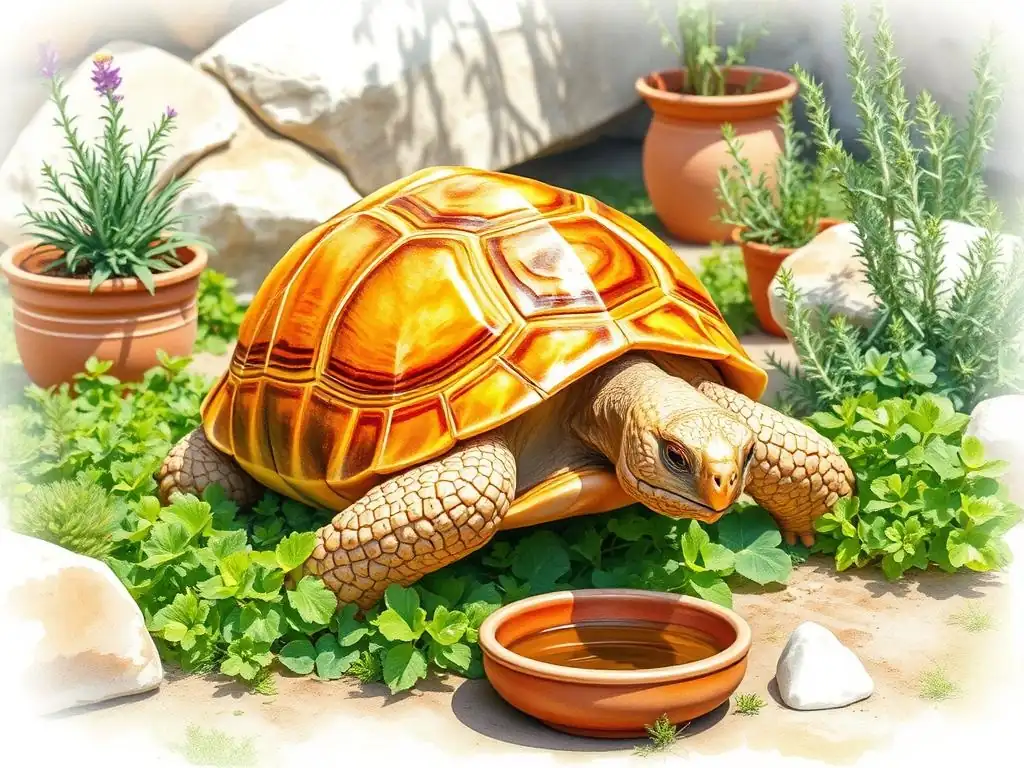
Creating a safe tortoise garden design is only half the battle. Regular observation of your tortoise's health and behavior is crucial to ensuring its long-term well-being. Proactive monitoring allows for early detection of potential problems, minimizing the risk of serious illness and maximizing your tortoise's lifespan. Think of it as a preventative healthcare plan tailored specifically for your shelled friend. This involves more than just a cursory glance; it requires consistent attention to detail and a keen eye for subtle changes.
Recognizing Signs of Illness or Distress: Early Detection and Intervention
A healthy tortoise is active, alert, and exhibits normal eating and defecation habits. Deviations from this baseline can indicate a problem. Key signs of illness or distress to watch for include:
- Lethargy: A significant decrease in activity level, spending prolonged periods in one spot, or reluctance to move is a major red flag. This could be indicative of various issues, from dehydration to infection.
- Respiratory Issues: Wheezing, gasping, or open-mouth breathing, especially during rest, suggests respiratory problems that require immediate veterinary attention.
- Shell abnormalities: Examine the shell regularly for cracks, pitting, or unusual growths. These can be signs of injury, metabolic bone disease (MBD), or other underlying health problems.
- Changes in Appetite: A sudden loss of appetite or refusal to eat is a serious warning sign. This can be due to illness, parasites, or stress.
- Abnormal Feces: Monitor the frequency, consistency, and color of your tortoise's feces. Changes in these parameters (e.g., watery stool, unusual color) might point towards digestive issues or internal parasites.
- Eye Problems: Swollen, cloudy, or excessively watery eyes can indicate infection or injury.
- Dehydration: Assess your tortoise's hydration levels by gently checking the skin elasticity. If the skin remains tensed after pinching, it may indicate dehydration.
Early intervention is key. If you notice any of these signs, consult a veterinarian specializing in reptiles immediately. The sooner you address the problem, the better the chances of a successful outcome. Remember, early detection significantly improves the prognosis for your tortoise’s health. A quick response can make a world of difference.
Regular Veterinary Checkups: Maintaining Your Tortoise's Well-being
Even if your tortoise appears perfectly healthy, regular veterinary checkups are essential for preventative care. These checkups are not just about treating illness; they're about maintaining overall well-being and identifying potential problems before they become serious. A veterinarian can perform a thorough physical examination, assess the tortoise's weight, and run diagnostic tests to rule out hidden issues. These preventative measures are a crucial part of a comprehensive safe tortoise garden design, ensuring your pet thrives for years to come.
Think of it like this: Just as we schedule annual checkups for ourselves, regular veterinary visits for your tortoise are a proactive investment in its health and longevity. A veterinarian can provide personalized advice on diet, habitat, and overall care, tailoring their recommendations to your specific tortoise species and its unique needs. They can also help address any concerns you may have, ensuring your peace of mind and your tortoise's optimal health.
This proactive approach is a cornerstone of responsible tortoise ownership and contributes significantly to a long and happy life for your pet. Scheduling regular checkups is a vital element in your safe tortoise garden design strategy.
Expanding Your Tortoise's Outdoor Space: Gradual Introduction and Safety Measures
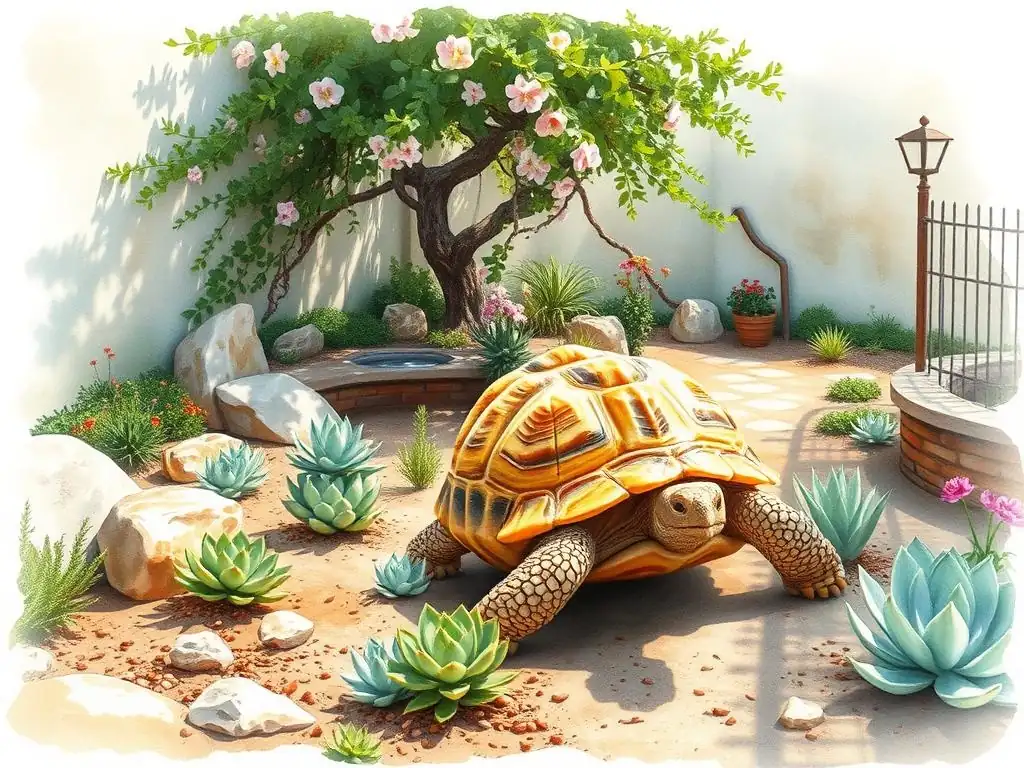
Creating a safe tortoise garden design requires a phased approach. Rushing the process can lead to stress, injury, or even escape for your shelled friend. A gradual introduction allows your tortoise to acclimate to its new environment at its own pace, minimizing potential problems. This careful expansion is crucial for the long-term well-being and safety of your pet. Remember, a safe tortoise enclosure isn't just about fencing; it's about creating a stimulating yet secure environment.
Creating Multiple Enclosures for Graded Access: Safe Expansion Strategies
Instead of suddenly releasing your tortoise into a large, unfamiliar garden, consider creating a series of smaller, interconnected enclosures. This "stepping stone" approach allows for controlled exposure to progressively larger areas. Start with a small, secure pen, providing all essential needs: food, water, and basking areas. Once your tortoise seems comfortable (this may take days or even weeks, depending on the individual), carefully open a connecting gate to a slightly larger enclosure. Continue this process, expanding the accessible area gradually, until your tortoise has access to the entire designated garden.
This strategy minimizes the risk of your tortoise becoming overwhelmed or lost. It also allows you to monitor its behavior and identify any potential hazards early on. For example, you can easily remove any dangerous plants or objects before your tortoise explores the larger area. The size and number of enclosures will depend on the size of your garden and your tortoise's species and age. A larger tortoise will require larger enclosures, naturally.
Consider using different materials for the enclosures. For instance, you could use wire mesh for the initial, smaller enclosure for better visibility, then transition to low, sturdy fencing as the space expands. This ensures a safe and appropriately sized space for your tortoise at each stage of the introduction.
Introducing New Plants and Features Gradually: Preventing Stress and Overwhelm
Introducing new plants and features, such as rocks, logs, or hiding places, also requires a gradual approach. Tortoises can be sensitive to sudden changes in their environment. Adding too many new elements at once can be overwhelming and stressful, potentially leading to refusal to eat or other behavioral changes. Instead, add one or two new elements at a time, allowing your tortoise several days to acclimate before introducing more. Observe your tortoise closely for any signs of stress, such as lethargy or hiding excessively.
This gradual introduction not only reduces stress but also allows you to monitor your tortoise's interaction with the new elements. You can quickly remove anything that poses a threat or doesn't seem suitable for your tortoise. For example, some plants may be toxic, while others might be too difficult for your tortoise to navigate.
A careful approach ensures that your carefully designed safe tortoise garden remains just that: safe and enjoyable for your pet. Remember to monitor the plants regularly for any signs of pesticide or herbicide use, which could be harmful to your tortoise. Always prioritize your tortoise's well-being during the expansion process, ensuring a stress-free transition to its new, larger home.
Troubleshooting Common Tortoise Garden Problems: Solutions and Prevention
Creating a truly safe tortoise garden design requires proactive planning and ongoing maintenance. Even with meticulous initial setup, challenges can arise. This section addresses common problems and offers solutions for a thriving, secure environment for your shelled friend. Remember, a safe environment is a crucial aspect of responsible tortoise ownership.
Dealing with Escape Attempts: Strengthening Enclosure Security
Tortoises, especially younger ones, are surprisingly adept escape artists. A seemingly secure enclosure can be compromised by a determined tortoise. Prevention is key. Here's how to bolster your tortoise's enclosure security:
- Assess the Perimeter: Regularly inspect the fencing for gaps, holes, or areas where your tortoise might be able to dig under or climb over. Look for signs of digging activity near the base of the fence. Consider burying mesh or hardware cloth several inches below ground level to prevent digging escapes. The height of the fence should be at least twice the height of your largest tortoise, considering they can sometimes climb.
- Reinforce Weak Points: Use strong, durable materials for your fencing. Avoid using materials that can easily be pushed aside or damaged. Concrete, metal mesh, or sturdy wooden planks are better choices than flimsy materials.
- Improve Substrate: The substrate within the enclosure plays a role in escape attempts. Hard-packed soil makes digging more difficult. Consider adding a layer of gravel or rocks to make digging even more challenging.
- Monitor Behavior: Observe your tortoise's behavior. Are there any particular spots where it seems to be attempting to escape? This can help identify weak points in your enclosure that need reinforcement.
- Consider an Overhang: Adding an overhanging section of roofing material or shade cloth can deter climbing attempts. The overhang should extend several inches beyond the edge of the enclosure.
Remember, a multi-layered approach to security is the most effective. Combining several of these strategies will significantly reduce escape attempts and ensure your tortoise's safety. Regular maintenance is crucial for long-term success.
Addressing Predator Issues: Protecting Your Tortoise from Threats
Predators pose a significant threat to tortoises, especially smaller or younger ones. Protecting your tortoise requires a multi-faceted approach that considers both natural and introduced predators.
- Identify Local Predators: Research the common predators in your area. This may include raccoons, foxes, dogs, cats, birds of prey, and snakes. Knowing your potential threats allows for targeted preventative measures.
- Secure the Enclosure: A well-constructed enclosure is the first line of defense. Use predator-proof fencing that is buried deep enough to prevent digging. Solid materials are preferable to wire mesh, which some predators can penetrate.
- Nighttime Security: Many predators are nocturnal. Consider adding a secure cover or lid to the enclosure at night. This protects your tortoise during its most vulnerable hours.
- Remove Attractants: Keep the area around the enclosure clean and free of debris that might attract predators. Remove any food scraps or standing water.
- Motion-Activated Lights: These can deter some nocturnal predators. The sudden light and noise can startle them away.
- Predator Deterrents: Consider using commercially available predator deterrents, such as ultrasonic devices or scent deterrents. The effectiveness of these varies, and some predators may adapt.
While completely eliminating predation risk might be impossible, these strategies can significantly reduce the likelihood of an attack, contributing to a safe tortoise garden design.
While tortoises are generally solitary creatures, aggression can sometimes arise, especially during mating season or when resources are scarce. Understanding and managing aggressive behavior is crucial for maintaining a harmonious and safe environment.
- Sufficient Space: Overcrowding is a common cause of aggression. Ensure each tortoise has ample space, including separate basking areas and hiding spots. The size of the enclosure should be appropriate for the number and size of your tortoises.
- Resource Availability: Competition for food, water, and basking spots can trigger aggression. Provide multiple feeding stations, water sources, and basking areas to minimize competition.
- Monitor Interactions: Observe your tortoises closely to detect early signs of aggression, such as biting, chasing, or shell ramming. Early intervention can often prevent escalation.
- Separate if Necessary: If aggression persists despite efforts to modify the environment, separating the tortoises may be necessary. Provide each tortoise with its own secure enclosure.
- Species Compatibility: Ensure that you are not housing incompatible species together. Some tortoise species are more prone to aggression than others. Research the specific needs and temperament of your tortoise species before housing them together.
Creating a safe tortoise garden design involves understanding the nuances of tortoise behavior and implementing appropriate management strategies. A proactive approach to potential problems will ensure a healthy, peaceful, and enriching environment for your tortoise.
Frequently Asked Questions
What plants are safe for tortoises in my garden?
Many plants are toxic to tortoises. Research thoroughly before planting anything. Safe options often include grasses, dandelions, and certain weeds. Consult PetCareWorld's resources for a complete list.
How do I create a safe enclosure for my tortoise?
A secure enclosure is vital. Use strong fencing buried deep to prevent escapes, and ensure the area is free of predators and toxic plants. Consider the size of your tortoise and provide ample space.
What kind of substrate is best for a tortoise garden?
The substrate should be well-draining to prevent fungal infections. A mix of soil and sand, or commercially available tortoise substrate, works well. Avoid using peat moss or other materials that retain too much moisture.
How can I protect my tortoise from the elements?
Provide shade from the sun and shelter from rain and wind. A tortoise house or a shaded area with rocks will provide refuge. Monitor temperatures carefully, especially during extreme weather.
What are common dangers to tortoises in a garden?
Tortoises can be vulnerable to predators, such as dogs, cats, and birds of prey. Pesticides and toxic plants are also significant threats. Ensure your garden is secure and free from these hazards.
Final Reflection: Nurturing a Haven: The Enduring Legacy of Tortoise-Friendly Gardens
Creating safe and enriching habitats for tortoises is not merely a hobby; it's a vital act of conservation in a world increasingly encroaching on wildlife. The meticulous planning and execution detailed in this guide are more than just steps towards a beautiful garden; they represent a commitment to the well-being of these ancient creatures and the preservation of biodiversity.
The impact of thoughtfully designed tortoise habitats extends far beyond the confines of a single garden. They serve as microcosms of responsible land stewardship, demonstrating how we can coexist harmoniously with nature, even in our own backyards. The joy of witnessing these gentle giants thrive in a space we've carefully crafted is immeasurable. The earth has music for those who listen.
– William Shakespeare. This resonates deeply with the quiet observation and appreciation that a tortoise garden fosters, reminding us of the beauty and wonder found in the natural world.
Now, consider your own space. What small changes can you make to create a haven for wildlife, even if it's just a single potted plant providing shelter for insects? Imagine the ripple effect of countless individuals taking similar actions, transforming urban and suburban landscapes into interconnected sanctuaries. Let the principles of tortoise-friendly garden design inspire you to cultivate a more compassionate and ecologically conscious relationship with the natural world around you. Begin today, and be a part of the legacy of responsible stewardship.
Unleash Your Tortoise's Outdoor Paradise!
Thank you for learning how to create a tortoise-friendly garden! We hope you found this information helpful in providing a safe and enriching environment for your shelled companion. Now, let's put that knowledge into practice.
- Design your perfect tortoise haven: Begin designing your ideal enclosure, considering your tortoise's specific needs and preferences. Think about providing ample sunlight and shade, secure hiding places, and a variety of palatable plants.
- Share your progress (and challenges!): We'd love to see your progress! Share photos and stories of your garden's development on our PetCareWorld community forum—your experiences can inspire others.
- Enrich your tortoise's environment: Consider further ways to provide mental and physical stimulation beyond a safe enclosure. Think about incorporating foraging opportunities and interactive elements to keep your tortoise engaged and happy.
Ready to transform your garden into a tortoise sanctuary? What's the first step you'll take to improve your tortoise's outdoor space?