
Clicker Training for Puppies: A Fun and Rewarding Method

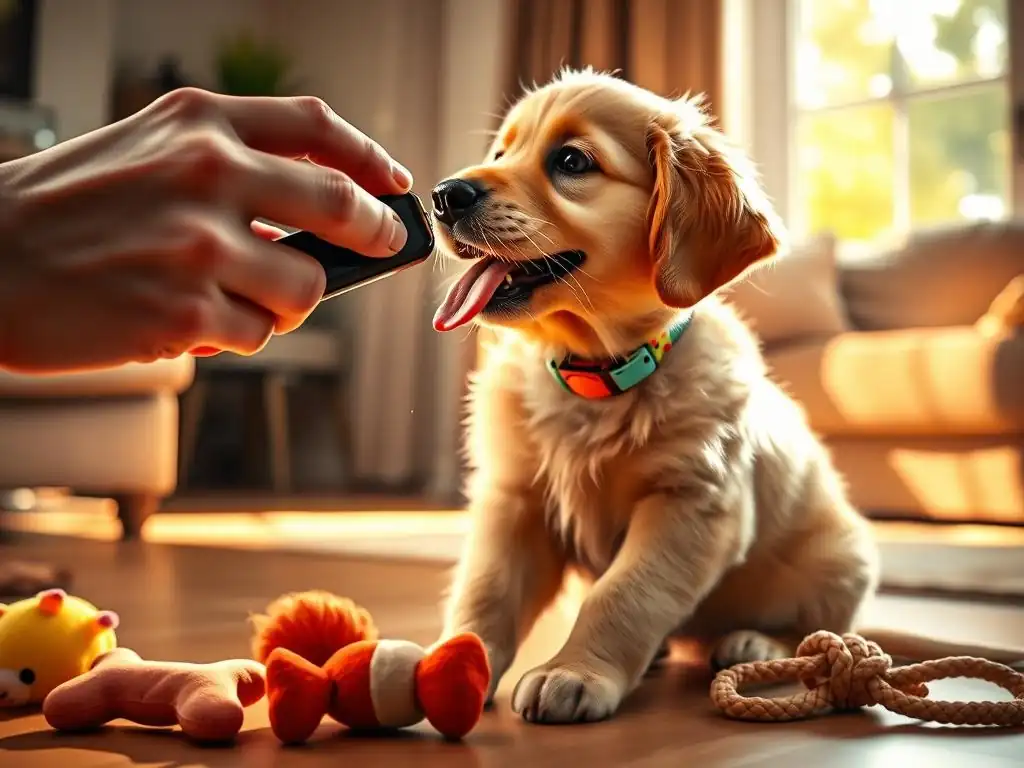
Welcome to PetCareWorld, your ultimate guide to a happier, healthier life for your beloved companion! Are you ready to unlock the secrets to effective and enjoyable pet training? Our comprehensive Puppy Clicker Training Guide offers a fun and rewarding approach to shaping your puppy's behavior. Discover how this simple yet powerful method can build a strong bond with your furry friend and create a well-behaved companion. Dive in and discover the amazing results waiting for you!
- Understanding Clicker Training for Puppies: A Comprehensive Guide
- Getting Started with Clicker Training: Initial Steps
- Basic Clicker Training Exercises for Puppies
- Advanced Clicker Training Techniques for Puppies
- Maintaining Consistency and Success in Puppy Clicker Training
- Clicker Training and Socialization: A Holistic Approach
- Frequently Asked Questions
- Final Reflection: The Lasting Click of Connection
- Unlock Your Puppy's Potential: Start Clicker Training Today!
Understanding Clicker Training for Puppies: A Comprehensive Guide
Clicker training is a humane and highly effective method for teaching puppies new behaviors and strengthening the bond between you and your furry friend. This comprehensive guide will delve into the intricacies of clicker training for puppies, exploring its mechanics, advantages, and practical application. We’ll cover everything from selecting the right equipment to mastering the technique, empowering you to build a strong foundation for positive reinforcement training and a happy, well-behaved pup.
This guide serves as your ultimate resource for mastering puppy clicker training, equipping you with the knowledge and tools to succeed in training your canine companion. We'll focus on making the process fun and rewarding for both you and your puppy, ensuring a positive learning experience that builds trust and understanding.
This method is particularly beneficial for puppies due to their short attention spans and eagerness to please, enabling quick learning and positive reinforcement. Learning to use a clicker effectively will establish clear communication, resulting in a well-trained and confident puppy.
What is Clicker Training and How Does it Work?
Clicker training utilizes a small handheld device called a clicker, which emits a distinct clicking sound. This click acts as a precise marker, signaling to your puppy the exact moment they performed the desired behavior. The click is immediately followed by a reward, usually a small, high-value treat. This creates a positive association: click = good thing.
The key is consistency and timing; the click must occur instantly after the desired action. This precise timing is crucial for the puppy to understand the connection between their action and the reward. Over time, your puppy will learn to anticipate the reward following the click, motivating them to repeat the behavior.
The process typically involves several stages:
- Capturing: Identifying and clicking a behavior your puppy already performs naturally (e.g., sitting, looking at you).
- Luring: Guiding your puppy into the desired behavior using a treat or toy.
- Shaping: Breaking down complex behaviors into smaller, manageable steps, rewarding each successful step.
- Generalization: Teaching your puppy to perform the behavior in different environments and contexts.
Think of it like this: You're teaching your puppy a new language where the click is a specific word indicating "Yes! You did it perfectly!" The treat is the positive reinforcement that solidifies this understanding. This creates a clear communication system that avoids confusion and frustration for both you and your puppy.
Benefits of Clicker Training for Puppies
Clicker training offers numerous benefits for both the puppy and the owner. Compared to traditional training methods that might rely on punishment or intimidation, clicker training fosters a positive and rewarding learning environment. This leads to a stronger bond between you and your puppy, based on trust and mutual respect.
Here are some key advantages:
- Positive Reinforcement: Focuses on rewarding desired behaviors, creating a positive association with training.
- Clear Communication: The click provides precise feedback, eliminating ambiguity.
- Improved Puppy-Owner Bond: Builds trust and strengthens the relationship through positive interactions.
- Faster Learning: The immediate reward system accelerates the learning process.
- Versatile: Can be used to teach a wide range of behaviors, from basic obedience to complex tricks.
- Increased Motivation: Puppies are more likely to participate actively in training when it's fun and rewarding.
- Reduced Stress: The positive approach minimizes stress and anxiety for both the puppy and the owner.
Choosing the Right Clicker and Treats for Your Puppy
Selecting the appropriate clicker and treats is essential for successful clicker training. The clicker should be easy to use and produce a clear, crisp sound that's audible to your puppy. Avoid clickers with a weak or muffled sound, as this can hinder the learning process.
Regarding treats, choose small, soft, high-value treats that your puppy finds irresistible. These should be easily consumed in one or two bites to maintain a fast pace during training sessions. Experiment with different treats to determine your puppy's preferences. Some popular choices include small pieces of cooked chicken, cheese, or commercially available training treats.
Remember to consider the following factors:
- Clicker Sound: Opt for a clicker with a crisp, clear sound.
- Treat Size: Small pieces are ideal for frequent rewarding.
- Treat Appeal: Choose treats your puppy loves and finds highly motivating.
- Treat Consistency: Maintain consistency in the type and size of treats used during training.
Getting Started with Clicker Training: Initial Steps

This section focuses on the foundational steps required to begin clicker training with your puppy. Success hinges on a clear understanding of the tools and techniques involved, ensuring a positive and effective learning experience for both you and your furry friend. Remember, patience and consistency are key to achieving optimal results with puppy clicker training. This guide will provide you with the necessary information to embark on this rewarding journey.
Introducing the Clicker to Your Puppy
The first step involves familiarizing your puppy with the clicker itself. Don't rush this process; a gradual introduction is crucial to avoid creating negative associations. Begin by simply showing the clicker to your puppy, letting them sniff and investigate it without pressure. You can gently tap the clicker near them, making a soft clicking sound. Observe their reaction; some puppies might show curiosity, while others might exhibit slight apprehension. If they seem hesitant, avoid forcing interaction.
Instead, focus on creating a positive and comfortable environment. The goal is to make the clicker a neutral object, not a source of fear or anxiety. Use positive language and gentle encouragement throughout this process. Remember, building a trusting relationship with your puppy is paramount to successful clicker training. Positive reinforcement techniques are key to success with puppy clicker training.
Pairing the Clicker with Positive Reinforcement (Treats)
Once your puppy is comfortable with the clicker's presence, it's time to associate the clicking sound with something highly desirable: treats! Select small, high-value treats that your puppy loves – tiny pieces of cooked chicken, cheese, or commercially available training treats work well. The key is to use treats that are rewarding enough to motivate your puppy. Hold a treat in your hand and click the clicker immediately before offering the treat.
Repeat this process multiple times, ensuring a consistent timing between the click and the reward. This creates a powerful association in your puppy's mind: click equals treat. The timing is critical; the click should always precede the treat, never the other way around. Aim for approximately 10-15 repetitions in a single session, keeping the session short and sweet to maintain your puppy's focus and enthusiasm.
Avoid overwhelming them. Observe your puppy’s body language throughout the session. If they appear tired or disinterested, take a break.
Teaching Your Puppy to Associate the Clicker with Rewards
This stage builds upon the previous step by extending the association between the clicker and reward beyond the immediate presence of a treat in your hand. Begin by clicking the clicker and then tossing a treat a short distance away. This introduces a slight delay between the click and the reward, challenging your puppy to connect the two. Gradually increase the distance and the delay between the click and the treat. You can also start to pair the click with other positive things they enjoy, such as praise or a favorite toy.
This helps broaden their understanding of what the clicker signifies. Remember, consistency is crucial. Always follow a click with a reward to reinforce the positive association. Monitor your puppy’s progress closely. If they seem confused or are not responding consistently, shorten the delay or reduce the distance.
Celebrate their successes with enthusiastic praise. Positive reinforcement and patience are vital in this phase of puppy clicker training. Remember to keep training sessions brief and fun to maintain your puppy's engagement and prevent them from becoming overwhelmed or frustrated. This will ensure a positive and effective learning experience.
Basic Clicker Training Exercises for Puppies

This section provides a detailed guide to teaching your puppy three fundamental commands—sit, stay, and come—using clicker training. Remember, patience and positive reinforcement are key to success in puppy clicker training. Consistency is crucial; short, frequent training sessions are more effective than long, infrequent ones. This puppy clicker training guide emphasizes building a strong association between the clicker sound and positive reinforcement (treats).
Teaching Your Puppy to "Sit" Using Clicker Training
Begin by having your puppy on a leash in a quiet area, minimizing distractions. Hold a high-value treat close to your puppy's nose. Slowly move the treat over their head, towards their tail. As their nose follows the treat, their rear end will naturally lower into a sitting position.
The instant their rear touches the ground, click the clicker and immediately reward them with the treat. Repeat this process several times, ensuring the click and treat are simultaneous and directly follow the sitting action. This creates a strong positive association.
Gradually, start saying the word "sit" just before you move the treat. Eventually, the word "sit" alone should trigger the desired behavior. You're essentially shaping the behavior, reinforcing successive approximations of the desired sit. 🎉
It's important to avoid forcing your puppy into a sit. If they don't understand, try again later with shorter sessions. Remember, positive reinforcement is paramount for successful puppy clicker training. The goal is for your puppy to want to sit, not to have to sit.
Here's a table summarizing the steps:
| Step | Action | Timing |
|---|---|---|
| 1 | Lure puppy into a sit with a treat | Slow and deliberate movement |
| 2 | Click the clicker immediately upon sitting | Precise timing is crucial |
| 3 | Reward with a treat immediately after the click | Positive reinforcement |
| 4 | Gradually introduce the verbal cue "sit" | Before luring with the treat |
| 5 | Gradually fade the lure | Rely more on the verbal cue |
Teaching Your Puppy to "Stay" Using Clicker Training
Once your puppy reliably sits on cue, you can introduce the "stay" command. Start with short durations. Have your puppy sit, say "stay," and hold your hand out in a flat palm facing them, as a visual cue.
If they remain seated for even a second, click and treat immediately. Gradually increase the duration of the stay, rewarding them frequently for staying put. Start with one second, then two, then five, and so on.
Use a release word, such as "okay" or "free," to signal when the stay is over. This gives your puppy a clear indication that they can move. Never force your puppy to stay longer than they are capable of. This is a crucial aspect of positive puppy clicker training.
Remember, patience is key. If your puppy breaks the stay, simply start again. Don't punish or scold; simply redirect them back to the sit and try again with a shorter duration. Positive reinforcement is the foundation of this method.
Teaching Your Puppy to "Come" Using Clicker Training
Teaching "come" requires a slightly different approach. Start in a confined space, such as a small room or fenced area, to prevent distractions. Hold a high-value treat and say "come" enthusiastically.
As your puppy approaches, click and treat immediately. Repeat this several times. Gradually increase the distance as your puppy becomes more reliable. Always make coming to you a positive experience.
If your puppy doesn’t come when called, avoid chasing them. Instead, try again later with a shorter distance or more enticing treat. Use a happy, encouraging tone of voice. A frustrated tone will negatively impact the learning process. The "come" command is incredibly important for safety, so focus on building a strong, positive association.
Remember to vary your training locations and use different types of treats to keep your puppy engaged and prevent boredom. Consistent, positive reinforcement is the key to success in puppy clicker training. Celebrate your achievements, and enjoy the rewarding journey of training your furry friend!
Teaching Your Puppy to "Down" Using Clicker Training
Teaching your puppy the "down" command using clicker training requires patience and positive reinforcement. The key is to associate the click with a rewarding experience, making your puppy eager to repeat the desired behavior. Start in a quiet area with minimal distractions to maximize your puppy's focus. Have your puppy's favorite treats readily available.
Before you begin, it's crucial to ensure your puppy understands the clicker's meaning. This involves pairing the click with a treat several times. Click the clicker, immediately followed by giving your puppy a high-value treat. Repeat this process numerous times until your puppy shows an enthusiastic response to the click itself, indicating they've made the connection. This initial step is fundamental to the success of all subsequent training exercises.
Now, let's teach the "down" command. Hold a treat close to your puppy's nose. Slowly move the treat down towards the floor, following the natural movement of your puppy's nose as it lowers. The moment your puppy's chest touches the ground, click the clicker and immediately reward them with the treat. It's vital to click precisely at the moment the desired behavior is completed. Any delay will confuse your puppy.
Repeat this process several times, maintaining a slow and deliberate movement with the treat. Some puppies will catch on quickly, others may require more repetitions. Be patient and consistent. Avoid forcing your puppy into the "down" position; instead, guide them gently with the lure of the treat. Remember, positive reinforcement is key. Never punish your puppy for not understanding immediately.
As your puppy becomes more proficient, you can begin to fade the lure of the treat. Instead of using the treat to guide them down, simply say "down," and if they don't respond immediately, gently guide them with your hand toward the down position. If they successfully perform the "down" on cue, click and reward. Gradually decrease the frequency of treats, rewarding only successful attempts. This prevents your puppy from relying solely on the treat and reinforces the command itself.
Finally, once your puppy reliably performs the "down" command on cue, begin to incorporate distractions. Start with minimal distractions, gradually increasing the level of difficulty as your puppy masters each stage. This ensures your puppy generalizes the command to various environments and situations, making your clicker training truly effective. Remember to celebrate each small victory, praising your puppy enthusiastically to foster a positive learning experience. This positive reinforcement will solidify the association between the command and the desired action. Your patience and positive approach will make the entire process enjoyable for both you and your furry friend!
Advanced Clicker Training Techniques for Puppies

This section delves into more sophisticated applications of clicker training beyond the basics, focusing on techniques to refine your puppy's skills and address more complex behaviors. Remember, patience and positive reinforcement are key throughout this process. This guide will help you build on the foundational skills already established, transforming your puppy into a well-behaved companion.
Shaping Behaviors Using Clicker Training
Shaping is a powerful clicker training technique used to teach complex behaviors by rewarding successive approximations. Instead of waiting for the perfect behavior, you reward any action that moves your puppy closer to the desired outcome. Let's illustrate with an example: teaching your puppy to "fetch."
First, you would click and reward your puppy for simply looking at the toy. Then, you'd click and reward for sniffing the toy. Next, you'd click for touching the toy with their nose.
Gradually, you'll raise the bar, clicking and rewarding for picking up the toy, carrying it a short distance, and finally, bringing it back to you. This process, known as successive approximation, allows you to break down a complex behavior into smaller, manageable steps, making it easier for your puppy to learn and understand. The key is to maintain a high rate of reinforcement, clicking and rewarding frequently during the initial stages.
Another example is teaching your puppy to “leave it”. Start by placing a treat on the floor. When your puppy approaches, click and reward if they only look at the treat. Gradually increase the proximity they can be to the treat before the reward stops. This process requires patience and consistency, but eventually your puppy will learn to resist the temptation.
Remember to be consistent with your cues and rewards. Use a clear and concise clicker sound, and always pair it with a high-value reward immediately after the desired behavior. Regular practice sessions, even short ones, are more effective than infrequent, longer ones.
Clicker Training for Common Puppy Problems (e.g., Jumping, Biting)
Clicker training isn't just for teaching tricks; it's also a highly effective tool for managing common puppy behavioral issues. By understanding the underlying causes of these problems and using the principles of positive reinforcement, you can gently redirect your puppy's behavior and build a stronger, more positive relationship.
Let's consider two prevalent problems: jumping and biting. Jumping can be addressed by clicking and rewarding your puppy when all four paws are on the ground in the presence of a person. If your puppy jumps, simply ignore the behavior and wait for them to put their paws down before rewarding. This teaches them that calm behavior is rewarded, while jumping is ignored.
Puppy biting, often a result of teething or playful exuberance, can be managed similarly. Click and reward your puppy when they gently touch your hand with their mouth, or when they use a chew toy instead of biting you. When they bite too hard, remove your hand and give them a time-out, avoiding punishment. The goal is to teach them that gentle mouthing is rewarded, while aggressive biting is not. Remember to use age-appropriate chew toys to help satisfy their chewing needs.
The effectiveness of clicker training for these issues relies heavily on consistency. Everyone in the household should use the same techniques to avoid confusing the puppy. Patience and understanding are crucial; remember that puppies are still learning to navigate the world around them.
Troubleshooting Common Clicker Training Challenges
Even with diligent effort, challenges can arise during clicker training. Let's explore some common hurdles and effective solutions:
| Challenge | Solution |
|---|---|
| Puppy is not paying attention | Ensure a quiet, distraction-free environment. Use high-value rewards. Keep training sessions short and frequent. |
| Inconsistent clicking | Practice clicking consistently. Aim for immediate reinforcement after the desired behavior. |
| Puppy anticipates the click | Vary your timing slightly to prevent anticipation. Introduce more complex behaviors. |
| Overwhelmed puppy | Take breaks if your puppy seems stressed. Short, positive sessions are key. |
| Lack of progress | Re-evaluate the steps. Break down the behavior into smaller, more manageable components. |
Remember, every puppy learns at a different pace. Celebrate small victories and remain patient and positive. If you encounter persistent difficulties, seeking guidance from a certified professional dog trainer can be beneficial. The key is consistent effort, positive reinforcement, and a deep understanding of your puppy's needs and learning style. With dedication and the right approach, clicker training can transform your relationship with your puppy and create a well-trained, happy companion.
Maintaining Consistency and Success in Puppy Clicker Training

Consistency is the cornerstone of successful puppy clicker training. Without it, your puppy will become confused and the training process will be significantly less effective. Think of it like this: imagine trying to teach a human a complex task with inconsistent instructions – it's frustrating and unproductive. The same applies to your canine companion. A lack of consistency leads to unreliable responses and a slower learning curve for your puppy.
Creating a Positive Training Environment for Your Puppy
Creating a positive training environment is paramount for effective clicker training. This means minimizing distractions, ensuring your puppy is comfortable and relaxed, and using positive reinforcement techniques exclusively. A stressed or overwhelmed puppy won't be receptive to learning. Consider these factors:
- Quiet Location: Choose a quiet space away from household chaos. A dedicated training area helps your puppy associate that specific location with learning.
- Short Sessions: Keep training sessions brief, around 5-10 minutes for puppies, to maintain focus and prevent fatigue. Multiple short sessions throughout the day are far more effective than one long, tiring session.
- Reward System: Employ a rewarding system that motivates your puppy. This could be high-value treats, praise, or even a favorite toy. Observe your puppy's preferences to identify the most effective rewards.
- Positive Body Language: Maintain a calm and encouraging demeanor. Avoid harsh tones or forceful movements. Your body language significantly influences your puppy's response to training.
Remember, a relaxed and happy puppy learns much faster. A playful and interactive approach will make the training process enjoyable for both you and your puppy. The goal is to build a positive association between training and positive experiences. This will foster a strong bond and ensure your puppy eagerly participates in future training sessions. This positive reinforcement approach is crucial for successful puppy clicker training. Avoid punishment or negative reinforcement at all costs; this will only create fear and anxiety, hindering the learning process.
The Importance of Patience and Positive Reinforcement
Patience is an absolute necessity in puppy clicker training. Puppies are still developing their cognitive abilities, and learning takes time. There will be setbacks and moments of frustration; however, maintaining patience and consistency is key to achieving success. Remember that positive reinforcement is the foundation of this method. Every correct response should be immediately rewarded with a click and a treat. This creates a strong positive association between the desired behavior and the reward.
Consider this example: you're teaching your puppy to "sit." If the puppy makes even a slight attempt to sit, immediately click and reward. Don't wait for a perfect sit. Gradually, the puppy will understand that the desired behavior leads to a positive outcome. This positive reinforcement strategy is far more effective than punishment.
Punishment creates fear and anxiety, which can negatively impact the learning process and damage your relationship with your puppy. Celebrate every small victory and focus on building positive associations. This positive approach will make the training process enjoyable for both you and your puppy, leading to a stronger bond and a more well-behaved canine companion. The journey to a well-trained puppy is a marathon, not a sprint.
Avoiding Common Mistakes in Puppy Clicker Training
Several common mistakes can hinder progress in puppy clicker training. Identifying and avoiding these pitfalls will significantly improve your success rate. Here are some crucial points to consider:
- Inconsistent Timing: The clicker should always sound simultaneously with the desired behavior. Delaying the click even by a fraction of a second confuses the puppy. Practice precise timing to reinforce the desired action effectively.
- Overuse of Corrections: Avoid using harsh corrections or punishment. Positive reinforcement is the only effective method. If your puppy makes a mistake, simply ignore it and try again later. Negative reinforcement will only create fear and anxiety, hindering the learning process.
- Expecting Perfection: Remember that puppies are still learning. Don't expect perfection from the start. Celebrate small victories and focus on consistent progress. Patience and positive reinforcement are key to success.
- Lack of Variety: Keep training sessions engaging. Vary exercises and use different toys or treats to maintain your puppy's interest and prevent boredom. A bored puppy is a less attentive puppy. Regularly introduce new commands and exercises to prevent the training from becoming monotonous. This ensures your puppy remains engaged and motivated throughout the training process.
By understanding and avoiding these common mistakes, you can ensure a smooth and successful clicker training experience for both you and your puppy. Remember, consistency, patience, and positive reinforcement are the keys to unlocking your puppy's full potential. This guide provides a strong foundation for successful puppy clicker training, empowering you to build a strong bond with your canine companion.
Integrating Clicker Training into Your Daily Routine with Your Puppy
Integrating clicker training into your daily life with your puppy shouldn't feel like an overwhelming chore; instead, it should become a fun and engaging part of your bond. The key is to weave short, frequent training sessions into your existing routine, rather than dedicating large blocks of time. Think of it like sprinkling training moments throughout the day, rather than having one big training session.
For example, instead of a long, 30-minute training session, try five 6-minute sessions spread throughout the day. These shorter sessions maintain your puppy's focus and prevent them from becoming bored or overwhelmed. This approach is especially crucial for puppies with shorter attention spans. Remember, consistency is key – even a few repetitions of a command during these short sessions can significantly improve learning.
Consider incorporating clicker training during everyday activities. For instance, while you're preparing breakfast, you can work on "sit" or "stay" commands. During walks, you can use the clicker to reward appropriate leash manners. Even playtime can be infused with training; rewarding your puppy for gentle chewing on their toys reinforces positive behavior. This approach makes training less structured and more organic, making it a natural part of your daily interaction.
Remember to maintain a positive and upbeat atmosphere during these sessions. Your puppy should associate the clicker with fun and rewards, not with stress or pressure. If your puppy seems restless or unfocused, it's best to end the session and try again later. Short, frequent, and positive interactions are far more effective than long, stressful ones.
This method helps build a strong foundation for future training and strengthens the bond between you and your puppy. The goal is to make learning fun for both you and your furry friend! By seamlessly integrating clicker training into your daily life, you’ll build a well-behaved and happy puppy.
Clicker training for puppies isn't just about teaching basic commands; it's a powerful tool for shaping positive behavior and building a strong bond with your furry friend. A key aspect often overlooked is the integration of socialization into the clicker training process. Early socialization is crucial for a well-adjusted adult dog, and clicker training provides a gentle, positive way to facilitate this.
By associating positive experiences with new sights, sounds, and people, you can help your puppy develop into a confident and well-behaved companion. This holistic approach ensures your puppy not only learns commands but also develops crucial social skills. This guide focuses on integrating these two vital elements for optimal puppy development.
Socialization should begin early, ideally from 8 weeks old, and continue throughout your puppy's critical socialization period (generally up to 16 weeks). Using a clicker, you can reward your puppy's calm and curious behavior in various new situations. For example, if you're introducing your puppy to a new person, click and reward every time they approach calmly and sniff the person's hand instead of exhibiting fear or aggression. This positive reinforcement encourages the desired behavior. Remember to keep the sessions short and positive, avoiding overwhelming your puppy.
Consider these scenarios and how clicker training can help:
- Meeting new dogs: Click and treat your puppy for calm interactions, ignoring any barking or lunging. Gradually introduce them to different types and sizes of dogs in controlled environments.
- Exploring new environments: Use the clicker to reward calm exploration of new places like parks or pet stores. Start with quiet areas and gradually introduce more stimulating environments.
- Exposure to different sounds: Gradually expose your puppy to different sounds – traffic, children playing, etc. – rewarding calm behavior each time. Avoid forcing them into situations that cause fear or stress.
- Handling and grooming: Use the clicker to reward your puppy for allowing you to touch their paws, ears, and tail. Make grooming a positive experience through consistent positive reinforcement.
Remember, consistency is key. The more consistently you use the clicker to mark and reward desired behaviors, the faster your puppy will learn to associate the click with positive reinforcement. Always end sessions on a positive note, leaving your puppy wanting more. This creates a positive association with the training experience, making future sessions more enjoyable and effective. The goal isn't just obedience, but building a happy, confident, and well-socialized dog.
Combining Clicker Training with Other Training Methods
Clicker training is highly effective but can be used in conjunction with other training methods to achieve a balanced and comprehensive approach to puppy training. For example, you might combine clicker training with traditional reward-based methods like treat rewards or praise. The clicker serves as a precise marker to indicate the exact moment the desired behavior occurs, while treats or praise provide additional reinforcement.
It's important to note that clicker training is most effective when used consistently. Inconsistent use can lead to confusion and frustration for both you and your puppy. If you're unsure about the best approach, consider seeking guidance from a certified professional dog trainer experienced in positive reinforcement methods. They can help you develop a tailored training plan that addresses your puppy's individual needs and temperament.
Consider these complementary approaches:
- Positive reinforcement: This forms the foundation of clicker training and involves rewarding desired behaviors to increase their frequency.
- Shape training: This method involves breaking down complex behaviors into smaller, manageable steps, rewarding each successful step.
- Lure training: Using a treat or toy to guide your puppy into the desired position or action before clicking and rewarding.
- Socialization exercises: As discussed previously, incorporating socialization into the training helps your puppy develop appropriate social skills.
A well-rounded approach to puppy training combines the precision of clicker training with the broader benefits of other positive reinforcement techniques. This holistic strategy builds a strong foundation for a well-behaved and well-adjusted canine companion, fostering a strong bond based on trust and mutual understanding. Remember, patience and consistency are vital for success in any training method. Celebrate the small victories, and enjoy the journey of training your puppy!
Frequently Asked Questions
What is clicker training?
Clicker training is a positive reinforcement method that uses a clicker to mark the exact moment a puppy performs a desired behavior. This is followed immediately by a reward, such as a treat, creating a positive association. It's a highly effective and humane training technique.
What are the benefits of clicker training for puppies?
Clicker training builds a strong bond between you and your puppy through positive interaction. It's precise and helps puppies learn quickly by clearly marking desired actions. It also makes training more fun for both you and your pup.
What type of clicker should I use for my puppy?
Any small, handheld clicker will work. Look for one that's easy to use and produces a clear, consistent sound. The most important thing is consistency in its use.
How often should I practice clicker training with my puppy?
Start with short, frequent sessions (5-10 minutes) several times a day. Keep training sessions positive and fun to avoid overwhelming your puppy. Consistency is key to success.
What if my puppy doesn't respond to clicker training?
Ensure your clicker is consistently paired with a reward. If your puppy seems unresponsive, try using higher-value treats or adjusting the timing of your click and reward. Patience and positive reinforcement are crucial.
Final Reflection: The Lasting Click of Connection
Clicker training isn't just a trendy puppy-raising technique; it's a powerful tool for building a lifelong bond based on mutual understanding and respect. The positive reinforcement inherent in this method fosters a joyful learning environment, resulting in a well-behaved, confident companion, and a stronger human-animal connection.
The impact of clicker training extends far beyond basic obedience. It teaches patience, consistency, and the importance of clear communication – skills valuable in all aspects of life. The subtle shifts in my own approach to communication, inspired by this method, have been remarkable. The best way to find yourself is to lose yourself in the service of others.
– Mahatma Gandhi. This quote, while not directly about dog training, perfectly encapsulates the spirit of positive reinforcement: focusing on rewarding desired behaviors fosters a reciprocal relationship built on trust and mutual benefit.
Now, consider how you can apply the principles of positive reinforcement beyond your puppy's training. Think about how clear communication, consistent rewards, and celebrating small victories can enrich your relationships with family, friends, and colleagues. Embrace the clicker's philosophy – celebrate successes, redirect unwanted behaviors with kindness, and build a world based on mutual respect and understanding. The journey of training your puppy is a journey of self-discovery, too. Begin today, and experience the lasting click of connection.
Unlock Your Puppy's Potential: Start Clicker Training Today!
Thank you for learning about clicker training! We hope you're excited about this rewarding and effective method for building a strong bond with your puppy. Ready to begin?
- Start your puppy's clicker training journey today! Even short, five-minute sessions can make a big difference. Begin with basic commands and positive reinforcement.
- Share your clicker training experiences—both successes and challenges—with other PetCareWorld members in the comments below. We'd love to hear your stories!
- Consider exploring more advanced clicker techniques to further strengthen your bond with your canine companion. You might be amazed at what your puppy can learn!
What exciting tricks will you and your puppy learn together?