
Canine Disc: The Ultimate Guide to Frisbee Fun with Your Dog

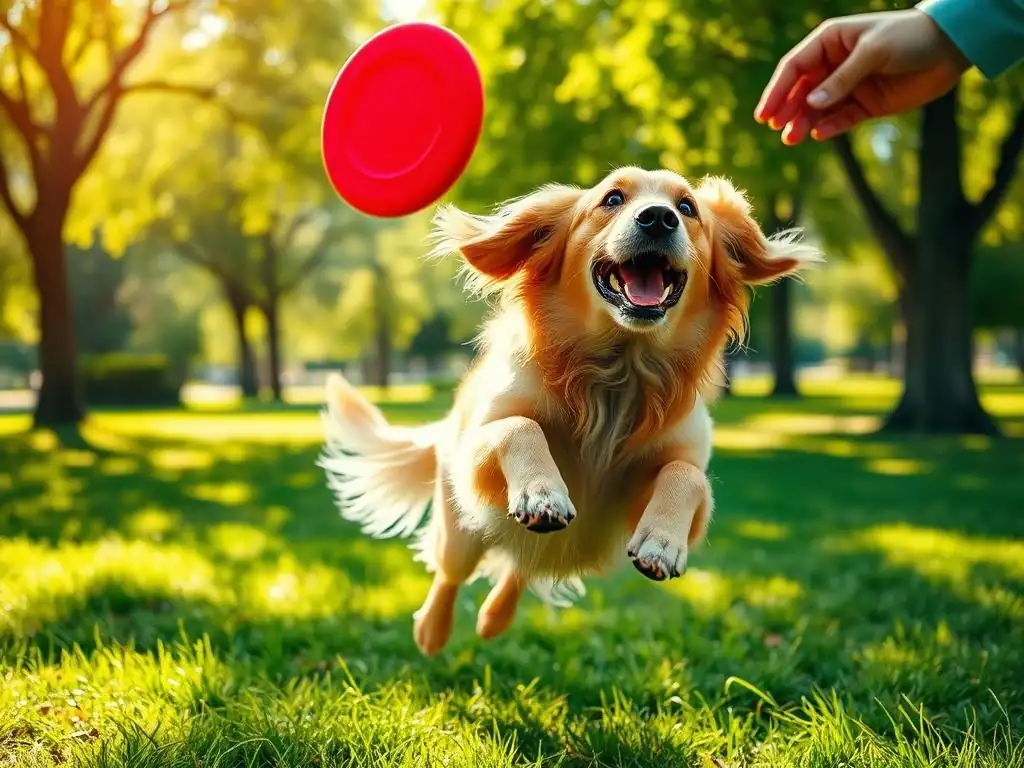
Welcome to PetCareWorld, your ultimate destination for expert pet care advice! Are you ready to unleash a whole new level of fun and connection with your canine companion? Our Dog Frisbee Training Guide will transform your backyard into a thrilling arena of canine athleticism and bonding. Discover the secrets to mastering this exciting sport and building an unbreakable bond with your dog – dive in and start your journey towards frisbee mastery today!
- Getting Started with Dog Frisbee: Choosing the Right Equipment
-
Dog Frisbee Training: A Step-by-Step Guide
- Introducing Your Dog to the Frisbee: Building Positive Associations
- Teaching the Fetch Command: Mastering Basic Retrieval Skills
- Developing Throwing Technique: Accuracy and Distance for Optimal Play
- Advanced Techniques: Mastering Jumps and Catches
- Troubleshooting Common Issues: Addressing Reluctance or Lack of Interest
- Building Your Dog's Frisbee Skills: Drills and Exercises
- Maintaining Your Dog's Health and Safety During Frisbee Play
- Competitive Canine Disc: Taking Your Skills to the Next Level
- Resources and Further Learning: Continuing Your Dog Frisbee Journey
- Frequently Asked Questions
- Final Reflection: The Unbreakable Bond Forged Through Flight
- Unleash the Fun: Start Your Canine Disc Adventure Today!
Getting Started with Dog Frisbee: Choosing the Right Equipment
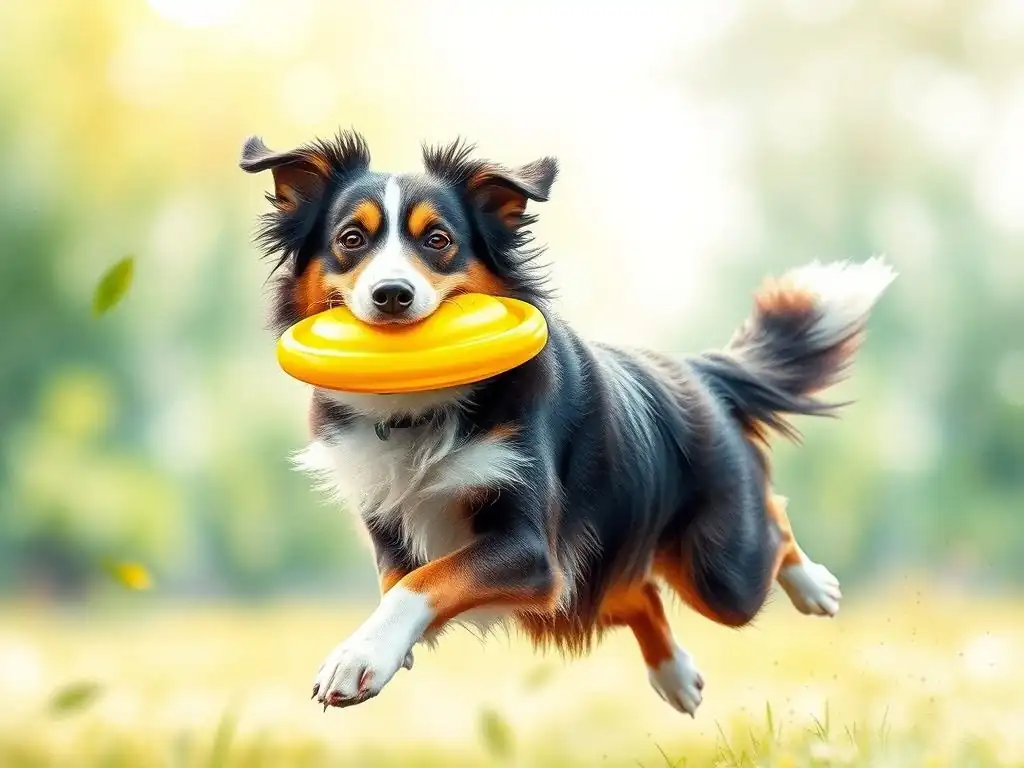
Embark on an exciting journey into the world of canine disc – a dynamic and rewarding sport that strengthens the bond between you and your canine companion! This ultimate guide provides a step-by-step approach to dog frisbee training, equipping you with the knowledge and techniques to safely and effectively introduce your dog to this exhilarating activity. From selecting the perfect frisbee to mastering essential safety precautions, we'll cover everything you need to know to transform your playtime into a thrilling competition, fostering a deeper connection with your furry friend while promoting their physical and mental well-being.
Whether you're a seasoned dog sport enthusiast or a curious beginner, this guide will empower you to navigate the world of dog frisbee with confidence and expertise. Prepare for hours of fun and unforgettable moments with your dog as you discover the joys of this increasingly popular canine sport.
Learning how to properly train your dog in frisbee will not only provide endless entertainment, but also improve their fitness, coordination, and overall happiness. Let's dive in and unleash the potential of your amazing canine athlete!
Selecting the Perfect Frisbee for Your Dog's Size and Breed
Choosing the right frisbee is paramount for a safe and enjoyable experience. The size and material of the frisbee should be carefully considered based on your dog's breed, size, and playing style. Larger breeds often benefit from larger, more durable frisbees, while smaller dogs may find smaller, lighter options more manageable. Consider the following factors:
- Dog's Size: Small breeds (e.g., Chihuahuas, Yorkshire Terriers) need smaller, lighter frisbees to avoid injury. Medium breeds (e.g., Beagles, Bulldogs) can handle a standard size. Large breeds (e.g., German Shepherds, Labrador Retrievers) need larger, more durable frisbees.
- Frisbee Material: Look for frisbees made from flexible, durable materials that can withstand repeated throws and impacts. Avoid hard plastic frisbees, as they can cause dental damage. Soft, flexible materials are generally safer and better for your dog's teeth.
- Frisbee Design: Some frisbees have raised edges or unique designs, which can affect how they fly and are caught. Experiment to find a design that works best for both you and your dog.
Consider these examples: A small Chihuahua might thrive with a lightweight, 6-inch frisbee made of soft rubber, while a powerful German Shepherd might prefer a 12-inch frisbee made of a durable, flexible plastic. Remember to always supervise your dog during frisbee play and replace the frisbee if it becomes damaged.
Essential Gear Beyond the Frisbee: Collars, Leashes, and More
While the frisbee is the star of the show, other essential gear contributes to a safe and successful training experience. Investing in high-quality equipment ensures your dog's comfort and safety, minimizing the risk of injuries.
- Collar and Leash: A well-fitting collar and a sturdy leash are crucial for controlling your dog, especially during training sessions. Avoid retractable leashes, as they can cause tangles and injuries. A flat collar or a harness is a better choice for frisbee training.
- Treats and Rewards: Positive reinforcement is key to successful dog frisbee training. Pack plenty of high-value treats to reward your dog for good behavior and successful catches.
- Water Bottle: Keep your dog hydrated, especially during long training sessions, by providing access to fresh water. Consider a portable water bottle that is easy to carry.
- First-Aid Kit: Always be prepared for minor injuries by carrying a basic first-aid kit that includes antiseptic wipes, bandages, and any medications your dog may require.
Remember, proper gear enhances safety and improves the overall training experience, making the process smoother and more enjoyable for both you and your dog. Prioritizing quality materials ensures longevity and reduces the risk of accidents.
Safety First: Choosing a Safe and Durable Frisbee
Safety should always be the top priority when engaging in dog frisbee. Selecting a safe and durable frisbee is crucial to preventing injuries to your dog's teeth, mouth, and body. Avoid frisbees made of hard plastic, which can easily damage your dog’s teeth. Consider these points:
- Material: Opt for frisbees made from soft, flexible materials such as rubber or a durable, flexible plastic. These materials are less likely to cause injury if your dog accidentally bites or chews on the frisbee.
- Size: Choose a frisbee that is appropriately sized for your dog's breed and size. A frisbee that is too large or too small can increase the risk of injury.
- Condition: Regularly inspect your frisbee for any signs of damage, such as cracks or tears. Replace the frisbee immediately if it shows any signs of wear and tear to prevent potential injuries.
- Supervision: Always supervise your dog during frisbee play to ensure they are playing safely and not engaging in any dangerous behaviors.
Remember, a safe and durable frisbee is an investment in your dog's well-being. By prioritizing safety, you contribute to a positive and injury-free frisbee experience, enabling you both to enjoy this fun activity for years to come. 🐶🏆
Dog Frisbee Training: A Step-by-Step Guide
This section delves into the practical aspects of teaching your canine companion the exciting sport of disc dog. We'll cover the crucial initial steps, progressing through essential training techniques to build a strong foundation for safe and enjoyable frisbee play. Remember, patience and positive reinforcement are key throughout this process. This guide will help you build a strong bond with your dog while mastering the art of dog frisbee.
Introducing Your Dog to the Frisbee: Building Positive Associations
Before even thinking about throws, it's vital to create a positive association with the frisbee itself. Many dogs initially view a flying disc as a strange, potentially intimidating object. Start by letting your dog sniff and explore the frisbee in a safe, comfortable environment. Let them lick it, nudge it, and get used to its texture and smell. Pair the frisbee with positive reinforcement – high-value treats, praise, and gentle petting. This initial positive interaction is crucial for building confidence and preventing fear or anxiety.
Consider using a soft, lightweight frisbee designed specifically for dogs during this introductory phase. Avoid using hard plastic frisbees initially, as these can potentially cause injury if your dog accidentally steps on or bumps into them.
The goal here is simple: make the frisbee a fun and desirable object. Spend several sessions, perhaps even days, just letting your dog interact with the frisbee in a relaxed manner before moving on to the next stage. Short, frequent sessions are much more effective than long, tiring ones. Remember, building trust and a positive association is paramount before progressing to more active training.
Teaching the Fetch Command: Mastering Basic Retrieval Skills
Once your dog is comfortable with the frisbee, it's time to work on fetch. This is the cornerstone of successful frisbee training. Begin by holding the frisbee close to the ground, letting your dog sniff it. Then, gently toss it a short distance—just a few feet—while simultaneously saying "Fetch!" Reward your dog immediately upon retrieval with enthusiastic praise and a treat.
Gradually increase the distance of your throws as your dog's skills improve. If your dog hesitates or shows any signs of confusion, shorten the distance and repeat the process. Consistency and positive reinforcement are crucial. Some dogs may require more repetitions than others to master this skill. Don't get discouraged; celebrate even the smallest successes.
It's important to use a variety of throwing techniques during this phase to ensure that your dog can retrieve the frisbee from different angles and distances. This will prepare them for the more complex throws they'll encounter in frisbee competitions. This stage also helps build your dog's stamina and coordination. Always finish the training session on a positive note, even if your dog didn't master all aspects of the training that day.
Developing Throwing Technique: Accuracy and Distance for Optimal Play
With your dog proficient at fetching, it's time to refine your throwing technique to optimize play and prevent injury. The goal is to achieve smooth, accurate throws that allow your dog to catch the frisbee comfortably. Avoid high, arcing throws, which can be difficult for dogs to track and may lead to collisions. Instead, focus on low, flat throws that maintain a consistent trajectory.
Practice different throwing styles—backhand, forehand, and even sidearm—to develop versatility. This will help your dog learn to anticipate the frisbee's flight path from various angles. Observe your dog's catching style and adjust your throws accordingly. Some dogs prefer to catch the frisbee in mid-air, while others are more comfortable snatching it off the ground.
Consider taking a dog frisbee class or watching instructional videos online to further refine your throwing technique. Proper form is essential not only for your dog's safety but also for maximizing the enjoyment of the game. Remember, safe and consistent throwing is key to a long and happy relationship with your canine frisbee partner. This phase requires patience and practice; consistent training will yield significant improvements in both your throwing skills and your dog's catching abilities.
Advanced Techniques: Mastering Jumps and Catches
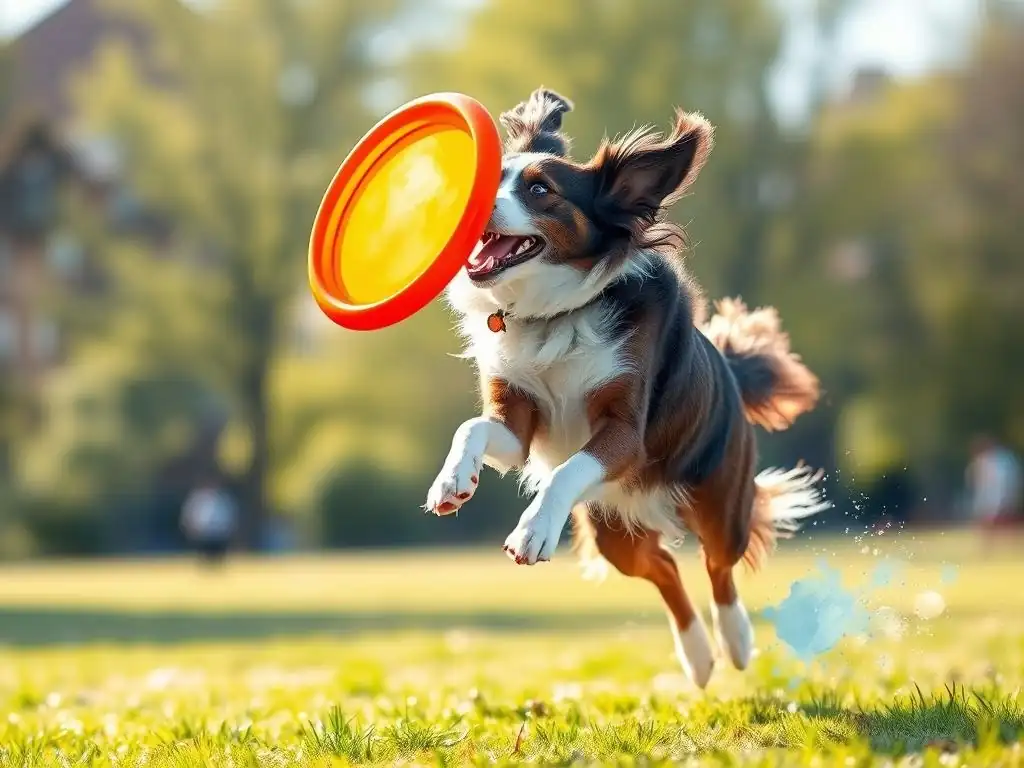
Once your dog has mastered the basic throws and catches, you can start introducing more advanced techniques to elevate your frisbee game. This involves teaching your dog to jump for the disc, increasing the challenge and excitement. Start by practicing near a low obstacle, like a small bench or a low wall. Toss the frisbee over the obstacle, encouraging your dog to jump to catch it.
Reward generously with praise and treats, focusing on positive reinforcement. Gradually increase the height of the obstacle, always ensuring your dog's safety and comfort. Remember to start with shorter distances and gradually increase the range as their jumping skills improve.
Another crucial aspect of advanced training is teaching precise catches. Instead of simply catching the frisbee, aim for controlled catches where your dog catches the frisbee cleanly, without fumbling or dropping it. This requires practice and patience. Use slow, controlled throws initially, focusing on precision rather than distance.
Gradually increase the speed and distance of your throws as your dog's catching accuracy improves. Practice different types of throws, including sidearm and overhand throws, to enhance their ability to adapt to various frisbee trajectories. Introduce variations in the frisbee's flight path to challenge your dog further and improve their reaction time. Remember to always prioritize safety; if your dog is struggling, reduce the difficulty and focus on building their confidence.
Regular practice and consistent positive reinforcement are key to mastering these advanced techniques. A well-trained dog will exhibit improved accuracy, agility, and coordination during the catches, enhancing the overall frisbee experience for both you and your canine companion. Remember to adjust the training intensity based on your dog's breed, age, and physical capabilities. Some breeds naturally excel in agility and jumping, while others may require more patience and tailored training methods.
Troubleshooting Common Issues: Addressing Reluctance or Lack of Interest
Not all dogs will immediately embrace frisbee. Some might show reluctance or lack of interest, and understanding the underlying reasons is crucial for successful training. A common cause is fear or anxiety. If your dog seems hesitant to approach the frisbee, start with very short distances and gentle tosses. Make the experience positive by associating the frisbee with rewards and praise. Never force your dog to interact with the frisbee; instead, create a positive and encouraging environment. Use high-value treats and enthusiastic praise to associate the frisbee with something enjoyable.
Another potential issue is a lack of motivation. If your dog doesn't seem engaged, consider using more enticing rewards, such as their favorite toys or treats. Make the training sessions short and fun, avoiding prolonged or frustrating sessions that could demotivate your dog. Vary the training location and incorporate other games to keep your dog interested and engaged.
Consider introducing a playmate to increase their excitement and competitiveness. Remember that every dog learns at its own pace, and patience is key. If your dog consistently shows disinterest, consult a professional dog trainer to rule out any underlying behavioral issues or health problems.
They can provide tailored guidance and address any specific concerns, ensuring a safe and effective training process. Remember, a positive and encouraging approach is paramount to overcoming any training challenges and fostering a strong bond between you and your dog. Early intervention and consistent positive reinforcement are crucial for building confidence and ensuring a successful and enjoyable frisbee experience.
Building Your Dog's Frisbee Skills: Drills and Exercises
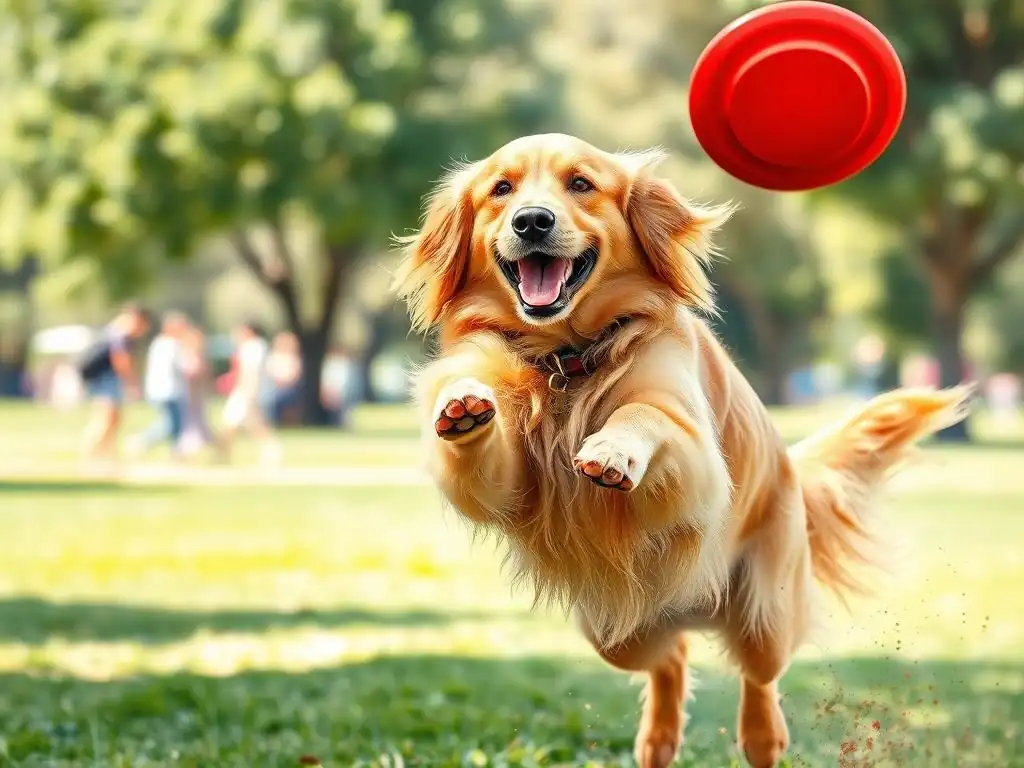
This section details practical drills and exercises to build your canine companion's frisbee skills, transforming them from a curious pup to a frisbee-catching champion. Remember, patience and positive reinforcement are key throughout the training process. Consistency is crucial for optimal results in your dog frisbee training guide.
Short, Frequent Training Sessions: Maintaining Your Dog's Focus
Short, frequent training sessions are significantly more effective than long, infrequent ones, especially when working with dogs. A tired or bored dog will lose focus quickly, hindering progress. Aim for sessions lasting 10-15 minutes, 2-3 times a day. This approach maintains your dog's enthusiasm and prevents burnout. Think of it as "quality over quantity."
Frequent, shorter sessions also help you better gauge your dog's energy levels and adjust the intensity accordingly. For example, a high-energy Border Collie might tolerate longer sessions than a more laid-back Greyhound. Always end on a positive note, with a successful catch or a favorite game, leaving your dog wanting more. This positive reinforcement is a cornerstone of any successful dog frisbee training guide.
Enhancing Throwing Accuracy: Developing Your Dog's Catching Skills
Accurate throws are essential for successful frisbee catching. Initially, focus on short, easy throws directly in front of your dog. As their catching skills improve, gradually increase the distance and introduce slight variations in the throw trajectory—a little higher, a little lower, a little to the side. This helps your dog develop their spatial awareness and tracking abilities.
Use a variety of throws: underhand, overhand, and sidearm, to prepare your dog for different frisbee flight paths. You can also use target practice by placing a target (a cone, for instance) at different distances and aiming for it with your throws. This helps refine your throwing technique and makes the game more engaging for your canine partner. Remember, precise throws are crucial in making your dog frisbee training guide effective.
Distance Training: Gradual Progression for Long Throws
Don't rush the distance training! Start with very short throws, gradually increasing the distance only when your dog consistently catches the frisbee at the shorter distances. Jumping to long throws too early can lead to frustration and discouragement for both you and your dog. A good rule of thumb is to increase the distance by only a few feet at a time. Monitor your dog's body language closely. If they seem hesitant or unsure, decrease the distance and focus on perfecting their catches at that range before progressing further. Consider using a smaller, lighter frisbee for longer throws to reduce the impact and make it easier for your dog to catch. This gradual approach ensures a positive learning experience and helps build your dog's confidence, making your dog frisbee training guide a success. Remember, celebrating every successful catch, no matter how small the distance, is vital for positive reinforcement. 🐶🏆
Advanced Tricks and Maneuvers: Adding Excitement and Challenge
Once your dog has mastered the basics of catching the frisbee, it's time to introduce some more advanced tricks and maneuvers. This not only keeps training fun and engaging for both you and your canine companion but also strengthens their understanding of the game and improves their overall athleticism. Remember to always prioritize safety and gradually introduce new challenges to avoid overwhelming or frustrating your dog. Positive reinforcement remains crucial throughout this stage.
One exciting maneuver to teach is the "around-the-world" catch. This involves throwing the frisbee in a wider arc, encouraging your dog to run around you before making the catch. Start with shorter arcs and gradually increase the distance as your dog gains confidence. Reward every attempt, even if the catch isn't perfect, focusing on rewarding effort and the desired behavior. This trick requires excellent coordination and builds impressive agility. Be patient; it might take several sessions before your dog masters this.
Another advanced technique is teaching your dog to catch the frisbee in mid-air with a specific body position, such as sitting or lying down. This requires precise timing and a strong understanding of the frisbee's trajectory. Start with simple variations – throwing the frisbee at a lower height to encourage a sitting catch, for example. Use hand signals or verbal cues to indicate the desired position. Positive reinforcement, including high-value treats and praise, is essential for success here. This exercise not only enhances your dog's understanding of commands but also boosts their focus and concentration.
Consider teaching your dog to fetch the frisbee from the water. This requires a comfortable dog around water and a safe, controlled environment. Start with short throws close to the shore, gradually increasing the distance as your dog gains confidence. Always supervise closely and ensure your dog has a safe way to exit the water. This is a more advanced and potentially risky trick, so only attempt it if your dog enjoys swimming and is comfortable in the water. Remember to use a bright, easily visible frisbee for better visibility in the water.
Finally, you can introduce distance catching. This involves increasing the distance of your throws progressively, challenging your dog to run faster and further to make the catch. Start with small increments and always ensure your dog is comfortable with the distance before increasing it further. This builds stamina and endurance, making your dog a truly impressive frisbee athlete. Remember to always end the session on a positive note, regardless of the level of success. A tired but happy dog is a sign of a successful training session. This exercise will significantly improve your dog’s speed and endurance.
Maintaining Your Dog's Health and Safety During Frisbee Play
Playing frisbee with your dog is a fantastic way to bond and provide enriching exercise, but it's crucial to prioritize their health and safety. This section focuses on preventative measures and recognizing potential problems to ensure your canine companion enjoys this activity for years to come. Remember, responsible frisbee play is about more than just catching the disc; it's about building a strong and healthy relationship with your furry friend.
Recognizing Signs of Overexertion: Avoiding Injuries
Overexertion is a serious concern during any strenuous activity, and frisbee is no exception. Knowing the signs of your dog pushing their limits is vital for preventing injuries. Look out for these key indicators:
- Excessive panting: While panting is normal after exercise, excessive panting that continues long after the activity has stopped could signal overexertion. This is particularly true if accompanied by other symptoms.
- Lethargy and Weakness: A sudden drop in energy levels, reluctance to move, or trembling could indicate your dog needs a break. They might be showing signs of exhaustion or heatstroke.
- Limping or Stiffness: Pain in the joints or muscles after frisbee play is a clear sign of potential injury. Limping, stiffness, or reluctance to put weight on a leg requires immediate attention.
- Vomiting or Diarrhea: These are serious symptoms that can indicate serious underlying issues, potentially linked to overexertion or heatstroke. Seek veterinary attention immediately.
- Changes in Behavior: Unusual behavior such as whimpering, irritability, or hiding could point to discomfort or pain.
Remember, a tired dog is a good dog! It's better to err on the side of caution and end the session early than risk injury. Regularly assess your dog's physical condition during and after frisbee sessions. If you notice any of these signs, stop the game and let your dog rest. Consider consulting a veterinarian if symptoms persist. Prevention is key in responsible dog frisbee training. 🐕
Hydration and Rest: Essential Considerations for Dog Athletes
Just like human athletes, canine athletes need proper hydration and rest to perform optimally and avoid injury. Dehydration can lead to heatstroke, muscle cramps, and reduced performance. Providing adequate water before, during, and after frisbee sessions is paramount.
- Before Play: Offer your dog fresh water 30-60 minutes before starting a frisbee session.
- During Play: For longer sessions, especially in hot weather, provide short water breaks every 15-20 minutes. Consider carrying a portable water bowl.
- After Play: Ensure your dog has access to plenty of fresh water to rehydrate after the game.
Rest is equally important. Avoid playing frisbee for extended periods, especially in hot weather. Schedule short, frequent sessions instead of one long, tiring session. Allow your dog ample time to rest between throws to prevent overexertion and injuries. A tired dog is more susceptible to injury. Remember, a well-rested dog is a happy and healthy dog! 🐶
Proper Warm-up and Cool-down Routines: Preventing Muscle Strain
Proper warm-up and cool-down routines are crucial for preventing muscle strains and injuries. These routines prepare your dog's body for the activity and help it recover afterward.
- Warm-up (5-10 minutes): Start with a gentle walk to increase blood flow. Then, incorporate some light exercises like slow jogging, stretching (gentle neck and leg stretches), and a few easy retrieves. This prepares the muscles for more strenuous activity.
- Cool-down (5-10 minutes): After frisbee, allow your dog to walk slowly for a few minutes. Gentle stretching can also be beneficial. Avoid sudden stops or intense activity immediately after the game. This gradual decrease in intensity helps prevent muscle soreness and stiffness.
A well-structured warm-up and cool-down routine will significantly minimize the risk of muscle injuries and maximize your dog's performance. Remember, consistency is key. By incorporating these routines into your regular dog frisbee training, you are investing in your dog's long-term health and well-being. This is a vital aspect of your dog frisbee training guide. 🦴
Veterinary Check-ups: Ensuring Your Dog's Fitness
Before embarking on any rigorous activity with your canine companion, a thorough veterinary check-up is paramount. This isn't just about ensuring your dog is healthy enough for frisbee; it's about proactively protecting their well-being. A comprehensive examination allows your veterinarian to assess your dog's overall health, identifying any pre-existing conditions that could be exacerbated by strenuous exercise. This might include things like hip dysplasia, heart conditions, or even underlying respiratory issues. These conditions, while perhaps manageable under normal circumstances, could be significantly worsened by the intense physical demands of frisbee.
The vet will conduct a physical examination, checking your dog's weight, muscle mass, and joint mobility. They will also likely listen to your dog's heart and lungs, assessing their respiratory and cardiovascular health. Depending on your dog's breed, age, and history, additional tests might be recommended. Blood work can reveal underlying health problems that might not be immediately apparent during a physical exam. Similarly, X-rays can help detect skeletal issues like dysplasia or arthritis, which are particularly relevant for frisbee, a sport that puts significant stress on joints.
Furthermore, your veterinarian can provide tailored advice on appropriate exercise levels for your dog. They can help you determine the ideal duration and intensity of frisbee sessions, considering factors like your dog's breed, age, fitness level, and any pre-existing conditions. They might recommend a gradual increase in activity levels to avoid overexertion and injury. Remember, prevention is key. A proactive approach to your dog's health can significantly reduce the risk of injury and ensure many years of happy frisbee playing together.
Don't hesitate to discuss your training plan with your vet; they are your best resource for ensuring your dog's safety and well-being during frisbee training and beyond. This proactive approach is crucial for responsible dog frisbee training, ensuring the longevity of your dog's health and your shared enjoyment of this exciting sport. Ignoring this step could jeopardize your dog's health and potentially lead to serious injuries. 🐶
Competitive Canine Disc: Taking Your Skills to the Next Level
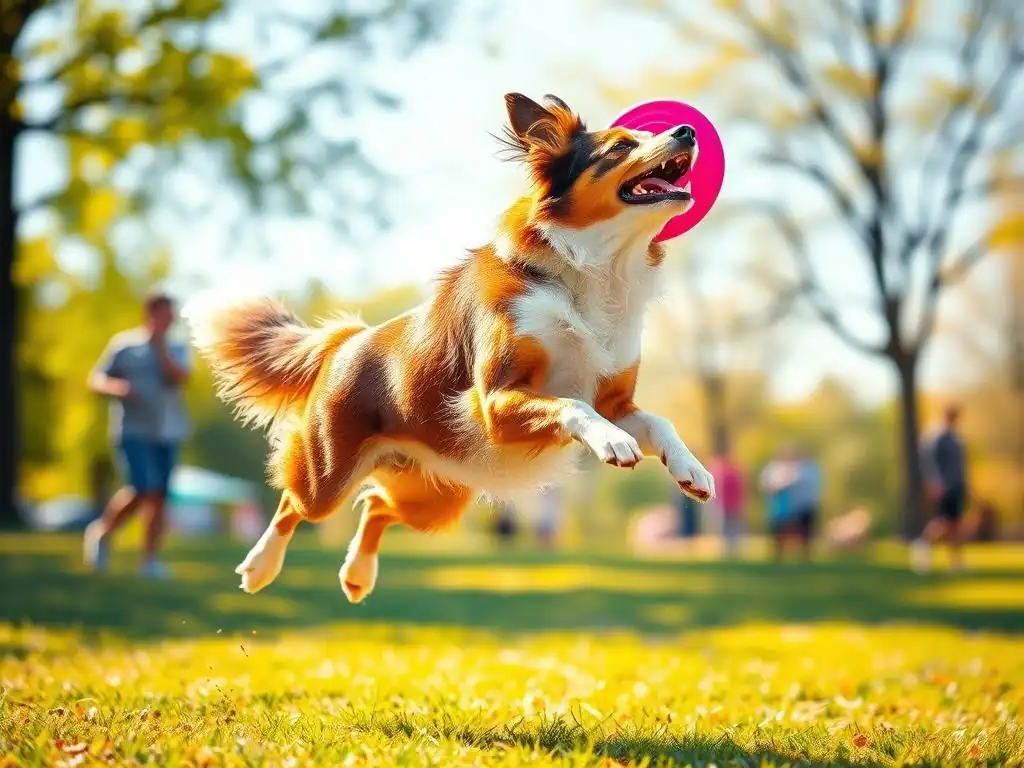
This section delves into the exciting world of competitive canine disc, transforming your fun frisbee sessions into a thrilling sport for you and your canine companion. It's more than just casual play; it's about precision, teamwork, and pushing your dog's athletic abilities to their peak. This guide will help you navigate the world of competitive canine disc, from understanding the rules to finding local clubs and mastering advanced training techniques.
Remember, safety and your dog's well-being should always be prioritized. Pushing your dog too hard can lead to injury, so always listen to your dog and take breaks when needed. This isn't just about winning; it's about building a stronger bond with your furry friend through shared athletic achievement.
Understanding Canine Disc Competitions: Rules and Regulations
Canine disc competitions, while seemingly simple at first glance, follow specific rules and regulations to ensure fairness and safety for all participants. These rules vary slightly depending on the organization hosting the event, but common elements include:
- Distance events: These events focus on the distance your dog can successfully catch the disc after a throw. Accuracy and distance are both key factors in scoring.
- Accuracy events: These events emphasize precision, with points awarded based on how accurately your dog catches the disc in designated areas or targets.
- Freestyle events: This is where the artistry comes in. Teams perform choreographed routines showcasing their athleticism, teamwork, and the bond between dog and handler. Judges score based on factors such as difficulty, execution, and overall presentation. Think of it as the synchronized swimming of the canine disc world! 🤸♀️
The scoring system often involves points awarded for successful catches, distance, accuracy, and style (in freestyle events). Penalties might be applied for dropped discs, unsafe handling, or rule infractions. Before participating in any competition, thoroughly review the specific rules and regulations of the organizing body. Understanding the rules is crucial for a smooth and successful competition experience. Familiarize yourself with the scoring system to effectively track your progress and identify areas for improvement. Consider recording your training sessions to analyze your performance and identify areas needing refinement.
Finding Local Canine Disc Clubs and Events: Connecting with Other Enthusiasts
Joining a local canine disc club offers invaluable benefits. Beyond the obvious competitive opportunities, clubs provide a supportive community of like-minded individuals, fostering camaraderie and shared learning. These clubs often organize regular training sessions, workshops, and friendly competitions, creating a fantastic environment for both you and your dog to grow and improve. The social aspect is a huge plus – you'll meet fellow dog lovers, share tips and tricks, and build lasting friendships.
Finding these clubs is easier than you think! A simple online search for "canine disc clubs near me" or "dog frisbee clubs [your city/region]" should yield promising results. Many clubs also maintain active social media pages, offering updates on events, training sessions, and club activities. Don't hesitate to reach out to these clubs – most are welcoming to newcomers and eager to share their passion for the sport. Participating in local events, even informal ones, is a great way to gauge your dog's skills, learn from experienced handlers, and build confidence before venturing into larger competitions.
Preparing for Competition: Training Strategies and Techniques
Preparing for canine disc competitions requires a structured training approach focusing on both your dog's physical and mental capabilities. This isn't just about throwing the disc; it's about building a strong understanding and seamless teamwork between you and your dog. Consider these key aspects:
- Building stamina: Competitive canine disc demands significant physical endurance from your dog. Gradually increase the duration and intensity of your training sessions to build their stamina. Remember to incorporate rest days to prevent injuries.
- Improving handling skills: Your handling techniques directly impact your dog's performance. Practice precise throws, mastering various techniques to suit different situations and distances.
- Developing catching skills: Your dog's ability to catch the disc accurately and reliably is paramount. Use various drills to improve their catching technique, including different throws and distances.
- Strengthening the bond: A strong bond between you and your dog is the cornerstone of success in competitive canine disc. Spend time playing and training together, building trust and communication. Positive reinforcement is key! 🎉
Remember to always prioritize your dog's well-being. Listen to your dog's cues and avoid pushing them beyond their limits. Consistent training, patience, and a positive attitude will pave the way for both you and your canine partner to excel in competitive canine disc. Regular veterinary check-ups are also essential to ensure your dog is in optimal health and condition for training and competition.
The Thrill of Competition: Benefits and Rewards of Canine Disc
Participating in competitive canine disc offers a multitude of benefits for both dog and handler. Beyond the sheer joy of the sport, it fosters a deep bond between you and your canine companion, strengthening your relationship through shared challenges and triumphs. The rigorous training involved builds trust, communication, and mutual understanding, transforming your dog from a pet into a highly skilled athletic partner. This intense connection extends beyond the playing field, enriching your everyday life together.
The competitive environment presents a unique opportunity for both physical and mental stimulation for your dog. The intense bursts of activity during a competition provide excellent cardiovascular exercise, keeping your dog fit and healthy. Furthermore, the complex maneuvers and strategic thinking required in canine disc challenge your dog's cognitive abilities, preventing boredom and promoting mental agility. A well-trained competitive disc dog is a happy, engaged dog, less likely to exhibit behavioral problems stemming from under-stimulation.
Moreover, competitive canine disc provides a social outlet for both you and your dog. You'll meet fellow enthusiasts, share tips and techniques, and build a supportive community around your shared passion. This social interaction can be incredibly rewarding, especially if you're new to the sport or seeking a social environment for your dog. Witnessing your dog's progress and celebrating successes with others creates a sense of camaraderie and shared accomplishment that enhances the overall experience.
Finally, the rewards extend beyond the personal fulfillment. Success in competitive canine disc can bring recognition and accolades. The pride of achieving a high ranking or winning a competition is immensely satisfying, and the opportunity to showcase your dog's talent is a rewarding experience in itself. The dedication and hard work invested in training pays off not just in athletic achievement, but also in the unbreakable bond forged between you and your four-legged friend. This journey of shared growth and accomplishment is the true essence of competitive canine disc.
Resources and Further Learning: Continuing Your Dog Frisbee Journey
This section provides valuable resources to help you and your canine companion continue your exciting journey into the world of canine disc. Mastering this dynamic sport requires dedication, practice, and consistent learning. The information below will guide you toward expanding your knowledge and skills, ultimately strengthening the bond with your furry friend while enjoying this exhilarating activity. Remember, safety and proper training techniques are paramount throughout your dog frisbee training journey.
Recommended Books and Online Resources: Expanding Your Knowledge
Beyond this comprehensive Dog frisbee training guide, numerous resources exist to deepen your understanding of canine disc. Several books offer detailed training plans, advanced techniques, and insightful advice from experienced handlers. For instance, [Book Title Pending] provides a step-by-step approach, perfect for beginners, while [Book Title Pending] delves into more advanced throws and catches, ideal for intermediate and expert players.
Online resources are equally valuable. Many websites and forums are dedicated to canine disc, offering articles, videos, and discussions on various aspects of the sport. Look for websites and blogs maintained by certified instructors or experienced competitors; these sources often provide accurate, up-to-date information and helpful tips. Remember to critically evaluate the information you find online, ensuring it aligns with safe and ethical training practices. Consider the source's credibility and look for evidence-based information.
Furthermore, online video platforms are treasure troves of instructional videos. Search for videos demonstrating proper throwing techniques, different catch styles, and common training exercises. Observing experienced handlers in action can significantly improve your understanding and refine your own skills. Remember to focus on videos that emphasize positive reinforcement methods and prioritize the dog's well-being.
Connecting with Canine Disc Communities: Sharing Experiences and Advice
Joining a canine disc community is invaluable for learning, sharing experiences, and receiving support. Connecting with other enthusiasts provides opportunities to learn from their successes and challenges, fostering a sense of camaraderie and mutual support. The exchange of knowledge and advice within a community can accelerate your progress and enrich your overall experience.
Look for local canine disc clubs or groups in your area. These groups often organize regular training sessions, friendly competitions, and social events. Participating in these activities provides a fantastic platform to network with other enthusiasts, learn from experienced handlers, and gain valuable feedback on your technique.
The social aspect of these groups is equally important, helping to build a supportive network and fostering a love for the sport. Don't underestimate the power of shared experiences and the learning that comes from observing others. The camaraderie and mutual support within these communities are invaluable assets in your dog frisbee training journey.
Finding a Qualified Canine Disc Instructor: Personalized Guidance and Support
Investing in personalized guidance from a qualified canine disc instructor can significantly accelerate your progress and ensure you're using safe and effective training methods. A skilled instructor provides tailored instruction, addressing your specific needs and challenges. They can assess your dog's abilities, identify areas for improvement, and offer constructive feedback. This personalized approach ensures both you and your dog develop proper techniques, minimizing the risk of injury and maximizing enjoyment.
When searching for an instructor, prioritize those with certifications and experience in canine disc. Look for instructors who emphasize positive reinforcement training methods and prioritize the well-being of the dog. A good instructor will create a safe and fun learning environment, fostering a strong bond between you and your canine companion. Inquire about their training philosophy, their experience, and their success rate.
Check testimonials and reviews from previous clients to gauge their effectiveness and teaching style. Remember, investing in a qualified instructor is an investment in the long-term success and enjoyment of your canine disc journey. A good instructor will not only teach you the techniques but also instill in you a deep understanding of canine behavior and training principles. This holistic approach will benefit both you and your dog for years to come.
Frequently Asked Questions
What is the best age to start frisbee training with my dog?
Ideally, start between 6 months and 1 year old, once your dog has mastered basic obedience. Puppies younger than this may lack the necessary coordination and physical maturity. Always prioritize safety and avoid overexertion.
What kind of frisbee is best for dog frisbee?
Avoid hard plastic frisbees. Look for flexible, lightweight frisbees specifically designed for dogs, often made of soft rubber or pliable plastic. This minimizes the risk of injury to your dog's teeth and mouth.
How do I teach my dog to catch a frisbee?
Start with short, easy throws close to your dog. Reward enthusiastic approaches and successful catches with positive reinforcement, such as treats and praise. Gradually increase the distance and complexity of the throws.
What if my dog is afraid of the frisbee?
Introduce the frisbee slowly and positively. Let your dog sniff and investigate it before you even try to throw it. Use high-value treats and positive associations to overcome any fear. Never force your dog.
How can I prevent injuries during frisbee training?
Always choose a safe, open area free of obstacles. Start with short training sessions and gradually increase the duration. Watch for signs of fatigue or discomfort in your dog. Never throw the frisbee too hard initially.
Final Reflection: The Unbreakable Bond Forged Through Flight
The joy of a perfectly thrown frisbee, the ecstatic leap of your canine companion, the shared moment of connection – these are not just fleeting instances of fun; they are the building blocks of a deeper, more meaningful relationship. The seemingly simple act of playing frisbee with your dog transcends mere recreation; it's a powerful tool for strengthening your bond, improving their physical and mental well-being, and creating lasting memories.
Witnessing the unwavering focus in my dog's eyes as he tracks the disc through the air, the pure exhilaration in his bounding gait as he catches it, and the quiet contentment he displays afterward – these moments are priceless. They underscore the profound connection between humans and animals, a connection that transcends words. The bond between a dog and his human is one of the purest and most unconditional loves in the world.
This simple truth is amplified tenfold through shared activities like frisbee, creating a language understood through shared joy and mutual respect.
Now, consider what this means for you and your furry friend. Go beyond the simple act of throwing a disc; see it as an opportunity to nurture your bond, to build trust, and to create a lifetime of cherished memories. Embrace the challenge, celebrate the successes, and cherish the moments of shared joy. The journey of learning and playing together is just as rewarding as the perfect catch. So grab your frisbee, head to the park, and let the games begin!
Unleash the Fun: Start Your Canine Disc Adventure Today!
Thanks for exploring the world of canine disc with us! We hope you've gained valuable insights into this exciting and rewarding activity for you and your dog. Ready to get started?
- **Grab your frisbee and head to the park! ** Practice throws and catches—your dog will love the bonding time and exercise. Remember to start slowly and focus on building a strong connection with your canine companion.
- **Share your canine disc journey! ** Tell us about your dog's favorite tricks or funniest moments on social media using #CanineDiscFun.
- **Consider joining a local canine disc club or group. ** Connect with others who share your passion and learn new techniques together. It's a great way to build camaraderie and exchange tips!
What amazing catches will you and your dog make today? Let us know in the comments!