
The Impact of Indoor Heating on Your Dog's Health This Winter


Welcome to PetCareWorld, your ultimate guide to a happier, healthier life for your beloved companion! Are you prepared for the challenges winter brings to your canine friend? Discover crucial insights into dog health indoor heating winter and learn how to ensure your furry pal stays warm, comfortable, and safe throughout the coldest months. Dive in and unlock the secrets to a worry-free winter for your dog – your journey to expert pet care starts now!
- Understanding the Effects of Indoor Heating on Canine Health
- Maintaining Your Dog's Health in a Heated Environment
- Protecting Paws from Dry Indoor Heat
- Dietary Adjustments for Winter Indoor Living
- Recognizing Symptoms of Heat Stress in Dogs (Even Indoors!)
- Creating a Comfortable Indoor Environment for Your Dog This Winter
-
Frequently Asked Questions
- How does indoor heating affect my dog's health in winter?
- What are the signs of dry skin in dogs due to indoor heating?
- How can I maintain the right humidity level for my dog during winter?
- Should I keep my dog's indoor temperature higher than usual in winter?
- My dog seems lethargic despite indoor heating. What could be the cause?
- Final Reflection: The Silent Threat of Winter's Warmth
- Ready to Keep Your Furry Friend Warm & Healthy This Winter?
Understanding the Effects of Indoor Heating on Canine Health
Winter's chill often leads pet owners to crank up the indoor heating, creating a cozy environment for the family. However, while we appreciate the warmth, our canine companions may experience several health issues due to the changes in their indoor environment. This article explores the often-overlooked impact of indoor heating on your dog's health this winter, focusing on common problems like dry skin, dehydration, and respiratory issues.
Understanding these potential problems allows pet owners to proactively mitigate risks and ensure their furry friends stay happy and healthy throughout the colder months. We'll delve into practical solutions and preventative measures to help you navigate the winter season with your dog, providing a comprehensive guide to maintain their well-being even in artificially heated homes. This is crucial for responsible pet ownership and contributes to a longer, healthier life for your beloved canine companion.
Remember, a healthy dog is a happy dog, and understanding the subtle effects of indoor heating is a significant step in ensuring their optimal health this winter. Let's explore the specific challenges posed by indoor heating and how to best address them.
Dry Skin and Itchiness in Dogs During Winter
The dry air produced by indoor heating systems is a significant contributor to dry, itchy skin in dogs. Reduced humidity strips the skin of its natural oils, leading to discomfort and potential skin conditions. Symptoms can range from mild flaking to severe itching, scratching, and even hot spots. This is particularly prevalent in breeds with shorter coats or sensitive skin.
Maintaining adequate humidity levels in your home is crucial. You can use a humidifier to add moisture to the air, improving your dog's skin hydration and reducing the likelihood of irritation. Furthermore, regular brushing helps to distribute natural oils and remove dead skin cells, further alleviating dryness. Providing your dog with a healthy, balanced diet rich in omega-3 fatty acids can also contribute to healthier skin and coat.
Remember to consult your veterinarian if your dog's skin condition worsens or shows signs of infection. They can recommend appropriate treatments and rule out any underlying health issues. 🐕🦺
Increased Risk of Dehydration in Heated Homes
Warmer indoor temperatures can lead to increased water evaporation from your dog's body, increasing their risk of dehydration. Dogs, like humans, need to stay properly hydrated, especially during the winter months. The reduced humidity in heated homes exacerbates this issue, making it even more crucial to monitor your dog's water intake. Ensure your dog always has access to fresh, clean water. Consider offering multiple water bowls in different locations throughout your home.
You can also add a small amount of low-sodium broth to their water to encourage them to drink more. Observe your dog's urine – dark-colored urine is a clear sign of dehydration. If you notice any signs of dehydration, such as lethargy, dry gums, or sunken eyes, contact your veterinarian immediately. Providing sufficient water is a simple yet critical step in maintaining your dog’s health during winter. 💧
Dry air, a common byproduct of indoor heating, can irritate your dog's respiratory system, potentially exacerbating existing conditions or triggering new ones. Dogs with allergies or pre-existing respiratory problems, such as bronchitis or asthma, are particularly vulnerable. The dry air can lead to coughing, sneezing, and difficulty breathing. Maintaining adequate humidity levels in your home is vital in preventing these issues. Using a humidifier helps to add moisture to the air, making it less irritating to your dog's respiratory system.
Regularly cleaning your home and avoiding exposure to irritants such as dust, smoke, and strong cleaning chemicals can also help reduce respiratory problems. If your dog exhibits persistent coughing, difficulty breathing, or other respiratory symptoms, schedule a visit with your veterinarian for proper diagnosis and treatment. Prioritizing clean air and appropriate humidity levels can significantly reduce the risk of respiratory problems during the winter months. 🤧
Maintaining Your Dog's Health in a Heated Environment

Maintaining your canine companion's well-being during winter's chill, especially in heated indoor environments, requires a proactive approach. While indoor heating offers protection from harsh weather, it can also present challenges to your dog's health if not managed correctly. This section focuses on key strategies to ensure your dog stays healthy and comfortable throughout the winter months.
Understanding the potential impacts of indoor heating on your dog's health, such as dehydration and dry skin, is crucial for responsible pet ownership. We'll explore practical solutions to mitigate these risks and maintain optimal canine health. The keyword "Dog health indoor heating winter" is central to this discussion, highlighting the importance of proactive care during this season.
Optimizing Indoor Humidity for Canine Comfort
Dry air, a common byproduct of indoor heating, can significantly impact your dog's health. Low humidity levels can lead to dry skin, itching, and even cracked paw pads – all sources of discomfort for your furry friend. Maintaining optimal humidity levels is therefore crucial for preventing these issues. A good target range is between 30% and 50% relative humidity. You can monitor humidity levels using a hygrometer, readily available at most home improvement stores.
Several methods can help you boost humidity. Using a humidifier, especially in rooms where your dog spends the most time, is a highly effective approach. Alternatively, placing bowls of water around the house can increase ambient moisture. Consider adding houseplants; they naturally release moisture into the air through transpiration.
Regularly cleaning and changing the water in humidifiers and bowls is critical to prevent the growth of mold and bacteria, ensuring your dog's safety. Remember, consistently monitoring the humidity levels is key to maintaining your dog's comfort and preventing dry skin problems. The key here is to strike a balance; excessively high humidity can also lead to other issues.
Providing Ample Fresh Water for Hydration
Indoor heating can lead to increased evaporation, causing your dog to become dehydrated more quickly than in cooler, more humid environments. Dehydration can manifest in various ways, from lethargy and decreased appetite to more serious health complications. Ensuring your dog has constant access to fresh, clean water is paramount. This means providing multiple water bowls strategically placed throughout your home, particularly near their sleeping and playing areas.
Consider using larger capacity bowls to minimize the frequency of refills. You can also explore automatic water fountains, which provide a constant supply of fresh, flowing water, often more appealing to dogs than stagnant water. Monitor your dog's water intake closely, especially during particularly cold spells when they may be less active but still susceptible to dehydration.
Observe their urine – dark yellow urine is a clear sign of dehydration, prompting immediate action such as increasing water intake and potentially contacting your veterinarian. The regular replenishment of fresh water is a simple yet vital step in safeguarding your dog's health during winter. 💧
Recognizing and Addressing Signs of Dehydration
Recognizing the signs of dehydration in your dog is crucial for prompt intervention. While increased thirst is an obvious indicator, other symptoms might be more subtle. These include lethargy, dry gums (sticky and pale pink rather than moist and bright pink), sunken eyes, and a loss of skin elasticity (the skin takes longer to return to its normal position after being gently pinched). These signs can indicate a serious issue, and prompt veterinary attention is crucial.
Don't hesitate to contact your vet if you notice any of these signs. Early detection and treatment are key to preventing more severe complications. In severe cases, intravenous fluids may be necessary to rehydrate your dog. Providing your dog with a balanced diet, rich in moisture, can also help prevent dehydration. Remember, prevention is always better than cure. By regularly checking your dog for these symptoms and ensuring they have access to plenty of fresh water, you can contribute significantly to their overall health and well-being during the winter months. 🐕🦺
Choosing Dog-Friendly Humidifiers
Dry air, a common byproduct of indoor heating during winter, can negatively impact your dog's health. It can lead to dry skin, irritated paws, and even exacerbate respiratory conditions. A humidifier can help alleviate these issues, but choosing the right one is crucial. Avoid ultrasonic humidifiers, which can disperse minerals into the air that your dog might inhale, potentially irritating their lungs. Instead, opt for evaporative humidifiers, which are generally safer and gentler. These humidifiers work by drawing water into a filter and then releasing it as vapor.
They are less likely to produce the mineral build-up found in ultrasonic models. Look for humidifiers with features like automatic shut-off and adjustable humidity levels for optimal control. Regular cleaning is essential to prevent the growth of mold and bacteria, which could pose further health risks to your furry friend. Remember, the size of the humidifier should be appropriate for the size of the room to ensure effective humidification without over-saturation. Always supervise your dog around the humidifier to prevent any accidents. Consider the placement carefully; avoid placing it where your dog could easily knock it over or reach the water reservoir.
A well-chosen and properly maintained humidifier can be a valuable tool in maintaining your dog’s comfort and respiratory health throughout the winter months. Think of it as an important part of your dog's winter care routine, helping to combat the drying effects of indoor heating and contributing to their overall well-being. This is especially crucial for dogs with pre-existing respiratory sensitivities or skin conditions. Investing in a high-quality, dog-friendly humidifier is a proactive step towards ensuring your canine companion stays happy and healthy all winter long. Regularly check the water level and ensure the humidifier is cleaned according to the manufacturer's instructions to maximize its effectiveness and safety. Proper maintenance will help extend its lifespan and contribute to a healthier environment for you and your beloved pet.
Protecting Paws from Dry Indoor Heat
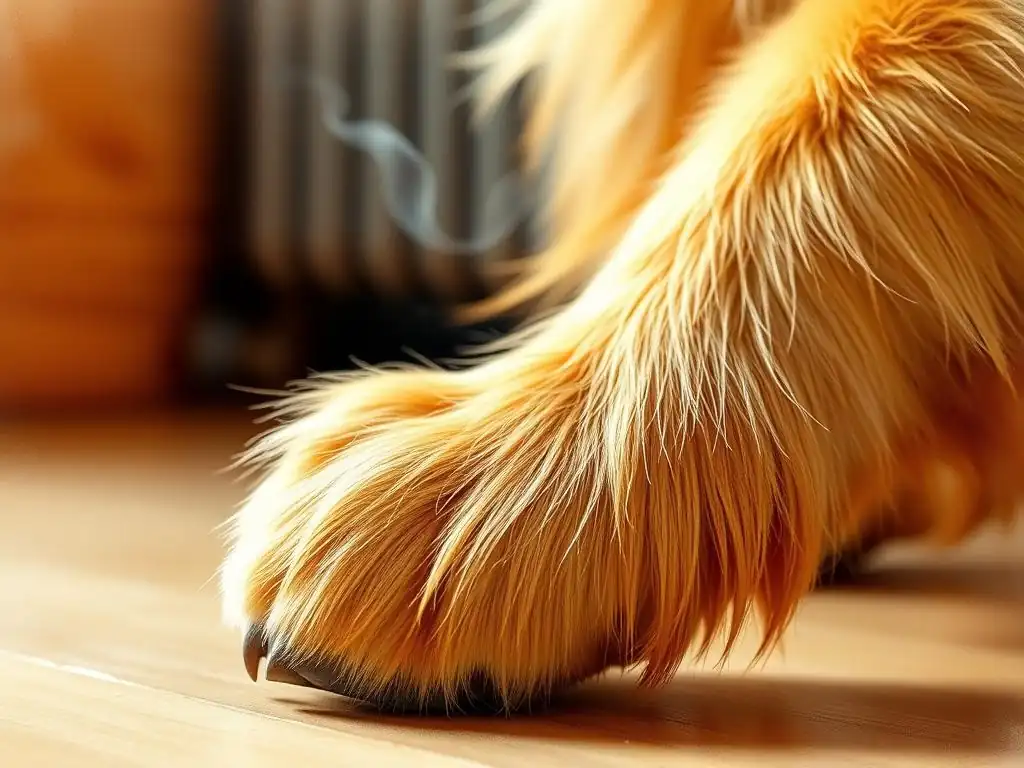
Winter's frigid temperatures often lead pet owners to crank up the indoor heating, creating a dry environment that can negatively impact a dog's health, particularly their paw pads. The combination of low humidity and high temperatures indoors can dry out and crack delicate paw pads, leaving your canine companion vulnerable to discomfort and infection. This section focuses on proactively protecting your dog's paws from the harsh effects of dry indoor heat, a crucial aspect of ensuring optimal dog health indoor heating winter.
Preventing and Treating Dry, Cracked Paw Pads
Prevention is key when it comes to protecting your dog's paws during winter. Regular paw pad inspections are crucial. Look for signs of dryness, cracking, redness, or bleeding. Early detection allows for timely intervention, preventing more serious issues. A simple visual check after walks, especially in snowy or icy conditions, is recommended.
Here are some practical steps to prevent dry, cracked paw pads:
- Increase Humidity: Use a humidifier to add moisture to the air inside your home. Aim for a humidity level between 30% and 50%. This combats the drying effects of indoor heating, benefiting not only your dog's paws but also your own respiratory health.
- Regular Paw Cleaning: Gently clean your dog's paws after each walk to remove salt, ice melt chemicals, and debris. These substances can further irritate already dry paw pads. Use lukewarm water and a soft cloth. Avoid harsh soaps.
- Paw Balm Application: Apply a pet-safe paw balm daily, especially before and after walks. This creates a protective barrier against dryness and harsh elements. Choose a balm specifically formulated for dogs, avoiding human-based products which may contain harmful ingredients.
- Limit Exposure to Hot Surfaces: Keep your dog away from direct contact with hot surfaces like radiators, fireplaces, and heated floors. Burns can easily occur on sensitive paw pads.
If you notice dry or cracked paw pads, here's what you can do:
- Soaking: Gently soak your dog's paws in lukewarm water for a few minutes to soften the skin. Add a small amount of a mild, pet-safe oatmeal bath solution to soothe irritation.
- Moisturizing: Apply a generous amount of a pet-safe paw balm or moisturizer. Gently massage it into the paw pads. Repeat this process several times a day until the condition improves.
- Veterinary Care: If the cracks are deep, bleeding, or show signs of infection (swelling, pus), consult your veterinarian immediately. They can provide appropriate treatment and possibly prescribe medication. Ignoring these signs could lead to more severe complications.
The Best Paw Moisturizers for Winter
Choosing the right paw moisturizer is critical for maintaining your dog's paw health during the winter months. Not all moisturizers are created equal. Look for products specifically formulated for dogs' sensitive skin. Avoid human lotions and creams, which may contain harmful ingredients. Effective moisturizers will contain ingredients that hydrate and protect, such as shea butter, coconut oil, and beeswax.
Some pet owners even find success using a small amount of plain, unrefined coconut oil. Always test a small area first to check for any allergic reactions. Remember, the best paw moisturizer will depend on your dog’s individual needs and sensitivities. Consider factors like breed, age, and any pre-existing skin conditions when making your choice. Always read product labels carefully and consult your vet if you have any questions or concerns about using specific products.
Protecting Paws from Hot Surfaces
Protecting your dog's paws from hot surfaces is essential, especially during winter when heating systems are in full swing. Dogs, unlike humans, don't have the same awareness of temperature and can easily burn their paws on hot surfaces like radiators, fireplaces, or heated floors. Here are some steps to take:
- Identify Hot Spots: Regularly check your home for areas that are excessively hot. Use a thermometer to measure the surface temperature of potential hazards.
- Create Barriers: Use rugs, mats, or protective covers to insulate hot surfaces and prevent direct contact. This creates a buffer zone between your dog's paws and the heat source.
- Supervision: Supervise your dog, especially during the colder months, to ensure they don't venture near hot surfaces. This is particularly important for puppies and senior dogs, who are more susceptible to injuries.
- Training: Train your dog to stay away from hot areas. Use positive reinforcement techniques to encourage good behavior. Avoid punishment, as this can create fear and anxiety. A simple "no" combined with redirection to a cooler area is often sufficient.
Remember, a proactive approach is the best way to ensure your dog's paw health throughout the winter. By following these preventative measures and paying close attention to your dog's paws, you can help keep them healthy and happy all season long. This contributes greatly to overall dog health indoor heating winter. 🐾
Dietary Adjustments for Winter Indoor Living

The shift to indoor living during winter significantly impacts a dog's energy expenditure and nutritional needs. While the cold weather necessitates adjustments to outdoor activity levels, the consistent indoor temperature and reduced physical exertion require careful consideration of your canine companion's diet. Failing to adapt their food intake appropriately can lead to weight gain, lethargy, and a compromised immune system, all detrimental to their overall dog health indoor heating winter. This section outlines crucial dietary modifications to ensure your dog thrives throughout the colder months.
Adjusting Your Dog's Diet for Cold Weather
The reduced need for burning calories to maintain body temperature in a heated environment directly affects your dog's metabolic rate. Simply put, they don't need to consume as much energy to stay warm indoors as they would outdoors in freezing temperatures. Overfeeding an indoor dog during winter can lead to obesity, a major health risk associated with numerous canine ailments, including diabetes, heart disease, and joint problems. A good starting point is to carefully monitor your dog's weight and body condition score (BCS).
If you notice any weight gain, reduce the daily food quantity slightly. Observe your dog's activity levels; a less active dog will require fewer calories. Consider switching to a lower-calorie dog food formulated for adult maintenance, especially if your dog is already overweight or prone to weight gain. Remember, gradual adjustments are key to avoid upsetting your dog's digestive system.
Ensuring Adequate Calorie Intake for Indoor Dogs
While reducing caloric intake is important to prevent obesity, it's equally crucial to ensure your dog is still receiving sufficient nutrients. Cutting calories too drastically can lead to nutritional deficiencies, weakening their immune system and making them more susceptible to illness during the winter months. Focus on quality over quantity.
Choose a high-quality dog food that is rich in protein, essential fatty acids, and antioxidants. These nutrients are vital for maintaining a healthy coat, boosting the immune system, and providing the energy your dog needs for daily activities, even if those activities are less strenuous than in warmer weather. Consider feeding smaller, more frequent meals throughout the day if your dog tends to become lethargic or less active.
This can help maintain consistent energy levels and prevent digestive upset. Always consult with your veterinarian to determine the appropriate caloric intake for your dog based on their breed, age, activity level, and overall health.
Supplements to Support Canine Immunity During Winter
The winter months often see an increase in canine illnesses. Supplementing your dog's diet with specific nutrients can provide additional support to their immune system. While a balanced diet provides the foundation for good health, certain supplements can offer extra protection. Omega-3 fatty acids, found in fish oil or flaxseed oil, possess anti-inflammatory properties and can help boost the immune system.
Probiotics can contribute to a healthy gut microbiome, which plays a significant role in overall health and immunity. Vitamin C and Vitamin E are powerful antioxidants that help protect cells from damage and support immune function. However, always consult your veterinarian before introducing any supplements to your dog's diet. They can assess your dog's individual needs and recommend appropriate dosages to avoid potential adverse effects.
Remember, supplements should complement a healthy diet, not replace it. A holistic approach that combines proper nutrition, regular exercise (even if it's just indoor play! ), and veterinary care is the best way to ensure your dog's dog health indoor heating winter.
Recognizing Symptoms of Heat Stress in Dogs (Even Indoors!)

While we often associate heat stress with summer, indoor heating systems can contribute to canine heat stress, especially in poorly ventilated homes or those with older, less efficient heating systems. Understanding the signs is crucial for your dog's well-being, as even seemingly mild symptoms can escalate quickly. Overheating isn't just uncomfortable; it can be life-threatening for your furry friend. This section focuses on recognizing these symptoms, even in the seemingly safe confines of your heated home.
The key to preventing serious issues is early detection and intervention. Remember, prevention is always better than cure when it comes to your dog's health. The keyword "Dog health indoor heating winter" is paramount here, as we address the often-overlooked dangers of indoor heating on canine health during winter months.
Identifying Signs of Canine Heat Stroke
Canine heat stroke, a severe form of heat stress, presents a range of symptoms, some subtle and others quite dramatic. Early detection is key. Look out for these signs:
- Excessive panting: While panting is normal, excessive or labored breathing, particularly with open mouth and extended tongue, is a warning sign.
- Increased heart rate: A rapid pulse indicates the body is working hard to regulate its temperature. You may be able to feel this by placing your fingers gently on your dog's chest.
- Lethargy and weakness: Your dog might seem unusually tired, sluggish, or unwilling to move.
- Drooling: Excessive salivation is another indicator of overheating.
- Vomiting and diarrhea: These gastrointestinal issues can accompany heat stress.
- Staggering or collapse: In severe cases, heat stroke can lead to loss of coordination and collapse.
- High body temperature: A rectal temperature above 104°F (40°C) is a serious indicator requiring immediate veterinary attention. This requires a rectal thermometer for accurate measurement.
- Seizures: In advanced stages, seizures can occur. This is a critical emergency situation.
- Changes in gum color: Dark red or bluish gums indicate poor blood circulation.
The severity of these symptoms can vary depending on factors such as breed, age, and overall health. Brachycephalic breeds (those with short noses like Bulldogs and Pugs) are particularly vulnerable to heat stress due to their breathing difficulties. Older dogs and those with pre-existing health conditions are also at higher risk. Regular monitoring of your dog's behavior, particularly during periods of intense indoor heating, is crucial. Even seemingly minor changes can indicate a problem. Remember, prompt action is crucial to prevent a minor discomfort from becoming a life-threatening emergency.
Emergency Response to Heat Stress in Dogs
If you suspect your dog is suffering from heat stress, immediate action is critical. Delay can worsen the condition significantly. Here's a step-by-step guide to emergency response:
- Move your dog to a cool place: Immediately relocate your dog to a cool, shaded area, ideally with good ventilation. Turn on fans or air conditioning if available.
- Cool your dog down gradually: Do not use ice water. Instead, apply cool (not cold) water to their paws, belly, and groin area. You can also use cool, damp towels. Avoid submerging your dog in cold water, as this can cause shock.
- Offer fresh, cool water: Encourage your dog to drink small amounts of cool water, but avoid forcing them.
- Monitor your dog closely: Continue monitoring your dog's temperature and condition.
- Contact your veterinarian immediately: Even if your dog seems to be recovering, it's essential to seek veterinary attention. Heat stroke can cause organ damage, and prompt veterinary care is crucial for the best possible outcome.
This emergency protocol is essential for addressing the potential dangers of indoor heating on your dog's health during winter. Remember, prevention is key, but swift action in an emergency can save your dog's life. Always prioritize your dog's health and well-being, and don't hesitate to seek professional veterinary help when needed. Understanding the signs of heat stress and knowing how to respond appropriately is a crucial aspect of responsible pet ownership, especially during the winter months.
Creating a Comfortable Indoor Environment for Your Dog This Winter
This section delves into the specifics of maintaining a safe and comfortable indoor environment for your canine companion during the harsh winter months. Understanding your dog's thermal needs and implementing appropriate measures is crucial for their overall well-being and contributes significantly to their health and happiness throughout the colder season. We'll explore optimal temperatures, safe heating practices, and the importance of providing cozy sleeping arrangements. Proper indoor climate management is a key component of effective Dog health indoor heating winter strategies.
Ideal Temperatures for Dogs in Heated Homes
While human comfort levels often dictate indoor temperatures, dogs have different thermal needs. The ideal temperature range for most dogs in a heated home is between 68°F (20°C) and 72°F (22°C). However, this can vary depending on factors such as the dog's breed, age, and overall health. Smaller breeds and senior dogs, for instance, are more susceptible to cold and may require slightly warmer temperatures. Conversely, larger breeds with thicker coats might tolerate slightly cooler temperatures.
Observe your dog's behavior; shivering, excessive cuddling, or seeking out warm spots are clear indicators that the temperature is too low. Conversely, panting excessively, seeking cooler areas, or lethargy could suggest the environment is too warm. A thermometer strategically placed in the main living area is a useful tool for monitoring the temperature.
Remember to consider microclimates within your home; some areas, like sun-drenched spots or near drafts, might experience temperature variations. Regularly checking these areas is vital for ensuring consistent comfort for your furry friend. Maintaining a consistent temperature is crucial for preventing sudden changes that can stress your dog’s system and impact their immune response – a vital factor in Dog health indoor heating winter.
Using Heating Safely Around Your Dog
Ensuring your heating system is safe for your dog is paramount. Never leave your dog unattended near a space heater, fireplace, or other direct heat sources. These can cause severe burns or injuries. Maintain a safe distance between your dog and any heating appliance, and consider using protective barriers to prevent accidental contact.
Furthermore, be mindful of the type of heating you use. Certain heating systems might dry out the air, potentially leading to skin dryness and discomfort for your dog. A humidifier can help mitigate this issue, particularly in drier climates.
Regularly check the cords of electric heaters to ensure they are not frayed or damaged, as these pose a significant fire hazard. Consider pet-safe heating pads if you have a senior or smaller breed dog that requires additional warmth; always follow the manufacturer's instructions carefully. Proactive safety measures are essential for safeguarding your pet's well-being and are a critical aspect of Dog health indoor heating winter.
Providing Warm and Cozy Sleeping Areas
A comfortable sleeping area is essential for your dog's rest and overall well-being during winter. Provide a soft, warm bed in a draft-free area away from direct heat sources. Consider using a dog bed with plush, insulating material or adding extra blankets for added warmth. A variety of bedding options exist, catering to different preferences and needs.
Some dogs appreciate enclosed beds that offer a sense of security and warmth. Others prefer open beds that allow for better air circulation. Observe your dog's preferences and adjust accordingly. Regularly clean and maintain your dog's bedding to ensure hygiene and prevent the buildup of allergens or parasites.
A clean and comfortable bed significantly contributes to a dog's sleep quality and overall health, enhancing their resilience during the winter months. A good night's rest is paramount to their overall well-being, and this is especially crucial in considering Dog health indoor heating winter. Remember, a well-rested dog is a happy and healthy dog. 🐶
Frequently Asked Questions
How does indoor heating affect my dog's health in winter?
Indoor heating can dry out your dog's skin and nose, leading to itching and cracking. It can also exacerbate existing respiratory conditions and cause dehydration if they don't drink enough water. Proper humidity levels are crucial.
What are the signs of dry skin in dogs due to indoor heating?
Look for excessive scratching, flaky skin, redness, or dull coat. Your dog might also lick or bite at their paws excessively. If you notice these, consult your vet.
How can I maintain the right humidity level for my dog during winter?
Use a humidifier to add moisture to the air, especially in dry climates. You can also provide plenty of fresh water and ensure good ventilation to prevent excessive dryness.
Should I keep my dog's indoor temperature higher than usual in winter?
No, maintaining a comfortable temperature for you (around 68-72°F) is usually sufficient for your dog. Excessive heat can be just as harmful as cold.
My dog seems lethargic despite indoor heating. What could be the cause?
Lethargy could be due to several factors, including underlying health issues, dehydration, or even boredom. Consult your veterinarian to rule out any medical problems.
Final Reflection: The Silent Threat of Winter's Warmth
The seemingly simple act of heating our homes in winter carries a hidden cost for our canine companions. Understanding the subtle ways indoor heating affects our dogs' health is crucial for ensuring their well-being throughout the colder months. Ignoring these impacts can lead to preventable discomfort and even serious illness.
The pervasive nature of central heating in modern homes often overshadows its potential negative effects on our pets. We strive to create comfortable environments for ourselves, sometimes forgetting the unique physiological needs of our furry friends. Their bodies, adapted to a wider range of temperatures than ours, can be negatively impacted by consistently dry air and elevated indoor temperatures. The best thing we can do for our pets is to understand their needs and adapt our environment accordingly, not the other way around.
This quote highlights the importance of considering our dogs' perspectives when adjusting our home environments.
Now, consider your own dog. Think about their behavior during winter. Are they drinking more water than usual? Do they seem unusually lethargic or have dry, itchy skin? These could be subtle signs of the impact of indoor heating. Take the time to adjust your home environment – use humidifiers, provide access to cool spaces, and be mindful of the temperature you set your thermostat to. By making small, conscious changes, you can significantly improve your dog's comfort and health this winter and beyond. Let's prioritize their well-being, ensuring they enjoy a happy and healthy winter season alongside us.
Ready to Keep Your Furry Friend Warm & Healthy This Winter?
Thank you for learning about how indoor heating affects your dog's well-being! We hope you gained valuable insights to help your canine companion thrive during the colder months. Now, let's put that knowledge into practice.
- Prioritize your dog's comfort: Adjust your thermostat, or add extra warmth with a heated dog bed or cozy blanket in their favorite spots. This simple change can make a big difference.
- Share your winter pet care tips: Let other pet owners know what you've learned! Post your best tips on social media and tag us @PetCareWorld – we'd love to see them!
- Explore additional resources: Learn more about winter pet care by exploring our website's extensive library of articles and expert advice.
So, what's one small change you'll make today to keep your dog warm and happy all winter?