
How to Store Homemade Dog Food: Maintaining Freshness & Quality

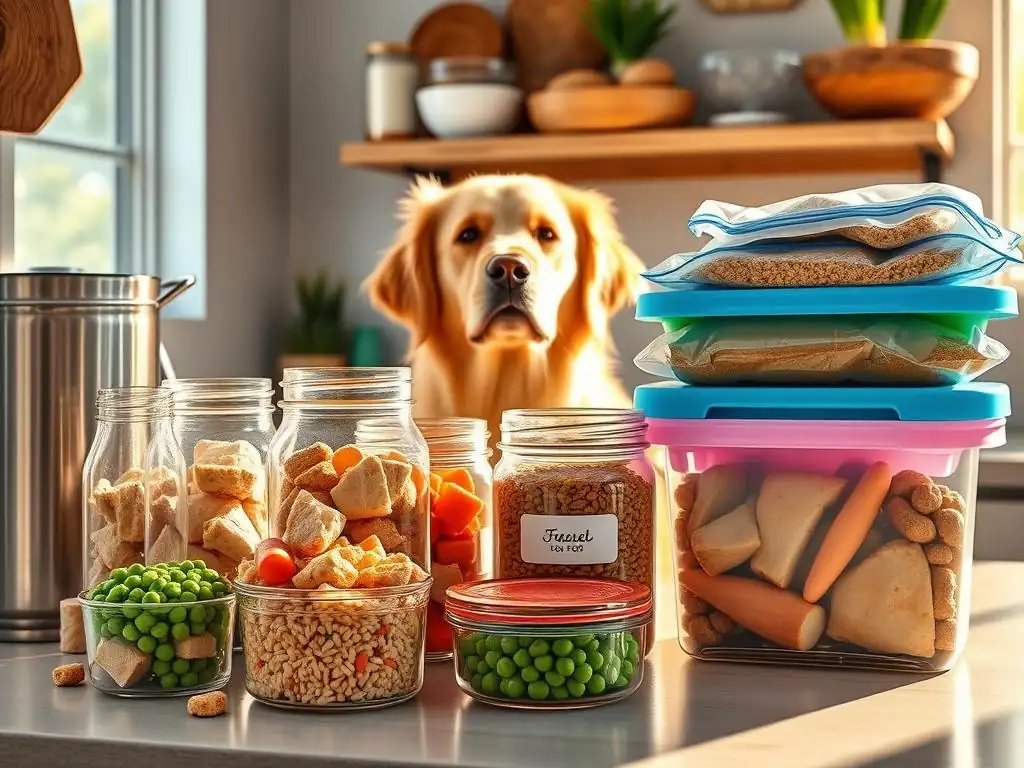
Welcome to PetCareWorld, your ultimate guide to a happier, healthier life for your beloved pets! Are you making your own dog food? Then discover the crucial secrets to safely storing homemade dog food and preserving its freshness and nutritional value. Learn how to avoid spoilage and ensure your canine companion enjoys every delicious, healthy bite. Dive in and unlock the knowledge you need to keep your furry friend thriving!
- Understanding the Importance of Safe Homemade Dog Food Storage
-
Best Practices for Storing Homemade Dog Food
- Refrigerating Homemade Dog Food: Guidelines and Recommendations
- Freezing Homemade Dog Food: A Comprehensive Guide
- Portioning for Convenience: Freezing in Individual Servings
- Using Airtight Containers: Preventing Air Exposure and Oxidation
- Labeling and Dating: Tracking Food Freshness and Preventing Waste
- Different Storage Methods for Various Homemade Dog Food Types
- Troubleshooting Common Storage Challenges
- Long-Term Storage Solutions for Homemade Dog Food
- Tips for Safe and Efficient Homemade Dog Food Storage
-
Frequently Asked Questions
- How long can I safely store homemade dog food in the refrigerator?
- Can I freeze homemade dog food? If so, for how long?
- What are the best containers for storing homemade dog food?
- How can I tell if my homemade dog food has gone bad?
- Are there any specific safety guidelines for thawing frozen homemade dog food?
- Final Reflection: The Enduring Legacy of Fresh, Homemade Dog Food
- Unlock Your Dog's Culinary Potential: Fresh Food, Happy Pup!
Understanding the Importance of Safe Homemade Dog Food Storage
Preparing homemade dog food offers many benefits: you control the ingredients, ensuring quality and avoiding unwanted additives. Knowing precisely what your canine companion is consuming promotes their health and well-being. However, the advantages of homemade food are only fully realized with proper storage.
Safe storage of homemade dog food is paramount not only to prevent spoilage and maintain its nutritional value but also to safeguard your pet's health. This guide will walk you through the best practices for storing homemade dog food, ensuring your furry friend enjoys fresh, nutritious meals every time. Understanding the potential risks associated with improper storage and implementing effective storage strategies is crucial for responsible pet ownership and contributes significantly to your dog's overall health and longevity.
This article provides practical solutions to the challenge of storing homemade dog food safely, addressing a critical aspect of providing optimal nutrition for your beloved pet. Proper storage is key to maximizing the benefits of your efforts in creating healthy homemade meals.
Risks of Improper Storage: Spoilage and Bacterial Contamination
Improper storage of homemade dog food creates a breeding ground for harmful bacteria and accelerates spoilage. Bacteria like Salmonella and E. coli, which can cause severe illness in dogs, thrive in warm, moist environments. Leaving homemade dog food at room temperature for extended periods significantly increases the risk of bacterial contamination. This can lead to various gastrointestinal issues in your dog, ranging from mild upset stomachs to potentially life-threatening conditions.
Spoilage manifests in several ways: off-odors, changes in texture (becoming slimy or mushy), and discoloration. Even if the food doesn't visibly show signs of spoilage, bacterial growth might still be present, posing a risk to your pet's health. The consequences of improper storage can range from mild digestive discomfort to serious illness requiring veterinary intervention. Therefore, understanding the risks and taking preventative measures is crucial for responsible pet ownership.
Here's a table summarizing the key risks:
| Risk Factor | Consequence | Prevention Method |
|---|---|---|
| Bacterial Growth | Food poisoning, gastrointestinal distress | Refrigerate promptly, use airtight containers |
| Spoilage | Off-odors, changes in texture and color | Proper storage, regular inspection |
| Nutrient Degradation | Loss of essential vitamins and minerals | Appropriate storage temperature and containers |
| Mold Growth | Respiratory problems, mycotoxicosis | Avoid moisture, use clean containers, discard moldy food |
Maintaining Nutritional Value: Preventing Nutrient Degradation
Homemade dog food, while beneficial, is susceptible to nutrient degradation if not stored correctly. Exposure to air, light, and fluctuating temperatures can significantly reduce the nutritional value of the food over time. Certain vitamins and antioxidants are particularly vulnerable to degradation, leading to a less nutritious meal for your dog. For example, Vitamin C is highly susceptible to oxidation, losing its potency when exposed to air.
Similarly, fats can become rancid, leading to off-flavors and potential health problems. Proper storage techniques, such as using airtight containers and storing food in a cool, dark place, significantly mitigate nutrient loss. This ensures your dog receives the full spectrum of vitamins, minerals, and antioxidants intended in your homemade recipe. Prioritizing proper storage preserves the nutritional integrity of your homemade dog food, maximizing its health benefits for your pet.
Extending Shelf Life: Optimizing Storage for Maximum Freshness
Optimizing storage extends the shelf life of homemade dog food, reducing food waste and ensuring your dog consistently receives fresh, nutritious meals. Different storage methods cater to varying timeframes. For short-term storage (1-3 days), refrigeration in airtight containers is the most effective method. Freezing, however, is ideal for longer-term storage (up to 2-3 months).
Portioning the food into individual freezer bags or containers before freezing allows for easy thawing and prevents unnecessary waste. Always ensure the food is completely cooled before refrigerating or freezing to prevent condensation and bacterial growth. Remember to label each container with the date of preparation for easy tracking and to avoid using food past its optimal freshness.
Proper thawing is also crucial; transfer frozen portions to the refrigerator overnight to thaw safely before serving. By following these guidelines, you can significantly extend the shelf life of your homemade dog food while preserving its quality and nutritional value. Careful planning and implementation of these storage methods contribute to a more efficient and healthy feeding routine for your dog.
Best Practices for Storing Homemade Dog Food
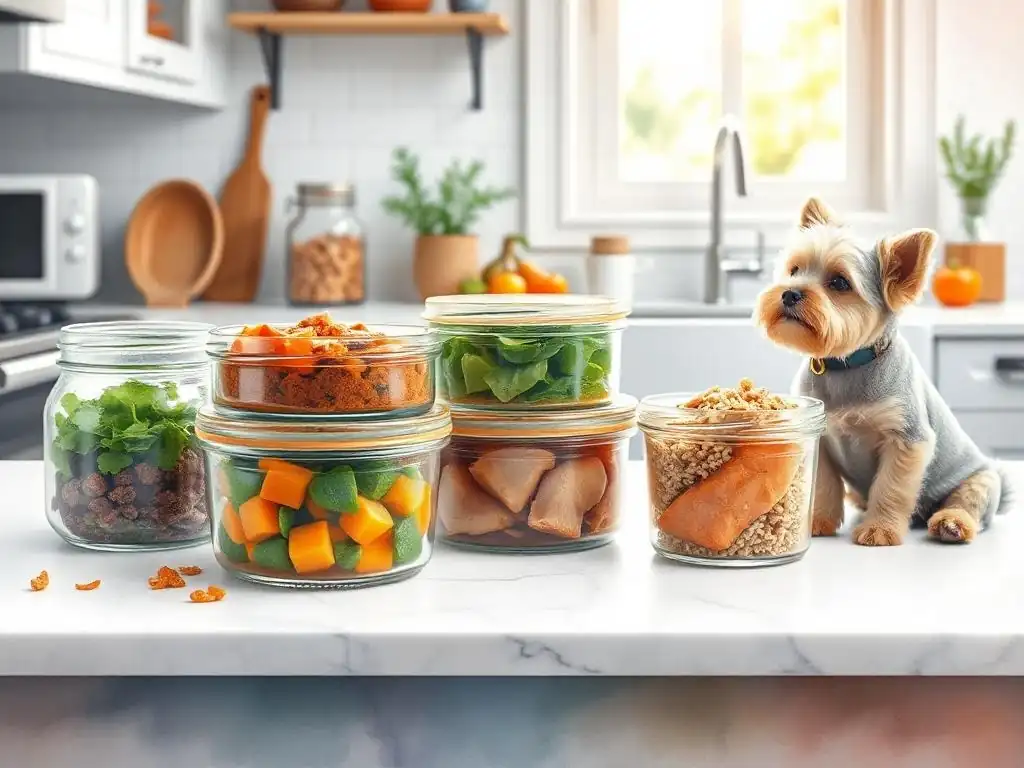
Storing homemade dog food safely is crucial for maintaining its nutritional value and preventing bacterial growth, which could harm your beloved canine companion. This section details the best practices to ensure your dog's homemade meals remain fresh, palatable, and safe for consumption. Remember, the goal is to store homemade dog food safely, minimizing the risk of spoilage and maximizing the nutritional benefits for your furry friend. Proper storage significantly impacts the longevity and quality of your carefully prepared meals.
Refrigerating Homemade Dog Food: Guidelines and Recommendations
Refrigeration is ideal for homemade dog food intended for consumption within a few days. However, even in the refrigerator, homemade dog food doesn't last indefinitely. To maximize its shelf life and store homemade dog food safely in the fridge, follow these guidelines:
- Use airtight containers: Transfer the prepared food into airtight containers to prevent exposure to air and minimize the risk of contamination. Glass or food-grade plastic containers are excellent choices. Avoid using metal containers as they can react with certain ingredients.
- Proper cooling: Allow the food to cool completely before refrigerating. Hot food placed in the refrigerator can raise the overall temperature, potentially promoting bacterial growth.
- Storage duration: Generally, refrigerated homemade dog food should be consumed within 3-4 days. Observe the food carefully for any signs of spoilage, such as unusual odor, discoloration, or mold. Discard any food showing signs of deterioration.
- Temperature monitoring: Ensure your refrigerator maintains a temperature of 40°F (4°C) or lower. Use a refrigerator thermometer to verify the temperature consistently. A warmer temperature significantly reduces the shelf life and increases the risk of bacterial growth.
Freezing Homemade Dog Food: A Comprehensive Guide
Freezing is the most effective method for extending the shelf life of homemade dog food, allowing you to store homemade dog food safely for longer periods. Proper freezing techniques are essential to maintain the food's quality and nutritional value.
- Portioning: Divide the cooked food into individual portions or meal-sized containers before freezing. This makes thawing and serving easier and reduces waste. Use freezer-safe containers or bags.
- Labeling: Clearly label each container with the date of preparation. This helps you track the food's age and ensure you use the oldest portions first. Include the ingredients list for your own reference.
- Freezing method: Spread the food thinly in shallow containers for faster and more even freezing. Avoid overfilling containers to prevent ice crystal formation, which can affect the texture and palatability of the food.
- Storage duration: Frozen homemade dog food can typically be stored for 2-3 months. However, the quality might start to decline after this period. Always prioritize using older portions first. Observe for any signs of freezer burn (dry, discolored patches) before serving.
Portioning for Convenience: Freezing in Individual Servings
Freezing homemade dog food in individual servings offers several advantages, making it incredibly convenient for daily feeding. This method helps you efficiently manage your dog's meals and minimizes the risk of food spoilage. Here's how to optimize this approach for safe storage of homemade dog food:
| Container Type | Advantages | Disadvantages | Recommended Storage Time (Frozen) |
|---|---|---|---|
| Ice cube trays | Ideal for small portions, quick freezing | Requires transferring to freezer bags afterward | Up to 2 months |
| Freezer bags | Space-saving, easy to label and stack | Can be prone to freezer burn if not properly sealed | Up to 3 months |
| Small freezer containers | Reusable, durable, prevents freezer burn | Can be more expensive than freezer bags | Up to 3 months |
By following these guidelines, you can successfully store homemade dog food safely, ensuring your dog enjoys nutritious and delicious meals while minimizing the risk of foodborne illness. Remember that observing the food for any signs of spoilage is always crucial, regardless of your chosen storage method. Always prioritize your pet's health and well-being. 🐶
Using Airtight Containers: Preventing Air Exposure and Oxidation
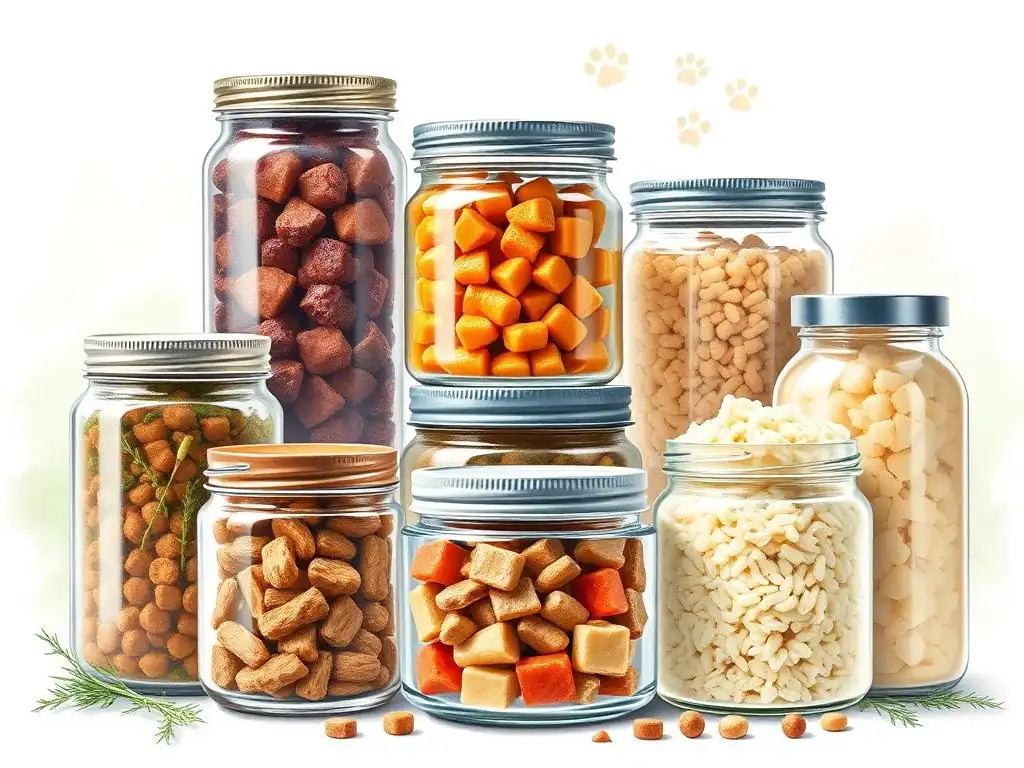
Air exposure is the enemy of homemade dog food. Oxygen reacts with the fats and oils in the food, leading to rancidity and the development of harmful free radicals. This process, known as oxidation, not only diminishes the nutritional value of the food but can also make it unpalatable and even potentially dangerous for your canine companion. To prevent this, airtight containers are absolutely crucial.
Choose containers made from food-grade materials such as glass or high-quality, BPA-free plastic. Avoid using metal containers, as these can react with certain ingredients, potentially affecting the food's quality and safety. Ensure the lids seal tightly to create a truly airtight environment. Properly sealed containers will significantly extend the shelf life of your homemade dog food, keeping it fresh and nutritious for longer.
Consider the size of your container too; smaller containers are better for smaller portions, minimizing air exposure within the container itself. This is particularly important if you're preparing smaller batches of food. Remember, the goal is to minimize headspace – the empty space above the food – to further reduce oxidation. Regularly inspect the seals of your containers to ensure they remain airtight and replace them if necessary.
Labeling and Dating: Tracking Food Freshness and Preventing Waste
Proper labeling and dating are essential for effective homemade dog food storage and minimizing food waste. Always clearly label each container with the contents (e.g., "Chicken & Brown Rice"), the date of preparation, and ideally, the intended expiration date. This information will allow you to easily identify which containers are oldest and prioritize using those first. A simple system, such as using a permanent marker directly on the container or attaching a label, is sufficient.
Using a system of color-coded labels or stickers can further help visually distinguish different recipes or batches. For determining the expiration date, consider the specific ingredients and storage conditions. While refrigerated homemade dog food generally lasts for 3-5 days, some recipes may have a shorter shelf life depending on the perishability of the ingredients.
Remember to always err on the side of caution; if you notice any signs of spoilage such as unusual odors, discoloration, or mold, discard the food immediately. A well-maintained labeling and dating system will ensure you're using your homemade dog food safely and efficiently, preventing waste and maximizing its nutritional value for your dog. This simple step can significantly contribute to your overall pet care management and reduce the chances of accidental consumption of spoiled food.
Different Storage Methods for Various Homemade Dog Food Types
This section explores the optimal storage techniques for different types of homemade dog food, ensuring both freshness and safety. Understanding the unique needs of wet, dry, and raw diets is crucial for maintaining the nutritional value and preventing spoilage. Proper storage of homemade dog food is paramount to safely feeding your canine companion. Remember, consistent adherence to these guidelines is key to preventing bacterial growth and maintaining the quality of your dog's food.
Storing Wet Homemade Dog Food: Refrigerating vs. Freezing
Wet homemade dog food, typically consisting of ingredients like meat, vegetables, and broth, requires careful storage due to its high moisture content. This makes it particularly susceptible to bacterial growth. The best approach is a combination of refrigeration and freezing, depending on the intended usage timeframe.
Refrigeration is ideal for short-term storage – up to 3-4 days. Always use airtight containers to prevent cross-contamination and maintain freshness. Ensure the food is thoroughly cooled before refrigeration. Observe the food closely for any signs of spoilage, such as a sour smell or unusual discoloration. Discard any food showing signs of degradation.
Freezing is the preferred method for longer-term storage, extending the shelf life to several months. Portion the food into individual meal-sized containers or freezer bags to facilitate easy thawing and prevent unnecessary waste. Proper labeling with the date is crucial for efficient inventory management. To thaw frozen portions, transfer them to the refrigerator overnight to allow for safe and gradual thawing. Never thaw at room temperature.
| Storage Method | Storage Time | Advantages | Disadvantages |
|---|---|---|---|
| Refrigeration | 3-4 days | Convenient, quick access | Shorter shelf life, increased risk of spoilage |
| Freezing | Several months | Longer shelf life, prevents spoilage | Requires advance planning, thawing time needed |
Storing Dry Homemade Dog Food: Proper Container Selection and Storage Location
Dry homemade dog food, often comprising kibble-like textures from baked or dehydrated ingredients, presents different storage challenges compared to wet food. While less prone to spoilage, it's still susceptible to moisture absorption, which can affect its texture, flavor, and nutritional value.
Selecting the right container is paramount. Airtight containers made of food-grade materials like glass or stainless steel are recommended. Plastic containers are acceptable, but ensure they are BPA-free and designed for food storage. Avoid containers that allow air or moisture to penetrate.
The storage location is equally important. Choose a cool, dry, and dark place, away from direct sunlight and sources of heat or moisture. A pantry or cupboard is ideal. Avoid storing the food in areas with high humidity, as this can promote mold growth. Regularly inspect the food for any signs of infestation (e.g., weevils) or spoilage.
Storing Raw Homemade Dog Food: Safety Precautions and Temperature Control
Storing raw homemade dog food demands stringent safety measures due to the inherent risk of bacterial contamination. Raw diets, while potentially beneficial for some dogs, require meticulous handling and storage to minimize the risk of foodborne illnesses.
Maintaining a consistently cold temperature is crucial. Refrigeration at or below 40°F (4°C) is essential. Raw food should be stored in airtight containers to prevent cross-contamination with other foods. The use of separate cutting boards and utensils for raw food preparation is recommended.
Freezing is the safest method for longer-term storage of raw dog food. Portion the food into meal-sized containers and freeze immediately after preparation. Proper labeling with the date is essential for tracking freshness. Thaw frozen portions in the refrigerator overnight to ensure safe thawing. Never allow raw food to thaw at room temperature.
Always wash your hands thoroughly after handling raw food. Discard any food showing signs of spoilage, such as an off-odor or discoloration. The importance of meticulously following these steps cannot be overstated when safely storing homemade raw dog food. 🐶 Remember, your dog's health depends on it!
Storing Cooked Homemade Dog Food: Preventing Reheating Issues
Storing cooked homemade dog food requires careful attention to prevent bacterial growth and maintain its nutritional value. The biggest challenge lies in reheating, as improper methods can destroy beneficial nutrients and potentially introduce harmful bacteria. Let's explore best practices for safe and effective storage of cooked dog food.
One crucial aspect is portioning. Instead of storing a large batch of cooked food in a single container, divide it into smaller, individual portions suitable for a single meal or two. This minimizes repeated reheating, reducing the risk of nutrient loss and bacterial contamination. Using airtight, freezer-safe containers is paramount.
These containers prevent freezer burn, which can alter the texture and taste of the food, making it less appealing to your canine companion. Glass containers are an excellent choice, offering superior protection against odor absorption and chemical leaching, unlike some plastic alternatives. However, ensure they are properly labeled with the date of preparation.
When it comes to reheating, avoid extreme temperatures. Microwaving can create hot spots, potentially burning parts of the food while leaving others cold – an ideal breeding ground for bacteria. Instead, opt for gentle reheating methods like using a stovetop in a saucepan over low heat, or a double boiler. Thoroughly stir the food during reheating to ensure even distribution of heat and prevent the formation of hot spots.
Always check the temperature before serving, ensuring the food is heated through to eliminate any potential bacterial hazards. Discard any leftover reheated food after a few hours, as prolonged exposure to room temperature can promote bacterial growth. Never refreeze reheated food.
Remember, consistency is key in preventing reheating issues. Establish a routine for preparing and storing your dog's food, ensuring you always follow safe handling and reheating practices. By prioritizing these methods, you can maintain the quality, safety, and palatability of your homemade dog food, ensuring your furry friend enjoys a nutritious and healthy diet. Regularly reviewing your storage and reheating techniques will help identify any areas for improvement and maintain optimal food safety. A well-planned approach to storing and reheating will contribute to your dog's overall health and well-being.
Troubleshooting Common Storage Challenges
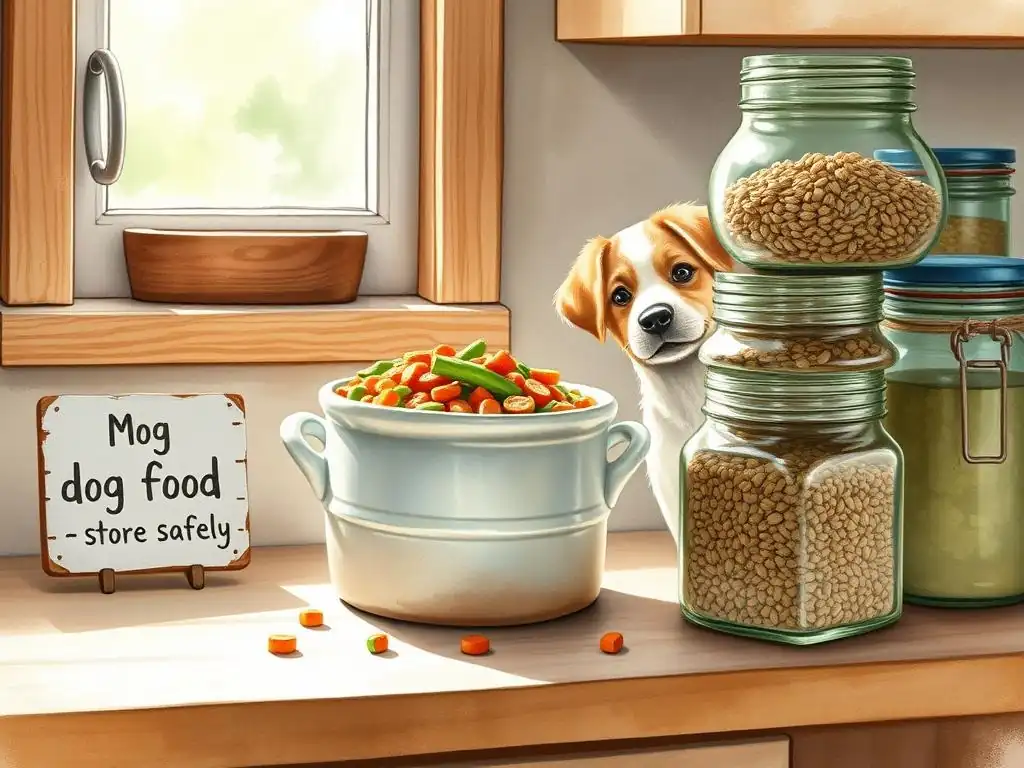
Homemade dog food, while offering nutritional advantages, presents unique storage challenges. Proper storage is crucial to maintaining its freshness, nutritional value, and safety for your canine companion. Failing to address these challenges can lead to spoilage, freezer burn, and even bacterial growth, potentially harming your pet. This section will equip you with the knowledge and strategies to overcome these hurdles and ensure your dog enjoys safe, nutritious meals. Understanding how to store homemade dog food safely is paramount to responsible pet ownership.
Dealing with Freezer Burn: Prevention and Solutions
Freezer burn, the dreaded enemy of frozen foods, affects homemade dog food as well. It occurs when food is exposed to air within the freezer, causing moisture loss and a change in texture and taste. While not necessarily harmful, freezer burn significantly reduces the palatability of your dog's food, leading to picky eating. The key to prevention lies in proper packaging.
To minimize freezer burn, use airtight containers. Consider using freezer-safe, reusable containers with tight-fitting lids. Alternatively, sturdy freezer bags work well, provided you squeeze out excess air before sealing. For smaller portions, ice cube trays are a great option for portion control and easy thawing. Remember to label each container with the date of preparation to ensure you use the oldest portions first, employing a FIFO (First In, First Out) system. This simple technique helps minimize waste and maximizes the shelf life of your dog's meals.
Another critical factor is the temperature of your freezer. Ensure your freezer maintains a consistent temperature of 0°F (-18°C) or lower. Fluctuations in temperature can accelerate freezer burn.
Preventing Food Spoilage: Identifying Signs and Taking Action
Even when refrigerated or frozen, homemade dog food can spoil if not handled correctly. Spoilage can manifest in several ways, requiring prompt action to safeguard your pet's health.
- Smell: A sour or unpleasant odor is a clear indication of spoilage. Discard any food exhibiting such a smell immediately.
- Appearance: Look for any signs of mold, discoloration, or unusual texture changes. These visual cues signal that the food has gone bad and should be discarded.
- Texture: Spoiled food often exhibits a slimy or mushy texture, drastically different from its initial consistency.
- Taste: While you shouldn't taste the food yourself, if your dog refuses to eat it due to a change in taste, it's best to err on the side of caution and discard it.
Regularly inspect your stored dog food, whether refrigerated or frozen. Prompt identification and disposal of spoiled food is crucial for preventing potential health problems for your pet. Remember, when in doubt, throw it out. The risks associated with feeding spoiled food far outweigh any potential cost savings.
Thawing Frozen Dog Food Safely: Best Practices to Avoid Bacterial Growth
Thawing frozen dog food requires careful attention to prevent bacterial growth. Never thaw food at room temperature, as this creates a breeding ground for harmful bacteria.
The safest methods for thawing frozen dog food include:
- Refrigerator Thawing: This is the recommended method. Transfer the frozen food from the freezer to the refrigerator and allow it to thaw completely. This slow thaw minimizes the risk of bacterial growth.
- Cold Water Thawing: Place the sealed container of frozen food in a bowl of cold water, changing the water every 30 minutes until thawed. This method is faster than refrigerator thawing but still relatively safe.
- Microwave Thawing (with caution): While possible, microwave thawing should be approached cautiously. Ensure the food is thoroughly cooked after thawing, as uneven heating can create hot spots where bacteria may survive. This method is generally not recommended unless absolutely necessary.
Always ensure the food is thoroughly heated before serving. Never refreeze thawed dog food. Proper thawing practices are a critical component of storing homemade dog food safely. Prioritizing these practices ensures the safety and nutritional value of your pet's meals.
Long-Term Storage Solutions for Homemade Dog Food
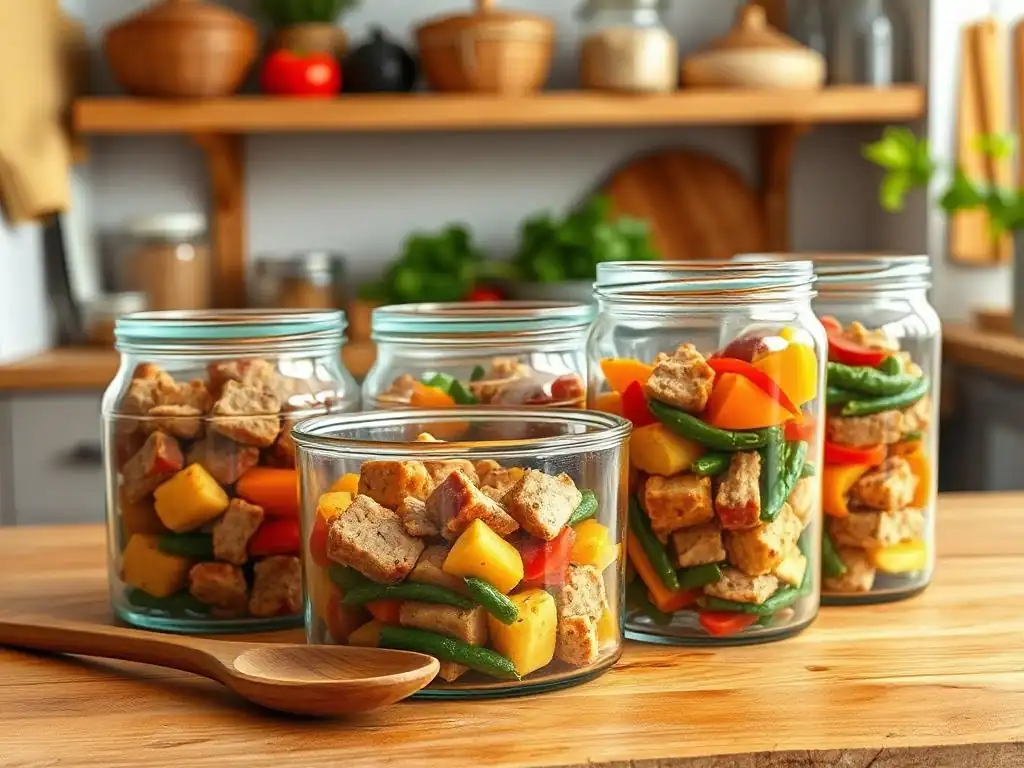
This section focuses on extending the shelf life of your homemade dog food, ensuring your canine companion enjoys fresh, nutritious meals for as long as possible. Proper storage is crucial not only for taste and palatability but also for maintaining the nutritional integrity and safety of the food. We'll explore the most effective methods for long-term storage, prioritizing safety and minimizing the risk of spoilage or bacterial contamination. Storing homemade dog food safely is paramount for your pet's well-being.
Extended Freezing for Long-Term Preservation
Freezing is arguably the best method for long-term storage of homemade dog food. It significantly extends shelf life, often for several months, without compromising nutritional value. However, proper freezing techniques are essential to prevent freezer burn and maintain food quality.
To maximize the longevity and quality of your frozen dog food, follow these steps:
- Portioning: Divide the cooked food into individual meal-sized portions using airtight containers or freezer-safe bags. This prevents unnecessary thawing and refreezing, which can negatively impact texture and nutrients. Label each portion with the date of freezing for easy tracking.
- Container Selection: Choose containers that are specifically designed for freezer use. Avoid using glass containers, as they can crack under freezing temperatures. Airtight, freezer-safe plastic containers or heavy-duty freezer bags are ideal choices. Ensure a proper seal to prevent freezer burn and maintain freshness.
- Freezing Method: For optimal results, lay the portions flat in the freezer to allow for faster freezing. Once frozen solid, you can stack them for efficient space utilization. Rapid freezing helps to preserve the texture and nutritional value of the food better than slow freezing.
- Thawing: When ready to serve, thaw the food overnight in the refrigerator. Never thaw at room temperature, as this encourages bacterial growth. Once thawed, use the food within 24 hours.
Strategies for Maintaining Food Quality Over Time
Even with proper freezing, maintaining the quality of your homemade dog food over time requires attention to detail. Here are some additional strategies to ensure your pet receives the best possible nutrition:
- Regular Inventory: Keep track of your frozen dog food supply to ensure you use the oldest portions first. A simple labeling system with dates will help you manage your inventory effectively. This "first in, first out" (FIFO) method helps prevent food from staying frozen for excessively long periods.
- Avoid Repeated Freezing and Thawing: Repeated freezing and thawing cycles degrade the quality of the food, reducing its nutritional value and potentially increasing the risk of bacterial contamination. Always thaw completely before serving and never refreeze leftover portions.
- Monitor for Spoilage: Before feeding, always inspect the thawed food for any signs of spoilage, such as unusual odors, discoloration, or mold. Discard any food that shows signs of spoilage. Your dog's health is paramount, and discarding spoiled food is crucial for their safety.
- Nutritional Considerations: Remember that even with proper storage, some nutrient loss is inevitable over time. Consider supplementing your dog's diet with fresh vegetables or other nutrient-rich additions to compensate for any potential nutrient degradation during storage. Consult with your veterinarian for personalized dietary recommendations.
Properly storing homemade dog food safely is a vital aspect of responsible pet ownership. By following these guidelines, you can ensure that your dog consistently receives fresh, nutritious, and safe meals. Remember, a well-nourished dog is a happy and healthy dog! 🐶
Tips for Safe and Efficient Homemade Dog Food Storage
This section focuses on practical strategies for storing homemade dog food, ensuring its safety and preserving its nutritional value. Proper storage is crucial for maintaining the quality and preventing spoilage, ultimately contributing to your dog's health and well-being. Storing homemade dog food safely is paramount to prevent bacterial growth and ensure your canine companion enjoys a nutritious and wholesome meal. Let's explore some key techniques.
Maintaining Cleanliness: Preventing Cross-Contamination
Maintaining impeccable hygiene is fundamental when handling and storing homemade dog food. Cross-contamination can easily occur, introducing harmful bacteria and compromising the food's safety. Think of it this way: just as you wouldn't prepare human food on a dirty counter, the same principle applies to your dog's meals.
Here's a breakdown of essential cleanliness practices:
- Wash your hands thoroughly: Before and after handling any ingredients or utensils, wash your hands with soap and warm water for at least 20 seconds. This simple step significantly reduces the risk of transferring bacteria.
- Sanitize surfaces: Regularly sanitize all surfaces that come into contact with the food, including countertops, cutting boards, and bowls. Use a pet-safe disinfectant or a solution of bleach and water (1 tablespoon of bleach per gallon of water). Always rinse thoroughly with clean water afterwards.
- Clean utensils meticulously: Thoroughly wash and sanitize all utensils, such as spoons, knives, and measuring cups, after each use. Residue left on utensils can harbor bacteria and contaminate subsequent batches of food.
- Store food in clean containers: Ensure that all storage containers are thoroughly cleaned and dried before storing the homemade dog food. Any lingering moisture can promote bacterial growth.
- Avoid cross-contamination with other foods: Keep your dog's food preparation area separate from areas used for preparing human food. This prevents the accidental transfer of harmful bacteria or pathogens.
Using Proper Equipment: Choosing Suitable Containers and Utensils
The type of containers and utensils you use significantly impacts the longevity and safety of your homemade dog food. Selecting appropriate equipment helps maintain freshness, prevent spoilage, and minimizes the risk of contamination. Proper equipment selection is a key component of learning how to store homemade dog food safely.
Consider these factors when choosing your equipment:
- Airtight containers: Opt for airtight containers made of food-grade materials like stainless steel, glass, or BPA-free plastic. These containers effectively prevent air exposure, which can lead to oxidation and spoilage.
- Freezing containers: If freezing portions of the food, use freezer-safe containers that are durable and prevent freezer burn. Consider using smaller, portioned containers for easier thawing and use.
- Portioning: Pre-portioning your dog's food into individual servings in smaller containers is highly recommended. This simplifies meal preparation and minimizes waste, as you only thaw what's needed.
- Avoid using reactive materials: Avoid using containers made of materials that can react with the food, such as aluminum or certain types of plastics. This can alter the taste and nutritional value of the food, and potentially create harmful compounds.
Monitoring Food Safety: Regular Inspection and Discarding Spoiled Food
Regular inspection is crucial for maintaining the safety and quality of your homemade dog food. Promptly discarding spoiled food prevents your dog from consuming potentially harmful substances. Regularly checking your stored dog food is a vital part of knowing how to store homemade dog food safely.
Here are some guidelines:
- Visual inspection: Regularly inspect the stored food for any signs of spoilage, such as mold growth, discoloration, unusual odor, or changes in texture. Discard any food showing these signs immediately.
- Smell test: Before serving, always check the food's smell. A sour or foul odor is a clear indication of spoilage.
- Discard after a certain time: Even if the food looks and smells fine, it's advisable to adhere to recommended storage times. Generally, refrigerated homemade dog food should be consumed within 3-5 days, while frozen food should be used within 2-3 months for optimal quality. Always check the date you prepared the food.
- Thawing guidelines: If thawing frozen food, do so safely in the refrigerator to prevent bacterial growth. Never thaw food at room temperature.
By following these guidelines, you can significantly reduce the risk of foodborne illness and ensure your canine companion enjoys safe and nutritious homemade meals. Remember, proactive monitoring and adherence to safe storage practices are key elements in effectively learning how to store homemade dog food safely. 🐶
Frequently Asked Questions
How long can I safely store homemade dog food in the refrigerator?
Most homemade dog food should be kept in the refrigerator for no more than 3-4 days. After that, the risk of bacterial growth increases significantly. Always check for signs of spoilage before feeding.
Can I freeze homemade dog food? If so, for how long?
Yes, freezing is an excellent way to extend the shelf life of homemade dog food. You can safely store it in the freezer for up to 2-3 months. Make sure to use airtight containers.
What are the best containers for storing homemade dog food?
Airtight containers are crucial to prevent spoilage and maintain freshness. Consider using glass containers, freezer-safe plastic containers, or heavy-duty freezer bags. Avoid using metal containers.
How can I tell if my homemade dog food has gone bad?
Look for signs of mold, discoloration, unusual smells, or a slimy texture. If you notice any of these, discard the food immediately. Err on the side of caution when it comes to your pet's health.
Are there any specific safety guidelines for thawing frozen homemade dog food?
Always thaw frozen dog food gradually in the refrigerator. Never thaw it at room temperature to minimize bacterial growth. Once thawed, use it within 1-2 days.
Final Reflection: The Enduring Legacy of Fresh, Homemade Dog Food
The health and well-being of our canine companions depend on more than just love; it demands mindful attention to detail, especially when it comes to their nutrition. Providing homemade dog food offers unparalleled control over ingredients and quality, but maintaining its freshness and safety is paramount. This article has explored the crucial methods for ensuring your dog's homemade meals remain nutritious and free from harmful bacteria.
The journey of crafting homemade dog food is a testament to the deep bond we share with our furry friends. It's a labor of love, a commitment to their health that extends beyond simply filling a bowl. A dog is the only thing on earth that loves you more than he loves himself.
This quote perfectly encapsulates the dedication involved in providing the best possible nutrition for our loyal companions. The methods discussed—from proper refrigeration and freezing techniques to understanding the role of airtight containers—are not mere technicalities; they are expressions of that love, ensuring the food we prepare remains a source of nourishment, not a potential hazard.
Now, consider your own approach to feeding your dog. Are you ready to implement the strategies outlined in this article? Take a moment to review the best practices for storing homemade dog food, and commit to making the necessary adjustments to ensure your dog enjoys the freshest, safest meals possible. Your dog's health and happiness depend on it, and the satisfaction of knowing you've provided the best care will be a reward in itself.
Unlock Your Dog's Culinary Potential: Fresh Food, Happy Pup!
Thank you for learning how to keep your homemade dog food fresh and delicious! You now have the knowledge to create truly nutritious meals for your furry friend. Let's put that knowledge into action!
- Prioritize your pup's palate: Start planning your next batch of homemade dog food today, considering your dog's favorite flavors and ingredients from this article.
- Share your successes (and any delicious recipe adaptations!) with the PetCareWorld community in the comments below! Let's build a valuable resource for other pet parents.
- Experiment with different storage methods: Try a new freezer container or portioning technique and share your results with us!
What innovative storage solution are you most excited to try for your dog's next meal?