
Intestinal Invaders: Spotting and Treating Common Dog Parasites

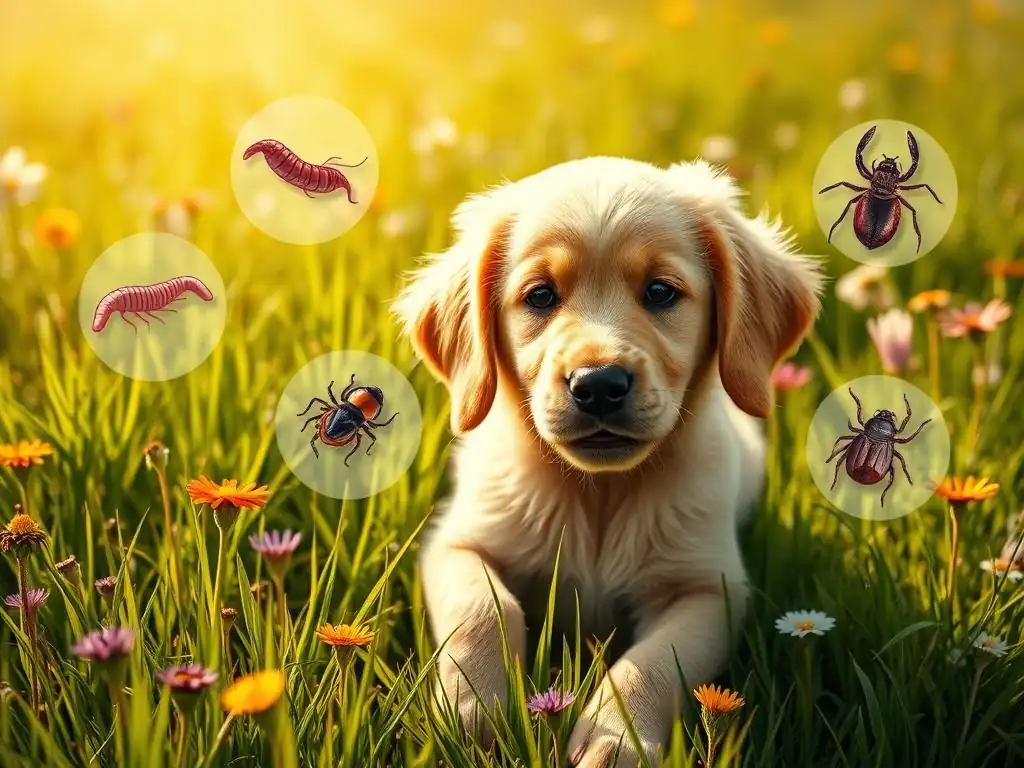
Welcome to PetCareWorld, your ultimate guide to happy and healthy pets! Are you concerned about unseen threats lurking within your canine companion? Our comprehensive Dog parasite treatment guide dives deep into identifying and effectively treating common intestinal invaders, ensuring your furry friend remains vibrant and full of life. Discover how to spot the signs, understand the risks, and implement effective solutions – begin your journey to a parasite-free life for your dog today!
- Understanding Common Dog Parasites: A Comprehensive Guide
- Dog Parasite Treatment Guide: Effective Strategies for Elimination
- Preventing Dog Parasites: Proactive Measures for a Healthy Pet
- When to Seek Veterinary Care for Dog Parasites: Recognizing Warning Signs
- Frequently Asked Questions
- Final Reflection: The Unseen War Within: Protecting Our Canine Companions
- Unleash a Healthier, Happier Pup: Take Action Now!
Understanding Common Dog Parasites: A Comprehensive Guide
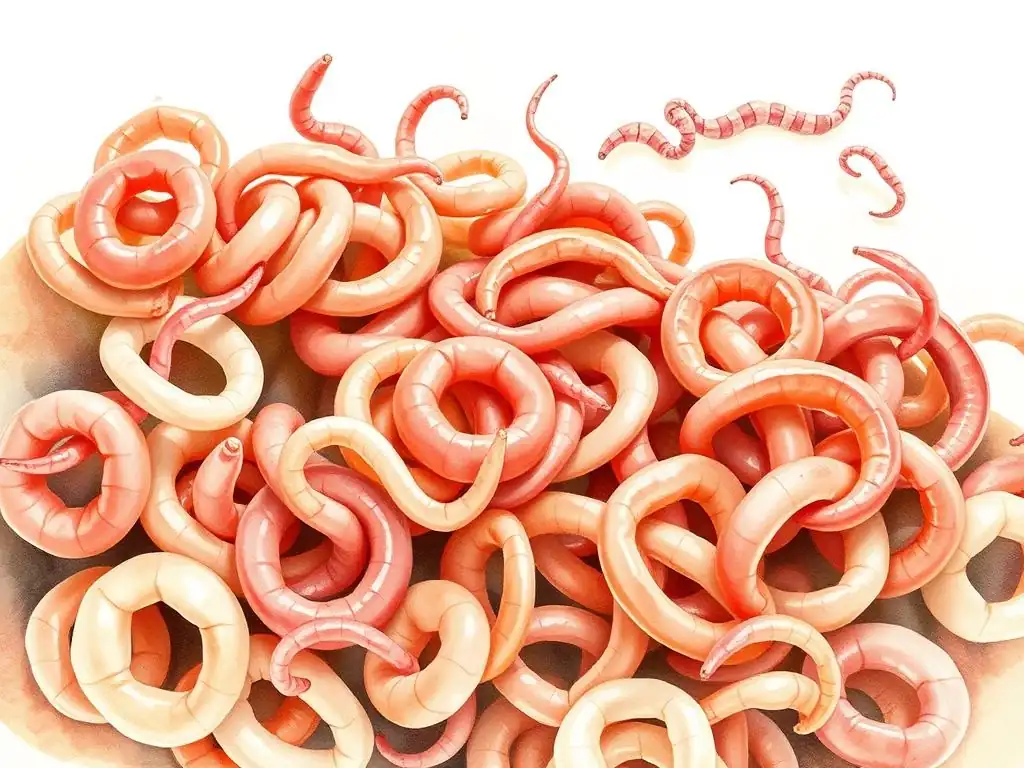
Keeping your canine companion healthy and happy involves vigilance against a range of potential threats, and among the most prevalent are internal parasites. This comprehensive guide delves into the world of common dog parasites, providing essential information for pet owners to effectively identify, prevent, and treat these intestinal invaders. We'll explore various types of worms, protozoa, and other microscopic organisms that can negatively impact your dog's health, offering practical advice to help you maintain their well-being.
This guide serves as your ultimate resource for navigating the complexities of dog parasite treatment, empowering you to take proactive steps towards ensuring a parasite-free life for your furry friend. Understanding the symptoms, diagnostic methods, and available treatment options is crucial for prompt intervention and a successful outcome.
Remember, early detection is key to preventing severe health complications. Let's embark on this journey to better understand these microscopic menaces and equip ourselves to combat them effectively.
Identifying Internal Parasites in Dogs: Worms, Coccidia, and Giardia
Internal parasites in dogs represent a significant health concern, impacting their digestive systems and overall well-being. These microscopic invaders can cause a range of symptoms, from mild discomfort to severe illness, necessitating prompt identification and treatment. The most common internal parasites include various types of worms, as well as the protozoa Coccidia and Giardia. Understanding the specific characteristics of each parasite is crucial for effective diagnosis and management. Regular fecal examinations are recommended as a preventative measure, allowing for early detection and minimizing the risk of severe complications. Let's examine these common culprits in detail.
Roundworms in Dogs: Symptoms, Diagnosis, and Treatment
Roundworms ( Toxocara canis) are among the most prevalent internal parasites affecting dogs. These large, spaghetti-like worms can be easily identified in a dog's stool. Symptoms can range from mild gastrointestinal upset, such as vomiting and diarrhea, to more severe conditions like pot-bellied appearance, dull coat, and stunted growth, especially in puppies.
Diagnosis involves a fecal examination to detect the presence of roundworm eggs or adult worms. Treatment typically involves deworming medication prescribed by a veterinarian, with the specific dosage and duration depending on the dog's age, weight, and the severity of the infestation. Prevention involves regular deworming, especially for puppies, and good hygiene practices.
Hookworms in Dogs: Recognition, Prevention, and Management
Hookworms ( Ancylostoma caninum) are another common intestinal parasite in dogs. These small worms attach to the intestinal wall, feeding on the dog's blood, which can lead to anemia and other health problems. Symptoms may include pale gums, lethargy, weakness, and bloody diarrhea. Diagnosis is similar to roundworms, through a fecal examination. Treatment involves anthelmintic medication, and preventative measures include regular deworming and preventing contact with contaminated soil. Maintaining a clean environment is crucial in minimizing the risk of hookworm infestation.
Whipworms in Dogs: Identifying Infestation and Effective Treatment Options
Whipworms ( Trichuris vulpis) are less common than roundworms and hookworms but can still cause significant health issues. These worms burrow into the intestinal wall, causing inflammation and bloody diarrhea. Symptoms can be subtle in mild infestations but can include weight loss, lethargy, and a dull coat. Diagnosis requires a fecal examination that specifically targets whipworm eggs. Treatment involves specific anthelmintic medications, and preventative measures focus on hygiene and regular deworming.
Tapeworms in Dogs: Sources of Infection and Treatment Protocols
Tapeworms are segmented flatworms that can infest dogs through ingestion of infected fleas or other intermediate hosts. Symptoms may include a pot-bellied appearance, scooting, and sometimes visible segments of the tapeworm in the dog's feces. Diagnosis is typically confirmed by identifying tapeworm segments in the stool. Treatment involves deworming medication specifically targeted at tapeworms. Prevention focuses on flea control and avoiding contact with infected animals or environments.
Coccidia in Dogs: Symptoms, Diagnosis, and Treatment Strategies
Coccidia are microscopic protozoa that can cause coccidiosis in dogs. Symptoms range from mild diarrhea to severe bloody diarrhea, dehydration, and weight loss. Diagnosis is made through a fecal examination to identify Coccidia oocysts. Treatment typically involves anticoccidial medication, and preventative measures include maintaining a clean environment and preventing ingestion of contaminated feces.
Giardia in Dogs: Recognizing Infection and Effective Treatment Approaches
Giardia is another protozoan parasite that can cause gastrointestinal distress in dogs. Symptoms include diarrhea, often foul-smelling and watery, weight loss, and lethargy. Diagnosis is made through a fecal examination to detect Giardia cysts. Treatment involves anti-parasitic medication. Prevention focuses on avoiding contaminated water sources and maintaining good hygiene practices. Regular fecal exams are crucial for early detection and effective treatment of Giardia infections.
Dog Parasite Treatment Guide: Effective Strategies for Elimination

This section provides a comprehensive guide to treating common dog parasites, offering both conventional and alternative approaches. Remember, always consult your veterinarian before starting any treatment plan, especially if your dog shows signs of severe infestation or illness. Early detection and prompt treatment are crucial for preventing complications and ensuring your canine companion's well-being. This guide focuses on providing you with the information necessary to make informed decisions about your dog's parasite control. Effective parasite management is a key component of responsible dog ownership.
Deworming Your Dog: Safe and Effective Methods
Deworming is a critical aspect of dog parasite control. Several types of dewormers are available, each targeting specific parasites. The effectiveness of a dewormer depends on several factors, including the type of parasite, the dog's age and health, and the dosage administered. Incorrect dosage can lead to ineffective treatment or even adverse reactions.
Always follow your veterinarian's recommendations carefully. Regular deworming, especially for puppies and dogs with high exposure risks (e.g., those who spend time outdoors or in areas with high parasite prevalence), is essential for maintaining good health. The frequency of deworming will vary depending on the specific parasite and your veterinarian's assessment.
Choosing the Right Dewormer for Your Dog: A Vet's Perspective
Your veterinarian plays a crucial role in selecting the appropriate dewormer for your dog. They will consider various factors, including:
- Type of parasite: Different dewormers target different parasites (e.g., roundworms, hookworms, whipworms, tapeworms). A fecal examination will help identify the specific parasite infecting your dog.
- Dog's age and weight: The dosage of dewormer depends on your dog's weight and age. Puppies, for example, may require a different dosage than adult dogs.
- Overall health: Underlying health conditions may influence the choice of dewormer and the treatment plan.
- Potential drug interactions: Your veterinarian will check for any potential interactions between the dewormer and other medications your dog is taking.
Choosing the right dewormer is paramount for effective treatment and minimizing potential side effects. Never self-medicate your dog; always consult a veterinarian.
Administering Deworming Medication: A Step-by-Step Guide
Administering deworming medication correctly is essential for its effectiveness. Follow these steps:
- Check the dosage: Carefully verify the correct dosage based on your dog's weight and the veterinarian's instructions.
- Choose the right method: Dewormers come in various forms (tablets, liquids, etc.). Follow the instructions for administration. For tablets, you can hide them in food, but ensure your dog consumes the entire dose.
- Monitor your dog: Observe your dog for any adverse reactions after administering the medication.
- Repeat as necessary: Follow your veterinarian's instructions regarding the duration and frequency of treatment. A single dose may not eliminate all parasites. Multiple doses may be necessary depending on the severity of the infestation.
- Maintain good hygiene: After administering medication, clean up any spills or residue to prevent re-infestation.
Natural Remedies for Dog Parasites: Exploring Alternative Options
While conventional dewormers are highly effective, some pet owners explore natural remedies as complementary or alternative approaches. It's crucial to understand that natural remedies should never replace veterinary care and should only be used under the guidance of a veterinarian. The effectiveness of natural remedies varies, and they may not be suitable for all types of parasites or all dogs.
Herbal Remedies for Dog Parasites: Efficacy and Safety Considerations
Several herbal remedies are purported to have antiparasitic properties. However, scientific evidence supporting their efficacy is often limited and inconsistent. Some herbs, such as pumpkin seeds, are believed to help expel intestinal worms, but their effectiveness is debated. Others, like diatomaceous earth, may have some effect on external parasites but their internal use requires careful consideration due to potential respiratory issues. Always consult your veterinarian before using any herbal remedies on your dog. Incorrect usage can lead to adverse reactions or ineffective treatment. It's crucial to prioritize your dog's safety and health.
Dietary Changes to Support Parasite Elimination in Dogs
A balanced diet plays a vital role in overall canine health and can indirectly support parasite elimination. A diet rich in nutrients can strengthen your dog's immune system, aiding its ability to fight off parasites. However, dietary changes alone are not sufficient to treat a parasite infestation. They should be considered as a supportive measure alongside appropriate veterinary treatment. Specific dietary recommendations should always come from your veterinarian, considering your dog's individual needs and health status. Adding specific ingredients without professional guidance may be ineffective or even harmful.
Preventing Dog Parasites: Proactive Measures for a Healthy Pet

Preventing dog parasites is far more effective—and less stressful—than treating them. A proactive approach significantly reduces the risk of infestation and the need for potentially harsh treatments. This involves a multi-pronged strategy focusing on environmental control, regular veterinary checkups, and preventative medication. This guide offers practical steps to minimize your dog's exposure to these intestinal invaders. Remember, a healthy dog is less susceptible to parasitic infections. This section will equip you with the knowledge and tools to keep your canine companion parasite-free.
Protecting Your Dog from Parasites: Environmental Control and Hygiene
Maintaining a clean and parasite-free environment is crucial in preventing infestations. Parasites thrive in dirty and unhygienic conditions. Regular cleaning and preventative measures can significantly reduce your dog's exposure to fleas, ticks, worms, and other parasites. This proactive approach is an essential part of a comprehensive dog parasite treatment guide.
Regular vacuuming, especially in areas where your dog spends the most time, is paramount. Pay close attention to carpets, rugs, and upholstery. Fleas and their eggs can easily hide in fabrics. Discard the vacuum bag immediately after cleaning to prevent re-infestation. 🧼
Regularly washing your dog's bedding, blankets, and toys in hot water (at least 130°F) kills many parasites and their eggs. Consider using a pet-safe detergent. Air-drying is preferable to using a dryer, as high heat can sometimes damage certain fabrics.
Regularly grooming your dog helps to remove parasites and identify potential infestations early. Brushing helps remove fleas, ticks, and other external parasites. Regular bathing with a veterinarian-recommended shampoo can also help. Careful attention to your dog's coat will allow you to detect potential issues early on.
Regular Flea and Tick Prevention: Products and Strategies
Regular flea and tick prevention is a cornerstone of responsible pet ownership. The market offers a variety of products, each with its own advantages and disadvantages. Consult your veterinarian to determine the best option for your dog, considering its breed, age, health status, and lifestyle. They can help you choose from a range of effective preventative treatments, including:
- Topical medications: These are applied directly to your dog's skin and provide month-long protection.
- Oral medications: These are given as chewable tablets or liquids and offer similar protection to topical treatments.
- Collars: Flea and tick collars release insecticides that repel and kill parasites. Choose a collar specifically designed for your dog's size and age.
Remember, consistent use is key. Don't skip applications, even if you don't see any parasites. Following the product instructions carefully is crucial for effectiveness and safety. Always check for any adverse reactions after applying a new product.
Maintaining a Clean and Hygienic Environment for Your Dog
Beyond regular cleaning, maintaining a hygienic environment for your dog involves several other key steps. These measures help prevent the spread of parasites and reduce the risk of infestation.
- Fecal removal: Promptly remove your dog's feces from your yard and during walks. This prevents the spread of intestinal parasites.
- Pest control: Consider professional pest control services to address larger infestations of fleas, ticks, or other parasites in your home or yard.
- Outdoor precautions: When walking your dog in areas with high parasite populations, use preventative measures such as flea and tick repellents. Check your dog thoroughly after every walk.
Regular Veterinary Checkups: Early Detection and Prevention
Regular veterinary checkups are essential for early detection and prevention of parasitic infections. During these visits, your veterinarian can perform fecal examinations to detect intestinal parasites like roundworms, hookworms, and whipworms. They can also examine your dog's skin and coat for fleas, ticks, and other external parasites. Early detection allows for prompt treatment, preventing serious health complications.
Your veterinarian can also advise you on appropriate preventative measures, such as deworming medications and flea and tick preventatives, tailored to your dog's specific needs and risk factors. Regular checkups help to build a strong relationship with your vet, allowing for proactive care and early intervention should a problem arise. This proactive approach is a vital component of any comprehensive dog parasite treatment guide. Don't underestimate the value of regular veterinary visits in maintaining your dog's health and well-being. 🐕🦺
When to Seek Veterinary Care for Dog Parasites: Recognizing Warning Signs

This section focuses on identifying when a dog's parasite infestation requires professional veterinary intervention. While many minor infestations can be managed at home with preventative measures and over-the-counter treatments (always following label instructions carefully! ), some situations demand immediate veterinary attention. Ignoring warning signs can lead to serious health complications for your canine companion. This guide will help you differentiate between manageable situations and those requiring professional care, enhancing your ability to provide the best possible care for your dog. Remember, this information is for educational purposes and does not replace professional veterinary advice.
Serious Complications of Untreated Parasites in Dogs
Untreated parasite infestations in dogs can lead to a range of serious health problems. The severity depends on the type of parasite, the intensity of the infestation, and your dog's overall health. For example, untreated heartworm can cause irreversible damage to the heart and lungs, potentially leading to heart failure. Similarly, severe flea infestations can cause anemia, particularly in puppies or senior dogs. Hookworm infections can cause significant blood loss and malnutrition, leading to weakness and lethargy.
Roundworm infestations, especially in puppies, can cause intestinal blockage and even death. These are just a few examples of the potentially life-threatening consequences of neglecting parasite control. Regular preventative care, including fecal examinations and appropriate deworming, is crucial in preventing these serious complications. Early detection and treatment are key to minimizing the risk of severe health issues and ensuring your dog's well-being.
The following table summarizes some common parasites and their potential serious complications:
| Parasite Type | Serious Complications | Symptoms |
|---|---|---|
| Heartworms | Heart failure, lung disease, death | Coughing, fatigue, weight loss, difficulty breathing |
| Fleas | Anemia, skin irritation, secondary infections (tapeworms) | Intense itching, hair loss, pale gums, weakness |
| Hookworms | Anemia, malnutrition, intestinal damage | Pale gums, bloody diarrhea, weight loss, lethargy |
| Roundworms | Intestinal blockage, malnutrition, pneumonia (in puppies) | Vomiting, diarrhea, pot-bellied appearance, stunted growth |
| Giardia | Diarrhea, dehydration, weight loss | Loose stools, vomiting, lethargy |
| Tapeworms | Intestinal blockage, malnutrition | Scooting, weight loss, segments of tapeworm in feces |
Regular veterinary checkups, including fecal exams, are essential for early detection and preventative treatment of these parasites. A proactive approach to parasite control significantly reduces the risk of these serious complications.
Emergency Situations Requiring Immediate Veterinary Attention
Some situations related to dog parasites constitute a true veterinary emergency and require immediate attention. These situations often involve severe symptoms or rapidly deteriorating health. Do not hesitate to seek emergency veterinary care if your dog exhibits any of the following:
- Severe respiratory distress: Difficulty breathing, rapid breathing, bluish gums (cyanosis) – This could indicate a severe heartworm infection or other serious complication.
- Severe anemia: Pale gums, weakness, lethargy, collapse – This is a critical sign and often points to a heavy flea or hookworm infestation.
- Bloody diarrhea or vomiting: Especially if accompanied by lethargy or collapse. This could indicate severe intestinal damage from parasites like hookworms.
- Seizures or neurological signs: While less common, some parasites can affect the nervous system, requiring urgent veterinary intervention.
- Dehydration: Sunken eyes, dry gums, lethargy, loss of skin elasticity. Severe dehydration can be life-threatening and often accompanies severe parasitic infections.
- Severe abdominal pain: Your dog may exhibit signs of discomfort, such as whimpering, restlessness, or guarding their abdomen. This could indicate an intestinal blockage.
Remember, early intervention is crucial for the best possible outcome. Don't wait to see if symptoms improve; if you suspect a serious parasitic infection, contact your veterinarian immediately. Your quick action could save your dog's life. This comprehensive guide provides valuable information on recognizing and treating common dog parasites, but always remember that professional veterinary care is essential for accurate diagnosis and effective treatment. 🐕🦺
Frequently Asked Questions
What are the most common dog parasites?
The most common dog parasites include internal parasites like roundworms, hookworms, whipworms, and coccidia, and external parasites like fleas, ticks, and mites. Regular preventative care is crucial.
How can I tell if my dog has parasites?
Symptoms vary depending on the parasite, but common signs include diarrhea, vomiting, weight loss, poor coat condition, lethargy, and itching. Consult your veterinarian for diagnosis.
What are the best treatments for dog parasites?
Treatment depends on the specific parasite identified by your vet. Options include prescription medications, such as dewormers and topical treatments for fleas and ticks. Always follow veterinary instructions.
How can I prevent my dog from getting parasites?
Preventative measures are key! This includes regular fecal exams, using preventative medications as recommended by your vet, and maintaining a clean environment. Proper waste disposal is also vital.
Where can I find more information on dog parasite treatment?
PetCareWorld offers a comprehensive "Dog parasite treatment guide" with in-depth information on identifying, treating, and preventing various parasites. Consult your veterinarian for personalized advice.
Final Reflection: The Unseen War Within: Protecting Our Canine Companions
The silent struggle against intestinal parasites in our canine companions is far from over; the health and well-being of millions of dogs worldwide depend on our vigilance and proactive approach to parasite prevention and treatment. This battle, waged on a microscopic level, demands our constant attention, as the consequences of neglecting parasite control can range from mild discomfort to life-threatening illness. Understanding the enemy is the first step towards victory.
The impact of parasitic infections on our dogs extends far beyond the physical. It touches the emotional bond we share with our furry friends, reminding us of our responsibility for their well-being. The joy a healthy, playful dog brings to our lives is immeasurable, and the heartbreak of seeing them suffer is equally profound. As responsible pet owners, we must remain informed and vigilant. The greatness of a nation and its moral progress can be judged by the way its animals are treated.
- Mahatma Gandhi. This quote, while broad in scope, speaks to the fundamental connection between our compassion for animals and our overall societal well-being. Our commitment to our dogs' health reflects our own values and our responsibility as stewards of their lives.
Now, consider what you've learned. Take a moment to reflect on your dog's health and your current parasite prevention strategy. Is it comprehensive enough? Are you regularly scheduling check-ups with your veterinarian? Are you diligently following preventative measures? Take action today. Arm yourself with knowledge, schedule that vet appointment, and ensure your beloved canine companion receives the care they deserve. The fight against intestinal invaders is a continuous one, but with knowledge, vigilance, and proactive care, we can win this battle and ensure a long, happy, and healthy life for our furry friends.
Unleash a Healthier, Happier Pup: Take Action Now!
Thank you for learning about common dog parasites! We hope this article has provided you with valuable information to protect your beloved pet. Now, let's put that knowledge into practice.
- Schedule a veterinary check-up for parasite prevention immediately. This is crucial for your dog's health and wellbeing, preventing future problems. Don't delay!
- Explore natural parasite prevention options for your dog's diet. Researching different approaches will help you make an informed decision.
- Share this article with other pet owners to help spread awareness and protect more dogs.
Ready to give your canine companion the best possible care? What steps will you take today to protect them from parasites?