
Stress Reduction Techniques for Reactive Dogs: Creating a Peaceful Home

Welcome to PetCareWorld, your ultimate guide to a happier, healthier life for your beloved companion! Are you struggling with a reactive dog? Discover calm reactive dog training tips that can transform your home into a peaceful haven, reducing stress for both you and your furry friend. Dive into our expert advice and learn practical techniques to create a harmonious relationship built on understanding and trust. Let's embark on this journey together!
- Understanding Your Reactive Dog's Stress Triggers: Identifying the Root Cause
-
Implementing Effective Calm Reactive Dog Training Tips: A Multi-Faceted Approach
- Desensitization and Counter-Conditioning: Gradually Exposing Your Dog to Triggers
- Positive Reinforcement Training: Rewarding Calm Behavior and Ignoring Reactivity
- Management Strategies: Creating a Safe and Predictable Environment for Your Dog
- Safe Spaces and Retreat Zones: Providing a Sanctuary for Your Reactive Dog
-
Calming Techniques for Reactive Dogs: Reducing Anxiety and Promoting Relaxation
- Environmental Enrichment: Providing Mental Stimulation and Reducing Boredom
- Exercise and Physical Activity: Burning Excess Energy and Reducing Stress
- Dietary Considerations: Nutritional Support for a Calm and Balanced Dog
- Supplements and Natural Remedies: Exploring Options for Anxiety Relief (Consult your vet)
- Advanced Calm Reactive Dog Training Tips: Addressing Complex Cases
- Creating a Peaceful Home for Your Reactive Dog: A Holistic Approach
- Frequently Asked Questions
- Final Reflection: Finding Peace in the Paws of a Reactive Dog
- Unleash Your Dog's Calm: Start Building a Peaceful Home Today
Understanding Your Reactive Dog's Stress Triggers: Identifying the Root Cause
Reactive dogs, often characterized by unpredictable outbursts like barking, lunging, or snapping, are not inherently aggressive; their behavior stems from underlying stress and anxiety. Understanding the root cause of your dog's reactivity is the crucial first step towards creating a peaceful and harmonious home environment. This article provides calm reactive dog training tips focusing on stress reduction, helping you identify triggers, manage reactions, and ultimately build a stronger, more confident bond with your canine companion.
We'll explore practical techniques to address this common behavioral issue, moving beyond simple obedience training to address the emotional core of the problem. This comprehensive guide will equip you with the knowledge and tools necessary to navigate the challenges of reactive dog ownership and foster a calmer, more fulfilling life for both you and your furry friend. Remember, patience and consistency are key in this process.
The journey to a calmer dog is a rewarding one, filled with positive reinforcement and a deeper understanding of your dog's needs. 🐕
Recognizing Signs of Stress in Reactive Dogs: Body Language and Behavior
Recognizing the subtle signs of stress in your reactive dog is paramount to effective training. These signs often precede overt reactive behaviors, offering a valuable window of opportunity for intervention. Instead of waiting for a full-blown reaction, learning to interpret your dog's body language can help you prevent escalation. For example, subtle signs might include:
- Stiff body posture: A rigid body, tucked tail, or whale eye (showing the whites of their eyes) can indicate tension and anxiety.
- Lip licking and yawning: These are displacement behaviors—actions that don't directly address the stressor but indicate internal discomfort.
- Excessive panting or drooling: Beyond normal exertion, these can signal heightened anxiety.
- Changes in gait: A stiff, hesitant gait or a sudden change in pace can be telltale signs of stress.
- Pinned ears or tucked tail: These postures often signal fear or submission.
- Shaking or trembling: These physical manifestations clearly indicate a high level of anxiety.
Understanding these subtle cues allows for proactive management, preventing minor stressors from escalating into full-blown reactive episodes. Early intervention is key to effectively managing and modifying this behavior. Consistent observation and learning to read your dog's individual cues are crucial for success.
Common Stress Triggers for Reactive Dogs: Noise, Sights, and Encounters
Reactive dogs often exhibit heightened sensitivity to various environmental stimuli. Identifying these triggers is vital for developing effective management strategies. Common triggers include:
- Loud noises: Sudden, unexpected loud noises like fireworks, thunderstorms, or construction work can send a reactive dog into a panic.
- Specific sights: Certain objects, animals (other dogs, cats, etc. ), or even people can provoke a strong reaction. This could be due to past negative experiences or learned associations.
- Unfamiliar environments: New places, smells, and sounds can overwhelm a reactive dog, leading to anxiety and reactivity.
- Close encounters: Unexpected or close approaches from other dogs or people can trigger a defensive response.
- Changes in routine: Altering a dog's established routine, even in minor ways, can disrupt their sense of security and trigger reactivity.
By carefully observing your dog's reactions in different situations, you can pinpoint specific triggers and create a plan to mitigate their impact. This might involve avoiding certain areas, using desensitization techniques, or employing counter-conditioning strategies.
Assessing Your Dog's Reactivity Level: Mild, Moderate, and Severe Reactions
Assessing the severity of your dog's reactivity is crucial for tailoring an effective training plan. Reactivity levels can be categorized as follows:
| Reactivity Level | Description | Example |
|---|---|---|
| Mild | Shows subtle signs of stress, like lip licking or yawning, but no aggressive acts. | Whining or slight stiffening when encountering another dog at a distance. |
| Moderate | Displays more pronounced stress signs, such as barking, growling, or lunging, but doesn't make physical contact. | Barking and lunging at another dog from across the street. |
| Severe | Exhibits aggressive behaviors, including biting or snapping, posing a safety risk. | Biting another dog or person. |
Understanding your dog's reactivity level helps determine the intensity and approach of your training program. Mild reactivity might respond well to simple desensitization, while severe cases may require professional guidance and more intensive interventions. Remember that a veterinary assessment can also rule out underlying medical conditions that might be contributing to the reactivity.
Implementing Effective Calm Reactive Dog Training Tips: A Multi-Faceted Approach
This section delves into practical strategies for managing and mitigating reactivity in dogs, focusing on techniques proven effective in achieving a calmer, more predictable canine companion. Remember, consistency and patience are key to success in calm reactive dog training. These tips, when applied diligently, can significantly improve your dog's quality of life and strengthen your bond.
Desensitization and Counter-Conditioning: Gradually Exposing Your Dog to Triggers
Desensitization and counter-conditioning are powerful tools in calm reactive dog training. Desensitization involves gradually exposing your dog to their triggers (e.g., other dogs, loud noises, specific people) at a distance and intensity that doesn't elicit a reactive response. The goal is to reduce their emotional response to the trigger over time. Counter-conditioning pairs the trigger with something positive, like a high-value treat or a favorite toy, associating the trigger with pleasant experiences.
For instance, if your dog reacts aggressively to other dogs, start by introducing them to the sight of a distant dog, rewarding calm behavior with treats and praise. Gradually decrease the distance over several training sessions, always maintaining a safe distance and rewarding calm behavior. If your dog shows any signs of stress (e.g., panting, lip licking, yawning), increase the distance immediately.
This process requires meticulous observation and adjustment based on your dog's individual responses. It’s crucial to proceed slowly and patiently; rushing the process can worsen reactivity. Remember, the goal is to create positive associations, not to overwhelm your dog.
Here's a sample desensitization and counter-conditioning plan:
| Day | Distance from Trigger | Reward | Dog's Response | Notes |
|---|---|---|---|---|
| 1 | 100 yards | High-value treat | Calm | Dog showed no signs of stress |
| 2 | 75 yards | High-value treat + praise | Slightly tense | Increased distance next session |
| 3 | 100 yards | High-value treat | Calm | Re-established comfort zone |
| 4 | 50 yards | High-value treat + toy | Wagging tail | Positive progress! |
The success of desensitization and counter-conditioning hinges on accurate assessment of your dog’s threshold – the point at which their anxiety begins. Careful observation and a gradual approach are paramount to achieving a calm and confident dog.
Positive Reinforcement Training: Rewarding Calm Behavior and Ignoring Reactivity
Positive reinforcement is the cornerstone of effective calm reactive dog training. This involves rewarding desired behaviors (calmness, focus on you) while ignoring unwanted behaviors (reactivity). Never punish a reactive dog; this can exacerbate the problem. Instead, focus on rewarding the absence of reactivity.
For example, if your dog remains calm when another dog passes by, immediately reward them with enthusiastic praise and a high-value treat. This creates a positive association with calm behavior in the presence of triggers. Ignoring reactivity means not giving your dog any attention (visual, verbal, or physical) when they react. This prevents the reinforcement of unwanted behaviors.
Consistency is crucial. Every member of the household must consistently apply these techniques. Inconsistent training can confuse your dog and hinder progress. Remember to use a variety of rewards to keep your dog engaged. This could include treats, praise, toys, or even a game of fetch. The key is to reward the behavior you want to see repeated and ignore the behavior you want to extinguish. It's important to understand your dog's individual preferences to determine what motivates them most effectively.
Management Strategies: Creating a Safe and Predictable Environment for Your Dog
Effective management strategies are crucial in calm reactive dog training, reducing the frequency of triggering situations and providing a safe space for your dog. This involves anticipating potential triggers and proactively avoiding them whenever possible.
This might involve adjusting walking routes to avoid areas with high dog traffic or using a muzzle (only after proper training and fitting) to prevent biting during intense reactivity episodes. Creating a safe haven, a quiet, comfortable space where your dog can retreat when feeling overwhelmed, is also vital. This could be a crate, a dog bed in a quiet room, or any space where they feel secure and protected.
Furthermore, using tools like a long lead or a head halter can provide better control and prevent your dog from getting into situations that could trigger a reaction. Training your dog to reliably respond to basic commands like “look at me” or “leave it” is beneficial, providing you with tools to redirect their attention away from triggers.
These management strategies, coupled with training, provide a comprehensive approach to managing and ultimately reducing your dog's reactivity, paving the way for a calmer, happier life together. Remember, a safe and predictable environment is essential for building confidence and reducing stress in a reactive dog.
Safe Spaces and Retreat Zones: Providing a Sanctuary for Your Reactive Dog
Creating a safe haven for your reactive dog is paramount in managing their stress and anxiety. A safe space isn't just a quiet corner; it's a carefully designed retreat where your dog feels completely secure and protected from overwhelming stimuli. This sanctuary should be readily accessible to your dog at any time, allowing them to self-regulate when feeling overwhelmed by noises, sights, or other triggers.
Think about your dog's personality and preferences when selecting a location. Some dogs might prefer a cozy crate lined with soft blankets, while others might find comfort in a quiet room with a comfortable bed. The key is to make it a consistently positive and predictable place. Avoid using the safe space as punishment; it should be associated only with comfort and relaxation.
To enhance the sense of security, consider incorporating calming elements into your dog's safe space. This might include a comfortable bed, calming pheromone diffusers (like Adaptil or Feliway), soft blankets or toys, and even classical music playing softly in the background. Make sure the space is free from potential stressors, such as loud noises or high-traffic areas.
Consistency is crucial. Always allow your dog access to their safe space without restriction. Never force them into it, as this can negate the positive associations you’re trying to build. Instead, gently encourage them to enter by tossing a favorite toy or treat inside. Over time, your dog will learn to associate this space with safety and comfort, seeking it out independently when they feel overwhelmed.
This proactive approach to stress management is a cornerstone of effective calm reactive dog training tips. By providing a reliable retreat, you're empowering your dog to manage their anxiety and reactivity, leading to a calmer and more harmonious home environment. Remember, a predictable and consistently positive safe space is a crucial element in building a confident and well-adjusted dog. This is a key component of any successful calm reactive dog training plan.
Calming Techniques for Reactive Dogs: Reducing Anxiety and Promoting Relaxation
This section explores practical, evidence-based techniques to help calm reactive dogs and create a more peaceful home environment. Reactive dogs often exhibit heightened anxiety and stress, leading to undesirable behaviors. Implementing these strategies can significantly improve your dog's well-being and strengthen your bond. Remember, consistency and patience are key to successful reactive dog training. These tips will help you cultivate a calm and confident canine companion.
Environmental Enrichment: Providing Mental Stimulation and Reducing Boredom
A bored dog is often a reactive dog. Environmental enrichment is crucial for managing reactivity by providing mental stimulation and reducing pent-up energy that might manifest as unwanted behaviors. This doesn't mean buying expensive toys; it's about thoughtfully structuring your dog's environment.
Consider these strategies:
- Puzzle feeders: These interactive toys require your dog to work for their food, providing mental stimulation and slowing down their eating pace. This can be particularly beneficial for anxious dogs who tend to gulp their food. Different puzzle feeders cater to varying skill levels, ensuring ongoing engagement.
- Rotating toys: Avoid overwhelming your dog with too many toys at once. Instead, rotate a selection of toys regularly to maintain novelty and prevent boredom. This keeps things interesting and prevents your dog from becoming desensitized to their toys.
- Scent work: Dogs have an incredible sense of smell. Hide treats or toys around the house for your dog to find, engaging their natural sniffing instincts. This is a fantastic way to provide mental exercise and reduce stress.
- Safe spaces: Designate a quiet, comfortable area where your dog can retreat when feeling overwhelmed. This could be a dog bed in a quiet corner, or a crate that's associated with positive experiences (never use it as punishment!). This provides a sense of security and control, vital for an anxious dog.
- Training games: Incorporate training games into your daily routine. This provides mental stimulation and strengthens your bond with your dog. Focus on positive reinforcement methods, rewarding calm behavior.
Exercise and Physical Activity: Burning Excess Energy and Reducing Stress
Physical exercise is paramount in managing a reactive dog's energy levels and reducing stress. A tired dog is a less reactive dog. The type and intensity of exercise should be tailored to your dog's breed, age, and physical condition.
Here's a breakdown of effective exercise strategies:
- Structured walks: Daily walks are essential, but avoid high-stimulation environments initially. Opt for quieter routes with fewer distractions. Gradually introduce more stimulating environments as your dog's reactivity improves.
- Fetch and other games: Games like fetch can provide both physical and mental stimulation, but ensure they are controlled and safe. Avoid over-excitement.
- Swimming: Swimming is a low-impact exercise that's gentle on joints. It's a great way to burn energy without putting excessive strain on your dog's body.
- Agility training (with caution): If your dog is physically fit and enjoys it, agility training can be beneficial. However, it's crucial to start slowly and avoid pushing your dog too hard. Focus on positive reinforcement and building confidence.
Remember to monitor your dog's energy levels and adjust the intensity and duration of exercise accordingly. Over-exertion can actually increase stress.
Dietary Considerations: Nutritional Support for a Calm and Balanced Dog
Nutrition plays a significant role in your dog's overall well-being and can impact their reactivity. A balanced diet can contribute to a calmer, more stable temperament.
Consider these dietary aspects:
- High-quality food: Choose a high-quality dog food that meets your dog's specific nutritional needs. Read labels carefully and avoid foods with artificial colors, flavors, or preservatives.
- Omega-3 fatty acids: These fatty acids have been shown to have calming effects on dogs. You can find them in some dog foods or supplement your dog's diet with fish oil (under veterinary guidance).
- L-theanine: This amino acid is known for its calming properties and is sometimes used in supplements for anxious dogs. Consult your veterinarian before adding any supplements to your dog's diet.
- Avoid food sensitivities: Food sensitivities can contribute to anxiety and other behavioral issues. If you suspect a food sensitivity, work with your veterinarian to identify and eliminate potential allergens.
- Consistent feeding schedule: Maintaining a consistent feeding schedule can help regulate your dog's blood sugar levels and contribute to a more stable mood.
Remember to consult with your veterinarian before making significant changes to your dog's diet, especially if they have any underlying health conditions. A balanced diet, combined with other calming techniques, can contribute significantly to a calmer, less reactive dog.
Supplements and Natural Remedies: Exploring Options for Anxiety Relief (Consult your vet)
Addressing anxiety in reactive dogs often involves a multi-faceted approach. While professional training and environmental modifications are crucial, some pet owners explore complementary therapies like supplements and natural remedies to help manage their dog's anxiety. It's crucial to emphasize that all supplement use should be discussed and approved by your veterinarian before administration. Giving your dog unapproved supplements can have unintended consequences, potentially interacting negatively with existing medications or underlying health conditions.
Many supplements marketed for canine anxiety focus on ingredients believed to have calming effects. These often include L-theanine, an amino acid found in green tea, known for its relaxing properties in humans and showing some promise in reducing anxiety in dogs. Another common ingredient is chamomile, a herb traditionally used for its calming effects. However, scientific evidence supporting the efficacy of these supplements in dogs is still relatively limited and often based on anecdotal evidence or small studies. More research is needed to definitively establish their effectiveness and optimal dosages.
Some owners also explore pheromone diffusers or sprays, which release synthetic copies of canine appeasing pheromones (DAP). These pheromones mimic the natural calming signals a mother dog emits to her puppies, potentially creating a sense of security and reducing anxiety in some dogs. While generally considered safe, individual responses can vary, and it's important to monitor your dog's reaction to ensure the pheromones are having a positive effect. It's also important to note that pheromones are not a standalone solution for reactivity; they should be used in conjunction with other management and training strategies.
Remember, natural remedies are not a substitute for professional veterinary care. If your dog is exhibiting signs of severe anxiety or reactivity, it's vital to seek professional guidance from a veterinarian or a certified veterinary behaviorist. They can help determine the underlying cause of the anxiety, rule out any medical conditions contributing to the problem, and recommend an appropriate treatment plan. This might involve a combination of behavioral modification, medication, and potentially, carefully selected supplements under veterinary supervision.
Never self-diagnose or self-treat your dog's anxiety. Always prioritize a collaborative approach with your veterinarian to ensure your dog's safety and well-being. A holistic approach, combining professional training with carefully considered complementary therapies under veterinary guidance, often yields the best results for calm reactive dog training tips.
Advanced Calm Reactive Dog Training Tips: Addressing Complex Cases
This section delves into more advanced techniques for managing canine reactivity, particularly for dogs exhibiting severe or complex behavioral patterns. Remember, consistency and patience are paramount in all training endeavors. These tips build upon foundational training principles, assuming a basic understanding of positive reinforcement methods. The goal is to help you cultivate a calm and confident canine companion. Effective calm reactive dog training often requires a multifaceted approach.
Working with a Professional Dog Trainer: Seeking Expert Guidance and Support
Many dog owners find immense value in seeking professional help when dealing with reactive dogs. A certified professional dog trainer brings a wealth of experience and specialized knowledge. They can assess your dog's specific reactivity triggers, develop a customized training plan, and provide hands-on guidance. This personalized approach is invaluable in addressing complex cases that may not respond to at-home training methods alone.
A good trainer will also teach you how to effectively communicate with your dog and understand their body language, crucial elements in managing reactivity. They can help identify and address underlying anxieties or fears that may be contributing to the reactive behavior. Remember to look for trainers who utilize positive reinforcement methods, eschewing punishment-based approaches which can exacerbate the problem. Investing in professional training can be a significant step towards achieving a calmer, more manageable dog. The long-term benefits often outweigh the initial cost. Consider the improved quality of life for both you and your dog.
Medication for Severe Reactivity: Exploring Pharmaceutical Options (Consult your vet)
In some cases, particularly with severe reactivity that significantly impacts the dog's and owner's quality of life, medication may be a necessary component of a comprehensive management plan. It's crucial to understand that medication is not a standalone solution; it works best in conjunction with behavior modification techniques. A veterinarian can assess your dog's individual needs and prescribe appropriate medication, such as anti-anxiety drugs or selective serotonin reuptake inhibitors (SSRIs).
The decision to use medication should be made in close consultation with your veterinarian. They will consider the severity of the reactivity, your dog's overall health, potential side effects, and the effectiveness of other training methods. Medication can help manage underlying anxiety or fear, making your dog more receptive to training. Regular veterinary check-ups are essential to monitor the medication's effectiveness and adjust the dosage as needed. Never start or stop medication without veterinary supervision. Remember, medication is a tool to support behavior modification, not a replacement for it.
Long-Term Management Strategies: Maintaining a Calm and Peaceful Home Environment
Sustaining a calm and peaceful home environment is vital for long-term management of canine reactivity. This involves proactive measures to minimize stress triggers and reinforce calm behavior. Consistent routines, predictable schedules, and a safe space for your dog can significantly reduce anxiety.
Creating a safe haven—a den or quiet area where your dog can retreat when feeling overwhelmed—is beneficial. This space should be comfortable, quiet, and free from distractions. Enrichment activities, such as puzzle toys or interactive games, can help keep your dog mentally stimulated and reduce boredom-related reactivity. Regular exercise is also crucial for managing energy levels and reducing pent-up frustration.
A tired dog is often a calmer dog. Remember, consistent application of these strategies, coupled with ongoing training, is key to maintaining a peaceful and harmonious relationship with your reactive dog. The journey to a calm dog requires dedication, but the rewards are immeasurable.
Creating a Peaceful Home for Your Reactive Dog: A Holistic Approach
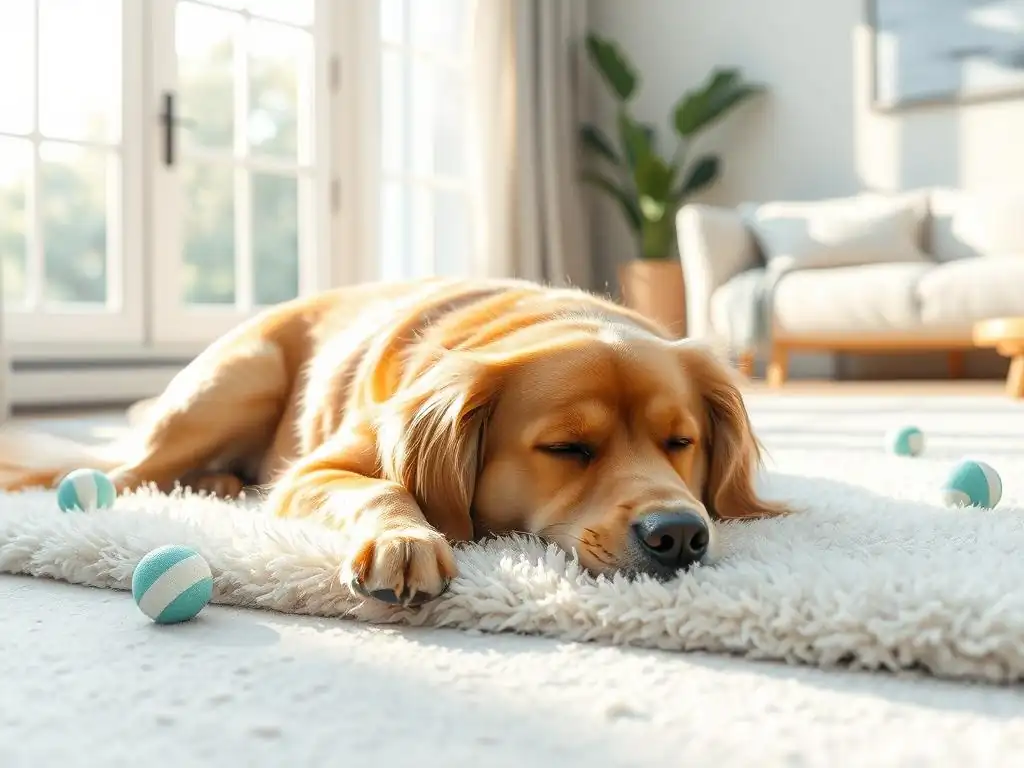
This section focuses on establishing a calm and predictable environment to minimize triggers and support your reactive dog's emotional well-being. Remember, consistent application of these calm reactive dog training tips is crucial for success. A holistic approach, encompassing environmental modifications and training techniques, yields the best results. We'll explore practical strategies to create a haven where your dog feels safe and secure, reducing the likelihood of reactive behaviors. This involves understanding your dog's specific triggers and implementing preventative measures.
Consistency and Patience: The Key to Successful Training
Consistency is paramount when training a reactive dog. Inconsistent commands and responses can confuse your dog, exacerbating reactivity. Think of it like this: imagine trying to learn a new language where the meaning of words changed daily. It would be incredibly frustrating! The same applies to your dog. Establish clear, consistent rules and stick to them. This includes everyone in the household; everyone needs to be on the same page to avoid sending mixed signals.
Furthermore, patience is a virtue when working with reactive dogs. Progress may be slow, and setbacks are possible. Avoid getting discouraged. Celebrate small victories, and focus on building your dog's confidence gradually. Remember, building a calm and confident canine takes time and dedication. Don't expect overnight miracles. A realistic timeline, coupled with consistent effort, is far more effective than rushed, poorly executed training sessions.
Consider using positive reinforcement methods, focusing on rewarding calm behavior rather than solely punishing reactive actions. Positive reinforcement strengthens the desired behavior, making it more likely to occur again. This approach builds trust and a positive association with training, making the process more enjoyable for both you and your dog. Remember, a stressed dog is less likely to learn effectively. Keeping training sessions short, fun, and rewarding is crucial for success.
Celebrating Successes: Recognizing and Rewarding Progress
Positive reinforcement is not just about treats; it's about recognizing and rewarding even the smallest successes. Did your dog remain calm when a stranger walked past? Did they resist the urge to bark at a squirrel? These are significant achievements that deserve acknowledgment. Rewarding calm behavior reinforces it, making it more likely to occur in the future.
Here's a simple example: if your dog remains calm while you're having a conversation with a visitor, immediately praise them with enthusiastic words like "Good dog! You're doing great!" and offer a high-value treat. This positive reinforcement creates a positive association with the situation. It's about building a strong bond and associating calmness with positive experiences.
Consider keeping a training journal to track your dog's progress. This allows you to monitor their responses to different situations and adjust your training approach as needed. Note down both successes and setbacks, analyzing potential triggers and patterns to refine your strategy. This proactive approach enhances the effectiveness of your calm reactive dog training tips.
Ongoing Monitoring and Adjustment: Adapting Your Approach as Needed
Training a reactive dog is an ongoing process, not a one-time fix. Your dog's reactions may change over time, influenced by various factors including their age, environment, and experiences. Regular monitoring and adjustments to your training techniques are crucial for maintaining progress.
Regularly assess your dog's comfort levels in different situations. What previously caused minimal reaction might now trigger a strong response. This may require adjusting your training plan, perhaps by gradually reintroducing previously avoided stimuli at a slower pace or utilizing different desensitization techniques. Flexibility and responsiveness are key to long-term success.
For instance, if your dog's reactivity to other dogs increases, you might need to adjust your walking routes, practicing more controlled encounters in less stimulating environments. You may also need to revisit desensitization and counter-conditioning exercises, focusing on slowly increasing the intensity of the trigger while maintaining a calm and positive environment. Remember, adaptability is a cornerstone of effective calm reactive dog training. Continuously evaluating and adjusting your approach ensures you're always providing the best support for your dog's ongoing well-being.
Frequently Asked Questions
What is a reactive dog?
A reactive dog displays excessive anxiety or fear in response to specific triggers, such as other dogs, people, or noises. This often manifests as barking, lunging, or snapping. Early intervention is crucial.
What are some common triggers for reactive dogs?
Triggers can vary greatly but often include other dogs, loud noises, unexpected movements, or even specific people. Identifying these triggers is the first step in effective training.
How can I help my reactive dog relax at home?
Create a safe and predictable environment. Use calming aids like pheromone diffusers or calming treats. Engage in low-stress activities like gentle petting or quiet playtime.
What training techniques are effective for reactive dogs?
Counter-conditioning and desensitization are key. Gradually expose your dog to their triggers at a distance where they remain calm, rewarding calm behavior. Professional dog trainer assistance is highly recommended.
Where can I find more information on calm reactive dog training tips?
PetCareWorld offers a wealth of resources on reactive dog training. Explore our articles, guides, and videos for expert advice and practical solutions to help your dog become calmer and more confident.
Final Reflection: Finding Peace in the Paws of a Reactive Dog
The struggle to manage a reactive dog is a deeply personal journey, impacting not only the dog's well-being but the entire family's quality of life. Understanding and implementing effective stress reduction techniques is not just about obedience; it's about fostering a harmonious relationship built on trust and mutual respect. This journey requires patience, consistency, and a deep understanding of canine behavior.
The impact of reactive dog behavior extends far beyond the immediate household. It shapes our interactions with our communities, influencing how we navigate public spaces and interact with other dog owners. A dog's behavior is a reflection of its environment and its experiences.
This quote highlights the crucial role we play in shaping our dog's emotional landscape and creating a safe and predictable environment for them to thrive in. The techniques discussed in this article are not just about controlling a dog; they are about building a stronger bond and understanding the root causes of their reactivity.
You, the reader, now hold the power to transform your home into a haven of peace and security for your beloved canine companion. Take the time to reflect on the techniques presented, identify the strategies best suited to your dog's unique needs, and commit to consistent, positive reinforcement. Remember, every small step you take towards understanding and addressing your dog's reactivity is a victory, not just for your dog, but for your entire family. Embrace the journey, celebrate the progress, and enjoy the rewards of a calmer, more loving relationship with your furry friend.
Unleash Your Dog's Calm: Start Building a Peaceful Home Today
Thank you for learning about stress reduction for your reactive dog! We hope you found helpful information for creating a happier, healthier environment for your furry friend. Now, let's put that knowledge into practice.
- Prioritize one calming technique: This week, focus on one strategy from the article, such as structured walks, using calming pheromones, or a specific training exercise. Consistently apply the chosen method and observe your dog's response.
- Share your progress: Tell us—and other PetCareWorld readers—about your experience! What worked best? What surprised you? Share your stories in the comments below.
- Explore additional resources: Our website offers many more articles on dog training and canine behavior. You'll find valuable information to further improve your dog's well-being.
Ready to transform your home into a haven of peace for your reactive dog? What small step will you take today to reduce their stress and strengthen your bond?