
The Importance of Patience When Training a Reactive Dog

Welcome to PetCareWorld, your ultimate guide to a happier, healthier life with your beloved pets! Are you struggling to train your reactive dog? Discover how the key to success lies in patience, and unlock a harmonious relationship with your furry friend. Learn proven techniques and expert advice within our comprehensive guide on "Train reactive dog patience"—a journey to understanding and resolving reactivity, starting now.
- Understanding Canine Reactivity: Why Patience is Key
- Developing a Training Plan for Your Reactive Dog: A Patient Approach
- Practical Strategies for Patient Reactive Dog Training
- Common Mistakes to Avoid When Training a Reactive Dog
- Seeking Professional Guidance: When to Ask for Help
- Maintaining Progress and Preventing Relapse
- Frequently Asked Questions
- Final Reflection: Cultivating Patience: The Key to a Harmonious Human-Canine Bond
- Unleash Your Dog's Potential: Start Training with Patience Today!
Understanding Canine Reactivity: Why Patience is Key
Canine reactivity, characterized by aggressive or fearful responses to specific triggers, is a significant behavioral challenge for many dog owners. Successfully training a reactive dog requires more than just commands and treats; it demands an abundance of patience, understanding, and a commitment to a long-term, positive reinforcement approach. This article delves into the science behind reactivity, highlighting why patience is not merely beneficial, but absolutely crucial for effectively addressing this complex issue and fostering a harmonious relationship with your furry friend.
We'll explore common reactive behaviors, the underlying emotional states driving them, and how a patient approach can help you navigate this journey towards a calmer, more confident canine companion. Remember, training a reactive dog is a marathon, not a sprint, and your patience will be your most valuable tool. 🐕
Identifying Reactive Behaviors in Your Dog
Reactive behaviors in dogs manifest in various ways, making accurate identification the first step towards effective training. These behaviors aren't always overtly aggressive; they can range from subtle signs to intense outbursts. Some common indicators include:
- Lunging or snapping: This is a clear sign of reactivity, often directed at other dogs, people, or even objects.
- Barking or growling: Excessive barking or growling, especially when triggered by specific stimuli, indicates underlying anxiety or fear.
- Stiff body posture: A rigid body, tense muscles, and a raised hackles are physical manifestations of stress and potential reactivity.
- Whale eye: Showing the whites of their eyes is a subtle but important sign of anxiety and discomfort.
- Excessive lip licking or yawning: These can be displacement behaviors, indicating stress even if the dog isn't outwardly aggressive.
- Hiding or cowering: While seemingly opposite to aggression, fear-based reactivity can manifest as avoidance and attempts to escape triggering situations.
Understanding the nuances of your dog's reactivity is vital. Keeping a detailed log of when, where, and how these behaviors occur can significantly aid in identifying triggers and tailoring your training strategy. For example, detailed notes might include: "10:00 AM - Walk near park. Saw another dog from a distance. Increased barking and lunging observed. Heart rate noticeably increased." This level of detail is crucial for effective management and training.
The Science Behind Reactivity: Fear, Anxiety, and Frustration
Reactive behaviors rarely stem from aggression alone; they are often rooted in fear, anxiety, or frustration. A dog exhibiting reactivity might be reacting to perceived threats, past negative experiences, or unmet needs. For instance, a dog who was attacked by another dog as a puppy might develop a fear-based reactivity towards other canines. Similarly, a dog lacking sufficient socialization might exhibit frustration-based reactivity due to unmet social needs.
Understanding the underlying emotional state is paramount. Is your dog primarily driven by fear, anxiety, or frustration? This understanding will guide your training approach. Fear-based reactivity often requires a gradual desensitization and counter-conditioning process, while frustration-based reactivity might necessitate improved management and more structured training. Accurate assessment, often with the help of a certified professional dog trainer, is essential. Remember, a reactive dog is not a "bad" dog; it's a dog struggling to cope with its environment and needs appropriate support and understanding.
Why Patience is Crucial in Addressing Reactivity
Patience is not just a virtue; it's a necessity when training a reactive dog. Addressing reactivity takes time, consistency, and a deep understanding of canine behavior. Rushing the process or employing harsh methods can worsen the problem, potentially leading to increased fear and anxiety.
- Building Trust: A patient approach fosters trust between you and your dog, creating a safe space for learning and growth. Harsh training methods often break down this trust, hindering progress.
- Gradual Desensitization: Reactivity often requires a gradual desensitization process, exposing the dog to triggers at a distance and gradually decreasing the distance as the dog remains calm. Patience is key to avoiding overwhelming the dog and triggering a negative response.
- Positive Reinforcement: Positive reinforcement techniques, such as rewarding calm behavior, are far more effective than punishment-based methods. These techniques require patience and consistency.
- Avoiding Setbacks: Setbacks are inevitable in the training process. Patience allows you to navigate these setbacks without resorting to harsh methods that would undermine your progress. A patient owner is more likely to persevere and maintain a positive training approach even when faced with challenges.
- Long-Term Success: Training a reactive dog is a long-term commitment. Patience ensures you remain committed to the process, ultimately leading to a more well-adjusted and confident canine companion. 🎉
Developing a Training Plan for Your Reactive Dog: A Patient Approach
Training a reactive dog requires immense patience and a carefully structured plan. It's not a quick fix; it's a journey that demands consistency and understanding. The key is to build your dog's confidence and manage their reactions, ultimately leading to a more relaxed and well-adjusted companion. Remember, progress isn't always linear; setbacks are normal and should be viewed as opportunities for adjustment, not failure. This section outlines strategies to create a successful training program tailored to your reactive dog's specific needs. The core principle remains patience: understanding that significant behavioral changes take time and effort.
Setting Realistic Goals and Expectations for Reactive Dog Training
Expecting immediate transformations is a common pitfall in reactive dog training. Instead, focus on small, achievable goals. For instance, instead of aiming for complete elimination of reactivity in a week, concentrate on achieving a slightly longer duration of calm behavior in a controlled environment. This might involve increasing the distance at which your dog remains calm around other dogs from 50 feet to 60 feet over a period of several weeks. Celebrate these small victories! They reinforce positive behavior and boost your dog's confidence.
Consider using a reward system. Positive reinforcement, such as treats or praise, is crucial. Identify your dog's preferred rewards and use them consistently during training sessions. A clear reward system strengthens desired behaviors, making the entire process more enjoyable for both you and your canine companion.
Remember, every dog is unique. What works for one reactive dog might not work for another. Adjust your goals and strategies as needed, always prioritizing your dog's well-being and comfort level. Regularly reassess your progress to ensure you're on the right track. Don't hesitate to seek professional guidance from a certified dog trainer experienced in working with reactive dogs. They can provide personalized support and adapt techniques to your dog's specific reactivity triggers. Patience is key, but professional expertise can significantly accelerate progress.
Creating a Safe and Predictable Environment for Your Dog
A safe and predictable environment is paramount for a reactive dog. This minimizes triggers and allows your dog to feel secure and less likely to react. This involves identifying your dog's specific triggers – are they triggered by other dogs, specific breeds, loud noises, or certain people? Once identified, minimize exposure to these triggers as much as possible.
Consider using tools to manage your dog's environment. This might include using a head halter or a harness to provide better control during walks, or creating designated safe spaces where your dog can retreat when feeling overwhelmed. These spaces should be comfortable and quiet, providing a sense of refuge.
Remember, consistency is crucial. Your dog needs to understand the rules and boundaries of their environment. This includes consistent routines for feeding, walking, and playtime. A predictable schedule helps reduce anxiety and creates a sense of security. Remember to avoid sudden movements or loud noises that could startle your dog. Gentle, predictable interactions are key to building trust and reducing reactivity. The goal is to create a sanctuary where your dog feels safe and confident. This foundation is essential for successful training.
Gradual Desensitization and Counter-Conditioning Techniques
Desensitization and counter-conditioning are powerful techniques for managing reactivity. Desensitization involves gradually exposing your dog to their triggers at a distance and intensity that doesn't elicit a reaction. Start far away from the trigger, rewarding calm behavior. Slowly decrease the distance as your dog remains calm.
Counter-conditioning pairs the trigger with something positive, such as a high-value treat. The goal is to change your dog's association with the trigger from negative to positive. If your dog is afraid of other dogs, for example, start by showing them pictures of dogs from a distance. As they remain calm, gradually decrease the distance and eventually introduce real dogs at a safe distance, always rewarding calm behavior with treats and praise.
Remember to proceed slowly and patiently. If your dog shows signs of anxiety or stress, increase the distance or reduce the intensity of the trigger. Never push your dog beyond their comfort zone. The process is about managing their emotional response, not forcing them to confront their fears. It's a marathon, not a sprint. Celebrate even the smallest successes, and understand that setbacks are a normal part of the process. Consistency and patience are crucial in achieving positive outcomes. Your calm and reassuring presence will significantly influence your dog's progress.
Practical Strategies for Patient Reactive Dog Training
This section delves into practical, hands-on strategies for training a reactive dog with patience as the cornerstone. Remember, consistency and understanding are key to success. Your dog's reactivity isn't a reflection of their character, but a learned behavior that can be modified with the right approach. The journey requires consistent effort and a deep understanding of your dog's triggers and anxieties. Patience is not simply a virtue; it's the essential ingredient for effective reactive dog training.
Managing Triggers and Avoiding Overwhelming Situations
Understanding and managing your dog's triggers is paramount. Triggers are specific stimuli that elicit a reactive response. These can vary widely, ranging from other dogs and people to specific sounds, sights, or even smells. Careful observation is crucial to identifying these triggers.
Keep a detailed journal, noting the time, place, and specific trigger that caused your dog to react. This will help you build a comprehensive profile of your dog's reactivity patterns. For example, you might note: "10:15 AM - Walk near the park - Leash pulling, growling at a jogger." This level of detail is invaluable in crafting a tailored training plan.
Once you've identified common triggers, proactively avoid them whenever possible. This doesn't mean isolating your dog, but rather making informed choices. If your dog reacts to other dogs, avoid busy parks and opt for quieter walking routes. If loud noises are a trigger, consider desensitization exercises in a controlled environment.
Creating a safe and predictable environment reduces the frequency of triggering events, allowing your dog to feel more secure and reducing their stress levels. This fosters a calmer state, making them more receptive to training. Remember, prevention is often better than cure in reactive dog training. A proactive approach to trigger management drastically improves training outcomes.
Positive Reinforcement: Rewards and Motivation
Positive reinforcement is the bedrock of effective reactive dog training. It focuses on rewarding desired behaviors rather than punishing unwanted ones. This builds a positive association with training and strengthens the bond between you and your dog.
The key is to use high-value rewards, things your dog absolutely loves. This could be small pieces of their favorite treats, a favorite toy, or even enthusiastic praise. Timing is crucial; reward your dog immediately after they exhibit a desired behavior, such as remaining calm in the presence of a potential trigger. This creates a clear connection between the behavior and the reward.
Consider using a clicker for precise timing. The click marks the exact moment of the desired behavior, making it easier for your dog to understand what they're being rewarded for. Consistency is key; reward even small steps of progress. This reinforces positive behavior and builds confidence.
Avoid punishment-based methods, which can exacerbate reactivity and damage your relationship with your dog. Positive reinforcement is not only more effective but also creates a far more positive and enjoyable training experience for both you and your dog. It's a gentler approach that builds trust and understanding.
| Reward Type | Example | Frequency | Notes |
|---|---|---|---|
| High-Value Treat | Small piece of cooked chicken | Every successful attempt | Use sparingly to maintain high value |
| Toy Reward | Favorite squeaky toy | After successful avoidance of trigger | Pair with praise |
| Verbal Praise | "Good dog! Yes!" | Frequently | Enthusiastic and clear tone is essential |
The Role of Body Language and Communication in Training a Reactive Dog
Effective communication extends beyond verbal cues. Your dog is highly attuned to your body language. Tension, anxiety, or even subtle shifts in your posture can unintentionally trigger a reactive response. Maintaining a calm and confident demeanor is crucial.
Practice mindful awareness of your own body language. Relax your shoulders, keep your breathing even, and avoid making sudden movements. A relaxed posture signals to your dog that there's nothing to fear. This creates a sense of security and reduces their anxiety.
Learn to read your dog's body language as well. Signs of stress or anxiety include tucked tail, whale eye (showing the whites of their eyes), yawning, lip licking, and stiff posture. Recognizing these signals allows you to intervene before a full-blown reactive episode.
By understanding and controlling your own body language, and responding appropriately to your dog's signals, you significantly improve your ability to prevent and manage reactive behaviors. This patient and nuanced approach builds trust and reinforces calm behavior, leading to more effective training outcomes. Remember, your dog mirrors your energy; calmness begets calmness. Patience and understanding form the foundation for successful communication and ultimately, a more peaceful relationship with your reactive dog.
Handling Setbacks and Maintaining a Positive Training Environment
Training a reactive dog requires immense patience, and it's crucial to understand that setbacks are inevitable. A reactive dog's progress isn't always linear; there will be days where they regress, exhibiting more reactivity than usual. These setbacks shouldn't be viewed as failures, but rather as learning opportunities for both you and your dog. Instead of getting discouraged, analyze the situation.
Was there a specific trigger that caused the setback? Were you inadvertently rewarding the unwanted behavior? Perhaps the training session was too long, or your dog was overly tired or stressed. Identifying the root cause is vital for adjusting your approach and preventing future regressions.
One effective strategy is to break down training sessions into shorter, more frequent intervals. Instead of one long, potentially overwhelming session, opt for several shorter, more manageable sessions throughout the day. This minimizes the chance of your dog becoming fatigued or frustrated, leading to a more positive and productive training experience. Remember, consistency is key, but so is flexibility. If your dog is having a particularly difficult day, it's perfectly acceptable to shorten or even skip a session entirely. Forcing a stressed or overwhelmed dog to continue training can be counterproductive and might even worsen their reactivity.
Maintaining a positive training environment is paramount. This means focusing on rewarding desired behaviors, rather than solely punishing unwanted ones. Positive reinforcement, such as treats, praise, and toys, strengthens the bond between you and your dog and encourages them to cooperate. Avoid harsh corrections or punishment, which can increase fear and anxiety, exacerbating the reactivity.
Remember, your dog is trying their best, and even small improvements deserve celebration. Positive reinforcement not only helps in the training process but also builds trust and strengthens your relationship with your canine companion. A relaxed and positive environment fosters learning and reduces stress, creating a more effective training atmosphere for your reactive dog.
Remember, patience is your greatest asset in this process. Celebrate the small victories and maintain a positive, encouraging attitude, and you'll see significant progress over time. The journey may be challenging, but the rewards of a well-trained and confident dog are immeasurable.
Common Mistakes to Avoid When Training a Reactive Dog
Training a reactive dog requires significant dedication and understanding. Many well-meaning owners unintentionally hinder progress by making common mistakes. Successfully navigating this challenge hinges on patience, consistency, and a deep understanding of canine behavior. This section will outline some critical errors to avoid when embarking on this journey.
The Pitfalls of Punishment-Based Training Methods
Punishment-based training methods are often counterproductive when working with reactive dogs. Instead of addressing the root cause of reactivity, punishment frequently exacerbates the problem. Fear and anxiety, often underlying reactivity, are intensified by harsh corrections, leading to increased aggression and a breakdown in trust between dog and owner. A dog subjected to punishment may become more fearful and reactive, potentially leading to more intense behavioral problems.
For example, a dog who lunges at another dog and is subsequently punished might become even more fearful of other dogs, leading to more intense lunging behavior in the future. Positive reinforcement, focusing on rewarding desired behaviors, is far more effective and builds a stronger bond with your canine companion. Remember, the goal is not to suppress the reaction, but to teach the dog alternative, calmer behaviors. This requires patience and consistent positive reinforcement, building confidence and trust.
Understanding Your Dog's Limits and Avoiding Over-stimulation
Over-stimulation is a major trigger for reactive dogs. Pushing a dog beyond its comfort zone will likely result in a reactive episode. Understanding your dog's individual thresholds is crucial. This includes recognizing triggers like specific sights, sounds, or smells that elicit a response.
A systematic desensitization and counter-conditioning plan, often involving gradual exposure to triggers at a distance where the dog remains calm, is a much more effective approach than pushing the dog to its limit. For instance, if your dog reacts to other dogs, start with extremely distant sightings and gradually decrease the distance only when your dog remains calm and relaxed. Reward calm behavior generously.
Avoid overwhelming situations that can trigger reactivity, such as crowded dog parks or busy streets, until your dog demonstrates significantly improved control. Observe your dog's body language carefully – signs of stress like yawning, lip licking, whale eye, or tucked tail indicate you need to increase the distance or change the environment. Remember, progress is gradual; celebrate small victories along the way.
The Importance of Consistency and Patience in Long-Term Training
Patience is paramount when training a reactive dog. It's a long-term commitment, requiring consistent effort and unwavering patience from the owner. Inconsistency in training undermines progress and confuses the dog. All members of the household must be on board with the training plan, utilizing the same methods and cues. This consistency reinforces learning and prevents mixed signals that can hinder progress.
Remember, setbacks are normal. A reactive dog may have occasional relapses, particularly in challenging situations. These setbacks should not discourage you; they are opportunities to re-evaluate the training plan and adjust accordingly. Celebrate small successes, focusing on the positive changes, however incremental.
Long-term success hinges on consistent positive reinforcement, patience, and a deep understanding of your dog's individual needs and sensitivities. The journey may be challenging, but the reward of a calmer, more confident dog is immeasurable. Remember to always prioritize your dog's well-being and seek professional guidance from a certified dog trainer or veterinary behaviorist if needed. They can provide personalized strategies and support to help you achieve your training goals.
Seeking Professional Guidance: When to Ask for Help
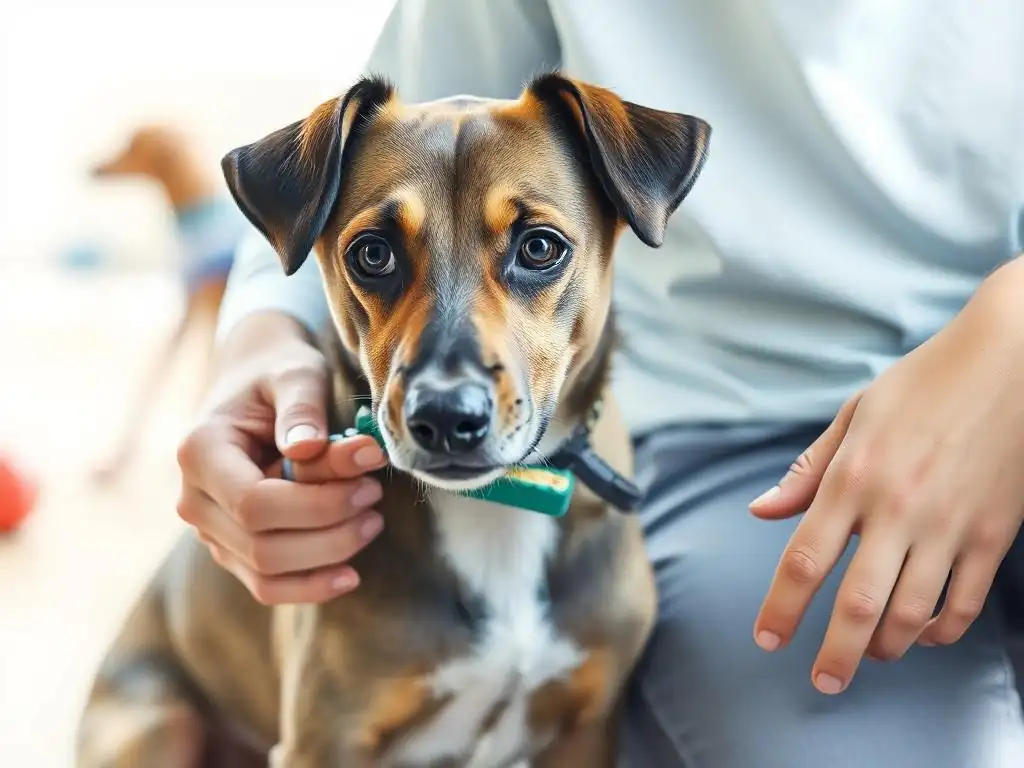
Training a reactive dog requires significant patience and consistent effort. While many owners can successfully manage reactivity with diligent work and the right techniques, recognizing when professional help is needed is crucial for both the dog's well-being and the owner's sanity. Ignoring escalating reactivity can lead to more severe behavioral issues and potentially dangerous situations for your dog and others. This section explores when seeking professional guidance is not just beneficial, but essential. Remember, asking for help is a sign of responsible pet ownership, not a failure.
Recognizing the Need for Professional Help with Reactive Dog Training
Several warning signs indicate that professional help might be necessary when training your reactive dog. These signs aren't just about minor nips or barks; they point to deeper-seated anxieties or fears that require expert intervention. Consider seeking professional help if:
- Your dog's reactivity is escalating despite your best efforts at home training. For example, if the frequency or intensity of reactions (lunging, barking, snapping) are increasing, even with consistent application of training techniques focused on train reactive dog patience.
- Your dog's reactions are unpredictable and difficult to manage, even in controlled environments. This suggests a more complex underlying issue than simple fear or excitement.
- Your dog is exhibiting signs of severe anxiety or stress beyond reactivity, such as excessive panting, trembling, hiding, or loss of appetite. These are indicators that the dog's overall well-being is compromised.
- You feel overwhelmed, frustrated, or unsafe handling your dog due to their reactivity. Your safety and well-being are paramount. A professional can provide strategies to ensure both yours and your dog's safety.
- Your dog is showing signs of aggression beyond reactivity, such as biting or attacking. This requires immediate professional intervention to prevent serious injury.
- You've tried various training methods at home and haven't seen any improvement after a reasonable period (e.g., several weeks or months of consistent effort). Sometimes, a fresh perspective and expert guidance are necessary to break through plateaus.
Finding Qualified and Experienced Dog Trainers and Behaviorists
Finding the right professional is vital. Not all trainers are created equal. Look for certified professionals with experience specifically in reactive dog training. Consider the following when searching:
- Certifications: Look for certifications from reputable organizations such as the Certification Council for Professional Dog Trainers (CCPDT) or the International Association of Animal Behavior Consultants (IAABC). These certifications indicate a commitment to professional standards and continuing education.
- Experience: Seek trainers with proven success in managing canine reactivity. Inquire about their experience with similar cases and their success rate.
- Training Methods: Ensure the trainer utilizes positive reinforcement methods. Avoid trainers who employ punishment-based techniques, as these can exacerbate reactivity and damage the dog-owner bond. Positive reinforcement focuses on rewarding desired behaviors, making the training process more enjoyable and effective for both you and your dog.
- References: Ask for references from previous clients. Speaking with other dog owners who have worked with the trainer can provide valuable insights into their approach and effectiveness. This is especially important when you're trying to train a reactive dog with patience.
Building a Support Network for You and Your Reactive Dog
Training a reactive dog is a challenging journey, both emotionally and physically demanding. Building a support network is crucial for your success and well-being. This network can provide emotional support, practical advice, and even assistance during training sessions.
- Other Dog Owners: Connect with other dog owners facing similar challenges. Online forums, local dog training groups, or even veterinary clinics can provide opportunities to share experiences and learn from others.
- Veterinarians: Your veterinarian can play a crucial role in identifying underlying medical conditions that might be contributing to your dog's reactivity. They can also provide advice on medication if necessary.
- Friends and Family: Lean on your support system for emotional support and practical help, such as watching your dog while you attend training sessions. This is especially helpful when you're learning how to train reactive dog patience. Open communication with loved ones about your struggles and successes can significantly improve your overall well-being during this process.
- Professional Support Groups: Consider seeking support from professional groups or therapists specializing in animal-assisted therapy or pet loss support if needed. These professionals can provide emotional support and coping mechanisms to help you navigate the challenges of dog reactivity.
Remember, patience and perseverance are key. With the right support and guidance, you can help your reactive dog learn to manage their triggers and live a happier, more fulfilling life. The journey may be long, but the rewards are immeasurable.
Maintaining Progress and Preventing Relapse
Consistent, patient training is crucial not only for initial success in training a reactive dog, but also for preventing relapses. A reactive dog's progress isn't linear; there will be good days and bad days. The key is to maintain a consistent approach and proactively manage situations that might trigger reactivity. This requires ongoing commitment and a deep understanding of your dog's triggers and thresholds. Remember, training a reactive dog requires patience; it's a marathon, not a sprint.
Consistent Training and Ongoing Management Strategies
Consistency is paramount when training a reactive dog. Regular, short training sessions are more effective than infrequent, lengthy ones. Aim for several short sessions each day, focusing on positive reinforcement techniques. Even on days when your dog doesn't seem to be making progress, maintain the routine. This consistency reinforces the learned behaviors and helps build confidence in both you and your dog. Use a variety of training methods, such as desensitization and counter-conditioning, to address different aspects of reactivity.
Furthermore, proactive management is essential. This means carefully controlling your dog's environment to minimize exposure to triggers. This might involve avoiding high-traffic areas, using a muzzle in situations where reactivity is likely, or employing visual barriers to create distance from potential stressors. Careful planning and preparation can significantly reduce the likelihood of unwanted behaviors. Keep a detailed log of your training sessions and your dog's reactions to different stimuli to identify patterns and adjust your strategies accordingly. For example, if you notice increased reactivity on walks during rush hour, adjust your walking schedule to avoid these peak times.
Addressing Underlying Medical Conditions That May Contribute to Reactivity
It's crucial to rule out any underlying medical conditions that might be contributing to your dog's reactivity. Pain, discomfort, or even subtle sensory issues can significantly impact a dog's behavior, making them more prone to reactivity. A thorough veterinary examination is essential to identify and treat any potential medical causes. Conditions like arthritis, ear infections, or dental problems can cause discomfort and increase irritability, leading to aggressive or fearful responses.
Addressing these underlying issues is a critical step in successfully training a reactive dog; treating the root cause can dramatically improve your dog's overall behavior and response to training. A healthy dog is a happier dog, and a happier dog is often a more manageable dog. Don't underestimate the importance of a veterinarian's assessment in this process.
Celebrating Successes and Maintaining a Positive Relationship With Your Dog
Training a reactive dog is challenging, demanding patience and persistence. It's essential to celebrate even the smallest successes. Positive reinforcement is key, not just for training, but for maintaining a strong, positive bond with your dog. Acknowledge and reward even subtle improvements in behavior. A simple "good dog" and a gentle pat can go a long way in boosting your dog's confidence and reinforcing positive behaviors.
Remember to focus on the progress, not perfection. Maintaining a positive and trusting relationship with your dog is fundamental to successful training. This positive relationship will make the training process smoother and more rewarding for both of you. Remember to prioritize your dog's well-being throughout this journey; patience and understanding are key components of a successful and harmonious relationship with your reactive dog. 🎉
Frequently Asked Questions
What is a reactive dog?
A reactive dog is one that exhibits excessive and inappropriate responses to triggers, such as other dogs, people, or noises. This can manifest as barking, lunging, or snapping. Early intervention is key.
Why is patience crucial when training a reactive dog?
Patience is essential because reactive dogs need consistent, positive reinforcement to learn new behaviors. Rushing the process can worsen anxiety and increase reactivity. Positive reinforcement builds trust.
How can I practice patience while training my reactive dog?
Start with short, frequent training sessions in low-distraction environments. Celebrate even small successes. Remember that progress takes time and setbacks are normal. Consistency is key.
What if my reactive dog's behavior escalates during training?
If your dog's reactivity escalates, immediately end the session and try again later. Consider consulting a certified professional dog trainer experienced in reactive dog training. They can provide tailored guidance.
Are there specific training methods best for reactive dogs?
Positive reinforcement methods, such as rewarding calm behavior and desensitization/counter-conditioning, are generally most effective. Avoid punishment-based methods, which can worsen anxiety and reactivity. Consult a professional for personalized advice.
Final Reflection: Cultivating Patience: The Key to a Harmonious Human-Canine Bond
The journey to training a reactive dog is not a sprint, but a marathon of unwavering patience and understanding. This truth, often overlooked in the rush to "fix" a dog's anxieties, is the cornerstone of successful training and a deeply fulfilling relationship with your canine companion. Ignoring this fundamental principle can lead to frustration, setbacks, and ultimately, a damaged bond.
The impact of patience extends far beyond the immediate training sessions. It shapes the very fabric of our relationship with our pets, teaching us empathy, resilience, and the profound value of understanding a creature whose communication differs vastly from our own. Patience is not passive resignation, nor is it failing to act because of fear; it is the capacity to act with calmness when faced with difficulty.
This quote perfectly encapsulates the active, engaged nature of patience in dog training, requiring us to constantly adapt our approach and celebrate even the smallest victories.
You, the reader, now hold the key to unlocking a more harmonious relationship with your reactive dog. Consider the lessons learned here – the importance of positive reinforcement, the power of understanding triggers, and the unwavering necessity of patience – and apply them to your daily interactions. Embrace the journey, celebrate the small wins, and remember that the bond you build through understanding and patience is far more valuable than any quick fix. This is not just about training a dog; it's about cultivating a deeper connection, built on mutual respect and unwavering love.
Unleash Your Dog's Potential: Start Training with Patience Today!
Thank you for learning about the importance of patience in dog training! You've gained valuable insights into building a stronger bond with your canine companion through understanding and consistent effort. Now, let's put that knowledge into practice.
- Choose one small training goal this week. Focus on mastering a single command or behavior, practicing it consistently with positive reinforcement. This focused approach will build confidence in both you and your dog.
- Share your successes (and challenges!) with our PetCareWorld community in the comments below. Let's support each other on this journey!
- Consider keeping a training journal. Tracking your progress and noting what techniques work best can be surprisingly helpful!
Ready to see the amazing results of consistent, patient training? What small step will you take with your dog today?