
How to Monitor Your Adult Dog's Weight and Body Condition


Welcome to PetCareWorld, your ultimate guide to happy and healthy pets! Are you concerned about maintaining your adult dog's ideal weight? Then you've come to the right place. Our expert advice on adult dog weight monitoring will help you understand the crucial role weight plays in your canine companion's overall well-being. Discover how to use our insightful Adult Dog Weight Monitoring Chart and unlock the secrets to a longer, healthier life for your furry friend. Let's dive in!
- Understanding Your Adult Dog's Ideal Weight
- Practical Methods for Monitoring Your Adult Dog's Weight
-
Interpreting Your Dog's Weight and Body Condition
- Recognizing Healthy Weight in Adult Dogs: Visual Clues and Indicators
- Identifying Underweight in Adult Dogs: Symptoms and Potential Causes
- Recognizing Overweight and Obesity in Adult Dogs: Health Risks and Consequences
- Understanding the Link Between Weight and Overall Health in Adult Dogs
- Assessing Your Dog's Body Condition Score (BCS)
- Utilizing an Adult Dog Weight Monitoring Chart
- Integrating Weight Monitoring into Your Dog's Overall Healthcare Routine
- Adjusting Your Dog's Diet and Exercise for Optimal Weight Management
- Monitoring Your Dog's Weight Over Time: Long-Term Strategies
- Frequently Asked Questions
- Final Reflection: The Ongoing Journey of Canine Wellness
- Unlock Your Dog's Healthiest Weight: Start Today!
Understanding Your Adult Dog's Ideal Weight
Maintaining a healthy weight is crucial for your adult dog's overall well-being. Obesity in dogs can lead to a range of serious health problems, including diabetes, joint issues, heart disease, and a shorter lifespan. Conversely, being underweight can also indicate underlying health concerns.
This comprehensive guide will equip you with the knowledge and tools to effectively monitor your adult dog's weight and body condition, using readily available resources and simple techniques. We'll explore how to determine your dog's ideal weight range based on breed, utilize a practical weight monitoring chart, and learn how to perform a body condition score (BCS) assessment – a vital visual check to complement weight measurements. Successfully monitoring your dog's weight is a proactive step towards ensuring a long and healthy life for your furry friend.
Regular monitoring, combined with a balanced diet and sufficient exercise, will contribute significantly to your dog's overall health and happiness. Let's delve into the specifics!
Determining Your Dog's Breed-Specific Ideal Weight Range
Determining your dog's ideal weight isn't simply about looking at a generic chart. Breed size plays a significant role. Smaller breeds naturally weigh less than larger breeds. Even within a breed, there can be variations in size. To accurately determine your dog's ideal weight range, you should consult your veterinarian or refer to breed-specific weight charts available online. These charts often provide weight ranges based on your dog's age, sex, and height.
Remember, these are just guidelines. Individual dogs may fall slightly above or below the ideal range, and factors such as muscle mass can influence overall weight. The best approach is to combine weight data with a visual assessment, which we'll cover in the following sections.
It's important to note that some online resources may offer generalized information, but breed-specific data from reputable sources (like veterinary organizations or breed clubs) will provide the most accurate estimations. Always prioritize information from trusted sources to avoid potential misinformation. Consider keeping a record of your dog's weight over time to track any changes and alert your veterinarian to any significant deviations from the ideal range.
Using an Adult Dog Weight Monitoring Chart: A Step-by-Step Guide
Regularly weighing your dog is essential for effective weight management. Using a simple weight monitoring chart can significantly help you track your dog’s progress. You can create your own chart using a spreadsheet or notebook, or find printable templates online. Here's a step-by-step guide:
- Choose your method: Decide whether you’ll weigh your dog at home using a pet scale or at your veterinarian's office. Home scales offer convenience, but vet visits allow for a professional assessment of your dog's overall health.
- Establish a weighing schedule: Aim to weigh your dog at least once a month, or more frequently if needed (e.g., if your dog is losing or gaining weight rapidly). Consistency is key!
- Record the data: Note the date, your dog's weight, and any relevant observations (e.g., dietary changes, increased activity levels).
- Analyze the trends: Regularly review your chart to identify any patterns or significant changes in your dog's weight. A gradual increase or decrease in weight might warrant a discussion with your veterinarian to rule out any underlying health conditions or adjust your dog's diet and exercise accordingly.
- Visualize the data: Consider creating a graph or chart to visualize your dog's weight over time. This can make it easier to spot trends. A simple line graph showing weight over time can be very effective.
Body Condition Score (BCS): A Visual Assessment Tool for Adult Dogs
While weighing your dog is important, a visual assessment using the Body Condition Score (BCS) provides a valuable complement to weight measurements. BCS is a numerical scale (typically 1-9) that assesses your dog's fat cover and muscle definition. A score of 5 typically indicates an ideal body condition. Lower scores suggest underweight, while higher scores indicate overweight or obese.
To perform a BCS assessment, gently run your hands along your dog's body, feeling for ribs, spine, and hip bones. You should be able to feel the ribs easily under a thin layer of fat. The spine should be easily palpable, but not overly prominent. The waist should be clearly visible when viewed from above.
Your veterinarian can demonstrate the proper techniques and help you interpret the results. Regular BCS assessments, combined with weight monitoring, give you a comprehensive understanding of your dog's body condition and allow for early intervention if necessary. Remember, a healthy weight is a vital component of a happy and healthy life for your canine companion. 🐶
Factors Influencing Adult Dog Weight: Age, Activity Level, and Diet
Maintaining a healthy weight for your adult dog is crucial for their overall well-being. Several key factors significantly influence their ideal weight and how it changes over time. Understanding these factors is the first step in effectively monitoring your dog's weight and adjusting their care accordingly. Let's delve into the most important ones: age, activity level, and diet.
Age: As dogs age, their metabolism naturally slows down. This means they require fewer calories to maintain their weight compared to their younger years. Senior dogs (generally considered 7 years and older for smaller breeds, and 5 years and older for larger breeds) often experience decreased muscle mass and increased fat deposition, making weight management even more critical.
A dog that maintained a healthy weight at 3 years old might need a calorie reduction plan as they approach their senior years to avoid weight gain and related health issues. Failing to adjust their dietary intake can lead to obesity, increasing the risk of conditions like arthritis, diabetes, and heart disease. Regular veterinary check-ups are essential to monitor changes related to aging and adjust the dog’s nutrition plan as needed.
Activity Level: A dog's activity level directly impacts its caloric needs. A highly active dog, such as a working breed or a dog with a demanding exercise routine (e.g., daily long runs, agility training), will burn more calories and require a higher caloric intake to maintain a healthy weight. Conversely, a less active dog, perhaps a senior dog or one with limited mobility, needs fewer calories to avoid weight gain.
The amount of daily exercise significantly influences your dog's energy expenditure and, consequently, their ideal weight. Owners should carefully consider their dog's activity level when determining appropriate portion sizes and choosing the right type of dog food. Regular walks, playtime, and other forms of exercise are crucial for maintaining a healthy weight, especially in less active breeds.
Diet: The type and quantity of food you feed your dog are paramount in maintaining their ideal weight. High-calorie foods, those with high fat content, or those containing excessive fillers can contribute to weight gain even if the portion size is seemingly moderate. Conversely, a diet lacking in essential nutrients might lead to weight loss, even if your dog eats large quantities.
It's crucial to choose a dog food formulated for your dog's age, breed, and activity level. Always check the nutritional information on the packaging and follow the feeding guidelines, adjusting portions as needed based on your dog's body condition score (BCS). Consulting with a veterinarian or a certified veterinary nutritionist can help you tailor a diet specific to your dog's needs and ensure they receive the right balance of nutrients without excess calories.
Remember to always provide fresh water and avoid giving your dog human food, which is often high in sugar, salt, and fat. Monitoring your dog's food intake is as important as monitoring their exercise levels.
Practical Methods for Monitoring Your Adult Dog's Weight
This section details practical, hands-on methods for effectively monitoring your adult dog's weight, focusing on techniques for accurate measurement and record-keeping. Consistent monitoring is crucial for maintaining your dog's health and well-being, allowing for early detection of potential weight-related issues. Remember, even seemingly small changes in weight can signal underlying health problems, emphasizing the importance of regular checks. This proactive approach helps ensure your canine companion thrives.
Regular Weigh-Ins: Frequency and Techniques
Regular weighing is the cornerstone of effective adult dog weight monitoring. How often should you weigh your dog? The ideal frequency depends on several factors, including your dog's breed, age, activity level, and any pre-existing health conditions. Generally, a weekly weigh-in is recommended for most adult dogs, especially those prone to weight fluctuations or with health concerns. For dogs with stable weights and no health issues, weighing every two weeks might suffice. However, any significant change in appetite, activity, or behavior warrants more frequent monitoring.
To ensure accurate readings, always weigh your dog at the same time of day, preferably before feeding. Use a pet scale designed for accurate weight measurement, ideally one that can handle your dog's size. Make sure your dog is comfortable and calm during the weighing process. Avoid weighing your dog immediately after strenuous exercise or drinking large quantities of water, as this can skew the results.
Consider using treats or positive reinforcement to keep your dog calm and cooperative during the weighing process. This consistent routine establishes predictability and reduces stress for both you and your pet. Remember, consistent data is key to interpreting trends in your dog's weight.
Maintaining Accurate Records: Utilizing a Weight Tracking Chart for Adult Dogs
Maintaining meticulous records of your dog's weight is paramount. An adult dog weight monitoring chart is an invaluable tool for tracking changes over time and identifying potential problems early. This chart doesn't need to be overly complex; a simple spreadsheet or notebook will suffice. However, consistency is key. Record your dog's weight, the date, and any relevant observations, such as changes in appetite, activity levels, or any noticeable health changes.
Consider including columns for:
| Date | Weight (lbs/kg) | Notes |
|---|---|---|
| Oct 26, 2023 | 55 lbs | Ate a bit less today; playful. |
| Nov 2, 2023 | 54.5 lbs | Seems a little less energetic. |
| Nov 9, 2023 | 54 lbs | Appetite slightly decreased; vet visit scheduled. |
This detailed record allows you to quickly identify trends and potential issues. For example, a gradual weight loss over several weeks could indicate an underlying health problem requiring veterinary attention. Similarly, a sudden increase in weight might suggest a need to adjust your dog's diet and exercise routine. The chart becomes a visual representation of your dog's health journey, providing valuable insights for you and your veterinarian. Remember, data visualization is crucial for effective monitoring. 📈
Identifying Subtle Weight Changes: Early Detection of Potential Problems
Even seemingly minor weight fluctuations in your adult dog can signal underlying health problems. It's crucial to be vigilant and recognize subtle changes, such as a decrease in muscle mass, a change in body condition score (BCS), or altered energy levels. A decrease in muscle mass might not always be reflected in the scale reading but can be observed through changes in body shape and overall physical condition.
Beyond the scale, pay attention to your dog's overall body condition. Is their waistline less defined? Does their rib cage feel more prominent? Are their hips and spine more easily palpable? These subtle changes can indicate weight loss or gain, even if the scale shows only a minor variation.
Furthermore, monitor your dog's energy levels and appetite. A sudden decrease in energy, combined with a slight weight loss, could suggest a health issue. Similarly, increased lethargy coupled with unexplained weight gain might point to problems such as hypothyroidism. Remember, proactive monitoring allows for early intervention and improves your dog's overall health and well-being. 🐕🦺
The Importance of Consistent Measurement: Avoiding Inconsistent Results
Maintaining consistency in your adult dog's weight monitoring is crucial for accurately tracking changes and preventing misinterpretations. Inconsistent measurements can lead to inaccurate assessments of your dog's weight and body condition, potentially delaying necessary interventions. For example, weighing your dog on different scales, at different times of the day (before or after meals, after a walk), or even using different methods (bathroom scale versus pet scale) will introduce variability and skew the data. This can make it difficult to identify subtle weight changes that might signal underlying health problems.
To ensure accurate monitoring, establish a routine. Weigh your dog on the same scale, at the same time of day, and ideally, before feeding. This minimizes the influence of external factors such as food intake or bowel movements. Consider using a pet scale specifically designed for accurate weight measurement, as these often provide more precise readings than standard bathroom scales.
Keep a detailed record of each weighing, noting the date, time, and weight. This meticulous record-keeping is fundamental for effective adult dog weight monitoring and the creation of a reliable trend analysis. Without this consistency, you risk missing important indicators of your dog’s health.
Furthermore, using a consistent weighing method also allows for more meaningful comparisons over time. If you switch between different scales or weighing methods, it becomes challenging to accurately determine if your dog has gained or lost weight. This is especially important for older dogs, who may experience subtle weight fluctuations due to age-related changes in metabolism or activity levels.
Consistent measurements allow you to detect these subtle changes and address any potential concerns promptly. The cumulative effect of consistent measurements allows for a clearer, more reliable picture of your dog's overall weight management. The data collected will be far more useful for detecting patterns and making informed decisions about your dog's health.
Interpreting Your Dog's Weight and Body Condition
This section delves into the crucial aspects of assessing your adult dog's weight and body condition. Understanding these factors is paramount for maintaining their overall health and well-being. Regular monitoring, using a combination of visual assessment and weight tracking, allows for early detection of potential problems, enabling timely intervention.
This proactive approach is key to preventing serious health complications associated with both underweight and overweight conditions in adult canines. Consistent monitoring, coupled with a balanced diet and appropriate exercise, contributes significantly to your dog's longevity and quality of life. Remember, an "adult dog weight monitoring chart" can be a valuable tool in this process, but visual assessment is equally important.
Recognizing Healthy Weight in Adult Dogs: Visual Clues and Indicators
A healthy weight for an adult dog is not simply a number on the scale; it's a reflection of their overall body condition. Visual assessment is crucial for determining if your dog falls within the healthy weight range. You should be able to easily feel their ribs beneath a thin layer of fat. Their waist should be clearly visible when viewed from above, and their abdomen should tuck up nicely. Avoid relying solely on weight charts; breed standards, individual body structure, and muscle mass can significantly influence ideal weight.
Here's a breakdown of visual indicators of a healthy adult dog:
- Ribs: Palpable but not easily visible. You should be able to feel them with gentle pressure, but they shouldn't be prominently sticking out.
- Waist: A noticeable tuck-in behind the ribs, visible when looking down at your dog.
- Abdomen: A slightly tucked-up abdomen; not sagging or distended.
- Body Condition Score (BCS): A numerical scale (typically 1-9) used by veterinarians to objectively assess body condition. A score of 4-5 usually indicates a healthy weight. [Specific information pending on how to use a BCS chart].
- Muscle Tone: Good muscle definition, especially noticeable in the hindquarters and shoulders. Not overly lean or overly bulky.
Identifying Underweight in Adult Dogs: Symptoms and Potential Causes
An underweight adult dog presents a serious concern, indicating potential underlying health issues. Visual indicators include prominent ribs, a lack of body fat, and a sunken appearance. They may also exhibit decreased energy levels, lethargy, and a dull coat. Underlying causes can range from insufficient food intake to underlying medical conditions like parasites, digestive disorders, or even cancer.
Potential causes of underweight in adult dogs include:
- Insufficient Caloric Intake: Not eating enough food to meet their energy requirements.
- Malabsorption: The inability to properly absorb nutrients from food, often due to digestive problems.
- Parasites: Internal or external parasites can rob your dog of essential nutrients.
- Underlying Medical Conditions: Various diseases, such as diabetes, kidney disease, or hyperthyroidism, can lead to weight loss.
- Dental Problems: Painful teeth or gums can make eating difficult.
- Increased Metabolism: Some dogs naturally have faster metabolisms.
It's crucial to consult a veterinarian if you suspect your dog is underweight. They can perform a thorough examination to identify the underlying cause and recommend appropriate treatment. Early intervention is key to addressing the issue and preventing further health complications. Remember, a healthy weight is essential for a healthy immune system and overall well-being.
Recognizing Overweight and Obesity in Adult Dogs: Health Risks and Consequences
Obesity in adult dogs is a significant health concern, significantly increasing the risk of various diseases. Visual indicators include an inability to feel the ribs easily, a lack of a visible waist, and an overall round or pot-bellied appearance. Overweight dogs often exhibit decreased activity levels, labored breathing, and a higher susceptibility to infections.
The health risks associated with canine obesity are substantial:
- Diabetes Mellitus: Increased risk of developing type 2 diabetes.
- Joint Problems: Extra weight puts significant strain on joints, leading to osteoarthritis and other issues.
- Cardiovascular Disease: Obesity increases the risk of heart disease.
- Respiratory Problems: Extra weight can impair breathing.
- Certain Cancers: Obesity has been linked to an increased risk of certain types of cancer.
- Reduced Lifespan: Obesity is associated with a shorter lifespan.
A gradual weight loss plan, developed in consultation with a veterinarian, is crucial for obese dogs. This typically involves a combination of dietary changes, increased exercise, and potentially medication in some cases. Remember, a healthy weight is a cornerstone of a long and happy life for your canine companion. Regular monitoring, using an "adult dog weight monitoring chart" and visual assessment, are key to preventing and managing obesity. 🐕
Understanding the Link Between Weight and Overall Health in Adult Dogs
Maintaining a healthy weight is crucial for your adult dog's overall well-being. Obesity in dogs, just like in humans, significantly increases the risk of several serious health problems. These can include diabetes mellitus, osteoarthritis (degenerative joint disease), heart disease, respiratory problems, and certain types of cancer. Even a relatively small increase in weight can put extra strain on your dog's joints, leading to discomfort and reduced mobility, especially in larger breeds.
Conversely, being underweight can also indicate underlying health issues, such as parasitic infections, digestive problems, or even more serious illnesses. Regular weight monitoring allows for early detection of weight fluctuations, enabling prompt veterinary intervention if necessary. A healthy weight contributes to a longer, happier, and more active life for your canine companion. Think of it as preventative healthcare – catching potential problems early minimizes their impact and improves your dog's quality of life.
Regular monitoring allows you to identify potential issues before they become major health concerns, saving you both time and money in the long run. It also allows you to celebrate and maintain your dog's optimal weight and condition. Remember, a healthy weight isn't just about the number on the scale; it's about your dog's overall vitality and well-being. A lean and muscular body condition is the goal.
Assessing Your Dog's Body Condition Score (BCS)
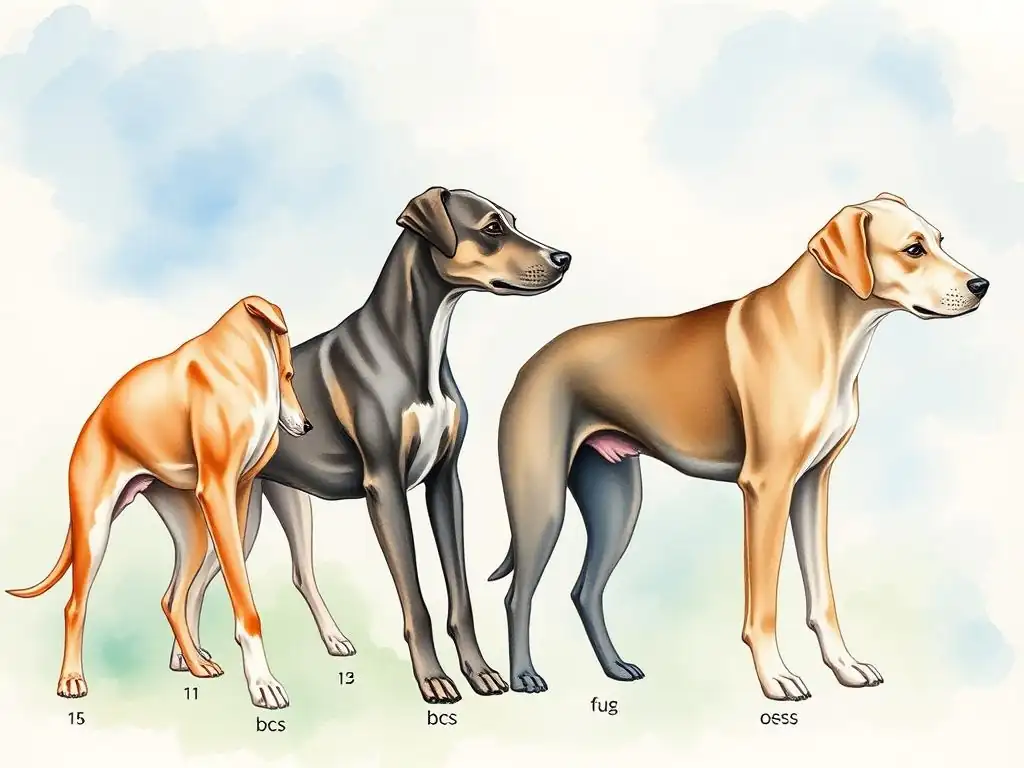
The Body Condition Score (BCS) is a vital tool for objectively assessing your adult dog's weight. Unlike simply weighing your dog, BCS takes into account muscle mass and fat distribution. A typical BCS scale ranges from 1 (emaciated) to 9 (extremely obese), with 4 or 5 representing ideal body condition. To assess your dog's BCS, feel along their ribs, spine, and hips.
In an ideal condition (a score of 4 or 5), you should be able to easily feel the ribs without excessive pressure, and a slight waistline should be visible when looking down at your dog from above. If you can't feel the ribs easily, or if there's a significant layer of fat covering them, your dog might be overweight. Conversely, if the ribs are extremely prominent and you can see their spine very clearly, your dog may be underweight. Many veterinary clinics and online resources offer detailed diagrams and guides to help you accurately determine your dog's BCS.
Regularly checking your dog's BCS, alongside weighing them, provides a more comprehensive picture of their health. This allows for a more nuanced understanding of their weight management needs, enabling you to adjust their diet and exercise accordingly. Remember, consistent monitoring is key to maintaining your dog's optimal body condition.
Utilizing an Adult Dog Weight Monitoring Chart
An adult dog weight monitoring chart is an invaluable tool for tracking your dog's weight over time. This allows you to easily identify any significant weight changes, whether gain or loss. You can create a simple chart yourself, noting your dog's weight and date of weighing. Many pet owners find it helpful to include other relevant information, such as their dog's BCS, diet changes, and any health concerns.
Regularly monitoring this chart makes it easy to spot trends, helping you to promptly address any issues that might arise. For example, a gradual increase in weight might indicate a need to adjust their diet or increase their exercise. A sudden weight loss, however, could be a sign of an underlying health problem requiring immediate veterinary attention. Remember to weigh your dog at the same time of day and using the same scale for consistency.
This ensures accurate tracking of weight changes over time. The frequency of weighing depends on your dog's individual needs and health status; some dogs may only need to be weighed monthly, while others might require weekly monitoring. Utilizing a chart empowers you to proactively manage your dog's weight and overall health. It is a simple yet powerful tool for preventative care.
Integrating Weight Monitoring into Your Dog's Overall Healthcare Routine
Integrating weight monitoring into your dog's overall healthcare routine is essential for preventative care. It shouldn't be a standalone practice but rather a component of a holistic approach to your pet's well-being. Regular veterinary check-ups are crucial; your veterinarian can assess your dog's weight, BCS, and overall health, offering personalized advice and recommendations. They can also help identify any underlying health issues that might be contributing to weight changes.
Combining regular weigh-ins with veterinary check-ups allows for a comprehensive evaluation of your dog's health status. Furthermore, consider incorporating regular exercise into your dog's routine. Physical activity is essential for maintaining a healthy weight and promoting overall fitness.
A balanced diet, tailored to your dog's breed, age, and activity level, is also vital. Remember, consistency is key; regular monitoring and proactive adjustments to diet and exercise are crucial for maintaining your dog's optimal weight and health. This integrated approach not only improves your dog's physical well-being but also strengthens the bond between you and your canine companion.
Adjusting Your Dog's Diet and Exercise for Optimal Weight Management
Maintaining a healthy weight is crucial for your adult dog's overall well-being. An adult dog weight monitoring chart can be a useful tool, but it's just one piece of the puzzle. Successfully managing your dog's weight requires a holistic approach encompassing dietary adjustments and a regular exercise regimen.
This section will delve into the specifics of creating a balanced diet plan, adjusting portion sizes according to your dog's individual needs, and incorporating regular exercise to maintain a healthy weight. Remember to always consult your veterinarian before making significant changes to your dog's diet or exercise routine, especially if they have pre-existing health conditions.
Creating a Balanced Diet Plan for Adult Dogs: Nutritional Requirements
A balanced diet forms the cornerstone of effective weight management. Adult dogs have different nutritional needs compared to puppies or senior dogs. Their diet should consist of high-quality protein sources, healthy fats, and complex carbohydrates. The specific proportions will depend on your dog's breed, age, activity level, and overall health.
For example, a highly active working dog will require a higher calorie intake and a different macronutrient ratio than a less active companion dog. Commercial dog foods often provide detailed nutritional information on the packaging, including the percentage of protein, fat, and carbohydrates. Look for foods that are specifically formulated for adult dogs of your dog's size and activity level. Avoid foods with excessive fillers, artificial colors, or preservatives.
Consider the following factors when choosing a diet:
- Protein: Essential for muscle maintenance and repair. Look for sources like chicken, beef, lamb, or fish.
- Fat: Provides energy and supports healthy skin and coat. Choose healthy fats like omega-3 and omega-6 fatty acids.
- Carbohydrates: Provide energy. Opt for complex carbohydrates like brown rice or sweet potatoes over simple sugars.
- Vitamins and Minerals: Crucial for overall health. Ensure your chosen food contains a balanced profile of essential vitamins and minerals.
Adjusting Portion Sizes: Tailoring Food Intake to Your Dog's Needs
Even with a balanced diet, incorrect portion sizes can lead to weight gain or loss. Overfeeding is a common cause of obesity in dogs. The amount of food your dog needs will depend on several factors, including their breed, age, activity level, metabolism, and body condition score (BCS). Your veterinarian can help you determine your dog's ideal weight and recommend appropriate portion sizes.
Many dog food brands provide feeding guidelines on their packaging based on your dog's weight. However, these are merely estimates. Regularly monitoring your dog's weight and BCS is crucial. Use an adult dog weight monitoring chart to track progress and make adjustments as needed. If your dog is overweight, gradually reduce their food intake. Conversely, if they are underweight, gradually increase their food intake. Always make these adjustments slowly to avoid digestive upset.
Here's a simple strategy:
- Weigh your dog regularly: Aim for weekly weigh-ins using a pet scale.
- Assess your dog's BCS: Use a BCS chart (easily found online) to visually assess body condition. A score of 5/9 is generally considered ideal.
- Adjust food accordingly: Based on your dog's weight and BCS, adjust portion sizes up or down.
- Monitor progress: Continue to monitor your dog's weight and BCS regularly and make further adjustments as needed.
Incorporating Regular Exercise: Maintaining a Healthy Weight Through Activity
Regular exercise is just as important as diet in maintaining a healthy weight for your adult dog. The amount and type of exercise will depend on your dog's breed, age, and overall health. Consult your veterinarian to determine an appropriate exercise plan for your dog.
Daily walks are a great starting point. Aim for at least 30 minutes of moderate-intensity exercise most days of the week. This could include brisk walks, runs, or playtime in a park or yard. You can also incorporate activities like fetch, frisbee, or agility training to keep your dog engaged and active. Remember to gradually increase the intensity and duration of exercise to avoid injury.
Consider these points when planning exercise:
- Breed-specific needs: Some breeds are more energetic than others.
- Age and health: Older or less healthy dogs may require less strenuous exercise.
- Weather conditions: Adjust exercise routines according to the weather.
- Variety: Keep your dog engaged by incorporating different activities.
- Safety: Ensure your dog's safety by using appropriate leashes and harnesses.
Remember, consistent monitoring and a balanced approach to diet and exercise are key to achieving and maintaining a healthy weight for your adult dog. An adult dog weight monitoring chart, combined with veterinary guidance, will help you keep your canine companion fit and happy for years to come. 🎉
Consult a Veterinarian: Professional Guidance for Weight Management in Adult Dogs
Regular veterinary check-ups are crucial for maintaining your adult dog's health, and this includes monitoring their weight and body condition. A veterinarian can provide personalized advice based on your dog's breed, age, activity level, and overall health. They can accurately assess your dog's body condition score (BCS), a crucial metric for determining whether your dog is underweight, overweight, or at an ideal weight. This assessment goes beyond simply weighing your dog; it involves a hands-on examination to feel the muscle mass, rib cage, and overall fat distribution.
Beyond the BCS, your veterinarian can perform blood tests to rule out any underlying medical conditions that might contribute to weight gain or loss. Conditions like hypothyroidism or Cushing's disease can significantly impact metabolism and appetite, leading to unwanted weight fluctuations. Early detection through veterinary intervention is key to effective management of these conditions and maintaining your dog's optimal weight.
Furthermore, your veterinarian can help you create a tailored weight management plan, including dietary recommendations and exercise guidelines. They can advise on appropriate calorie intake based on your dog's individual needs and help you choose a suitable dog food. This might involve switching to a weight-management formula, adjusting portion sizes, or incorporating specific dietary supplements. Remember, drastic changes to your dog's diet should always be made under veterinary supervision to avoid nutritional deficiencies or digestive upset.
Your vet will also guide you on the appropriate type and amount of exercise suitable for your dog's breed, age, and overall health, ensuring you avoid overexertion. The collaborative approach with your veterinarian is essential for safe and effective adult dog weight management. They are your partner in ensuring your canine companion stays healthy and happy for years to come.
Don't hesitate to seek their expertise if you have any concerns about your dog's weight or overall well-being. Regular communication with your vet is key to proactive and successful weight management, preventing potential health problems down the line. This proactive approach not only helps maintain a healthy weight but also contributes to a longer and happier life for your beloved pet.
Monitoring Your Dog's Weight Over Time: Long-Term Strategies
Maintaining a healthy weight for your adult dog is crucial for their overall well-being. Simply weighing your dog once isn't enough; consistent monitoring is key to identifying potential problems early. This section details long-term strategies for effective adult dog weight monitoring, helping you prevent obesity and related health issues. Understanding your dog's weight trends allows for proactive adjustments to their diet and exercise routine, ensuring they remain happy and healthy throughout their adult years. This is especially important for breeds predisposed to weight gain or those with underlying health conditions.
Tracking Progress: Analyzing Weight Trends and Making Adjustments
Regular weighing, ideally weekly or bi-weekly, is paramount. Record your dog's weight in a dedicated notebook or spreadsheet. Consider using an Adult dog weight monitoring chart to visually track progress. This chart should include the date, weight, and any notes on changes in diet, activity level, or observed health issues.
For example, let's say your Labrador Retriever, Max, weighed 75 pounds on January 1st. By February 1st, he weighed 77 pounds. This 2-pound increase warrants attention. Analyze contributing factors: Did you increase his food portions? Has his activity level decreased due to colder weather? Did you introduce any high-calorie treats?
Addressing these questions helps pinpoint the cause of weight gain. Perhaps reducing portion sizes or increasing exercise is needed. A gradual weight loss of 1-2% of body weight per week is generally considered safe and effective. Remember to consult your veterinarian before making significant dietary or exercise changes, especially if your dog has pre-existing health conditions. They can provide personalized recommendations based on your dog's breed, age, and health status.
Small, consistent changes are more effective than drastic measures when managing your dog's weight. Patience and consistency are key.
Maintaining a Healthy Lifestyle: Long-Term Weight Management Plan
A successful long-term weight management plan involves a holistic approach encompassing diet, exercise, and regular veterinary care. It's not just about restricting calories; it's about providing a balanced and nutritious diet tailored to your dog's specific needs and activity level.
Consider the following:
- High-quality dog food: Choose a food formulated for adult dogs of their breed size and activity level. Avoid foods high in fillers and added sugars.
- Portion control: Accurately measure food portions according to the feeding guidelines on the food packaging, adjusting as needed based on your dog's weight and activity level. Use a food scale for precise measurements.
- Regular exercise: Aim for at least 30 minutes of moderate-intensity exercise daily. This could include walks, runs, playtime in the park, or interactive games.
- Treat moderation: Limit high-calorie treats and use them sparingly as rewards during training sessions. Opt for healthy, low-calorie alternatives.
- Freshwater access: Ensure your dog always has access to fresh, clean water. Dehydration can affect metabolism and weight management.
Consistent monitoring and adjustments are crucial. If your dog's weight plateaus or starts to increase despite your efforts, consult your veterinarian to rule out any underlying medical conditions.
Regular Veterinary Checkups: Preventative Care and Early Intervention
Regular veterinary checkups are essential for monitoring your dog's overall health, including their weight and body condition. Your veterinarian can assess your dog's body condition score (BCS), a measure of body fat based on visual assessment. They can also perform blood tests to check for any underlying medical conditions that might contribute to weight gain or loss. Early detection of health problems, such as hypothyroidism or Cushing's disease, is crucial for effective treatment and management.
During your dog's annual check-up, your veterinarian will likely weigh your dog and review your weight-monitoring records. They can provide valuable feedback on your current weight management strategy and offer personalized recommendations for adjustments. Don't hesitate to discuss any concerns you have regarding your dog's weight or appetite. Remember, preventative care is far more effective and less costly than treating health problems that arise from neglecting weight management. A proactive approach is the best way to ensure your adult dog enjoys a long, healthy, and happy life. 🐶
Frequently Asked Questions
How often should I weigh my adult dog?
It's recommended to weigh your adult dog at least once a month. More frequent weigh-ins might be necessary for dogs with pre-existing health conditions or those prone to weight gain or loss. Regular monitoring is key.
What is a healthy weight for my adult dog?
A healthy weight depends on your dog's breed, size, and age. Consult your veterinarian or use an online breed-specific weight chart as a guideline. Body condition scoring is also a valuable tool.
How can I tell if my adult dog is overweight or underweight?
Besides weight, assess your dog's body condition by feeling their ribs. You should be able to feel them easily, but not see them prominently. An overweight dog will have a thick layer of fat covering their ribs, while an underweight dog will have very prominent ribs.
What should I do if my adult dog is overweight or underweight?
Consult your veterinarian to develop a customized weight management plan. This might involve diet adjustments, increased exercise, or addressing underlying health issues. Gradual weight change is safest.
Where can I find an adult dog weight monitoring chart?
PetCareWorld offers resources and guides to help you monitor your dog's weight and body condition. You can find helpful information and advice on our website, including resources to help you determine a healthy weight range for your dog based on breed and size.
Final Reflection: The Ongoing Journey of Canine Wellness
Maintaining a healthy weight for your adult dog isn't just about the numbers on a scale; it's a cornerstone of their overall well-being and longevity. Ignoring this crucial aspect can lead to serious health complications down the line, impacting their quality of life and potentially shortening their time with you. The information presented in this article, focusing on utilizing a weight monitoring chart and understanding body condition scoring, provides a practical framework for proactive canine care.
The impact of responsible pet ownership extends far beyond the individual animal; it shapes our understanding of animal welfare and our relationship with our companions. The bond with a dog is as powerful and as mysterious as any other great love.
This quote speaks to the deep connection we share with our furry friends, and understanding their needs, including maintaining a healthy weight, is a testament to that bond. The consistent monitoring and adjustments highlighted in this article are not just about numbers; they're about nurturing this precious relationship and ensuring a happy, healthy life for our canine companions.
Now, consider your own dog. Have you taken the time to truly assess their body condition? Do you have a consistent weight monitoring system in place? This article provides the tools; now it's time for action. Take a moment to examine your dog, consult the resources provided, and begin charting their progress. Remember, every step you take towards understanding and maintaining your dog's ideal weight is a step towards a longer, healthier, and more fulfilling life together. Your dedication to their well-being will be rewarded with years of unwavering loyalty and companionship.
Unlock Your Dog's Healthiest Weight: Start Today!
Thank you for learning about maintaining your dog's ideal weight. You've gained valuable insights into a crucial aspect of your furry friend's well-being! Now let's put that knowledge into action.
- Create a Personalized Feeding Plan: Develop a feeding schedule and portion sizes tailored to your dog's breed, age, activity level, and overall health. This is the most important step in achieving and maintaining a healthy weight.
- Monitor Your Dog's Progress: Regularly weigh your dog and assess their body condition. Note any changes in weight or body shape, and adjust their diet or exercise routine accordingly. This consistent monitoring is key to success.
- Share Your Experience: Join our supportive PetCareWorld community! Share your successes and challenges in the comments below. Let's work together to ensure happy, healthy dogs!
What small change will you make today to help your dog maintain a healthy weight?