
Hydration for Adult Dogs: Ensuring Your Dog Stays Properly Hydrated

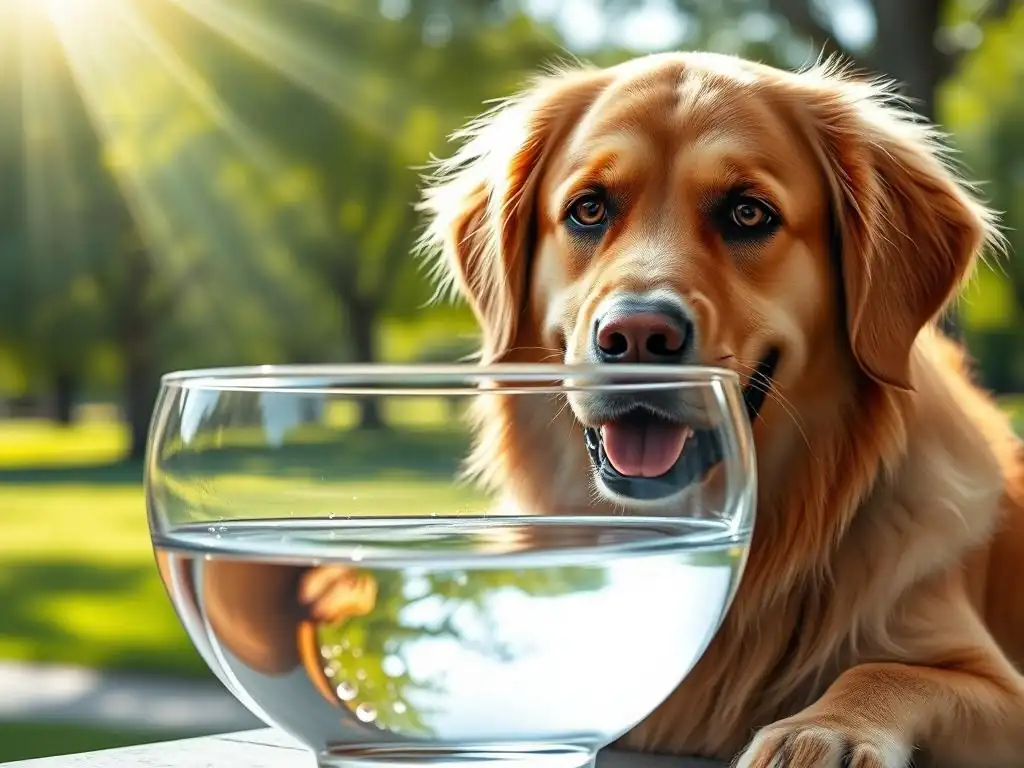
Welcome to PetCareWorld, your ultimate guide to a happier, healthier life for your beloved pets! Are you concerned about keeping your adult canine companion properly hydrated? Discover essential Adult dog hydration tips in our comprehensive guide, designed to help you ensure your furry friend receives the vital fluids they need to thrive. Dive in and unlock the secrets to optimal hydration for your dog – their well-being depends on it!
- Understanding Adult Dog Hydration Needs
- Providing Fresh Water for Your Adult Dog
- Hydration Strategies for Adult Dogs
- When to Consult a Veterinarian about Hydration
- Maintaining Optimal Hydration for a Healthy Adult Dog
- Frequently Asked Questions
- Final Reflection: The Unseen Thirst: Hydration's Vital Role in Canine Wellbeing
- Unlock Your Dog's Hydration Potential!
Understanding Adult Dog Hydration Needs
Maintaining optimal hydration is crucial for the health and well-being of your adult dog. Just like humans, dogs require a consistent intake of water to regulate body temperature, transport nutrients, and eliminate waste products. Insufficient water intake can lead to dehydration, a serious condition that can manifest in various ways and negatively impact your canine companion's overall health.
This article will delve into the specifics of adult dog hydration, exploring water requirements, recognizing dehydration signs, and identifying factors that influence your dog's hydration levels. We'll provide practical tips and advice to ensure your furry friend stays properly hydrated, contributing to a longer, healthier, and happier life. This guide focuses on providing practical, evidence-based advice to help you understand and address your adult dog's hydration needs effectively, using "adult dog hydration tips" as a guide.
Water Requirements for Adult Dogs: Breed, Size, and Activity Level
The amount of water your adult dog needs daily varies significantly depending on several key factors. Breed, size, and activity level all play crucial roles in determining their individual hydration requirements. Larger breeds generally require more water than smaller breeds due to their increased body mass and metabolic rate. Similarly, highly active dogs, such as working dogs or those participating in regular strenuous exercise, will need significantly more water than less active dogs. The environment also plays a role; hot and humid climates necessitate increased water intake.
While there's no single magic number, a general guideline is to provide approximately 1 ounce of water per pound of body weight per day. However, this is just a starting point. Observe your dog's behavior; if they seem thirsty, increase their water access. Always ensure fresh, clean water is readily available throughout the day, especially during hot weather or after periods of intense activity.
Consider using multiple water bowls placed strategically around your home to encourage frequent drinking. For example, a 50-pound Labrador Retriever might need around 50 ounces of water daily, but this can increase substantially on a hot day or after a long walk. Monitoring your dog's water consumption and adjusting accordingly is key to ensuring they receive adequate hydration.
Recognizing Dehydration Signs in Adult Dogs: Subtle Clues and Warning Signals
Recognizing the signs of dehydration in your adult dog is crucial for prompt intervention. Early detection can prevent the condition from worsening and minimize potential health complications. Unfortunately, dehydration symptoms can be subtle in their initial stages, making it essential to pay close attention to your dog's behavior and physical characteristics.
Some common signs of dehydration include:
- Dry gums and nose: Normally, a dog's gums should be moist and pink. Dry, sticky gums are a strong indicator of dehydration.
- Sunken eyes: Dehydrated dogs often exhibit sunken eyes, a noticeable change in their facial appearance.
- Lethargy and weakness: A sudden decrease in energy levels and overall weakness can be a sign of dehydration.
- Loss of skin elasticity: Gently pinch the skin on your dog's neck; if the skin slowly returns to its normal position, it's a sign of dehydration. If it remains tented, it indicates a significant lack of hydration.
- Decreased urination: A noticeable reduction in the frequency or amount of urine is another important sign.
- Increased panting: While panting is a normal cooling mechanism, excessive panting, especially in cool environments, could indicate dehydration.
If you notice any of these signs, immediately offer your dog fresh water and monitor their condition closely. If the symptoms persist or worsen, consult your veterinarian immediately. Early intervention is vital in treating dehydration and preventing more serious health problems.
Factors Affecting Adult Dog Hydration: Environment, Health Conditions, and Diet
Several factors beyond simple water intake can influence your adult dog's hydration levels. Understanding these factors can help you proactively address potential hydration challenges.
Environmental Factors: Hot and humid weather significantly increases water loss through panting. Increased physical activity in hot conditions further exacerbates this. Similarly, cold weather can also affect hydration, as dogs may drink less in colder temperatures.
Health Conditions: Certain health conditions, such as kidney disease, diabetes, and vomiting/diarrhea, can significantly increase a dog's risk of dehydration. These conditions often lead to increased fluid loss, requiring careful monitoring and potentially increased water intake or veterinary intervention.
Diet: The type of food your dog consumes can also impact hydration. Dry kibble contains less water than wet food, meaning dogs fed primarily dry food may need to drink more water to compensate. Additionally, certain dietary deficiencies can also affect hydration.
Understanding these factors and proactively addressing them through appropriate water provision, dietary adjustments, and veterinary care when necessary, is crucial in ensuring your adult dog remains properly hydrated and healthy. Regular veterinary check-ups are essential for early detection of any underlying health conditions that might affect hydration.
Providing Fresh Water for Your Adult Dog
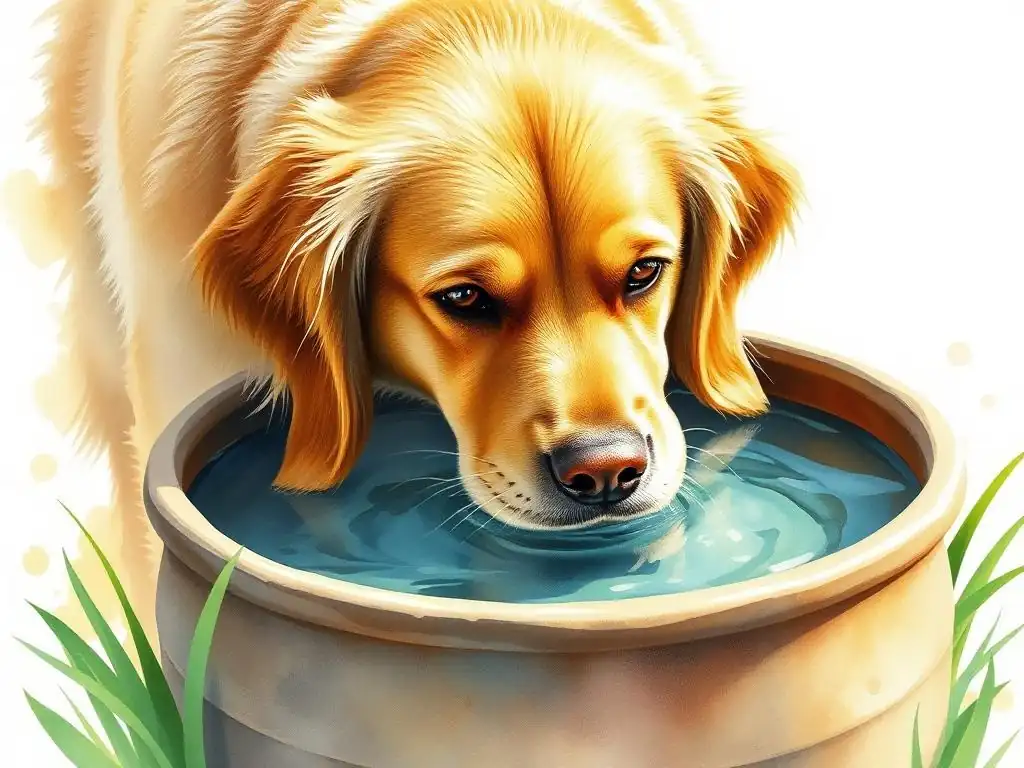
Providing consistent access to fresh, clean water is paramount for maintaining the health and well-being of your adult dog. Dehydration can lead to serious health complications, impacting everything from kidney function to overall energy levels. Understanding your dog's individual water needs and proactively addressing potential obstacles to hydration is crucial for responsible pet ownership.
This section focuses on practical strategies to ensure your adult dog receives adequate hydration. We'll explore optimal water bowl choices, the importance of regular cleaning, and effective techniques for encouraging water intake, even in the pickiest of drinkers. Remember, consistent monitoring and proactive care are key to preventing dehydration and ensuring your canine companion thrives.
Choosing the Right Water Bowl: Material, Size, and Placement
The seemingly simple act of providing water becomes more nuanced when considering the specifics of bowl selection. The material, size, and placement of your dog's water bowl can significantly impact their hydration habits. Stainless steel bowls are a popular choice due to their durability, ease of cleaning, and resistance to bacterial growth. However, ceramic bowls are also excellent options, offering a more aesthetically pleasing alternative. Avoid plastic bowls, as they can harbor bacteria and potentially leach chemicals into the water.
The size of the bowl should be proportionate to your dog's size and breed. A small dog will need a smaller bowl than a large breed. Overly large bowls can lead to water splashing and wastage. Conversely, a bowl that's too small may not provide sufficient water for your dog's needs, especially during warmer months or after strenuous activity.
Finally, placement is key. Position the water bowl in a cool, easily accessible location, away from food bowls and high-traffic areas. Consider multiple bowls strategically placed throughout your home, particularly if your dog spends time in different rooms. This readily available access encourages frequent drinking. For larger dogs, consider a raised water bowl to reduce strain on their neck and joints.
Maintaining Cleanliness: Regular Cleaning and Water Changes
Maintaining the cleanliness of your dog's water bowl is crucial for preventing bacterial contamination and ensuring the water remains fresh and palatable. Bacteria can multiply rapidly in standing water, posing a health risk to your dog. A simple daily cleaning is essential. Wash the bowl thoroughly with warm soapy water, rinsing it well to remove all traces of soap. Avoid using harsh detergents or chemicals that could leave residue. Once a week, consider a more thorough sanitization using a pet-safe disinfectant.
Beyond cleaning the bowl, remember to change the water frequently. At a minimum, replace the water once or twice a day, especially during warmer months. If the water becomes cloudy or discolored, change it immediately. Consider adding ice cubes to the water, especially during hot weather, to keep it cool and refreshing. This simple act significantly contributes to your dog’s overall hydration and well-being. Regularly checking the water level and replenishing it as needed is a vital part of responsible pet ownership.
Encouraging Water Intake: Tips and Tricks for Picky Drinkers
Some dogs, particularly those with certain health conditions or behavioral quirks, can be picky drinkers. Encouraging adequate water intake in these cases requires a more proactive approach. Adding a small amount of low-sodium broth or a splash of unsweetened cranberry juice (in moderation) can sometimes entice a reluctant drinker. Never add salt or other seasonings to your dog's water.
Consider offering water in different forms. Ice cubes can be both a refreshing treat and a way to increase water intake. You can also use a water fountain designed for dogs; the moving water often attracts dogs more than still water. Experiment with different bowl types and placements to see what works best for your dog.
If your dog is still refusing to drink sufficient amounts of water, consult your veterinarian to rule out any underlying medical conditions that may be contributing to the problem. Regular monitoring of your dog's hydration levels, particularly during hot weather or after exercise, is crucial. Observe their urine output; dark, concentrated urine is a clear indicator of dehydration. Proactive intervention is essential to maintain optimal hydration and prevent health issues.
Hydration Strategies for Adult Dogs
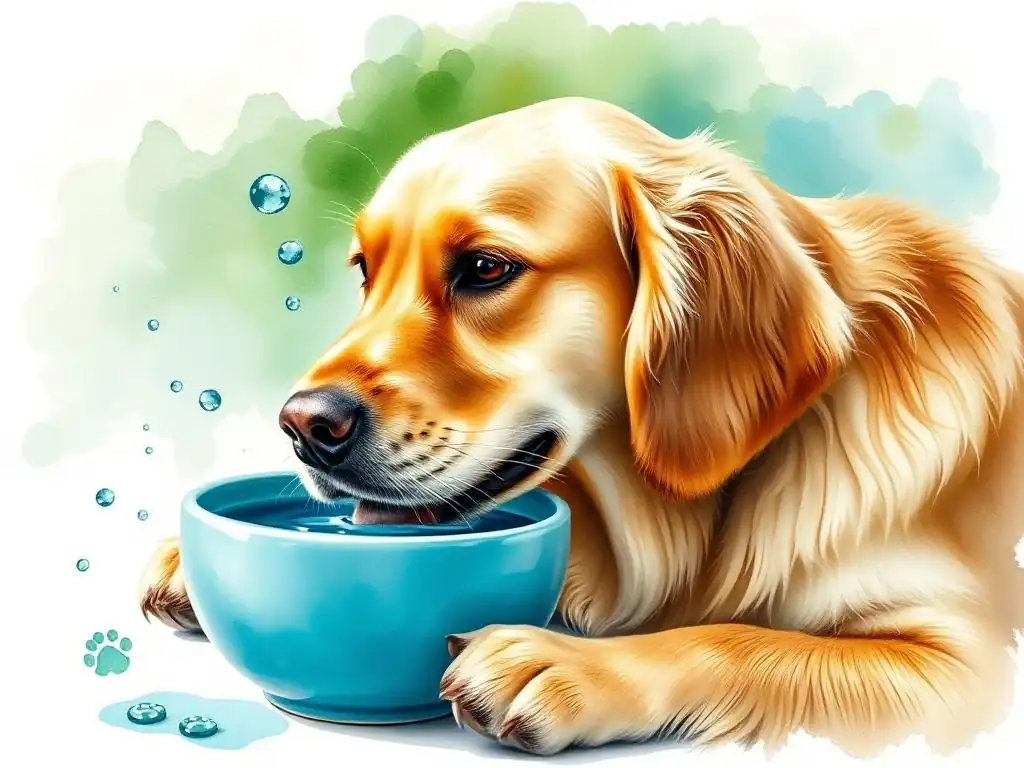
This section delves into practical strategies for ensuring your adult dog maintains optimal hydration. We'll explore various methods, addressing dietary adjustments, exercise considerations, and specific needs of certain canine populations. Remember, consistent access to fresh, clean water is paramount, but these strategies can significantly enhance your dog's hydration levels. Understanding your dog's individual needs is key to preventing dehydration and maintaining their overall health and well-being. This is crucial for adult dog hydration, improving their vitality and longevity.
Hydration through Diet: Wet Food, Broth, and Fruits
Many adult dogs benefit from increased water intake through dietary modifications. Simply switching to wet food can significantly boost hydration compared to dry kibble. Wet food contains a higher percentage of moisture, contributing directly to your dog's daily fluid intake. For example, a 2-cup serving of wet food can provide significantly more hydration than the same volume of dry kibble.
Beyond wet food, consider incorporating low-sodium broth into their diet. Chicken or beef broth (unsalted!) can be a tasty addition to their meals, adding both flavor and hydration. Remember to check the ingredient list to ensure there are no harmful additives or excessive sodium. A small amount added to their kibble or served separately can make a difference.
Certain fruits also contribute to hydration. Watermelon, for instance, is a low-calorie, hydrating treat many dogs enjoy. Always remove seeds and rind before offering watermelon to your dog. Other hydrating fruits include cucumbers and blueberries (in moderation, as they are high in sugar). However, it’s crucial to remember that fruits should supplement, not replace, their regular water intake. Always introduce new foods gradually to monitor for any digestive upset.
Hydration During Exercise and Hot Weather: Increased Water Intake Strategies
During periods of intense activity or hot weather, your adult dog's hydration needs increase dramatically. Simply providing a water bowl may not be sufficient; you need to proactively increase their fluid intake. Consider these strategies:
- Increased water bowl frequency: Place multiple water bowls strategically around your home, especially near areas of frequent activity or rest.
- Portable water bowls: Take a portable water bowl with you on walks, hikes, or car trips to ensure constant access to water.
- Water-rich treats: Offer hydrating treats like frozen yogurt popsicles (dog-friendly varieties) or ice cubes to help them cool down and stay hydrated.
- Electrolyte supplements: In cases of extreme heat or strenuous exercise, consider using electrolyte supplements specifically formulated for dogs. These can help replenish lost electrolytes and prevent dehydration. Always consult your veterinarian before introducing any new supplements to your dog's routine.
- Monitor closely: Pay close attention to your dog's behavior. Signs of dehydration include lethargy, dry gums, and decreased urination. If you notice any of these signs, seek veterinary attention immediately. Early intervention is crucial.
Addressing Specific Hydration Challenges: Older Dogs, Ill Dogs, and Special Needs
Certain adult dogs face unique hydration challenges. Older dogs, for example, may experience decreased thirst sensation, making them more susceptible to dehydration. Ill dogs often require increased fluid intake due to illness-related fluid loss. Dogs with specific health conditions, such as kidney disease, also have unique hydration requirements.
For these dogs, proactive hydration strategies are especially important. This may involve:
- Frequent small water offerings: Instead of large infrequent amounts, offer small amounts of water frequently throughout the day.
- Wet food diet: A transition to a completely wet food diet might be beneficial, significantly increasing their fluid intake.
- Subcutaneous fluids: In severe cases, your veterinarian may recommend subcutaneous fluid administration to provide hydration directly under the skin.
- Veterinary consultation: Regular veterinary checkups are crucial for monitoring hydration levels, especially in older, ill, or special needs dogs. Your vet can provide tailored advice and monitor for any potential complications. Early detection and management of hydration issues are vital for maintaining your dog's well-being. Remember, a proactive approach is key to ensuring your adult dog remains properly hydrated throughout their life. 🐶💧
When to Consult a Veterinarian about Hydration
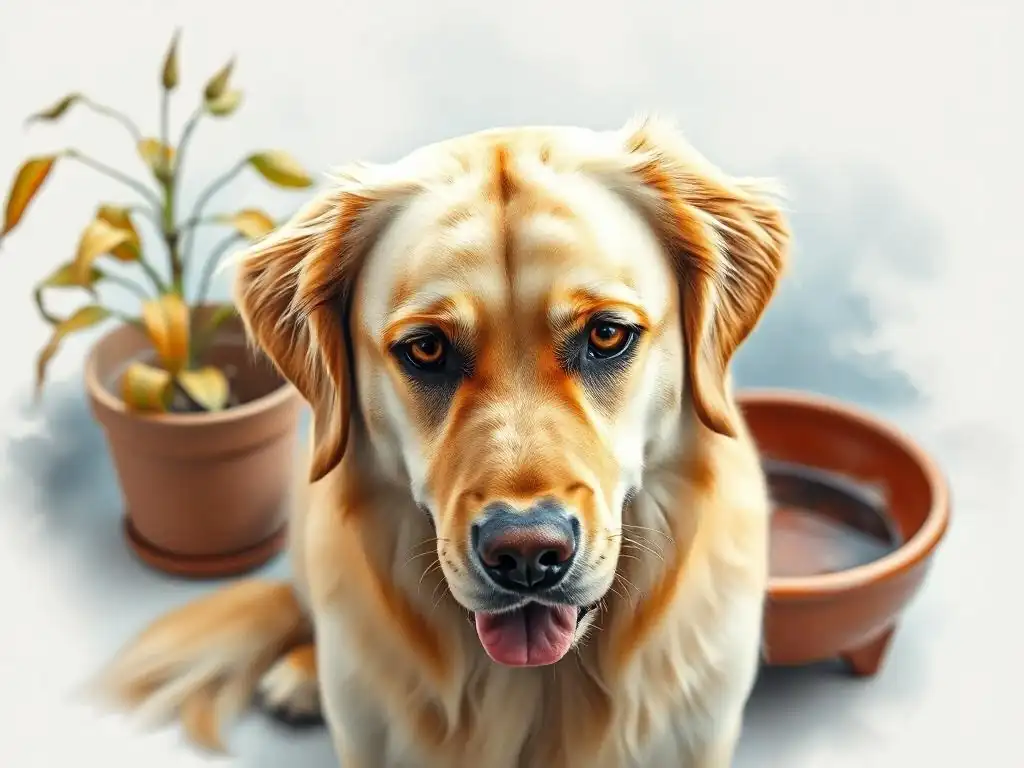
Ensuring your adult dog maintains optimal hydration is crucial for their overall health and well-being. While providing fresh water daily is a fundamental aspect of adult dog hydration tips, knowing when to seek professional veterinary care is equally important. Ignoring subtle signs of dehydration can lead to serious health complications, so understanding the warning signals is paramount. This section will guide you on identifying situations requiring immediate veterinary attention and the importance of proactive veterinary care for maintaining your dog's hydration status.
Severe Dehydration Symptoms: When to Seek Immediate Veterinary Care
Severe dehydration in adult dogs is a life-threatening condition requiring immediate veterinary intervention. Symptoms can manifest rapidly and escalate quickly. Don't delay seeking professional help if you observe any of the following:
- Sunken Eyes: A classic sign of dehydration, sunken eyes indicate a significant loss of fluids.
- Dry Gums and Mouth: Pink, moist gums are normal. Dry, sticky gums are a clear indicator of dehydration. You can also perform a skin turgor test: gently pinch the skin on the back of your dog's neck; if it takes longer than 2 seconds to return to its normal position, it's a sign of dehydration.
- Lethargy and Weakness: Excessive tiredness, lack of energy, and reluctance to move are serious warning signs.
- Loss of Appetite: A sudden decrease or complete loss of appetite can be a symptom of dehydration and underlying illness.
- Rapid Breathing and Increased Heart Rate: These indicate the body is struggling to compensate for fluid loss.
- Vomiting and Diarrhea: Persistent vomiting and diarrhea lead to rapid dehydration and electrolyte imbalance, requiring urgent veterinary attention.
- Shock: This is a life-threatening emergency characterized by pale gums, weak pulse, and collapse.
Prompt veterinary care is essential to address the underlying cause of dehydration and provide appropriate rehydration therapy, potentially including intravenous fluids. Delaying treatment can have severe consequences. Remember, early intervention significantly improves the chances of a positive outcome. Don't hesitate to contact your vet immediately if you suspect your adult dog is severely dehydrated.
Underlying Medical Conditions: Diagnosing and Treating Hydration Issues
Chronic dehydration in adult dogs can often be a symptom of an underlying medical condition. Various diseases can impair the body's ability to regulate fluid balance, leading to persistent dehydration. These conditions require veterinary diagnosis and treatment. Some examples include:
- Kidney Disease: Kidneys play a vital role in fluid balance. Kidney dysfunction can lead to chronic dehydration.
- Diabetes: Diabetes mellitus can cause excessive urination (polyuria), resulting in dehydration.
- Gastrointestinal Issues: Conditions like inflammatory bowel disease (IBD) can cause vomiting and diarrhea, leading to dehydration.
- Fever: Fever increases fluid loss through increased respiration and sweating (panting in dogs).
- Certain Medications: Some medications can have dehydration as a side effect.
Your veterinarian will conduct a thorough examination, including blood tests and urinalysis, to identify the underlying cause of your dog's dehydration. Treatment will focus on addressing the primary medical condition while simultaneously providing supportive care to restore hydration. This might involve medication, dietary changes, or intravenous fluid therapy. Regular monitoring is crucial to ensure the effectiveness of the treatment and to prevent recurrence.
Proactive Veterinary Care: Regular Checkups and Hydration Monitoring
Proactive veterinary care is key to preventing and managing hydration issues in adult dogs. Regular checkups allow your veterinarian to monitor your dog's overall health, including hydration status. During these visits, your vet can assess your dog's hydration level, identify any potential problems early, and provide personalized adult dog hydration tips.
Here's how proactive veterinary care helps:
- Early Detection: Regular checkups allow for early detection of subtle signs of dehydration or underlying medical conditions that could lead to dehydration.
- Personalized Advice: Your veterinarian can provide tailored advice on your dog's hydration needs based on their breed, age, activity level, and overall health.
- Preventative Measures: Your vet can help you implement preventative measures to maintain optimal hydration, such as adjusting water intake based on weather conditions and activity levels.
- Monitoring Treatment: If your dog has a pre-existing condition that affects hydration, regular checkups allow your vet to monitor the effectiveness of treatment and make any necessary adjustments.
Scheduling regular wellness exams and promptly addressing any concerns about your dog's hydration are essential components of responsible pet ownership. Remember, a well-hydrated dog is a healthier dog! By incorporating these adult dog hydration tips into your routine, you'll contribute significantly to your canine companion's overall well-being.
Maintaining Optimal Hydration for a Healthy Adult Dog
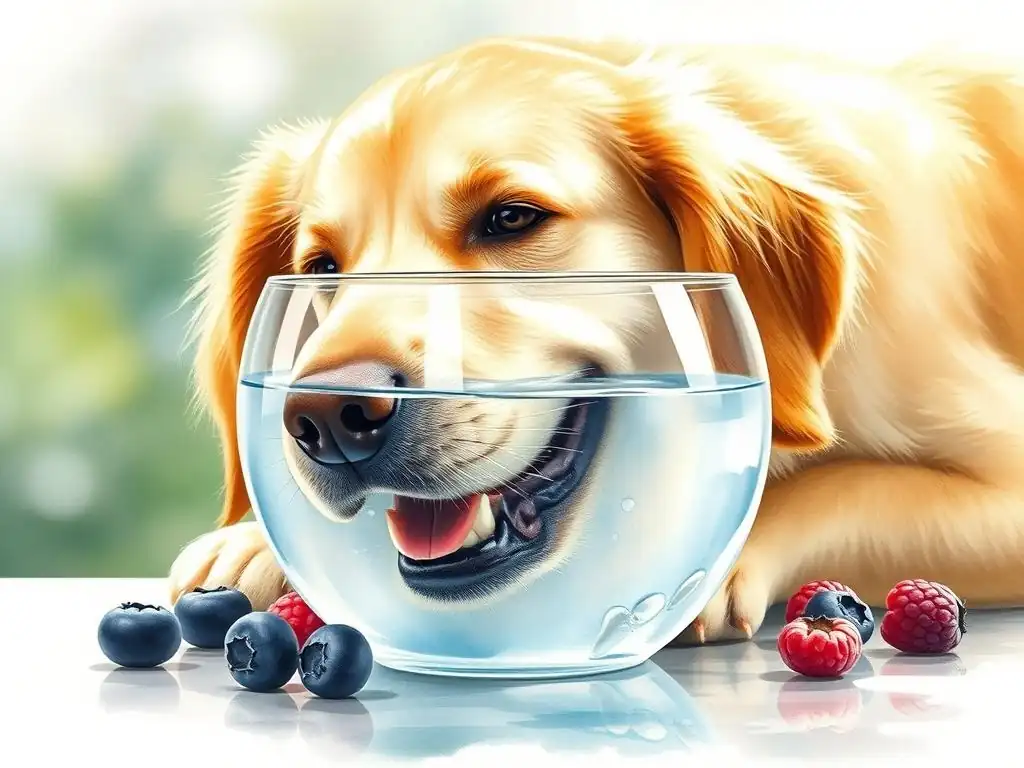
This section delves into the crucial aspects of maintaining optimal hydration for your adult canine companion. Proper hydration is not merely about preventing dehydration; it's a cornerstone of overall health and well-being, impacting everything from energy levels and digestion to kidney function and skin condition. Understanding your dog's individual needs and implementing effective strategies is key to ensuring they thrive.
We'll explore practical tips and techniques to help you monitor and maintain your adult dog's hydration, focusing on creating long-term healthy habits. Remember, consistent hydration is a vital component of responsible adult dog care and contributes significantly to a longer, healthier life for your furry friend.
Long-Term Hydration Strategies: Creating Healthy Habits
Establishing consistent hydration habits is paramount for your adult dog's health. This goes beyond simply providing water; it's about creating a routine and environment that encourages regular drinking. Here are some effective long-term strategies:
- Fresh Water, Always: Ensure a constant supply of fresh, clean water is available at all times. Change the water frequently, especially during warmer months, to prevent the growth of bacteria. Consider multiple water bowls strategically placed throughout your home, especially if your dog is large or has difficulty moving around.
- Interactive Water Bowls: Some dogs are more inclined to drink from certain types of bowls. Experiment with different styles, like fountain bowls or slow-feeder bowls, to see if it increases their water intake. The movement of water in a fountain bowl can be particularly enticing.
- Hydrating Treats and Foods: Incorporate hydrating foods and treats into your dog's diet. Fruits and vegetables like watermelon (remove seeds! ), cucumber, and cantaloupe can provide additional moisture. However, always consult your veterinarian before introducing new foods, especially if your dog has any dietary restrictions or allergies.
- Routine and Consistency: Establish a consistent daily routine that includes regular water breaks. This is especially important for senior dogs or those with specific health conditions. A structured feeding schedule often coincides with increased water consumption.
- Monitor Water Consumption: Pay attention to how much water your dog is drinking. Any significant changes in water intake should be brought to the attention of your veterinarian, as it could indicate an underlying health issue.
Monitoring Water Intake: Tracking and Adjustment Techniques
Accurately monitoring your adult dog's water intake is crucial for identifying potential problems early on. While there isn't a universally applicable amount, several methods can help you gauge their hydration levels:
- Visual Observation: Regularly check your dog's water bowl to assess how much water they've consumed. Note any significant decreases or increases. Look for signs of dehydration, such as dry gums, sunken eyes, or lethargy.
- Weight Monitoring: Weigh your dog regularly to monitor any sudden weight loss, which could be an indicator of dehydration. This is particularly useful for dogs prone to dehydration or those with health conditions.
- Urine Output: Observe your dog's urine. Dark-colored, concentrated urine usually indicates dehydration, while pale yellow urine suggests adequate hydration. Consult your vet if you notice a persistent change in urine color or frequency.
- Keeping a Hydration Log: A simple log can track daily water intake and other relevant observations. This provides valuable data to identify trends and potential concerns. Record the amount of water consumed, time of day, and any other relevant observations (e.g., exercise levels, weather conditions). This data is invaluable for veterinary consultations.
| Day | Water Consumed (ml) | Urine Color | Other Observations |
|---|---|---|---|
| Monday | 1000 | Pale Yellow | Normal activity |
| Tuesday | 800 | Dark Yellow | Less active, hot weather |
| Wednesday | 1200 | Pale Yellow | Increased water due to hot weather |
This table demonstrates a simple hydration log. Note the variation in water consumption based on weather and activity levels. This data can be used to adjust hydration strategies accordingly.
The Importance of Consistent Hydration for Adult Dog Health
Consistent hydration plays a vital role in maintaining your adult dog's overall health and well-being. Dehydration can have serious consequences, impacting various bodily functions:
- Kidney Function: The kidneys rely on adequate hydration to filter waste products from the blood. Dehydration can strain the kidneys, potentially leading to kidney disease in the long term.
- Digestive Health: Water is essential for proper digestion and absorption of nutrients. Dehydration can lead to constipation and other digestive issues.
- Temperature Regulation: Dogs regulate their body temperature through panting and sweating (from their paws). Adequate hydration is critical for efficient heat dissipation, especially during hot weather.
- Energy Levels: Dehydration can lead to fatigue and decreased energy levels. Keeping your dog well-hydrated ensures they have the energy to play and engage in their daily activities.
- Skin and Coat Health: Proper hydration contributes to healthy skin and a shiny coat. Dehydration can lead to dry, flaky skin and a dull coat.
Maintaining optimal hydration for your adult dog is a simple yet profoundly impactful aspect of responsible pet ownership. By implementing these strategies and consistently monitoring your dog's water intake, you contribute significantly to their overall health, longevity, and happiness. 🐕
Frequently Asked Questions
How much water should my adult dog drink daily?
The amount varies depending on size, activity level, and climate. A general guideline is approximately 1 ounce of water per pound of body weight, but adjust as needed. Observe your dog's thirst cues.
What are the signs of dehydration in adult dogs?
Look for sunken eyes, dry gums, and lethargy. Your dog's skin may also tent when pinched and be slow to return to its normal position. Immediate veterinary attention is needed if you suspect severe dehydration.
What are some ways to encourage my adult dog to drink more water?
Add low-sodium broth or a small amount of fruit juice (like unsweetened cranberry) to their water. Offer water in multiple locations and use fresh, clean bowls. Consider a water fountain for added appeal.
My adult dog refuses to drink water; what should I do?
Try different bowls, locations, and water types. Consult your veterinarian to rule out underlying medical issues. Forced hydration is generally not recommended without professional guidance.
Are there any foods or treats that can help with hydration?
While water is essential, some high-moisture foods, like certain fruits and vegetables (in moderation), can contribute. Consult your vet before making significant dietary changes, especially for dogs with pre-existing conditions.
Final Reflection: The Unseen Thirst: Hydration's Vital Role in Canine Wellbeing
Ensuring adequate hydration for our adult canine companions isn't merely a matter of filling a bowl; it's a cornerstone of their overall health and longevity. A seemingly simple act, providing fresh water, holds profound implications for their vitality, impacting everything from organ function to cognitive sharpness. Neglecting this fundamental need can lead to serious, even life-threatening, consequences.
The impact of proper hydration on a dog's life is often underestimated. We readily address their nutritional needs with carefully chosen food, but the silent importance of water often gets overlooked. Water is the driving force of nature.
This ancient proverb rings true for our canine friends, too. Their bodies, like ours, rely on water for countless biological processes, from regulating body temperature to transporting nutrients and flushing out toxins. Witnessing the vibrant energy of a well-hydrated dog versus the lethargy of a dehydrated one underscores this truth profoundly.
Now, consider your own canine companion. Take a moment to observe their water intake, the clarity of their urine, and their overall energy levels. Are you providing them with the consistent access to fresh, clean water they deserve? Make a conscious effort to monitor their hydration, adjusting their water sources and frequency as needed, especially during warmer months or periods of increased activity. By understanding and actively addressing your dog's hydration needs, you're not just fulfilling a basic requirement; you're investing in a longer, healthier, and happier life together.
Unlock Your Dog's Hydration Potential!
Thank you for learning about keeping your furry friend properly hydrated! We hope you gained valuable insights into maintaining your dog's health and well-being. Now let's put that knowledge into action.
Here's what you can do next:
- Monitor your dog's water intake for a week. Observe their behavior around their water bowl – are they drinking less than usual? This will help you understand their individual hydration needs.
- Experiment with different water bowls and locations. Does your dog prefer a certain type of bowl or a specific spot in the house? Even small changes can significantly impact their water consumption.
- Share your hydration tips and tricks with other pet owners! Let's build a supportive community of informed pet parents.
What creative ways have you found to encourage your dog to drink more water? Share your ideas in the comments below!