
Therapy Dog Training: How to Teach Your Dog to Be Gentle With People With Disabilities

Welcome to PetCareWorld, your ultimate guide to a happier, healthier life for your beloved pet! Are you ready to unlock the incredible potential of your canine companion? Learn how to transform your dog into a gentle and supportive therapy dog specializing in assisting individuals with disabilities. Discover the secrets to successful "Train therapy dog gentle disabilities" training in our comprehensive guide – a journey filled with expert advice and practical techniques that will strengthen your bond and make a real difference in the lives of others. Dive in and start exploring!
- Understanding the Needs of Individuals with Disabilities
- Essential Training Steps for a Gentle Therapy Dog
- Advanced Training Techniques for Therapy Dog Work
- Socialization and Exposure for Therapy Dogs
- Ongoing Maintenance and Refinement of Training
- The Role of the Handler in Successful Therapy Dog Training
- Recognizing and Addressing Potential Challenges
- Becoming a Certified Therapy Dog Team
-
Frequently Asked Questions
- What makes a good therapy dog for people with disabilities?
- What specific commands are crucial for a therapy dog assisting people with disabilities?
- How do I ensure my therapy dog remains calm around people with disabilities?
- Are there specific certifications needed for therapy dogs working with disabilities?
- What if my therapy dog displays aggression or fear around someone with a disability?
- Final Reflection: The Unwavering Power of Gentle Paws
- Unleash Your Dog's Gentle Heart: Start Their Therapy Journey Today!
Understanding the Needs of Individuals with Disabilities
Training a therapy dog requires more than just basic obedience; it necessitates a deep understanding of the diverse needs of individuals with disabilities. This comprehensive guide will equip you with the knowledge and techniques to train your dog to interact gently and effectively with people facing a range of challenges. Successfully training a therapy dog for individuals with disabilities requires patience, empathy, and a commitment to adapting your training methods to suit each unique situation.
We'll explore how to identify specific needs, modify training techniques, and instill a calm and gentle demeanor in your canine companion, ultimately fostering positive and therapeutic interactions. The goal is to create a safe and comforting experience for everyone involved, transforming your dog into a true source of support and comfort.
This process emphasizes building trust and understanding between your dog and individuals with disabilities, ensuring positive experiences that promote well-being. Remember, effective therapy dog training prioritizes the safety and comfort of both the dog and the person they are assisting.
Before beginning formal training, it's crucial to understand the specific needs of the individuals your therapy dog will interact with. This might involve researching different disabilities and how they impact sensory processing, motor skills, and emotional regulation. For instance, individuals with autism spectrum disorder may be sensitive to loud noises or sudden movements, requiring a dog trained to be exceptionally calm and predictable.
Those with visual impairments rely heavily on tactile cues and a gentle, reliable dog. Similarly, individuals with mobility impairments might need a dog trained to assist with physical tasks, such as retrieving items or providing stability. Understanding these nuances allows you to tailor your training to the specific requirements of your intended recipients.
Consider collaborating with therapists or organizations specializing in disability support to gain a deeper understanding of these varying needs and best practices for interaction. This collaborative approach ensures your training effectively addresses the unique challenges and opportunities presented by different disabilities. The more specific your knowledge, the more effective and impactful your therapy dog's interactions will be.
Adapting Training Techniques for Different Disabilities
Standard obedience training forms the foundation, but it must be adapted to accommodate the needs of individuals with disabilities. For example, a dog working with someone who uses a wheelchair needs to be trained to avoid jumping or bumping into the chair. This might involve specific exercises focusing on impulse control and spatial awareness. When working with individuals who are visually impaired, commands should be clear, concise, and consistently delivered in the same tone to prevent confusion.
The use of hand signals in addition to verbal cues can be highly beneficial. For those with sensory sensitivities, desensitization training is key. This involves gradually exposing the dog to various stimuli (loud noises, sudden movements, etc.) while maintaining a calm demeanor.
Reward-based training is crucial throughout, focusing on positive reinforcement to build confidence and a positive association with the therapeutic interaction. The goal is to create a well-behaved and adaptable dog that can navigate diverse environments and interaction styles with ease and confidence. Remember to prioritize safety and always supervise interactions, especially during the initial stages of training.
Importance of Gentle Handling and Calm Demeanor
A gentle nature is paramount for a therapy dog. This isn't merely about avoiding bites; it encompasses the entire demeanor of the dog. Training should emphasize calm behavior, including controlled movements, soft touches, and a patient disposition.
The dog must be comfortable with being touched, stroked, and even hugged by unfamiliar individuals, regardless of their physical or cognitive abilities. This requires consistent training and socialization, exposing the dog to a variety of people and situations while rewarding calm and gentle responses. Regular practice in controlled environments, gradually increasing the complexity of the interactions, will help your dog develop the necessary skills and confidence.
A calm and patient dog can provide a soothing presence, reducing anxiety and stress for individuals with disabilities. This gentle nature is fundamental to building trust and fostering positive therapeutic relationships. The ultimate goal is for the dog to be a reliable source of comfort and support, providing a calming influence in potentially stressful situations.
Essential Training Steps for a Gentle Therapy Dog
This section details the crucial training steps necessary to cultivate a gentle and reliable therapy dog capable of interacting safely and effectively with individuals possessing disabilities. Remember, patience and positive reinforcement are paramount throughout this process. The goal isn't just obedience, but the development of a calm, confident canine companion attuned to the needs of others.
Successfully training a therapy dog requires dedication and a deep understanding of canine behavior and the specific challenges faced by people with disabilities. This involves much more than simply teaching basic commands; it's about fostering empathy and a gentle disposition in your canine partner. The journey to becoming a certified therapy dog team requires consistent effort and a willingness to adapt your training methods to your dog's individual personality and learning style.
Basic Obedience Training: Foundation for Gentle Interactions
Solid basic obedience is the bedrock upon which all other therapy dog training is built. Without reliable obedience, attempts to teach more nuanced behaviors will be frustrating and ultimately unsuccessful. This phase focuses on mastering fundamental commands such as:
- Sit: Ensure your dog can sit on command, even with distractions. This is crucial for controlled greetings and preventing accidental bumps or jumps.
- Stay: A rock-solid stay command is essential for maintaining calm composure in various settings. Practice this command with increasing durations and distractions.
- Down: The down command offers additional control, particularly in close quarters or when interacting with individuals who may be wheelchair-bound or have mobility impairments.
- Come: Reliable recall is non-negotiable for safety reasons. Your dog must immediately respond to your call, even amidst exciting stimuli.
Regular practice sessions, ideally in varied environments, are key to building reliable obedience. Start with short, focused sessions to avoid overwhelming your dog. Gradually increase the duration and introduce distractions like other people and animals. Positive reinforcement, using high-value rewards and enthusiastic praise, is crucial throughout this process. Consistent training will yield a dog that responds reliably, even when faced with unexpected situations – a vital skill for a therapy dog. Remember to celebrate small victories and maintain a positive and encouraging training environment. This builds confidence in both you and your canine companion.
Developing Reliable "Leave It" and "Drop It" Commands
The "leave it" and "drop it" commands are paramount for safety, especially when working with individuals who may have limited mobility or unpredictable reactions. These commands prevent your dog from grabbing dropped items or interfering with assistive devices.
Training "leave it" involves presenting your dog with an enticing item (treat, toy) and saying "leave it." If the dog doesn't touch it, immediately reward with a high-value treat. If the dog touches it, gently redirect their attention elsewhere and try again. Gradually increase the difficulty by introducing more tempting items and increasing the duration before rewarding.
For "drop it," start by having your dog hold a toy or treat. Give the command "drop it" and gently guide their mouth open if necessary. Immediately reward them for dropping the item. Gradually introduce distractions and increase the value of the item your dog is holding to build resistance. Consistent repetition and positive reinforcement are essential for both commands. The ability to reliably "leave it" and "drop it" is a critical safety measure, preventing accidents and ensuring responsible interactions with individuals with disabilities. This training should be a high priority.
Teaching Gentle Touch and Approach Behaviors
Teaching gentle touch and approach behaviors is crucial for therapy dogs. These dogs need to approach individuals calmly and respectfully, avoiding overwhelming or startling them.
Begin by teaching your dog to gently take a treat from your hand. Gradually introduce a soft touch to your hand or arm, rewarding calm behavior. Then, practice with other people, starting with those your dog is familiar with. Always supervise interactions closely and provide immediate correction if your dog displays overly enthusiastic behavior, such as jumping or excessive licking.
Use a cue word such as "gentle" or "soft" while rewarding calm approaches. This helps create an association between the command and the desired behavior. Practice in various settings to help your dog generalize the learned behaviors. Always prioritize safety and comfort for both your dog and the person they are interacting with.
This phase requires patience and careful observation of your dog's body language to ensure a safe and positive experience for everyone involved. Remember to emphasize the importance of calm, controlled interactions. This thoughtful approach will ensure that your dog becomes a true comfort to those in need.
Desensitization and Counter-Conditioning to Reduce Reactivity
Desensitization and counter-conditioning are crucial techniques in training a therapy dog to be gentle with people with disabilities. These methods help your dog learn to associate potentially triggering situations (like wheelchairs, walkers, or unusual movements) with positive experiences, gradually reducing their reactivity and replacing anxious or fearful responses with calm ones. The process involves carefully exposing your dog to the stimuli at a distance and intensity they can handle without becoming overly stressed.
For instance, if your dog is reactive to wheelchairs, you might start by simply having a wheelchair visible from a distance. Reward your dog with high-value treats and praise for remaining calm. Gradually decrease the distance over several training sessions, always ensuring your dog remains relaxed. If they show any signs of stress (e.g., panting, lip licking, yawning), immediately increase the distance and try again later. This slow, gradual approach is key to preventing setbacks and building a positive association.
Counter-conditioning pairs the trigger stimulus (the wheelchair) with a positive reinforcer (the treat and praise). This creates a new, positive association in your dog's mind, overriding their initial negative reaction. The goal isn't to completely eliminate the dog's awareness of the wheelchair, but to change their emotional response from fear or anxiety to calm acceptance.
It's important to be patient and consistent. Some dogs require more time and repetition than others. Remember to always monitor your dog's body language closely and adjust your training plan accordingly. If you encounter significant challenges, consulting a certified professional dog trainer experienced in therapy dog training can provide invaluable support and guidance.
They can help you tailor a training program specifically to your dog's needs and ensure you are using safe and effective methods. Remember, the aim is to build your dog's confidence and ability to handle various situations calmly and gently, ultimately making them a reliable and safe therapy dog. This process requires careful observation, consistent positive reinforcement, and a commitment to your dog's well-being. The rewards, however, are immeasurable, knowing you've helped cultivate a gentle, empathetic companion for those who need it most.
Advanced Training Techniques for Therapy Dog Work
This section delves into advanced training techniques crucial for preparing your canine companion to become a successful therapy dog, specifically focusing on gentle interactions with individuals facing disabilities. Mastering these skills ensures your dog's safety and the comfort of those they assist. Remember, patience and positive reinforcement are key throughout this process. The goal is to build a strong, reliable foundation of calm and gentle behavior, vital for "Train therapy dog gentle disabilities" success.
Public Access Test Preparation and Expectations
Passing the Public Access Test (PAT) is a significant milestone in your therapy dog's journey. This rigorous evaluation assesses your dog's suitability for interacting with the public in various settings. Preparation requires meticulous attention to detail and consistent practice. Beyond basic obedience, your dog needs to demonstrate impeccable manners in crowded, potentially distracting environments.
This includes:
- Perfect leash manners: Your dog should walk calmly beside you, without pulling or lunging, even when encountering exciting stimuli like other dogs or children.
- Controlled greetings: Enthusiastic greetings can be overwhelming for some individuals. Your dog must learn to approach calmly and accept gentle pats without jumping or excessive excitement. Practice "leave it" and "drop it" commands extensively.
- Quiet demeanor: Excessive barking or whining is unacceptable. Train your dog to remain calm and quiet even in noisy or chaotic situations. Desensitization exercises, gradually exposing your dog to increasing levels of stimulation, are vital.
- Cleanliness: Your dog should be reliably house-trained and maintain impeccable hygiene. Accidents are unacceptable in public spaces.
- Non-reactive behavior: Your dog should show no signs of aggression or fear, even when faced with unexpected noises, movements, or interactions. This requires consistent positive reinforcement and desensitization training.
Remember, the PAT judges not only your dog’s behavior but also your ability to handle your dog in various scenarios. Practice frequently in diverse locations, mimicking the potential challenges of a real PAT environment. Consider practicing with individuals using mobility aids or wheelchairs to prepare your dog for these specific interactions.
Working with Wheelchairs, Mobility Aids, and Assistive Devices
Interacting appropriately with individuals using wheelchairs, canes, walkers, or other assistive devices is paramount. Your dog must learn to navigate these situations without causing disruption or alarm. This requires careful training and desensitization.
- Space awareness: Teach your dog to respect personal space. Avoid allowing your dog to jump on or near wheelchairs or other mobility aids. Practice "stay" and "down" commands consistently around these devices.
- Gentle approach: Train your dog to approach individuals using mobility aids with a calm and controlled demeanor, avoiding any sudden movements that could startle or upset them.
- Avoiding entanglement: Practice navigating around wheelchairs and other devices without getting tangled in the wheels or other parts. This requires careful observation and precise control.
- Understanding limitations: Understand that individuals with disabilities may have limited mobility or dexterity. Your dog's interactions must be gentle and respectful, avoiding any actions that could cause discomfort or injury. For example, avoid placing your dog's weight on a person's lap or legs.
Consider inviting people who use mobility aids to participate in your dog's training sessions. This provides valuable real-world experience and helps your dog become comfortable and confident in these situations. Positive reinforcement and patience are crucial throughout this process.
Handling Unexpected Situations and Potential Triggers
Therapy dogs must exhibit exceptional resilience and adaptability. They need to remain calm and controlled even when faced with unexpected or potentially stressful situations. Thorough preparation is essential to prevent unwanted behaviors.
- Noise desensitization: Gradually expose your dog to a variety of noises, including loud sounds and sudden noises, using positive reinforcement techniques. This prepares them for unexpected sounds in public places, such as sirens or crowds.
- Crowd control: Practice navigating crowded environments, using commands to maintain control and prevent your dog from becoming overwhelmed. This ensures they can handle busy therapy settings.
- Unexpected movements: Train your dog to react calmly to sudden movements, such as someone dropping an object or a wheelchair moving quickly. This prevents fear or anxiety responses.
- Trigger identification and management: Identify and address any potential triggers that might cause your dog stress or anxiety, such as loud noises, unfamiliar people, or certain types of movement. Develop strategies to manage these triggers and prevent unwanted behaviors.
Proactive training to handle unexpected situations is crucial for the safety and well-being of both your dog and the people they interact with. Remember that a well-trained therapy dog is a valuable asset, providing comfort and support to those in need. The process of "Train therapy dog gentle disabilities" requires dedication, but the rewards are immeasurable.
Responding to Sensory Sensitivities and Emotional Needs
Therapy dogs often interact with individuals who have sensory sensitivities or emotional vulnerabilities. Understanding and addressing these needs is crucial for successful therapy dog work. Many people with disabilities experience heightened sensitivity to touch, sound, or light. A dog's approach, even if well-intentioned, can be overwhelming. For example, a child with autism might find a dog's enthusiastic tail wags or loud barking distressing, leading to anxiety or a meltdown. Similarly, an individual with PTSD might react negatively to unexpected movements or close proximity.
To mitigate these challenges, careful training is essential. The dog needs to learn to respond to subtle cues, such as a change in posture or facial expression, indicating discomfort or distress. This involves teaching the dog to remain calm and still even when faced with excited or anxious individuals. Specific training exercises can include teaching the dog to "settle" on command, remaining in a calm, controlled position for increasing durations. This can be achieved through positive reinforcement, rewarding the dog for quiet behavior.
Furthermore, the dog should be trained to respond to specific hand signals indicating the need for distance or a gentler approach. For instance, a raised hand might signal "stop" or "back up," while a gentle hand movement could indicate a softer touch. Consistency in these signals is key. Practicing these commands in various scenarios, including those that simulate potential triggers (such as loud noises or sudden movements), is crucial. This prepares the dog to handle real-life situations effectively.
The handler's role is equally significant. They must be attentive to the individual's needs and adjust the dog's interactions accordingly. This might involve keeping the dog at a distance, limiting physical contact, or providing calming reassurance to both the person and the dog. The handler should also be skilled in recognizing signs of distress in the person and be able to intervene promptly, removing the dog if necessary.
Building a strong bond between handler and dog is paramount, as it enhances the team's ability to respond sensitively and effectively to the emotional needs of those they assist. Regular practice and ongoing assessment are essential to refine the dog's skills and ensure they are suitable for this sensitive work. Remember, the goal is to create a positive and calming experience for everyone involved.
Successfully training a therapy dog requires meticulous attention to socialization and controlled exposure to various people and environments. The goal isn't just obedience, but the development of a calm, confident, and gentle demeanor, especially around individuals with disabilities who may have unique sensitivities. This section details crucial steps in this process, focusing on the keyword phrase "Train therapy dog gentle disabilities."
Proper socialization is paramount for a therapy dog. It's not enough to simply let your dog interact with whomever they encounter. Structured, controlled interactions are key to building a well-adjusted and reliable therapy animal. Start with small, supervised sessions with a variety of people, including:
- Children of different ages: Young children can be unpredictable, so introducing your dog gradually to children of varying ages and temperaments is essential. Begin with calm, older children before moving to younger ones.
- Adults with varying physical appearances: People with disabilities may use wheelchairs, walkers, or other assistive devices. Your dog needs to be comfortable around these. Expose your dog to individuals with visible differences and those who use mobility aids.
- People with sensory sensitivities: Some individuals may have heightened sensitivities to touch, sound, or movement. Introduce your dog slowly and calmly to people with these sensitivities, ensuring minimal startling movements or loud noises. Observe closely for any signs of discomfort in either the person or the dog.
- People with service animals: Your therapy dog should be comfortable and well-behaved around other working animals. This requires careful introduction and training to avoid conflicts or distractions.
These interactions should be positive and rewarding. Use high-value treats and praise to reinforce calm behavior. If your dog exhibits any signs of aggression (growling, snapping, excessive barking), immediately remove them from the situation and reassess your training strategy. Remember, patience and consistency are vital. Consider consulting a certified professional dog trainer experienced in therapy dog preparation for personalized guidance.
Gradually Introducing Different Environments and Stimuli
Beyond people, your therapy dog must also be comfortable in a wide range of environments. This requires a gradual and systematic approach. Start with familiar locations and gradually introduce new ones, always maintaining control and minimizing potential stressors. For instance:
- Start at home: Ensure your dog is comfortable and well-behaved in your home before venturing out.
- Progress to quiet outdoor spaces: Begin with quiet parks or less crowded areas.
- Introduce busier environments gradually: Gradually increase the level of stimulation, moving from less crowded spaces to more bustling environments like shopping malls (during off-peak hours) or community events.
- Vary the types of surfaces: Your dog should be comfortable on different surfaces like grass, pavement, carpet, and tile.
Throughout this process, constantly monitor your dog's body language. Signs of stress include excessive panting, yawning, lip licking, tucked tail, whale eye (showing the whites of their eyes), and avoidance behaviors. If you observe any of these, immediately reduce the stimulation and return to a less stressful environment. Remember, the goal is to build confidence, not overwhelm your dog. Data suggests that gradual exposure is significantly more effective than abrupt immersion in unfamiliar environments for successful therapy dog training.
Managing Excitement and Preventing Over-Stimulation
Therapy dogs need to remain calm and controlled, even in exciting or stimulating situations. Over-excitement can lead to unwanted behaviors, such as jumping, excessive barking, or accidental nipping. Strategies to manage excitement and prevent overstimulation include:
- Teaching “calm down” cues: Train your dog to respond to verbal or hand signals indicating that they need to calm down. Reward calm behavior consistently.
- Controlled greeting exercises: Practice controlled greetings with people, teaching your dog to sit politely and avoid jumping.
- Providing quiet breaks: Regularly provide opportunities for your dog to rest and de-stress. This might involve short breaks in a quiet area during training sessions or outings.
- Managing sensory input: In overly stimulating environments, consider using tools like a calming vest or muzzle (if necessary and appropriately trained) to help regulate your dog's sensory input.
Remember, a tired dog is often a calmer dog, so make sure your dog gets adequate exercise and mental stimulation. A well-exercised dog is better equipped to handle the demands of therapy work. Consistent training and mindful management of your dog's energy levels are crucial for preventing overstimulation and maintaining a calm, gentle demeanor – essential qualities for a successful therapy dog assisting individuals with disabilities.
Ongoing Maintenance and Refinement of Training
Once your dog has completed the initial stages of therapy dog training focusing on gentle interactions with individuals with disabilities, the journey doesn't end. Maintaining and refining their skills is crucial for ensuring continued success and safety. Consistent effort is key to preventing regression and ensuring your canine companion remains a valuable asset in therapeutic settings. Think of it as ongoing professional development for your furry friend! The commitment to ongoing training demonstrates a responsible approach to Train therapy dog gentle disabilities.
Regular Practice and Reinforcement of Learned Behaviors
Regular practice is paramount. Think of it like brushing your teeth – a daily habit that prevents larger problems down the line. Schedule dedicated training sessions, even if they're short, several times a week. These sessions should focus on reinforcing already learned behaviors. For example, dedicate time to practicing gentle approaches, controlled excitement, and calm responses to various stimuli. Use positive reinforcement techniques consistently. Reward calm behavior with treats, praise, and affection. This consistent positive reinforcement is vital for solidifying the desired behaviors and helping your dog associate positive experiences with interacting with people with disabilities.
Consider incorporating different scenarios into your training. This might involve practicing in various environments, such as quiet rooms, bustling public spaces, or even interacting with different types of assistive devices. Variety ensures your dog adapts to diverse situations and remains calm and well-behaved regardless of the setting. Remember, a well-trained therapy dog should exhibit consistent gentleness regardless of external factors. This consistent training reinforces the core principles of Train therapy dog gentle disabilities.
Monitoring for Changes in Behavior and Addressing Issues Promptly
Even the most well-trained dogs can experience changes in behavior. Regularly monitoring your dog for any shifts in temperament or responsiveness is crucial. Are they becoming more reactive? Less tolerant of certain stimuli? Do they exhibit signs of stress or anxiety? Early detection of behavioral changes allows for prompt intervention and prevents minor issues from escalating into significant problems. These changes might be subtle, so pay close attention to your dog's body language. Note any changes in their posture, tail wags, ear position, or panting.
Documenting these observations in a training journal can be incredibly helpful. This allows you to track progress, identify patterns, and make informed decisions about adjustments to your training regimen. If you notice any concerning changes, don't hesitate to consult with a certified professional dog trainer or veterinary behaviorist.
They can provide expert guidance and help you develop a tailored plan to address the specific issues your dog is exhibiting. This proactive approach is essential for maintaining the safety and well-being of both your dog and the individuals they interact with, further solidifying the principles of Train therapy dog gentle disabilities.
Importance of Continuing Education and Updates in Therapy Dog Practices
The field of therapy dog training is constantly evolving. New techniques, best practices, and research findings are regularly emerging. To ensure your dog maintains the highest standards of behavior and safety, it's essential to stay updated on the latest developments. Actively seek out continuing education opportunities, such as workshops, seminars, or online courses. These opportunities allow you to refine your training methods, learn about new approaches, and enhance your understanding of the needs of individuals with disabilities.
Staying informed also involves networking with other therapy dog handlers and professionals. Sharing experiences, discussing challenges, and learning from others’ successes can significantly enhance your training capabilities. Remember, the goal is not just to train a dog; it's to cultivate a compassionate and reliable therapeutic partner. Continuous learning is integral to achieving this goal and ensuring that your dog's interactions remain positive, safe, and beneficial for everyone involved. This continuous improvement perfectly exemplifies the core principle of Train therapy dog gentle disabilities.
Resources for Ongoing Support and Community
Finding a supportive community is crucial for maintaining your therapy dog's skills and your own confidence as a handler. The journey of training a therapy dog to interact gently with individuals with disabilities is ongoing, requiring consistent practice and refinement. Fortunately, numerous resources exist to help you navigate this process effectively.
One excellent avenue for support is joining local or online therapy dog organizations. These groups often provide opportunities for regular practice sessions in controlled environments. These sessions allow your dog to interact with diverse individuals with disabilities, building their comfort and confidence in various scenarios.
Furthermore, experienced handlers within these groups can offer invaluable advice, share their best practices, and provide encouragement during challenging moments. The collective knowledge and shared experiences within these communities can significantly enhance your training efforts and address specific challenges you may encounter. For example, a group might offer guidance on how to manage a dog's reaction to a wheelchair or a service animal.
Beyond formal organizations, online forums and social media groups dedicated to therapy dog training can be incredibly beneficial. These platforms offer a space to connect with other handlers, ask questions, share experiences, and access a wealth of information. Many experienced handlers share tips and tricks, discuss common challenges, and provide emotional support.
Remember to always verify the credibility of the information shared online and prioritize advice from reputable sources and certified professionals. The sense of community and shared understanding can be invaluable in maintaining motivation and addressing any setbacks. Online resources can also direct you towards helpful articles, videos, and webinars, further enhancing your understanding of therapy dog training and gentle interaction techniques.
Finally, consider seeking professional guidance from a certified professional dog trainer specializing in therapy dog work. A professional can provide personalized feedback, identify areas for improvement in your dog's behavior and your handling techniques, and offer tailored training strategies. They can also help you develop a proactive approach to addressing potential challenges and maintaining your dog's skills over time.
Regular consultations with a professional can ensure your therapy dog remains well-trained, confident, and capable of providing comfort and support to those in need. This sustained professional support is a vital component of ensuring your therapy dog remains a valuable asset within the community.
The Role of the Handler in Successful Therapy Dog Training
The handler is the cornerstone of a successful therapy dog team. Their role extends far beyond simply guiding the dog; it encompasses a deep understanding of canine behavior, a profound empathy for individuals with disabilities, and a commitment to consistent, positive reinforcement training. A skilled handler anticipates potential challenges, proactively manages their dog's interactions, and ensures a safe and positive experience for everyone involved.
This requires patience, dedication, and a willingness to adapt training methods to the unique needs of both the dog and the individuals they interact with. The success of a therapy dog program hinges heavily on the handler's ability to read their dog's cues, understand the emotional needs of the recipients, and maintain a calm, reassuring presence throughout the therapy sessions.
Failing to adequately prepare as a handler can lead to stressful situations for both the dog and the people they are meant to comfort. This section will explore key aspects of the handler's role, focusing on crucial skills and responsibilities.
Importance of Handler's Patience, Consistency, and Understanding
Training a therapy dog to interact gently with people with disabilities demands immense patience. It's not a quick fix; it's a journey requiring consistent effort and unwavering commitment. The handler must understand that setbacks are inevitable, and that progress will occur at the dog's pace. Consistency in training methods is paramount.
Using inconsistent commands or reward systems confuses the dog and hinders its learning process. Furthermore, the handler must possess a deep understanding of the diverse needs and sensitivities of individuals with disabilities. This includes recognizing potential triggers that might cause anxiety or discomfort in the recipient, such as loud noises, sudden movements, or specific physical touch. A successful handler anticipates these potential issues and proactively adjusts their dog's behavior to ensure a safe and comfortable environment.
For example, a handler might need to teach their dog to avoid jumping on wheelchair users or to remain calm in the presence of someone experiencing a sensory overload. This requires both empathy and a proactive problem-solving approach. The ability to adapt training to the specific needs of the individual requires patience and understanding and is a vital skill for the handler.
Reading Canine Body Language and Recognizing Stress Signals
A skilled therapy dog handler possesses a keen ability to read their dog's body language. This involves recognizing subtle cues that indicate stress, anxiety, or discomfort. These signals might include: tense muscles, yawning (not necessarily related to sleepiness), lip licking, whale eye (showing the whites of their eyes), tucked tail, pinned ears, or excessive panting. Ignoring these signs can lead to a stressed dog and potentially negative interactions.
The handler must be able to interpret these signals and take appropriate action, such as removing the dog from the situation, providing a break, or adjusting the interaction. This requires ongoing learning and practice. Regular observation of the dog during training and therapy sessions is crucial for identifying patterns of behavior and anticipating potential problems.
For instance, if a dog shows signs of stress when approached by a child, the handler needs to adjust the training to help the dog cope with this specific scenario, perhaps by using desensitization techniques. The ability to accurately read and respond to canine stress signals is a key factor in ensuring the well-being of the dog and the success of the therapy program. Failing to recognize these signals could lead to a breakdown in the therapy process.
Building a Strong Bond and Trust Between Handler and Dog
The foundation of any successful therapy dog partnership is a strong bond of trust between the handler and the dog. This bond is built over time through consistent positive reinforcement, clear communication, and mutual respect. The handler must establish themselves as a reliable and trustworthy figure in the dog's life, providing consistent care, affection, and guidance. This relationship extends beyond training sessions and includes daily interactions, playtime, and simply spending quality time together.
A strong bond fosters a deeper level of communication, allowing the handler to anticipate the dog's needs and react accordingly during therapy sessions. Trust is also crucial for the dog's emotional well-being, enabling it to feel secure and confident in its interactions with individuals with disabilities. A dog that trusts its handler is more likely to remain calm and focused, even in challenging situations.
This trust is built through consistent positive reinforcement, where the dog is rewarded for desired behaviors, such as gentle interactions and calm demeanor. Techniques like positive reinforcement and consistent training build trust, allowing the dog to understand what is expected of it and feel secure in its role. This foundation of trust is essential for a successful therapy dog partnership.
The Handler's Responsibility for Safety and Ethical Conduct
The handler's role extends far beyond simply guiding the dog through training exercises. They are the cornerstone of a successful therapy dog team, bearing the ultimate responsibility for the dog's safety, the well-being of the individuals they interact with, and the ethical conduct of the entire therapy dog program. This responsibility is multifaceted and demands constant vigilance and a deep understanding of both canine behavior and the needs of people with disabilities.
One critical aspect is ensuring the dog's physical and emotional well-being. This includes recognizing and responding to signs of stress or fatigue in the dog. A tired or stressed dog is more likely to exhibit undesirable behaviors, potentially jeopardizing the safety of those they are meant to comfort.
Handlers must be adept at reading their dog's body language – subtle shifts in posture, ears, tail, and eyes – to gauge their comfort level and make necessary adjustments, such as taking breaks or ending the session early. Ignoring these signals can lead to behavioral problems and ultimately damage the dog's suitability for therapy work. Regular veterinary checkups and proactive attention to the dog's health are also crucial elements of responsible handling.
Ethical conduct is equally paramount. Handlers must adhere to strict protocols regarding hygiene, ensuring the dog is clean and free from parasites before each session. This is especially important when working with individuals who may have compromised immune systems. Beyond hygiene, handlers must demonstrate respect for the privacy and dignity of the people they serve.
They should always obtain consent before interacting with individuals and be mindful of personal space and boundaries. Maintaining a professional demeanor and adhering to the specific guidelines set by the therapy dog organization are vital for upholding the integrity of the program and building trust with recipients of the therapy. Any breach of ethical conduct can damage the reputation of the entire therapy dog program and potentially prevent future opportunities for these valuable interactions. A responsible handler understands the weight of this responsibility and acts accordingly.
Furthermore, a handler's understanding of the specific needs and sensitivities of individuals with disabilities is crucial. This necessitates a proactive approach to learning about the various disabilities the dog may encounter, such as autism, PTSD, or physical limitations. Understanding these conditions allows the handler to anticipate potential challenges and adapt their interaction strategy accordingly.
For example, a handler might need to adjust the dog's approach to a person who is visually impaired or to minimize stimulation for someone with sensory sensitivities. This tailored approach ensures that the therapy dog interaction is both beneficial and comfortable for everyone involved. The handler acts as a bridge, facilitating a positive and safe experience for both the dog and the individual receiving the therapy.
Recognizing and Addressing Potential Challenges
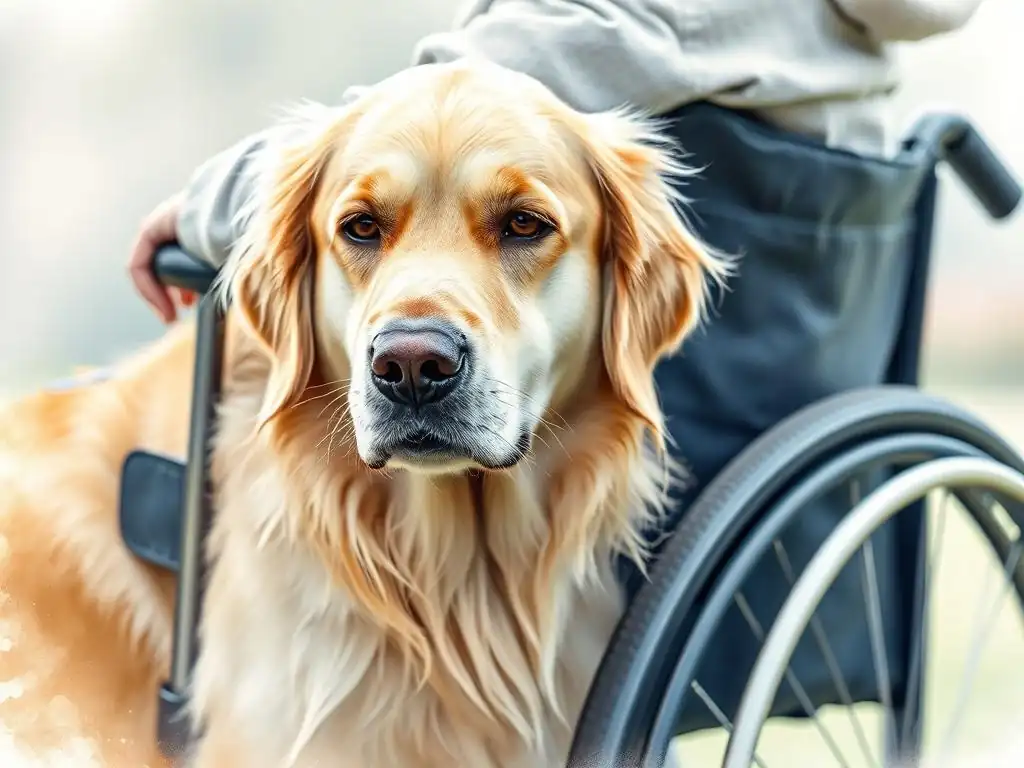
Training a therapy dog to interact gently with individuals with disabilities requires patience, consistency, and a keen awareness of potential challenges. Successfully navigating these hurdles is crucial for ensuring both the dog's and the person's safety and well-being. Understanding potential issues proactively allows for the implementation of preventative measures and effective management strategies. This section will delve into some common difficulties encountered during this specialized training. The goal is to equip prospective therapy dog handlers with the knowledge necessary to anticipate and address these challenges effectively, ultimately fostering positive and safe interactions.
Aggression or Fear-Based Behaviors in Therapy Dogs
Aggression, even in seemingly mild forms like growling or snapping, is unacceptable in a therapy dog. Similarly, fear-based reactions such as excessive barking, hiding, or trembling can be equally disruptive and potentially harmful to the individuals the dog is meant to comfort. These behaviors can stem from various factors, including:
- Poor socialization: Lack of exposure to diverse environments and people during puppyhood can lead to fear or aggression in unfamiliar situations.
- Past trauma: A dog's history can significantly impact its behavior. Previous negative experiences can manifest as aggression or fear.
- Underlying health issues: Pain or discomfort can make a dog irritable and more prone to aggressive or fearful responses. A vet check is crucial.
- Improper training: Inconsistent or harsh training methods can exacerbate existing behavioral problems or create new ones.
Addressing these behaviors requires a multifaceted approach. This may involve:
- Professional guidance: Consulting a certified veterinary behaviorist or a professional dog trainer experienced in therapy dog work is paramount. They can provide a tailored assessment and develop a comprehensive behavior modification plan.
- Counter-conditioning and desensitization: Gradually exposing the dog to stimuli that trigger fear or aggression, while simultaneously pairing these stimuli with positive reinforcement, can help change its emotional response.
- Medication (in some cases): In severe cases, medication may be necessary to manage underlying anxiety or aggression, always under veterinary supervision. This should be considered a supplemental strategy, not a primary solution.
- Consistent management: Strict adherence to the training plan and consistent management of the dog's environment are essential for long-term success.
Remember, patience and persistence are key. Modifying ingrained behaviors takes time and effort. Celebrating small victories along the way helps maintain motivation and reinforces positive progress.
Strategies for Managing Distractions and Maintaining Focus
Therapy dogs often work in busy and unpredictable environments. Maintaining focus amidst distractions is crucial for their safety and effectiveness. Distractions can range from loud noises and crowds to enticing smells and other animals. Strategies for managing these distractions include:
- Controlled exposure: Gradually introduce your dog to increasingly stimulating environments, starting with quieter settings and slowly increasing the level of distraction.
- Positive reinforcement training: Reward calm behavior in the presence of distractions with high-value treats, praise, and toys. This helps the dog associate calmness with positive experiences.
- Cue words and hand signals: Establish clear communication signals to redirect your dog's attention when necessary. These signals should be practiced consistently.
- Appropriate equipment: Using a well-fitting harness or leash can provide better control, particularly in crowded or chaotic environments.
For example, if your dog gets easily distracted by other dogs, you might start training in a quiet park with minimal canine activity, gradually moving to busier areas as it demonstrates improved focus. Rewarding calm behavior in the presence of other dogs reinforces the desired response. This systematic approach ensures a smooth transition to more challenging environments. The use of calming aids, such as pheromone diffusers, can also be beneficial, especially during the initial stages of training.
Dealing with Unexpected Reactions from Individuals with Disabilities
Individuals with disabilities may exhibit unpredictable behaviors, which can be challenging for even the most well-trained therapy dog. These unexpected reactions can include sudden movements, loud noises, or even unintentional physical contact. Preparing your dog for these possibilities is crucial. Strategies include:
- Training for "leave it" and "drop it": These commands are essential for preventing the dog from grabbing or reacting to dropped items or unexpected stimuli.
- Desensitization to unusual sights and sounds: Expose your dog to a variety of sounds and movements that might be encountered during therapy visits, ensuring a positive association with these stimuli.
- Teaching the dog to remain calm during unexpected physical contact: Practice gentle touches and unexpected movements to help the dog learn to tolerate these without reacting negatively.
- Emergency protocols: Develop a plan for handling unexpected situations, such as a person becoming agitated or your dog exhibiting signs of stress. This might involve removing the dog from the situation or providing a safe space.
For instance, if a person with autism makes a sudden loud noise, the dog should be trained to remain calm and not react defensively. Similarly, if a person in a wheelchair accidentally bumps into the dog, the dog should not react aggressively or fearfully. Thorough training and consistent reinforcement are vital in mitigating the risk of negative interactions and ensuring the safety and well-being of both the dog and the individual. Teaching your dog to tolerate a wide range of sensory experiences is paramount for success in this specialized role.
When to Seek Professional Guidance from a Certified Dog Trainer
Knowing when to enlist the help of a certified professional dog trainer is crucial for successful therapy dog training, especially when working with individuals with disabilities. While many aspects of training can be tackled at home with patience and consistency, certain situations demand the expertise of a professional. These situations often involve behavioral issues that are beyond the scope of a novice trainer's capabilities, or when the dog exhibits behaviors that could potentially harm someone.
For example, a dog that consistently displays aggression, even in mild forms like growling or snapping, requires immediate professional intervention. A certified trainer can assess the root cause of the aggression – be it fear, territoriality, or a poorly understood communication cue – and develop a tailored behavior modification plan. This plan will likely involve desensitization and counter-conditioning techniques, far more nuanced than simple at-home training methods. Ignoring these signs can lead to escalating aggression and potentially dangerous situations, especially around vulnerable individuals with disabilities.
Another scenario demanding professional assistance is when a dog struggles with impulse control. This could manifest as jumping on people, excessive barking, or grabbing at items. While some impulse control training can be done at home, severe cases often necessitate a more structured approach from a trainer experienced in working with therapy dogs. They can provide customized exercises and strategies to improve the dog's focus and self-regulation, essential qualities for a successful therapy dog interacting with individuals with disabilities who may have heightened sensitivity to noise or touch.
Furthermore, if your dog displays anxiety or fear-based behaviors, seeking professional help is advisable. These behaviors can manifest in various ways, from excessive panting and trembling to hiding and avoidance. A certified trainer can identify triggers and develop a desensitization and counter-conditioning plan to help your dog overcome their fears. This is particularly important in therapy dog training, as a fearful dog is less likely to provide comfort and support to those who need it, and might even exacerbate the anxieties of a person with a disability.
Finally, consider professional help if you find yourself consistently struggling with a specific aspect of training despite your best efforts. It's not a sign of failure to seek assistance; it's a sign of responsible pet ownership. A trainer can offer a fresh perspective, identify any mistakes in your approach, and provide personalized guidance to help you and your dog succeed.
Remember, the goal is to create a safe and supportive environment for both your dog and the individuals they will be assisting, and professional guidance can be invaluable in achieving that goal. The well-being of all involved should always be the top priority.
Becoming a Certified Therapy Dog Team
Becoming a certified therapy dog team—that is, you and your dog—requires dedication, training, and a commitment to providing comfort and support to those in need. It's not just about having a well-behaved dog; it's about fostering a strong bond and ensuring your canine companion is well-equipped to handle the unique challenges of interacting with individuals who have disabilities. The certification process itself varies depending on the organization, but several common threads weave through each program.
The goal is to ensure the safety and well-being of both the therapy dog and the people they interact with. Understanding these nuances is crucial for a successful journey. Remember, patience and consistency are key throughout this process.
Researching and Choosing Reputable Therapy Dog Organizations
Selecting the right therapy dog organization is paramount. Not all organizations hold themselves to the same standards. Thorough research is vital to ensure you choose a reputable organization with a robust certification program. Consider these factors:
- Reputation and Accreditation: Look for organizations with a long-standing history and a strong reputation within the therapy dog community. Check for any external accreditations or affiliations that might signify a higher standard of training and evaluation.
- Training Requirements: Examine the specific training requirements outlined by the organization. A rigorous program should cover various aspects of therapy dog work, including socialization, obedience, and appropriate behavior in different settings. A strong emphasis on gentle handling, particularly around vulnerable populations, should be evident.
- Evaluation Process: Understand the details of the evaluation process. A comprehensive assessment should cover your dog's temperament, obedience, and ability to handle stressful situations calmly and appropriately. The evaluation should also assess your ability to handle your dog effectively in various settings and your understanding of the needs of individuals with disabilities.
- Ongoing Support and Education: A reputable organization will provide ongoing support and educational resources to help you maintain your certification and continue to improve your skills as a therapy dog team. This might include workshops, seminars, or access to a supportive community of other handlers.
Choosing wisely ensures that your hard work culminates in a meaningful and impactful contribution to the lives of others. Don't rush this decision; take the time needed to find the best fit for you and your dog.
Understanding the Certification Process and Requirements
The certification process typically involves several key stages, each designed to assess the suitability of both the dog and its handler. These stages often include:
- Application and Interview: Most organizations require a detailed application that outlines your experience with dogs, your reasons for wanting to become a therapy dog team, and your dog's background and temperament. An interview may follow to further assess your suitability.
- Temperament and Obedience Testing: Your dog will undergo a thorough temperament assessment to evaluate its suitability for therapy work. This often involves observing the dog's reactions in various situations and assessing its ability to remain calm and well-behaved around different people, including children and individuals with disabilities. Obedience testing will ensure your dog reliably responds to your commands in various environments.
- Public Access Test (PAT): Many organizations require a PAT, which tests your dog's ability to behave appropriately in public places and around distractions. This is a crucial step, especially when considering individuals with sensory sensitivities or mobility challenges.
- Skills Assessment: This focuses on assessing your dog's ability to perform specific tasks related to therapy work, such as staying calm in close proximity to individuals with disabilities, accepting gentle petting, and remaining quiet and still. This might include demonstrating skills like "leave it" and "drop it" reliably.
- Handler Evaluation: The organization will also assess your skills as a handler, focusing on your ability to manage your dog effectively in different environments and to respond appropriately to any challenging situations that might arise. Your knowledge of canine behavior and your understanding of the needs of individuals with disabilities will be evaluated.
The specific requirements may differ, but the overall goal remains consistent: to ensure that the therapy dog team is well-prepared and capable of providing a safe and positive experience for everyone involved. Understanding these steps will help you and your dog prepare effectively.
Preparing for the Evaluation and Assessment Process
Preparation is key to success in the certification process. The more thoroughly you prepare, the more confident you and your dog will be during the evaluation. Here's how to get ready:
- Advanced Obedience Training: Focus on strengthening your dog's basic obedience skills, such as sit, stay, down, come, and leave it. Work on these commands in various environments and with distractions to prepare your dog for the unpredictable nature of public settings. Practice "gentle" interactions with people of all ages and abilities.
- Socialization: Ensure your dog is well-socialized and comfortable around different people, including those with disabilities. Expose your dog to a variety of sights, sounds, and smells to help them remain calm and focused in unfamiliar environments.
- Stress Management Techniques: Learn how to manage your dog's stress levels in challenging situations. This might involve using calming techniques, such as deep breathing exercises or positive reinforcement.
- Practice in Simulated Environments: Practice working with your dog in environments that mimic those in which you'll be working as a therapy dog team. This might involve visiting public places or working with individuals with disabilities in a controlled setting.
- Understanding Disabilities: Educate yourself on different types of disabilities and how to interact appropriately with individuals who have them. This understanding will help you anticipate potential challenges and respond effectively. Research sensory sensitivities and mobility limitations to best prepare your dog for interaction.
Remember, the journey to becoming a certified therapy dog team is a collaborative effort between you and your canine companion. Through diligent preparation and a commitment to excellence, you can contribute meaningfully to the lives of others. The rewards are immense, knowing you're making a positive difference in the world.
Maintaining Certification and Continuing Education
Maintaining your therapy dog team's certification isn't a one-time achievement; it's an ongoing commitment. Different organizations have varying requirements, but generally, expect regular evaluations and continuing education to ensure your dog's temperament and your handling skills remain top-notch. These requirements are crucial for the safety and well-being of the individuals you'll be working with. Failure to meet these standards could result in the loss of your certification.
For example, some organizations require annual evaluations, which might involve demonstrating your dog's obedience, temperament, and ability to interact appropriately in various settings. These assessments often involve controlled scenarios that simulate real-life interactions with people with disabilities. Think scenarios involving wheelchairs, walkers, service animals, and individuals exhibiting various sensory sensitivities. Your evaluator will carefully observe your dog's reactions and your ability to manage any challenging situations that may arise.
Beyond annual evaluations, many organizations mandate continuing education courses. These courses often cover topics like advanced obedience techniques specifically tailored for therapy dogs, understanding and managing challenging behaviors in diverse settings, and recognizing and responding to potential anxieties or triggers in both your dog and the individuals you're assisting. These courses keep you updated on the latest best practices and help refine your skills, ensuring you provide the highest quality of support.
Regular participation in these courses demonstrates your dedication to maintaining professional standards and ensures the safety and positive experiences of those you serve. The specific courses and their frequency will depend on the certifying organization, so carefully review their requirements. Investing time and effort in continuing education not only maintains your certification but also significantly enhances your effectiveness as a therapy dog team.
It's an investment in both your dog's well-being and the people you strive to help. Think of it as a continuous improvement process, constantly refining your skills to best serve those who need your support. Remember, the goal is to create a safe and positive experience for everyone involved.
Frequently Asked Questions
What makes a good therapy dog for people with disabilities?
A good therapy dog needs to be exceptionally gentle, patient, and well-socialized. They must also be comfortable in a variety of environments and possess a calm and reliable temperament.
What specific commands are crucial for a therapy dog assisting people with disabilities?
Essential commands include "sit," "stay," "down," "leave it," and "come." These provide control and safety in various situations. Additional commands may be beneficial depending on the disability.
How do I ensure my therapy dog remains calm around people with disabilities?
Consistent and positive reinforcement training is key. Gradually introduce your dog to different disabilities and environments, always rewarding calm behavior. Desensitization and counter-conditioning techniques are also helpful.
Are there specific certifications needed for therapy dogs working with disabilities?
While not always mandatory, therapy dog registration through reputable organizations (like Pet Partners or Therapy Dogs International) adds credibility and demonstrates your dog's training and temperament. This is highly recommended.
What if my therapy dog displays aggression or fear around someone with a disability?
Immediately remove your dog from the situation and reassess the training. Consult a certified professional dog trainer experienced in therapy dog work to address the underlying issues and prevent future incidents.
Final Reflection: The Unwavering Power of Gentle Paws
The need for well-trained therapy dogs to support individuals with disabilities is more critical than ever. These compassionate companions offer invaluable emotional, physical, and social benefits, significantly improving the quality of life for countless people. The gentle touch of a trained dog can be transformative, offering comfort and reducing anxiety in ways that traditional therapies sometimes cannot.
Witnessing the profound bond between a therapy dog and its human partner is truly humbling. It underscores the incredible capacity for interspecies connection and the positive impact animals can have on our well-being. The training process, while demanding, is deeply rewarding, fostering a sense of purpose and accomplishment. The greatest gift you can give your dog is a life of purpose.
This quote resonates deeply, as the purpose of a therapy dog extends far beyond the individual; it touches the lives of entire communities.
Now, consider the impact you can have. You have the power to make a difference in someone's life by dedicating your time and effort to training your dog to become a gentle, compassionate companion for those who need it most. Will you embrace the challenge and embark on this rewarding journey? The world needs more gentle paws, and you can be a part of that change.
Unleash Your Dog's Gentle Heart: Start Their Therapy Journey Today!
Thank you for exploring how to train your dog to become a comforting presence for others! You've discovered the rewarding world of therapy dog training. Now, let's put that knowledge into practice.
- Begin your dog's gentle training program today: Start with basic obedience exercises, focusing on polite greetings and calm behavior around people. Consistency is crucial for success!
- Share your training journey: Let us know about your progress and any challenges you encounter—your experience could inspire others! Join our PetCareWorld community forum and share your story.
- Consider contacting local therapy dog organizations: Many groups offer advanced training and certification, helping your dog make a real difference in people's lives.
Ready to transform your dog into a gentle and compassionate companion? What's the first step you'll take today to begin this enriching journey?