
The Importance of Mental Stimulation for Dogs: Games and Activities to Keep Them Engaged


Welcome to PetCareWorld, your ultimate guide to a happier, healthier life for your beloved pets! Are you ready to unlock the key to a more fulfilled canine companion? Discover the incredible impact of Dog mental stimulation games and activities – learn how enriching your dog's mind can transform their behavior and strengthen your bond. Dive in and explore the exciting world of canine enrichment!
- Understanding Canine Cognitive Needs: Why Mental Stimulation Matters for Dogs
-
Engaging Your Dog: A Variety of Mental Stimulation Games and Activities
- Puzzle Toys for Dogs: Interactive Feeders and Treat Dispensing Puzzles
- Training Games for Dogs: Hide-and-Seek, Obedience Training with a Twist, and Scent Work
- Interactive Games for Dogs: Fetch with a Variation, Tug-of-War, and Training Games
- DIY Dog Enrichment Activities: Creating Homemade Puzzles and Sensory Games
- Choosing the Right Activities Based on Your Dog's Breed, Age, and Personality
- Creating a Routine for Mental Stimulation: Consistency is Key
- Beyond Games: Other Ways to Mentally Stimulate Your Dog
- Signs Your Dog Needs More Mental Stimulation
- Frequently Asked Questions
- Final Reflection: Unleashing the Power of a Stimulated Mind
- Unlock Your Dog's Inner Genius: Playtime Awaits!
Understanding Canine Cognitive Needs: Why Mental Stimulation Matters for Dogs
Canine companions, much like their human counterparts, require mental stimulation to thrive. A dog's brain, though different in structure, is a complex organ demanding engagement and challenge. Neglecting a dog's cognitive needs can lead to a range of behavioral problems, impacting both the dog's well-being and the owner's quality of life.
This article delves into the crucial importance of mental stimulation for dogs, exploring the detrimental effects of boredom and highlighting the numerous benefits of cognitive enrichment through engaging games and activities. We'll equip you with practical strategies to keep your canine friend mentally sharp, happy, and well-adjusted, ultimately strengthening your bond and improving your shared experience. Understanding your dog's cognitive needs is key to responsible and rewarding pet ownership, and this guide provides the knowledge and tools to meet those needs effectively.
We'll cover various approaches, catering to different breeds, ages, and energy levels. Let's embark on this journey to a happier, healthier, and more stimulated canine companion!
The Impact of Boredom on Dog Behavior: Destructive Chewing, Excessive Barking, and Anxiety
A bored dog is often a destructive dog. Without sufficient mental stimulation, dogs can exhibit a range of undesirable behaviors stemming from pent-up energy and frustration. This frequently manifests as destructive chewing, targeting furniture, shoes, or other household items. The dog isn't necessarily being malicious; they're simply seeking an outlet for their restless energy and unmet cognitive needs.
Excessive barking can also be a symptom of boredom, as dogs attempt to communicate their frustration or loneliness. Furthermore, prolonged boredom can contribute to anxiety and stress, leading to potentially more serious behavioral issues. Consider this scenario: a high-energy Border Collie confined to a small apartment with limited opportunities for exercise and mental engagement.
The likelihood of destructive chewing, excessive barking, and even separation anxiety significantly increases. Providing ample opportunities for mental stimulation directly combats these issues, transforming a frustrated canine into a calmer, more content companion. Remember, a tired dog is a good dog, but a mentally stimulated dog is an even better one!
Cognitive Enrichment and its Benefits: Improved Focus, Reduced Stress, and Stronger Bond
Engaging in cognitive enrichment activities offers a multitude of benefits for dogs. These activities challenge their minds, providing a fulfilling outlet for their natural instincts and intelligence. Improved focus is a significant advantage; a mentally stimulated dog is often better able to concentrate on training commands and exhibit improved obedience. The reduction in stress and anxiety is another key benefit.
By providing stimulating activities, you help your dog channel their energy constructively, reducing the likelihood of stress-related behaviors. Moreover, engaging in these activities together strengthens the bond between you and your dog. Shared experiences, problem-solving, and positive reinforcement during play create a deeper connection, fostering trust and mutual understanding.
The positive reinforcement associated with successful completion of tasks further enhances the bond, creating a more harmonious relationship. Think of puzzle feeders, training exercises, or simply playing fetch – these are not just games; they are crucial elements of a well-rounded and fulfilling life for your canine companion. 🐕
Engaging Your Dog: A Variety of Mental Stimulation Games and Activities

Providing adequate mental stimulation for your canine companion is crucial for their overall well-being. A bored dog can quickly become a destructive dog, exhibiting unwanted behaviors like excessive barking, chewing, and digging. Engaging your dog in stimulating activities not only prevents these problems but also strengthens your bond and improves their cognitive function. This section explores a variety of games and activities designed to challenge your dog mentally, keeping them happy, healthy, and engaged. Remember, the key is to tailor activities to your dog's breed, age, and personality. Variety is also key to preventing boredom!
Puzzle Toys for Dogs: Interactive Feeders and Treat Dispensing Puzzles
Puzzle toys are an excellent way to provide mental stimulation while also satisfying your dog's natural foraging instincts. These toys require your dog to work for their reward, slowing down their eating and providing a mentally engaging challenge. The level of difficulty should be adjusted to your dog's capabilities; start with easier puzzles and gradually increase the complexity as they master each one.
Several types of puzzle toys are available, including:
- Interactive Feeders: These bowls dispense food slowly, requiring your dog to work for each bite. This can be particularly beneficial for fast eaters, preventing digestive upset and promoting slower, more mindful eating. Some models even offer adjustable difficulty levels.
- Treat Dispensing Puzzles: These toys hide treats within various compartments, requiring your dog to manipulate the toy to access the rewards. These can range from simple to incredibly complex, offering a wide range of challenges for dogs of all skill levels. Look for toys made of durable, non-toxic materials and ensure they are appropriately sized for your dog to prevent choking hazards.
- Rolling Puzzles: These toys move and roll as the dog tries to get the treats out, adding an extra layer of challenge and fun. These are great for dogs who enjoy a bit of a physical challenge alongside the mental stimulation.
Remember to supervise your dog while they are using puzzle toys, especially initially, to ensure they are using them correctly and safely. The benefits extend beyond just keeping them entertained; these toys can also help reduce anxiety and boredom, leading to a happier, calmer dog. 🐾
Training Games for Dogs: Hide-and-Seek, Obedience Training with a Twist, and Scent Work
Beyond basic obedience training, incorporating games into your training sessions can significantly enhance your dog's engagement and learning experience. These games add an element of fun and challenge, making training more enjoyable for both you and your dog.
- Hide-and-Seek: This classic game is a fantastic way to stimulate your dog's sense of smell and problem-solving skills. Hide treats or toys around the house or yard and let your dog use their nose to find them. You can gradually increase the difficulty by hiding items in more challenging locations. This game is particularly rewarding for dogs who are naturally scent-driven.
- Obedience Training with a Twist: Instead of simply repeating commands, incorporate elements of surprise and variation into your training sessions. For example, you could use different hand signals or verbal cues, change the location of your training sessions, or incorporate obstacles. This keeps your dog on their toes and prevents them from becoming bored with routine.
- Scent Work: Scent work is a highly engaging activity that taps into your dog's natural olfactory abilities. You can start by hiding treats and gradually progress to more complex scent trails. This activity is both mentally and physically stimulating and can be incredibly rewarding for both you and your dog. It's a fantastic way to build a strong bond while providing excellent mental exercise.
Interactive Games for Dogs: Fetch with a Variation, Tug-of-War, and Training Games
Interactive games offer a great way to bond with your dog while providing significant mental and physical stimulation. These games encourage interaction and teamwork, strengthening the relationship between you and your furry friend.
- Fetch with a Variation: Instead of simply throwing the ball, try varying the distance, the type of throw, or even incorporating obstacles. You could also teach your dog to retrieve specific toys on command, adding a layer of cognitive challenge. This keeps the game interesting and prevents your dog from getting bored with repetition.
- Tug-of-War: This classic game is a great way to build strength and coordination while also providing mental stimulation. It's important to teach your dog to release the toy on command to prevent aggressive behavior. Controlled tug-of-war sessions can be a fun and interactive way to engage your dog.
- Training Games: Incorporate games into your training sessions. For example, you could play "find it" to reinforce the "leave it" command or use a toy to reward your dog for performing tricks. This makes training more enjoyable and helps your dog associate learning with positive experiences. This approach is far more effective than rote repetition.
Remember, consistent engagement is key. By incorporating a variety of these games and activities into your dog's daily routine, you can ensure that they remain mentally stimulated, happy, and well-behaved. 🐶
DIY Dog Enrichment Activities: Creating Homemade Puzzles and Sensory Games
Engaging your dog with DIY enrichment activities is a fantastic way to stimulate their minds and strengthen your bond. These activities are not only cost-effective but also incredibly rewarding, allowing you to tailor the challenge to your dog's specific abilities and preferences. The key is to create puzzles that require problem-solving, encouraging your canine companion to think creatively to get a treat or toy reward.
One simple and effective DIY puzzle is the "treat-stuffed Kong." Simply fill a Kong toy (or a similar durable toy with a hollow interior) with your dog's favorite treats, kibble, or even a bit of peanut butter. You can freeze the Kong for a longer-lasting challenge, adding layers of complexity by incorporating different textures and smells. This encourages your dog to use their problem-solving skills to extract the hidden goodies. Remember to supervise your dog during this activity to ensure they don't swallow the Kong itself.
Another engaging option is creating a "sniffing mat." This involves taking an old towel or rug and tying various treats and toys into the fabric. The act of sniffing and searching for these hidden rewards is immensely stimulating for dogs, tapping into their natural foraging instincts. The level of difficulty can be adjusted by using different knots and hiding places, making it suitable for dogs of all ages and skill levels. This game is particularly beneficial for dogs who are prone to boredom or anxiety, providing a calming and mentally enriching experience.
You can also build simple food puzzles using cardboard boxes or muffin tins. Simply hide treats within the compartments, allowing your dog to use their noses and paws to uncover the hidden treasures. This is a great way to introduce your dog to puzzle-solving in a safe and controlled environment. For advanced puzzle-solving, consider hiding treats under cups or creating a simple maze using cardboard. Remember to always supervise your dog, ensuring the materials used are safe and non-toxic.
The possibilities are endless, and the creativity involved is half the fun! Remember to introduce new puzzles gradually, allowing your dog to master one before moving on to the next. This prevents frustration and ensures a positive learning experience. Observe your dog's body language closely – signs of stress or frustration warrant adjusting the difficulty level.
Positive reinforcement and praise are key to success! The more engaged your dog is, the more likely they are to develop a love for these activities. Tailoring these games to your dog's personality and breed ensures a fun and fulfilling experience for both of you. Remember, the goal is to make learning fun and rewarding!
Choosing the Right Activities Based on Your Dog's Breed, Age, and Personality

Selecting the right mental stimulation games and activities for your canine companion is crucial for their overall well-being. Ignoring this aspect can lead to boredom, destructive behaviors, and even anxiety. The key lies in understanding your dog's individual needs, shaped by their breed, age, and personality. A one-size-fits-all approach simply won't work. Let's delve into the specifics of tailoring activities to these key factors.
Adapting Games for Different Dog Breeds: Challenges for Energetic vs. Calm Breeds
Dog breeds exhibit significant variations in energy levels and inherent traits. High-energy breeds like Border Collies or Australian Shepherds require significantly more intense mental and physical stimulation than calmer breeds such as Bulldogs or Greyhounds. Failing to meet these differing needs can result in behavioral problems.
For energetic breeds, focus on games that challenge their intelligence and stamina. Activities like agility courses (scaled appropriately for size and age), fetch with variations in distance and retrieval complexity, and scent work are ideal. These activities tap into their natural herding instincts and high energy levels, preventing boredom and destructive behaviors. Consider incorporating longer walks or runs into their daily routine.
Conversely, calm breeds benefit from less strenuous but equally engaging activities. Puzzle feeders that require problem-solving skills, short training sessions focused on obedience or tricks, and interactive games like hide-and-seek (with treats) provide sufficient mental stimulation without overexertion. Remember, even calm breeds need mental exercise; the key is to find activities that match their temperament.
Consider this table summarizing appropriate activities:
| Breed Type | High-Energy Examples | Calm Breed Examples |
|---|---|---|
| Energetic | Agility, Fetch (long distances), Scent work, Hiking | Puzzle feeders, Short training sessions, Hide-and-seek |
| Calm | Puzzle feeders, Short walks, Basic obedience | Interactive toys, Treat dispensing balls, Slow sniffing games |
Age-Appropriate Activities: Games for Puppies, Adult Dogs, and Senior Dogs
A puppy's brain is developing rapidly, requiring different stimulation compared to an adult or senior dog. Over-stimulation can be detrimental to a puppy, while under-stimulation can lead to behavioral issues in adult and senior dogs.
Puppies: Focus on short, frequent play sessions that build basic obedience and introduce them to various textures, sounds, and environments. Simple puzzle toys, short training sessions (no more than 5-10 minutes at a time), and gentle socialization are key. Avoid overly complex games that can frustrate them.
Adult Dogs: This life stage is optimal for introducing more complex games and training exercises. Agility training, advanced obedience work, and scent detection are all great options. Remember to vary the activities to prevent boredom.
Senior Dogs: As dogs age, their physical capabilities may decline. Adapt games to their reduced stamina and mobility. Focus on low-impact activities, such as scent work (using less physical movement), simple puzzle feeders, and calm training sessions. Prioritize comfort and avoid strenuous exercises.
Tailoring Activities to Your Dog's Personality: Finding What Your Dog Enjoys Most
Even within a breed, individual dogs possess unique personalities. Some dogs are naturally curious and playful, while others are more cautious and reserved. Observe your dog's behavior and preferences to identify what truly engages them.
Does your dog love chasing toys? Then focus on fetch variations. Is your dog a food-motivated pup? Utilize treat-dispensing toys and puzzles. Is your dog more interested in social interaction? Include games that involve other dogs (under supervision, of course).
Don't be afraid to experiment! Try different games and activities to discover what your dog enjoys most. Pay attention to their body language. A wagging tail, focused attention, and playful engagement indicate a successful activity. Conversely, signs of stress or disinterest signal a need for a change in approach. Remember, the goal is to provide enriching mental stimulation that enhances your dog's happiness and well-being – a truly rewarding experience for both of you. 🐾
Creating a Routine for Mental Stimulation: Consistency is Key
Mental stimulation for dogs isn't a one-off event; it's a crucial part of their daily well-being. Just like physical exercise, consistent mental engagement is vital for preventing boredom, destructive behaviors, and anxiety. Creating a routine ensures your dog receives the mental workout they need, promoting a happier, healthier canine companion. Think of it as building a mental fitness plan tailored to your dog's breed, age, and energy levels.
Scheduling Enrichment Activities: Integrating Games into Your Daily Routine
A structured approach to mental stimulation is highly effective. Instead of randomly throwing a toy around, integrate games and activities into your daily schedule. This could involve a 15-minute puzzle game in the morning, a short training session in the afternoon, and a sniffing game before bedtime. Consistency is crucial here. Your dog will learn to anticipate these activities, reducing anxiety and increasing their engagement. For example, a typical schedule might look like this:
| Time of Day | Activity | Duration | Notes |
|---|---|---|---|
| 7:00 AM | Puzzle feeder with kibble | 15 mins | Rotate puzzles to prevent boredom |
| 12:00 PM | Hide-and-seek with treats | 10 mins | Vary hiding spots for increased challenge |
| 5:00 PM | Basic obedience training | 20 mins | Focus on positive reinforcement |
| 9:00 PM | Sniffing game in the backyard | 10 mins | Let your dog explore and investigate freely |
Remember to adjust the duration and intensity of activities based on your dog's breed and age. A high-energy Border Collie will require more stimulation than a laid-back Greyhound. The key is to find a balance that keeps your dog mentally engaged without overwhelming them. Observe your dog's cues – yawning, restlessness, or disinterest are signals to adjust the activity or take a break.
Monitoring Your Dog's Engagement: Adjusting Activities Based on Response
Observing your dog's behavior during mental stimulation activities is paramount. Are they actively participating? Do they seem frustrated or bored? Their responses provide valuable feedback to help you tailor the activities to their needs. A dog that quickly solves a puzzle might need a more challenging one, while a dog that seems overwhelmed might benefit from shorter, simpler games.
Pay attention to subtle cues like tail wags, happy panting, and focused attention. Conversely, signs of stress, such as excessive panting, lip licking, or avoidance, indicate you need to modify the activity or choose a different one. Remember, the goal is to create a positive and enjoyable experience for your dog. The use of positive reinforcement techniques, described below, can help significantly.
The Importance of Positive Reinforcement: Rewarding Your Dog for Participation
Positive reinforcement is the cornerstone of successful dog training and mental stimulation. Rewarding your dog for their participation, even for small successes, strengthens their engagement and makes the activities more enjoyable. Use high-value rewards like small pieces of their favorite treats, praise, or even a favorite toy. Avoid punishment or scolding, as this can create fear and anxiety, hindering their learning and enjoyment of the games.
Positive reinforcement fosters a positive association with the activities, making your dog eager to participate in future sessions. This creates a powerful feedback loop; the more your dog enjoys the activities, the more readily they will engage, ultimately leading to improved mental well-being and a stronger bond between you and your canine companion. Consider using clicker training alongside treats to mark specific desired behaviors precisely.
Beyond Games: Other Ways to Mentally Stimulate Your Dog
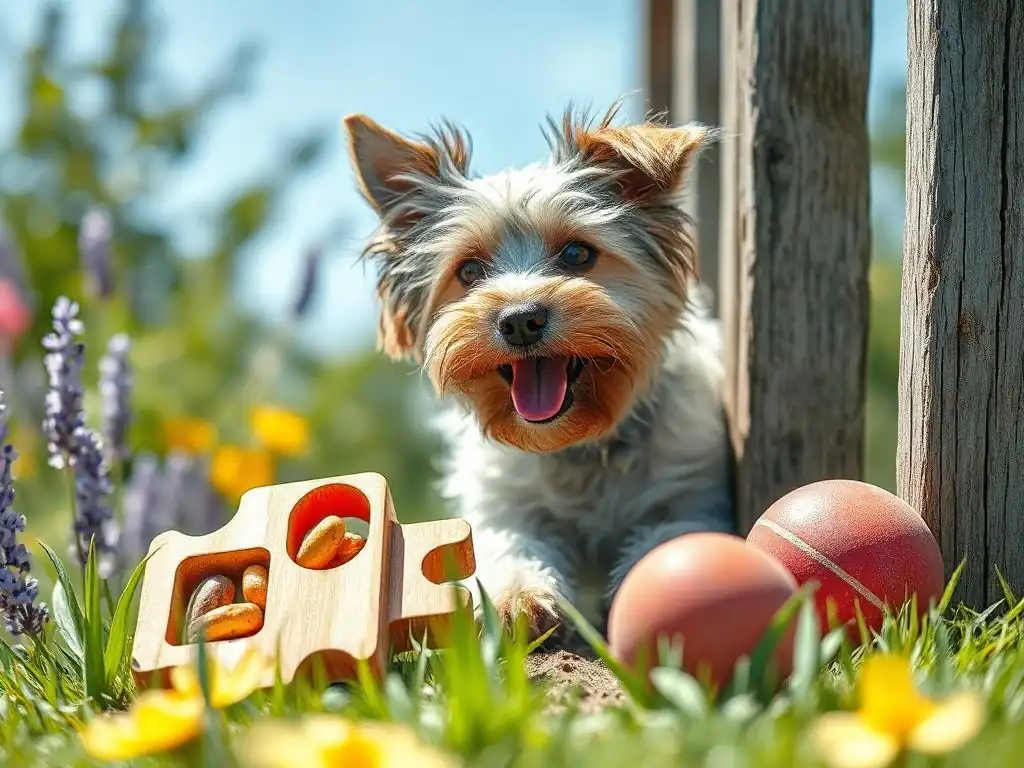

Beyond the fun and games, enriching your dog's life requires a multifaceted approach to mental stimulation. Simply playing fetch or puzzle games isn't enough to fully engage a canine mind. Think of it like a balanced diet – you need a variety of nutrients for optimal health, and the same applies to your dog's cognitive well-being. Providing diverse stimulating experiences is key to preventing boredom and promoting a happy, well-adjusted companion. This section explores alternative methods to keep your canine companion mentally sharp and engaged.
Providing a Stimulating Environment: Enrichment through Exploration and Variety
A stimulating environment is crucial for a dog's mental health. It's not just about having a comfy bed; it's about offering opportunities for exploration, discovery, and sensory input. Think about it from your dog's perspective: a constantly unchanging environment can quickly become monotonous.
Consider these enriching elements:
- Rotating toys: Keep a variety of toys available, rotating them regularly to prevent boredom. This prevents your dog from becoming fixated on a single item and losing interest. Introduce new toys periodically to maintain excitement and novelty.
- Scent work: Dogs have an incredible sense of smell. Hide treats around the house or yard for your dog to sniff out – this engages their natural hunting instincts and provides a significant mental workout. Consider using scent games specifically designed for dogs, which add an extra layer of challenge.
- Different textures: Provide a variety of textures for your dog to interact with – soft blankets, rough chew toys, smooth surfaces. This sensory stimulation adds another dimension to their environment.
- Safe exploration: Allow your dog supervised exploration of new, safe areas. This could be a different room in the house, a securely fenced yard, or even a short, safe walk in a new park. Controlled exposure to new sights and smells significantly contributes to their mental enrichment.
Remember, even small changes can make a big difference. Rearranging furniture, adding a new climbing structure, or simply changing the location of their food and water bowls can all contribute to a more stimulating environment and reduce the risk of behavioral problems stemming from boredom. This approach to enrichment contributes significantly to preventing destructive behaviors often associated with understimulated dogs. The key is to observe your dog and adapt your approach to their individual preferences and needs.
Social interaction is another critical aspect of mental stimulation for dogs. Dogs are social animals, and interaction with other dogs (and sometimes even people!) provides crucial mental and emotional benefits.
- Playdates: Arranging regular playdates with well-socialized dogs can be incredibly beneficial. Supervised interaction allows your dog to engage in natural canine behaviors, burn off energy, and learn social skills. Ensure that all dogs involved are compatible and that the playdates are carefully monitored to prevent any conflicts.
- Doggy daycare: For working pet owners, doggy daycare offers a fantastic solution. It provides a structured environment where your dog can socialize, play, and receive attention from trained professionals. It's important to choose a reputable daycare that prioritizes safe and positive interactions.
- Positive interactions: Beyond playdates and daycare, fostering positive interactions with other dogs during walks or in other appropriate settings helps build social skills and confidence. Proper introduction techniques are crucial to ensure safe and positive interactions.
Lack of sufficient social interaction can lead to behavioral problems such as anxiety, aggression, or excessive barking. Socialization should begin early in a dog's life, but it is never too late to help them build positive social skills. The advantages of well-managed social interaction for your dog's mental health are considerable and should be a priority in their care routine.
Learning New Tricks: Ongoing Training and Skill Development
Training isn't just about basic obedience; it's a fantastic way to provide ongoing mental stimulation for your dog. Learning new tricks keeps their minds engaged, strengthens the bond between you, and provides a sense of accomplishment for both of you.
- Variety is key: Avoid sticking to the same old commands. Introduce new tricks, games, and challenges regularly. This keeps your dog mentally alert and prevents boredom with repetitive tasks. Consider agility training, scent work, or even tricks that involve problem-solving.
- Positive reinforcement: Always use positive reinforcement methods. Rewards, praise, and encouragement are far more effective than punishment. Positive reinforcement strengthens the bond between you and your dog, making the learning process enjoyable for both of you.
- Consistency is crucial: Maintain consistency in your training sessions. Regular, short sessions are more effective than infrequent, long ones. Consistency reinforces learned behaviors and helps your dog retain information effectively.
Training provides a structured outlet for your dog's energy and intelligence, preventing boredom and promoting a sense of purpose. The mental stimulation provided through ongoing training is invaluable for a dog's well-being and helps to build a strong, trusting relationship between you and your canine companion. This ongoing mental engagement is vital for preventing behavioral issues and maintaining a happy, well-adjusted dog.
Signs Your Dog Needs More Mental Stimulation
Dogs, much like humans, require mental stimulation to thrive. A lack of mental engagement can lead to a range of behavioral issues, impacting their overall well-being. Recognizing the signs of boredom and under-stimulation is crucial for providing your canine companion with a fulfilling and enriching life. Ignoring these signs can lead to serious problems down the line, impacting both the dog's happiness and the owner's peace of mind. This section will delve into the key indicators that your dog may be suffering from mental understimulation and needs more engaging activities.
Behavioral Indicators of Boredom: Excessive Sleeping, Restlessness, and Destructive Behaviors
Excessive sleeping, while sometimes normal, can be a significant indicator of boredom and lack of mental stimulation in dogs. A dog that sleeps excessively throughout the day, even after sufficient physical exercise, may be simply lacking the mental engagement needed to feel fulfilled. This isn't just about napping; it's about a pervasive lethargy that goes beyond a comfortable rest. For example, a normally energetic Labrador Retriever who suddenly spends most of the day sleeping could be signaling a need for more stimulating activities.
Restlessness, conversely, manifests as hyperactivity and a seeming inability to settle down. This isn't playful energy; it's often frantic pacing, whining, or excessive barking, even in the absence of external stimuli. This restlessness stems from pent-up mental energy that has no outlet. A constant need to move, even when tired, is a clear sign that the dog's mental needs are unmet. Consider a small terrier breed: While usually playful, excessive restlessness could indicate a need for puzzle feeders or interactive games.
Destructive behaviors are often a direct result of boredom and lack of mental stimulation. Chewing furniture, digging up the garden, or excessive barking are all ways a dog attempts to alleviate their boredom. These behaviors aren't malicious; they're a cry for attention and mental engagement. A Golden Retriever, known for its gentle nature, might start exhibiting destructive chewing if its mental needs are neglected. Understanding the root cause—boredom—is key to addressing these destructive habits effectively. These behaviors are frequently more pronounced in working breeds, which are naturally inclined to be mentally active.
Addressing Behavioral Problems Through Enrichment: A Holistic Approach
Addressing behavioral problems stemming from a lack of mental stimulation requires a holistic approach. Simply adding more walks isn't always sufficient; a balanced program of physical and mental enrichment is crucial. This involves incorporating a variety of activities designed to challenge your dog mentally, stimulating their natural instincts and keeping them engaged.
The key is to provide a diverse range of activities to prevent boredom and maintain interest. This might involve:
- Puzzle feeders: These toys require your dog to work for their food, stimulating their problem-solving skills. The difficulty level can be adjusted based on your dog's abilities.
- Interactive games: Games like hide-and-seek, fetch, or training sessions provide mental stimulation and strengthen the bond between you and your dog.
- Scent work: Dogs have an incredible sense of smell, and scent work activities, such as finding hidden treats, are both mentally stimulating and engaging.
- Training: Learning new tricks or commands provides mental stimulation and strengthens the bond between you and your dog. This is particularly important for intelligent breeds prone to boredom.
- Social interaction: Appropriate social interaction with other dogs (under supervision) can provide valuable mental and social stimulation.
Implementing these activities will not only improve your dog's mental well-being but also strengthen your bond. Remember, a mentally stimulated dog is a happier, healthier, and better-behaved dog. The investment in providing these enriching activities is an investment in a stronger, more fulfilling relationship with your canine companion. Regularly assess your dog's behavior and adjust the activities to maintain their interest and prevent the recurrence of boredom-related issues. The goal is to create a dynamic and engaging environment that caters to your dog's unique personality and needs, fostering a happy and harmonious life together.
Frequently Asked Questions
What is mental stimulation for dogs?
Mental stimulation involves engaging your dog's mind through problem-solving activities, training exercises, and interactive games. It's crucial for their overall well-being, preventing boredom and destructive behaviors.
Why is mental stimulation important for my dog?
A mentally stimulated dog is a happier, healthier dog. It helps prevent anxiety, boredom, and destructive behaviors, leading to a more well-adjusted and well-behaved companion. It also strengthens your bond.
What are some examples of mental stimulation games for dogs?
Great options include hide-and-seek with treats, puzzle feeders, training games like "find it" or "fetch," and even simple scent work. Tailor activities to your dog's breed and age.
How much mental stimulation does my dog need?
The amount varies by breed and age, but aim for at least 15-30 minutes of dedicated mental stimulation daily. Incorporate smaller activities throughout the day for consistent engagement.
What if my dog isn't interested in mental stimulation games?
Start with easy, rewarding activities and gradually increase the difficulty. Positive reinforcement with treats and praise is key. If problems persist, consult a veterinarian or professional dog trainer.
Final Reflection: Unleashing the Power of a Stimulated Mind
The mental wellbeing of our canine companions is not merely a trend; it's a fundamental aspect of their overall health and happiness. Failing to provide adequate mental stimulation for our dogs can lead to behavioral problems, anxiety, and a diminished quality of life for both the dog and their owner. This isn't just about preventing destructive chewing; it's about fostering a deeper, more enriching bond.
The impact of enriching a dog's life through mental stimulation is profound and far-reaching. It's not just about preventing boredom; it's about unlocking their potential, fostering creativity, and strengthening the human-animal bond in ways we often underestimate. A tired dog is a good dog,
is a common saying, but a mentally stimulated dog is a truly happy dog. This extends beyond simple obedience training; it's about nurturing their natural instincts, curiosity, and problem-solving abilities. The joy and connection I've witnessed in dogs engaged in these activities is truly inspiring.
Now, consider your own dog. What games and activities are they currently enjoying? Are there new challenges you can introduce to keep their minds sharp and engaged? Take the time to observe your dog's behavior, understand their individual needs, and actively incorporate mental stimulation into their daily routine. By doing so, you'll not only contribute to their physical and emotional well-being but also deepen the incredible bond you share. Let's work together to create a world where every dog experiences the joy of a stimulated mind.
Unlock Your Dog's Inner Genius: Playtime Awaits!
Thank you for exploring canine mental enrichment! We hope you've discovered valuable ways to keep your furry friend happy and stimulated. Now, let's put that knowledge into practice.
- Try one new game or activity this week: Choose a game from those we've discussed, or create your own! Dedicate some playtime to it and observe your dog's reactions—you might be amazed by their intelligence!
- Share your favorite mental enrichment activities: Do you have a special way to keep your dog mentally engaged? Share it in the comments below—let's build a community of playful pet parents!
- Create a weekly "brain training" schedule: Just as you schedule walks and feeding times, dedicate specific times each week for mental exercises.
What exciting mental challenges will you and your dog enjoy this week?