
The Ultimate Guide to Positive Reinforcement Dog Training: Rewards That Work

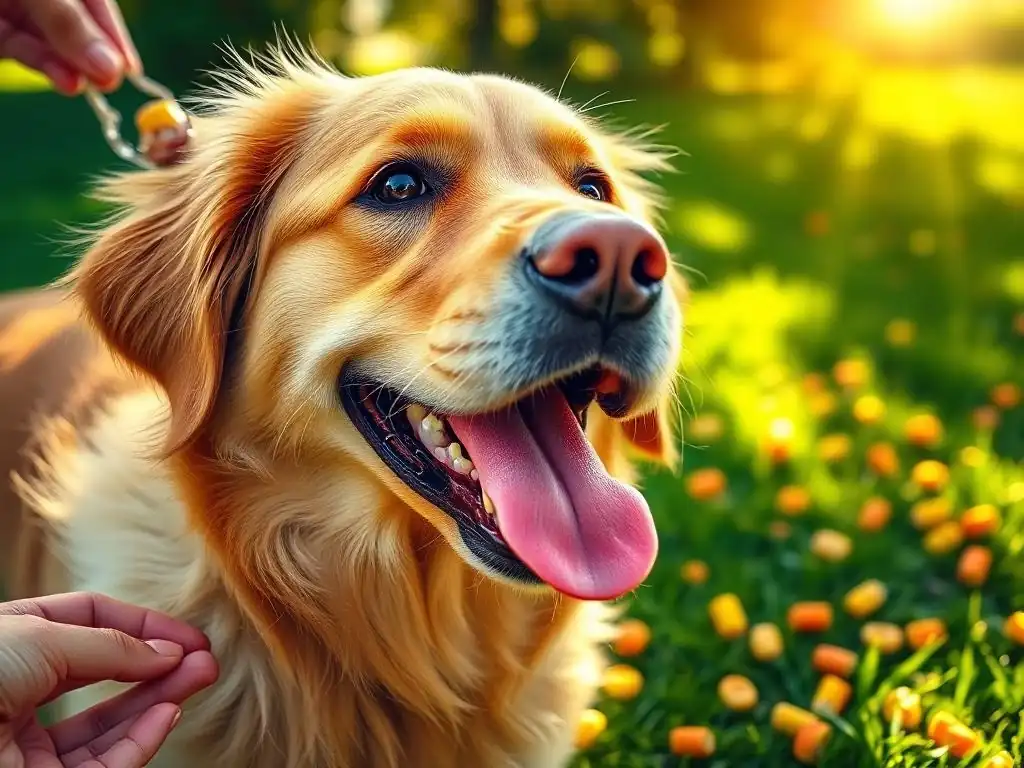
Welcome to PetCareWorld, your ultimate destination for comprehensive and reliable pet care information! Are you ready to unlock the secrets to a happier, healthier, and better-behaved canine companion? Then dive into our Ultimate Guide to Positive Reinforcement Dog Training: Rewards That Work, and discover the power of positive reinforcement dog training rewards to transform your relationship with your furry friend. Uncover effective techniques and learn which rewards truly motivate your dog – prepare to be amazed by the results!
- Understanding Positive Reinforcement Dog Training
- Selecting Effective Rewards for Positive Reinforcement Dog Training
- Implementing Positive Reinforcement Techniques for Common Dog Training Challenges
- Advanced Positive Reinforcement Dog Training Strategies
- Maintaining Motivation and Engagement in Positive Reinforcement Training
- Resources and Further Learning on Positive Reinforcement Dog Training
- Frequently Asked Questions
- Final Reflection: Unlocking a World of Harmony Through Positive Reinforcement
- Unleash Your Dog's Potential: Start Training Today!
Understanding Positive Reinforcement Dog Training
Positive reinforcement dog training is a humane and highly effective method for teaching your canine companion new behaviors and strengthening your bond. This approach focuses on rewarding desired actions, making learning a positive and enjoyable experience for both you and your dog. Unlike punishment-based methods, which rely on fear and intimidation, positive reinforcement utilizes motivation and encouragement to shape behavior.
This guide will delve into the specifics of positive reinforcement, highlighting its advantages over traditional methods and exploring the most effective reward systems to help you achieve optimal results in training your dog. We'll explore various reward types and strategies to ensure you understand how to effectively use positive reinforcement to build a strong, trusting relationship with your furry friend, all while achieving your training goals.
This comprehensive guide will equip you with the knowledge and tools necessary to succeed in positive reinforcement dog training, making the process rewarding for both you and your dog. Remember, patience and consistency are key to success!
What is Positive Reinforcement?
Positive reinforcement, in the context of dog training, is the process of strengthening a desired behavior by immediately following it with a positive consequence. This positive consequence, or reinforcer, could be anything your dog finds rewarding, such as a tasty treat, praise, a favorite toy, or even a game of fetch. The key is to consistently reward the behavior you want to see more of. For example, if you want your dog to sit, you would reward them immediately after they sit.
The timing is crucial; the reward must be given immediately following the desired behavior to create a strong association. This immediate reinforcement helps your dog understand what action earned the reward, making the learning process efficient and effective. The more consistently you reward the desired behavior, the more likely your dog is to repeat it.
Think of it like this: Your dog performs a behavior (sitting), and immediately receives a reward (a treat). This creates a positive association in their mind: sitting = reward. Over time, this association strengthens, and your dog will be more likely to sit when prompted. The absence of punishment or negative consequences further ensures a relaxed and confident learning environment for your dog. This positive approach fosters a stronger bond between you and your dog, making the training process more enjoyable for both of you.
How Positive Reinforcement Differs from Punishment-Based Training
Positive reinforcement stands in stark contrast to punishment-based training methods. Punishment-based training relies on negative consequences, such as shock collars, yelling, or physical corrections, to suppress unwanted behaviors. These methods often create fear, anxiety, and aggression in dogs, damaging the human-animal bond and potentially leading to behavioral problems. They can also be ineffective in the long run, as the dog may only stop the unwanted behavior in the presence of the punisher, not because they understand why it's wrong.
| Method | Approach | Effect on Dog | Long-Term Effectiveness | Bond Impact |
|---|---|---|---|---|
| Positive Reinforcement | Rewards desired behaviors | Happy, confident, motivated | High | Strengthens bond |
| Punishment-Based | Punishes unwanted behaviors | Fearful, anxious, aggressive | Low | Damages bond |
In contrast, positive reinforcement focuses on building a positive association between the dog and the desired behavior. It leverages the dog's natural desire for rewards to motivate learning, fostering a trusting and collaborative relationship. This approach is not only more humane but also significantly more effective in the long run, leading to better behavioral outcomes and a stronger bond between dog and owner. The emphasis on positive reinforcement ensures a stress-free training environment, resulting in a well-behaved and happy dog.
Benefits of Positive Reinforcement Dog Training Methods
The benefits of using positive reinforcement dog training methods are numerous and far-reaching. It's not just about teaching your dog tricks; it's about building a strong, trusting relationship based on mutual respect and understanding. This approach leads to a happier, more well-adjusted dog and a more rewarding experience for the owner. Some key benefits include:
- Improved Dog-Owner Relationship: Positive reinforcement fosters a stronger bond between you and your dog, built on trust and mutual respect. 🎉
- Reduced Stress and Anxiety: Training becomes a positive experience for your dog, reducing stress and promoting confidence. 😌
- Increased Motivation and Engagement: Dogs are more likely to participate actively in training when they are rewarded for their efforts. 🐶👍
- Better Long-Term Results: Behaviors learned through positive reinforcement are more likely to be maintained over time. 🏆
- Enhanced Communication: Positive reinforcement improves communication between you and your dog, strengthening your understanding of each other. 🗣️🐕
- Greater Flexibility and Adaptability: Dogs trained with positive reinforcement are often more adaptable to new situations and commands. 🤸♀️
By choosing positive reinforcement, you’re not only teaching your dog commands, but you are also investing in a healthier, happier relationship built on mutual understanding and respect. This method makes the training process a positive and enjoyable experience for both you and your canine companion, setting the stage for a lifetime of happy companionship.
Choosing the Right Rewards for Your Dog
Selecting the appropriate rewards is crucial for successful positive reinforcement dog training. The best rewards are highly motivating to your individual dog, and this varies greatly between breeds, ages, and personalities. What excites one dog might leave another completely indifferent. Therefore, experimentation is key. Start by observing your dog's natural preferences. What toys does he gravitate towards? What treats does he gobble down instantly? Does he enjoy physical affection, like petting or ear scratches?
Understanding your dog's motivational triggers is paramount. Some dogs are highly food-motivated, readily responding to tasty treats. Others might be more toy-driven, preferring a game of fetch or tug-of-war over a snack. Still others might be primarily motivated by praise and affection. A well-rounded approach often incorporates a mix of these rewards to keep training sessions engaging and prevent boredom.
For food rewards, consider the size and texture. Small, easily digestible treats are ideal for frequent reinforcement during training sessions. Avoid anything that might cause digestive upset. High-value treats, reserved for particularly challenging tasks, can be larger and more flavorful. Examples include small pieces of cooked chicken, cheese, or even a tiny bit of peanut butter (ensure it's xylitol-free! ).
Toy rewards should be engaging and interactive. A squeaky toy, a plush toy, or a rope toy can all be effective motivators, especially for dogs who are less food-driven. The key is to introduce new toys regularly to maintain novelty and excitement. Rotate your toys to prevent your dog from becoming bored with any single item.
Remember that praise and affection are powerful rewards in themselves. A warm tone of voice, enthusiastic praise, and gentle petting can significantly reinforce desired behaviors. Combine verbal praise with a physical reward for a more impactful training experience. This combined approach often leads to quicker learning and a stronger bond between you and your dog. The enthusiastic tone of voice is as important as the words themselves; your dog will pick up on your excitement and positive energy.
Finally, consider the overall health of your dog. Always choose healthy treats in moderation, avoiding excessive calories to prevent weight gain. If your dog has any allergies or dietary restrictions, ensure the rewards you choose are safe and appropriate. Consulting your veterinarian is always a good idea if you are unsure about any specific treats or rewards. A healthy dog is a happy dog, and a happy dog is easier to train!
Selecting Effective Rewards for Positive Reinforcement Dog Training
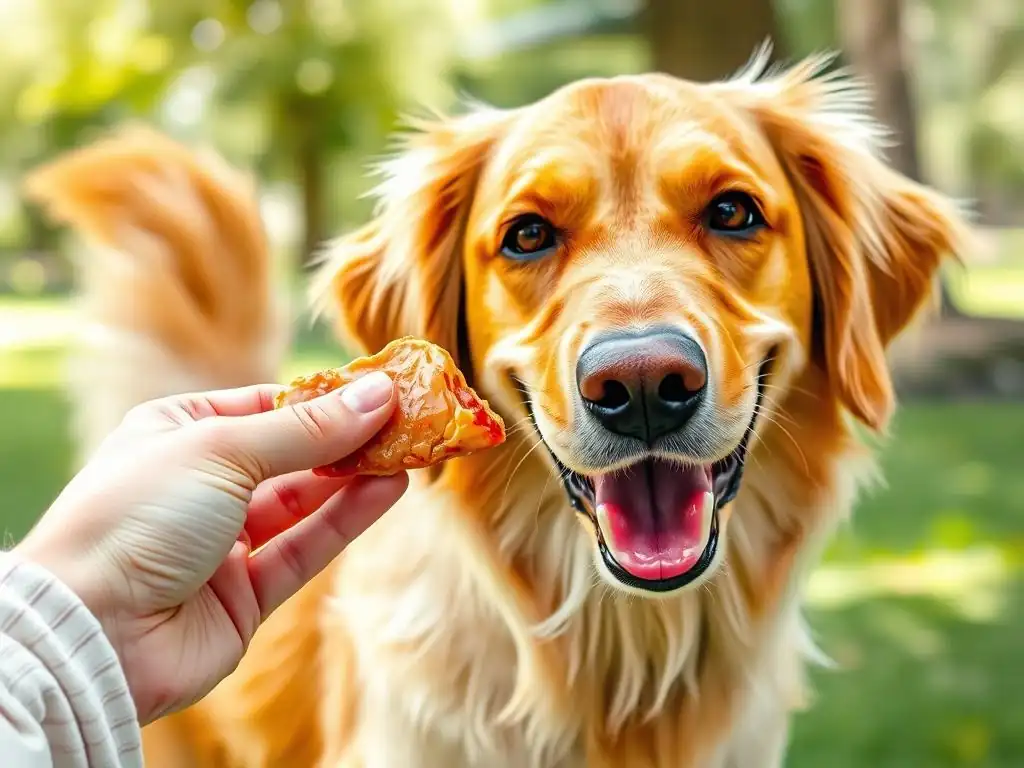
Choosing the right rewards is crucial for successful positive reinforcement dog training. The effectiveness of your training hinges on selecting motivators that genuinely excite your canine companion. This isn't a one-size-fits-all approach; what motivates one dog might not work for another. Understanding your dog's individual preferences is paramount to maximizing the impact of positive reinforcement.
The key is to discover what your dog values most and consistently use those rewards to reinforce desired behaviors. Remember, the goal is to create a positive association between good behavior and the reward, making training a fun and rewarding experience for both you and your furry friend. Consider factors like your dog's breed, age, and personality – a high-energy Border Collie might respond better to interactive toys than a laid-back Bulldog, for example. Experimentation is key!
Identifying Your Dog's Favorite Treats
The most common reward in positive reinforcement dog training is, of course, treats. However, not all treats are created equal. Some dogs are highly motivated by small, high-value treats like cooked chicken, bits of cheese, or even small pieces of hot dog. Others may prefer something crunchy, like kibble or commercial training treats. Experiment with different types of treats to determine what your dog finds most irresistible. Keep in mind that the treat should be small enough to administer easily and quickly, without interrupting the flow of training.
Consider offering a variety of options to discover preferences. Start with a small sample of several different treats. Note your dog's reactions – which one do they gobble down first? Which one do they seem most excited about? Keep a detailed record of your findings; this will help you select the most effective treats for future training sessions. This process of identifying your dog's preferred treats forms the foundation of successful positive reinforcement training. Remember to always use treats of appropriate size and avoid those that might be a choking hazard.
Beyond Treats: Using Toys, Praise, and Affection as Rewards
While treats are a popular choice, a truly holistic approach to positive reinforcement leverages a variety of rewards. Many dogs are just as, if not more, motivated by toys, praise, and affection. For example, a highly playful dog might respond exceptionally well to a favorite squeaky toy as a reward for completing a training exercise. The act of playing fetch or tug-of-war can be incredibly motivating.
Similarly, enthusiastic verbal praise, such as "Good dog! ", "Yes! ", or even a happy whistle, can be surprisingly effective. The tone of your voice is crucial; ensure your praise is upbeat and genuinely enthusiastic. Combine verbal praise with physical affection, such as petting or scratching behind the ears. For some dogs, this combination is more rewarding than treats alone. The best reward system often combines several types of reinforcement to cater to your dog's individual preferences. This multifaceted approach ensures you’re maximizing your dog's motivation and engagement during training.
The Importance of Timing and Consistency in Reward Delivery
The timing of reward delivery is absolutely critical in positive reinforcement training. Rewards must be given immediately following the desired behavior. A delay of even a few seconds can break the association between the behavior and the reward. This immediacy is key to effective learning. The dog must understand that the reward is directly linked to their actions.
Consistency is equally important. Inconsistency in reward delivery confuses the dog and undermines the training process. If you sometimes reward a behavior and sometimes don't, the dog will struggle to understand what is expected. Establish a clear and consistent reward system from the beginning, ensuring that every instance of the desired behavior is consistently rewarded. This consistency builds predictability and helps your dog learn quickly and effectively. Maintaining this consistency fosters a strong bond and ensures successful training outcomes. Remember, patience and persistence are key ingredients in this process.
Creating a Reward System That Works for Your Dog
Developing a successful reward system for your dog hinges on understanding their individual preferences and tailoring your approach accordingly. Not all dogs respond equally to the same rewards. What motivates one canine companion might leave another completely unmoved. Therefore, experimentation and observation are key to crafting a truly effective positive reinforcement dog training program.
One crucial aspect is identifying your dog's primary motivators. Is your dog a gourmand, driven by the promise of delicious treats? Or are they more easily swayed by enthusiastic praise and playful interaction? Some dogs are highly motivated by toys, particularly those with engaging textures or sounds. Others might thrive on the opportunity to engage in their favorite activities, such as a game of fetch or a vigorous walk. Understanding these individual preferences allows you to select rewards that are consistently engaging and rewarding for your dog.
To begin, consider offering a variety of rewards during training sessions. Experiment with different types of high-value treats, ranging from small pieces of cooked chicken or beef to commercially available training treats specifically designed for dogs. Observe your dog's reactions carefully; which treats elicit the most enthusiastic response? Do they show more interest in certain types of toys or games? Keep a detailed record of your observations – this will prove invaluable in refining your reward system over time.
Furthermore, consider the timing and delivery of rewards. Rewards should be given immediately following the desired behavior. This creates a strong association between the action and the reward, reinforcing the positive behavior. Delayed rewards are less effective because the dog may not understand the connection. The delivery should also be enthusiastic and positive, further enhancing the rewarding experience. A simple "Good dog!" coupled with a pat on the head can be surprisingly effective when combined with a tasty treat.
Finally, remember that consistency is paramount. Once you've identified the most effective rewards for your dog, stick with them consistently throughout your training sessions. Inconsistency can confuse your dog and undermine the effectiveness of your positive reinforcement approach.
By carefully observing your dog, experimenting with different rewards, and maintaining consistency, you can create a reward system that significantly enhances your dog training success and strengthens your bond. This individualized approach ensures that your positive reinforcement dog training is not only effective but also enjoyable for both you and your canine companion. Remember, the goal is to make training a positive and rewarding experience for everyone involved!
Implementing Positive Reinforcement Techniques for Common Dog Training Challenges
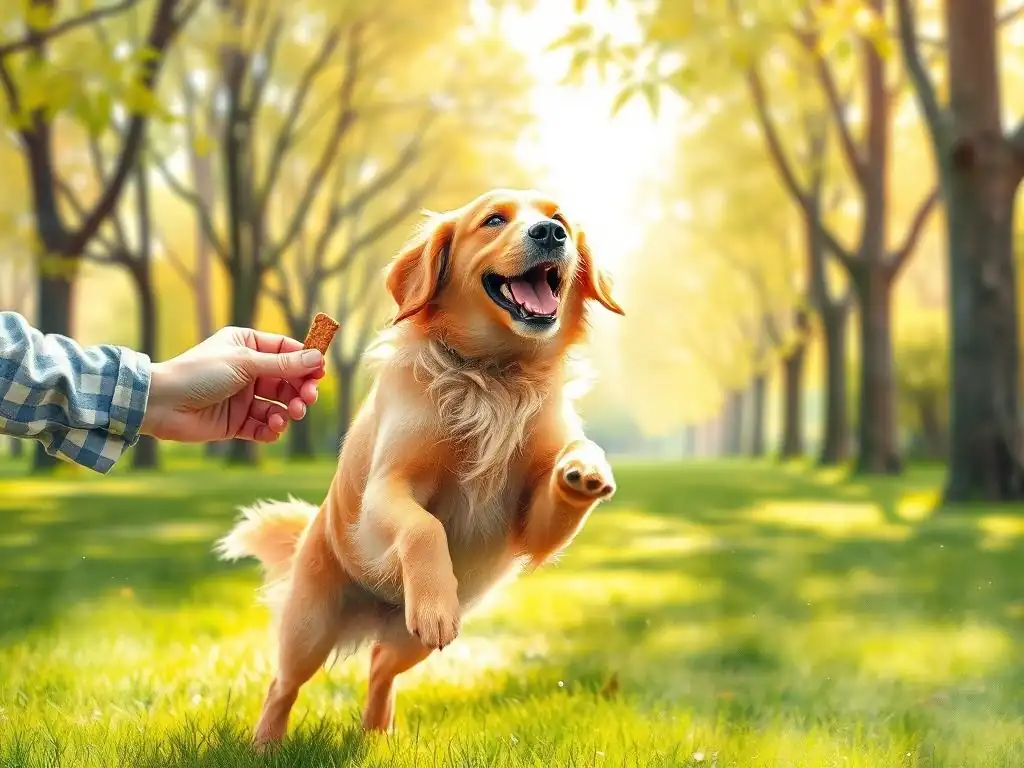
This section delves into the practical application of positive reinforcement dog training, focusing on common behavioral challenges faced by dog owners. We'll explore how to leverage rewards effectively to shape desired behaviors and overcome undesirable ones. Remember, consistency and patience are key to success in positive reinforcement dog training. The goal isn't just obedience, but building a strong, trusting bond with your canine companion. This approach fosters a positive learning environment where your dog actively participates and enjoys the training process. Using positive reinforcement dog training rewards correctly can transform your relationship with your pet.
Positive Reinforcement for Basic Obedience Commands (Sit, Stay, Come)
Basic obedience commands form the foundation of a well-behaved dog. Using positive reinforcement, these commands can be taught with ease and enjoyment for both you and your dog. Let's examine how to effectively utilize rewards to teach "sit," "stay," and "come."
The key is to pair the command with the desired action and immediate, positive reinforcement. For example, to teach "sit," lure your dog into a sitting position using a treat. The moment their rear touches the ground, say "sit!" and immediately reward them with the treat. Repeat this process numerous times, gradually fading the lure as your dog learns to associate the verbal command with the action.
For "stay," start with short durations, rewarding your dog for remaining seated or standing still. Gradually increase the duration of the "stay" as your dog's understanding improves. Use a hand signal (palm flat, facing your dog) along with the verbal command to reinforce the behavior.
Teaching "come" requires a highly rewarding experience. Use an enthusiastic tone and a joyful reward (a favorite toy or high-value treat) when your dog comes to you when called. Avoid punishment if your dog doesn't immediately respond; instead, try a different approach, such as using a higher-value reward or a more enticing call. Remember, consistency is crucial – always reward your dog for coming when called.
| Command | Initial Steps | Reinforcement Schedule | Tips |
|---|---|---|---|
| Sit | Lure with treat, say "sit," reward immediately | Frequent rewards initially, then gradually reduce | Use hand signals in conjunction with verbal cues. |
| Stay | Short durations, reward for stillness | Reward for sustained stillness | Gradually increase duration; use a release word ("Okay"). |
| Come | Enthusiastic call, high-value reward | Immediate, high-value reward upon arrival | Vary the location and distractions during training. Avoid punishment. |
Using Positive Reinforcement to Address Jumping and Pulling on the Leash
Jumping and leash pulling are common behavioral issues that can be effectively addressed using positive reinforcement. The focus here is on rewarding the opposite of the unwanted behavior.
For jumping, ignore the jumping completely. When your dog's feet are on the ground, immediately praise and reward them. This teaches them that calm behavior is rewarded, while jumping is ignored. You can also use a verbal cue, like "off," when their feet are on the ground and reward immediately.
Leash pulling can be addressed by changing direction or stopping when your dog pulls. When the leash slackens and your dog walks calmly beside you, immediately praise and reward. This teaches your dog that loose-leash walking is the way to get rewards. Using a front-clip harness can also help, minimizing the pulling sensation for your dog.
Addressing Destructive Chewing Through Positive Reinforcement
Destructive chewing is a common problem, often rooted in boredom, anxiety, or a lack of appropriate chew toys. Positive reinforcement can help redirect this behavior.
First, ensure your dog has plenty of appropriate chew toys. Rotate the toys regularly to keep your dog interested. When your dog chews on an appropriate toy, praise and reward them immediately. This reinforces the desired behavior.
If you catch your dog chewing on something inappropriate, redirect them to an appropriate chew toy and reward them for chewing on the correct item. Never punish them for chewing on the wrong thing, as this could create fear and anxiety, potentially exacerbating the problem. Instead, focus on rewarding the desired behavior consistently. Providing sufficient exercise and mental stimulation can also significantly reduce destructive chewing. Consider puzzle toys or interactive games to keep your dog mentally engaged.
Positive Reinforcement for House Training and Potty Training
House training, or potty training, a crucial aspect of bringing a new dog home, benefits immensely from positive reinforcement. Instead of punishment for accidents, which can create fear and anxiety, focus on rewarding successful potty breaks. This approach builds a positive association with eliminating outdoors.
Consistency is key. Establish a regular potty schedule, taking your puppy out frequently – after waking up, after meals, after playtime, and before bedtime. Choose a designated potty spot in your yard. When your dog eliminates successfully in the designated area, immediately praise them enthusiastically with a cheerful "Good dog!" and reward them with a small, high-value treat like a tiny piece of cooked chicken or a small training kibble. The timing is crucial; the reward must come immediately after the action to create the association.
Accidents will happen, especially with puppies. Avoid scolding or rubbing their nose in the mess. This can be counterproductive, leading to fear and confusion rather than understanding. Instead, clean the accident thoroughly using an enzymatic cleaner to remove the scent, preventing your dog from returning to the same spot.
It's important to manage your dog's access to areas where accidents might occur. Confine them to a smaller area, such as a crate or a puppy-proofed room, when you can't supervise them directly. This helps prevent accidents and makes it easier to monitor their elimination behavior. Gradually increase their access to the house as they become more reliable.
Consider using a potty bell. Attach a small bell to a doorknob leading outside. Gently guide your dog's paw to ring the bell whenever they need to go outside. Reward them with praise and treats every time they use the bell successfully to signal their need to eliminate. This teaches them to communicate their needs effectively, minimizing accidents. Remember patience and consistency are vital for successful house training using positive reinforcement; it's a process that takes time and understanding. Celebrate small victories along the way! 🎉
Advanced Positive Reinforcement Dog Training Strategies
This section delves into more sophisticated applications of positive reinforcement, moving beyond basic commands like "sit" and "stay." Mastering these techniques allows for the training of complex behaviors and strengthens the bond between you and your canine companion. Effective positive reinforcement dog training rewards are key to success at this level.
Shaping Complex Behaviors Using Positive Reinforcement
Shaping involves rewarding successive approximations of a desired behavior. Instead of waiting for a dog to perform a complete action perfectly, you reward any behavior that moves closer to the target. This is particularly useful for teaching complex tricks or overcoming ingrained behavioral issues.
For example, let's say you want to teach your dog to "fetch" a specific toy. You wouldn't immediately reward them only when they retrieve the toy perfectly. Instead, you'd start by rewarding them for looking at the toy, then for touching it with their nose, then for picking it up, and finally, for bringing it back to you. Each step closer to the final behavior earns a reward.
This gradual process makes learning less daunting and more rewarding for your dog. Positive reinforcement dog training rewards, such as high-value treats or enthusiastic praise, are crucial at each stage. Consistency is paramount; always reward the closest approximation of the desired behavior.
Consider this example: teaching a dog to "play dead." You might start by rewarding them for lying down, then for lying down and rolling onto their side, then for staying in that position for a few seconds, and finally, for extending one leg. Each incremental step is rewarded with a positive reinforcement dog training reward, gradually shaping the desired complex behavior.
Clicker Training: A Powerful Tool for Positive Reinforcement
Clicker training uses a clicker—a small device that makes a distinct clicking sound—to mark the precise moment a dog performs the desired behavior. The click acts as a bridge between the action and the reward, providing immediate feedback. The dog quickly learns to associate the click with a positive outcome (a treat, praise, or toy).
The effectiveness of clicker training stems from its precision. Unlike verbal cues which may be delayed, the click provides instantaneous reinforcement, making it easier for the dog to understand what behavior is being rewarded. This precision is particularly beneficial when teaching complex sequences of actions or behaviors that require multiple steps.
Clicker training is particularly useful for:
- Teaching complex tricks
- Fine-tuning existing behaviors
- Working with dogs who have difficulty understanding verbal cues
- Training dogs with hearing impairments
Remember to pair the clicker with a positive reinforcement dog training reward immediately after the click. Consistency in timing is crucial for building a strong association between the click and the reward.
Troubleshooting Common Challenges in Positive Reinforcement Training
Even with the best intentions, challenges can arise during positive reinforcement dog training. Understanding these obstacles and employing effective solutions is crucial for success.
| Challenge | Solution | Example |
|---|---|---|
| Lack of Motivation | Use high-value rewards, vary rewards, and ensure your dog isn't overly tired or distracted. | Switch from kibble to small pieces of cooked chicken or cheese. |
| Inconsistency in Training | Establish a consistent training schedule and ensure all family members use the same cues and rewards. | Create a weekly training plan and share it with everyone in the household. |
| Overly Excited Dog | Keep training sessions short and end on a positive note. Use calming techniques if needed. | Short, frequent sessions are better than one long, tiring session. |
| Distractions | Train in a quiet environment initially, gradually introducing distractions as your dog progresses. | Start in a quiet room, then move to a backyard, and finally, a park. |
| Dog Not Understanding Cues | Use clear, concise cues and ensure your dog has a good understanding of basic commands before moving on. | Break down complex commands into smaller, easier-to-understand steps. |
Remember, patience and consistency are key. Positive reinforcement dog training rewards should always be positive and motivating. If you're facing persistent challenges, consider seeking guidance from a certified professional dog trainer. They can provide personalized advice and help you address any specific issues you may be encountering. Ultimately, the goal is a happy, well-trained dog and a stronger bond between you and your furry friend.
Maintaining Consistency and Preventing Regression
Consistency is the cornerstone of successful positive reinforcement dog training. Intermittent reinforcement, while sometimes useful in initial training phases, can lead to confusion and regression if not carefully managed. Dogs thrive on routine and predictability; inconsistent application of commands and rewards creates ambiguity and undermines the learning process.
Imagine teaching your dog to "sit" – rewarding the behavior sometimes, ignoring it at other times, or even inadvertently rewarding the wrong behavior (like jumping up). This inconsistency sends mixed signals, leading to frustration for both you and your dog, and ultimately slowing, or even reversing, progress. A dog trained inconsistently may become unreliable, performing the desired behavior only sometimes, or not at all in new environments.
To prevent regression, it's crucial to maintain a consistent training schedule. This doesn't necessarily mean daily, hour-long sessions; short, frequent training sessions are often more effective. The key is regularity. Establish a consistent training routine that fits your lifestyle, whether it's 10 minutes twice a day or 20 minutes once a day. Consistency also extends beyond the training sessions themselves. For example, if you've taught your dog to stay off the furniture, you need to consistently enforce this rule, even when you're tired or busy. Any slip-up can undo weeks of training.
Another vital aspect of maintaining consistency is ensuring everyone in the household is on board. If different family members use different commands or reward systems, the dog will become confused and the training efforts will be diluted. Hold a family meeting to discuss the training plan and ensure everyone understands and commits to using the same techniques and cues. This unified approach will significantly improve the effectiveness of your positive reinforcement dog training and minimize the risk of regression.
Consider creating a training chart or checklist to ensure everyone is on the same page and to track progress. Remember, a unified approach means a more successful and less stressful training experience for both you and your furry friend. A well-trained dog is a happy dog, and consistent training is the key to unlocking that happiness.
Maintaining Motivation and Engagement in Positive Reinforcement Training
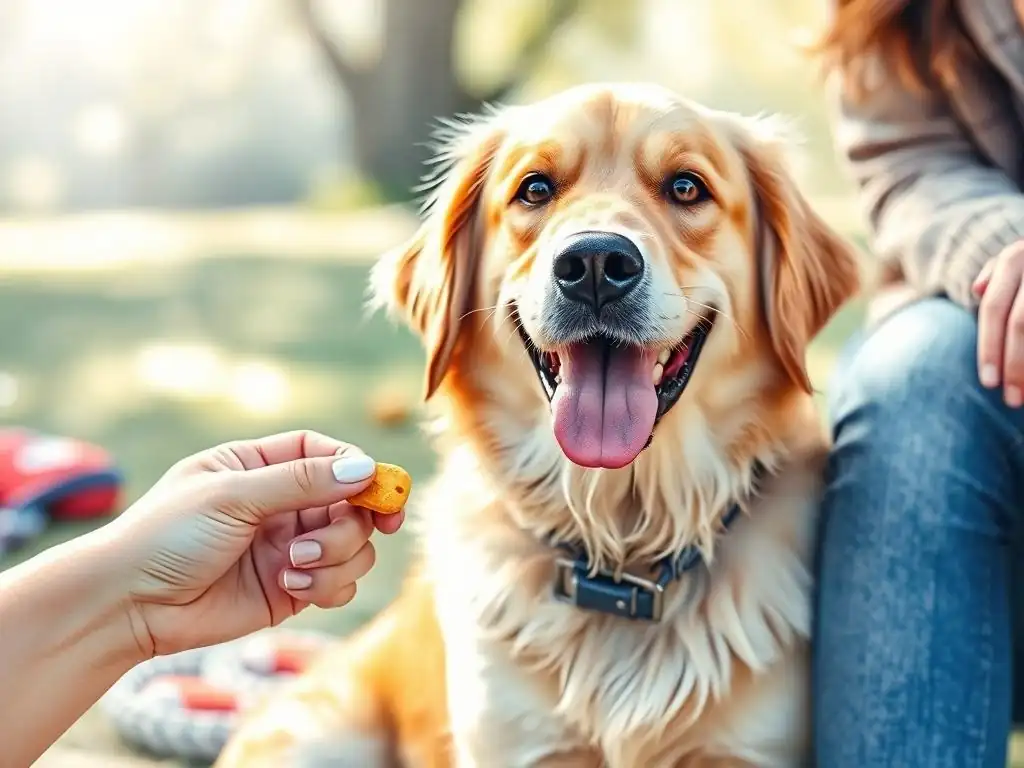
Positive reinforcement dog training rewards are crucial, but their effectiveness hinges on maintaining your dog's motivation and engagement throughout the training process. A bored or frustrated dog will learn far less efficiently than one that's enthusiastic and eager to please. This section delves into strategies to keep your canine companion actively participating and enjoying the learning experience.
Keeping Training Sessions Short and Fun
Short, frequent training sessions are far more effective than long, drawn-out ones. For adult dogs, aim for sessions lasting no more than 10-15 minutes, especially when starting out. Puppies have even shorter attention spans, so 5-7 minute sessions are ideal. The key is to end each session on a positive note, leaving your dog wanting more. Think of it like this: you wouldn't expect a child to sit still and learn for an hour straight; the same principle applies to dogs.
To keep things fun, incorporate games and varied activities into your training. Instead of just repeating the same command over and over, try playing fetch with a tug toy incorporating the command, or using a scent game to reinforce the "find it" command. This variety prevents boredom and keeps your dog mentally stimulated. Remember, the goal is to build a positive association with training, not to create a stressful experience. A tired or overstimulated dog will be less receptive to learning.
Varying Rewards and Training Methods
Monotony can quickly kill motivation. While high-value rewards are essential, rotating them keeps your dog engaged. One day, it might be a favorite toy; the next, a tasty treat; and another, enthusiastic praise and petting. This variety prevents your dog from becoming predictable in their responses and keeps them anticipating the next reward. Think about it like a human getting the same sandwich for lunch every day – eventually, it loses its appeal!
Furthermore, vary your training methods. Don't rely solely on treats; incorporate different cues, hand signals, and verbal commands. This approach helps your dog learn to associate the desired behavior with various stimuli, strengthening the learned response. For example, if you're working on "sit," sometimes use a hand signal, other times a verbal cue, and sometimes pair it with a specific toy. This multi-sensory approach makes learning more engaging and robust.
Recognizing and Rewarding Effort, Not Just Success
A common mistake in positive reinforcement training is focusing solely on rewarding perfect execution. While achieving the desired behavior should be rewarded generously, it's equally important to acknowledge and reward effort. If your dog is attempting the command, even if they don't quite nail it, offer praise and encouragement.
This positive reinforcement of trying builds confidence and prevents frustration. A small, less-valuable reward can be offered for near-misses, encouraging persistence. For example, if your dog is learning to fetch and almost brings the ball back, praise their effort immediately and give a small treat before continuing.
This subtle shift in focus can significantly boost your dog's motivation and accelerate the learning process. This positive reinforcement of effort is a key component of successful "positive reinforcement dog training rewards" strategies. This approach fosters a stronger bond between you and your dog and makes the training experience more enjoyable for both of you.
The Importance of Patience and Positive Reinforcement in Dog Training
Patience is paramount in positive reinforcement dog training. Dogs learn at different paces, and what works wonders for one pup might take significantly longer for another. Rushing the process can lead to frustration for both you and your canine companion, potentially undermining the entire training effort. Instead of focusing on speed, prioritize consistency and understanding. Remember, setbacks are normal; they're opportunities for learning and adjustment, not indicators of failure.
A positive and patient approach fosters a strong bond between you and your dog, making the learning experience more enjoyable for both of you. This positive emotional connection is crucial for successful training. Without patience, you risk creating a negative association with training, making your dog resistant to future learning attempts. Remember to celebrate even the smallest successes, reinforcing the positive behaviors and encouraging further progress.
Positive reinforcement, the cornerstone of this method, relies on rewarding desired behaviors. This isn't just about giving treats; it's about consistently associating good actions with positive outcomes. This could involve verbal praise, a favorite toy, a gentle pat, or a combination of these. The key is to identify what motivates your dog.
What makes their tail wag excitedly? What makes them perk up and focus? Once you know your dog's preferred rewards, use them strategically to reinforce the behaviors you're trying to teach. This consistent positive feedback loop builds confidence in your dog and encourages them to repeat the desired actions.
It's a far more effective and humane approach compared to punishment-based methods, which can create fear and anxiety, hindering the learning process and damaging your relationship. The focus should always be on rewarding good behavior, not punishing bad behavior. This builds a positive and trusting relationship, essential for effective communication and training. A dog trained with positive reinforcement will be more eager to please and learn, leading to a more successful and fulfilling training experience.
Resources and Further Learning on Positive Reinforcement Dog Training
This section delves into where you can find more information and support to enhance your positive reinforcement dog training journey. We'll explore valuable resources and highlight the importance of finding a qualified trainer. Remember, consistent learning is key to successfully implementing positive reinforcement techniques and building a strong, trusting relationship with your canine companion.
Recommended Books and Online Resources
Investing in reputable resources can significantly boost your understanding and effectiveness in positive reinforcement dog training. Here are some excellent starting points:
- Books: Look for titles focusing on positive reinforcement methods, clear explanations of dog behavior, and practical training exercises. Many well-regarded authors offer comprehensive guides covering various training aspects, from basic obedience to addressing specific behavioral issues. Search for books that emphasize reward-based methods, avoiding punishment or aversive techniques. Pay attention to reviews and author credentials to ensure the information is reliable and up-to-date.
- Online Courses and Workshops: Several reputable online platforms offer comprehensive courses on positive reinforcement dog training. These often include video tutorials, downloadable resources, and even opportunities for personalized feedback from experienced trainers. Look for courses taught by certified professional dog trainers (CPDTs) or those with extensive experience in positive reinforcement methods. Check for testimonials and reviews to gauge the quality of the course.
- Websites and Blogs: Many websites and blogs dedicated to dog training offer valuable articles, tips, and advice on positive reinforcement techniques. However, always critically evaluate the source's credibility. Ensure the information aligns with established positive reinforcement principles and avoids promoting harmful or outdated methods. Look for sites that cite scientific studies and provide evidence-based advice.
Finding a Qualified Positive Reinforcement Dog Trainer Near You
Finding the right trainer can make all the difference in your dog training success. A qualified positive reinforcement dog trainer will understand your dog's needs, your goals, and the importance of building a strong, positive relationship between you and your pet.
Here's how to find a suitable trainer:
- Check Credentials: Look for trainers certified by reputable organizations. Certifications demonstrate a commitment to continuing education and adherence to ethical training practices. Some certifications to look for include Certified Professional Dog Trainer (CPDT-KA), Karen Pryor Academy Certified Training Partner (KPA-CTP), and others.
- Ask for Referrals: Seek recommendations from veterinarians, other pet owners, or local pet supply stores. Word-of-mouth referrals can provide valuable insights into a trainer's approach and effectiveness.
- Observe a Training Session: If possible, observe a training session before committing to a trainer. This allows you to assess their methods, communication style, and how they interact with dogs. Look for a trainer who uses positive reinforcement consistently and creates a positive and encouraging learning environment.
- Discuss Training Philosophy: Before hiring a trainer, schedule a consultation to discuss your dog's behavior, your training goals, and the trainer's approach. Ensure their philosophy aligns with positive reinforcement principles and that they emphasize reward-based methods.
Building a Strong Bond with Your Dog Through Positive Reinforcement
Positive reinforcement dog training isn't just about teaching commands; it's about fostering a deep and trusting bond between you and your dog. This bond is the cornerstone of successful training and a happy, well-adjusted canine companion.
Here are some ways to strengthen your relationship while training:
- Prioritize Play and Affection: Incorporate plenty of play and affection into your training sessions. Make training fun and rewarding for both you and your dog! Positive interactions outside of formal training sessions further enhance your bond.
- Focus on Clear Communication: Use clear and consistent signals when communicating with your dog. Avoid confusing or contradictory cues. Positive reinforcement thrives on clear communication.
- Celebrate Small Victories: Acknowledge and reward even the smallest successes. Positive reinforcement is about celebrating progress, no matter how incremental. This keeps your dog motivated and builds confidence.
- Be Patient and Understanding: Remember that dogs learn at different paces. Be patient and understanding, adjusting your approach as needed. Positive reinforcement emphasizes patience and understanding of your dog's learning process.
- Make Training Consistent: Consistency is key to success with positive reinforcement. Regular, short training sessions are more effective than infrequent, long ones. Regularity builds strong habits and reinforces positive behavior. 🐶
Remember, building a strong bond through positive reinforcement is a journey, not a destination. Enjoy the process and celebrate the progress you and your canine companion make together!
Frequently Asked Questions
What is positive reinforcement dog training?
Positive reinforcement focuses on rewarding desired behaviors to encourage their repetition. It avoids punishment and instead uses treats, praise, or toys to motivate your dog. This creates a positive learning environment.
What are the best rewards for positive reinforcement training?
The best rewards are high-value treats your dog loves, paired with enthusiastic praise. Consider toys, games, or even a favorite activity as alternative rewards. Variety keeps training engaging.
How often should I reward my dog during training?
Reward your dog immediately after they perform the desired behavior. Initially, reward frequently, then gradually decrease rewards as they master the skill. Consistency is key.
Are there any rewards I should avoid using?
Avoid using food your dog might be allergic to. Also, avoid using punishment or anything that might scare your dog. Focus on positive reinforcement only.
How can I tell if my dog is responding well to positive reinforcement?
Look for signs of engagement and enthusiasm. Does your dog eagerly participate? Do they seem happy and motivated to learn? If so, you're likely on the right track with your training methods.
Final Reflection: Unlocking a World of Harmony Through Positive Reinforcement
The power of positive reinforcement in dog training extends far beyond simple obedience; it's the cornerstone of building a deep, trusting bond with your canine companion. This bond, built on mutual respect and understanding, is crucial not only for a well-behaved dog but also for a happier, more fulfilling life shared between human and animal. The methods discussed in this guide offer a pathway to a more harmonious relationship, one built on collaboration rather than coercion.
The impact of positive reinforcement training reaches far beyond the individual dog and owner. It's reshaping our understanding of animal behavior and communication, moving away from outdated, punitive methods towards a more compassionate and effective approach. This shift reflects a broader societal change, a growing awareness of the importance of empathy and understanding in all our interactions. The best way to find yourself is to lose yourself in the service of others.
– Mahatma Gandhi. This quote, while not directly about dog training, perfectly encapsulates the spirit of positive reinforcement: finding joy and connection through selfless understanding and support.
Now, consider your own relationship with your dog, or even your interactions with others. How can you apply the principles of positive reinforcement – rewarding desired behaviors, fostering a positive learning environment – to strengthen those bonds? Take a moment to reflect on the ways you communicate, the methods you use to encourage desired actions, and the overall tone of your interactions. Embrace the opportunity to build stronger, more meaningful connections, not just with your dog, but with everyone in your life, through the power of positive reinforcement.
Unleash Your Dog's Potential: Start Training Today!
Thank you for exploring the world of positive reinforcement dog training! We hope you found our advice on rewarding your canine companion helpful. Now, let's put that knowledge into action.
Here's how you can make a real difference:
- Try one new training technique this week. Focus on a single skill, such as teaching your dog to sit or stay, using positive reinforcement. Small, consistent steps lead to big results!
- Share your experiences—both successes and challenges—with other PetCareWorld readers in the comments below. Let's build a supportive community of dog lovers!
- Explore other articles on our site to further enhance your training knowledge. You might be surprised by what you discover!
Ready to transform your dog's behavior and strengthen your bond? What's the first step you'll take today to begin your dog's training journey?