
Understanding Dog Body Language: Key to Effective Training

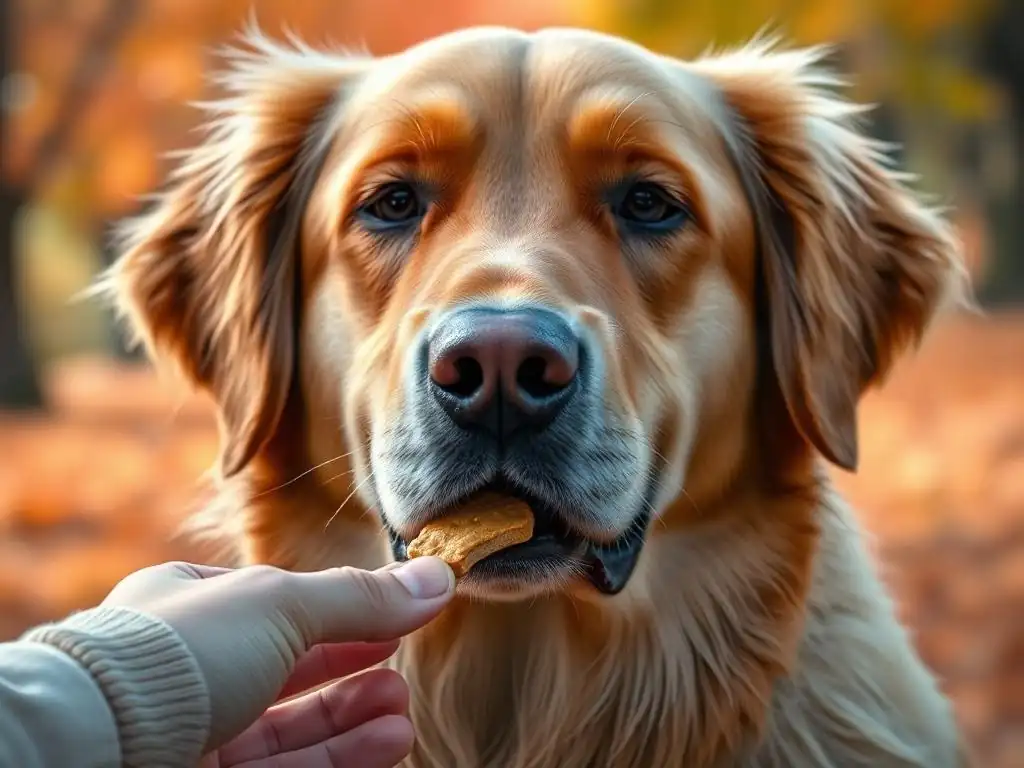
Welcome to PetCareWorld, your ultimate guide to a happier, healthier life for your beloved pets! Are you ready to unlock the secrets to truly understanding your canine companion? Our Dog body language training guide dives deep into the subtle cues your dog uses to communicate, providing you with the knowledge to build a stronger bond and achieve more effective training. Discover how deciphering their silent signals can transform your relationship – explore now and embark on a journey towards seamless communication with your furry friend!
- Decoding Canine Communication: A Dog Body Language Training Guide
- Interpreting Your Dog's Facial Expressions: A Visual Guide
- Effective Communication Through Positive Reinforcement: A Dog Training Approach
- Putting it All Together: Practical Applications of Dog Body Language Training
- Advanced Dog Body Language Training Techniques
- Frequently Asked Questions
- Final Reflection: Unlocking Canine Communication for a Better Bond
- Unlock Your Dog's Secrets: Start Speaking Their Language Today!
Decoding Canine Communication: A Dog Body Language Training Guide
Understanding your dog's body language is paramount for effective training and building a strong, positive relationship. This comprehensive guide will delve into the subtle cues your canine companion uses to communicate, helping you decipher their moods, intentions, and needs. Successfully navigating the world of dog training hinges on recognizing these signals; misinterpreting them can lead to misunderstandings, frustration, and even behavioral problems.
We'll explore how to identify relaxed postures, signs of stress and anxiety, and the nuances of canine play, equipping you with the knowledge to become a more effective and empathetic dog trainer. This guide provides a solid foundation for building trust and understanding with your furry friend, leading to a more harmonious and rewarding relationship.
Mastering dog body language is not just about obedience training; it's about truly understanding your dog and building a deeper bond. Learning to read these signals is the key to effective communication and a happier life together.
Recognizing Relaxed Body Posture in Dogs
A relaxed dog displays a range of comforting physical cues. These are crucial to learn as they form the baseline against which you can compare other behaviors to identify potential issues. A relaxed dog typically exhibits a loose, flowing posture.
Their body is generally un-tense, their tail wags with a loose, low amplitude, and their ears are in a neutral position, neither pinned back nor pricked forward. Their mouth may be slightly open, perhaps panting gently, and their eyes are soft and not narrowed. They might be lying down comfortably, or standing with their weight evenly distributed.
Specific examples include a dog lying on its side with its legs sprawled out, gently yawning, or softly licking its lips. Observe your dog in these relaxed moments; this forms the foundation for recognizing deviations indicating stress or anxiety. Remember, every dog is an individual, and subtle variations in posture exist; however, the overall picture of a relaxed dog is one of ease and comfort.
Identifying Signs of Stress and Anxiety in Dogs
Recognizing signs of stress and anxiety is crucial for preventing escalating behavioral problems. These signals often appear subtle, and misinterpreting them can lead to unintentional reinforcement of unwanted behaviors. A stressed dog might exhibit a tucked tail, flattened ears, and a lowered posture. Their body might appear tense, their muscles rigid. They may avoid eye contact, lip lick excessively, or yawn repeatedly – even without apparent drowsiness.
Whimpering, whining, or trembling are also clear indicators of distress. Some dogs exhibit displacement behaviors like excessive grooming or paw lifting, indicating internal conflict. Understanding these subtle cues is essential for intervening appropriately and providing your dog with the reassurance they need. Remember to consult with a veterinary professional or a certified dog trainer if you have concerns about your dog's anxiety levels. Early intervention is key to managing stress and promoting a well-balanced temperament.
Understanding Canine Play Behaviour: A Guide to Interpreting Signals
Canine play is a vital part of a dog's social and physical development, but misinterpreting play signals can lead to unwanted aggression or injury. Recognizing the difference between playful aggression and actual aggression is paramount. Play bows, where a dog lowers its front end while keeping its rear end raised, are a classic invitation to play.
Loose, bouncy movements, playful nipping (with inhibited bites), and vocalizations like playful barks and yelps all indicate a playful mood. However, it's important to watch for escalating behaviors. Increased intensity of barking or nipping, stiffening of the body, and a lack of response to play signals can be a warning sign that the play is becoming too rough or that your dog is becoming overstimulated.
Learning to recognize these subtle shifts in behavior is critical for ensuring safe and fun play sessions. If you're unsure, it's always best to err on the side of caution and interrupt the interaction, providing a calmer environment for your dog. Remember, responsible play is essential for a happy and well-adjusted canine companion.
Interpreting Dog Aggression: Recognizing Warning Signs
Aggressive behavior in dogs isn't always a sudden, violent outburst. It often escalates through a series of subtle warning signs that, if understood, can help prevent escalation and potentially dangerous situations. Learning to recognize these signals is crucial for both the dog's and owner's safety, and forms a cornerstone of effective dog body language training. Ignoring these warnings can lead to bites and other serious consequences. Responsible dog ownership requires proactive understanding of canine communication to ensure a safe environment for everyone.
One common early sign is a stiffening of the body. The dog might stand rigidly, its muscles tense, as a prelude to more aggressive actions. This posture is a clear indication that the dog feels threatened or uncomfortable and is preparing for a potential confrontation. Observe the dog's overall stance; a rigid, inflexible posture is a significant warning sign, unlike a relaxed and playful stance.
Another key indicator is whale eye. This refers to the visible whites of the dog's eyes, often accompanied by a slightly lowered head. While a dog might show its teeth in a playful manner, whale eye indicates fear and apprehension, suggesting the dog is feeling stressed and may resort to aggression if the perceived threat persists. It's a subtle but powerful signal that shouldn't be dismissed. Pay close attention to this subtle cue, as it often precedes a more overt aggressive display.
Lip licking and yawning are also frequently overlooked signs of stress and anxiety. These aren't necessarily displays of happiness, as they often are in relaxed contexts. In a stressful situation, these behaviors are appeasement signals, the dog attempting to de-escalate the situation. However, if these appeasement signals are ignored, they can quickly progress to more serious forms of aggression. Therefore, recognizing these subtle cues is vital in preventing escalation.
Dogs may also exhibit a tucked tail, sometimes accompanied by lowered ears. While a wagging tail is often associated with happiness, a tucked tail usually indicates fear or submission, potentially a precursor to aggression if the perceived threat continues. The combination of a tucked tail and other warning signs should be taken very seriously. Understanding the nuances of tail position is essential for accurate interpretation of canine body language.
Finally, growling and snarling are more overt signs of aggression, indicating that the dog's tolerance has reached its limit. These vocalizations are clear warnings that the dog is ready to defend itself. While a growl can be a warning, a snarl is a much more serious threat. At this stage, immediate action is required to de-escalate the situation and prevent a bite. Understanding the progression from subtle warning signs to these more overt displays is essential for effective intervention. Remember, prevention is key, and recognizing early warning signs is crucial in preventing aggressive incidents.
Interpreting Your Dog's Facial Expressions: A Visual Guide
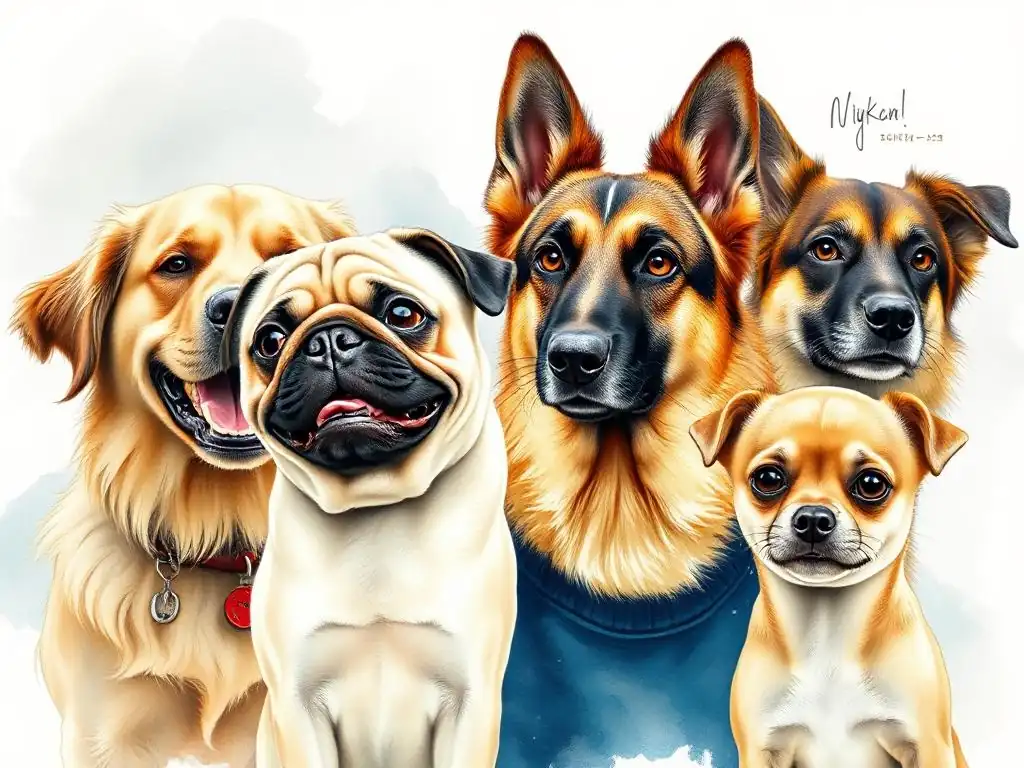
Effective dog body language training hinges on understanding the nuances of canine communication. Facial expressions are a crucial element, often overlooked by novice dog owners. Learning to interpret these subtle signals is key to building a strong, trusting relationship with your canine companion and improving training effectiveness. This section will delve into the intricacies of canine facial expressions, providing you with a practical guide to better understand your dog's emotional state and intentions.
Understanding Ear Position and Tail Wagging
A dog's ears and tail are remarkably expressive. Their positions can reveal a wealth of information about their mood and intentions. For example, pricked ears, often accompanied by a wagging tail, usually indicate alertness and happiness. This is a positive sign, often seen when a dog is excited to see its owner or anticipates a walk. Conversely, flattened ears pressed against the head, often coupled with a tucked tail, can signal fear, anxiety, or submission. This combination should be taken seriously; it could indicate your dog is feeling overwhelmed or threatened.
A slowly wagging tail, low to the ground, can also indicate apprehension. The speed and height of the tail wag are crucial. While a high, fast wag is generally associated with happiness, a low, slow wag might suggest the dog is unsure or even slightly aggressive. It's important to note that tail wags aren't always straightforward; context is key. A dog might wag its tail even while exhibiting other signs of fear or stress. Always consider the entire body language picture.
Consider this example: A dog approaches you with a wagging tail, but its ears are flattened and it avoids eye contact. While the tail wag might suggest friendliness, the other signals clearly indicate discomfort or fear. This highlights the importance of observing the entire picture, not just one isolated cue. Understanding these nuances is crucial for effective dog body language training.
The Significance of Canine Eye Contact and Gaze Aversion
Canine eye contact is a complex communication tool. Direct, prolonged eye contact can be interpreted as a challenge or threat, particularly by dogs who are already feeling insecure or anxious. This is especially true for dominant dogs or those with a history of aggression. Avoid staring intensely at a dog you don't know well.
Conversely, gaze aversion, where a dog avoids direct eye contact, can indicate submission, fear, or nervousness. A dog that is feeling anxious might look away frequently, potentially even closing its eyes. This is a clear signal to give the dog some space and avoid any potentially stressful interactions.
Think of it this way: Imagine you're walking down a dark alley and you encounter a stranger who stares intensely at you. You'd likely feel uneasy, right? The same principle applies to dogs. Respect their need for personal space and avoid overwhelming them with prolonged eye contact. Understanding this dynamic is vital in building trust and facilitating positive interactions during training. A relaxed, soft gaze from you can help reassure an anxious dog during training sessions.
Recognizing Subtle Cues: Lip Licking, Yawning, and Whale Eye
Beyond the more obvious signals, dogs employ subtle cues to communicate their feelings. Lip licking, often misinterpreted as simple grooming, can be a sign of stress or anxiety. A dog that repeatedly licks its lips, particularly when in a stressful situation, might be trying to self-soothe.
Yawning, too, can be a stress signal, even when the dog doesn't appear tired. It's a displacement behavior, a way for the dog to release tension. Similarly, "whale eye," where the whites of the dog's eyes are visible, is a clear indicator of discomfort or anxiety. This is a subtle but powerful signal that should never be ignored. This subtle display of the whites of the eyes is often accompanied by other stress signals, such as lip licking or a tucked tail.
Understanding these subtle cues allows you to preempt potential problems and adjust your approach accordingly. For example, if your dog displays whale eye during a training session, it's a clear sign to stop and try again later, or perhaps adjust your training method to be less stressful. This proactive approach is essential for building a positive and rewarding training experience for both you and your dog. By paying attention to these subtle cues, you'll foster a deeper understanding of your dog's emotional state, improving your effectiveness as a trainer and strengthening your bond.
Effective Communication Through Positive Reinforcement: A Dog Training Approach
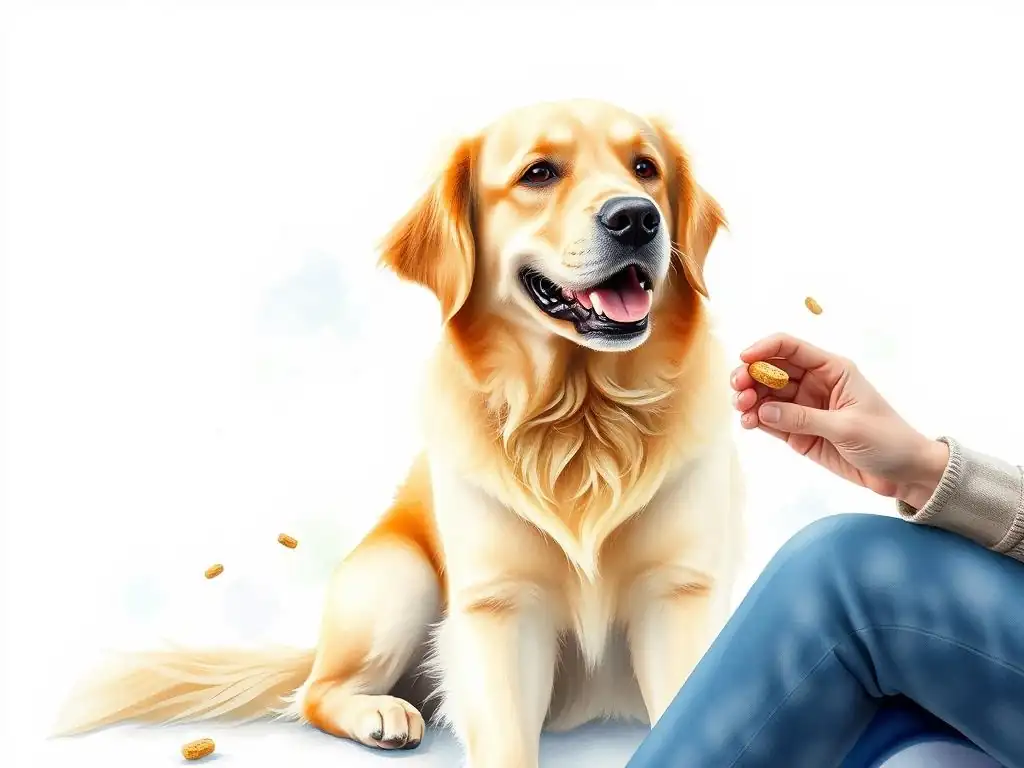
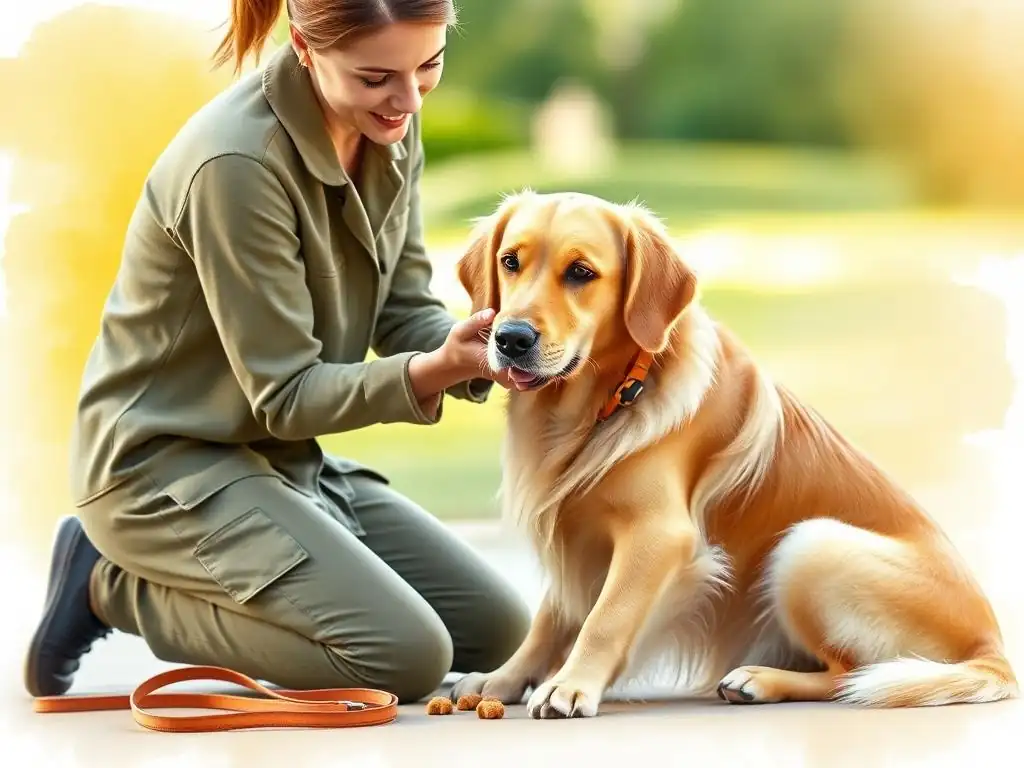
Understanding dog body language is crucial for effective training, but it's only half the equation. The other half involves how you communicate your expectations and rewards. Positive reinforcement, a cornerstone of modern dog training, relies on rewarding desired behaviors to encourage their repetition. This method fosters a strong bond between you and your canine companion, making the training process more enjoyable for both of you. It avoids punishment-based methods, which can create fear and anxiety, hindering learning and damaging the relationship.
Instead, it focuses on building trust and positive associations. This approach significantly improves the success rate of your dog body language training, leading to a better-behaved and happier dog. Positive reinforcement is not just about treats; praise, petting, and even a joyful tone of voice can be powerful reinforcers. The key is to identify what motivates your individual dog and consistently use those rewards.
Using Positive Reinforcement to Modify Undesirable Behaviors
Positive reinforcement isn't just about teaching new tricks; it's also highly effective in modifying undesirable behaviors. Instead of punishing a dog for jumping, for example, you can redirect its energy towards a more acceptable behavior. If your dog jumps up, ignore it completely, turning your back and avoiding eye contact. When it stops jumping and settles down (even for a brief moment), immediately praise it enthusiastically and offer a treat.
This teaches the dog that calm behavior earns rewards, while jumping is ignored. This process requires patience and consistency. It's important to remember that modifying undesirable behaviors takes time and effort. You'll need to be vigilant in identifying the triggers for the unwanted behavior and consistently apply the positive reinforcement strategy.
For instance, if your dog barks excessively when the doorbell rings, start by desensitizing it to the sound gradually, rewarding calm behavior each time the doorbell rings at a lower volume. Gradually increase the volume over several training sessions. This method, combined with clear communication through understanding dog body language, yields superior results compared to punishment-based approaches. This gradual desensitization is key to successful modification.
Rewarding Desired Behaviors: Building a Strong Bond
Rewarding desired behaviors is not merely about achieving obedience; it's about building a strong, positive relationship with your dog. When you consistently reward your dog for exhibiting good behavior – sitting, staying, coming when called – you are strengthening the bond between you. This positive reinforcement creates a feedback loop: the dog learns what behaviors are pleasing to you, and you reinforce those behaviors, leading to a more harmonious relationship. The rewards should be tailored to your dog's individual preferences.
While some dogs are motivated by food treats, others might respond better to praise, petting, or playtime. Observe your dog closely to determine its preferred rewards. For instance, a high-energy dog might prefer a vigorous game of fetch as a reward, while a more laid-back dog might appreciate a gentle ear scratch. The key is to make the reward immediately follow the desired behavior, creating a clear association in the dog's mind.
This timely reinforcement is crucial for effective learning. By consistently rewarding desired behaviors, you're not just training your dog; you're building a partnership based on mutual respect and trust. This positive bond is a crucial element in successful dog body language training, leading to a more responsive and willing canine companion.
Consistency and Patience: Key Elements in Dog Training
Consistency and patience are paramount in dog training, particularly when focusing on dog body language. Dogs thrive on routine and predictability. Inconsistent training creates confusion and frustration, hindering the learning process. Therefore, maintain a consistent approach to training, using the same commands and reward system each time. All family members should be on the same page, using identical commands and reinforcement methods.
This ensures that the dog doesn't receive conflicting signals. Furthermore, patience is crucial. Dogs learn at different paces, and some behaviors take longer to master than others. Don't get discouraged if your dog doesn't pick up a new skill immediately. Celebrate small victories and continue to reinforce positive behaviors.
Remember that setbacks are normal; they are opportunities to reassess your approach and adjust your training methods accordingly. Consistency and patience are essential not only for effective training but also for maintaining a positive and trusting relationship with your dog. The journey of dog training is a marathon, not a sprint; your consistent effort and unwavering patience will reap significant rewards in the form of a well-behaved and happy canine companion. This is particularly true when working on nuanced aspects of dog body language, which require careful observation and consistent reinforcement.
Putting it All Together: Practical Applications of Dog Body Language Training

Understanding canine body language isn't just about theoretical knowledge; it's a crucial skill for effective dog training and building a strong bond with your furry friend. This section will demonstrate how recognizing subtle cues can drastically improve your training approach and overall relationship with your dog. Successfully integrating this knowledge into your daily interactions translates to a happier, better-behaved dog and a more fulfilling partnership. This section provides practical applications, emphasizing the importance of proactive observation and responsive training techniques. Mastering dog body language is a journey, not a destination, requiring consistent observation and learning.
Case Study: Using Body Language to Address Reactivity
Reactive dogs, those who exhibit fear-based or aggressive behaviors towards other dogs or people, often display telltale signs before the actual outburst. Recognizing these pre-reactive cues is paramount in preventing escalation. For instance, a dog exhibiting reactivity might show subtle signs like: a stiff body posture, whale eye (showing the whites of their eyes), lip licking, yawning (despite not being tired), tucked tail, or pinned ears. These are often missed by untrained owners, leading to sudden, unexpected outbursts.
Let's consider a specific example: Imagine a dog named Max who reacts aggressively towards other dogs on walks. His owner, noticing Max's tense body and lip licking when another dog approaches, begins to proactively manage the situation. Instead of allowing a direct confrontation, she uses a combination of techniques: changing direction, creating distance, and offering Max high-value treats to redirect his attention.
This proactive approach, guided by an understanding of Max's body language, prevents aggressive incidents and allows for more positive training experiences. The consistent application of this method, along with professional guidance if needed, significantly reduces Max's reactivity over time. This highlights the effectiveness of early intervention based on accurate interpretation of dog body language.
Case Study: Understanding Separation Anxiety Through Body Language
Separation anxiety in dogs manifests in various ways, and recognizing the subtle body language cues is vital for effective management and treatment. A dog suffering from separation anxiety might exhibit excessive panting, pacing, destructive chewing, vocalization (howling, barking), or even self-harm. However, even before the owner leaves, the dog might display signs of distress. These could include whining, restlessness, following the owner closely, or changes in posture – a tucked tail, lowered head, and overall anxious demeanor.
Consider Luna, a Labrador Retriever who suffers from separation anxiety. Her owner noticed that even the preparation for leaving – putting on shoes or grabbing keys – triggers a noticeable shift in Luna's body language. Luna starts to whine subtly, her tail tucks lower, and she becomes glued to her owner's side. Understanding these cues enabled her owner to implement a gradual desensitization program.
This involved leaving Luna for increasingly longer periods, starting with just a few seconds, and rewarding calm behavior. The owner also used calming aids like pheromone diffusers and implemented structured play and enrichment activities before leaving, helping to reduce Luna's anxiety and improve her overall well-being. This case study emphasizes the importance of recognizing the early warning signs of separation anxiety through body language observation.
Resources for Further Learning: Books and Online Courses
Further enhancing your understanding of dog body language requires continued learning. Several excellent resources are available to deepen your expertise in this crucial area of dog training. Many books delve into the complexities of canine communication, offering detailed explanations and practical exercises. Additionally, online courses provide structured learning paths, often including video demonstrations and interactive elements.
These resources provide valuable supplemental information to the knowledge gained from this guide, allowing for a more comprehensive understanding of dog body language and its application in training. Exploring these resources will further your abilities in effectively communicating with and training your canine companion. Remember, consistent learning and application are key to mastering dog body language and achieving optimal results in training.
Advanced Dog Body Language Training Techniques
This section delves into more nuanced aspects of canine communication, moving beyond the basics to help you become a truly effective dog trainer. Mastering these advanced techniques will significantly improve your ability to understand and respond appropriately to your dog's needs and emotions, fostering a stronger bond and more successful training outcomes. Understanding subtle cues is paramount for preventing misunderstandings and building a positive training environment. This is crucial for effective Dog body language training.
Understanding Subtle Shifts in Body Language
Often, the most informative signals aren't dramatic displays but rather subtle shifts in posture, facial expression, or tail movement. A slight lip lick, for instance, might indicate anxiety or stress, even if the dog isn't exhibiting other obvious signs of distress. Similarly, a barely perceptible change in ear position—a slight flattening or a quick twitch—can signal apprehension or alertness.
Paying close attention to these micro-expressions requires patience and practice. It's helpful to observe your dog regularly in various situations—during play, during rest, and during training sessions—to establish a baseline for their normal behavior. This baseline will help you identify deviations that might indicate a change in their emotional state.
Consider this example: A dog that normally holds its tail high and wags it enthusiastically might show a slightly lowered tail and a less vigorous wag when feeling slightly insecure or uncertain. This subtle shift is often missed by untrained observers, but recognizing it can prevent escalating anxiety and improve the training process. Consistent observation and a keen eye for detail are key to mastering this aspect of dog body language training.
The Role of Scent in Canine Communication
While visual cues are important, scent plays a crucial, often overlooked, role in canine communication. Dogs use scent marking to communicate a vast amount of information, including territorial claims, reproductive status, and emotional states. Understanding this olfactory dimension is vital for comprehensive dog body language training.
Dogs possess an incredibly sensitive sense of smell, far superior to humans. They can detect subtle pheromones and other scent markers that provide them with rich contextual information about their environment and other dogs. This information significantly influences their behavior and emotional responses. For example, a dog encountering a scent marking from another dog might display submissive or aggressive behavior based on the information conveyed through the scent.
Training should account for the scent's influence. For instance, if you're working on recall training, be mindful of the scents your dog might encounter that could distract them. Introducing new scents gradually and associating them with positive experiences can help mitigate potential disruptions. A comprehensive Dog body language training guide should emphasize the importance of scent.
Interpreting Contextual Cues in Dog Behavior
Dog body language is rarely isolated; it's always interpreted within a specific context. A behavior might have one meaning in one situation and a completely different meaning in another. For instance, a dog yawning might indicate relaxation in a comfortable setting, but it could signal stress or anxiety in a challenging or unfamiliar environment.
To accurately interpret dog body language, you must consider the overall situation. Consider the environment, the presence of other dogs or people, and any recent events that might be influencing your dog's behavior. A dog exhibiting signs of aggression, for example, might be protecting a valuable resource like food or a favorite toy. Understanding the context is crucial for addressing the underlying cause of the behavior rather than simply reacting to the surface-level display.
This contextual understanding is crucial for effective training. By taking into account the entire picture, you can tailor your training methods to address the specific needs and challenges your dog is facing. Ignoring the context can lead to ineffective or even counterproductive training strategies. Successful dog body language training hinges on this holistic approach. A truly effective Dog body language training guide will thoroughly explain this crucial aspect of dog training.
Frequently Asked Questions
How can I tell if my dog is feeling anxious?
Anxious dogs often display subtle signs, such as tucked tail, yawning, lip licking, or whale eye (showing the whites of their eyes). Changes in posture, like a lowered head and cowering, can also indicate anxiety. Understanding these cues is crucial for preventing escalation.
What are some common signs of aggression in dogs?
Aggression can manifest in various ways, including growling, snapping, barking, lunging, or even biting. Stiff body posture, direct stare, and raised hackles are also significant warning signs. Early recognition is key to managing aggressive behavior.
How does understanding dog body language improve training?
By recognizing your dog's emotional state, you can adjust your training methods accordingly. Avoiding pressure when your dog is stressed and rewarding calm behavior creates a positive learning environment. This leads to a stronger bond and more effective training.
What resources are available to help me learn more about dog body language?
PetCareWorld offers a comprehensive "Dog body language training guide" with detailed explanations and visuals. Many books and online courses also offer in-depth information on canine communication. Consulting with a certified professional dog trainer is always beneficial.
Is it possible to completely eliminate aggressive behavior in a dog?
While it's not always possible to eliminate aggression entirely, with consistent training, positive reinforcement, and potentially professional help, you can significantly reduce the frequency and intensity of aggressive behaviors. Early intervention is key to managing aggression effectively.
Final Reflection: Unlocking Canine Communication for a Better Bond
Understanding dog body language is not merely a training technique; it's the cornerstone of a truly harmonious relationship with our canine companions. Failure to recognize subtle cues can lead to misunderstandings, fear, and even aggression, impacting both the dog's well-being and the human-animal bond. This knowledge empowers us to build trust and create a safer, more enriching environment for our furry friends.
The impact of truly understanding canine communication extends far beyond basic obedience training. It shapes our understanding of animal behavior as a whole, fostering empathy and respect for creatures who communicate differently than we do. The greatness of a nation and its moral progress can be judged by the way its animals are treated.
- Mahatma Gandhi. This quote, while broad, highlights the interconnectedness of our treatment of animals and our own ethical development. Learning to read a dog's subtle signals reflects a deeper understanding of their needs and a commitment to responsible pet ownership.
Now, consider your own interactions with your dog, or any dog you encounter. Take a moment to reflect on the subtle cues you might have missed, and how a deeper understanding of their body language could improve your communication and strengthen your bond. Are you truly listening to what your dog is trying to tell you? Make a conscious effort to observe their posture, tail wags, ear position, and overall demeanor. By actively engaging with this knowledge, you'll not only become a better trainer, but a more compassionate and understanding companion to your beloved canine friend.
Unlock Your Dog's Secrets: Start Speaking Their Language Today!
Thank you for exploring the fascinating world of canine communication! You've gained valuable insights into understanding your dog's body language—a key to building a stronger bond. Now, let's put that knowledge into practice.
- Observe your dog closely: Pay attention to your dog's posture, tail wags, and ear position throughout the day. Try to interpret their signals based on what you've learned. This will significantly improve your communication.
- Share your experiences: Discuss your observations (and any funny anecdotes!) with other PetCareWorld community members in the comments below. Let's learn from each other!
- Keep a journal: Note your dog's body language in various situations to track their emotional responses and refine your understanding over time. This will help you better understand your canine companion.
Ready to embark on this enriching journey of communication with your dog? What subtle cues in your dog's body language have you noticed since reading this article?