
Advanced Obedience Training: Taking Your Dog to the Next Level


Welcome to PetCareWorld, your ultimate guide to a happier, healthier life for your beloved companion! Are you ready to unlock your dog's full potential? Our comprehensive guide on Advanced Dog Obedience Training will equip you with the skills and knowledge to take your canine companion to the next level, building a stronger bond and mastering advanced commands. Discover the secrets to seamless communication and unparalleled obedience – dive in and explore the world of advanced dog training now!
- Understanding the Foundation: Building on Basic Obedience Skills
- Advanced Obedience Techniques for Improved Control
- Problem-Solving in Advanced Dog Obedience
- Specialized Advanced Obedience Skills
- Maintaining and Enhancing Advanced Obedience Skills
- Resources for Advanced Dog Obedience Training
- Frequently Asked Questions
- Final Reflection: Unlocking Deeper Bonds Through Advanced Obedience
- Unlock Your Dog's Potential: Start Training Today!
Understanding the Foundation: Building on Basic Obedience Skills
Advanced dog obedience training isn't just about teaching new tricks; it's about refining existing skills and building a deeper, more reliable connection with your canine companion. This journey builds upon the solid foundation established during basic obedience training. Think of it as progressing from basic literacy to fluent conversation – the initial steps are crucial for mastering complex communication.
This comprehensive guide will explore the essential prerequisites, common challenges, and effective strategies to elevate your dog's obedience to a new level, transforming your relationship and making everyday life significantly easier and more enjoyable. We'll cover everything from assessing your dog's readiness for advanced training to addressing common behavioral issues that can hinder progress. By the end, you’ll have a clear roadmap for guiding your dog towards exceptional obedience and a stronger bond than ever before.
Remember, patience, consistency, and positive reinforcement are key throughout this process. Let's embark on this enriching journey together!
Assessing Your Dog's Current Skill Level: Ready for Advanced Training?
Before diving into advanced techniques, it's crucial to honestly evaluate your dog's current obedience skills. Are they reliably performing basic commands like "sit," "stay," "come," "down," and "heel" in various environments and with distractions? A dog struggling with these fundamentals will likely find advanced training frustrating and overwhelming. Consider these key indicators of readiness:
- Reliable execution of basic commands: Your dog should consistently obey commands in distraction-free environments and with increasing levels of distraction (e.g., other dogs, people, noises).
- Focus and attention span: Can your dog maintain focus on you even amidst distractions? A short attention span will significantly hinder progress.
- Positive attitude towards training: Does your dog seem to enjoy training sessions? A dog that actively avoids training or exhibits signs of stress needs additional foundational work before advancing.
- Understanding of positive reinforcement: Does your dog understand and respond positively to rewards (treats, praise)? Positive reinforcement is the cornerstone of effective training.
If your dog struggles with any of these areas, it's essential to reinforce basic obedience before progressing. Rushing into advanced training can create frustration for both you and your dog, potentially undermining their confidence and enthusiasm for future training sessions.
Reviewing Basic Commands: Sit, Stay, Come, Down, and Heel
Mastering advanced obedience relies heavily on a solid understanding and consistent execution of basic commands. Let's review each command, highlighting key aspects to ensure optimal performance:
| Command | Description | Key Considerations |
|---|---|---|
| Sit | Dog's rear end touches the ground while maintaining eye contact. | Use clear hand signals and verbal cues; ensure a consistent position. |
| Stay | Dog remains in a designated position (sit or down) for increasing durations. | Gradually increase duration and introduce distractions. |
| Come | Dog returns to the handler promptly and reliably. | Use an enthusiastic tone and rewarding approach. |
| Down | Dog lies down on its side or belly. | Use clear hand signals and ensure the dog stays down consistently. |
| Heel | Dog walks calmly and attentively by the handler's side. | Maintain consistent pace and reward good behavior. |
Regular practice in different environments is key. Start in quiet spaces and gradually introduce distractions to build your dog’s reliability. Inconsistency in cueing or rewarding can lead to confusion and hinder progress. Remember, consistency is paramount.
Addressing Common Issues Before Proceeding: Jumping, Pulling, and Barking
Before tackling advanced obedience, addressing common behavioral issues is crucial. These issues can significantly impede progress and create frustration for both you and your dog. Let's examine some common problems and how to address them:
- Jumping: Jumping on people is often a sign of excitement or attention-seeking behavior. Consistent training, ignoring the behavior, and rewarding calm behavior are vital.
- Pulling on the leash: Pulling is a frequent problem that can be addressed through consistent training and the use of appropriate equipment (e.g., harnesses that discourage pulling). Reward loose-leash walking consistently.
- Excessive barking: Identify the triggers for barking and implement strategies to manage the behavior. This could involve training "quiet" commands, desensitization to triggers, or redirecting attention to more desirable behaviors.
Addressing these issues proactively will create a smoother transition to advanced obedience training, ensuring a more positive and rewarding experience for both you and your dog. Remember, patience and positive reinforcement are your greatest allies.
Advanced Obedience Techniques for Improved Control
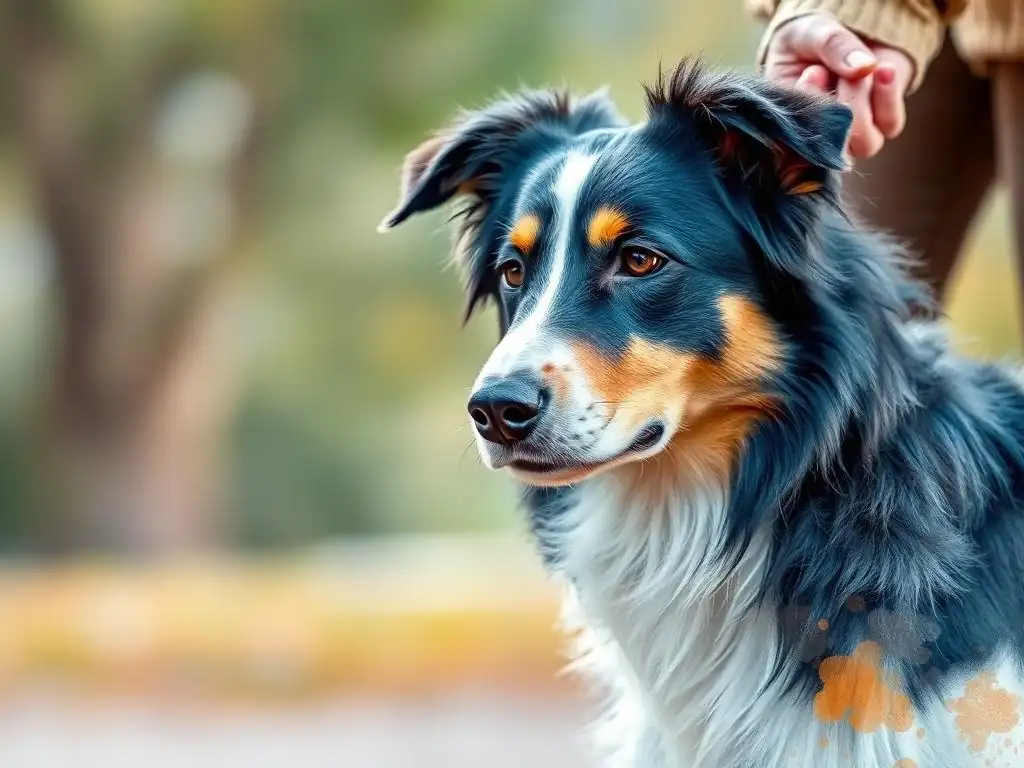
This section delves into advanced obedience techniques that build upon foundational training, resulting in a more confident and responsive canine companion. We'll explore methods to achieve a higher level of control and communication, enhancing the bond between you and your dog. Mastering these techniques requires patience, consistency, and a deep understanding of canine behavior. Remember, positive reinforcement remains key throughout this advanced training. The goal is not to force compliance, but to foster a willing partnership where your dog understands and enjoys the process. This advanced dog obedience training will significantly improve your dog's overall behavior and your relationship.
Off-Leash Obedience Training: Developing Reliable Recall
Reliable recall is paramount for off-leash control and safety. It's more than just your dog coming when called; it's about instilling a deep understanding that "come" means immediate, enthusiastic return, regardless of distractions. This requires graduating from basic recall exercises to increasingly challenging scenarios.
Start by practicing recall in a controlled environment, gradually introducing more distractions. Begin with simple distractions like a toy or a family member before moving to more complex scenarios, such as a park with other dogs or people. Use high-value rewards, such as small pieces of delicious treats or a favorite toy, to reinforce immediate responses.
Consider using a long line initially to provide a safety net while working on recall in less controlled areas. The line allows you to guide your dog back if needed while still encouraging them to come to you freely. Never punish a dog for failing to come when called; instead, focus on positive reinforcement and gradual desensitization to distractions.
A successful recall is built on consistency and positive reinforcement. Data suggests that dogs trained with positive reinforcement methods exhibit significantly better recall than those trained using punishment-based methods. 1 Remember to keep training sessions short, fun, and rewarding to maintain your dog's motivation. A reliable recall is a cornerstone of advanced dog obedience training and ensures your dog's safety and well-being in various environments.
Advanced Stay Commands: Duration and Distance Challenges
The basic "stay" command is just the starting point. Advanced stay training focuses on increasing the duration and distance your dog can maintain the stay, even with distractions. This involves gradually increasing the duration of the stay, starting with short periods (a few seconds) and progressively lengthening them over time.
Simultaneously, challenge the distance. Start with your dog staying close to you, then gradually increase the distance while maintaining eye contact and a calm demeanor. Introduce distractions gradually, starting with minor ones and progressing to more significant ones, such as other dogs, people, or moving objects. Positive reinforcement remains crucial throughout this process. Reward your dog generously for maintaining the stay, even with increasing challenges.
Here's a sample training schedule:
| Day | Duration (seconds) | Distance (feet) | Distractions |
|---|---|---|---|
| 1 | 5 | 3 | None |
| 2 | 10 | 5 | Toy nearby |
| 3 | 15 | 10 | Person walking by |
| 4 | 20 | 15 | Another dog at a distance |
| 5 | 30 | 20 | Multiple distractions |
Remember, consistency is key. Regular practice in various environments will help your dog solidify their understanding of the "stay" command. This is a crucial aspect of advanced dog obedience training, building a dog's self-control and attention span. Advanced stay training also helps to build a strong bond based on trust and mutual respect.
Mastering the Heel Position: Loose-Leash Walking and Precise Positioning
Loose-leash walking is more than just having your dog walk beside you; it's about maintaining a relaxed, attentive position without pulling or lagging. This requires precise positioning and consistent reinforcement. Begin by teaching your dog to walk close to your side, rewarding them for staying in position without pulling on the leash.
Use a reward-based system to reinforce good behavior. When your dog walks nicely at your heel, immediately reward them with praise and a treat. If they pull, stop walking and wait for them to relax the leash before continuing. This method helps your dog associate good behavior with positive reinforcement.
To achieve precise positioning, use verbal cues and hand signals. Combine the verbal cue ("heel") with a hand signal to guide your dog into the desired position. Gradually introduce distractions, such as other dogs or people, to test their ability to maintain the heel position even in challenging environments. The key is consistency and patience. Mastering the heel position demonstrates advanced dog obedience training and showcases a well-trained and well-behaved canine companion. This precise control is essential for safe and enjoyable walks in various environments.
1 [Specific study data pending]
Introducing Distractions: Working in Busy Environments
Successfully navigating a bustling environment is a crucial aspect of advanced dog obedience training. The goal isn't just to have a dog that obeys commands in a quiet, controlled space; it's to ensure reliable obedience even amidst distractions. This requires a gradual and systematic approach, building your dog's focus and resilience to various stimuli. We're not just talking about basic distractions either – we're aiming for environments brimming with sights, sounds, and smells that might normally overwhelm a less-trained canine.
Initially, start with minimal distractions. This might involve practicing basic commands like "sit," "stay," and "come" in your backyard, with only a few, easily manageable distractions present. For example, you could have a family member walk slowly past at a distance, or leave a radio playing softly in the background. The key is to introduce distractions gradually, rewarding your dog for maintaining focus and obedience even when faced with these new stimuli. Positive reinforcement, through treats, praise, and toys, is paramount during this phase.
As your dog progresses, you can gradually increase the intensity and variety of distractions. This might involve moving training sessions to a local park with more people and dogs present, or practicing commands near busy streets with increased traffic noise. Remember to always prioritize your dog's safety and comfort. If your dog shows signs of stress or anxiety, such as excessive panting, whining, or avoidance, it's crucial to reduce the level of distraction and return to a less challenging environment.
It's important to note that consistency is key. Regular training sessions in various environments are crucial for building your dog's ability to concentrate and obey commands even amidst chaos. This process requires patience and understanding, but the rewards are well worth the effort. A dog who can reliably obey commands in a busy environment is not only safer but also a more confident and well-adjusted companion.
This level of control is essential for preventing accidents and ensuring your dog's well-being in a variety of situations. For example, a dog trained to reliably "stay" in a busy environment is far less likely to run into traffic or get lost. The ability to focus amidst distractions is a testament to a strong bond and effective training.
Remember to always end each training session on a positive note, even if your dog struggles with some distractions. Celebrate small victories and maintain a positive and encouraging attitude. This will help build your dog's confidence and ensure they remain eager to learn and cooperate. This positive reinforcement approach is crucial for building a strong and trusting relationship with your canine companion, while also building their obedience skills in a variety of challenging environments. By slowly and methodically introducing distractions, you'll be equipping your dog with the tools to navigate the complexities of everyday life with confidence and obedience.
Problem-Solving in Advanced Dog Obedience

Advanced dog obedience training isn't just about perfecting the "sit" or "stay." It's about developing a nuanced understanding of your dog's behavior and employing sophisticated techniques to address complex challenges. This section delves into the problem-solving aspect of advanced training, equipping you with the tools to navigate common obstacles and build a stronger bond with your canine companion. Successfully navigating these challenges requires patience, consistency, and a deep understanding of canine communication. Remember, every dog learns at its own pace, so celebrate small victories along the way.
Dealing with Reactivity: Managing Excitement and Fear-Based Behaviors
Reactivity, encompassing both excitement-based and fear-based behaviors, is a common hurdle in advanced obedience. Excitement might manifest as jumping, barking, or lunging towards other dogs or people. Fear-based reactivity, on the other hand, can lead to similar behaviors, but stemming from anxiety or insecurity. Effective management requires a multi-faceted approach:
- Desensitization and Counter-Conditioning: Gradually expose your dog to triggering stimuli (e.g., other dogs at a distance) while pairing the experience with positive reinforcement (treats, praise). Start at a distance where your dog shows no reaction, slowly decreasing the distance as their comfort level increases. This process requires patience and careful observation.
- Impulse Control Exercises: Teach your dog exercises like "leave it," "drop it," and "wait," which help them manage impulses and redirect their attention away from triggers. These exercises build self-control and provide alternative behaviors to reactive responses.
- Environmental Management: Avoid situations that are known to trigger reactive behaviors whenever possible. Utilize tools like muzzles (used responsibly and with proper training) or long leads to maintain control in challenging environments. Proactive avoidance often prevents reactive episodes.
- Professional Guidance: If reactivity is severe or persistent, seeking professional help from a certified dog trainer or veterinary behaviorist is crucial. They can provide tailored strategies based on your dog's specific needs and temperament. Remember, early intervention is key to mitigating potential behavioral issues.
Correcting Common Advanced Obedience Mistakes: Troubleshooting Techniques
Even experienced dog owners encounter setbacks in advanced obedience training. Understanding common mistakes and developing effective troubleshooting techniques is vital for progress. Here are some frequent pitfalls and how to address them:
| Mistake | Solution | Example |
|---|---|---|
| Inconsistent Training | Establish clear, consistent cues and rewards. All family members should use the same commands and training methods. | Using different hand signals for "sit" can confuse your dog. |
| Lack of Positive Reinforcement | Focus on rewarding desired behaviors rather than solely punishing unwanted actions. | Instead of yelling at your dog for jumping, reward them for staying calm. |
| Overly Difficult Exercises | Break down complex commands into smaller, manageable steps. | Instead of expecting a perfect "down-stay" immediately, start with short durations. |
| Ignoring Early Warning Signs | Pay attention to your dog's body language. Address subtle signs of stress or frustration before they escalate. | Yawning, lip licking, and whale eye are indicators of stress. |
Building Confidence and Focus: Positive Reinforcement Strategies
Positive reinforcement is the cornerstone of successful advanced obedience training. It fosters a positive learning environment, strengthens the bond between you and your dog, and builds confidence and focus. However, it's not just about treats; it's about understanding your dog's motivations and utilizing a variety of rewards:
- High-Value Rewards: Identify your dog's favorite treats, toys, or activities and use them strategically during training sessions to maximize motivation. This personalized approach ensures effective reinforcement.
- Verbal Praise: Combine treats with enthusiastic praise. Your tone and body language play a crucial role in conveying positive reinforcement.
- Play: Incorporate games and interactive play into training sessions to make learning fun and engaging. This keeps your dog motivated and prevents boredom.
- Varying Rewards: Avoid relying solely on one type of reward. Mixing treats, praise, and play keeps your dog interested and prevents them from becoming desensitized to a single reward. This variety keeps training sessions exciting and engaging.
Remember, patience and consistency are key to success in advanced dog obedience training. By addressing challenges proactively, troubleshooting mistakes effectively, and utilizing positive reinforcement strategies, you can build a strong, trusting relationship with your dog and achieve impressive results. 🎉
The Importance of Consistency and Patience in Advanced Training
Advanced dog obedience training demands a significant investment of time and unwavering dedication. Unlike basic obedience, which focuses on foundational commands, advanced training delves into nuanced behaviors and problem-solving, requiring a higher level of patience and consistency from the owner. Inconsistent training creates confusion for the dog, hindering progress and potentially leading to frustration for both the pet and the handler. Imagine trying to teach a complex dance routine with inconsistent instructions – the dancer would become disoriented and unable to perform the sequence correctly. Similarly, a dog needs clear, repeated instructions to master advanced commands.
Patience is paramount, especially when tackling challenging behaviors. Dogs learn at different paces, and some commands may require significantly more repetition than others. For example, teaching a dog to reliably retrieve specific items from a distance might take weeks, even months, of consistent practice. Frustration on the owner's part can easily translate into inconsistent training methods, negatively impacting the dog's learning process. A calm, patient approach, focusing on positive reinforcement and celebrating even small successes, is crucial for maintaining a positive training environment and fostering a strong bond between dog and handler. Remember that setbacks are a normal part of the learning process, and patience will ultimately yield better results than rushed or frustrated attempts. Positive reinforcement, such as treats, praise, and playtime, should be generously employed to motivate the dog and reinforce desired behaviors. This positive approach helps maintain the dog's enthusiasm for training and strengthens the human-animal bond.
Furthermore, consistency extends beyond the training sessions themselves. The commands and expectations learned during training should be consistently applied in all aspects of the dog's daily life. This means using the same hand signals and verbal cues at home, at the park, and in other environments to reinforce learning and prevent confusion.
For instance, if "leave it" is the command used during training to prevent the dog from picking up dropped food, it should be consistently used in all situations to avoid contradictory signals. This holistic approach ensures the dog understands the commands in various contexts, fostering better generalization and obedience. Inconsistency creates ambiguity, leading to the dog becoming unsure of what is expected, ultimately undermining the effectiveness of the training.
Therefore, consistency and patience form the cornerstone of successful advanced dog obedience training. They are not mere suggestions, but rather essential ingredients for achieving the desired level of mastery and building a strong, reliable relationship with your canine companion.
Specialized Advanced Obedience Skills
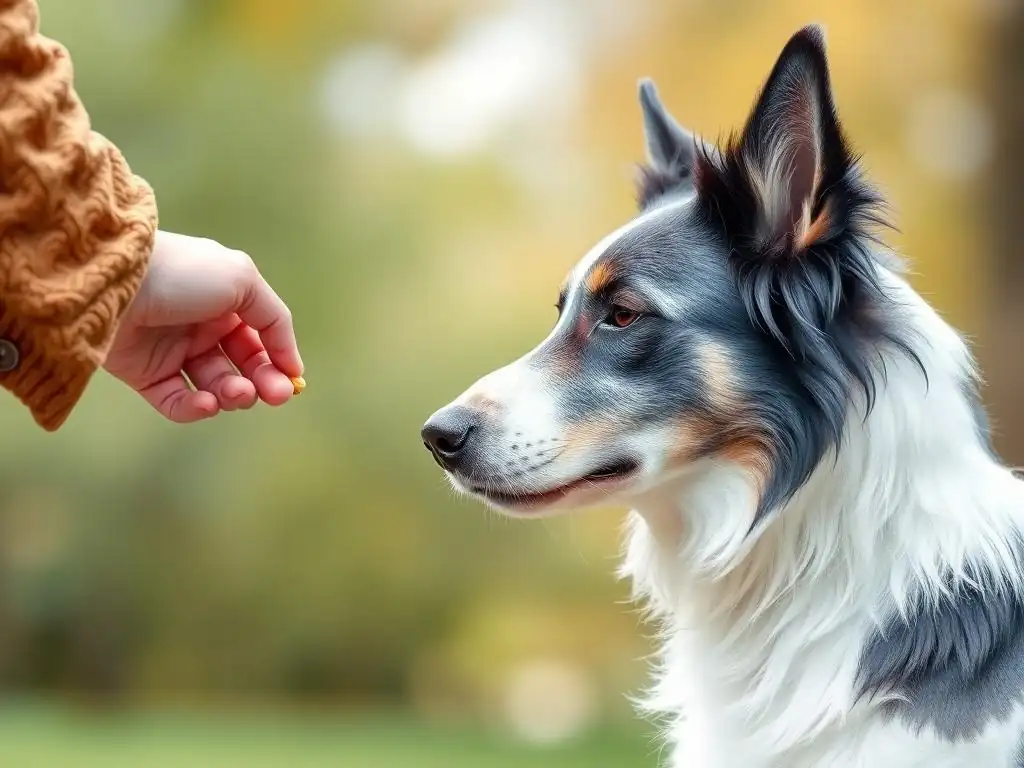
This section delves into specialized advanced obedience skills that go beyond the basics of sit, stay, and come. These techniques require patience, consistency, and a deep understanding of canine behavior. Mastering these skills strengthens the bond between you and your dog, provides mental stimulation, and can even open doors to competitive dog sports. Remember, positive reinforcement methods, using treats and praise, are crucial throughout all advanced training. Effective advanced dog obedience training builds upon a solid foundation of basic obedience.
Trick Training: Enhancing Engagement and Bond
Trick training is more than just cute videos; it's a powerful tool for strengthening the human-animal bond and enhancing communication. It provides mental stimulation, boosts your dog's confidence, and offers a fun way to reinforce positive behaviors. Start with simple tricks like "shake," "play dead," or "fetch a specific toy." Gradually increase the difficulty as your dog masters each trick.
The key to successful trick training is breaking down complex behaviors into smaller, manageable steps. Use clear hand signals and verbal cues, and reward even the smallest attempts with enthusiastic praise and treats. For example, teaching "play dead" might involve initially rewarding your dog for lying down, then for extending a leg, then for fully extending both legs and staying down.
Consistency is key; short, frequent training sessions are more effective than long, infrequent ones. Remember to always end on a positive note, leaving your dog wanting more. This positive reinforcement approach is vital for advanced dog obedience training, fostering a happy learning environment.
Scent Work: Stimulating Your Dog's Nose and Mind
Scent work is a fantastic way to tap into your dog's natural abilities and provide significant mental enrichment. It's particularly beneficial for dogs with high prey drives or those who need extra mental stimulation. This type of advanced dog obedience training engages their olfactory senses, challenging them in a way that traditional obedience exercises might not.
There are various ways to introduce scent work. You can start with simple hide-and-seek games, hiding treats around the house for your dog to find. Gradually increase the difficulty by using more challenging hiding spots or introducing different scents. You can also use specific scent articles, such as a piece of clothing with a particular scent, and train your dog to locate it among other items.
The focus is on rewarding your dog's ability to detect and locate the target scent. This type of training can be incredibly rewarding for both you and your canine companion. It's a great example of how advanced dog obedience training can be both mentally stimulating and incredibly fun.
Agility Training Introduction: Building Coordination and Physical Fitness
Agility training is a dynamic and exciting way to challenge your dog physically and mentally. It requires coordination, focus, and a strong bond between you and your dog. While it might seem like a purely physical activity, effective agility training relies heavily on clear communication and precise obedience commands. This makes it a perfect extension of advanced dog obedience training.
Before starting agility training, ensure your dog is physically fit and healthy. Start with basic exercises like weaving through cones, jumping over low hurdles, and navigating tunnels. Gradually increase the difficulty of the obstacles and the complexity of the courses. Remember to always prioritize your dog's safety and well-being.
Positive reinforcement is crucial; celebrate your dog's successes and offer encouragement during challenging moments. Proper training and conditioning are key to preventing injuries and ensuring a positive experience for both you and your dog. This type of advanced dog obedience training requires patience and consistency, but the rewards are immense. The improved physical fitness and the strengthened bond are significant benefits of this advanced training method.
Canine Good Citizen Certification: Demonstrating Advanced Obedience Skills
Canine Good Citizen (CGC) certification is more than just a title; it's a testament to a dog's advanced obedience and socialization skills. Achieving CGC certification signifies that your dog has mastered a comprehensive set of obedience exercises and demonstrates responsible behavior in various environments. This isn't simply about perfect heelwork; it's about proving your dog is a well-behaved companion capable of navigating everyday situations with grace and composure.
The rigorous testing process assesses a dog's ability to handle distractions, remain calm amidst unfamiliar stimuli, and respond reliably to commands, even under pressure. Successfully completing the CGC program demonstrates a significant investment in advanced obedience training and showcases your commitment to responsible pet ownership.
Many dog owners find the structured environment and clear goals of CGC training incredibly beneficial, even if they don't intend to formally certify their dog. The structured exercises within the program build upon foundational obedience commands and extend them to real-world scenarios.
The CGC test itself covers ten key areas: accepting a friendly stranger, sitting politely for petting, appearance and grooming (demonstrating a well-maintained dog), coming when called reliably from a distance, walking through a crowd, and demonstrating proper behavior around other dogs. Furthermore, it assesses the dog's reaction to a distraction, its ability to sit and stay for a short period, and its ability to remain calm when left alone briefly. The test also evaluates the dog's ability to retrieve a dropped item and its reaction to a loud noise.
These assessments ensure that the dog displays not only obedience but also appropriate social skills and emotional stability. The CGC program isn't just about the test; the process of preparing for the test strengthens the bond between dog and owner and builds confidence in both.
Think of it as a culmination of months, even years, of dedicated training and a celebration of your dog's achievements. The certification itself can also be beneficial when renting an apartment or traveling with your dog.
Many trainers offer specific CGC preparation classes, providing structured guidance and support throughout the process. These classes often incorporate real-world scenarios to prepare dogs for the unexpected, thereby ensuring that the dog is well-prepared for the various challenges of the CGC test. For example, practicing “coming when called” around other dogs or near busy streets prepares the dog for the distractions it might encounter during the actual test.
Similarly, practicing “staying” in the presence of a friendly stranger helps the dog to handle the unfamiliar presence of a judge during the assessment. The positive reinforcement techniques used in most CGC preparation classes further strengthen the bond between dog and owner and make the training process enjoyable for both. Ultimately, the CGC certification is a rewarding experience that showcases your dog's advanced obedience skills and strengthens your relationship with your canine companion.
It's a clear indicator of a well-trained, well-socialized dog, ready to face the world with confidence and grace. 🐶
Maintaining and Enhancing Advanced Obedience Skills
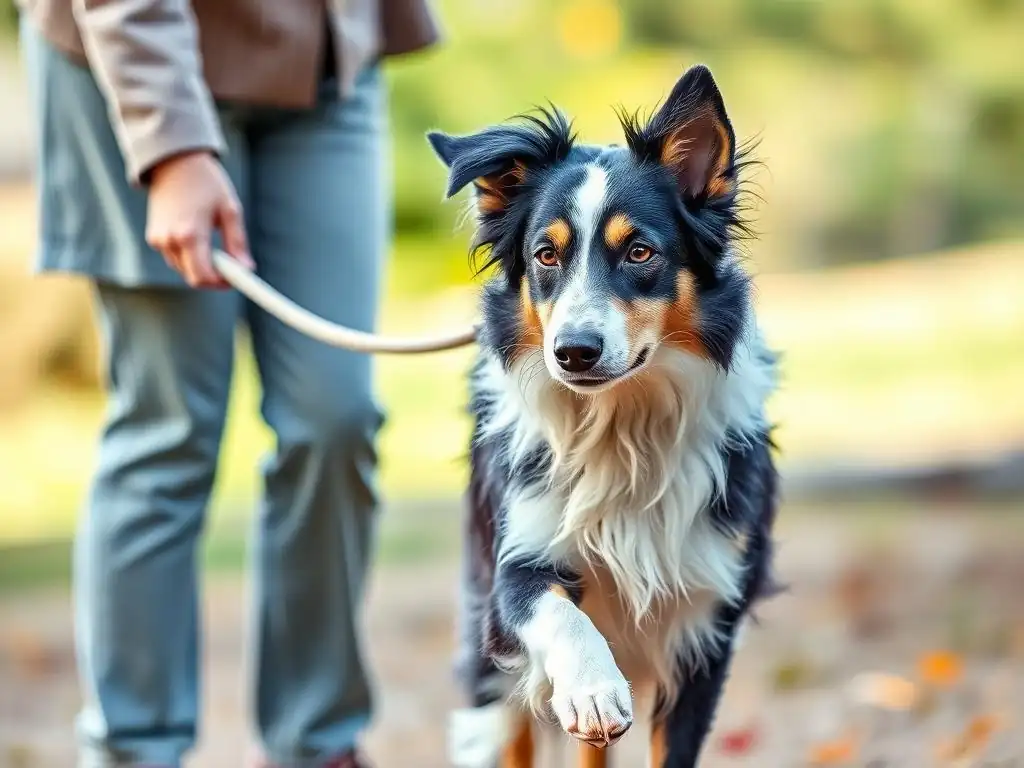
Advanced dog obedience training isn't a destination; it's a journey. Once your dog has mastered the fundamentals – sit, stay, come, down, and leave it – the real work begins: maintaining those skills and building upon them. This requires consistent effort and a willingness to adapt your training methods as your dog matures and learns.
The key to long-term success lies in continued practice, introducing new challenges, and employing positive reinforcement strategies. Ignoring this crucial maintenance phase can lead to regression and frustration for both you and your canine companion. Let's explore how to keep your advanced obedience training on track.
Continued Practice and Reinforcement: Preventing Regression
Even highly trained dogs can regress if their skills aren't regularly reinforced. Think of it like learning a language: if you stop speaking it, you'll gradually forget. The same principle applies to canine obedience. To prevent regression, incorporate short, focused training sessions into your daily routine. These shouldn't be intense, hour-long drills; rather, aim for several 5-10 minute sessions throughout the day. This consistent practice helps solidify learned behaviors and keeps your dog engaged.
For example, instead of a single, lengthy "stay" practice, incorporate several shorter stays throughout the day. Ask your dog to "stay" while you briefly grab your keys, or while you prepare their food. These short, frequent sessions make training less daunting and more effective.
It’s also crucial to vary the environment. Practice obedience commands in different locations – your backyard, a park, a quiet street – to help your dog generalize their learning. This ensures that your dog's obedience isn't limited to the specific training environment. A dog perfectly obedient at home might struggle in a busy park if they haven't been properly exposed to distractions. Remember, the goal is to develop reliable obedience in various situations.
Introducing New Challenges: Keeping Training Engaging
Maintaining advanced obedience skills isn't just about repetition; it's about continuous learning and enrichment. To keep your dog mentally stimulated and prevent boredom (which can lead to behavioral problems), gradually introduce new challenges. This could involve:
- Increasing the duration of commands: Extend the time your dog needs to hold a "stay" or "down" position.
- Adding distractions: Practice commands with increasing levels of distraction, such as nearby people, other dogs, or noisy environments.
- Introducing new commands: Explore more advanced obedience exercises like retrieving specific items, walking nicely off-leash in different environments, or participating in scent work activities. These activities challenge your dog mentally and physically, enhancing their focus and obedience.
Remember to introduce new challenges gradually, building upon previously mastered skills. Avoid overwhelming your dog with too much new information at once. Positive reinforcement is crucial during this phase, rewarding even small successes.
The Role of Positive Reinforcement in Long-Term Success
Positive reinforcement remains the cornerstone of successful advanced dog obedience training. It's not just about treats; it's about building a positive association with training. This means using praise, petting, and rewarding behaviors immediately after they occur. This creates a powerful feedback loop, reinforcing desired behaviors and making your dog eager to please.
Consider implementing a variable reward schedule. Don't reward every single correct response; instead, reward intermittently. This keeps your dog engaged and prevents them from becoming reliant on immediate rewards. The anticipation of a reward can be just as motivating as the reward itself. This helps to make training more stimulating and avoid a potential plateau in your dog’s response to commands. Remember, a well-trained dog is a happy dog, and consistent positive reinforcement is key to achieving that.
Recognizing and Addressing Setbacks: Adjusting Training Methods
Even with consistent effort and positive reinforcement, setbacks are a normal part of advanced dog obedience training. Your canine companion might regress to previous behaviors, show decreased motivation, or struggle with new commands. Understanding the reasons behind these setbacks is crucial for effective adjustment of your training methods. Several factors can contribute to these difficulties. For example, a change in environment, the introduction of distractions, or even a simple illness can significantly impact your dog's performance. Stress, anxiety, or even a change in their routine can also lead to regressions.
One common setback is a lack of consistency in training. If you haven't been consistently practicing commands, your dog may forget previously learned behaviors. Similarly, inconsistent reinforcement – sometimes rewarding correct behavior, sometimes ignoring it – can confuse your dog and hinder progress. It’s essential to maintain a regular training schedule, even if it's just for short periods each day. This consistency helps reinforce learned behaviors and prevents regression.
Another important aspect is recognizing your dog's individual learning style and pace. Some dogs learn quickly and readily grasp new concepts, while others require more time and repetition. Forcing a dog to learn at a pace that doesn't suit them can lead to frustration and setbacks. Patience and understanding are key; adjust your training sessions to match your dog's abilities and learning style. Break down complex commands into smaller, more manageable steps, rewarding even the smallest successes. Positive reinforcement, using treats, praise, or toys, remains vital throughout this process.
Addressing setbacks effectively requires careful observation and analysis. Keep a training journal to track your dog's progress, noting any instances of regression or difficulty. This will help identify patterns and potential causes for the setbacks. You might discover that certain environments or distractions are particularly challenging for your dog. By pinpointing these triggers, you can develop strategies to help your dog cope better, such as gradually introducing distractions during training sessions.
If the setback persists despite adjustments to your training methods, consider seeking guidance from a professional dog trainer. They can provide personalized advice and help you identify underlying issues that may be affecting your dog's performance. Remember, consistency, patience, and a willingness to adapt your approach are vital to overcoming challenges and achieving success in advanced obedience training. 🎉
Resources for Advanced Dog Obedience Training
This section delves into the crucial resources needed to successfully navigate the complexities of advanced dog obedience training. Successfully progressing beyond basic commands requires dedication, the right tools, and expert guidance. We'll explore the avenues available to bolster your training efforts and ensure your canine companion thrives in a well-structured and enriching environment. Remember, consistent effort and positive reinforcement are key to achieving optimal results in advanced dog obedience training.
Finding a Qualified Professional Trainer: Seeking Expert Guidance
Finding a skilled and reputable professional dog trainer is paramount for advanced obedience training. Basic obedience lays the groundwork, but advanced techniques often require specialized expertise. Look for trainers certified by reputable organizations, possessing a proven track record and a positive reinforcement-based approach. Avoid trainers who utilize aversive methods, as these can be detrimental to your dog's well-being and hinder progress.
Consider the following when selecting a professional:
- Credentials: Verify certifications from organizations like the Certification Council for Professional Dog Trainers (CCPDT) or the Association of Professional Dog Trainers (APDT). These certifications demonstrate a commitment to ethical and effective training practices.
- Training Philosophy: Ensure the trainer utilizes positive reinforcement methods. This approach focuses on rewarding desired behaviors rather than punishing unwanted ones, creating a positive learning experience for your dog.
- Experience: Seek trainers with extensive experience in advanced obedience training, particularly with breeds similar to yours. Experience translates to expertise in handling various challenges and adapting techniques to individual dog personalities.
- References: Request references and testimonials from previous clients to gauge their satisfaction and the trainer's effectiveness. This provides invaluable insight into the trainer's approach and results.
- Consultation: Schedule a consultation before committing to a training program. This allows you to assess the trainer's compatibility with your dog and your training goals.
Recommended Training Aids and Equipment: Tools for Success
The right tools can significantly enhance the effectiveness of advanced dog obedience training. While basic commands might rely on minimal equipment, advanced training often necessitates specialized aids to refine skills and address more complex behaviors.
Here's a list of recommended training aids and equipment:
| Training Aid | Description | Benefits |
|---|---|---|
| Long Line | A long leash (typically 20-50 feet) used for distance work and recall training. | Allows for greater freedom of movement while maintaining control. Ideal for off-leash training preparation. |
| Clicker | A small handheld device that marks desired behaviors. | Provides clear and consistent feedback, enhancing learning and improving timing of rewards. |
| High-Value Treats | Small, highly palatable treats used as positive reinforcement. | Motivate your dog to perform desired behaviors and build positive associations with training. |
| Dummy (Training Dummy) | A soft, easily throwable object used for retrieving exercises. | Develops and refines retrieving skills, crucial for advanced obedience routines. |
| Target Stick | A stick or other object used to guide your dog's focus and movement. | Helps teach precise movements and improve focus during training sessions. |
| Puzzle Toys | Toys that require problem-solving to access treats. | Provide mental stimulation and enrichment, complementing obedience training. |
Remember, the quality of the equipment is important. Invest in durable, well-made items to ensure longevity and safety.
Online Resources and Learning Materials: Supplementing Your Training
While professional guidance is invaluable, online resources can supplement your advanced dog obedience training. Numerous websites, videos, and online courses offer valuable insights and reinforce concepts learned during in-person training.
However, carefully vet online resources. Ensure the information aligns with positive reinforcement methods and comes from reputable sources. Beware of outdated or potentially harmful techniques.
Look for resources that offer:
- Detailed explanations: Avoid overly simplified or vague instructions. Advanced training requires precise understanding.
- Video demonstrations: Visual learning enhances comprehension and allows for accurate replication of techniques.
- Community forums: Connecting with other dog owners and trainers fosters a supportive learning environment and allows for sharing experiences and advice.
- Progress tracking tools: Utilizing tools to monitor your dog's progress helps identify areas needing extra focus and measure overall success.
Remember that online resources are supplementary tools. They should not replace professional guidance, especially when dealing with complex behavioral issues. Always prioritize the well-being of your dog and consult a professional trainer when necessary. A well-rounded approach combining professional training with carefully selected online resources maximizes your chances of success in advanced dog obedience training.
Frequently Asked Questions
What is advanced dog obedience training?
Advanced dog obedience training builds upon basic commands. It focuses on complex exercises like reliable off-leash heeling, advanced recall, and obstacle courses. It requires consistent effort and a strong bond between dog and owner.
How is advanced training different from basic obedience?
Basic obedience covers fundamental commands (sit, stay, come). Advanced training involves greater precision, longer durations, and distraction proofing in more challenging environments. It also incorporates problem-solving skills.
What are the benefits of advanced dog obedience training?
Advanced training strengthens the dog-owner bond, improves communication, and enhances the dog's confidence and focus. It also provides a stimulating mental workout for your canine companion, preventing boredom and behavioral issues.
What age is best to start advanced training?
While basic obedience should start early, advanced training is typically best begun after your dog has mastered basic commands, usually around 12-18 months. However, it depends on the individual dog's maturity level and learning ability.
Where can I find qualified instructors for advanced dog obedience training?
Look for certified professional dog trainers with experience in advanced obedience techniques. Check online reviews, ask for references, and ensure they use positive reinforcement methods. PetCareWorld can also offer resources to help you find qualified trainers in your area.
Final Reflection: Unlocking Deeper Bonds Through Advanced Obedience
The journey to advanced dog obedience isn't just about perfecting commands; it's about forging a profound connection with your canine companion. This deeper understanding transcends simple tricks, building a relationship based on trust, communication, and mutual respect that enriches both your lives immeasurably.
The impact of advanced training extends far beyond the controlled environment of a training class. It shapes how we interact with our dogs daily, fostering a calmer, more confident dog and a more patient, understanding owner. The best mirror is an old friend.
This holds true for the relationship between dog and owner; advanced obedience provides a reflective space to truly see and understand each other. The consistent work, the shared challenges overcome, and the resulting mutual understanding create a bond that is truly special.
Now, consider your own relationship with your dog. What new levels of communication and understanding can you unlock? What challenges are you ready to tackle together? Embrace the journey of advanced obedience, not as a destination, but as a continuous process of growth and connection. The rewards – a stronger bond, a more well-behaved dog, and a deeper appreciation for the unique intelligence and spirit of your canine friend – are well worth the effort.
Unlock Your Dog's Potential: Start Training Today!
Thank you for exploring advanced obedience training with us! You've gained valuable insights into strengthening your bond with your canine companion. Now it's time to put that knowledge into practice.
- Start with one new training technique this week: Choose an exercise from the article that interests you most and dedicate just 15 minutes a day to practicing it with your dog. Even small, consistent efforts will make a big difference!
- Share your progress: Post a picture or short video of your dog learning a new skill on your favorite social media platform using #PetCareWorldAdvancedObedience. Let's inspire each other!
- Connect with other dog owners: Joining a local dog training group provides invaluable support and motivation. Find a group near you and share your experiences!
Ready to see the amazing results of consistent training? What new technique will you and your furry friend be tackling first?