
The Ultimate Dog Grooming Checklist: Don't Miss a Step

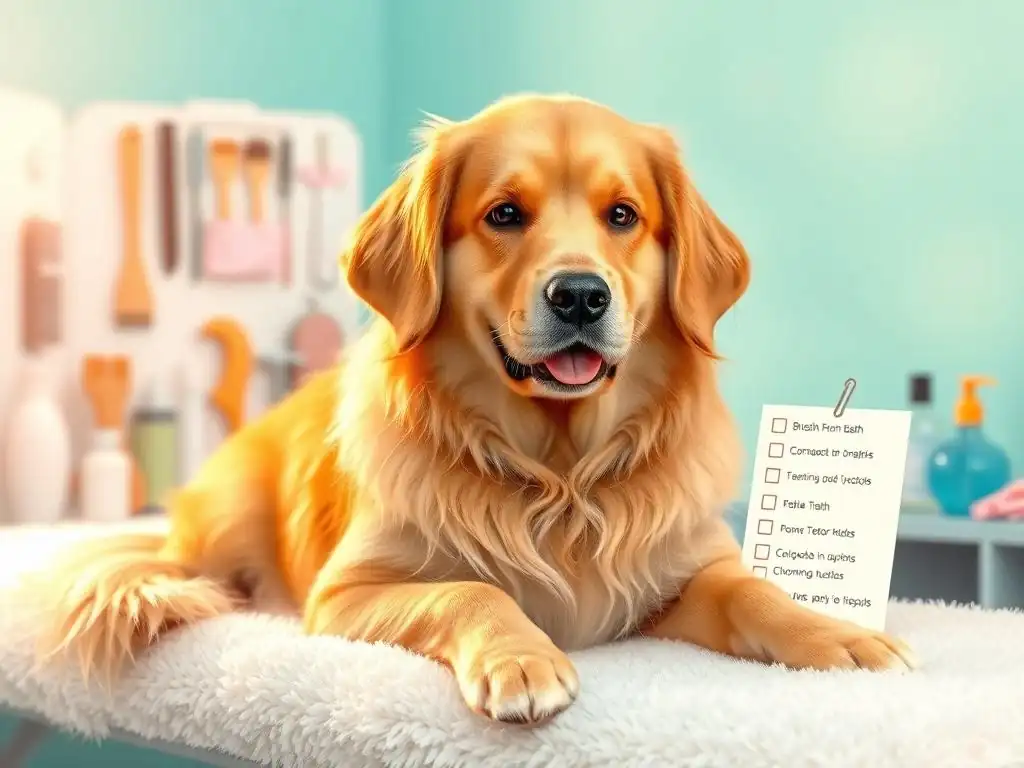
Welcome to PetCareWorld, your ultimate destination for expert pet care advice! Are you ready to elevate your dog's well-being? Then dive into our complete guide to dog grooming, a checklist designed to ensure your furry friend looks and feels their absolute best. Discover the secrets to a sparkling coat and happy pup – uncover the essential steps you might be missing!
- Preparing for Your Dog's Grooming Session: A Complete Guide
- Step-by-Step Dog Grooming Checklist: A Comprehensive Guide
- Maintaining Your Dog's Grooming Routine: A Long-Term Plan
- Frequently Asked Questions
- Final Reflection: Pawsitive Grooming Practices for a Lifetime of Love
- Unleash Your Dog's Inner Superstar: Grooming Mastery Awaits!
Preparing for Your Dog's Grooming Session: A Complete Guide
Maintaining your canine companion's hygiene is crucial for their overall health and well-being. Regular dog grooming not only keeps them looking their best but also helps prevent skin problems, matting, parasites, and other potential health issues. This comprehensive guide provides a detailed dog grooming checklist, ensuring you don't miss a single step in providing your furry friend with the best possible care.
We'll cover everything from gathering the necessary supplies to creating a comfortable and safe grooming environment, ultimately empowering you to confidently handle your dog's grooming needs at home. This ultimate dog grooming checklist will serve as your go-to resource, helping you master the art of dog grooming and strengthen the bond with your beloved pet.
We aim to provide you with the knowledge and confidence to tackle this essential aspect of dog ownership, making grooming a positive and enjoyable experience for both you and your dog. This complete guide will help you rank highly for "Dog grooming checklist complete guide", providing you with a step-by-step approach to ensure a thorough and effective grooming session.
Gathering Your Supplies: Essential Dog Grooming Tools
Before you begin, it's crucial to gather all the necessary tools. Having everything readily available will streamline the process and prevent interruptions. A well-stocked grooming kit will make the experience much smoother for both you and your dog. Here's a list of essential items:
- Brushes: A slicker brush for removing loose undercoat, a bristle brush for smoothing the topcoat, and a de-shedding tool (especially important for breeds that shed heavily).
- Combs: A fine-tooth comb for detangling and removing mats, and a wide-tooth comb for general combing.
- Shampoo & Conditioner: Use a dog-specific shampoo and conditioner, avoiding human products which can disrupt your dog's skin pH balance. Consider hypoallergenic options if your dog has sensitive skin.
- Towels: Several large, absorbent towels are essential for drying your dog thoroughly.
- Nail Clippers: Choose either guillotine-style or scissor-style clippers, ensuring you are comfortable and confident using them to avoid accidental injury.
- Ear Cleaning Solution: Use a veterinarian-recommended ear cleaning solution to gently clean your dog's ears. Avoid cotton swabs, which can push debris further into the ear canal.
- Toothbrush & Toothpaste: Use a dog-specific toothpaste and brush to maintain your dog's dental hygiene. Human toothpaste is toxic to dogs.
- Optional Items: A grooming table (for larger dogs), a hairdryer (on a low, cool setting), cotton balls, and treats to reward good behavior.
Creating a Comfortable and Safe Grooming Environment
The environment you create significantly impacts your dog's experience during grooming. A calm and comfortable setting will minimize stress and make the process much easier. Consider these factors:
- Location: Choose a well-lit, spacious area where your dog feels secure. Avoid noisy areas that might startle them. A bathroom is often a good choice as it is usually easily cleaned.
- Non-Slip Surface: Ensure the grooming area has a non-slip surface to prevent your dog from slipping or sliding, especially important if you are using a grooming table.
- Temperature: Maintain a comfortable temperature to prevent your dog from getting cold or overheating, especially during bathing.
- Distraction-Free Zone: Minimize distractions such as other pets, children, or loud noises. Playing calming music can help create a relaxing atmosphere.
- Treats & Praise: Keep plenty of high-value treats readily available to reward your dog for good behavior throughout the grooming process. Positive reinforcement is key to a successful grooming session. Verbal praise and gentle petting also go a long way in building a positive association with grooming.
- Safety First: Always prioritize your dog's safety. If your dog is particularly anxious or reactive, consider seeking professional grooming services, especially initially. Never force your dog into a situation they find uncomfortable or stressful.
Remember, patience and positive reinforcement are essential throughout the entire grooming process. By following this checklist and creating a positive experience, you'll help your dog associate grooming with positive reinforcement, making future sessions smoother and more enjoyable for both of you. 🐶
Step-by-Step Dog Grooming Checklist: A Comprehensive Guide
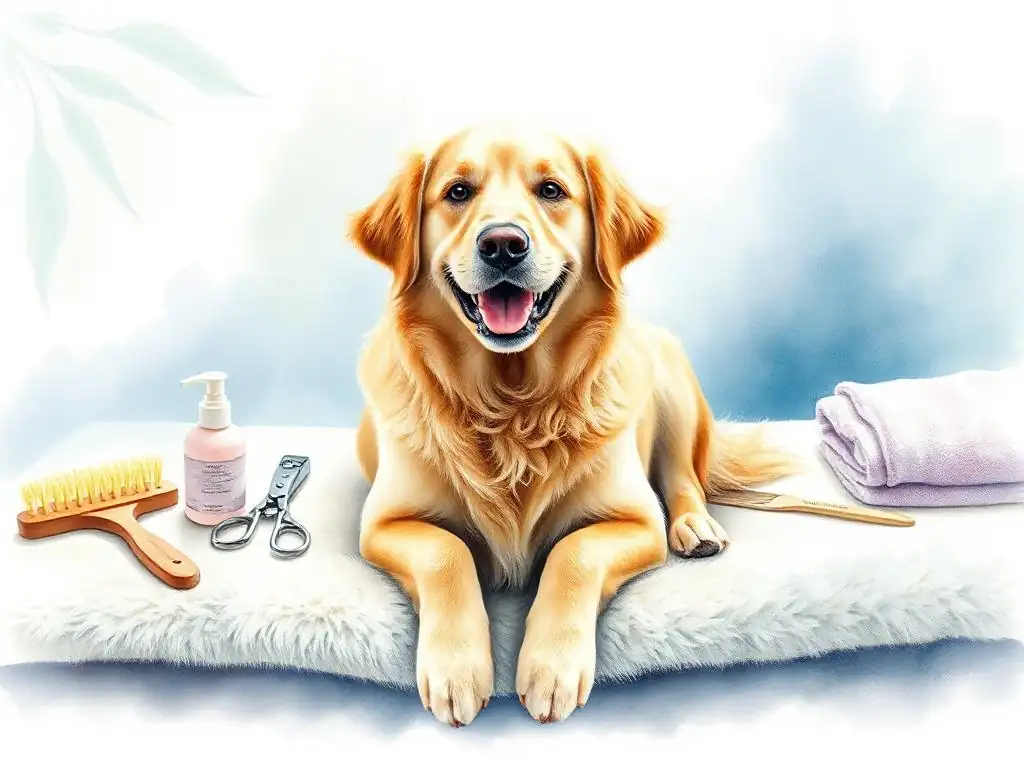
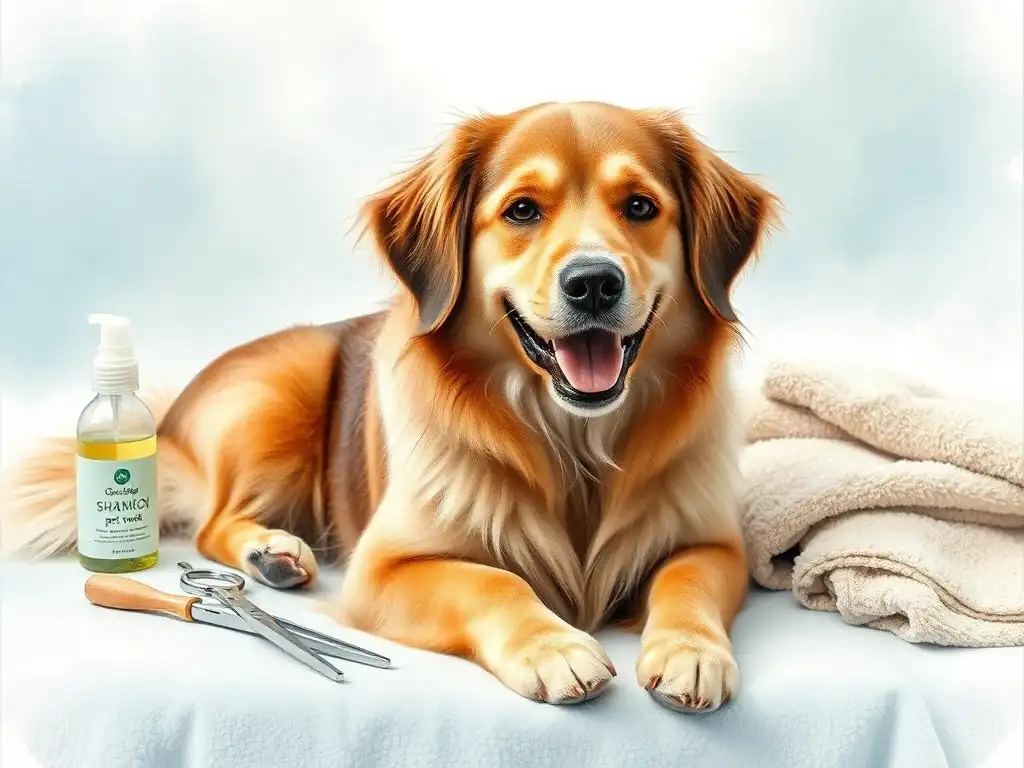
This section provides a detailed, step-by-step guide to dog grooming, ensuring your canine companion stays healthy, happy, and looking their best. This complete guide covers everything from brushing techniques tailored to different coat types to the proper bathing procedure. Following this checklist will help you master the art of dog grooming and maintain your pet's optimal well-being. Remember, regular grooming is crucial for preventing matting, skin issues, and parasites. This comprehensive approach to dog grooming will help you become a proficient pet groomer, ensuring your furry friend remains healthy and happy.
Brushing Your Dog's Coat: Techniques for Different Coat Types
Regular brushing is fundamental to a complete dog grooming routine. The frequency and technique, however, vary significantly depending on your dog's coat type. Neglecting proper brushing can lead to matting, skin irritation, and even parasite infestations. This section will detail appropriate brushing techniques for various coat types, ensuring you're equipped to care for your dog's unique needs.
Brushing Techniques for Short-Haired Dogs
Short-haired dogs, such as Jack Russell Terriers or Boxers, require less frequent brushing than their long-haired counterparts. Aim for at least once or twice a week. Use a firm-bristled brush or a grooming glove to remove loose hair and dirt. Pay close attention to areas prone to shedding, like the belly and hindquarters. A quick brushing session is usually sufficient, but always check for any skin irritations or parasites. Remember to reward your dog with treats and praise throughout the process to make it a positive experience.
Brushing Techniques for Long-Haired Dogs
Long-haired breeds, like Golden Retrievers or Afghan Hounds, need significantly more attention. Daily brushing is often necessary to prevent matting and tangles. Use a slicker brush to remove loose undercoat and a wide-toothed comb to detangle any knots. Start from the tips of the hair and work your way up to the roots to avoid pulling and discomfort. Be patient and gentle, especially when dealing with sensitive areas. For severely matted fur, professional grooming may be necessary to avoid causing your dog pain.
Brushing Techniques for Curly-Haired Dogs
Curly-haired dogs, such as Poodles or Bichon Frises, require specialized brushing techniques. Their coats are prone to matting if not brushed regularly. Use a de-shedding tool to remove loose fur and a wide-toothed comb or a specialized de-matting tool to carefully untangle any knots. Regular brushing, ideally daily, is essential to maintain a healthy and comfortable coat. Avoid harsh pulling, as this can damage the hair and cause discomfort.
Bathing Your Dog: A Gentle and Effective Process
Bathing your dog is an important part of their overall grooming routine. The frequency depends on their breed, lifestyle, and coat type. Some dogs may only need a bath every few months, while others might require more frequent washing. However, always use a dog-specific shampoo and conditioner to avoid skin irritation. This section will guide you through the entire process, from choosing the right products to drying your dog thoroughly.
Choosing the Right Dog Shampoo and Conditioner
Selecting the appropriate shampoo and conditioner is crucial for maintaining your dog's skin and coat health. Avoid using human shampoos, as they can disrupt your dog's natural skin pH balance. Opt for shampoos specifically formulated for dogs, considering factors like your dog's coat type (short, long, curly) and any skin conditions they may have. Look for shampoos that are hypoallergenic and gentle, especially if your dog has sensitive skin. Conditioners help to detangle fur and leave it soft and shiny.
Preparing Your Dog for a Bath
Before you begin, gather all necessary supplies: dog shampoo, conditioner, towels, a non-slip mat for the tub, and a cup for rinsing. Make sure the water temperature is lukewarm – never hot. It's helpful to have a helper to assist with holding your dog, especially if they're not comfortable with baths. Introduce your dog to the bath gradually, allowing them to sniff and explore the environment before getting them wet.
The Bathing Process: Step-by-Step Instructions
- Wet your dog's coat thoroughly, ensuring the water reaches their skin. Avoid getting water in their ears or eyes.
- Apply the shampoo, working it into a lather. Pay attention to areas prone to dirt and odor, like their paws and tail.
- Rinse thoroughly, removing all traces of shampoo. Any residue can cause skin irritation.
- Apply conditioner, if using, and rinse again.
- Wrap your dog in a towel, and gently pat them dry.
Drying Your Dog Thoroughly
Thorough drying is essential to prevent skin issues and discomfort. Use towels to absorb as much water as possible. For long-haired dogs, consider using a hairdryer on a low, cool setting to speed up the drying process. Keep the hairdryer moving to avoid burning your dog's skin. Never use a hot hairdryer setting. Ensure your dog is completely dry before letting them back into their usual environment. 🐶
Nail Trimming: Safe and Effective Techniques
Regular nail trimming is crucial for your dog's comfort and health. Overgrown nails can cause discomfort, interfere with their gait, and even lead to joint problems. The process might seem daunting at first, but with the right technique and patience, it becomes a manageable part of your dog's grooming routine. Remember, always prioritize your dog's safety and comfort throughout the process.
If you're uncomfortable performing nail trims yourself, consult a professional groomer for assistance. They can demonstrate the proper techniques and help you build confidence. Consistent, gentle handling will make the experience much more positive for both you and your furry friend.
Identifying the Quick: Avoiding Painful Mistakes
The "quick" is the pink part of the nail containing nerves and blood vessels. Cutting into the quick is painful for your dog and can cause bleeding. To avoid this, carefully examine your dog's nails before you begin. In light-colored nails, the quick is easily visible. However, in dark nails, it's more challenging to identify.
A helpful tip is to look for a small, dark area within the nail—this is a good indicator of the quick's location. Start by trimming small amounts at a time, and observe your dog's reaction. If you accidentally cut into the quick, apply styptic powder to stop the bleeding. With practice, you'll become more adept at identifying the quick and trimming your dog's nails safely and effectively. Remember, it's always better to err on the side of caution and trim less than too much.
Using Clippers or Nail Trimmers Safely
There are several types of nail clippers available for dogs, including guillotine clippers and scissor-type clippers. Guillotine clippers are generally preferred for larger dogs, while scissor-type clippers are often easier to use on smaller breeds. Regardless of the type you choose, ensure the clippers are sharp and clean. Dull clippers can crush the nail, causing pain and potential infection. Before you start, hold your dog gently but firmly.
Use a calm and reassuring voice to keep them relaxed. Trim the nails in small increments, frequently checking your progress. If your dog becomes agitated, take a break and try again later. Positive reinforcement, such as treats and praise, can be very effective in making nail trimming a less stressful experience. Remember, consistency is key!
Dealing with Sensitive Paws
Some dogs have particularly sensitive paws, making nail trimming a more challenging task. For these dogs, it's crucial to take extra care and patience. Consider using a desensitization technique, gradually introducing your dog to the clippers and touching their paws. Reward them with treats and praise for remaining calm.
You might also find it helpful to trim their nails when they're tired or relaxed after a walk. If your dog consistently resists nail trimming, consult your veterinarian or a professional groomer. They may have additional suggestions or techniques to help manage your dog's sensitivity. Never force your dog; a gentle and patient approach is always best.
Ear Cleaning: Gentle Care for Healthy Ears
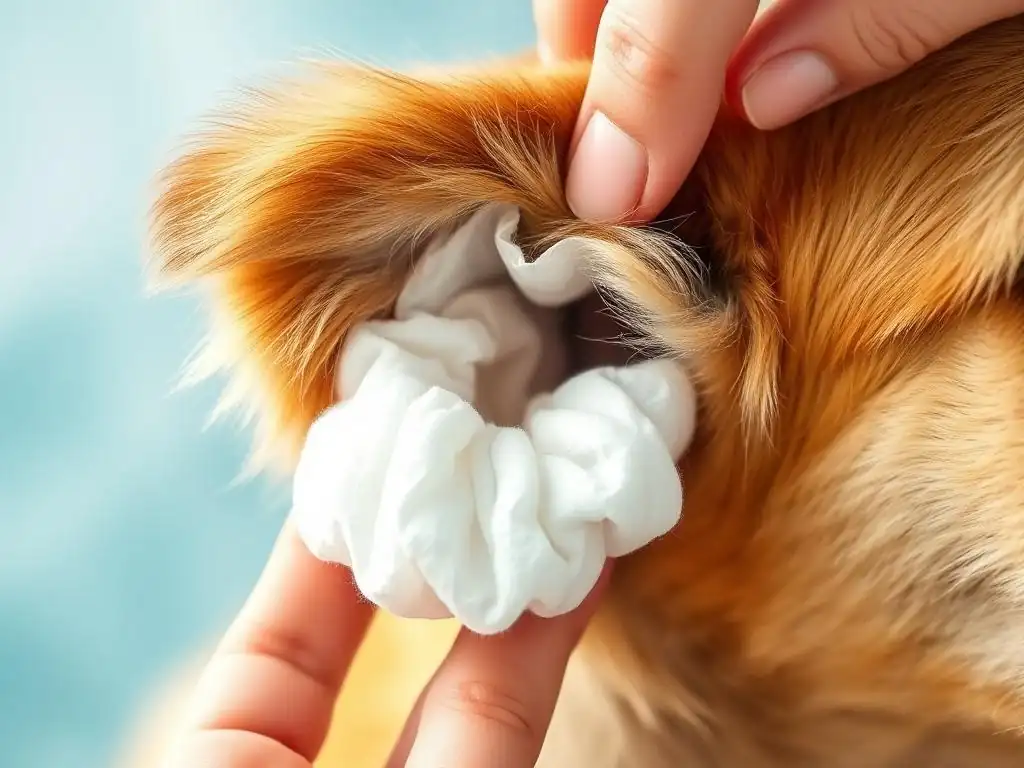
Regular ear cleaning is essential to prevent the buildup of wax, debris, and potential infections. However, it's crucial to do so gently and correctly to avoid injuring your dog's sensitive ear canals. Different breeds are prone to different ear problems, so understanding your dog's breed-specific needs is important. Some dogs have floppy ears, which are more prone to infections due to poor ventilation.
For these dogs, more frequent cleaning might be necessary. Always use a dog-specific ear cleaner and avoid using cotton swabs, which can push debris further into the ear canal. Observe your dog's ears regularly for any signs of infection.
Identifying Signs of Ear Infections
Ear infections in dogs can manifest in various ways. Some common signs include excessive scratching at the ears, head shaking, redness or swelling inside the ear, foul-smelling discharge, and pain when the ears are touched. If you notice any of these symptoms, it's crucial to consult your veterinarian promptly. Early intervention is key to preventing more serious complications. Ignoring ear infections can lead to chronic problems and potential hearing loss. Remember, a thorough veterinary examination is necessary for proper diagnosis and treatment.
Cleaning Your Dog's Ears Safely and Effectively
To clean your dog's ears, use a dog-specific ear cleaning solution. Never use human ear drops, as these can be harmful to your pet. Gently apply the solution into the ear canal, massaging the base of the ear to distribute the solution. Allow your dog to shake their head to remove excess fluid. Then, use a soft cloth or cotton ball to gently wipe away any remaining debris.
Avoid inserting anything into the ear canal, as this can damage the delicate tissues. If you encounter excessive wax buildup or discharge, consult your veterinarian. They can determine the underlying cause and recommend the appropriate treatment. Remember, gentle and consistent ear cleaning is key to maintaining your dog's ear health.
Preventing Ear Infections
Preventing ear infections involves regular cleaning, maintaining good hygiene, and keeping your dog's ears dry. After bathing your dog, ensure their ears are thoroughly dried. Regularly check your dog's ears for any signs of redness, swelling, or unusual discharge. If your dog swims frequently, clean their ears afterward to remove any trapped water.
A balanced diet and a healthy immune system also contribute to preventing ear infections. If you notice any unusual changes in your dog's ears, consult your veterinarian immediately. Early detection and treatment are crucial for preventing more serious complications. Remember, proactive care is the best way to keep your dog's ears healthy and infection-free.
Teeth Cleaning: Maintaining Oral Hygiene
Dental care is a crucial, often overlooked, aspect of dog grooming. Just like humans, dogs can suffer from periodontal disease, gingivitis, and tooth decay, leading to pain, infection, and even more serious health problems. Regular teeth cleaning helps prevent these issues and contributes significantly to your dog's overall well-being. Neglecting oral hygiene can lead to costly veterinary bills down the line, so incorporating a consistent teeth-cleaning routine into your dog grooming checklist is essential.
The frequency of cleaning depends on your dog's breed, diet, and age; however, aiming for at least twice a week is a good starting point. Remember, even a quick brushing is better than none at all. Early intervention is key to maintaining optimal oral health for your canine companion. A healthy mouth contributes to a happier, healthier dog.
Brushing Your Dog's Teeth: Techniques and Tools
Brushing your dog's teeth requires patience and a gentle approach. Start slowly, allowing your dog to get used to the process. Many dogs initially resist having their teeth brushed, so positive reinforcement with treats and praise is vital. Begin by gently lifting your dog's lips and letting them sniff the toothbrush and toothpaste. Use short, gentle strokes, focusing on the gum line where plaque most commonly accumulates.
It's not necessary to brush every single tooth perfectly; even a partial brushing is beneficial. Work your way around the entire mouth, taking breaks if your dog becomes anxious or restless. Remember to be mindful and stop if your dog shows signs of discomfort or distress. Consistency is key – make it a regular part of your routine, even if it's just for a minute or two each time.
Choosing the Right Dog Toothbrush and Toothpaste
Selecting the appropriate toothbrush and toothpaste is crucial for effective and safe teeth cleaning. Avoid using human toothpaste, as it contains ingredients toxic to dogs. Opt for dog-specific toothpaste designed for their sensitive gums and formulated to be palatable. These usually come in flavors like chicken or peanut butter to encourage your dog's cooperation. There's a range of dog toothbrushes available, from finger brushes to specialized brushes with small heads and soft bristles.
Choose a brush size and shape that comfortably fits your dog's mouth. For smaller breeds, a finger brush might be ideal, while larger breeds might benefit from a larger, more traditional toothbrush. Experiment to find what works best for you and your furry friend. Regularly replace your dog's toothbrush to maintain hygiene and prevent the buildup of bacteria.
Recognizing Signs of Dental Problems
Early detection of dental problems is crucial for effective treatment. Regularly inspect your dog's mouth for any signs of trouble. Look for bad breath (halitosis), which is a common indicator of dental disease. Examine the gums for redness, swelling, bleeding, or any signs of infection. Check for loose teeth, broken teeth, or any unusual growths.
Observe your dog's eating habits; changes in appetite or difficulty chewing could point towards dental issues. If you notice any of these symptoms, consult your veterinarian immediately. Early intervention can prevent more serious complications and ensure your dog's continued comfort and well-being. Don't hesitate to seek professional veterinary advice if you have any concerns about your dog's oral health. Prevention is always better than cure, but prompt veterinary care is vital if problems arise.
Maintaining Your Dog's Grooming Routine: A Long-Term Plan
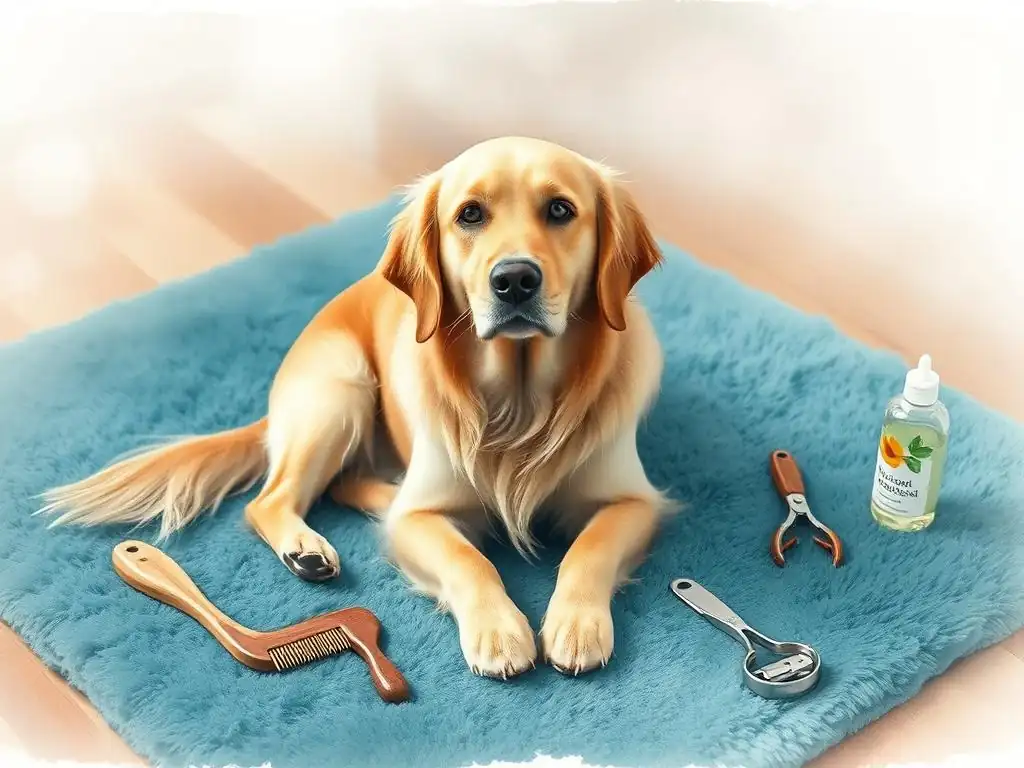
Maintaining a consistent dog grooming routine is crucial for your canine companion's health and well-being. A well-maintained coat prevents matting, reduces shedding, and helps detect potential skin problems early. This section outlines strategies for establishing and sticking to a long-term grooming plan, ensuring your dog stays happy and healthy. This complete guide will help you master the art of dog grooming.
Creating a Regular Grooming Schedule
Developing a regular grooming schedule tailored to your dog's breed and coat type is paramount. Short-haired breeds like Labradors might only need weekly brushing, while long-haired breeds such as Yorkshire Terriers may require daily attention to prevent matting. Consider these factors when creating your schedule:
- Breed: Different breeds have vastly different coat requirements. Research your dog's breed-specific needs. For example, a Poodle requires significantly more frequent grooming than a Boxer.
- Coat Type: Is your dog's coat short, long, wiry, or curly? This significantly impacts grooming frequency. Long, thick coats are more prone to matting and require more frequent brushing.
- Lifestyle: An active dog that spends a lot of time outdoors will likely need more frequent grooming than an indoor dog.
- Age: Senior dogs may experience changes in their coat and skin, necessitating adjustments to the grooming routine.
A sample schedule could look like this:
| Day | Activity | Frequency (Example) | Notes |
|---|---|---|---|
| Monday | Brushing | Daily | Focus on removing loose hair and tangles. |
| Wednesday | Nail trimming | Every 2-3 weeks | Check regularly for overgrown nails. |
| Friday | Ear cleaning | Weekly | Use a pet-safe ear cleaner. |
| Saturday | Full body check/bath (as needed) | Every 4-6 weeks | Adjust frequency based on your dog's needs. |
Remember to be patient and gentle during grooming sessions. Positive reinforcement with treats and praise can make the experience more enjoyable for both you and your dog. Make it a positive experience, associating grooming with rewards.
Recognizing When Professional Grooming is Necessary
While many grooming tasks can be handled at home, there are times when professional grooming is necessary. This is especially true for breeds with complex coat types or dogs that require specialized attention. Consider professional grooming if:
- You're struggling with matting: Severe matting can be painful and difficult to remove at home. A professional groomer has the tools and expertise to safely detangle your dog's coat.
- Your dog has a complex coat: Breeds like Poodles or Shih Tzus require specific trimming techniques best left to experienced groomers.
- You need a specific style: If you want a particular haircut or style for your dog, a professional groomer can achieve the desired look.
- You lack the time or equipment: Grooming can be time-consuming, and professional groomers have the necessary equipment to make the process more efficient.
- Your dog is anxious or fearful: A professional groomer is trained to handle anxious dogs and create a calm and reassuring environment.
Regular professional grooming can be a worthwhile investment in your dog’s overall well-being, particularly for breeds with complex coat requirements or those prone to matting.
Identifying Potential Issues: When to Seek Veterinary Attention
During your regular grooming sessions, carefully examine your dog's skin and coat for any abnormalities. Early detection of potential problems can significantly improve treatment outcomes. Seek veterinary attention immediately if you notice:
- Excessive shedding: While shedding is normal, excessive shedding could indicate underlying health issues like allergies or hormonal imbalances.
- Skin irritations or lesions: Redness, bumps, sores, or excessive scratching could indicate allergies, infections, or parasites.
- Unusual odor: A persistent foul odor from your dog's coat or skin may signal a skin infection or other health problem.
- Changes in coat texture: A dull, dry, or brittle coat might be a sign of nutritional deficiencies or underlying medical conditions.
- Hair loss: Patchy hair loss or complete baldness requires immediate veterinary assessment.
Regular grooming is not just about aesthetics; it’s a vital part of preventative healthcare for your canine companion. By being attentive to these potential issues, you can ensure your dog receives prompt and appropriate veterinary care when needed. Remember, a healthy dog is a happy dog! 🐾
Frequently Asked Questions
How often should I groom my dog?
This depends on your dog's breed and coat type. Generally, short-haired dogs need less frequent grooming than long-haired breeds. Aim for at least a weekly brushing, but daily brushing may be necessary for some breeds to prevent matting.
What tools do I need for a complete dog grooming session?
You'll need a good quality brush, suitable for your dog's coat, a comb to remove tangles, nail clippers, ear cleaning solution, and shampoo and conditioner formulated for dogs. Consider adding toothpaste and a toothbrush for dental hygiene.
How do I safely trim my dog's nails?
Only cut the quick (the pink part of the nail containing nerves and blood vessels), to avoid causing pain and bleeding. If unsure, consult a professional groomer for your first few nail trims to learn the proper technique.
What's the best way to clean my dog's ears?
Use a dog-specific ear cleaning solution, and gently wipe the inside of the ear flap with a soft cloth. Never insert anything deep into the ear canal, as this can cause injury. Regular cleaning will help prevent infections.
My dog hates grooming, what can I do?
Start with short, positive grooming sessions, rewarding your dog with treats and praise. Gradually increase the duration of the sessions. Consider using calming aids or consulting a professional groomer or veterinary behaviorist if your dog has severe anxiety.
Final Reflection: Pawsitive Grooming Practices for a Lifetime of Love
The comprehensive dog grooming checklist detailed in this guide isn't just about achieving a perfectly coiffed canine; it's about fostering a deeper bond and ensuring the long-term health and happiness of your furry friend. Regular grooming isn't a mere aesthetic pursuit; it's a vital component of responsible pet ownership, impacting everything from their physical well-being to their emotional security.
The impact of consistent, attentive grooming extends far beyond a shiny coat. It allows for early detection of potential health issues, from skin irritations to parasites, fostering a proactive approach to veterinary care. A dog is the only thing on earth that loves you more than he loves himself.
– Josh Billings. This quote highlights the inherent trust and connection built through these intimate acts of care, strengthening the human-animal bond in profound ways. The simple act of brushing becomes a moment of connection, a silent conversation built on mutual respect and affection.
Now, consider your own canine companion. What small adjustments can you make to your grooming routine to enhance your bond and ensure their well-being? Take a moment to reflect on the checklist, identifying areas where you can improve your practices. Perhaps it's incorporating more frequent nail trims, dedicating extra time to brushing, or simply making the grooming session a more relaxed and enjoyable experience for both of you. Remember, every pawsitive step you take contributes to a richer, healthier, and more loving relationship with your beloved pet.
Unleash Your Dog's Inner Superstar: Grooming Mastery Awaits!
Thank you for learning about our ultimate dog grooming checklist! You now have the knowledge to keep your furry friend looking and feeling their best. Ready to put your new skills to the test?
- Master the art of at-home grooming: Download our free printable checklist (available on our website) to help you remember every step and conquer those tricky spots!
- Share your grooming successes (or challenges!): Join our PetCareWorld community on social media and share photos of your perfectly groomed pup! We'd love to see them.
- Reward your pup: Celebrate your success—and your dog's improved appearance—with a special treat or new toy!
So, what grooming task will you tackle first? Let us know your plans in the comments below!