
Snake Bites in Dogs: First Aid and What to Do Next


Welcome to PetCareWorld, your ultimate guide to happy and healthy pets! Are you prepared for the unexpected? We delve into a critical aspect of dog ownership: dog snake bite first aid. Learn the crucial steps to take if your canine companion suffers a snake bite – immediate action can mean the difference between life and death. Discover essential first aid techniques and understand what to do next in this vital guide. Explore our comprehensive resources and become a more confident and informed pet owner today.
- Recognizing a Snake Bite in Your Dog
- Immediate First Aid for Dog Snake Bites
- Transporting Your Dog After a Snake Bite
- Veterinary Treatment for Dog Snake Bites
- Preventing Future Snake Bites
- Long-Term Care and Recovery After a Dog Snake Bite
- Frequently Asked Questions
- Final Reflection: The Urgent Need for Canine Snake Bite Preparedness
- Ready to Protect Your Furry Friend?
Recognizing a Snake Bite in Your Dog
Snake bites in dogs are a serious veterinary emergency requiring immediate attention. This article serves as a crucial guide for pet owners, providing essential information on recognizing the signs of a snake bite, administering first aid, and understanding the subsequent steps to ensure your canine companion receives the best possible care. Prompt action can significantly improve the outcome for your dog, minimizing the severity of the envenomation and increasing the chances of a full recovery.
We will cover the key symptoms to watch for, how to distinguish a snake bite from other injuries, and the vital steps to take before and after seeking professional veterinary help. Remember, this information is for guidance only; professional veterinary care is always paramount in these situations. Early intervention is key in managing the effects of a venomous snake bite and preventing potentially life-threatening complications.
Identifying Snake Bite Symptoms in Dogs
Identifying a snake bite in your dog can be challenging as symptoms can vary depending on the type of snake, the amount of venom injected, and your dog's size and overall health. However, several common indicators can help you recognize a potential snake bite. These symptoms often manifest quickly, sometimes within minutes of the bite. Be vigilant and observant, as early detection is crucial for effective treatment. A prompt response can make a substantial difference in the outcome.
Some initial signs might include your dog exhibiting sudden, unexplained pain, yelping or whimpering, and showing signs of distress. They might also become lethargic or restless, exhibiting unusual behavior. Further observations should include careful examination of your dog's body for puncture wounds, which are often small and may be difficult to spot initially, especially if located in areas covered by fur. Look closely for any signs of swelling, bruising, or bleeding around the bite area.
The affected area may become noticeably swollen and tender to the touch. Pay attention to any changes in your dog's behavior, such as increased salivation, vomiting, or difficulty breathing. These symptoms can indicate a more serious reaction and necessitate immediate veterinary attention.
Common Snake Bite Signs: Swelling, Pain, Bleeding
The most common signs of a snake bite in dogs involve localized reactions at the bite site. Swelling is often a prominent symptom, rapidly increasing in size and intensity. The degree of swelling can vary depending on several factors, including the type of snake, the amount of venom injected, and the location of the bite. The area might feel hot and tender to the touch.
Pain is another significant indicator. Your dog may exhibit signs of discomfort, such as whimpering, yelping, or trying to lick or bite at the affected area. The severity of the pain can range from mild to excruciating.
Bleeding at the bite site can also occur, although it's not always present. The amount of bleeding can vary; sometimes it's minimal, while in other cases, it can be more significant. The presence or absence of bleeding doesn't necessarily correlate with the severity of the envenomation. Observe for any changes in your dog's breathing pattern.
Difficulty breathing or rapid, shallow breathing can indicate a more severe reaction. Monitor your dog closely for any signs of neurological symptoms, such as tremors, weakness, or incoordination. These can be indicative of venom affecting the nervous system. Keep a detailed record of the time of the suspected bite, the observed symptoms, and any changes in your dog's condition to aid the veterinarian in diagnosis and treatment.
Distinguishing Snake Bites from Other Injuries
It’s crucial to differentiate snake bites from other injuries that might present similar symptoms. A puncture wound from a thorn, a stick, or another object can mimic a snake bite, particularly if it's accompanied by pain and swelling. However, snake bites often exhibit specific characteristics that can help distinguish them. The presence of two distinct puncture wounds, typically close together, is a strong indicator of a snake bite.
These puncture marks are caused by the fangs of the snake. Unlike other injuries, snake bites often cause rapid and significant swelling, which can spread quickly beyond the immediate bite area. A localized area of intense pain, often accompanied by discoloration and bruising, also suggests a snake bite. Note that the absence of visible puncture wounds does not rule out a snake bite, as fangs can sometimes leave minimal or no visible marks.
Remember, accurate identification is essential for effective treatment. If you suspect your dog has been bitten by a snake, err on the side of caution and seek immediate veterinary care. Do not attempt to treat the injury at home.
The best course of action is always to consult with a veterinarian as soon as possible. Providing the veterinarian with as much information as possible about the circumstances of the injury and any observed symptoms will assist them in providing the best possible care for your dog. Time is of the essence when dealing with snake bites, so prompt veterinary intervention is critical.
Immediate First Aid for Dog Snake Bites
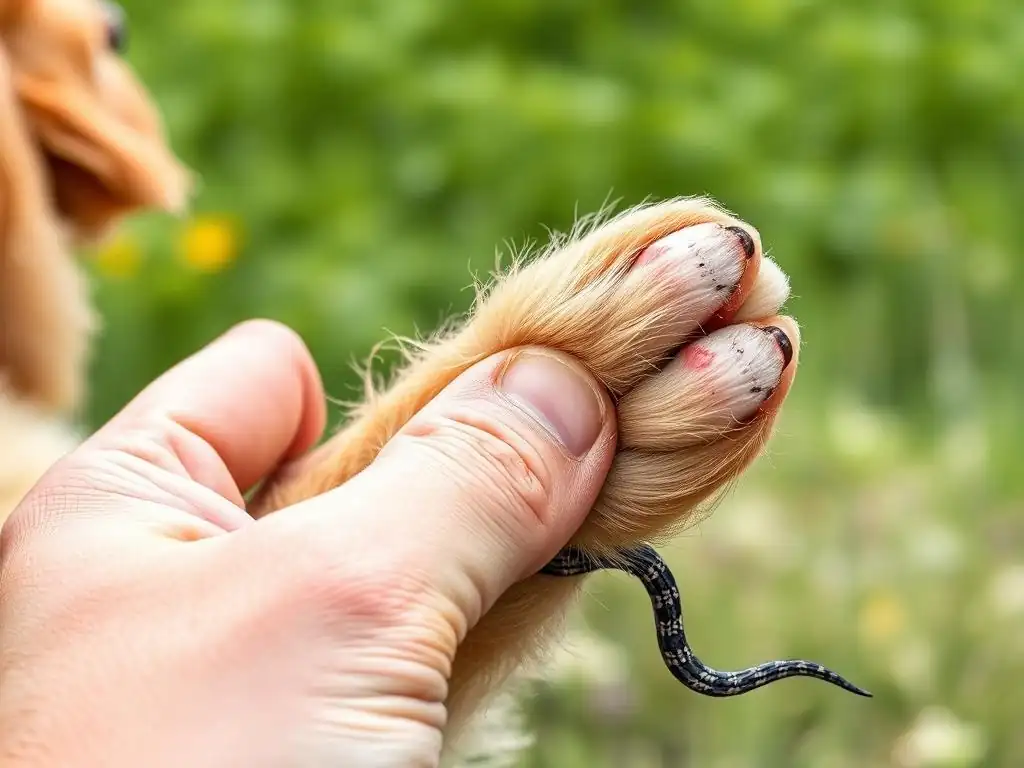
This section focuses on the crucial first steps you should take immediately after discovering your dog has been bitten by a snake. Swift and correct action can significantly impact the outcome. Remember, time is of the essence when dealing with venomous snake bites in dogs. Efficient dog snake bite first aid is paramount.
Steps to Take Immediately After a Snake Bite
The first few minutes after a snake bite are critical. Panic can hinder effective action, so try to remain calm and assess the situation. Here's a breakdown of the immediate steps to take:
- Ensure Your Own Safety: Before approaching your dog, prioritize your safety. If the snake is still present, cautiously move away and keep a safe distance. Do not attempt to catch or kill the snake; this could put you at risk. If possible, try to safely photograph the snake from a distance to help in identification later. This will assist the veterinarian in determining the appropriate antivenom.
- Assess the Dog's Condition: Carefully examine your dog for the bite wound. Note the location, size, and appearance of the bite. Look for signs of swelling, bleeding, or other symptoms such as lethargy, vomiting, or difficulty breathing. These are important indicators to relay to the veterinarian.
- Move Your Dog to Safety: Gently move your dog to a safe, quiet location away from further potential danger. Avoid unnecessary stress and exertion. Using a blanket or towel to gently guide them can be helpful.
- Contact Emergency Veterinary Services: Immediately contact your veterinarian or an emergency animal hospital. Describe the situation clearly, including the suspected type of snake (if known), the time of the bite, and your dog's current condition. Follow their instructions carefully. Many veterinary emergency services offer invaluable advice over the phone while you are transporting your dog.
- Restraint and Transport: While waiting for veterinary assistance, gently restrain your dog to prevent further movement and reduce the spread of venom. Use a blanket or towel to wrap your dog securely but not tightly. Transport your dog to the veterinary clinic carefully, minimizing jarring movements.
Keeping Your Dog Calm and Still: Importance and Techniques
Keeping your dog calm and still is crucial after a snake bite. Movement increases blood circulation, potentially spreading the venom more rapidly throughout the body. This can exacerbate the effects of the venom and worsen the prognosis. Therefore, minimizing movement is a primary aspect of effective dog snake bite first aid.
Here are some techniques to help keep your dog calm:
- Speak in a soothing voice: Use a calm and reassuring tone to comfort your dog. Your voice can have a surprisingly calming effect.
- Gentle handling: Avoid sudden movements or rough handling. Approach your dog slowly and gently, speaking softly.
- Use a blanket or towel: Wrapping your dog in a blanket or towel can provide a sense of security and help to restrict movement.
- Avoid eye contact: Direct eye contact can be perceived as threatening by some dogs, increasing their anxiety.
- Minimize external stimuli: Keep the environment quiet and dark to reduce stimulation and stress.
Preventing Further Venom Spread: Immobilization Techniques
The spread of venom is directly related to the level of your dog's physical activity. Immobilization is therefore a critical component in dog snake bite first aid to mitigate the effects of the venom. While you are waiting for transport to the veterinary clinic, employ gentle but firm immobilization techniques.
- Avoid applying a tourniquet: Contrary to popular belief, tourniquets are generally not recommended for snake bites in dogs. They can cause more harm than good by restricting blood flow and potentially leading to tissue damage.
- Gentle Restraint: Use a blanket or towel to gently restrain your dog, preventing excessive movement. The goal is to limit movement, not to constrict blood flow.
- Keep the bite area below heart level: If possible, keep the bitten limb below the level of your dog's heart. This helps to slow down the spread of venom through gravity. This is particularly important if the bite is on a leg.
- Monitor Vital Signs: Observe your dog closely for any changes in breathing, heart rate, or behavior. Note any changes and relay this information to your veterinarian.
Remember, while these steps are crucial, professional veterinary care is essential for effective treatment. The information provided here should not replace the guidance of a qualified veterinarian. Prompt and appropriate veterinary intervention is the key to a positive outcome after a snake bite.
Cleaning the Bite Wound: Proper Procedures
Cleaning a snake bite wound on your dog is crucial to prevent infection and promote healing. However, it's vital to remember that this step should only be performed after you've ensured your dog's safety and have taken steps to minimize further venom spread. Rushing this process could lead to further complications.
The first priority is to gently but thoroughly wash the area around the bite. Use lukewarm, clean water and a mild, unscented soap. Avoid using harsh chemicals or antiseptic solutions, as these can irritate the already damaged tissue and potentially hinder the healing process. Scrubbing too vigorously should also be avoided; a gentle, circular motion is sufficient. The goal is to remove any dirt, debris, or venom that remains on the surface of the skin.
Next, consider using a sterile saline solution to further cleanse the wound. This helps to flush out any lingering venom or bacteria. You can purchase sterile saline solution at most pharmacies. If you don't have access to saline solution, boiled and cooled water can be a suitable alternative, although it's not as effective. Remember to always use clean materials, such as sterile gauze pads, to avoid introducing further contamination.
After cleansing, carefully examine the wound for any embedded fangs or venom sacs. If you see any, do not attempt to remove them yourself. This can cause further tissue damage and potentially release more venom. Instead, leave the removal to veterinary professionals. Your focus should remain on cleaning the external area and preventing further infection.
Document the appearance of the wound, including size, depth, and any visible signs of infection, such as redness, swelling, or pus, to relay this information accurately to the veterinarian. This detailed description will assist them in determining the appropriate treatment plan. Accurate observations are paramount in effective emergency care for dog snake bites. 🐾
Transporting Your Dog After a Snake Bite
After administering initial first aid for a dog snake bite, safely transporting your pet to a veterinary professional is crucial. Speed is of the essence, as venom can rapidly spread throughout your dog's system. The method of transport you choose will significantly impact your dog's comfort and the potential for further injury during transit. Remember, your priority is to get your dog to professional care as quickly and safely as possible. This section focuses on ensuring your dog receives the best possible care during this critical phase.
Safe Transport Methods to the Veterinary Clinic
Choosing the right transportation method depends on several factors, including the severity of the bite, your dog's size and temperament, and the distance to the veterinary clinic. Here's a breakdown of safe transport options:
- For Mild Bites and Short Distances: If the bite seems relatively mild and the veterinary clinic is nearby, carefully placing your dog in a secure carrier or crate may be sufficient. Ensure the carrier is well-ventilated and padded to minimize discomfort. Avoid any sudden movements that might agitate your dog and potentially worsen the bite.
- For Severe Bites or Long Distances: For severe bites or longer distances, a sturdy pet carrier placed in the back seat of a vehicle, secured with a seatbelt (if possible), is recommended. Consider using a blanket or towel to secure your dog gently within the carrier, preventing them from moving excessively. Alternatively, if your dog is calm and cooperative, a well-fitted harness and seatbelt system in the back seat can provide secure transport. Avoid letting your dog ride unrestrained, as this could lead to further injury during emergency braking.
- Emergency Situations: In emergency situations, call your veterinarian or an emergency animal hospital before attempting transport. They might advise you on the best transport method based on your dog's condition and local resources. They may even send an emergency vehicle to assist.
Remember to remain calm and reassure your dog throughout the transport process. Speaking in a soothing voice and gently petting your dog (if safe to do so) can help reduce their stress and anxiety. Observe your dog closely during transit for any changes in their condition and report these immediately to the veterinary clinic upon arrival. Your calm and decisive actions significantly contribute to your dog's successful recovery.
Contacting Your Veterinarian or Emergency Animal Hospital
Time is critical when dealing with a snake bite. Before even beginning to transport your dog, contacting your veterinarian or an emergency animal hospital is paramount. Having them prepared for your arrival will ensure a swift and efficient treatment process. Here's what you should do:
- Gather Information: Before calling, gather as much information as possible, including the location of the bite, the approximate time of the bite, any symptoms your dog is exhibiting (swelling, lethargy, difficulty breathing, etc. ), and, if possible, a description of the snake (color, pattern, size). A photo, if you can safely take one, can be immensely helpful.
- Clear and Concise Communication: When you call, speak clearly and concisely. Provide the relevant information gathered beforehand. Don't hesitate to ask questions if you are unsure about anything. The veterinary staff will guide you on the best course of action and prepare for your dog's arrival.
- Follow Instructions: Follow the instructions provided by the veterinary staff precisely. They may advise you on specific actions to take while en route to the clinic, such as keeping your dog warm or providing supportive care. Their guidance is invaluable in ensuring the best possible outcome for your pet.
- Emergency Preparedness: Consider having your veterinarian's contact information, as well as the nearest emergency animal hospital, readily available in case of an emergency. This preparedness will save valuable time and reduce stress during a critical situation. Adding these numbers to your phone's contacts under "Pet Emergency" ensures easy access.
Remember, prompt action and clear communication are crucial for successful treatment of a dog snake bite. Your swift response and cooperation with veterinary professionals significantly increase your dog's chances of a full recovery. 🐶
Veterinary Treatment for Dog Snake Bites

This section details the crucial veterinary intervention required after a dog experiences a snake bite. Prompt and appropriate veterinary care is paramount to maximizing your dog's chances of a full recovery. The severity of the bite and the type of snake involved significantly influence the treatment approach. Remember, never attempt to treat a snake bite at home; immediate professional veterinary attention is essential. This information is for educational purposes only and does not replace the expertise of a veterinarian.
Diagnosis and Assessment by the Veterinarian
Upon arrival at the veterinary clinic, a thorough assessment is critical. The veterinarian will first stabilize your dog, addressing any immediate life-threatening issues such as respiratory distress or shock. This initial stabilization might involve intravenous fluids to maintain blood pressure and oxygen therapy if needed. Accurate diagnosis hinges on several key steps:
- Detailed History: The veterinarian will gather information about the incident, including the time of the bite, the location, and if possible, a description of the snake (size, color, markings). A photograph, if safely obtained, can be incredibly helpful in identification. Even a vague description can aid in determining the potential toxicity of the venom.
- Physical Examination: A comprehensive physical exam is crucial. The veterinarian will look for puncture wounds, swelling, bleeding, and signs of systemic effects like lethargy, weakness, vomiting, or difficulty breathing. The location of the bite is also important; bites to the face or neck are particularly concerning due to potential airway compromise.
- Laboratory Tests: Depending on the severity of the bite and the veterinarian's assessment, various laboratory tests might be ordered. These can include a complete blood count (CBC) to assess blood clotting and red blood cell levels, a blood chemistry panel to evaluate organ function, and potentially coagulation studies to measure the blood's clotting ability. In some cases, venom detection tests might be available, aiding in the identification of the specific venom involved. Early detection of venom effects is vital for effective treatment.
The information gathered during this initial assessment guides the veterinarian in determining the appropriate treatment strategy. Accurate and timely diagnosis is absolutely key to successful management of canine snake bites.
Treatment Options: Antivenom, Supportive Care
Treatment for dog snake bites broadly falls into two categories: antivenom administration and supportive care. The decision regarding antivenom use depends on several factors, including the severity of the bite, the species of snake involved, and your dog's overall health.
- Antivenom: Antivenom is a specific treatment for snake venom. It neutralizes the toxins, reducing the severity of the effects. However, antivenom administration isn't always necessary, and its use carries potential risks, including allergic reactions. The veterinarian will carefully weigh the benefits and risks before administering antivenom. The availability of specific antivenoms also varies geographically.
- Supportive Care: This forms the cornerstone of treatment in many cases, even when antivenom is used. Supportive care aims to manage the symptoms and maintain vital functions. This might involve:
- Intravenous fluids to address dehydration and maintain blood pressure.
- Pain management medication to alleviate discomfort.
- Oxygen therapy if respiratory difficulties arise.
- Monitoring vital signs (heart rate, respiratory rate, blood pressure) closely.
- Treatment for secondary infections if the bite wound becomes infected.
- Medication to control vomiting and nausea if present.
The approach to supportive care is highly individualized, tailored to the specific needs of the dog and the progression of the symptoms. Careful and consistent monitoring is crucial.
Monitoring Your Dog's Recovery After a Snake Bite
Even after successful initial treatment, close monitoring is essential. Your veterinarian will likely recommend regular follow-up appointments to assess your dog's progress. The recovery period varies depending on the severity of the bite and the individual dog. During the recovery phase, watch for any signs of complications such as:
- Increased swelling or pain at the bite site.
- Changes in appetite or behavior.
- Difficulty breathing or other respiratory problems.
- Bleeding disorders.
- Signs of infection (pus, redness, swelling).
Reporting any of these signs immediately to your veterinarian is crucial. Early detection of complications allows for prompt intervention and can significantly improve the prognosis. Remember, patience and careful observation are key components of successful recovery from a snake bite. Providing a comfortable and supportive environment for your dog during this period is essential for their well-being. A speedy recovery is most likely with prompt veterinary care and diligent monitoring. 🐶
Preventing Future Snake Bites

Preventing future snake bites requires a multi-pronged approach focusing on understanding your local snake population, creating a safe environment for your dog, and training your dog to avoid snakes. This proactive strategy significantly reduces the risk of another potentially life-threatening encounter. The severity of a snake bite depends heavily on factors like the type of snake, the amount of venom injected, and your dog's size and overall health. Therefore, prevention is paramount.
Recognizing Venomous Snakes in Your Area
Knowing which venomous snakes inhabit your region is crucial. Different geographical areas have different species. For example, the southeastern United States has a high concentration of copperheads and rattlesnakes, while the western regions may see more Mojave rattlesnakes and coral snakes. Familiarize yourself with the appearance of these snakes. Look for key characteristics such as:
- Rattlesnakes: The obvious rattle at the end of their tail, triangular head shape, and heat-sensing pits between the eyes and nostrils.
- Copperheads: A distinctive hourglass-shaped pattern on their back, reddish-brown in color, and a relatively stout body.
- Coral Snakes: Bright red, yellow, and black bands, often with a specific banding pattern (remember the rhyme: "Red on yellow, kill a fellow; red on black, venom lack," but this is not foolproof).
- Cottonmouths (Water Moccasins): Dark, almost black, with a broad head, and often found near water.
Understanding these visual cues allows you to identify potential threats and take preventative measures. Consult local wildlife resources or herpetologists for a definitive list of venomous snakes in your area. Local wildlife organizations or park rangers can often provide valuable information and educational resources specific to your region. Accurate identification is key to understanding the potential severity of a bite and taking appropriate action.
Creating a Safe Environment for Your Dog
Modifying your dog's environment can greatly reduce the likelihood of snake encounters. Simple steps can make a significant difference:
- Keep your yard well-maintained: High grass and overgrown vegetation provide excellent hiding places for snakes. Regular mowing and trimming of bushes and shrubs can significantly reduce the risk.
- Secure trash cans and compost piles: Snakes are attracted to areas with readily available food sources, such as rodents attracted to garbage and decaying organic matter. Securely lidded trash cans and regularly emptied compost piles help minimize these attractants.
- Limit access to wooded areas and brush: If possible, restrict your dog's access to areas known to be snake habitats. Use fencing or other barriers to create safe zones within your property.
- Inspect areas before letting your dog outside: Before allowing your dog to roam freely, take the time to visually inspect the area for snakes. Look under rocks, logs, and other potential hiding places. This simple precaution can save your dog from a dangerous encounter.
Training Your Dog to Avoid Snakes
Training your dog to avoid snakes is a valuable preventative measure. While complete avoidance isn’t always guaranteed, training can significantly reduce the risk:
- Positive reinforcement: Use positive reinforcement techniques to teach your dog to avoid snakes. When your dog shows signs of interest in a snake (e.g., sniffing or staring), immediately redirect their attention with a verbal cue ("Leave it!") and reward them with treats or praise. Consistency is key.
- Controlled exposure (with supervision): Under careful supervision, gradually introduce your dog to the sight and smell of snakes (non-venomous, if possible, or images/smells) from a safe distance. Always reward calm behavior and immediately redirect if they show aggression or excessive interest.
- Avoid punishment: Punishment is counterproductive and can create fear and anxiety in your dog, making them more likely to react defensively if they encounter a snake. Focus on positive reinforcement and reward desired behaviors.
- Professional help: Consider consulting a professional dog trainer experienced in snake avoidance training. They can provide tailored guidance and support based on your dog's temperament and learning style. A professional trainer can offer specialized techniques and strategies to effectively train your dog to avoid snakes.
Remember, prevention is the best approach to protecting your dog from snake bites. By combining awareness, environmental modifications, and proactive training, you can significantly reduce the risk and ensure your dog's safety. Always prioritize your pet's well-being and seek professional veterinary care immediately if a bite occurs.
Using Repellents to Deter Snakes
Several commercially available snake repellents claim to deter snakes from your property. These products often contain natural ingredients like sulfur, naphthalene, or essential oils like cinnamon or clove oil, which are thought to be unpleasant to snakes. However, it's crucial to understand that the effectiveness of these repellents varies greatly depending on the species of snake, the concentration of the active ingredient, and the application method.
Some repellents may only offer temporary deterrence, while others may be completely ineffective. Always read the product label carefully and follow the instructions precisely for optimal results. Remember that many repellents need to be reapplied frequently, especially after rain.
Furthermore, the long-term effectiveness of chemical repellents is questionable. Snakes may become habituated to the scent over time, rendering the repellent useless. Additionally, some repellents might harm beneficial wildlife in your garden or even pose a risk to your pets if ingested. Therefore, it's essential to choose a repellent that is safe for pets, children, and the environment. Opt for natural, biodegradable options whenever possible, and always store repellents out of reach of children and animals. Consider the overall impact on the ecosystem when using any chemical product, as eliminating snakes completely could disrupt the natural balance.
Beyond commercial repellents, you can employ natural deterrents. Maintaining a well-maintained lawn, removing brush piles and debris where snakes might hide, and sealing any gaps or cracks in your home's foundation can significantly reduce the attractiveness of your property to snakes. Regularly mowing your lawn and trimming bushes keeps the area open and less appealing to snakes that prefer shaded, cluttered spaces.
This proactive approach to habitat modification is often more effective than relying solely on repellents. Remember, a multi-pronged approach combining habitat modification and, if necessary, careful use of repellents, will yield the best results in preventing future snake bites.
Long-Term Care and Recovery After a Dog Snake Bite
Following immediate first aid and veterinary intervention for a dog snake bite, long-term care plays a crucial role in ensuring a complete recovery. This phase focuses on monitoring for potential complications, adhering to the veterinarian's treatment plan, and providing a supportive home environment conducive to healing. Successful management during this period minimizes the risk of long-term health issues and promotes the dog's overall well-being.
Remember, consistent monitoring and prompt attention to any changes in your dog's condition are paramount. The severity of the bite and the type of snake involved significantly influence the length and intensity of the recovery period.
Monitoring for Complications: Swelling, Infection
Careful observation is critical in the days and weeks following a snake bite. Swelling at the bite site is common and often subsides gradually. However, excessive or rapidly increasing swelling could indicate a severe reaction or infection. Monitor the affected area for:
- Increased Swelling: Measure the swelling daily using a flexible tape measure. Significant increases warrant immediate veterinary attention.
- Pain and Discomfort: Observe your dog's behavior for signs of pain, such as limping, whining, or reluctance to use the affected limb. Pain management as prescribed by the vet is crucial.
- Changes in Skin Color: Note any discoloration around the bite, such as redness, bruising, or darkening. These could suggest infection or tissue damage.
- Pus or Drainage: The presence of pus or any drainage from the bite site is a clear sign of infection, requiring prompt veterinary intervention. Don't attempt to treat this yourself; consult your vet immediately.
- Fever and Lethargy: A high fever and unusual lethargy are further indicators that a serious complication may be developing. These symptoms require immediate veterinary care.
Maintaining a detailed record of your observations, including measurements and any changes in your dog's behavior, will be invaluable for your vet during follow-up appointments. A visual log with photos can also be very helpful. Remember, early detection of complications significantly improves the chances of successful treatment. Don't hesitate to contact your veterinarian if you have any concerns whatsoever.
Follow-up Veterinary Appointments and Check-ups
Your veterinarian will schedule follow-up appointments to monitor your dog's progress and ensure the healing process is proceeding as expected. These check-ups are essential for several reasons:
- Assessment of Healing: The vet will examine the bite site to assess the extent of healing, checking for signs of infection or complications.
- Medication Adjustments: Depending on your dog's response to treatment, the vet may adjust the dosage or type of medication.
- Detection of Late-Onset Complications: Some complications, such as nerve damage or tissue necrosis, may not manifest immediately. Regular check-ups help detect these issues early.
- Discussion of Long-Term Care: The vet will provide guidance on ongoing care, including pain management and any necessary physical therapy.
Attending all scheduled appointments is crucial for ensuring your dog's complete recovery and preventing potential long-term problems. Be sure to ask questions and communicate any concerns you may have to your vet during these visits. Active participation in your dog's care greatly increases the likelihood of a positive outcome. Don't underestimate the importance of these follow-ups; they are a vital part of the recovery process.
Providing Supportive Care at Home: Rest, Hydration, Nutrition
While veterinary treatment addresses the immediate effects of the snake bite, providing supportive care at home is equally important for your dog's recovery. This involves focusing on rest, hydration, and proper nutrition.
- Rest and Restricted Activity: Your dog will need ample rest to allow the body to heal. Restrict strenuous activity and limit playtime to prevent re-injury or exacerbation of the wound. A quiet, comfortable space is essential.
- Hydration: Ensure your dog has constant access to fresh, clean water. Dehydration can hinder the healing process. If your dog seems reluctant to drink, encourage them with broth or other palatable fluids.
- Nutrition: Provide a balanced diet that is easy to digest. Small, frequent meals may be better tolerated than large ones. Consult your vet about any dietary adjustments, particularly if your dog is experiencing nausea or loss of appetite. A healthy diet supports the immune system and aids in recovery.
Monitoring your dog's overall condition is vital during this period. Even seemingly minor changes in appetite, energy levels, or behavior could indicate a problem. Don't hesitate to contact your veterinarian if you notice anything unusual. Providing a calm, comfortable, and supportive home environment significantly contributes to a smoother and faster recovery. 🐕🦺
Frequently Asked Questions
What are the first signs of a snake bite in my dog?
Signs can vary, but often include sudden swelling and pain at the bite site, excessive drooling, vomiting, and lethargy. Seek immediate veterinary attention if you suspect a snake bite.
How do I administer first aid to my dog after a snake bite?
Keep your dog calm and still. Try to note the snake's appearance if possible (for identification purposes). Immediately transport your dog to the nearest veterinary clinic.
What should I not do if my dog is bitten by a snake?
Do not apply a tourniquet or attempt to suck out the venom. Do not give your dog any medication without veterinary guidance. Focus on getting your dog to the vet swiftly.
Are all snake bites equally dangerous?
No, the severity depends on the type of snake and the amount of venom injected. Some snakes have venom that's more toxic than others. Immediate veterinary care is always crucial.
How can I prevent my dog from being bitten by a snake?
Keep your dog on a leash in areas where snakes are known to live. Avoid tall grass and brush during walks. Be vigilant and check your yard regularly for snakes.
Final Reflection: The Urgent Need for Canine Snake Bite Preparedness
The silent threat of snake bites remains a significant danger to our canine companions, demanding immediate action and informed preparedness. Every year, countless dogs suffer from venomous bites, highlighting the critical need for widespread knowledge of first aid and subsequent veterinary care. This isn't just about statistics; it's about saving lives.
The impact of a snake bite extends far beyond the immediate pain and swelling. It's a deeply unsettling experience for both the dog and its owner, often leading to significant emotional distress and financial burdens. The best way to deal with fear is to face it,
a wise friend once told me, and this holds true for confronting the possibility of a snake bite. Understanding the steps to take, from initial first aid to seeking professional veterinary help, empowers us to act decisively and effectively during a crisis, mitigating the potential for long-term consequences. This knowledge is not just helpful; it's essential for responsible pet ownership.
Now, consider what you've learned. Take a moment to reflect on the practical steps outlined in this article. Imagine yourself in a situation where your dog is bitten – are you prepared? Do you know the nearest veterinary clinic equipped to handle venomous bites? Have you discussed emergency plans with your veterinarian? By actively preparing and sharing this vital information with fellow dog owners, we can build a stronger network of support and significantly improve the chances of a positive outcome for our beloved canine friends. Let's work together to ensure the safety and well-being of our furry companions.
Ready to Protect Your Furry Friend?
Thank you for learning about snake bites in dogs! Quick action is crucial. Let's focus on ensuring your dog's safety.
- Immediately contact your veterinarian or an emergency animal hospital. Their expert advice is vital.
- Keep a detailed record of the incident, including the time, location, and a description of the snake, if possible. This information is essential for effective treatment.
- Share this vital information with other pet owners in your community. Join the conversation on our PetCareWorld social media pages to help others prepare for similar situations.
What steps will you take today to better prepare for unexpected emergencies with your dog?