
Decoding Dog Behavior: Advanced Techniques for Problem Solving


Welcome to PetCareWorld, your ultimate guide to a happier, healthier life for your beloved pets! Are you facing a challenging canine companion? Dive into our expert insights on Advanced Dog Behavior Problem Solving and unlock the secrets to understanding and resolving even the most complex issues. Discover practical techniques and proven strategies to transform your relationship with your dog and build a stronger, more harmonious bond. Let's embark on this journey together – your pet's well-being is our priority!
- Understanding Canine Communication: Beyond the Basics
-
Advanced Dog Behavior Problem Solving: Common Challenges
- Addressing Aggression: Types, Triggers, and Effective Mitigation Strategies
- Separation Anxiety: Identifying Symptoms and Implementing Solutions
- Excessive Barking: Pinpointing Causes and Implementing Training Techniques
- Destructive Chewing: Understanding the Root Causes and Finding Solutions
- House Soiling: Identifying Underlying Medical and Behavioral Issues
- Advanced Training Techniques for Problem Solving
- Creating a Safe and Enriching Environment for Your Dog
- Advanced Dog Behavior Problem Solving: Case Studies
- When to Seek Professional Help: Recognizing the Limits of DIY Solutions
- Maintaining Progress and Preventing Relapse
-
Frequently Asked Questions
- What is considered an "advanced" dog behavior problem?
- How can I tell if I need a professional for my dog's behavior problems?
- What are some common advanced dog behavior problems addressed by PetCareWorld?
- What kind of advanced techniques are discussed on PetCareWorld regarding dog behavior?
- How can I find a qualified professional to help with my dog's advanced behavior problems?
- Final Reflection: Unlocking Canine Communication for a Harmonious Future
- Unlock Your Dog's Potential: Mastering Canine Communication
Understanding Canine Communication: Beyond the Basics
Understanding your dog's behavior is crucial for building a strong bond and resolving behavioral problems. This article delves into advanced techniques for interpreting canine communication, going beyond simple commands and exploring the nuanced signals dogs use to express their needs and emotions. Effective problem-solving in dog behavior relies heavily on accurately interpreting these subtle cues, allowing you to address the root cause of unwanted behaviors rather than simply suppressing the symptoms.
We'll explore the complexities of canine body language, vocalizations, and how environmental factors interact with behavior to create a holistic understanding of your canine companion. This approach to advanced dog behavior problem solving will empower you to become a more effective and empathetic pet owner. Mastering these skills will transform your relationship with your dog and equip you to tackle even the most challenging behavioral issues with confidence and understanding.
Reading Body Language: Subtle Signals of Canine Stress and Anxiety
Canine body language is far richer and more complex than many pet owners realize. Subtle shifts in posture, facial expressions, and even tail wags can reveal a wealth of information about your dog's emotional state. Recognizing signs of stress and anxiety is paramount for preventing escalation and addressing underlying issues. For example, a tucked tail, pinned ears, yawning (not necessarily indicating tiredness), lip licking, and whale eye (showing the whites of their eyes) are all common indicators of canine anxiety.
These subtle signals often precede more overt displays of fear or aggression. Understanding these precursors allows for proactive intervention, preventing potentially problematic behaviors from developing. A relaxed dog will typically have a loose, slightly wagging tail, soft eyes, and a generally open and approachable posture.
Conversely, a tense dog will exhibit stiffness, avoidance, and the aforementioned stress signals. Consistent observation and learning to differentiate these subtle cues are fundamental to advanced dog behavior problem solving. Remember, early identification is key to effective intervention.
Deciphering Vocalizations: Barks, Whines, Growls, and Their Meanings
While barks are often the most noticeable vocalization, their meaning can be surprisingly multifaceted. A high-pitched, rapid bark might indicate excitement, while a low growl signifies warning or fear. Whines can express a range of emotions, from pain and discomfort to seeking attention or appeasement. Understanding the nuances of your dog's vocalizations, including pitch, duration, and context, is crucial.
For instance, a short, sharp bark might signal a quick alert, while a prolonged, insistent barking could indicate territorial guarding or anxiety. Similarly, a high-pitched whine might suggest pain or distress, whereas a low-pitched whine might indicate a request for something. The frequency and intensity of the vocalizations should also be considered.
A single, soft whine is likely different from a series of high-pitched, frantic whines. Careful observation and record-keeping—perhaps noting the circumstances surrounding each vocalization—can significantly improve your ability to decipher your dog's communications and address underlying issues effectively. This detailed approach to understanding vocal cues is a cornerstone of advanced dog behavior problem solving.
Interpreting Contextual Clues: Environment and Behavior Interaction
Understanding your dog's behavior requires considering the context in which it occurs. The environment plays a significant role in shaping behavior. A dog that behaves perfectly at home might exhibit anxiety or aggression in unfamiliar settings. Factors such as the presence of other dogs, people, or even specific objects can trigger unwanted behaviors.
For example, a dog fearful of loud noises might become anxious during thunderstorms, exhibiting behaviors like trembling, hiding, or destructive chewing. Similarly, a dog with separation anxiety might exhibit destructive behaviors when left alone. Analyzing the environment and identifying potential triggers is crucial for developing effective solutions.
This might involve desensitization and counter-conditioning techniques to gradually help your dog overcome their fears or anxieties within the specific contexts that trigger them. By paying close attention to the interplay between your dog's environment and their behavior, you can identify patterns and address the root cause of behavioral problems, which lies at the heart of advanced dog behavior problem solving. This holistic approach to understanding your dog's behavior will greatly improve your ability to provide effective support and training.
Advanced Dog Behavior Problem Solving: Common Challenges
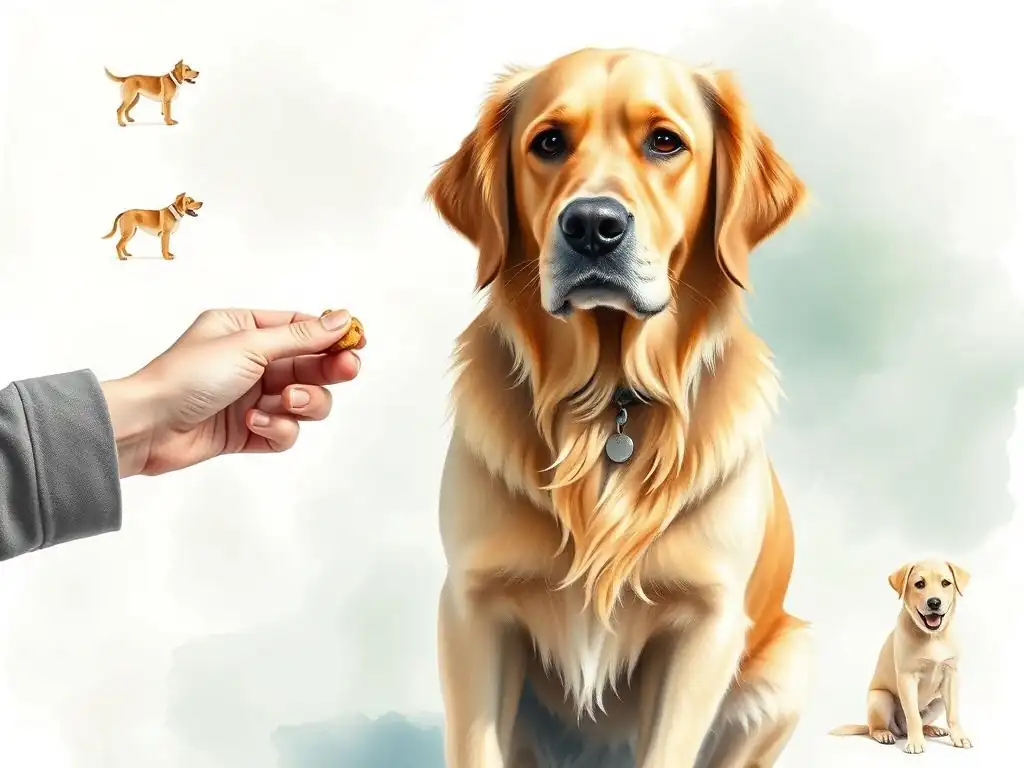
This section delves into advanced techniques for resolving common canine behavioral issues. We'll move beyond basic obedience training and explore nuanced approaches to address complex problems. Remember, consistent effort and patience are key to success in advanced dog behavior problem solving. Understanding the underlying causes is paramount to effectively modifying unwanted behaviors.
Addressing Aggression: Types, Triggers, and Effective Mitigation Strategies
Aggression in dogs manifests in various forms, each requiring a tailored approach. Understanding the type of aggression is crucial for effective mitigation. Common types include:
- Fear-based aggression: Dogs exhibiting this type of aggression are often scared or anxious and react defensively. They may growl, snap, or bite when feeling threatened or cornered.
- Dominance aggression: This is often misunderstood. It's rarely about true dominance hierarchies but rather a dog's attempt to control resources (food, toys, space) or situations.
- Territorial aggression: This aggression is directed at protecting a perceived territory, be it the house, yard, or even a specific object.
- Protective aggression: This involves protecting a person or another animal, often exhibiting intense guarding behavior.
- Pain-induced aggression: A dog experiencing pain may bite out of fear or discomfort. This requires veterinary attention first.
Identifying the triggers is just as important. Triggers can range from specific people or animals to certain sounds, environments, or even internal factors like hormonal changes. Careful observation and record-keeping are essential. Consider keeping a detailed behavior log noting the time, location, trigger, and the dog's response.
Effective mitigation strategies involve a multi-pronged approach:
- Professional guidance: Consulting a certified professional dog trainer or veterinary behaviorist is crucial. They can accurately assess the type of aggression and develop a personalized plan.
- Desensitization and counter-conditioning: Gradually exposing the dog to its triggers at a low intensity while pairing it with positive reinforcement (treats, praise) can help reduce fear and anxiety responses.
- Management techniques: Using tools like baby gates, crates, or muzzles to prevent aggressive interactions while training is underway is vital.
- Medication (in consultation with a vet): In some cases, medication might be necessary to manage underlying anxiety or other medical conditions contributing to aggression. This should always be done under veterinary supervision.
Separation Anxiety: Identifying Symptoms and Implementing Solutions
Separation anxiety is a distressing condition where dogs exhibit extreme distress when left alone. Symptoms can range from mild whining and pacing to destructive behaviors like chewing furniture, excessive barking, or even self-harm. Severe cases can also lead to house soiling.
Identifying the symptoms is the first step. Observe your dog's behavior before, during, and after you leave. Does it show signs of anxiety even before you leave? Does it become agitated or destructive while you're gone? Are there specific triggers, like the sound of your keys or putting on your shoes?
Implementing solutions requires a combination of behavioral modification and management techniques:
- Gradual desensitization: Start by leaving your dog alone for short periods and gradually increasing the duration. Reward calm behavior with treats and praise.
- Creating a safe and comfortable space: Providing a comfortable crate or bed with familiar toys and blankets can help reduce anxiety.
- Enrichment activities: Leaving your dog with puzzle toys or interactive games can keep it occupied and reduce boredom.
- Ignoring the initial distress: Avoid giving attention to your dog when it's exhibiting separation anxiety behaviors, as this may unintentionally reinforce the behavior.
- Medication (in consultation with a vet): In severe cases, medication can be helpful in managing anxiety.
Excessive Barking: Pinpointing Causes and Implementing Training Techniques
Excessive barking can be a significant problem, disrupting both the dog and its human companions. Pinpointing the cause is essential for developing effective solutions. Reasons for excessive barking include:
- Attention-seeking: The dog may bark to get your attention, positive or negative.
- Territoriality: Barking may be a response to perceived threats in the dog's territory.
- Boredom or frustration: A bored or frustrated dog may bark excessively to relieve pent-up energy.
- Anxiety or fear: Barking can be a manifestation of anxiety or fear, such as separation anxiety or fear of strangers.
- Medical conditions: In some cases, excessive barking may be a symptom of an underlying medical condition.
Effective training techniques include:
- "Quiet" command: Train your dog to respond to a "quiet" command using positive reinforcement. Reward silence with treats and praise.
- Ignoring attention-seeking barks: Avoid giving attention to attention-seeking barks. Only interact when the dog is quiet.
- Desensitization and counter-conditioning: Gradually expose your dog to triggers that cause barking, pairing it with positive reinforcement.
- Exercise and mental stimulation: Provide your dog with ample exercise and mental stimulation to reduce boredom and frustration.
- Addressing underlying anxieties: If anxiety is a contributing factor, address it through behavioral modification techniques and, if necessary, with veterinary assistance.
Addressing these advanced dog behavior problems requires patience, consistency, and often, professional guidance. Remember to always prioritize your dog's well-being and seek help from qualified professionals when needed. The journey to a well-behaved canine companion is a rewarding one, filled with progress and positive reinforcement. 🐕
Destructive Chewing: Understanding the Root Causes and Finding Solutions
Destructive chewing in dogs is a common problem, often stemming from a combination of factors rather than a single cause. Understanding these underlying issues is crucial for effective intervention. One primary factor is boredom. Dogs, particularly energetic breeds or those lacking sufficient mental stimulation, may resort to chewing as an outlet for pent-up energy.
This is often manifested in chewing on furniture, shoes, or other household items. Providing ample opportunities for exercise, both physical and mental, is key to addressing this. This includes regular walks, playtime with interactive toys, and puzzle feeders that challenge their problem-solving skills. Think of it like this: a bored dog is a destructive dog.
Another significant factor is anxiety. Separation anxiety, for instance, can lead to excessive chewing as the dog attempts to cope with the distress of being alone. Similarly, dogs experiencing fear or general anxiety may chew as a self-soothing mechanism. Addressing anxiety often requires a multifaceted approach, potentially involving behavior modification techniques, calming aids, and in some cases, veterinary intervention. For example, gradually acclimating a dog to being alone through short, controlled separation periods can significantly reduce separation anxiety.
Furthermore, teething puppies naturally chew more as their adult teeth emerge. This is a normal developmental stage, but providing appropriate chew toys can help redirect their chewing behavior away from unsuitable items. Similarly, lack of proper training can lead to destructive chewing. Dogs need to learn what is acceptable to chew and what is not. Consistent training, positive reinforcement, and the use of bitter apple sprays can help establish these boundaries. Remember, patience and consistency are paramount.
Finally, underlying medical conditions can sometimes contribute to destructive chewing. Pain or discomfort from dental problems, arthritis, or other ailments can cause a dog to chew excessively. A veterinary check-up is crucial to rule out any medical causes. Addressing the underlying medical issue often resolves the chewing problem. Early detection is key; don't ignore subtle changes in your dog's behavior.
House Soiling: Identifying Underlying Medical and Behavioral Issues
House soiling, or inappropriate urination and defecation, is a serious behavioral problem that requires careful investigation. It's crucial to differentiate between medical and behavioral causes, as treatment varies significantly. Many medical conditions can lead to increased urination frequency or accidents. Urinary tract infections (UTIs), kidney disease, diabetes, and even cognitive dysfunction syndrome (CDS) in older dogs can all contribute to house soiling. A thorough veterinary examination, including urinalysis and blood work, is essential to rule out any underlying medical issues. Ignoring medical causes can lead to ineffective and frustrating attempts at behavioral modification.
Behavioral issues are often linked to anxiety, stress, or a lack of housetraining. Separation anxiety, for example, can cause a dog to urinate or defecate while the owner is away. Similarly, submissive urination, often seen in dogs who are fearful or anxious, can manifest as accidents in the presence of other people or animals. In these cases, addressing the underlying anxiety is crucial. This may involve behavior modification techniques, such as desensitization and counter-conditioning, and potentially the use of calming pheromones or medication prescribed by a veterinarian.
Another common cause is inconsistent housetraining. Dogs need clear, consistent rules and routines. If housetraining was not properly established early on, or if the routine has been disrupted, accidents may occur. Re-establishing a consistent housetraining regimen, including frequent potty breaks, positive reinforcement for successful eliminations, and careful supervision, is essential. Remember to use positive reinforcement techniques, rewarding your dog for eliminating outside, rather than punishing them for accidents.
Finally, marking behavior should not be overlooked. Intact male dogs, in particular, may urinate to mark their territory. Neutering can often help reduce this behavior. However, even neutered dogs may exhibit marking behavior, particularly if stressed or anxious. Addressing the underlying causes of stress or anxiety is paramount in these cases. Consistent and patient training, alongside addressing potential medical issues, provides the best approach to resolving house soiling. Remember, patience and consistency are crucial in resolving this complex problem.
Advanced Training Techniques for Problem Solving

This section delves into sophisticated methods for addressing complex canine behavioral issues. We'll move beyond basic obedience and explore techniques requiring patience, consistency, and a deep understanding of canine psychology. Mastering these advanced strategies will significantly improve your relationship with your dog and enhance their overall well-being. Remember, consistent application and positive reinforcement are key to success in advanced dog behavior problem solving.
Positive Reinforcement Methods: Shaping Desired Behaviors
Positive reinforcement, the cornerstone of modern dog training, takes center stage in advanced problem solving. Instead of focusing solely on eliminating unwanted behaviors, we actively shape desired behaviors through rewarding successive approximations. This method is particularly effective for complex tasks or overcoming ingrained habits.
For instance, let's say your dog has a habit of jumping on guests. Instead of punishing the jump, we'll reward the absence of jumping. We start by rewarding your dog for simply remaining calm when a guest approaches. Then, we gradually increase the proximity of the guest before rewarding the calm behavior. Each small step towards the desired behavior (no jumping) is reinforced with a high-value reward, such as a favorite treat or enthusiastic praise. This process of shaping gradually builds the desired behavior, eliminating the undesirable one without resorting to punishment.
This approach requires meticulous observation and precise timing of rewards. The reward must be delivered immediately following the desired behavior to create a strong association. Inconsistency undermines the effectiveness of this method, hence patience and dedication are paramount. Consider using a detailed training log to track your dog's progress and identify areas needing further refinement. Analyzing the data will help you optimize your training strategy and refine your positive reinforcement approach for optimal results in advanced dog behavior problem solving.
Counter-Conditioning and Desensitization: Addressing Fears and Phobias
Many behavioral problems stem from fear and anxiety. Counter-conditioning and desensitization are powerful tools for addressing these underlying issues, paving the way for effective advanced dog behavior problem solving. Counter-conditioning involves associating the feared stimulus with a positive experience, while desensitization gradually reduces the dog's reactivity to the stimulus.
Imagine a dog with a fear of thunderstorms. Counter-conditioning might involve playing calming music and offering high-value treats during a mild thunderstorm. The goal is to replace the negative association (fear) with a positive one (relaxation and reward). Simultaneously, desensitization involves gradually exposing the dog to thunderstorm sounds at a low volume, gradually increasing the intensity only when the dog remains calm.
This process requires careful management and a deep understanding of your dog's comfort level. Never push your dog beyond their threshold of tolerance. Signs of stress (panting, lip licking, yawning) indicate you're moving too quickly. It's crucial to proceed at the dog's pace, celebrating even the smallest successes. This systematic approach, combining counter-conditioning and desensitization, offers a humane and effective solution to fear-based behaviors, significantly contributing to advanced dog behavior problem solving. Remember, consistency and patience are vital for success in this process.
Clicker Training for Advanced Obedience and Behavior Modification
Clicker training, a powerful tool for advanced dog behavior problem solving, utilizes a clicker to mark the precise moment a dog performs the desired behavior. The click acts as a bridge, immediately linking the action to the subsequent reward. This precision makes clicker training highly effective for teaching complex behaviors and refining existing ones.
The process begins by associating the clicker sound with a reward. Once the dog understands the click means a treat is coming, you can use it to mark specific behaviors. For example, to teach a dog to "fetch" using a clicker, you would click the moment the dog picks up the toy and then immediately reward them. The clicker allows for precise timing, crucial for effective learning, significantly improving the efficiency of advanced dog behavior problem solving.
Clicker training's versatility extends beyond basic obedience. It's invaluable for shaping complex behaviors, such as retrieving specific objects, performing tricks, or overcoming anxieties. The clarity and precision of the clicker make it a valuable tool for dogs of all breeds and temperaments. However, success hinges on consistent training sessions, positive reinforcement, and careful observation of your dog's responses. Remember, the clicker is simply a tool; its effectiveness depends on the handler's skill and understanding of positive reinforcement principles. The ability to precisely mark and reward desired behaviors makes clicker training an invaluable asset in advanced dog behavior problem solving.
Medication and Behavior Modification: When Professional Help is Needed
Addressing severe behavioral issues in dogs often requires a multi-faceted approach that may extend beyond standard training techniques. Sometimes, underlying medical conditions or deeply ingrained anxieties necessitate professional intervention, including the use of medication and behavior modification therapies. It's crucial to understand that medication is not a quick fix, but rather a tool to help manage symptoms and create a more receptive environment for behavioral training.
For example, a dog suffering from severe separation anxiety might benefit from medication to reduce its stress levels, making it more amenable to counter-conditioning and desensitization exercises. This medication would work in conjunction with training, not as a replacement.
The decision to use medication should always be made in consultation with a veterinarian specializing in animal behavior or a veterinary behaviorist. These specialists can conduct thorough assessments to rule out underlying medical causes for the behavior and determine if medication is appropriate and necessary. They'll also help you choose the right medication and dosage, carefully monitoring its effectiveness and potential side effects. Incorrect or inappropriate medication can worsen the situation, so expert guidance is paramount.
Behavior modification, often used in tandem with medication, focuses on systematically changing the dog's learned responses to specific stimuli. This may involve techniques such as desensitization (gradually exposing the dog to the trigger in a controlled manner), counter-conditioning (pairing the trigger with positive reinforcement), and management strategies (modifying the dog's environment to minimize exposure to triggers).
A certified professional dog trainer experienced in behavior modification can design a customized plan tailored to your dog's specific needs and challenges. They can also provide valuable support and guidance throughout the process, helping you understand your dog's behavior and effectively implement the training plan.
Remember, patience and consistency are key. Behavioral changes rarely occur overnight, and setbacks are possible. A strong partnership between the owner, veterinarian, and behavior professional is crucial for success in managing challenging dog behaviors through medication and behavior modification.
This collaborative approach offers the best chance for achieving positive and lasting results, improving both the dog's well-being and the owner's quality of life. The ultimate goal is to help your canine companion thrive, and professional help can often be the difference between struggling and succeeding in this endeavor. Open communication and a commitment to following the recommended plan are essential components of successful intervention.
Creating a Safe and Enriching Environment for Your Dog

A crucial aspect of advanced dog behavior problem solving is understanding and addressing the environmental factors contributing to unwanted behaviors. Dogs, much like humans, thrive in predictable, safe, and stimulating environments. A poorly managed environment can easily trigger anxiety, frustration, and ultimately, behavioral issues. This section focuses on creating a space where your canine companion feels secure and engaged, minimizing the likelihood of problem behaviors arising from environmental deficiencies.
Effective environmental management is a cornerstone of advanced dog training and a key component in resolving complex behavioral challenges. By proactively shaping your dog's surroundings, you lay the foundation for a well-adjusted and happy pet. This preventative approach often proves more effective than reactive measures taken after a problem has already escalated.
Environmental Enrichment: Reducing Boredom and Frustration
Boredom and frustration are significant contributors to destructive behaviors such as excessive barking, chewing, and digging. Providing environmental enrichment is crucial for preventing these issues. This involves creating a stimulating environment that caters to your dog's natural instincts. Consider these strategies:
- Rotating toys: Keep a variety of toys available, rotating them regularly to prevent your dog from becoming bored with the same old things. This novelty helps maintain engagement and prevents the development of obsessive behaviors focused on a single item.
- Designated chew toys: Offer durable, appropriate chew toys to satisfy your dog's natural chewing instincts. This helps prevent them from chewing on inappropriate items, such as furniture or shoes.
- Safe outdoor spaces: Provide a secure and stimulating outdoor space where your dog can explore, sniff, and engage in natural behaviors such as digging (in a designated area). This is especially important for high-energy breeds.
- Creating a "den": A quiet, comfortable space where your dog can retreat when feeling overwhelmed or stressed. This could be a dog bed in a quiet corner or a crate that's associated with positive experiences. This provides a sense of security and control over their environment. The den should be easily accessible and not used for punishment.
Providing Mental Stimulation: Puzzle Toys and Training Games
Mental stimulation is just as important as physical exercise. A bored dog is a destructive dog. Puzzle toys and training games provide an excellent outlet for your dog's natural problem-solving abilities, keeping them engaged and mentally stimulated. This can significantly reduce the likelihood of unwanted behaviors stemming from boredom or pent-up energy.
- Interactive puzzle feeders: These toys challenge your dog to work for their food, mimicking their natural foraging instincts. This provides mental stimulation and slows down eating, which can be beneficial for dogs prone to gulping their food.
- Hide-and-seek games: Hide treats or toys around the house and let your dog find them. This engages their sense of smell and provides a rewarding mental challenge.
- Training games: Incorporate training games into your daily routine. This provides mental stimulation and strengthens your bond with your dog. Focus on positive reinforcement techniques to build a positive association with training. Examples include learning new tricks, scent work, or agility exercises, tailored to your dog's abilities and preferences.
Managing Stressors: Identifying and Minimizing Triggers
Identifying and minimizing stressors is a key aspect of advanced dog behavior problem solving. Stress can manifest in various ways, leading to a range of behavioral issues. Understanding your dog's individual triggers is paramount.
- Noise sensitivity: Some dogs are highly sensitive to loud noises, such as thunderstorms or fireworks. Providing a safe, quiet space during these events can significantly reduce their anxiety. Consider using calming aids like pheromone diffusers or calming treats, but always consult your veterinarian before introducing new aids.
- Social stressors: If your dog struggles with other dogs or people, carefully manage their interactions. Avoid forcing interactions and provide opportunities for your dog to retreat if they feel overwhelmed. Socialization should be gradual and positive, focusing on building positive experiences.
- Separation anxiety: If your dog suffers from separation anxiety, gradually desensitize them to being alone. Use positive reinforcement techniques and avoid making a big fuss when leaving or returning. Consider using calming products or seeking professional guidance from a certified dog behaviorist for severe cases. Remember, patience and consistency are key. The process might be lengthy, but the payoff is a calmer, happier dog.
This systematic approach to environmental management is crucial for preventing and resolving advanced dog behavior problems. Remember that each dog is an individual, and what works for one may not work for another. Observe your dog closely, adapt your strategies as needed, and don't hesitate to seek professional help if you're struggling to manage challenging behaviors. The goal is to create a safe, enriching environment that supports your dog's well-being and fosters a strong, positive relationship between you and your canine companion.
Advanced Dog Behavior Problem Solving: Case Studies
This section delves into specific case studies illustrating advanced techniques for resolving complex canine behavioral issues. We'll explore nuanced approaches, emphasizing the importance of understanding the root cause before implementing solutions. Remember, effective advanced dog behavior problem solving requires patience, consistency, and often, professional guidance.
Case Study 1: Aggressive Behavior Towards Other Dogs – A Step-by-Step Solution
Aggression towards other dogs presents a significant challenge, demanding a multifaceted approach. Let's examine a case involving a three-year-old male German Shepherd named Max, exhibiting resource guarding and territorial aggression towards other dogs.
Max's aggression manifested as growling, lunging, and even biting when another dog approached his food bowl, toys, or perceived his territory as being invaded. Initial observations suggested a lack of proper socialization during his puppyhood, contributing to his heightened reactivity.
Our step-by-step solution involved:
- Comprehensive Behavioral Assessment: A thorough evaluation assessed Max's triggers, intensity of reactions, and overall body language. This involved observing Max in controlled environments with other dogs at varying distances.
- Desensitization and Counter-Conditioning: We gradually exposed Max to other dogs at a safe distance, pairing the presence of other dogs with positive reinforcement (high-value treats, praise). The distance was slowly decreased as Max's anxiety lessened.
- Management Strategies: Strict management was crucial. We implemented controlled leash walks, avoiding direct encounters with other dogs. We also employed safe spaces (e.g., crates, separate rooms) to prevent triggering situations.
- Positive Reinforcement Training: Focus shifted to rewarding calm behavior in the presence of other dogs. Commands such as "leave it" and "look at me" were incorporated to redirect his attention.
- Medication (if necessary): In some severe cases, medication may be considered to help manage anxiety. This should always be done under the guidance of a veterinarian. In Max's case, medication wasn't necessary due to the success of the other strategies.
After several months of consistent training and management, Max showed significant improvement. His reactivity decreased considerably, and he was able to interact with other dogs more calmly, although strict management in high-stimulus environments continues to be necessary. This highlights the importance of a prolonged, individualized approach to advanced dog behavior problem solving.
Case Study 2: Severe Separation Anxiety – A Holistic Approach
Separation anxiety in dogs can manifest in various ways, from excessive barking and whining to destructive chewing and even self-harm. Let's consider Luna, a six-year-old Labrador Retriever, experiencing severe separation anxiety. Luna exhibited extreme distress whenever her owner left the house, leading to significant damage to furniture and vocalization that disturbed neighbors.
Our holistic approach involved:
- Identifying Underlying Causes: We investigated potential triggers, ruling out medical conditions and focusing on environmental factors and the dog's attachment style. Luna's anxiety seemed linked to inconsistent routines and a lack of independent playtime.
- Gradual Desensitization: We gradually increased the duration of Luna's alone time, starting with short absences and gradually increasing the time. This was coupled with positive reinforcement when she remained calm during these periods.
- Environmental Enrichment: We introduced puzzle feeders, interactive toys, and long-lasting chews to keep Luna mentally stimulated and reduce boredom. A comfortable, safe space (den-like crate) was also provided.
- Behavioral Modification Techniques: Counter-conditioning involved associating departure cues (e.g., grabbing keys) with positive experiences (treats, praise). We also employed a calming pheromone diffuser.
- Medication (if necessary): In severe cases like Luna's, medication can provide short-term relief while behavioral modification takes effect. This was discussed with Luna's veterinarian, and a low-dose anxiolytic was prescribed for a limited time to manage her initial distress.
Luna's progress was gradual but significant. The combination of medication (initially), environmental enrichment, and behavioral modification significantly reduced her destructive behaviors and distress levels. This case underscores the effectiveness of a comprehensive, holistic approach to advanced dog behavior problem solving, tailored to the individual dog's needs.
Case Study 3: Destructive Chewing – Addressing Underlying Needs
Destructive chewing is a common problem, but often masks underlying issues. Consider Charlie, a one-year-old Golden Retriever, who persistently chewed on furniture and shoes despite having plenty of appropriate chew toys.
Our approach focused on addressing Charlie's underlying needs:
- Exercise and Mental Stimulation: Charlie lacked sufficient physical and mental exercise. Increased daily walks, playtime, and interactive games significantly reduced his chewing behavior. We implemented a structured daily routine to provide predictability and reduce anxiety.
- Appropriate Chew Toys: We provided a variety of durable chew toys, rotating them regularly to maintain interest. We also introduced puzzle toys to engage his mind.
- Positive Reinforcement: We rewarded Charlie for chewing on appropriate toys, using high-value treats and praise. This reinforced positive chewing behaviors.
- Addressing Potential Medical Issues: We ruled out any underlying medical conditions that could be causing discomfort or pain, leading to increased chewing.
- Management Strategies: We employed strategies like blocking access to tempting items (shoes, furniture legs) and providing safe spaces for Charlie to retreat to when tired or stressed.
By addressing Charlie's exercise needs, providing stimulating chew toys, and utilizing positive reinforcement, his destructive chewing significantly decreased. This case highlights that often, destructive chewing isn't about malice or disobedience, but rather a reflection of unmet needs and a lack of appropriate outlets for energy. Understanding these underlying needs is crucial for effective advanced dog behavior problem solving.
When to Seek Professional Help: Recognizing the Limits of DIY Solutions

Even with diligent research and a dedicated approach to training, some dog behavior problems exceed the scope of at-home solutions. Knowing when to seek professional help is crucial for both your dog's well-being and your own sanity. Attempting to manage severe behavioral issues without expert guidance can inadvertently worsen the problem, leading to frustration for both you and your canine companion. This section outlines key indicators that signal the need for professional intervention in advanced dog behavior problem solving.
Veterinarian Consultation: Ruling Out Medical Causes
Before embarking on any behavioral modification program, it's paramount to rule out underlying medical conditions. Many behavioral changes—aggression, anxiety, house soiling—can stem from undiagnosed illnesses or pain. A thorough veterinary examination is the first step in responsible advanced dog behavior problem solving. For example, a dog exhibiting sudden aggression might be experiencing pain from arthritis or a urinary tract infection.
Similarly, excessive barking could be a symptom of cognitive dysfunction syndrome in senior dogs. A vet can perform tests, identify potential medical issues, and recommend appropriate treatment, significantly impacting the effectiveness of subsequent behavioral interventions. Ignoring potential medical causes can lead to ineffective, even harmful, behavioral training. Always prioritize a veterinary checkup before implementing any behavioral modification plan.
Certified Professional Dog Trainer: Tailored Behavior Modification Plans
If your veterinarian rules out medical issues, engaging a certified professional dog trainer (CPDT-KA) is the next logical step. These professionals possess the expertise to assess your dog's behavior, identify the root causes, and develop a customized training plan. They utilize evidence-based methods, focusing on positive reinforcement techniques to modify undesirable behaviors. A CPDT-KA can provide tailored strategies for specific challenges, such as leash reactivity, separation anxiety, or resource guarding.
They'll also educate you on effective communication with your dog and provide ongoing support throughout the training process. This personalized approach is vital for achieving lasting behavioral improvements. Remember, a reputable trainer will prioritize your dog's welfare and utilize humane, science-backed methods. Choosing a certified professional ensures you're receiving high-quality, effective training.
Certified Applied Animal Behaviorist (CAAB): Advanced Behavioral Issues
For complex or severe behavioral problems that resist standard training methods, a Certified Applied Animal Behaviorist (CAAB) or a veterinary behaviorist (often a veterinarian with specialized training in animal behavior) offers the most advanced level of expertise. These professionals possess in-depth knowledge of canine behavior, physiology, and psychology. They can diagnose and treat challenging conditions such as obsessive-compulsive disorder (OCD), severe separation anxiety, or aggression stemming from deep-seated fear or trauma.
They often employ a combination of behavioral modification techniques, medication (in consultation with a veterinarian), and environmental adjustments to create a supportive environment for your dog. CAABs often take a more holistic approach, considering all aspects of the dog's life, including genetics, environment, and socialization history, for a truly comprehensive understanding of the behavioral challenges.
While their services may be more costly, their specialized knowledge is invaluable for addressing the most intricate advanced dog behavior problem solving situations. The investment in their expertise can often lead to the best possible outcomes for severely affected dogs.
Maintaining Progress and Preventing Relapse
Successfully addressing advanced dog behavior problems isn't a one-time fix; it requires sustained effort and vigilance. Even after significant improvements, consistent work is crucial to solidify new behaviors and prevent regression. This section focuses on strategies for maintaining progress and preventing relapse, ensuring long-term success in advanced dog behavior problem solving. Understanding the nuances of long-term behavior management is key to achieving sustainable positive changes in your canine companion's behavior.
Consistent Training and Reinforcement: Long-Term Behavior Management
Maintaining consistent training and reinforcement is paramount for preventing relapse. Think of it like building a strong muscle – you wouldn't expect to see results from a single workout. Similarly, a dog's newly learned behaviors need regular practice to become ingrained. This involves continuing regular training sessions, even after the initial problem seems resolved. These sessions shouldn't be long, intense drills; instead, focus on short, frequent, positive reinforcement sessions.
For instance, if you've successfully addressed excessive barking through counter-conditioning and desensitization, continue practicing these techniques daily. This might involve presenting the triggering stimuli (e.g., the mailman) at a low intensity and rewarding calm behavior. Gradually increase the intensity over time, always maintaining a positive and rewarding training environment. This gradual approach prevents overwhelming the dog and reinforces the desired behavior consistently.
Consider using a training journal to track progress, noting both successes and setbacks. This allows for a detailed analysis of your dog's responses and helps you adjust your training strategy as needed. Note the frequency of training sessions, the specific techniques used, and your dog's reactions. A well-maintained journal is an invaluable tool for long-term advanced dog behavior problem solving.
Ongoing Monitoring and Adjustment: Adapting to Changing Circumstances
A dog's environment and circumstances are constantly changing. New people, places, and situations can trigger previously addressed behavioral issues. Therefore, ongoing monitoring and adjustment are essential components of advanced dog behavior problem solving. Regularly assess your dog's behavior in various contexts, paying attention to any signs of regression.
For example, a dog successfully trained to remain calm during thunderstorms might exhibit anxious behavior during a particularly intense storm. In such cases, you may need to adjust your training plan. This might involve increasing the duration of desensitization exercises or introducing additional calming aids, such as pheromone diffusers or calming treats. Flexibility and adaptability are key to maintaining progress in the long term.
Remember that even seemingly minor changes in your dog's routine, such as a change in walking routes or the addition of a new family member, can potentially impact their behavior. Proactive monitoring allows you to identify potential problems early on and address them before they escalate. This proactive approach is crucial for successful advanced dog behavior problem solving.
Building a Strong Human-Animal Bond: The Foundation for Successful Training
The foundation of successful advanced dog behavior problem solving lies in a strong human-animal bond. A trusting and positive relationship fosters cooperation and enhances a dog's willingness to learn and comply. This bond isn't just about affection; it's about consistent communication, clear expectations, and mutual respect. A strong bond helps your dog feel secure and confident, making them more receptive to training.
Activities such as regular play sessions, cuddling, and engaging in calming activities together strengthen this bond. These activities help build trust and create a positive association with you, making your dog more likely to cooperate during training. Remember, training shouldn't be solely about correction; it should also be a rewarding experience for both you and your dog. A strong bond facilitates communication, allowing you to better understand your dog's needs and motivations, which is essential for effective advanced dog behavior problem solving. Prioritizing this bond contributes significantly to long-term success in managing your dog's behavior.
Frequently Asked Questions
What is considered an "advanced" dog behavior problem?
An "advanced" dog behavior problem goes beyond simple training issues. It involves complex, ingrained behaviors like severe aggression, obsessive-compulsive disorders, or deeply rooted anxieties that require specialized intervention. Professional help is often crucial.
How can I tell if I need a professional for my dog's behavior problems?
If standard training techniques aren't working, the problem is escalating, or the behavior poses a safety risk, it's time for professional help. A certified dog behaviorist or veterinary behaviorist can provide a tailored solution.
What are some common advanced dog behavior problems addressed by PetCareWorld?
PetCareWorld addresses various advanced issues, including separation anxiety, aggression (toward people or other animals), destructive chewing, and fear-based behaviors. We provide expert guidance and resources to help you understand and address these challenges.
What kind of advanced techniques are discussed on PetCareWorld regarding dog behavior?
PetCareWorld explores various techniques, including positive reinforcement, counter-conditioning, desensitization, and medication (when necessary, under veterinary guidance). We emphasize a holistic approach considering both environmental and medical factors.
How can I find a qualified professional to help with my dog's advanced behavior problems?
Look for certified professional dog trainers (CPDT-KA) or veterinary behaviorists (DACVB). Check online directories, ask your veterinarian for recommendations, and always verify their credentials and experience with similar cases.
Final Reflection: Unlocking Canine Communication for a Harmonious Future
Understanding canine behavior isn't just about obedience; it's about building a deep, trusting relationship based on mutual respect and clear communication. This understanding is more crucial than ever in our increasingly human-centric world, where dogs are integrated into our lives in unprecedented ways. Ignoring the nuances of canine communication can lead to behavioral problems that impact both the dog and the owner's well-being.
The journey into advanced dog behavior problem-solving is a continuous learning process, one that requires patience, empathy, and a willingness to see the world from a dog's perspective. It's profoundly rewarding to witness the transformation in a dog's demeanor when underlying anxieties or misunderstandings are addressed. The greatness of a nation and its moral progress can be judged by the way its animals are treated.
- Mahatma Gandhi. This quote, while broad, speaks to the interconnectedness of our treatment of animals and our own societal development. Our ability to understand and respond to our canine companions reflects our capacity for empathy and understanding on a broader scale.
Now, consider your own relationship with your dog. What have you learned today that can enhance your communication and understanding? Take a moment to reflect on the techniques discussed and identify one area where you can implement a new approach. By actively engaging in this process of learning and applying these advanced techniques, you are not only improving your dog's life, but also enriching your own, forging a bond built on mutual respect and understanding that will last a lifetime.
Unlock Your Dog's Potential: Mastering Canine Communication
Thank you for exploring the world of canine communication! We hope you've gained valuable insights into understanding your furry friend better. Now it's time to put your knowledge into practice.
- Try a new training technique from this week's article. Even small changes can make a big difference! Begin with the method that resonated most with you.
- Share your progress – tell us in the comments which technique you're trying and how it's working! Let's build a supportive community for dog owners.
- Continue your learning! Visit your local library or search online for more resources on dog training.
What small adjustment are you excited to make to your dog's training routine today?