
How to Teach Your Dog to Fetch Any Object, Anywhere

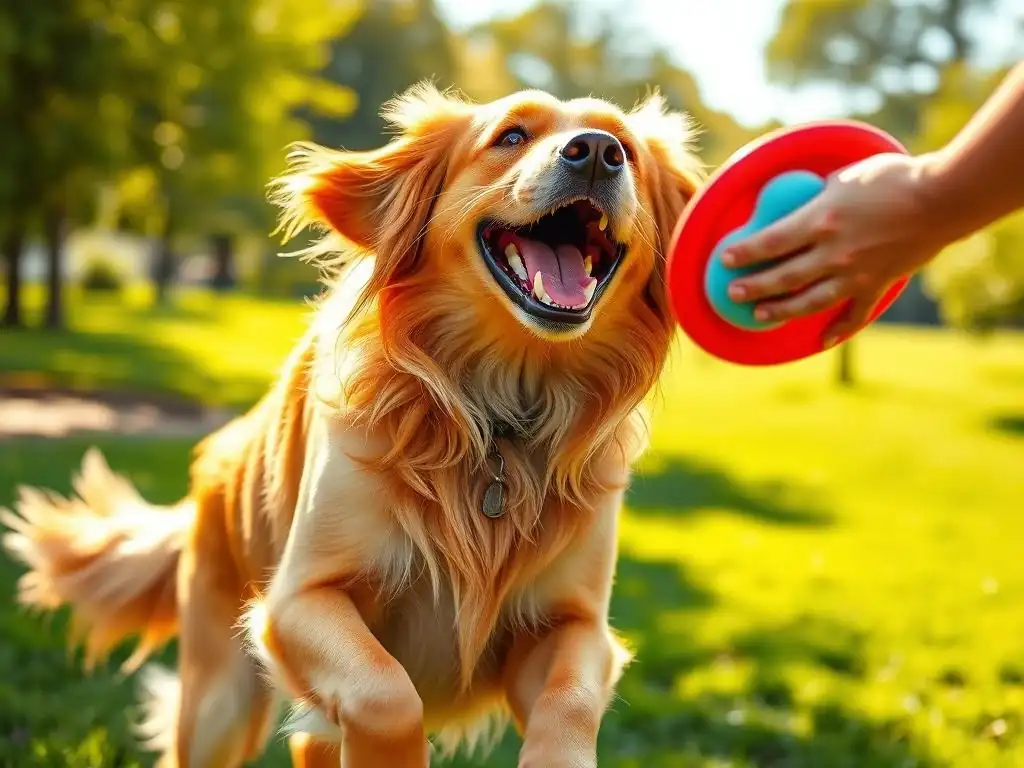
Welcome to PetCareWorld, your ultimate guide to a happier, healthier life for your beloved pets! Are you ready to unlock your dog's hidden potential? Discover the secrets to teaching your canine companion to fetch any object, no matter where it lands – a skill that will strengthen your bond and provide endless fun. Learn the proven techniques and expert tips inside, and embark on a journey of exciting training adventures together. Let's get started!
- Understanding the Fundamentals of Teaching Your Dog to Fetch
- Teaching Your Dog to Fetch Specific Objects
- Expanding Fetching Skills to Different Locations
- Troubleshooting Common Fetching Problems
- Advanced Fetching Techniques and Tricks
- Maintaining and Refining Your Dog's Fetch Skills
- Frequently Asked Questions
- Final Reflection: The Unbreakable Bond Forged Through a Simple Game
- Unlock Your Dog's Fetching Potential!
Understanding the Fundamentals of Teaching Your Dog to Fetch
Teaching your dog to fetch is more than just a fun trick; it's a fantastic way to bond, provide mental stimulation, and burn off excess energy. This comprehensive guide will walk you through the process of teaching your canine companion to enthusiastically retrieve any object, from a simple tennis ball to a well-worn slipper (though maybe not your favorite slippers! ), in various locations.
We'll cover everything from choosing the right toys to mastering the "fetch" command, ensuring a positive and rewarding experience for both you and your furry friend. This advanced training method builds upon basic obedience skills, so a solid foundation in commands like "sit," "stay," and "come" is highly recommended before embarking on this journey. Remember, patience and positive reinforcement are key to success.
This process requires consistent effort and understanding of canine learning styles, but the rewards of a well-trained fetching companion are immeasurable. Let's get started!
Selecting the Right Toys for Fetch Training
The success of fetch training hinges significantly on selecting the appropriate toys. Avoid overly small items that could be swallowed, and steer clear of anything that could easily be damaged or pose a choking hazard. The ideal fetch toy should be durable, easily gripped by your dog, and visually appealing to them. Consider the following factors:
- Material: Durable rubber, tough nylon, or even a well-made rope toy are excellent choices. Avoid fragile toys that will break easily.
- Size and Shape: The toy should be proportionate to your dog's size and mouth.
- Texture: Some dogs prefer textured toys, while others prefer smooth ones. Observe your dog's preferences.
- Scent: A toy with a slightly interesting scent might be more enticing for your dog.
Consider offering a variety of toys to discover your dog's favorites. This will keep training sessions engaging and exciting. Experiment with different materials and shapes to see what your dog responds to best. Remember to regularly inspect toys for damage and replace them as needed. A damaged toy can be a safety hazard.
Building Excitement and Motivation for Fetch
Before introducing the formal "fetch" command, it's crucial to build your dog's excitement and motivation around the act of retrieving objects. This involves associating the toy with positive experiences and rewarding their natural inclination to chase and retrieve.
- Playtime: Engage in short, high-energy play sessions using the chosen fetch toy. Let your dog chase and grab the toy, rewarding their efforts with enthusiastic praise and perhaps even a small treat. This will create a positive association with the toy and the act of retrieving it.
- Positive Reinforcement: Reward even small successes with enthusiastic praise, petting, and high-value treats. This positive reinforcement will encourage your dog to repeat the desired behavior.
- Vary the Game: Don't always throw the toy in the same way or to the same distance. Keep the game unpredictable and engaging.
Introducing the "Fetch" Command: Initial Training
Once your dog is displaying enthusiasm for chasing and retrieving the toy, it's time to introduce the verbal cue "fetch." This involves associating the word with the action of retrieving.
- Show and Tell: Hold the toy, say "fetch," and then throw the toy a short distance. Reward your dog immediately upon their return with the toy.
- Short Sessions: Keep initial training sessions short (5-10 minutes) to maintain your dog's focus and prevent frustration.
- Gradual Progression: Gradually increase the distance of your throws as your dog's understanding of the command improves. Always reward their successful retrievals.
- Hand Signals: Incorporating hand signals alongside the verbal cue can enhance your dog's understanding and make the training process even more effective. For instance, a throwing motion could accompany the verbal command.
Remember, consistency is key. Regular, short training sessions are far more effective than infrequent, long ones. Celebrate successes, and don't get discouraged by setbacks. With patience and positive reinforcement, you'll soon have a dog who enthusiastically fetches any object, anywhere! 🎉
Teaching Your Dog to Fetch Specific Objects
This section focuses on the core skill development needed to teach your dog to fetch any object. We'll break down the process into manageable steps, starting with simple objects and gradually increasing the difficulty. Remember, patience and positive reinforcement are key throughout this training. Success in teaching your dog to fetch any object hinges on building a solid foundation of understanding and reliable responses. This method utilizes shaping and luring techniques to maximize your canine companion's learning potential and minimize frustration.
Starting with Easy-to-Grab Objects
Begin by selecting objects that are easy for your dog to grasp and hold. Think soft, plush toys or large, lightweight balls. Avoid anything small enough to be swallowed or sharp enough to cause injury during the initial learning phase. The goal here isn't just to retrieve, but to establish a positive association with the "fetch" command and the act of bringing the object back to you.
Start in a controlled environment, such as your living room or backyard. Hold the toy in your hand and say "Fetch!" in a clear, enthusiastic voice. Show your dog the toy, enticing them to take it. Many dogs will naturally grab it. If they don't, gently guide their paw towards the toy and encourage them with praise and gentle encouragement.
Once they have the toy, use a happy tone and praise liberally, using words like "Good dog! ", "Yes! ", or "Fetch!". Reward them with a high-value treat immediately. Repeat this process several times, focusing on building a positive association between the command, the action, and the reward. Short, frequent training sessions are more effective than long, tiring ones. Aim for 5-10 repetitions, several times a day.
Gradually Introducing More Challenging Objects
Once your dog reliably fetches easy-to-grab objects, you can gradually introduce more challenging items. This might involve objects of different sizes, shapes, textures, or weights. For example, you might progress from a soft plush toy to a slightly harder rubber ball, then to a frisbee, and eventually to a small, sturdy stick (always supervise your dog with sticks to prevent splinters or ingestion).
Remember to maintain a positive and encouraging tone throughout the process. If your dog struggles with a particular object, don't push them. Go back to easier objects and gradually reintroduce the challenging item. You can also use a shaping technique: reward any small step towards success, even if they don’t fully complete the fetch. For example, if they only pick up the object, reward that. If they move towards you, reward that too. This positive reinforcement will help them build confidence. Remember to always prioritize safety.
Handling Different Object Types: Balls, Toys, and Household Items
The ultimate goal is for your dog to fetch any object you designate. This requires generalization of the "fetch" command across various object types. You will need to systematically introduce different categories of objects:
- Balls: Start with larger, softer balls, gradually moving to smaller, harder ones. Vary the color and texture.
- Toys: Include a variety of toys with different shapes, sizes, and textures – plush toys, squeaky toys, rope toys, etc. Be mindful of potential choking hazards.
- Household Items: Once your dog reliably fetches toys, you can start introducing safe household items. This might include a soft slipper (not your best one! ), a rolled-up towel, or a specific, durable toy. Never use anything that could be dangerous if swallowed or could injure your dog.
Remember to always supervise your dog when fetching household items, and avoid using anything valuable or easily breakable. If your dog shows hesitation or confusion, simply go back to objects they already know and gradually re-introduce the new items. Consistency, patience, and positive reinforcement are crucial at each stage of this process. Celebrate your dog's successes! 🎉
Expanding Fetching Skills to Different Locations
This section focuses on building upon your dog's basic fetching skills, expanding the game beyond the initial training environment. Successfully teaching your dog to fetch any object requires adaptability; your canine companion needs to understand the command regardless of location, distractions, or terrain. We'll explore how to systematically introduce new environments and challenges to solidify their understanding of the "fetch" command. Remember, patience and positive reinforcement are key throughout this process. The goal is to build a reliable and enthusiastic fetcher, not a stressed-out pup.
Fetching Indoors: Controlled Environment Training
Before venturing outdoors, solidify your dog's fetch skills within a controlled indoor environment. This allows you to minimize distractions and focus on refining their technique. Start in a small, familiar room, like a living room or bedroom. Use familiar toys initially—a favorite ball or plush toy will boost their motivation.
Maintain a short distance between you and your dog during these sessions. This prevents frustration and maintains a high success rate, reinforcing positive associations with the game. Use clear, concise commands: "Fetch," followed immediately by the object's name, e.g., "Fetch, ball! ".
As your dog becomes more proficient, gradually increase the distance and introduce more challenging variations. For example, you could roll the ball under furniture or toss it a slightly greater distance. Always reward successful retrieves with enthusiastic praise and treats. Consider implementing a structured reward system, such as a point system where successful fetches earn points that can be redeemed for a larger treat later.
Here's a sample training schedule for indoor fetching:
| Day | Distance (Approximate) | Number of Reps | Reward Type | Notes |
|---|---|---|---|---|
| 1 | 1-2 feet | 5-7 | High-value treat | Focus on clear commands and immediate reward |
| 2 | 3-5 feet | 8-10 | Treat + praise | Introduce slight variations in throw |
| 3 | 5-7 feet | 10-12 | Treat + praise | Roll the ball under furniture |
| 4 | 7-10 feet | 12-15 | Treat + occasional toy | Focus on recall after fetch |
Remember to keep training sessions short and fun, ending on a positive note. A tired or frustrated dog will not learn effectively. If your dog struggles, return to an easier level and gradually work your way up.
Progressing to Outdoor Fetching: Mastering Distractions
Once your dog reliably fetches indoors, it's time to move to outdoor environments. Start in a relatively quiet, enclosed space like your backyard. The goal here is to gradually introduce distractions while maintaining a focus on the "fetch" command. Start by introducing low-level distractions—a gentle breeze, birds chirping—gradually increasing the level of stimulation as your dog demonstrates mastery.
Initially, keep the fetching sessions short and focused. Avoid overwhelming your dog with too many distractions at once. Use high-value rewards to maintain their engagement. If your dog becomes distracted, gently redirect their attention back to the task at hand. Never punish your dog for losing focus; instead, use positive reinforcement to encourage them to return to the game.
Consider using a long line to maintain control, especially in larger spaces. This allows your dog to explore, while still ensuring you can guide them back to the task. The long line also helps prevent your dog from running off with the fetch item.
Remember to analyze your dog's performance. Is there a particular distraction that consistently causes problems? By understanding your dog's individual challenges, you can tailor the training to address specific needs. Consistent, positive reinforcement and patience will yield the best results.
Introducing Varying Terrain and Environments for Fetch
The final stage involves expanding your dog's fetching skills to a variety of terrains and environments. This could include parks, beaches, or even hiking trails. Always prioritize safety and ensure the environment is suitable for your dog. Begin with familiar locations and gradually introduce new and more challenging terrains.
Varying the terrain adds another layer of complexity to the fetch game. Your dog will need to navigate different surfaces, including grass, sand, gravel, and potentially even water. Adapt your throwing technique accordingly. A gentle underhand toss might be preferable on uneven terrain.
Remember to always supervise your dog closely, especially in unfamiliar environments. Keep your dog on a leash or within a fenced area, particularly in locations with potential hazards, such as busy roads or bodies of water. Introduce new environments gradually, starting with short sessions in less challenging areas. Celebrate successes, and adjust the difficulty as needed. With consistent training and positive reinforcement, your dog will become a proficient fetcher in any location.
Troubleshooting Common Fetching Problems
Teaching your dog to fetch any object, anywhere, is a rewarding experience, but it's not always smooth sailing. Many dogs encounter obstacles during this advanced training. This section addresses common problems and offers solutions to help you overcome them and successfully teach your canine companion this exciting trick. Remember, patience and positive reinforcement are key throughout the process.
Addressing Reluctance to Retrieve Objects
Some dogs simply aren't naturally inclined to retrieve. They may lack the prey drive necessary for enthusiastic fetching. This doesn't mean they can't learn; it just requires a different approach.
Instead of immediately throwing a toy, start by associating the object with positive reinforcement. Let your dog sniff and explore the toy, rewarding them with treats and praise for showing interest. Gradually increase the distance you move the toy away from them, rewarding them at each step. You can also try using high-value treats, like small pieces of cooked chicken or cheese, to incentivize retrieval.
If your dog still hesitates, try using a toy that makes noise or has a particularly enticing scent. Consider starting with shorter distances and gradually increasing the distance. Remember to keep training sessions short and positive to avoid overwhelming your dog. It's crucial to build your dog's confidence and avoid pushing them too hard, especially if they show signs of stress or frustration.
Here's a sample training schedule to address reluctance:
| Day | Distance (feet) | Reward Type | Notes |
|---|---|---|---|
| 1 | 1-2 | High-value treat | Focus on positive reinforcement |
| 2 | 3-4 | High-value treat & praise | Encourage sniffing and exploration |
| 3 | 5-6 | Treat & praise | Introduce a slightly more challenging toy |
| 4 | 7-8 | Treat & praise | Celebrate small victories! |
| 5 | 10+ | Treat, praise, and a favorite toy | Maintain a positive and fun environment |
Correcting Improper Fetching Techniques
Even if your dog is enthusiastic about fetching, they might develop improper techniques. This could include mouthing the toy too aggressively, dropping it immediately, or running off in the wrong direction.
To correct these issues, you need to be consistent with your commands and rewards. If your dog mouths the toy aggressively, immediately say "Gentle" and offer a different, softer toy. Reward gentle retrieving behaviors. If they drop the toy too soon, use a verbal cue like "Bring it back" and reward them only when they return the toy to you. If they run off in the wrong direction, try using a shorter throw or a more focused hand signal to guide them.
Remember, you are teaching them the correct behavior, not punishing them for mistakes. Positive reinforcement is always the most effective method. Consider using a long line to help guide them back to you if they are struggling to follow your direction. Breaking down the fetch into smaller steps, such as retrieving the toy from a short distance, can also be beneficial.
Remember to be patient and consistent in your training!
Dealing with Distractions During Fetch Training
The real test of a well-trained fetching dog is their ability to focus amidst distractions. Squirrels, birds, other dogs, and even interesting smells can easily derail a fetch session.
Start training in a quiet, controlled environment, gradually introducing more distractions as your dog improves. Begin with minimal distractions, then slowly increase the level of difficulty. Use high-value rewards to maintain focus. If your dog becomes distracted, calmly redirect their attention back to the toy and the task at hand, using your verbal cues and hand signals.
Don't punish them for being distracted; instead, reward them for refocusing on you and the toy. Consider using a longer training session to build their ability to ignore distractions. Practice in different locations, gradually introducing more challenging environments, such as busy parks or streets. Use a long line to help control your dog and prevent them from chasing distractions.
Remember to keep training sessions short and focused to maintain your dog's attention and prevent them from becoming overwhelmed. Celebrate their successes to build confidence and maintain motivation. The goal is to build your dog's ability to focus on you, even with tempting distractions nearby. This requires patience and consistent positive reinforcement.
Advanced Fetching Techniques and Tricks
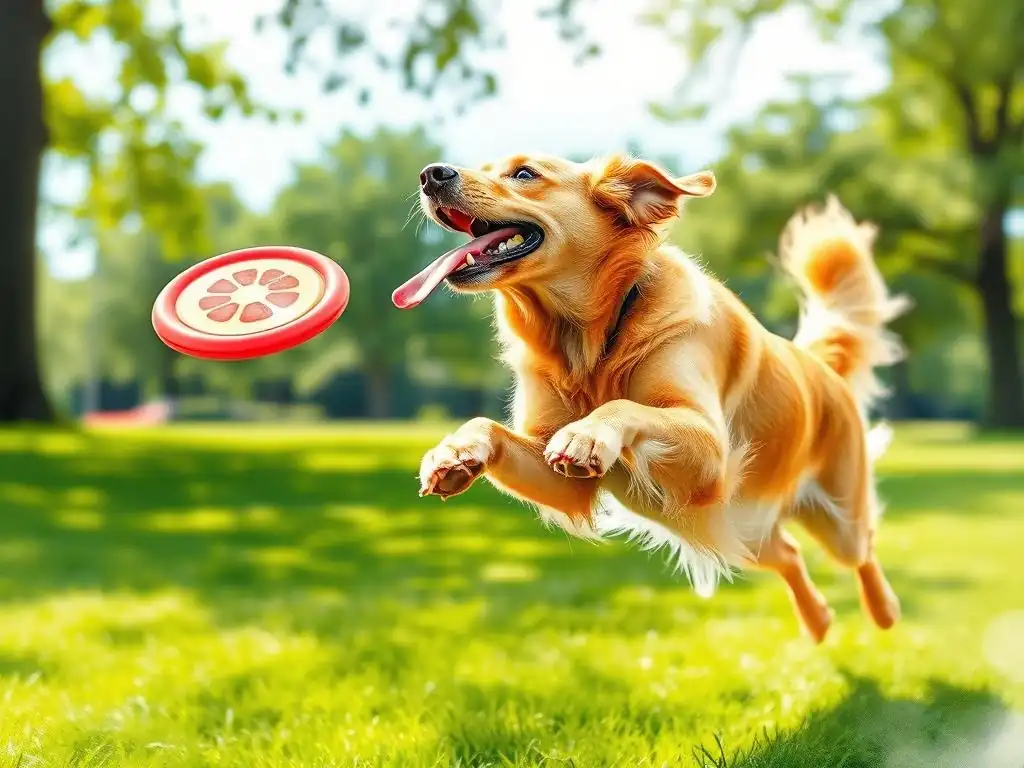
This section delves into more sophisticated fetch training, building upon the foundational skills assumed to be already established. We'll explore techniques to enhance your dog's fetching abilities, making them more versatile and reliable. Remember, patience and positive reinforcement are key throughout this advanced training. Consistency is crucial for success in teaching your dog to fetch any object.
Fetching Specific Objects on Command
Once your dog reliably fetches a single toy, you can expand their skills to retrieve specific items on command. This requires differentiating between various objects. Start with two distinctly different items: a brightly colored ball and a plush toy, for example.
Hold both items, showing them clearly to your dog. Say, "Fetch the ball," and toss the ball. Reward enthusiastically when they retrieve it. Repeat this several times. Then, switch to the plush toy, using the command "Fetch the [toy's name]". Gradually increase the number of objects, introducing new ones one at a time.
It's important to use clear, concise commands and to ensure your dog understands the distinction between objects. If your dog struggles, go back to simpler commands and repeat the process until they reliably fetch the correct object. Consider using hand signals in conjunction with verbal cues to enhance clarity.
Example Training Session:
| Day | Command | Object | Success Rate | Notes |
|---|---|---|---|---|
| 1 | Fetch the ball | Ball | 80% | Occasional confusion with plush toy |
| 2 | Fetch the ball | Ball | 95% | Improved performance; introduced "Fetch the Dino" |
| 3 | Fetch the Dino | Plush Dino | 70% | Needs more repetition with the new command |
| 4 | Fetch the ball | Ball | 98% | Excellent recall; moving to three objects |
Remember to keep training sessions short and fun to maintain your dog's engagement. Positive reinforcement, such as treats, praise, and petting, is essential for successful training. Avoid punishing mistakes; instead, gently redirect their attention to the correct object.
Increasing Distance and Difficulty of Fetching
Expanding the distance and complexity of fetching challenges your dog's focus and stamina. Start by gradually increasing the distance you throw the object. Begin with short tosses, gradually increasing the distance over several training sessions.
Introduce variations in terrain. Practice fetching on grass, then move to uneven ground or even a slightly inclined surface. This helps your dog adapt to different challenges. You can also introduce obstacles, such as cones or low hurdles, for a more advanced challenge. This will enhance their spatial awareness and problem-solving skills.
Consider adding distractions. Start with minimal distractions, and gradually increase the level of stimulation. This builds resilience and focus in your dog. This could involve practicing in a park with other dogs present, or introducing background noises. Always reward your dog’s success, even with small incremental achievements!
Teaching "Drop It" and "Leave It" for Safe Fetching
The commands "Drop it" and "Leave it" are crucial for safe and controlled fetching. These commands prevent your dog from swallowing potentially harmful objects, and allow for better management during fetch sessions.
Start with a simple object your dog loves. Hold a treat in one hand, and the object in the other. Say "Drop it" and when your dog releases the object, immediately reward them with the treat from your other hand. Repeat this several times, gradually increasing the duration they hold the object.
For "Leave it," place the object on the ground. Say "Leave it," and cover the object with your hand. If your dog tries to reach for it, gently guide their attention away. Once they stay away from the object for a short period, reward them generously. Slowly increase the time they need to resist the temptation before rewarding.
Mastering these commands ensures that your dog can safely retrieve objects, and you maintain control during play. This is essential for responsible and enjoyable fetch sessions. Remember, consistent, positive reinforcement is key. Positive training methods help to build a stronger bond between you and your canine companion, enhancing the overall training experience.
Maintaining and Refining Your Dog's Fetch Skills
Once your dog reliably fetches a specific object in a controlled environment, the real challenge begins: maintaining and refining this skill for diverse objects and locations. This phase requires patience, consistency, and a keen understanding of your dog's learning style. The goal is to transition from a highly structured training session to a more spontaneous and versatile fetching ability. Remember, the key to success lies in positive reinforcement and gradual progression. We want to teach your dog to fetch any object, anywhere, not just the same old tennis ball in your backyard.
Consistent Practice and Reinforcement
Consistent practice is paramount. Short, frequent training sessions (5-15 minutes) are far more effective than long, infrequent ones. Aim for at least one session daily, varying the location and the objects used. This prevents boredom and helps your dog generalize the "fetch" command. Reward your dog generously with treats, praise, and affection every time they successfully retrieve an object. The timing of the reward is crucial; it should be immediate upon successful completion of the task.
Consider using a clicker for precise timing of reinforcement. The clicker acts as a marker, indicating the exact moment your dog performed the desired behavior. Immediately following the click, deliver the treat. This creates a strong association between the action and the reward, enhancing learning.
Don't forget to incorporate variety! Use different types of objects – soft toys, hard balls, frisbees, even household items like rolled-up socks (under supervision, of course!). This helps your dog understand that "fetch" applies to a wide range of items, not just a specific one. Gradually increase the distance and the difficulty of the retrieval, always ensuring your dog remains successful and motivated.
Adapting Training to Your Dog's Individual Needs
Every dog learns at a different pace and has unique preferences. Some dogs are naturally more enthusiastic fetchers than others. Adapting your training approach to your dog's individual needs is essential for success. Observe your dog's behavior during training sessions. Is your dog getting frustrated? Are they losing interest? If so, adjust the training accordingly. Shorten the sessions, use higher-value rewards, or change the environment.
For less enthusiastic dogs, start with very short sessions and highly rewarding treats. Gradually increase the duration and difficulty as your dog's confidence grows. For highly motivated dogs, you can incorporate more challenging elements, such as retrieving objects from water or over obstacles, to keep them engaged. Remember, the goal is to maintain a positive and enjoyable experience for both you and your dog. Avoid pushing your dog too hard, as this can lead to frustration and a negative association with the "fetch" command.
Troubleshooting Relapse and Maintaining Motivation
Even with consistent practice, your dog might occasionally regress or lose motivation. This is perfectly normal. Don't get discouraged! Identify the potential causes of the relapse. Is your dog tired? Distracted? Is the reward system still effective?
If your dog is losing interest, try changing the type of reward, the training location, or the objects used. You might need to revisit earlier stages of training to reinforce the basic commands. If distractions are a problem, start training in a quieter environment and gradually introduce more distractions as your dog improves. Remember, consistency is key.
Continue practicing regularly, even if your dog is not performing at their best. Positive reinforcement and patience will eventually lead to success. Always celebrate even the smallest improvements and keep the training sessions fun and engaging. A happy dog is a motivated dog!
Frequently Asked Questions
How long does it typically take to teach a dog to fetch any object?
The time it takes varies greatly depending on your dog's breed, age, and personality, as well as your training consistency. Some dogs learn quickly, while others may require more patience and time. Consistency is key.
What if my dog only fetches specific toys?
Start by gradually introducing new objects into the fetching game. Reward enthusiastic attempts with high-value treats. Slowly increase the variety of objects, ensuring positive reinforcement throughout the process.
My dog drops the object before returning to me. What should I do?
This is common! Focus on rewarding the approach, even if they don't initially bring the object back. Use a high-value reward like a favorite treat the moment they approach you with the object. Gradually increase the distance before rewarding.
Are there any specific breeds that are naturally better at fetch?
While some breeds, like retrievers, are predisposed to fetching, any dog can learn. Motivation and consistent training are more important than breed. Focus on positive reinforcement and making it fun!
What if my dog shows no interest in fetching?
Try using highly rewarding treats or toys to pique their interest. Keep training sessions short and fun, ending on a positive note. If the problem persists, consult a professional dog trainer for personalized guidance.
Final Reflection: The Unbreakable Bond Forged Through a Simple Game
The ability to teach your dog to fetch any object, anywhere, transcends simple obedience; it's a testament to the power of connection and understanding. This skill, once mastered, unlocks a deeper level of communication and trust between you and your canine companion, enriching your relationship in ways you might not have imagined. It's more than just a trick; it's a foundation for a stronger, more fulfilling bond.
The joy of watching my own dog, initially hesitant, blossom into a confident retriever, profoundly impacted my understanding of canine learning and the importance of positive reinforcement. The process wasn't always easy, but the rewards – the shared laughter, the unwavering loyalty, the sheer delight in our shared activity – far outweighed any challenges. The best things in life are the people we love, the places we've been, and the memories we've made along the way.
This quote resonates deeply, as the journey of teaching fetch became a cherished memory, strengthening the bond between my dog and me.
Now, consider your own dog. Imagine the shared adventures that await – from playful games in the park to helpful retrievals around the house. Don't just see this as training; see it as an opportunity to deepen your connection, to build a language of mutual understanding and trust. Embrace the process, celebrate the small victories, and remember that patience and positive reinforcement are the keys to unlocking your dog's potential and forging an unbreakable bond. Begin today, and watch your relationship flourish.
Unlock Your Dog's Fetching Potential!
Thank you for learning how to improve your dog's fetching skills! You now have the tools to strengthen your bond and create lasting memories. Ready to put your new knowledge into practice?
- Master the Art of Fetch: Begin practicing these techniques today! Experiment with various toys and locations to discover your dog's preferences. You might be surprised by their abilities!
- Share Your Progress: Post a picture or video of your dog's fetching progress on PetCareWorld's social media. Let's inspire other pet owners!
- Continue Learning: Explore more training articles on PetCareWorld.org – we offer many tips to help you further strengthen your bond with your dog.
What exciting fetching feats will you and your dog accomplish this week?