
Grooming Guide for Medium Breeds: Keeping Your Dog Looking and Feeling Their Best

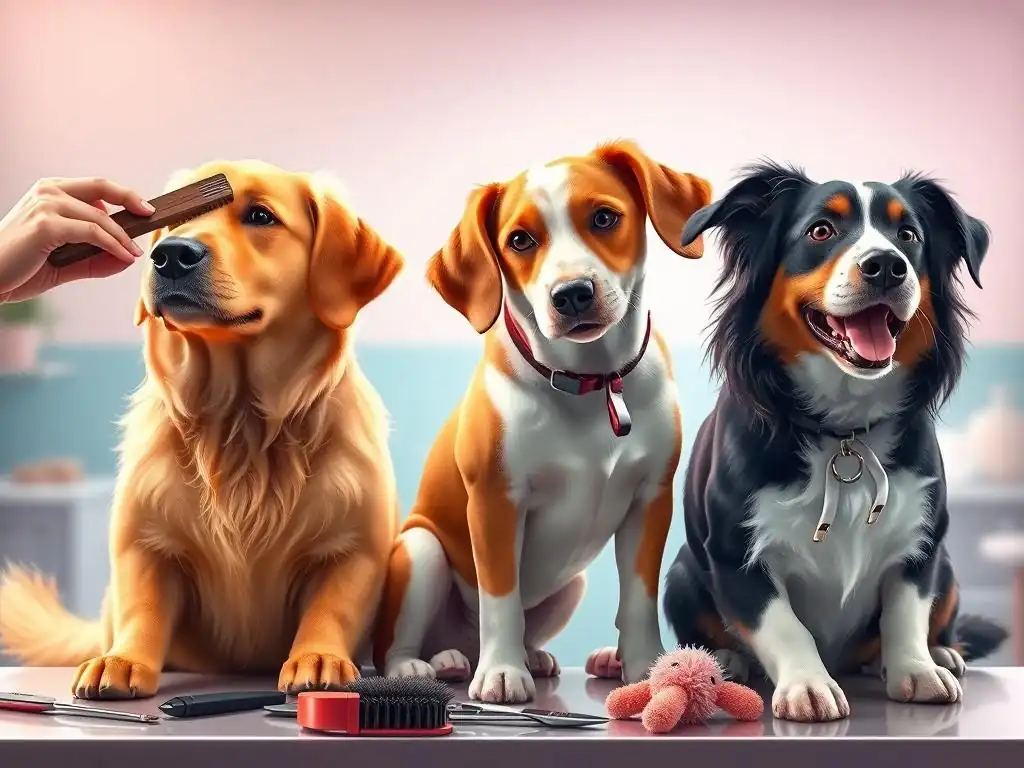
Welcome to PetCareWorld, your ultimate guide to a happier, healthier life for your beloved pet! Are you ready to unlock the secrets to effortlessly maintaining your medium-breed dog's stunning coat? Our comprehensive Grooming medium dog breeds guide provides expert advice and practical tips to ensure your canine companion looks and feels their absolute best. Dive in and discover the techniques and tools that will transform your grooming routine!
- Understanding Your Medium Breed Dog's Grooming Needs
- The Complete Grooming Routine for Medium Breed Dogs
- Breed-Specific Grooming Considerations for Medium Breeds
- Advanced Grooming Techniques for Medium Breeds
- Maintaining Your Medium Breed Dog's Grooming Routine
- Products and Resources for Medium Breed Dog Grooming
- Frequently Asked Questions
- Final Reflection: The Enduring Bond: Grooming and the Medium-Sized Dog
- Unleash Your Dog's Inner Glow: Grooming Made Easy
Understanding Your Medium Breed Dog's Grooming Needs
Maintaining a healthy and happy medium-breed dog involves more than just regular feeding and walks. A crucial aspect of responsible pet ownership is dedicated grooming, tailored to your dog's specific needs. This comprehensive guide delves into the essential grooming practices for medium-breed dogs, helping you keep your canine companion looking and feeling their best.
We’ll cover everything from identifying your dog's coat type and assessing their skin health to selecting the right grooming tools and establishing a consistent grooming routine. This guide provides practical advice and actionable steps to ensure your medium-breed dog remains healthy, comfortable, and beautifully groomed, addressing the unique challenges and rewards of caring for this popular size category. Remember, regular grooming is not just about aesthetics; it's a vital component of preventative healthcare, helping you detect potential problems early and strengthen the bond you share with your furry friend.
This guide focuses on providing the knowledge and tools you need to confidently navigate the world of medium-breed dog grooming. Let's get started! 🎉
Identifying Your Dog's Coat Type: Short, Medium, or Long Hair
Understanding your dog's coat type is the cornerstone of effective grooming. Medium-breed dogs exhibit a wide variety of coat types, ranging from short and smooth to medium-length and even longer, sometimes wavy or curly textures. This variation significantly impacts grooming frequency and the tools you'll need.
- Short Hair: Breeds with short coats, like Beagles or Basset Hounds, require less frequent brushing – perhaps once or twice a week – primarily to remove loose hair and dirt. A simple rubber curry brush or a grooming mitt is usually sufficient.
- Medium Hair: Dogs with medium-length coats, such as Australian Shepherds or Border Collies, need more regular brushing – ideally, 2-3 times a week – to prevent matting and tangles. A slicker brush and an undercoat rake might be necessary to remove dead hair effectively.
- Long Hair: While less common in medium-breed dogs, some breeds might have longer coats requiring daily brushing to prevent matting and tangles. A wide-tooth comb, a slicker brush, and possibly a de-shedding tool will be essential.
Determining your dog's specific coat type will dictate the frequency and tools used in your grooming routine. Regularly checking for changes in coat texture or shedding patterns can also help you identify potential underlying health issues. Remember, a well-groomed coat contributes to a happy and healthy dog! 🐕
Assessing Skin Health: Recognizing Potential Issues
Regular grooming provides an excellent opportunity to assess your dog's skin health. Careful examination can help you detect potential issues early, such as:
- Dry Skin: Dry skin can manifest as flaking, itching, or dullness. This can be addressed with appropriate shampoos and conditioners designed for canine skin.
- Infestations: Fleas, ticks, and mites can cause intense itching and discomfort. Regular checks and appropriate preventative measures are crucial.
- Allergies: Skin allergies can lead to redness, inflammation, and excessive scratching. Identifying and managing allergens is vital for your dog's comfort.
- Hot Spots: These are areas of inflamed skin often caused by allergies, infections, or excessive licking. Prompt veterinary attention is necessary to prevent further complications.
During your grooming sessions, pay close attention to any unusual bumps, redness, or changes in skin texture. Early detection and prompt veterinary care are crucial for preventing minor skin issues from becoming major health problems. Remember, a healthy skin coat contributes to a happy and healthy pet. ✨
Essential Grooming Tools for Medium Breed Dogs
Having the right tools makes grooming easier and more effective. Here's a list of essential tools for grooming medium-breed dogs:
| Tool | Purpose |
|---|---|
| Slicker Brush | Removes loose hair, mats, and tangles from the undercoat. |
| Undercoat Rake | Efficiently removes excess undercoat, especially during shedding season. |
| Wide-Tooth Comb | Gently detangles long or matted hair. |
| Rubber Curry Brush | Stimulates circulation, removes loose hair, and massages the skin. |
| Grooming Scissors/Clippers | Trimming nails, hair around paws, and other areas as needed. |
| Nail Clippers | Essential for keeping nails trimmed to prevent overgrowth. |
| Shampoo & Conditioner | Choose products specifically formulated for dogs. |
Investing in quality grooming tools will make the entire process smoother and more enjoyable for both you and your dog. Remember to always use gentle and patient techniques during grooming to ensure a positive experience for your furry friend. A well-equipped grooming kit is a valuable asset in maintaining your dog's health and well-being. 🐾
The Complete Grooming Routine for Medium Breed Dogs
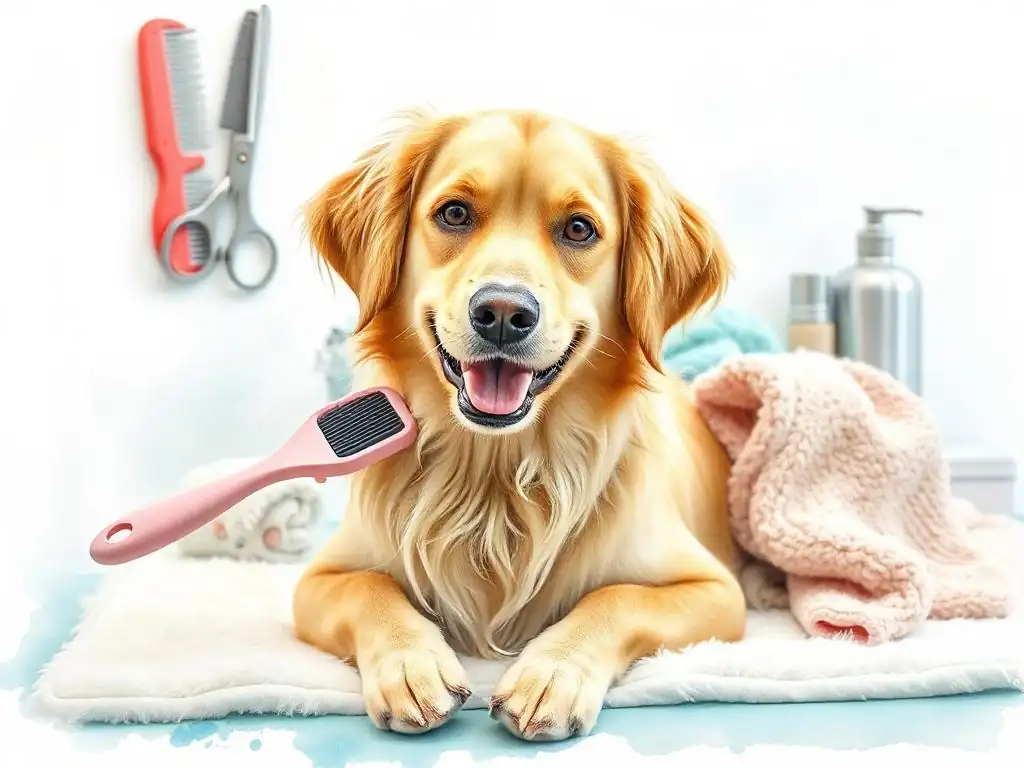
This section provides a comprehensive grooming guide specifically tailored for medium-sized dog breeds. Regular grooming is crucial for maintaining your dog's health, hygiene, and overall well-being. Understanding the specific needs of your medium breed will ensure they remain comfortable and happy. This guide will cover bathing, brushing, nail trimming, and other essential grooming practices. Remember, the frequency of grooming will vary depending on your dog's breed, coat type, and lifestyle. Always consult with your veterinarian if you have any concerns about your dog's skin or coat.
Bathing Your Medium Breed Dog: Frequency and Techniques
The frequency of bathing your medium breed dog depends largely on their coat type and activity level. Dogs with short, smooth coats may only need bathing every 2-3 months, while dogs with longer, thicker coats might require more frequent baths, perhaps every 4-6 weeks. However, over-bathing can strip the skin of its natural oils, leading to dryness and irritation. Always use a dog-specific shampoo and conditioner, avoiding human products which can be too harsh.
Before you begin, gather your supplies: lukewarm water, dog shampoo and conditioner, several towels, a non-slip mat for the tub (for safety! ), and optionally, cotton balls for their ears. Start by wetting your dog's coat thoroughly with lukewarm water, avoiding getting water in their ears or eyes. Apply the shampoo, gently massaging it into the coat and avoiding the eyes. Rinse thoroughly, ensuring all shampoo residue is removed.
Follow with conditioner, again rinsing thoroughly. Finally, gently towel dry your dog, paying special attention to their paws and underbelly. You can also use a hairdryer on a low, cool setting if your dog tolerates it. Remember to always supervise your dog during bath time and make it a positive experience!
Here's a quick checklist for bathing your medium breed dog:
- [ ] Gather supplies: lukewarm water, dog shampoo, conditioner, towels, non-slip mat.
- [ ] Wet coat thoroughly.
- [ ] Apply shampoo, massage gently.
- [ ] Rinse thoroughly.
- [ ] Apply conditioner, rinse thoroughly.
- [ ] Towel dry.
- [ ] Use hairdryer on low, cool setting (optional).
Brushing Your Medium Breed Dog: Removing Mats and Tangles
Regular brushing is paramount for preventing matting and tangles, particularly in medium breeds with longer or thicker coats. Brushing also helps to distribute natural oils, keeping their coat healthy and shiny. The frequency of brushing will vary depending on the coat type, but aiming for at least 2-3 times a week is a good starting point.
Choosing the right brush is crucial. For dogs with short, smooth coats, a rubber curry brush or a soft bristle brush will suffice. For dogs with longer, thicker coats, you may need a combination of brushes, such as an undercoat rake to remove loose fur and a slicker brush to detangle. Always brush gently, working in the direction of hair growth. Pay close attention to areas prone to matting, such as behind the ears, under the legs, and around the tail.
If you encounter mats or tangles, try gently working them out with your fingers or a de-matting tool. If a mat is too tight, it's best to seek professional grooming assistance to avoid causing your dog pain or discomfort. Remember to reward your dog with treats and praise throughout the brushing process to create a positive association. Regular brushing not only improves their coat's appearance but also strengthens your bond with your furry friend! This preventative care can save you money on professional grooming in the long run.
Here's a table summarizing brush types and their ideal uses:
| Brush Type | Ideal for | Benefits |
|---|---|---|
| Rubber Curry Brush | Short, smooth coats | Stimulates skin, removes loose hair |
| Soft Bristle Brush | Short to medium coats | Gentle cleaning, distributes natural oils |
| Slicker Brush | Medium to long coats | Detangles, removes mats |
| Undercoat Rake | Double-coated breeds | Removes undercoat, prevents matting |
| De-matting Tool | Severely matted areas (use carefully!) | Gently works out mats and tangles |
Nail Trimming for Medium Breed Dogs: A Step-by-Step Guide
Regular nail trimming is essential to prevent overgrown nails, which can cause discomfort, joint problems, and even lameness. Overgrown nails can also crack or split, leading to infection. The frequency of nail trimming depends on how quickly your dog's nails grow, but generally, every 2-4 weeks is recommended. If you're unsure how often to trim your dog's nails, consult your veterinarian or a professional groomer.
Before you start, gather your supplies: a pair of dog nail clippers (guillotine or scissor type), styptic powder (to stop bleeding if you accidentally cut the quick), and treats! Hold your dog's paw gently but firmly. Locate the quick, which is the pink part of the nail containing blood vessels and nerves. Avoid cutting into the quick, as this will cause bleeding and pain.
Trim only the clear, hard part of the nail. If you're unsure where to cut, start by trimming small amounts at a time. If you accidentally cut the quick, apply styptic powder to stop the bleeding.
Remember to praise your dog throughout the process and reward them with treats to keep them calm and cooperative. If your dog is resistant to nail trimming, it’s best to consult a professional groomer who can teach you the proper techniques and help desensitize your dog. Regular, positive reinforcement will make nail trimming a much smoother (and less stressful!) experience for both you and your furry friend. 🐶
Here is a simple step-by-step guide:
- Gather supplies.
- Hold paw gently.
- Locate the quick.
- Trim only the clear part.
- Apply styptic powder (if needed).
- Reward with treats!
Ear Cleaning for Medium Breed Dogs: Preventing Infections
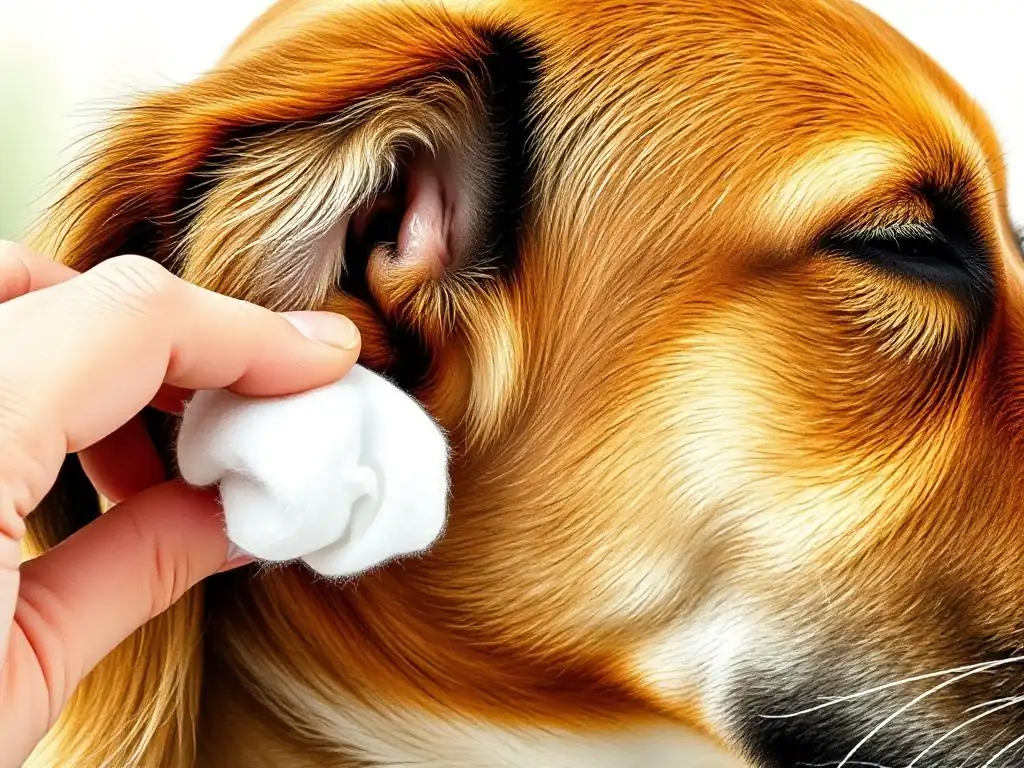
Regular ear cleaning is crucial for maintaining your medium breed dog's ear health and preventing infections. Ear infections are common in dogs, particularly those with floppy ears that trap moisture and debris. The process should be gentle and consistent to avoid causing discomfort or injury. Begin by visually inspecting your dog's ears – look for any redness, swelling, discharge (brown, yellow, or bloody), or an unpleasant odor. These are all signs of potential infection and require veterinary attention.
For routine cleaning, you'll need a veterinarian-recommended ear cleaning solution and cotton balls or soft gauze. Never use cotton swabs, as these can push debris further into the ear canal and potentially damage the eardrum. Gently apply the cleaning solution as directed by your vet, usually by filling the ear canal with a small amount and then gently massaging the base of the ear to distribute the solution.
Your dog might shake its head vigorously; this is normal. Then, use a clean cotton ball or gauze to gently wipe away any visible dirt or wax from the outer ear. Avoid inserting anything deep into the ear canal.
The frequency of ear cleaning depends on your dog's breed and individual needs. Some dogs may only require cleaning every few weeks, while others might need it more frequently, especially after swimming or exposure to excessive moisture. If you notice any signs of infection, such as persistent scratching, head shaking, or foul-smelling discharge, consult your veterinarian immediately.
Early intervention is key to preventing serious ear problems. Remember, consistent and gentle ear cleaning is an essential part of responsible pet ownership and contributes significantly to your dog's overall well-being. Ignoring ear hygiene can lead to chronic infections, pain, and even hearing loss.
Teeth Cleaning for Medium Breed Dogs: Maintaining Oral Health
Dental hygiene is often overlooked, but it's just as important as other aspects of grooming for your medium-breed dog. Poor oral health can lead to serious problems, including periodontal disease, which can affect other organs in the body. Regular teeth cleaning helps prevent plaque and tartar buildup, reducing the risk of gum disease and tooth loss.
Ideally, you should brush your dog's teeth daily. Use a dog-specific toothbrush and toothpaste – human toothpaste is toxic to dogs. Start by gently lifting your dog's lips and introducing the toothbrush slowly. Many dogs require patience and positive reinforcement during this process. Use small, circular motions to brush all surfaces of the teeth, including the gum line. If your dog resists, try shorter brushing sessions initially, gradually increasing the duration as they become more comfortable.
Beyond daily brushing, you can consider dental chews and treats designed to help clean teeth. These can help remove plaque and tartar but shouldn't replace regular brushing. Regular veterinary checkups, including dental exams, are vital. Your vet can perform professional cleanings under anesthesia if necessary and assess your dog's oral health, identifying any potential issues early on.
Early detection of dental problems can significantly reduce the need for extensive and costly procedures later. Investing in your dog's dental health is an investment in their overall health and longevity. A healthy mouth means a happier and healthier dog. Remember, a comprehensive approach combining daily brushing, dental chews, and regular veterinary checkups is the best way to maintain your medium breed dog's oral health.
Breed-Specific Grooming Considerations for Medium Breeds
This section delves into the unique grooming requirements of several popular medium-sized dog breeds. Understanding breed-specific needs is crucial for maintaining your dog's coat health, preventing matting, and ensuring their overall well-being. Remember, regular grooming is not just about aesthetics; it's a vital part of preventative healthcare. Consistent brushing helps detect skin issues early, while regular nail trims prevent discomfort and potential injuries.
This guide will equip you with the knowledge to tailor your grooming routine to your specific medium-breed companion. We'll explore the coat type, shedding patterns, and specific grooming challenges for each breed, offering practical tips and techniques for optimal care. This detailed approach will help you become a confident and capable groomer for your beloved canine friend. Remember to always consult your veterinarian if you have any concerns about your dog's skin or coat.
Beagle Grooming Guide: Specific Grooming Needs
Beagles possess a short, dense double coat that requires regular brushing to prevent matting and remove dead hair. Their coats are generally low-maintenance, but consistent brushing, ideally 1-2 times a week, is essential, especially during shedding seasons (spring and autumn). While they don't require frequent bathing, occasional baths with a dog-specific shampoo are necessary to keep their coat clean and healthy. Pay close attention to their ears, which are prone to infection.
Regular cleaning with a gentle ear cleaner is vital. Nail trims should be performed every 4-6 weeks to prevent overgrowth. Beagles are playful dogs, so combining grooming with positive reinforcement and treats can make the experience enjoyable for both you and your furry friend. Here's a quick checklist:
- ✅ Weekly brushing
- ✅ Monthly ear cleaning
- ✅ Every 4-6 weeks nail trim
- ✅ Occasional baths (as needed)
Pro Tip: Use a slicker brush to remove loose undercoat effectively during shedding seasons. A soft bristle brush is suitable for daily maintenance.
Australian Shepherd Grooming Guide: Specific Grooming Needs
Australian Shepherds boast a medium-length, double coat that requires more attention than a Beagle's. Their thick undercoat sheds profusely, particularly during seasonal changes. Daily brushing is recommended to minimize shedding and prevent matting. Regular combing is crucial to remove tangles and prevent knots, especially around the legs and tail.
Australian Shepherds benefit from professional grooming every 6-8 weeks, particularly for trimming and de-shedding. Their abundant fur requires careful attention to prevent matting, which can lead to skin irritation. Bathing should be done as needed, using a dog-specific shampoo and conditioner to maintain coat health and shine. Nail trims are also essential, performed every 3-4 weeks.
| Task | Frequency | Tools |
|---|---|---|
| Brushing | Daily | Slicker brush, undercoat rake |
| Combing | Every other day | Wide-tooth comb, detangling comb |
| Bathing | As needed (2-4 times a year) | Dog-specific shampoo & conditioner |
| Nail trimming | Every 3-4 weeks | Dog nail clippers |
| Professional Groom | Every 6-8 weeks | N/A |
Whippet Grooming Guide: Specific Grooming Needs
Whippets have a short, smooth coat that is surprisingly low-maintenance. Regular brushing, once or twice a week, is usually sufficient to remove loose hair and keep their coat looking its best. Their sleek coat doesn't require frequent bathing; only bathe them when necessary, using a mild dog shampoo. However, regular checks for skin irritations or parasites are important. Whippets are prone to sunburn, so consider using a pet-safe sunscreen during periods of intense sun exposure.
Nail trimming should be done every 4-6 weeks. Due to their slender build, be gentle during grooming to avoid causing them any discomfort. Their short coat minimizes the risk of matting, making grooming a relatively quick and easy process. Despite their low-maintenance coat, regular grooming is still crucial for maintaining overall health and identifying potential issues early.
Additional Tips for Whippet Grooming
Whippets, despite their short hair, can still benefit from occasional use of a grooming mitt to remove loose hair and stimulate their skin. Pay close attention to their delicate skin and avoid using harsh chemicals or excessive force during bathing.
Remember that these are general guidelines. Individual dogs may have unique needs depending on their age, health, and lifestyle. Always consult your veterinarian or a professional groomer if you have any questions or concerns about your dog's grooming routine. 🐾
Advanced Grooming Techniques for Medium Breeds
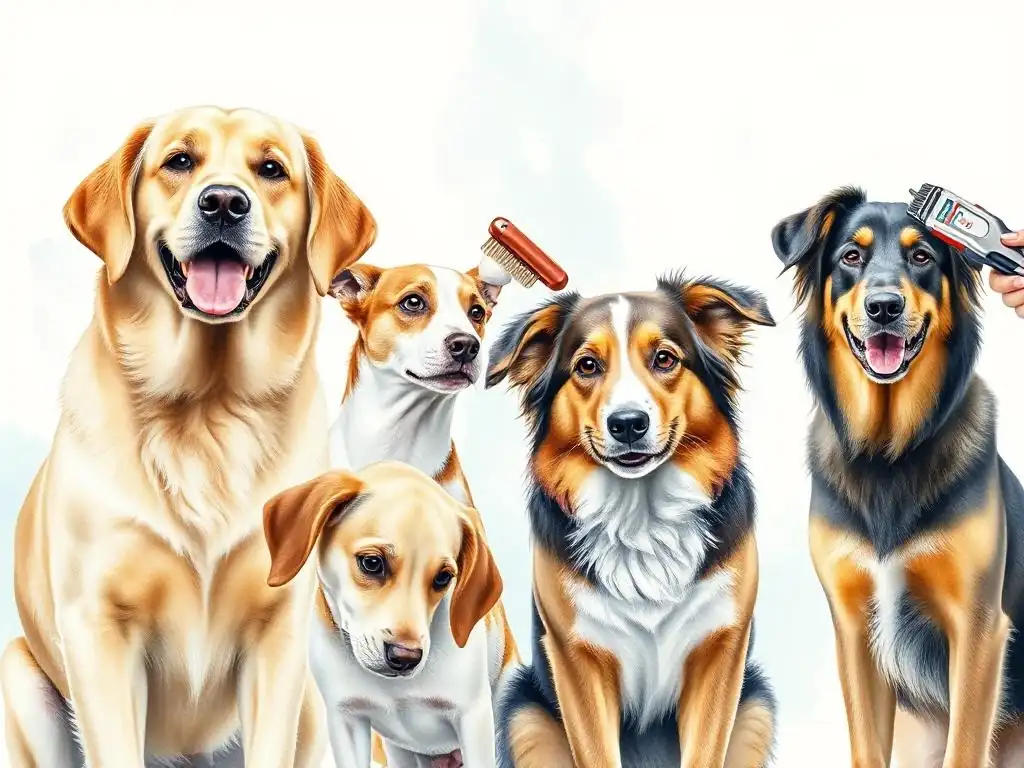
This section delves into more advanced grooming techniques specifically tailored for medium-sized dog breeds. Understanding your dog's coat type—whether it's short and smooth, medium-length, or long and fluffy—is crucial for selecting the right tools and techniques. Improper grooming can lead to skin irritation, matting, and other health issues. Therefore, mastering these techniques is essential for maintaining your canine companion's health and well-being. Remember, regular grooming is key to preventing many common problems.
Dealing with Matted Fur in Medium Breed Dogs
Matted fur is a common problem, especially in medium-breed dogs with longer coats. Ignoring mats can lead to discomfort, skin infections, and even painful pulling when attempting to remove them later. Prevention is key; regular brushing is the best defense. However, if mats have already formed, here's how to tackle them:
- Assess the Mats: Carefully examine the matted areas to determine their size and severity. Small, loose mats can often be carefully worked out with a slicker brush or a de-matting tool. Larger, tighter mats may require more intervention.
- Use the Right Tools: A de-matting tool is specifically designed to gently separate matted fur. Never use scissors or sharp objects to cut through mats, as this can easily injure your dog's skin.
- Work Slowly and Gently: Be patient and work slowly, section by section. If you encounter resistance, stop and try a different approach. Excessive pulling can cause pain and distress to your pet.
- Consider Professional Help: For extremely severe matting, consider seeking professional help from a groomer. They have the expertise and tools to safely remove large mats without harming your dog.
- Post-Mat Removal Care: After removing mats, thoroughly brush the area to remove any remaining loose fur and assess the skin for any irritation or injury.
Shedding Management for Medium Breed Dogs
Shedding is a natural process, but for medium-breed dogs, it can be significant, especially during seasonal changes. Effective shedding management requires a proactive approach:
- Regular Brushing: Frequent brushing, ideally daily or every other day during shedding seasons, is crucial to remove loose fur before it becomes a problem. Use a brush appropriate for your dog's coat type.
- Specialized Tools: Consider using tools specifically designed for shedding, such as shedding blades or undercoat rakes. These tools can efficiently remove large amounts of loose undercoat.
- Dietary Considerations: A healthy diet plays a vital role in coat health and shedding. Consult your veterinarian about dietary supplements that may help reduce shedding.
- Bathing: Regular bathing can help remove loose fur and distribute natural oils, contributing to a healthier coat. However, avoid over-bathing, as this can dry out the skin.
- Environmental Control: Regularly vacuuming and cleaning your home helps manage loose fur and reduces allergens.
Styling Your Medium Breed Dog's Coat
Styling your medium-breed dog's coat can enhance their appearance and boost their confidence. The options available depend heavily on the coat type:
- Short-haired breeds: These breeds often require minimal styling, but regular brushing and occasional baths keep their coat looking its best.
- Medium-haired breeds: These breeds may benefit from occasional trimming to prevent matting and keep their coat looking neat and tidy.
- Long-haired breeds: These breeds require more frequent grooming, including brushing, trimming, and potentially professional styling to prevent matting and tangles.
Remember to always use pet-safe grooming products and tools. If you are unsure about any aspect of grooming your dog, consult with a professional groomer for guidance. A well-groomed dog is a happy and healthy dog, showcasing the benefits of a dedicated grooming routine tailored to their specific breed and coat type. This comprehensive guide provides the essential information for effective grooming, contributing to a strong bond between you and your canine companion.
Maintaining Your Medium Breed Dog's Grooming Routine
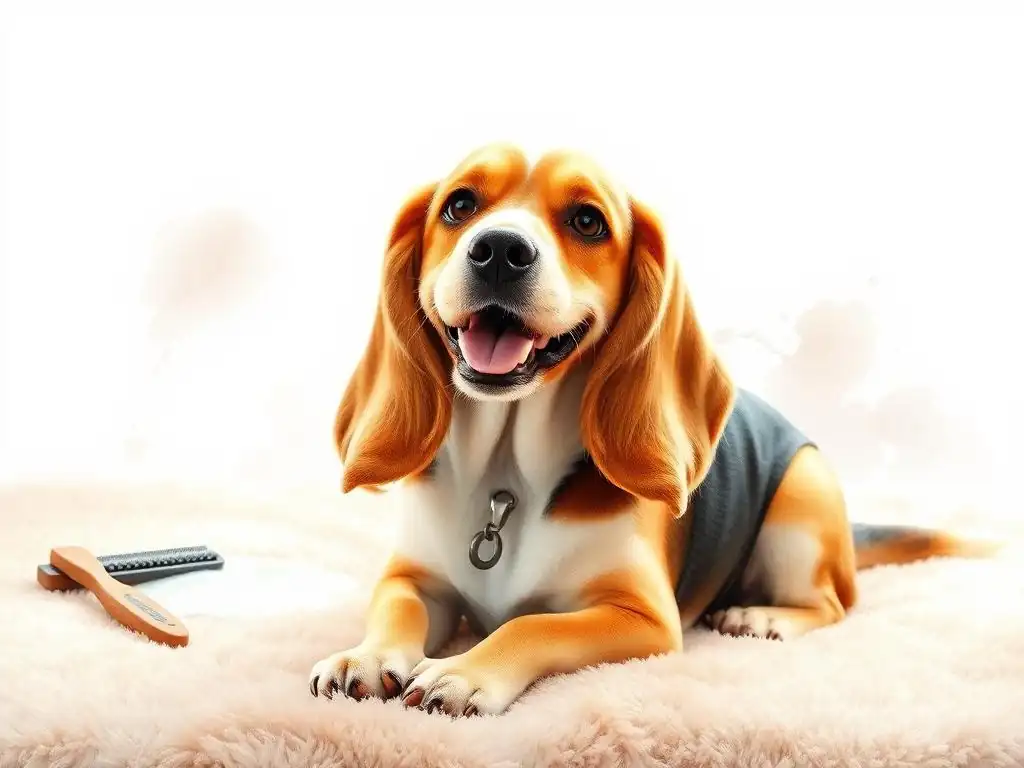
Maintaining a consistent grooming routine is crucial for the health and well-being of your medium-breed dog. This isn't just about aesthetics; regular grooming helps prevent matting, skin infections, and parasite infestations. It also strengthens your bond with your canine companion through regular handling and tactile interaction. The frequency of grooming will depend on your dog's breed, coat type, and lifestyle, but a general guideline is essential to get started.
Creating a Grooming Schedule for Your Dog
A well-structured grooming schedule is key to success. Consider this sample schedule as a starting point, adaptable to your specific dog's needs:
- Daily: A quick brush to remove loose hair and debris. This prevents matting and keeps their coat healthy. Pay particular attention to areas prone to tangles, such as behind the ears and under the legs. A soft bristle brush is ideal for daily use.
- Weekly: A more thorough brushing session, focusing on removing any mats or tangles. This is also a good time to check their ears for dirt, redness, or unusual smells. You should also inspect their paws for any cuts, irritations, or foreign objects.
- Monthly: A complete bath using a dog-specific shampoo. Avoid human shampoos as these can dry out their skin. After the bath, apply a conditioner to keep their coat soft and manageable. This is also a great opportunity for nail trimming. Remember to trim only the tips to avoid cutting into the quick.
- Quarterly: A professional grooming session for a more in-depth clean. This is especially beneficial for breeds with thicker or more complex coats. A professional groomer can handle tasks like trimming, de-shedding, and styling.
Remember to always use positive reinforcement during grooming sessions. Make it a positive experience by offering treats and praise. This will help your dog associate grooming with positive feelings and make the process easier for both of you. For dogs that are particularly resistant to grooming, start slowly and gradually increase the duration and intensity of the sessions.
Recognizing Signs of Grooming Problems
Early detection of grooming problems is vital for preventing more serious health issues. Keep a close eye on your dog's coat and skin for any abnormalities.
- Excessive shedding: While some shedding is normal, excessive shedding could indicate underlying health problems like allergies or hormonal imbalances. Sudden changes in shedding patterns should be investigated.
- Dry, flaky skin: Dry skin can be a symptom of various conditions, including allergies, poor nutrition, or parasites. Look for redness, itching, or scaling.
- Matted fur: Mats can trap dirt, moisture, and bacteria, leading to skin infections. Regular brushing is the best preventative measure.
- Hot spots: These are inflamed areas of skin that can be caused by allergies, infections, or irritations. They often appear as red, moist patches.
- Changes in coat texture: A sudden change in coat texture, such as becoming dull, brittle, or oily, could signal a health problem.
If you notice any of these signs, consult your veterinarian. They can help determine the underlying cause and recommend appropriate treatment. Early intervention is key to preventing more significant issues.
When to Consult a Professional Groomer for Medium Breeds
While many grooming tasks can be done at home, there are times when seeking professional help is advisable. Consider consulting a professional groomer for medium breeds if:
- Your dog has a particularly thick or complex coat that is difficult to manage at home. Breeds like the Australian Shepherd or Border Collie often require specialized grooming techniques.
- You are uncomfortable performing certain grooming tasks, such as nail trimming or ear cleaning. Professional groomers have the experience and tools to perform these tasks safely and effectively.
- Your dog has matted fur that you are unable to remove. Attempting to remove severe matting at home can cause pain and injury.
- Your dog displays excessive anxiety or fear during grooming. A professional groomer can use positive reinforcement techniques to make the experience more comfortable for your dog.
- You are preparing your dog for a dog show or other event requiring a specific grooming style. Professional groomers can create the desired look.
Regular grooming is an investment in your medium breed dog's health and happiness. By following a consistent routine and recognizing potential problems, you can help your canine companion maintain a healthy, shiny coat and a happy disposition. 🐕
Products and Resources for Medium Breed Dog Grooming
This section provides a detailed overview of the essential products and resources needed for effective grooming of medium-sized dog breeds. Choosing the right tools and products is crucial for maintaining your dog's coat health, preventing matting, and ensuring a comfortable grooming experience. Remember, regular grooming is key to preventing skin issues and promoting overall well-being for your canine companion. This guide focuses on selecting the best grooming supplies tailored specifically to the needs of medium-sized dogs.
Recommended Shampoos and Conditioners for Medium Breed Dogs
Selecting the appropriate shampoo and conditioner is paramount for maintaining your medium breed dog's coat health. The ideal choice depends heavily on your dog's coat type (e.g., short, long, wiry, curly) and any specific skin conditions they may have. Avoid using human shampoos, as these can disrupt your dog's skin pH balance, leading to dryness, irritation, or even infections.
Here's a breakdown of shampoo and conditioner considerations:
- Coat Type: Dogs with long, thick coats will benefit from shampoos designed for detangling and moisturizing. Shorter-haired breeds might require a less intensive formula. Wiry-coated breeds may need specialized shampoos to enhance texture and prevent matting.
- Skin Conditions: If your dog suffers from allergies, sensitivities, or skin conditions like dandruff or eczema, opt for hypoallergenic, oatmeal-based, or medicated shampoos formulated for sensitive skin. Always consult your veterinarian before using medicated shampoos.
- Frequency: How often you bathe your dog will influence your shampoo choice. Frequent bathing may require a gentler, moisturizing formula to prevent dryness.
Example Shampoo and Conditioner Considerations:
| Shampoo Type | Best For | Considerations |
|---|---|---|
| Hypoallergenic Shampoo | Sensitive skin, allergy-prone dogs | Look for fragrance-free and dye-free options. |
| Oatmeal Shampoo | Dry, itchy skin, dandruff | Soothes irritated skin and helps reduce inflammation. |
| Detangling Shampoo | Long, thick coats, prone to matting | Makes brushing easier and prevents breakage. |
| Whitening Shampoo (Use Sparingly) | Dogs with discolored coats (e.g., white coats) | Use infrequently to avoid drying out the coat. |
Remember to always rinse thoroughly to remove all traces of shampoo, as residue can irritate the skin. A good conditioner helps to detangle, soften, and add shine to your dog's coat, leaving it healthy and manageable.
Top-Rated Brushes and Combs for Medium Breed Dogs
The type of brush or comb you use will significantly impact your dog's grooming experience and the health of their coat. Medium breed dogs often have a variety of coat types, so selecting the right tools is crucial for effective grooming.
- Slicker Brushes: Excellent for removing loose undercoat and preventing matting, especially in dogs with double coats. They're gentle yet effective.
- Undercoat Rakes: Specifically designed to remove excess undercoat, particularly helpful during shedding season.
- Pin Brushes: Ideal for smoothing and detangling longer coats, distributing natural oils, and adding shine.
- Wide-Tooth Combs: Perfect for detangling longer, thicker coats, removing mats, and checking for fleas or ticks.
- Fine-Tooth Combs: Useful for removing smaller debris and checking for skin conditions.
Choosing the right brush depends on your dog's coat type and length. A combination of brushes is often recommended for optimal grooming results. For example, a slicker brush followed by a pin brush might be ideal for a medium-haired dog. Always brush your dog gently to avoid causing discomfort or skin irritation. Regular brushing is crucial not only for aesthetics but also for early detection of skin problems.
Essential Grooming Tools for Medium Breed Dogs: A Shopping List
This checklist will help you gather all the necessary tools for a complete medium breed dog grooming session. Having everything readily available will streamline the process and make it more efficient.
[ ] Shampoo and Conditioner: Choose based on your dog's coat type and skin condition. [ ] Slicker Brush: For removing loose undercoat and preventing matting. [ ] Pin Brush: For smoothing and detangling longer coats. [ ] Wide-Tooth Comb: For detangling and checking for skin issues. [ ] Nail Clippers: For trimming your dog's nails. [ ] Ear Cleaning Solution: For cleaning your dog's ears (use as directed by your vet).
[ ] Cotton Balls/Pads: For applying ear cleaning solution. [ ] Toothbrush and Toothpaste (Dog-Specific): For maintaining dental hygiene. [ ] Towels: For drying your dog after bathing. [ ] Grooming Table (Optional): Makes grooming easier, especially for larger dogs. [ ] Treats: To reward your dog for good behavior during grooming.
This comprehensive list ensures you have all the tools to tackle all aspects of your medium breed dog’s grooming needs. Regular, careful grooming is a crucial part of responsible pet ownership, contributing significantly to your dog's health and happiness. Remember to always prioritize your dog's comfort and safety during the grooming process.
Frequently Asked Questions
What makes a dog a "medium" breed?
There's no single definition, but medium dog breeds generally weigh between 20 and 50 pounds. This is a general guideline, and individual dogs can vary. Always consider your dog's individual size and needs.
How often should I groom my medium breed dog?
The frequency depends on your dog's coat type. Dogs with short coats might need brushing once a week, while those with longer, thicker coats may require daily brushing to prevent matting. Regular bathing is also important, but avoid over-bathing.
What grooming tools do I need for a medium breed dog?
Essential tools include a high-quality brush (suited to your dog's coat), a comb, nail clippers, and shampoo specifically formulated for dogs. You may also want ear cleaning solution and toothpaste.
Are there breed-specific grooming needs for medium dogs?
Absolutely! Coat length, texture, and undercoat density vary greatly even within medium breeds. Research your specific breed to understand its unique grooming requirements. For example, a Border Collie needs far more brushing than a Beagle.
Where can I find more detailed grooming advice for my specific medium breed?
PetCareWorld offers many breed-specific guides and articles. Search our website for your dog's breed name along with "grooming" to find tailored tips and recommendations. Consult with a professional groomer for personalized advice.
Final Reflection: The Enduring Bond: Grooming and the Medium-Sized Dog
The art of grooming isn't merely about aesthetics; it's a vital component of maintaining the health and well-being of your canine companion. A well-groomed medium-breed dog is a happy, healthy dog, and understanding the nuances of their specific needs is crucial for a thriving relationship. This is more than just a guide; it's an investment in a deeper connection.
The impact of proper grooming extends far beyond a shiny coat and neat paws. It's a ritual that strengthens the bond between owner and pet, creating a space for connection and care. The best mirror is an old friend.
This quote speaks to the intimate knowledge we gain through consistent interaction, and grooming provides that very opportunity to truly understand your dog's physical and emotional state. Regular brushing allows you to detect early signs of skin conditions, parasites, or even underlying health issues, enabling timely intervention and preventative care.
Now, consider the knowledge you've gained. Think about the specific needs of your medium-breed dog, and how you can implement these grooming techniques to enhance their comfort and well-being. Take the time to truly connect with your furry friend through the act of grooming; it's a powerful way to show your love and commitment. Remember, this isn't just a task; it's an opportunity to build a stronger, healthier, and more loving relationship with your beloved companion.
Unleash Your Dog's Inner Glow: Grooming Made Easy
Thank you for learning more about grooming your dog! We hope this guide has given you the confidence and knowledge to keep your furry friend looking and feeling their best. Now, let's put that knowledge into action.
- Master the Art of Brushing: Dedicate just 10-15 minutes a day to brushing your dog—it's the single most effective way to prevent mats and tangles, keeping their coat healthy and shiny. Experiment with different brush types to find your dog's favorite!
- Share Your Grooming Success: Snap a photo of your perfectly groomed pup and share it on social media using #PetCareWorldGrooming—let's inspire other pet owners!
- Explore Advanced Grooming Techniques: For specific grooming challenges, such as excessive shedding or sensitive skin, consult reputable pet care resources online.
Ready to transform your dog's grooming routine and make bath time a bonding experience? What grooming tip are you most excited to try today?