
The Social Life of Medium Breed Dogs: Maximizing Interaction and Happiness


Welcome to PetCareWorld, your ultimate guide to a happier, healthier life for your beloved pet! Are you curious about unlocking the key to your medium-sized dog's social well-being? Discover how understanding their unique social needs can transform their happiness and strengthen your bond. Dive into our insightful article on "The Social Life of Medium Breed Dogs: Maximizing Interaction and Happiness" and uncover the secrets to a truly fulfilling life for your canine companion. Let's embark on this enriching journey together!
- Understanding Medium Dog Breed Social Needs
- Fostering Positive Social Interactions in Medium Breed Dogs
- Enriching the Social Life of Your Medium Breed Dog
- Addressing Social Challenges in Medium Breed Dogs
- Maintaining a Happy and Well-Adjusted Medium Breed Dog
-
Frequently Asked Questions
- What are the typical social needs of medium-sized dog breeds?
- How much daily interaction do medium breed dogs need?
- Are medium breed dogs more prone to certain social issues than other sizes?
- How can I tell if my medium breed dog isn't getting enough social interaction?
- What are the best ways to meet the social needs of my medium breed dog?
- Final Reflection: Unlocking the Joyful Social Lives of Medium Breed Dogs
- Unlock Your Medium Breed Dog's Social Potential!
Understanding the social needs of your canine companion is crucial for their overall well-being and happiness. This is especially true for medium breed dogs, whose social needs often fall between the extremes of smaller and larger breeds, requiring a nuanced approach to socialization and interaction. This article delves into the specific social requirements of medium breed dogs, exploring the factors that influence their social development, common social issues they might face, and practical strategies for maximizing their social interaction and happiness.
We'll uncover why understanding your dog's breed size is key to providing optimal care and address the critical "medium dog breed social needs" many owners overlook. This guide will empower you to build a strong, healthy, and joyful bond with your medium-sized furry friend. Let's dive into the fascinating world of medium breed dog social dynamics!
Defining "medium breed" can be somewhat subjective, as breed size classifications vary slightly between organizations. Generally, medium breed dogs are considered to weigh between 20 and 50 pounds (approximately 9 to 23 kilograms) as adults. However, social implications extend beyond mere weight. The size influences how a dog interacts with both humans and other animals. Medium breeds often possess a balance of energy and trainability, which can be advantageous in socialization. However, this also means that inadequate socialization can lead to more pronounced behavioral issues. For example, a poorly socialized medium breed dog might be more prone to reactivity than a smaller, more easily managed breed, or more challenging to handle than a larger, more physically imposing breed. Understanding this balance is crucial in tailoring your socialization efforts. The following table highlights some examples of common medium-sized dog breeds and their typical temperaments, demonstrating the variety within this size category:
| Breed | Approximate Weight (lbs) | Typical Temperament |
|---|---|---|
| Beagle | 20-30 | Friendly, Curious, Energetic |
| Australian Shepherd | 35-50 | Intelligent, Active, Loyal |
| Brittany Spaniel | 30-40 | Affectionate, Eager to Please, Gentle |
| Cocker Spaniel | 20-30 | Playful, Affectionate, Sociable |
| Whippet | 25-40 | Gentle, Affectionate, Athletic |
It's important to note that these are general trends, and individual dogs within a breed can vary significantly in temperament. Careful observation and understanding of your individual dog's personality are paramount.
Socialization is a crucial process for dogs of all sizes, but the timing and approach can vary based on breed and individual temperament. For medium breed dogs, the socialization window begins early, ideally from 3 to 14 weeks of age. This critical period is when puppies are most receptive to learning and forming social bonds.
Early exposure to various sights, sounds, people (of different ages and appearances), and other dogs is essential for healthy social development. Continued socialization throughout puppyhood and into adulthood is vital, but the intensity and nature of interactions will change as the dog matures. During adolescence (typically 6 months to 2 years), medium breed dogs may exhibit some increased shyness or reactivity as they explore their independence.
Consistent, positive reinforcement training during this period is crucial to maintain positive social behaviors. Later in adulthood, maintaining regular social interactions, ideally with both humans and canine companions, remains essential for preventing social isolation and promoting mental well-being. Lack of proper socialization during any of these stages can significantly impact a medium breed dog's behavior and increase the risk of developing social problems.
While medium breed dogs are generally known for their friendly and adaptable nature, they, like all dogs, can suffer from social challenges. Some common issues include aggression, fear, and separation anxiety. Aggression can manifest in various ways, from growling and barking to biting, and can stem from fear, lack of socialization, or poorly managed territorial behavior. Fear-based aggression is particularly prevalent in dogs who haven't had sufficient positive experiences with novel stimuli during their critical socialization period.
Fear can also present as avoidance behaviors, such as hiding or trembling. Separation anxiety is a common concern in many breeds, regardless of size, and can lead to destructive behaviors or excessive vocalization when the dog is left alone. Early intervention through proper training, socialization, and potentially professional help is crucial in addressing these issues.
Addressing these problems early can significantly improve the dog's quality of life and strengthen the human-animal bond. Recognizing the early warning signs and seeking professional help when necessary is essential for maintaining a healthy social life for your medium breed dog. 🐶
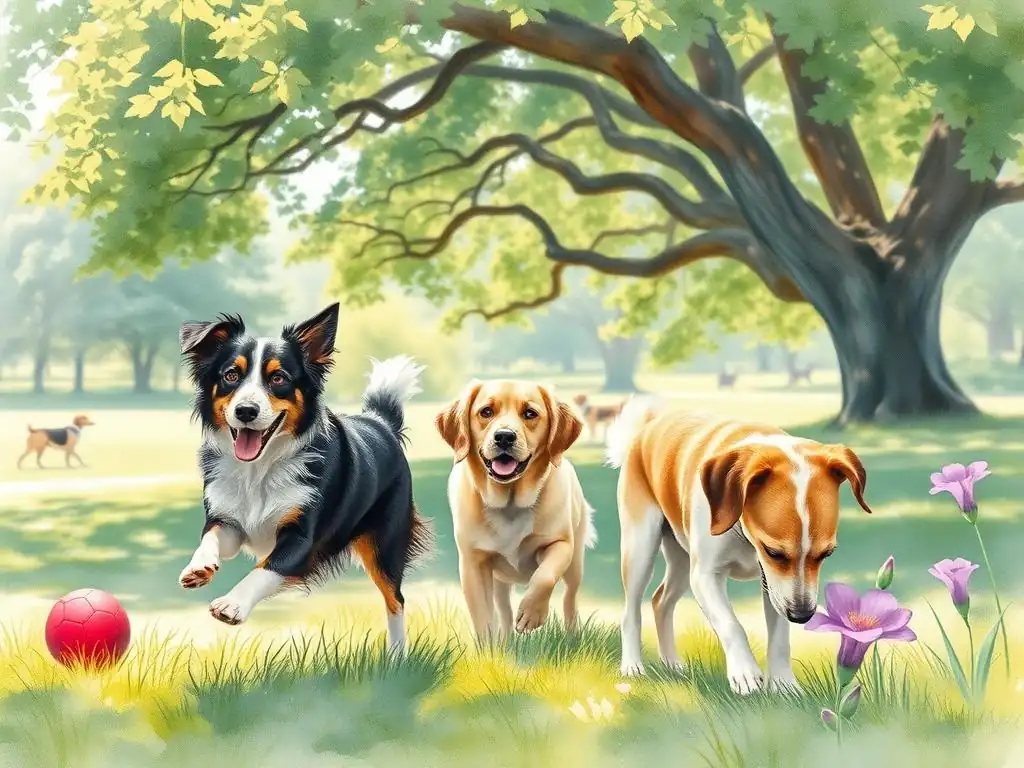
Medium dog breeds, often falling between the smaller and larger size categories, present a unique set of social needs. Understanding these nuances is crucial for ensuring a well-adjusted and happy canine companion. This section delves into the specific social requirements of medium breed dogs, emphasizing the importance of early socialization and providing practical strategies for fostering positive interactions.
Ignoring these needs can lead to behavioral issues ranging from anxiety and aggression to social isolation and unhappiness. Successfully navigating these social aspects is key to enriching the life of your medium breed dog and strengthening your bond. The term "medium dog breed social needs" encompasses a wide range of factors, from appropriate play styles to managing interactions with other animals and humans.
Early socialization is paramount for medium breed dogs, just as it is for any dog, but the impact can be particularly significant due to their often-energetic and inquisitive nature. The period between 3 and 14 weeks of age is considered the most crucial for this process. During this time, puppies develop crucial social skills by interacting with various stimuli, including other dogs of different sizes, people of diverse ages and appearances, and different environments.
Exposure to a variety of sights, sounds, and smells helps to prevent fear-based aggression and anxieties later in life. A well-socialized medium breed dog will be more confident, adaptable, and less likely to exhibit problematic behaviors. Neglecting socialization during this critical window can result in a dog who is fearful, reactive, or overly aggressive, significantly impacting their quality of life and your ability to manage them effectively.
Think of it as building a strong foundation for their future social interactions. The more positive and varied experiences a puppy has during this period, the better equipped it will be to navigate social situations throughout its life. Studies show that dogs socialized properly are significantly less likely to exhibit behavioral problems in adulthood.
Safe and effective socialization requires a proactive and carefully managed approach. Avoid overwhelming your puppy with too much stimulation at once. Start with short, controlled interactions, gradually increasing the duration and complexity as your dog gains confidence. Positive reinforcement techniques, such as rewarding calm behavior with treats and praise, are extremely effective.
Supervise all interactions closely, especially between your dog and unfamiliar animals. Avoid forcing interactions; if your dog shows signs of stress or fear (such as tucked tail, yawning, lip licking), remove them from the situation immediately. Consider enrolling your medium breed dog in puppy classes, which offer a structured environment for safe and supervised socialization.
These classes provide opportunities for your dog to interact with other puppies and learn appropriate social skills under the guidance of a professional trainer. Remember, the goal is to create positive associations with other dogs and people, laying the groundwork for a well-adjusted adult dog. This is especially important for medium breeds, who may fall into the "in-between" size range, potentially leading to misunderstandings in interactions with both smaller and larger dogs.
Introducing Your Medium Breed Dog to Other Dogs: A Step-by-Step Guide
Introducing your medium breed dog to another dog requires a cautious and controlled approach to ensure a positive experience for both animals. First, choose a neutral, secure location, such as a fenced-in park or a large, enclosed area. Allow the dogs to see and smell each other from a distance before allowing direct contact. Observe their body language closely; signs of aggression or fear necessitate immediate separation. If both dogs appear relaxed and curious, allow them to approach each other slowly.
Supervise the interaction closely, intervening if needed to prevent any escalation. Ensure there is ample space for the dogs to move around comfortably and avoid confining them to a small space. Positive reinforcement is key; reward calm behavior with treats and praise. If the introduction goes well, allow for short play sessions, gradually increasing the duration as the dogs become more comfortable with each other.
Remember that not all dogs will be compatible, and it’s okay if your dog doesn’t get along with every other dog they meet. Prioritizing safe and positive interactions is crucial for your dog's well-being and happiness. It's also important to remember that even well-socialized dogs can have individual preferences and may not enjoy interacting with every dog they encounter. Respect your dog's boundaries and always prioritize their safety and comfort.
Managing Interactions with Children and Other Pets: Safety First
Safe and positive interactions between your medium breed dog and children or other pets are crucial for everyone's well-being. Never leave a dog unsupervised with young children, regardless of the dog's temperament. Even the most well-trained dog can react unpredictably, especially if startled or feeling threatened. Children, on the other hand, may not understand canine body language, potentially leading to accidental provocation.
Always supervise interactions closely, teaching children how to approach and interact respectfully with your dog. This includes avoiding sudden movements, loud noises, and grabbing the dog's ears or tail. Positive reinforcement, such as rewarding calm interactions, is key to building a positive association between children and the dog.
Introducing your medium breed dog to other pets requires patience and careful observation. Start with controlled introductions, perhaps using a barrier like a baby gate initially to allow for sniffing and visual contact without direct physical interaction. Gradually increase the distance between them over several days before allowing supervised, brief meetings.
Monitor their body language closely – signs of stress in either animal include tucked tails, flattened ears, excessive yawning, or lip licking. If you observe any signs of aggression or discomfort, immediately separate the animals and try again later. Remember that each dog and each pet is an individual; what works with one may not work with another.
Creating a safe and predictable environment is essential. Designate specific areas where your dog can retreat if feeling overwhelmed or needing a break from interactions. Provide plenty of toys and chew items to keep your dog occupied and reduce the likelihood of resource guarding behaviours. Regular training, including basic obedience commands and socialization exercises, will further enhance your dog's ability to navigate social situations calmly and confidently.
Consistent training and management are key components of successful integration and harmonious co-existence. Consider professional guidance from a certified dog trainer if you encounter significant challenges in managing interactions. Their expertise can provide tailored strategies to address specific issues and help foster positive relationships within your household. 🐶
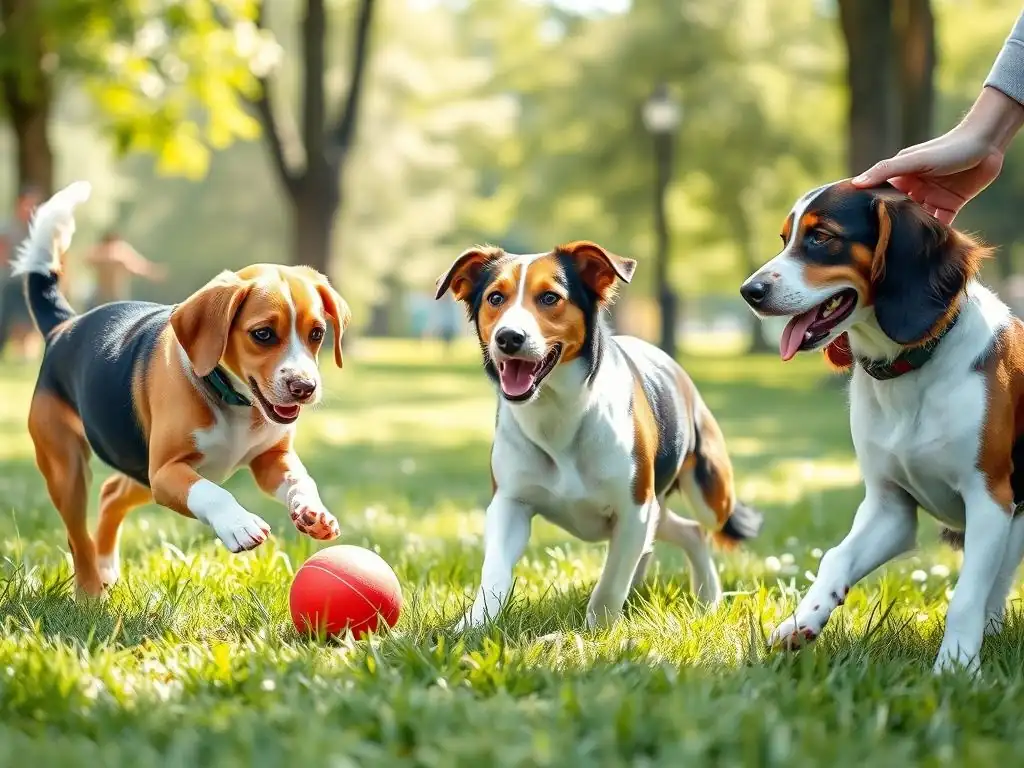
Understanding and meeting the social needs of your medium breed dog is crucial for their overall well-being. Medium-sized dogs, occupying that sweet spot between small and large breeds, often have unique social requirements that need careful consideration. Their energy levels and social instincts can vary greatly depending on breed, but a common thread is the need for both physical and mental stimulation to prevent boredom and destructive behaviors. Ignoring these "medium dog breed social needs" can lead to anxiety, aggression, and other behavioral problems. This section explores practical strategies to enrich the social lives of these wonderful companions.
Providing Ample Opportunities for Play and Exercise for Medium Dogs
Medium breed dogs, while not as overwhelmingly energetic as some large breeds, still require substantial daily exercise. Insufficient physical activity can lead to pent-up energy manifesting as unwanted behaviors like excessive barking, chewing, or digging. The key is to provide a balanced routine incorporating both vigorous play and gentler activities.
A good starting point is at least 30-60 minutes of exercise daily, tailored to your dog's breed and age. This could include:
- Brisk walks: These are essential for cardiovascular health and provide opportunities for sniffing and exploring.
- Fetch: A classic game that provides both physical and mental stimulation. Vary the toys to keep things interesting.
- Hiking or trail running (if suitable for the breed): More challenging activities for fit and adventurous dogs.
- Swimming: A fantastic low-impact exercise option for many medium breeds.
- Interactive games: Games like tug-of-war or hide-and-seek engage your dog mentally and physically.
Remember to consider the weather and your dog's fitness level. Start slowly and gradually increase the intensity and duration of exercise as your dog's fitness improves. Observe your dog for signs of fatigue and adjust accordingly. Ignoring these "medium dog breed social needs" related to physical activity could lead to behavioral problems. Consistent exercise is a cornerstone of a happy and well-adjusted medium breed dog.
Physical exercise is only half the equation; mental stimulation is equally vital for a happy medium breed dog. Boredom can lead to destructive behaviors, anxiety, and depression. Enriching their environment with mentally stimulating activities is key to addressing their "medium dog breed social needs".
Puzzle toys are an excellent way to provide this mental challenge. These toys require your dog to work for their reward, engaging their problem-solving skills and keeping them entertained for extended periods. There's a wide variety available, catering to different levels of difficulty.
Scent work is another incredibly enriching activity. Dogs have an exceptional sense of smell, and engaging this sense can be incredibly stimulating. You can start by hiding treats around the house or yard for your dog to find, gradually increasing the difficulty. Formal scent work classes are also available and can provide a structured and rewarding experience for your dog.
Here's a sample weekly schedule incorporating these activities:
| Day | Morning Activity | Afternoon Activity | Evening Activity |
|---|---|---|---|
| Monday | Puzzle toy | Walk | Scent work (hiding treats) |
| Tuesday | Brisk walk | Puzzle toy | Playtime (fetch or tug-of-war) |
| Wednesday | Swimming (if applicable) | Walk | Relaxing time |
| Thursday | Scent work (hiding treats) | Brisk walk | Puzzle toy |
| Friday | Playtime (fetch or tug-of-war) | Walk | Relaxing time |
| Weekend | Longer hike or walk | Puzzle toy or scent work | Playtime with other dogs (if socialized) |
Remember to introduce new activities gradually and monitor your dog's response.
Socialization is crucial for medium breed dogs, especially during their puppyhood. Proper socialization helps them develop appropriate social skills, reducing the likelihood of aggression or fear-based behaviors later in life. Dog parks and socialization classes play a key role in this process.
Dog parks provide opportunities for your dog to interact with other dogs, learning appropriate canine communication and social etiquette. However, it's essential to supervise your dog closely and ensure they are interacting positively. Not all dogs are suitable for dog parks, and it's important to assess your dog's temperament before introducing them to this environment. Observe carefully for signs of stress or aggression and remove your dog if necessary.
Socialization classes offer a controlled environment for dogs to interact under the guidance of a professional trainer. These classes teach dogs basic obedience commands and provide opportunities for positive social interaction in a safe and structured setting. They also offer valuable training for owners on how to manage and interpret their dog's social cues, addressing "medium dog breed social needs" related to socialization in a positive and effective way. Choosing a reputable and experienced trainer is crucial for ensuring a positive and beneficial experience. Investing in proper socialization is an invaluable investment in your dog's well-being and happiness.
Social anxiety in dogs, regardless of breed size, manifests in various ways. Medium breed dogs, with their often energetic and playful natures, might show anxiety differently than smaller or larger breeds. Recognizing the signs is crucial for early intervention and preventing the anxiety from escalating. Common symptoms include excessive barking or whining, particularly when encountering new people, dogs, or environments.
They might also exhibit excessive licking, panting, or trembling. Some dogs might become withdrawn, hiding or refusing to interact. Others might display aggressive behaviors, such as snapping or biting, as a defensive mechanism stemming from their anxiety. These behaviors aren't simply shyness; they're indicators of a deeper underlying issue impacting their quality of life.
It's important to differentiate between normal shyness and genuine social anxiety. A shy dog might be hesitant to approach new people but will eventually warm up with gentle encouragement. A dog with social anxiety, however, will show consistent and pronounced fear responses, even with repeated positive exposure. The intensity and frequency of the anxious behaviors are key distinguishing factors. For instance, a dog exhibiting only occasional apprehension in unfamiliar situations might simply be cautious, whereas a dog consistently exhibiting extreme fear and avoidance behaviors likely suffers from social anxiety.
Addressing social anxiety requires a multifaceted approach. Positive reinforcement training is essential. Gradually exposing the dog to anxiety-inducing stimuli, starting with minimal exposure and gradually increasing the intensity, while rewarding calm behavior, can help desensitize them. This process requires patience and consistency. For example, starting with a distance of 50 feet from another dog, then gradually reducing it over several sessions, while rewarding calm behavior with treats and praise is a good starting point. Avoid forcing interactions; let the dog approach at its own pace.
Professional help is often invaluable. A certified veterinary behaviorist or a qualified dog trainer experienced in anxiety management can provide a tailored plan. They can assess the severity of the anxiety, identify triggers, and recommend specific training techniques. In some cases, medication might be considered, particularly if the anxiety is severe and significantly impacting the dog's well-being.
However, medication should always be used in conjunction with behavioral modification, not as a standalone solution. Remember, the goal is to help your medium breed dog develop coping mechanisms and build confidence in social situations, not just suppress the symptoms. Early intervention significantly improves the chances of successful management and a happier, more well-adjusted dog.
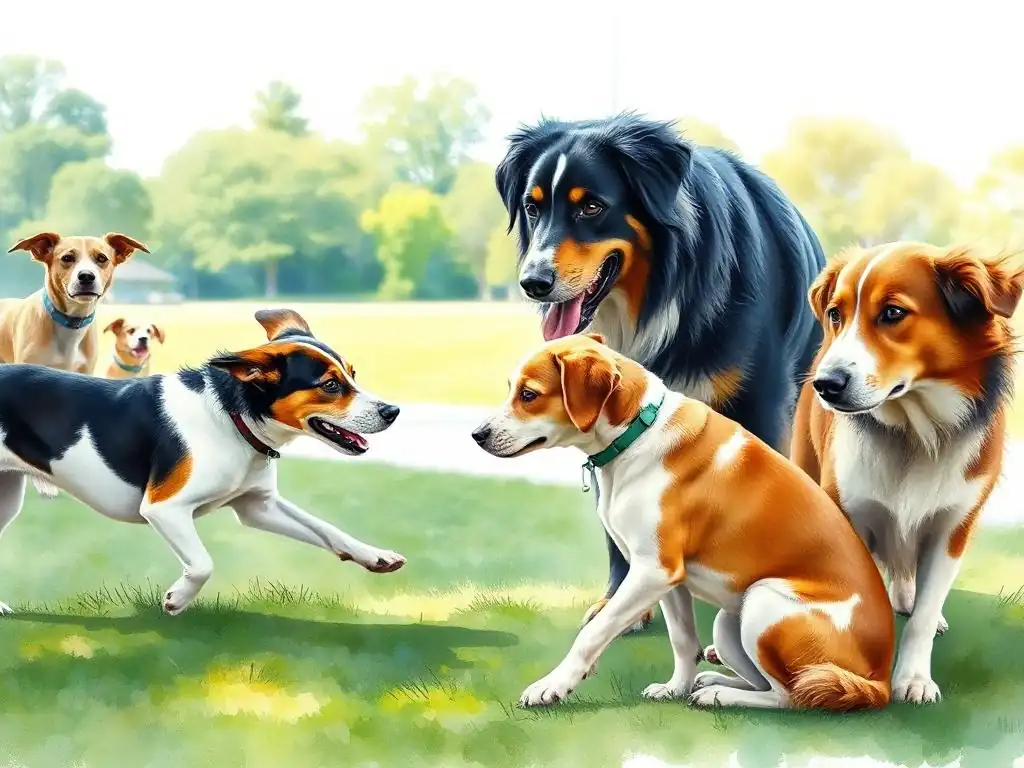
Medium dog breeds, occupying that sweet spot between small and large, present a unique set of social dynamics. Understanding their specific needs is crucial for ensuring their well-being and preventing behavioral issues. While their size often lends itself to adaptability in various living situations, their social needs are no less complex than those of their smaller or larger counterparts.
This section delves into common social challenges faced by medium breed dogs, providing practical strategies for pet owners to navigate these hurdles and foster happy, well-adjusted companions. The key to success lies in early socialization and consistent, positive reinforcement training, tailored to the individual dog's temperament and breed-specific characteristics. Ignoring these needs can lead to significant behavioral problems, impacting both the dog's quality of life and the owner's experience.
Aggression in Medium Breed Dogs: Causes and Solutions
Aggression in medium breed dogs, while concerning, is often rooted in understandable causes. Misunderstandings in communication, fear, territoriality, and even pain can all manifest as aggressive behaviors. For example, a dog experiencing pain from arthritis might snap when touched in a sensitive area. Understanding the root cause is paramount.
Several factors contribute to aggression:
- Lack of socialization: Dogs not properly socialized during their critical puppyhood (typically 3-14 weeks) may struggle to interact appropriately with other dogs and people. This can lead to fear-based aggression or resource guarding.
- Poor training: Inconsistent or harsh training methods can create anxiety and fear, escalating into aggression. Positive reinforcement techniques are far more effective.
- Underlying medical conditions: Pain, discomfort, or illness can make a dog irritable and more likely to react aggressively. A veterinary check-up is crucial if aggression is a new or sudden development.
- Genetic predisposition: While not deterministic, some breeds might have a higher predisposition to certain types of aggression. Understanding your breed's temperament is important.
Solutions often involve a multifaceted approach:
- Professional help: A certified professional dog trainer or veterinary behaviorist can provide tailored guidance and address underlying issues.
- Positive reinforcement training: Focus on rewarding calm and appropriate behavior, rather than punishing aggression.
- Medication: In some cases, medication may be necessary to manage underlying anxiety or pain. This should always be done under veterinary supervision.
- Management strategies: Careful management, such as controlled introductions to other dogs and avoiding triggers, can help prevent aggressive incidents. This might include using barriers or muzzles when necessary.
Remember, addressing aggression requires patience, consistency, and a commitment to understanding your dog's needs. Early intervention is key.
Fear-Based Behaviors in Medium Breed Dogs: Understanding and Managing
Fear is a fundamental emotion, and its manifestation in dogs can range from mild anxiety to full-blown panic. Medium breed dogs, like all dogs, can exhibit fear-based behaviors in diverse ways. These behaviors often stem from negative experiences, lack of socialization, or genetic predisposition. Recognizing these behaviors is crucial for developing effective management strategies.
Common fear-based behaviors include:
- Hiding: Seeking refuge under furniture or in confined spaces.
- Trembling or shaking: Visible signs of anxiety and fear.
- Excessive barking or whining: Vocalizations expressing distress.
- Avoiding eye contact: A sign of submission and fear.
- Aggression (fear-based): Acting aggressively out of fear or perceived threat.
Strategies for managing fear-based behaviors:
- Desensitization and counter-conditioning: Gradually exposing your dog to their fear triggers at a distance and rewarding calm behavior.
- Positive reinforcement training: Rewarding calm behavior in the presence of fear triggers.
- Safe spaces: Creating a comfortable, secure space where your dog can retreat when feeling anxious.
- Medication: In severe cases, medication prescribed by a veterinarian can help manage anxiety.
- Professional guidance: Seeking professional help from a certified dog trainer or veterinary behaviorist can provide tailored solutions.
Understanding the triggers and developing a tailored plan are vital for helping your medium breed dog overcome their fears. Patience and consistent effort are key to success.
Separation Anxiety in Medium Breed Dogs: Strategies for Success
Separation anxiety in medium breed dogs manifests as distress when left alone. This anxiety can lead to destructive behaviors, excessive barking, and even self-harm. Understanding the underlying causes and implementing effective strategies is vital for both the dog's well-being and the household's peace.
Causes of separation anxiety can include:
- Lack of socialization: Dogs not used to being alone may experience heightened anxiety when separated from their owners.
- Changes in routine: Significant changes in the household, such as a move or a new family member, can trigger separation anxiety.
- Past trauma: Negative experiences related to being alone can lead to enduring anxiety.
- Breed predisposition: Some breeds may be more prone to separation anxiety than others.
Strategies to address separation anxiety:
- Gradual desensitization: Start by leaving your dog alone for short periods and gradually increasing the duration.
- Create a safe and enriching environment: Provide toys, chews, and puzzles to keep your dog occupied.
- Positive reinforcement training: Reward calm behavior when you are leaving and returning.
- Medication: In severe cases, medication prescribed by a veterinarian can help manage anxiety.
- Professional help: A certified dog trainer or veterinary behaviorist can provide personalized strategies.
Addressing separation anxiety requires patience and understanding. By implementing these strategies, you can help your medium breed dog feel secure and comfortable, even when you are not around. Remember, consistent effort and a focus on positive reinforcement are crucial for successful management.
Maintaining a Happy and Well-Adjusted Medium Breed Dog
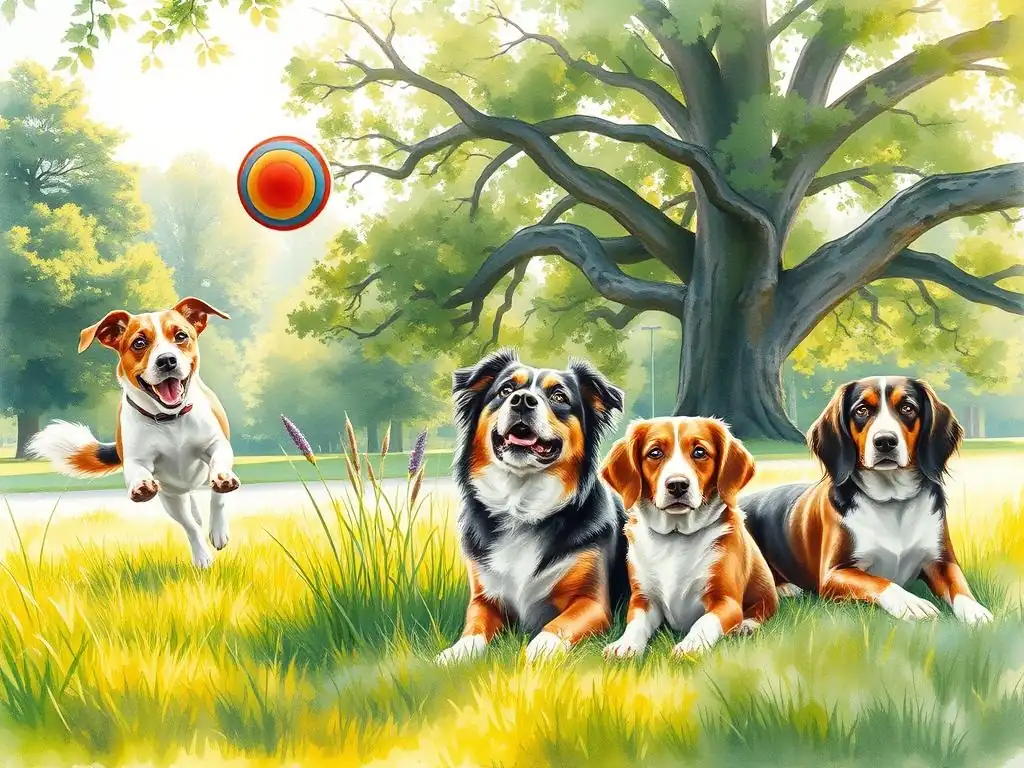
This section delves into the crucial aspects of maintaining a happy and well-adjusted medium breed dog, focusing on their specific social needs. Understanding these needs is paramount to ensuring your canine companion thrives. Medium breed dogs, while often considered a happy medium between small and large breeds, possess unique social requirements that deserve careful attention. Neglecting these needs can lead to behavioral problems and a diminished quality of life for your pet.
We'll explore practical strategies and preventative measures to foster a fulfilling social life for your medium breed dog. This includes understanding their breed-specific tendencies, recognizing signs of social stress, and providing a balanced lifestyle that promotes both physical and mental well-being. Remember, a socially well-adjusted dog is a happier, healthier dog.
Socialization for medium breed dogs isn't a one-time event; it's an ongoing commitment that extends throughout their lives. Early socialization, ideally starting between 8 and 16 weeks of age, lays a crucial foundation. However, even adult dogs benefit from continued exposure to various stimuli and social interactions. This continuous process helps them develop appropriate social skills, reduces anxiety, and prevents behavioral issues stemming from social isolation or fear.
Consider these key aspects of lifelong socialization:
- Controlled introductions: Gradually introduce your dog to new dogs and people in safe, controlled environments. Avoid overwhelming situations that could trigger fear or aggression.
- Positive reinforcement: Use positive reinforcement techniques, such as treats and praise, to reward calm and appropriate behavior during social interactions.
- Variety of experiences: Expose your dog to different environments, sounds, and sights. This could involve walks in varied locations, visits to pet-friendly establishments, or participation in dog-friendly activities.
- Puppy classes and adult dog training: Formal training classes provide structured socialization opportunities and professional guidance on addressing potential behavioral challenges. These classes allow your dog to interact with other dogs under supervision, helping them learn appropriate social cues.
- Regular playdates: Arrange regular playdates with well-socialized dogs of similar size and temperament. Supervise these interactions carefully to ensure they remain positive and safe.
Failing to maintain ongoing socialization can lead to increased anxiety, fear-based aggression, and difficulty adapting to new situations. A well-socialized medium breed dog will be more confident, adaptable, and less prone to behavioral problems.
Recognizing the signs of social stress in your medium breed dog is crucial for their well-being. Early intervention can prevent small problems from escalating into significant behavioral issues. These signs can be subtle and may vary depending on the individual dog, but some common indicators include:
- Body language: Watch for signs like tucked tail, lowered head, yawning, lip licking, whale eye (showing the whites of their eyes), and avoidance behaviors.
- Changes in behavior: Increased barking, whining, trembling, pacing, or destructive chewing can all indicate social stress.
- Aggression: While not always directly related to social stress, aggression can be a manifestation of underlying anxiety or fear, particularly in dogs with limited socialization experiences.
- Changes in appetite and sleep: A sudden shift in appetite or sleep patterns can also be indicative of underlying stress.
If you notice any of these signs, it's essential to seek professional help. A certified veterinary behaviorist or a qualified dog trainer can assess your dog's behavior, identify the underlying causes of stress, and develop a tailored behavior modification plan. Early intervention significantly increases the chances of a successful outcome. Don't hesitate to reach out for support – your dog's happiness is worth it.
A balanced lifestyle plays a crucial role in a medium breed dog's social well-being. This encompasses physical exercise, mental stimulation, and a consistent routine. A physically and mentally tired dog is often a more relaxed and socially well-adjusted dog.
- Adequate exercise: Medium breed dogs require a moderate amount of daily exercise, tailored to their breed and age. This could include walks, runs, playtime in a secure area, or participation in dog sports. Insufficient exercise can lead to pent-up energy and frustration, potentially manifesting as behavioral problems.
- Mental stimulation: Provide mental stimulation through interactive games, puzzle toys, training sessions, and opportunities for exploration. A bored dog is more likely to exhibit undesirable behaviors.
- Consistent routine: A predictable routine provides a sense of security and stability for your dog. Consistent feeding times, walk schedules, and training sessions help reduce anxiety and promote a sense of calm.
- Nutritional needs: Ensure your dog receives a balanced diet that supports their physical and mental health. Proper nutrition is essential for overall well-being and can positively influence behavior.
By providing a balanced lifestyle that addresses both physical and mental needs, you contribute significantly to your medium breed dog’s social well-being, fostering a happier, healthier, and more well-adjusted companion. Remember, a happy dog is a socially engaged dog. 🐶
Frequently Asked Questions
Medium-sized dogs, like many breeds, require regular social interaction with both humans and other dogs. The specific needs vary by breed and individual dog, but daily interaction and opportunities for play are crucial for their well-being. Lack of socialization can lead to behavioral issues.
How much daily interaction do medium breed dogs need?
The amount of interaction needed depends on the individual dog and their breed's temperament. However, aiming for at least one to two hours of active interaction daily is a good starting point. This can include walks, playtime, training sessions, and social time with other dogs.
While size isn't the sole determinant, some medium breeds may be predisposed to certain behavioral issues if not properly socialized. Early socialization is key to preventing problems like aggression or anxiety. Proper training and consistent interaction are essential.
Signs of insufficient socialization include excessive barking, aggression towards other dogs or people, anxiety, destructive behavior, or excessive sleeping. If you notice these signs, consult a veterinarian or a professional dog trainer.
Provide opportunities for structured playdates with other well-socialized dogs, engage in regular training sessions using positive reinforcement, and ensure plenty of daily walks and playtime. Enrichment activities like puzzle toys also help stimulate their minds and reduce boredom.
The unique social needs of medium breed dogs are not merely a niche topic; they are a crucial element in ensuring the well-being of millions of beloved companions. Understanding these needs, as explored throughout this article, directly impacts the happiness and longevity of these dogs, shaping their lives in profound and lasting ways. Ignoring these needs can lead to behavioral problems and a diminished quality of life for both the dog and its owner.
The journey of understanding canine social dynamics, particularly within the often-overlooked medium breed category, has been a deeply enriching one for me. It's highlighted the importance of moving beyond generalized dog-care advice and embracing the nuanced requirements of different breeds and sizes. A dog is the only thing on earth that loves you more than he loves himself.
– Josh Billings. This quote underscores the responsibility we have to truly understand and meet the needs of our canine companions, and that starts with recognizing their individual social requirements.
Now, consider your own dog, or the medium breed dogs you encounter. What steps can you take today to better understand and fulfill their social needs? Are you providing enough opportunities for interaction, both with other dogs and with you? Reflect on the information presented here, and commit to enriching the social lives of the medium breed dogs in your life. Their happiness, and your bond with them, will flourish as a result.
Thank you for exploring the world of dog socialization! We hope you've gained valuable insights into enriching your dog's life. Now, let's put that knowledge into practice.
- Prioritize playtime: Schedule at least one dedicated playtime session each day, focusing on activities that challenge your dog both physically and mentally. A tired dog is a happy dog!
- Expand their social circle: Introduce your dog to new canine and human friends by joining a local dog park, attending a dog-friendly event, or even enrolling in an obedience class.
- Share your success! Tell us about your favorite socialization activities – what works best for you and your dog?
What unique challenges or successes have you experienced while socializing your medium breed dog? Let's share our experiences and build a supportive community!