
Canine Freestyle for Senior Dogs: Adapting Dance Moves for Older Pups

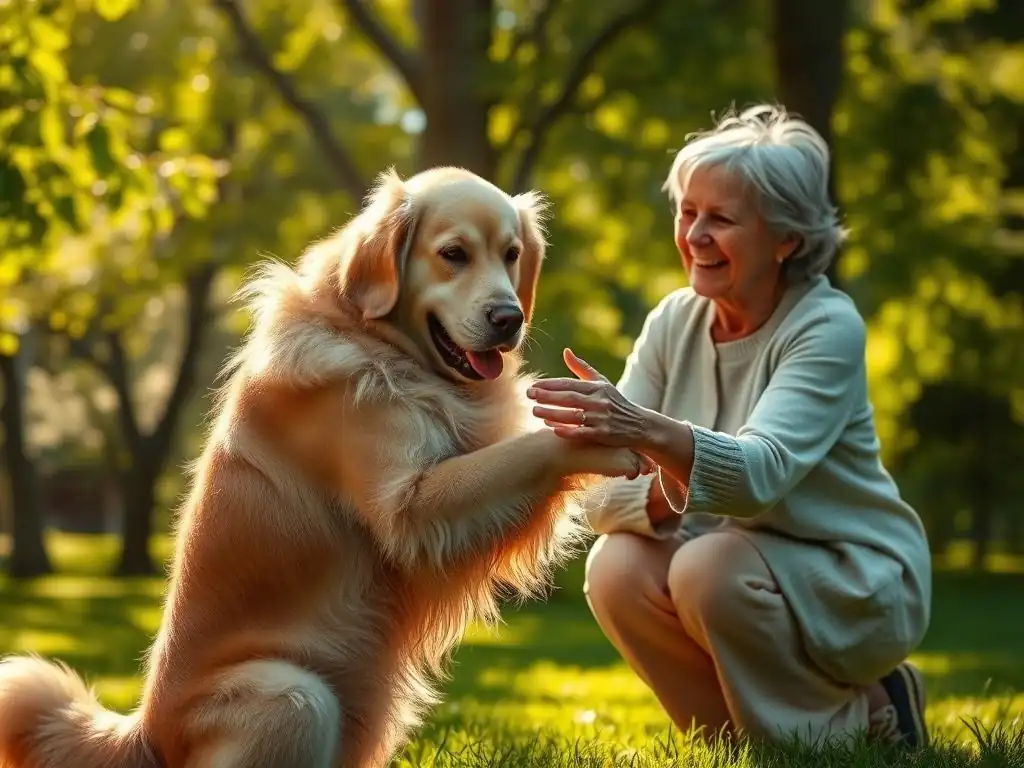
Welcome to PetCareWorld, your ultimate guide to a happier, healthier life for your beloved pets! Are you ready to discover how even your senior canine companion can enjoy the joy of movement? We delve into the fascinating world of Senior Dog Freestyle Dance Moves, offering expert advice on adapting energetic routines for older pups. Prepare to be amazed by what's possible – and learn how to keep your aging friend active, engaged, and full of life!
- Understanding Senior Dog Fitness and Freestyle
- Modifying Freestyle Dance Moves for Senior Dogs
- Choosing Appropriate Music and Props for Senior Dog Freestyle
- Building Confidence and Motivation in Senior Dogs for Freestyle
- Safety Precautions and Considerations for Senior Dog Freestyle
- Maintaining Joint Health and Flexibility in Senior Dogs for Freestyle
- Advanced Techniques for Adapting Freestyle for Senior Dogs: Case Studies
- The Benefits of Canine Freestyle for Senior Dogs: Improved Physical and Mental Well-being
- Frequently Asked Questions
- Final Reflection: The Ageless Joy of Dance: Freestyle with Our Senior Companions
- Unleash Your Senior Dog's Inner Dancer!
Understanding Senior Dog Fitness and Freestyle
Canine freestyle, the exciting sport combining dance and dog training, offers a fantastic way to bond with your canine companion and provide enriching mental and physical stimulation. However, as our beloved furry friends age, adapting training methods becomes crucial to ensure their safety and well-being. This guide focuses specifically on adapting canine freestyle routines for senior dogs, helping you maintain a fun and engaging activity while prioritizing their comfort and avoiding potential injuries.
We'll explore how to assess your senior dog's physical capabilities, adjust training schedules, and recognize signs of discomfort or overexertion, ensuring a positive and safe freestyle experience for both of you. Remember, the goal is to enjoy the shared activity, not push your older dog beyond their limits.
This approach ensures that your senior dog continues to experience the joys of freestyle, promoting both physical and mental health in a way that respects their age and physical condition. Let's delve into the specifics of adapting freestyle for senior dogs, maximizing enjoyment while safeguarding their health.
Assessing Your Senior Dog's Physical Capabilities for Freestyle
Before embarking on a freestyle routine with your senior dog, a thorough assessment of their physical capabilities is paramount. This involves a careful evaluation of several key areas. Consider their mobility: Do they show any signs of stiffness, arthritis, or difficulty moving? Observe their gait – is it smooth and even, or do they limp or favor one leg?
Their stamina is another crucial factor. How long can they walk comfortably before showing signs of fatigue? A veterinarian's check-up is highly recommended before starting or modifying any exercise program, particularly for senior dogs. They can provide insights into your dog's specific health conditions and advise on appropriate exercise levels.
Finally, consider any existing health conditions like hip dysplasia or other orthopedic issues that might limit their ability to perform certain moves. Remember, adapting your routine to suit your dog's limitations is key to preventing injury and ensuring their continued enjoyment of freestyle. Don't hesitate to consult with a canine rehabilitation specialist or certified professional dog trainer for personalized advice.
Adapting Training Schedules for Older Dogs: Frequency and Duration
Adapting your training schedule is essential for senior dogs participating in freestyle. Instead of long, intense sessions, opt for shorter, more frequent training sessions. For instance, instead of one 60-minute session, consider three 20-minute sessions spread throughout the day. This allows for adequate rest periods between exercises, preventing overexertion and muscle fatigue.
It's also important to observe your dog closely for signs of fatigue during training. These could include panting excessively, refusing to participate, or exhibiting signs of discomfort. Always prioritize their well-being and end the session immediately if you notice any of these signs. Be prepared to adjust the duration and intensity of each session based on your dog's response.
Some days, a 10-minute session might be all they can comfortably handle; other days, they might be ready for a bit more. Flexibility and responsiveness to your dog's cues are essential. Remember, consistency is key, but it must be balanced with careful observation and respect for your dog’s limits. Listen to your dog's body and adjust accordingly.
Recognizing Signs of Discomfort or Overexertion During Freestyle Training
During freestyle training with your senior dog, it's crucial to be vigilant in recognizing signs of discomfort or overexertion. These could manifest in various ways. Watch for subtle changes in their behavior, such as reluctance to perform certain movements, stiffness, or a change in gait. Increased panting, even after short periods of activity, can also be a warning sign. Limping, whining, or changes in their overall demeanor should be taken seriously.
Pay close attention to their body language. A tucked tail, lowered head, or avoidance of eye contact might indicate pain or discomfort. If you observe any of these signs, immediately stop the training session and allow your dog ample time to rest. Consider providing them with supportive measures such as gentle massage or cool compresses.
If the signs persist or worsen, consult your veterinarian to rule out any underlying health issues. Remember, your dog's comfort and well-being should always be the top priority. Preventing injury is far more important than pushing them beyond their limits. Prioritize safety and enjoy the journey together!
Modifying Freestyle Dance Moves for Senior Dogs
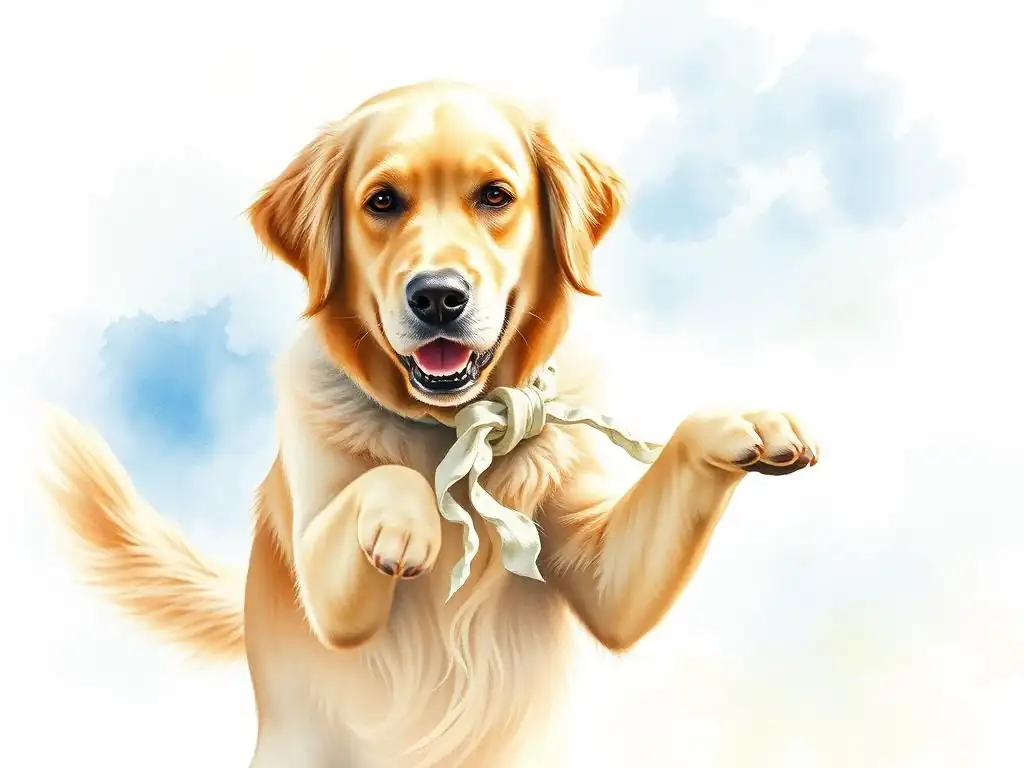
Senior dog freestyle dance moves require a thoughtful approach, prioritizing the dog's comfort and well-being above all else. While the joy of dancing with your canine companion remains paramount, adapting the choreography to suit their age and physical limitations is crucial. This section explores practical strategies to modify existing routines and create new ones specifically designed for senior dogs.
Remember, the goal is to maintain a fun and engaging activity while preventing injury and ensuring your older pup enjoys the experience. The key is to listen to your dog and adjust accordingly. If they show signs of discomfort or fatigue, stop immediately and consult your veterinarian.
Simplified Choreography for Senior Dog Freestyle Dance
Senior dogs often experience decreased stamina and slower reaction times. Therefore, simplifying the choreography is vital. Instead of complex sequences with multiple quick movements, focus on a smaller number of simpler, slower moves. For instance, instead of a rapid series of spins, consider incorporating one or two slow, controlled turns. Similarly, replace fast-paced leaps with gentle steps and walking patterns.
Prioritize smooth transitions between moves, avoiding abrupt changes in direction or speed. This approach minimizes strain on joints and muscles, allowing for a more enjoyable experience for your senior dog. A good way to start is to break down existing routines into smaller, manageable segments, focusing on mastering each section before combining them. Remember to reward your dog frequently with praise and treats to maintain their enthusiasm and motivation throughout the simplified routine.
Think about replacing challenging moves like high jumps or quick pivots with easier alternatives. A simple sit-to-stand transition, a slow walk around you, or a gentle head-tilt can be just as engaging and visually appealing. Consider incorporating short breaks within the routine to allow your dog to rest and recover. These breaks can be disguised as part of the choreography, such as a short pause while you both take a bow.
Low-Impact Freestyle Moves for Older Dogs: Focus on Flexibility and Balance
As dogs age, maintaining flexibility and balance becomes increasingly important. Low-impact freestyle moves are specifically designed to improve these areas while minimizing stress on joints. These movements often involve gentle stretches, controlled rotations, and slow, deliberate steps. Incorporating these modifications into your routine will help to maintain your senior dog's mobility and range of motion. Examples of low-impact moves include: gentle swaying, slow circles, and controlled forward and backward movements.
These motions promote joint lubrication and flexibility, helping to prevent stiffness and pain. You can also incorporate simple stretches into your routine, such as gently extending your dog's legs or encouraging them to reach for treats held slightly above their head. Always ensure that all movements are gentle and controlled, avoiding any sudden jerks or forceful movements. Remember, the focus is on maintaining flexibility and balance, not on athleticism.
It's also important to consider the surface you are dancing on. Opt for softer surfaces like grass or a well-padded mat to minimize impact on your dog's joints. Avoid hard surfaces like concrete or pavement, which can exacerbate joint pain and discomfort. Observe your dog carefully for any signs of strain or discomfort.
If they show any hesitation or stiffness, adjust the intensity or duration of the exercise accordingly. Regular veterinary checkups are crucial for monitoring your senior dog's health and ensuring that their participation in freestyle dancing is safe and beneficial. Regularly assess your dog's energy levels and adjust the length and intensity of your dance sessions accordingly.
Adjusting Dance Routines to Accommodate Arthritis and Mobility Issues
Arthritis is a common condition in senior dogs, significantly impacting their mobility and comfort. Adapting your freestyle dance routine to accommodate arthritis requires careful consideration and a willingness to make significant modifications. The primary goal is to minimize any strain or pressure on affected joints. This may involve eliminating jumps, spins, and other high-impact movements altogether.
Instead, focus on slow, controlled movements that allow your dog to maintain a comfortable posture and avoid sudden jarring motions. For example, instead of a lively routine filled with energetic leaps, you might opt for a more meditative sequence of gentle head tilts, slow walks, and relaxed sits and downs. Using assistive devices, such as a harness or a gentle lead, can provide additional support and stability for dogs with mobility problems, allowing them to participate more comfortably. Consider adding short rest periods throughout your routine.
For dogs with severe arthritis, you might need to completely revise your routine. A simple, seated dance, incorporating gentle head movements and small positional changes, might be more appropriate. Remember, the aim is to provide your dog with a positive and enjoyable experience, not to push them beyond their physical limits.
Regular veterinary checkups are crucial for monitoring your dog's arthritis and adjusting your dance routine accordingly. Remember to consult with your veterinarian or a canine rehabilitation specialist for personalized advice and guidance on adapting your freestyle routine for your senior dog with arthritis. They can offer valuable insights into suitable exercises and modifications that can help to improve your dog's comfort and mobility.
Don't forget to use positive reinforcement and praise to keep your senior dog motivated and engaged throughout the dance session. Even small, gentle movements can bring joy and strengthen the bond between you and your beloved companion.
Incorporating Rest and Relaxation into Freestyle Sessions for Seniors
Senior dogs, even those enthusiastic about freestyle, have different physical limitations compared to their younger counterparts. Pushing them too hard can lead to injuries and decreased enjoyment of the activity. Therefore, integrating rest and relaxation into your freestyle sessions is crucial for their well-being and continued participation. This doesn't mean reducing the fun; instead, it's about modifying the training approach to prioritize their comfort and safety.
One effective strategy is to shorten the duration of each training session. Instead of aiming for long, strenuous practices, opt for several shorter sessions throughout the day. For example, instead of a single 30-minute session, try three 10-minute sessions with breaks in between. These breaks should be longer than the training periods themselves, allowing your dog ample time to rest and rehydrate. Observe your dog closely; if they show signs of fatigue—panting heavily, reluctance to participate, or stiffness—immediately end the session and let them relax.
During these rest periods, provide opportunities for gentle stretching and relaxation. You can incorporate simple massage techniques, focusing on areas like their neck, back, and legs. This helps improve blood circulation and reduce muscle soreness. Allow your dog to lie down comfortably, perhaps in a cool, shaded area, and provide fresh water. Some senior dogs might appreciate a gentle grooming session during these breaks, as the tactile stimulation can be soothing and calming. Remember, the goal is to create a positive and enjoyable experience, not a grueling workout.
Consider incorporating calm, low-impact activities into your breaks. A short walk on a soft surface, like grass, can be beneficial for joint health and mobility. Avoid strenuous activities like running or jumping. Even a quiet cuddle session can significantly help reduce stress and promote relaxation.
The key is to maintain a balance between physical activity and rest, ensuring your senior dog's comfort and well-being throughout the freestyle sessions. Remember to always prioritize your dog's comfort and health above all else. By carefully managing their exertion levels and incorporating regular rest periods, you can ensure that freestyle remains a safe, enjoyable, and enriching activity for your aging canine companion. This careful approach will allow you to continue enjoying this special bond while protecting their health.
Choosing Appropriate Music and Props for Senior Dog Freestyle
Selecting the right music and props is crucial for a successful and enjoyable freestyle routine with senior dogs. The goal isn't just about dazzling the judges (if competing) but ensuring your canine companion remains comfortable, engaged, and safe throughout the performance. Remember, the focus should always be on the dog's well-being and enjoyment. Adapting the routine to suit their physical limitations is key to successful senior dog freestyle dance moves.
Selecting Slower-Paced Music for Senior Dog Dance Routines
Senior dogs often have reduced stamina and agility compared to their younger counterparts. Therefore, selecting music with a slower tempo is paramount. Avoid fast-paced, high-energy music that might overwhelm or tire your older dog. Think calming melodies with a moderate beat. Consider genres like:
- Classical music (e.g., slower movements from concertos)
- Easy listening
- Folk music
- Ambient music
The ideal tempo should allow for controlled movements and sufficient rest periods within the routine. You'll want to build in breaks between more complex steps to allow your dog to catch its breath and maintain a relaxed demeanor. Experiment with different tempos during practice sessions to find what best suits your dog's comfort level and physical capabilities. Observe your dog closely; signs of fatigue, such as panting excessively or slowing down significantly, indicate a need to adjust the tempo or duration of the routine.
Remember, the goal is to create a senior dog freestyle experience that is both fun and safe for your beloved pet. Prioritizing their well-being will result in a more harmonious and enjoyable performance for both of you. A well-chosen soundtrack can greatly enhance the overall mood and success of your routine.
Using Props to Aid Balance and Engagement in Senior Dog Freestyle
Props can be invaluable in senior dog freestyle, providing support and enhancing engagement. However, careful selection is key. Instead of flashy, distracting props, consider items that offer stability and encourage participation. Here are some examples:
- Stable platforms or low steps: These can assist with transitions and provide a secure surface for your dog to perform from.
- Lightweight, soft toys: These can be incorporated into the routine to maintain your dog's interest and provide moments of reward and play.
- Gentle, supportive harnesses or leads: While not strictly a "prop," a well-fitted harness can offer additional stability and security, especially for dogs with mobility issues. Avoid anything restrictive or uncomfortable.
- Tunnels or ramps (low incline): These can add variety to the routine and provide a safe way to incorporate movement without excessive strain.
The key is to use props to aid your senior dog, not to complicate or stress them. Always prioritize safety and comfort. Introduce props gradually during practice, allowing your dog to become familiar with them before incorporating them into your routine.
Avoiding Overly Stimulating Props or Music for Senior Dogs
While props and music can enhance a senior dog freestyle routine, it's crucial to avoid anything overly stimulating. Over-stimulation can lead to anxiety, confusion, and even injury. Here's what to avoid:
- Brightly colored, flashing lights: These can be overwhelming and disorienting for older dogs, particularly those with impaired vision.
- Loud, jarring music: High-volume or jarring music can cause stress and discomfort. Stick to softer sounds and moderate volumes.
- Complex or numerous props: Keep the props simple and limited to avoid confusion and potential hazards. Too many props can distract your dog and make it difficult to maintain focus on the routine.
- Fast-paced, chaotic routines: Avoid complex movements or rapid transitions that could strain your dog's joints or cause them to lose their balance. Remember, safety and comfort are paramount.
By carefully considering the music and props used in your senior dog freestyle routine, you can create a fun, engaging, and safe experience that celebrates the unique abilities and charm of your older canine companion. Remember, the primary goal is to share a positive and rewarding experience, adapted specifically to your dog's needs and capabilities. This careful selection will allow you to showcase your dog's skills while ensuring their well-being remains the top priority.
Building Confidence and Motivation in Senior Dogs for Freestyle
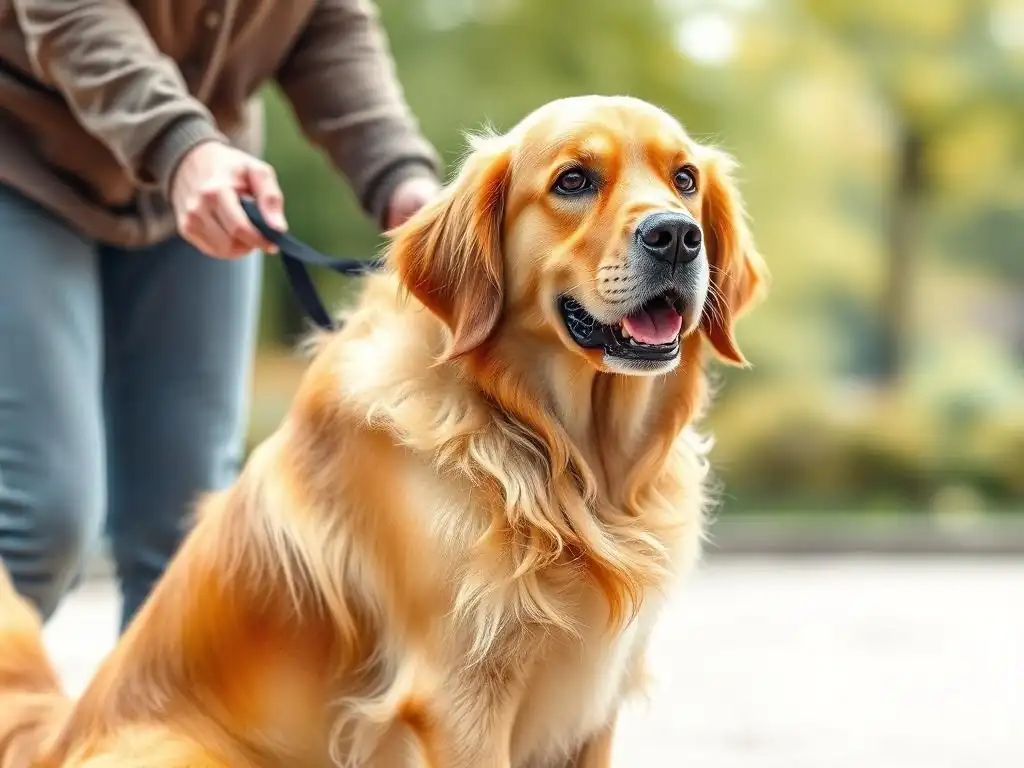
Senior dogs, while possessing a wealth of experience and wisdom, may face physical limitations and decreased energy levels that impact their enthusiasm for learning new tricks, especially those involved in the dynamic world of freestyle dog dancing. Successfully engaging a senior dog in freestyle requires a nuanced approach that prioritizes building confidence and maintaining motivation. This involves understanding their physical capabilities, adapting training methods, and fostering a positive learning environment.
Ignoring their limitations can lead to frustration for both the dog and the handler, potentially hindering their progress and enjoyment. The key is to focus on achievable goals and celebrate even small victories.
Positive Reinforcement Techniques for Senior Dog Freestyle Training
Positive reinforcement is paramount when training senior dogs for freestyle. Traditional methods that rely on punishment or correction are likely to be counterproductive, potentially leading to fear, anxiety, and a reluctance to participate. Instead, focus on rewarding even the smallest attempts at the desired behavior. This might involve offering high-value treats, enthusiastic praise, or even a favorite toy.
For example, if your senior dog is struggling with a specific move like a spin, break it down into smaller, more manageable steps. Reward them for each incremental improvement, such as turning their head in the correct direction, taking a step in the right way, or maintaining their balance for a few seconds. This gradual approach builds confidence and prevents overwhelming the dog. Consistency is key; regular, short training sessions are more effective than infrequent, lengthy ones.
Remember to always end each session on a positive note, leaving your senior dog feeling accomplished and eager for the next session. Consider using a clicker to mark the exact moment the desired behavior occurs, immediately followed by a reward. This precise timing enhances the learning process. This method of positive reinforcement is crucial for senior dog freestyle dance moves.
Rewarding Effort and Participation Over Perfect Execution in Senior Dog Dance
One crucial aspect of senior dog freestyle training is shifting the focus from perfect execution to effort and participation. Senior dogs may experience stiffness, arthritis, or other age-related conditions that limit their range of motion and agility. Demanding flawless performance can be discouraging and detrimental to their well-being.
Instead, celebrate their attempts, even if they don't perfectly execute the move. A wagging tail, a focused gaze, or even a hesitant step in the right direction should be met with enthusiastic praise and a reward. This positive reinforcement encourages continued participation and builds their confidence.
For instance, if your dog is working on a bow, reward them for bending at the hips, even if they don't fully lower themselves to the ground. This approach builds a positive association with the activity and keeps them engaged, making the training process enjoyable for both of you. This strategy is essential for maintaining motivation and preventing frustration during the learning of senior dog freestyle dance moves.
Maintaining a Positive and Encouraging Training Environment for Senior Dogs
Creating a positive and encouraging training environment is critical for success in senior dog freestyle. This involves several key elements. First, ensure the training space is comfortable and safe. Avoid hard surfaces that could aggravate joint pain. Choose a quiet, distraction-free location where your dog feels secure.
Secondly, keep training sessions short and sweet, tailoring their duration to your dog's energy levels. Frequent short sessions are far more effective than infrequent, longer ones. Thirdly, always prioritize your dog's comfort and well-being. If they show signs of fatigue, discomfort, or disinterest, stop the session immediately. Regular breaks and plenty of water are also essential.
Finally, remember that patience and understanding are key. Senior dogs may learn at a slower pace than younger dogs, and that's perfectly okay. Celebrate their progress, no matter how small, and focus on building a strong bond through positive interaction. This positive and supportive environment is crucial for the successful implementation of senior dog freestyle dance moves. Remember, the goal is enjoyment and strengthening your bond, not achieving perfection.
Safety Precautions and Considerations for Senior Dog Freestyle
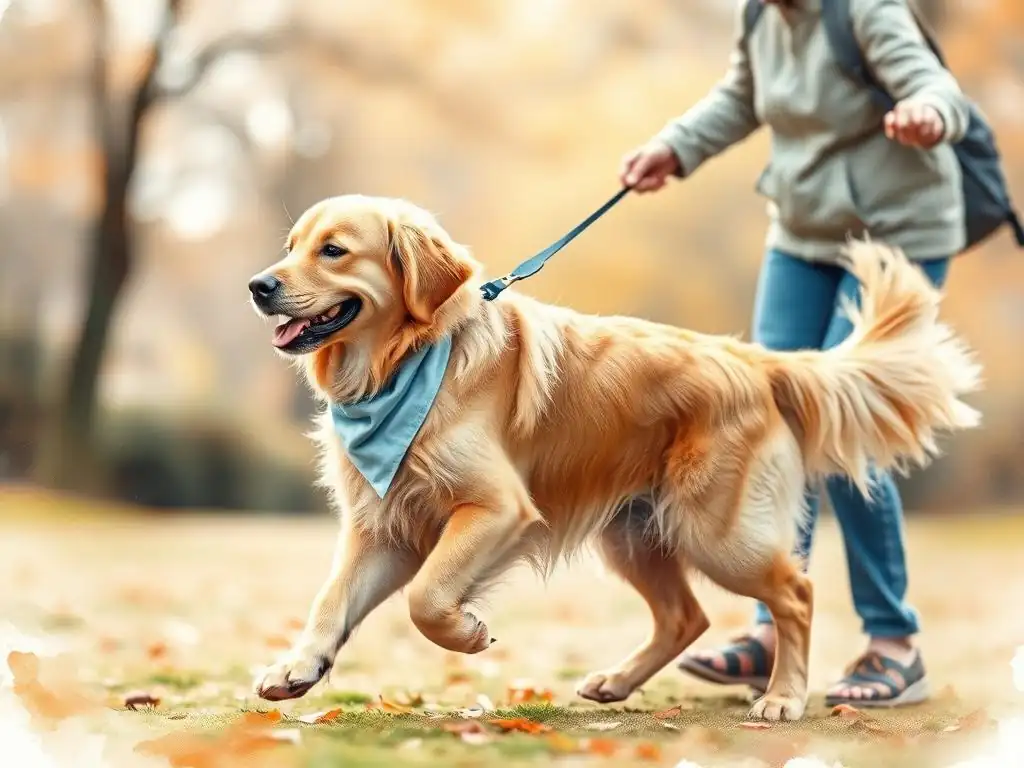
Participating in canine freestyle with a senior dog offers immense rewards, strengthening the bond and providing mental stimulation. However, it's crucial to prioritize safety and adapt training methods to accommodate the physical limitations of older canines. This section details essential safety precautions to ensure a positive and injury-free experience for your aging canine companion. Remember, the goal is joyful engagement, not pushing physical boundaries. The key phrase here is gentle and gradual progression.
Preventing Injuries During Senior Dog Freestyle Training
Preventing injuries is paramount when training senior dogs in freestyle. Their joints and muscles are more susceptible to strain and damage than those of younger dogs. Therefore, training sessions should be shorter and less intense. Instead of long, strenuous practices, opt for multiple shorter sessions throughout the day. This allows for rest and recovery periods, minimizing the risk of overexertion and subsequent injuries.
Consider incorporating low-impact exercises into your routine. Instead of high-energy jumps and spins, focus on slower, more controlled movements. For example, replace a fast-paced sequence with a series of graceful steps and turns. Always monitor your dog's body language closely. Signs of fatigue, such as panting, reluctance to participate, or stiffness, should signal a break. Listen to your dog – they will communicate their limitations.
Remember to warm up before each session with gentle stretches and light cardio, like a slow walk. Similarly, a cool-down period after the session is vital to help your dog's muscles recover. A post-training massage can also be beneficial. Choosing appropriate flooring for your practice area is also important. Hard surfaces can put extra stress on joints, so consider softer options like grass or mats.
Recognizing and Addressing Potential Health Concerns During Freestyle
Senior dogs are more prone to various health issues that can impact their ability to participate in freestyle. Recognizing and addressing these concerns promptly is crucial for their well-being. Common health problems that might affect senior dogs engaged in freestyle include arthritis, hip dysplasia, and other joint issues. These conditions can cause pain and stiffness, making certain movements difficult or even painful.
Observe your dog carefully for signs of discomfort. Limping, stiffness, reluctance to move, whining, or changes in gait are all potential indicators of underlying health problems. If you notice any of these symptoms, immediately stop the training session and consult your veterinarian. Early detection and intervention can often prevent more serious complications and ensure your dog's continued comfort and participation. Remember, a proactive approach is key to maintaining your senior dog's health and well-being throughout their freestyle journey. Don't hesitate to adjust or halt training based on their individual needs.
Consulting with Veterinarians Regarding Senior Dog Freestyle Participation
Before starting any freestyle training program with your senior dog, a consultation with your veterinarian is highly recommended. Your vet can perform a thorough physical examination to assess your dog's overall health and identify any potential risks or limitations. They can advise on appropriate exercise levels, suitable movements, and any necessary modifications to the training program to ensure your dog's safety and well-being.
Your veterinarian can also help you develop a plan to address any pre-existing health conditions. This might include recommendations for pain management, supplements, or physical therapy to support your dog's mobility and reduce the risk of injury. Regular check-ups are also important to monitor your dog's progress and address any concerns that may arise during training.
Open communication with your vet is essential for ensuring a safe and enjoyable freestyle experience for both you and your senior canine partner. Remember, their expertise is invaluable in ensuring a responsible and healthy approach to canine freestyle for senior dogs. Don't underestimate the importance of veterinary guidance in this specialized area of canine activity.
Maintaining Joint Health and Flexibility in Senior Dogs for Freestyle
Senior dogs participating in freestyle, while incredibly rewarding, require careful consideration of their physical limitations. Maintaining joint health and flexibility is paramount to prevent injuries and ensure their continued enjoyment of this engaging activity. The key lies in a proactive approach combining careful exercise planning, a balanced diet, and potentially supplementary therapies. Ignoring these aspects can lead to discomfort, stiffness, and even serious joint damage, prematurely ending their dancing career. This section focuses on practical strategies to keep your senior canine dancer happy, healthy, and moving gracefully.
Supplements and Nutrition for Senior Dogs Participating in Freestyle
Nutrition plays a crucial role in maintaining joint health in senior dogs involved in freestyle. A diet rich in glucosamine and chondroitin, naturally occurring compounds that support cartilage health, is essential. These supplements can be found in many commercially available dog foods specifically formulated for senior dogs or can be added as supplements. However, always consult your veterinarian before introducing any new supplements to your dog's diet, especially if they have pre-existing health conditions. They can help determine the appropriate dosage and assess any potential interactions with other medications.
Beyond glucosamine and chondroitin, consider incorporating omega-3 fatty acids into your senior dog's diet. These fatty acids have anti-inflammatory properties that can help reduce joint pain and stiffness. Sources include fish oil supplements (again, consult your vet) or foods rich in omega-3s, such as salmon or flaxseed oil (in moderation). Maintaining a healthy weight is also crucial; excess weight puts extra strain on joints, exacerbating existing problems.
Regularly monitor your dog's body condition score and adjust their food intake accordingly. Remember, a tailored nutritional plan, specific to your dog's breed, age, activity level, and any health conditions, is key for optimal joint health and performance in freestyle. A balanced approach encompassing a high-quality senior dog food and targeted supplementation can make a significant difference in your dog's comfort and ability to participate in freestyle.
Warm-up and Cool-down Exercises for Senior Dogs Before and After Freestyle
Proper warm-up and cool-down routines are vital for preventing injuries and optimizing performance in senior dogs participating in freestyle. A rushed approach can lead to strains and tears. The warm-up should gradually increase your dog's heart rate and blood flow to the muscles and joints, preparing them for the more strenuous activity of freestyle. A gentle walk, followed by some simple range-of-motion exercises like slow leg stretches and gentle back bends, is a good starting point.
Avoid any sudden movements or forceful stretches. Focus on controlled movements and monitor your dog's reaction carefully. Observe for any signs of discomfort or pain.
The cool-down should be equally gentle, gradually decreasing the heart rate and promoting relaxation. Again, slow range-of-motion exercises can be beneficial, along with a gentle walk. Massage can also be helpful in easing muscle tension and promoting relaxation.
Remember, the goal of both warm-up and cool-down routines is to prepare the body for and recover from activity, minimizing the risk of injury. The duration of these routines should be adjusted based on your dog's age, fitness level, and the intensity of the freestyle routine. Regular, consistent warm-up and cool-down sessions are crucial for maintaining joint health and extending the lifespan of your senior dog's freestyle career.
Hydrotherapy and Other Complementary Therapies for Senior Dog Joint Health
Hydrotherapy, or underwater treadmill therapy, offers significant benefits for senior dogs with joint issues. The buoyancy of the water reduces stress on the joints, allowing for low-impact exercise that improves muscle strength and range of motion without causing further strain. This is particularly beneficial for dogs with arthritis or other degenerative joint diseases.
Other complementary therapies, such as acupuncture and massage therapy, can also provide relief from pain and stiffness, improving mobility and overall comfort. These therapies can help manage chronic pain and inflammation, allowing senior dogs to participate in freestyle with less discomfort. Remember to consult with your veterinarian or a qualified canine rehabilitation specialist to determine the most appropriate therapies for your dog's specific needs and condition.
They can assess your dog's overall health and guide you towards the best approach to maintaining their joint health and enabling them to continue enjoying freestyle. A holistic approach combining careful exercise, proper nutrition, and potentially complementary therapies offers the best chance of ensuring your senior dog's continued participation in this rewarding activity.
Advanced Techniques for Adapting Freestyle for Senior Dogs: Case Studies
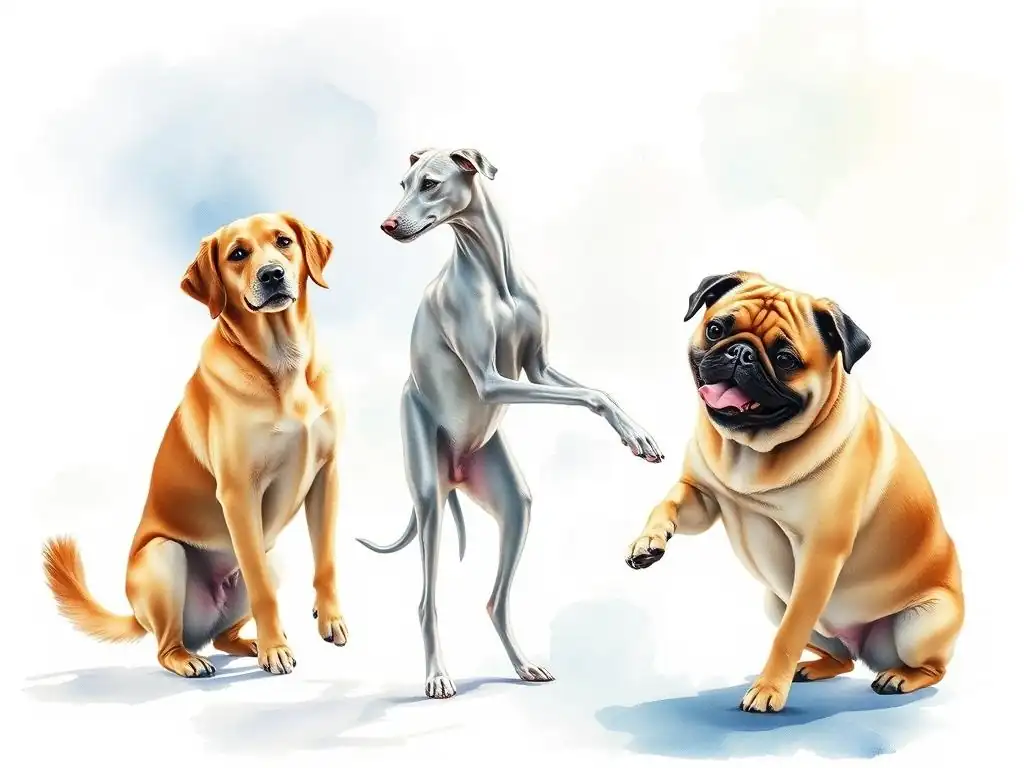
This section delves into specific examples of adapting canine freestyle routines for senior dogs with varying physical and cognitive limitations. Remember, always prioritize your dog's comfort and well-being. Consult your veterinarian before starting any new training program, especially with a senior dog. The key to successful senior dog freestyle is modification and patience. We'll explore how to adjust routines to accommodate arthritis, limited mobility, and cognitive decline, focusing on maintaining engagement and enjoyment for both you and your canine partner. The goal is to adapt, not abandon, your shared passion for dance.
Case Study 1: Adapting a Complex Routine for a Dog with Arthritis
This case study focuses on adapting a complex freestyle routine for a 10-year-old Golden Retriever named Gus, diagnosed with mild arthritis in his hips and shoulders. Gus previously excelled in a fast-paced routine with many quick turns and jumps. To adapt his routine, we focused on several key modifications:
- Reducing Impact: High-impact moves like jumps and quick turns were replaced with slower, more controlled movements. We substituted jumps with graceful bows and sits. Quick turns were replaced with slower pivots, minimizing strain on his joints.
- Increased Rest Periods: Longer rest periods were incorporated throughout the routine. These weren't just pauses; they were integrated into the choreography, using them as opportunities for Gus to relax and receive praise. We used the "down-stay" command effectively, turning it into a graceful transition between moves.
- Modifying the Music: The music was adjusted to match the slower pace of the adapted routine. The tempo was slowed down, and the energy of the music was modified to be less frantic and more calming.
- Strengthening Exercises: We incorporated low-impact strengthening exercises into Gus's daily routine, focusing on strengthening his core and leg muscles. This helped improve his stability and reduce joint stress during the freestyle routine. This included short sessions of gentle swimming and exercises like slow heel raises.
The result? Gus still enjoyed the challenge and the bonding experience of freestyle, and his arthritis symptoms were not exacerbated by the activity. His modified routine was even more elegant and showcased his grace and intelligence. This proves that adaptation, not elimination, is the key to maintaining a senior dog's active lifestyle.
Case Study 2: Building Strength and Confidence in a Senior Dog with Limited Mobility
This case study focuses on Bella, a 12-year-old Dachshund with significant mobility issues due to intervertebral disc disease. Bella's initial attempts at freestyle were frustrating, as her limited range of motion made many moves impossible. We focused on building strength and confidence using these strategies:
- Targeted Strengthening: We started with very basic exercises, focusing on strengthening her core and back muscles using gentle stretches and targeted exercises performed on a low-friction surface. We avoided any movements that might exacerbate her condition.
- Simple Choreography: The freestyle routine was incredibly simplified. It consisted of slow, deliberate movements, mostly focusing on head turns, sits, and downs. The emphasis was on precision and control, not speed or complexity.
- Positive Reinforcement: Positive reinforcement was crucial. Bella received praise and treats for even the smallest improvements. Building her confidence was as important as building her physical strength. We focused on rewarding effort, not just perfect execution.
- Gradual Progression: We gradually increased the complexity of the routine, adding new moves only when Bella demonstrated mastery of the previous ones and showed no signs of discomfort. We were meticulous in our observation of her body language.
The transformation was remarkable. While Bella may never perform complex jumps or spins, she now enjoys a simplified freestyle routine, and her confidence has noticeably increased. This highlights the importance of patience and a focus on building confidence alongside physical capabilities. The joy on Bella’s face during her routine is priceless.
Case Study 3: Maintaining Engagement and Motivation in a Senior Dog with Cognitive Decline
This case study highlights the challenges and successes of working with Charlie, a 14-year-old Labrador Retriever experiencing early stages of canine cognitive dysfunction (CCD). Charlie's memory and focus were impaired, making it difficult to learn and retain new moves.
- Short Training Sessions: We shortened training sessions to just 5-10 minutes, several times a day. This prevented Charlie from becoming overwhelmed or frustrated. We focused on maintaining his engagement through frequent positive reinforcement.
- Familiar Moves: We built the routine around moves he already knew from his younger years, focusing on repetition and reinforcement of these familiar behaviors. This provided a sense of familiarity and accomplishment.
- Environmental Enrichment: We incorporated environmental enrichment into training, using different locations and props to keep the sessions stimulating and engaging. This helped counteract the effects of cognitive decline.
- Scent Work Integration: We cleverly incorporated scent work into the routine. Hiding treats along the training path kept Charlie engaged and motivated. This tapped into his remaining senses to enhance the overall experience.
The results showed that even with cognitive decline, a modified freestyle routine could be maintained. Charlie's participation improved his mood, stimulated his mind, and strengthened the bond between him and his owner. This demonstrates that freestyle can be adapted to address the needs of senior dogs facing even significant cognitive challenges. The key is to modify the approach, not give up on the activity altogether. Remember always to consult with your veterinarian and consider canine cognitive dysfunction support products as needed.
The Benefits of Canine Freestyle for Senior Dogs: Improved Physical and Mental Well-being
Canine freestyle, often perceived as a high-energy activity, offers surprising benefits for senior dogs. While the intensity might need adjustment, the core principles of freestyle – engaging, interactive movement combined with positive reinforcement – provide a wealth of advantages for older pups. Adapting the dance moves to accommodate age-related physical limitations is key, transforming freestyle into a gentle yet effective form of exercise and mental stimulation. This section will explore how carefully tailored freestyle routines can significantly improve both the physical and mental well-being of senior dogs.
The key is to prioritize low-impact movements and shorter training sessions, focusing on quality over quantity. This approach ensures the activity remains enjoyable and beneficial, avoiding any strain or injury. Remember, the goal is to enhance, not exhaust, your aging canine companion.
Improved Mobility and Flexibility Through Freestyle for Senior Dogs
Arthritis, stiffness, and decreased muscle mass are common challenges faced by senior dogs. However, carefully designed freestyle routines can combat these issues. Instead of demanding high jumps or complex spins, focus on slow, controlled movements that gently stretch and strengthen muscles. Simple steps like walking in a figure-8 pattern, slow pivots, and gentle stretches incorporated into the dance can improve range of motion and flexibility. Consider incorporating elements like:
- Slow, controlled walking: Maintaining a steady pace helps improve joint mobility and reduces strain.
- Gentle bends and stretches: Incorporate movements that encourage your dog to stretch its legs and back, improving suppleness.
- Passive range of motion exercises: Gently guide your dog's limbs through their range of motion during the routine. This can help maintain flexibility.
- Water-based exercises: If your senior dog is comfortable in water, incorporating water-based exercises into the routine can be incredibly beneficial, reducing stress on joints.
Regular, low-impact freestyle sessions can help maintain muscle mass, improving strength and balance. Remember to always observe your dog for signs of discomfort and adjust the intensity accordingly. A gradual increase in the duration and complexity of the routine is crucial to prevent injury. The aim is to improve mobility and flexibility gradually, ensuring a positive and enjoyable experience for your senior dog. The rewards are increased comfort, reduced stiffness, and a happier, more mobile companion.
Enhanced Cognitive Function and Mental Stimulation Through Dance
Senior dogs, much like humans, can experience cognitive decline. Freestyle provides a fantastic opportunity for mental stimulation, actively combating age-related cognitive dysfunction. The repetitive nature of learning and performing routines strengthens neural pathways, improving memory and focus. The interactive nature of the activity keeps your dog engaged, preventing boredom and promoting mental alertness.
The process of learning new moves and remembering sequences provides a constant challenge, keeping the brain active and engaged. This mental stimulation can manifest in several ways:
- Improved alertness and responsiveness: Senior dogs participating in freestyle often demonstrate increased alertness and responsiveness to their owners' cues.
- Reduced anxiety and stress: The positive reinforcement associated with freestyle can help reduce anxiety and stress levels in senior dogs.
- Enhanced problem-solving skills: Learning and performing new dance moves requires problem-solving, which strengthens cognitive abilities.
By incorporating novel movements and variations into your freestyle routine, you continuously challenge your senior dog's cognitive abilities. This ongoing mental stimulation helps maintain cognitive sharpness and can delay the onset or progression of age-related cognitive decline. Remember to keep training sessions short and rewarding, focusing on positive reinforcement to maintain motivation and engagement. The mental benefits of freestyle are as significant as the physical advantages, ensuring your senior dog remains mentally sharp and engaged.
Strengthening the Bond Between Owner and Senior Dog Through Freestyle Activities
Beyond the physical and cognitive benefits, freestyle offers an invaluable opportunity to strengthen the bond between you and your senior dog. The shared experience of learning and performing routines fosters a deeper connection, enriching the relationship through shared accomplishment and positive interaction. The focused attention and positive reinforcement involved in freestyle create a positive and rewarding experience for both owner and pet.
The process of learning and practicing together strengthens the human-animal bond in several ways:
- Increased communication and understanding: Freestyle requires close communication and cooperation between owner and dog, leading to better understanding and trust.
- Enhanced trust and confidence: Successful performance of routines builds trust and confidence in both the owner and the dog.
- Shared joy and accomplishment: The shared experience of mastering new moves and performing routines fosters a sense of accomplishment and joy.
The positive reinforcement used throughout the training process strengthens the bond further. Praise, rewards, and affection reinforce the positive connection, creating a deeply rewarding experience for both parties. As your senior dog navigates the challenges of aging, the shared joy and connection provided by freestyle can be invaluable, making the activity a source of comfort, companionship, and mutual enrichment. The bond you cultivate through freestyle will undoubtedly enhance the quality of life for both you and your beloved senior canine companion.
Frequently Asked Questions
Can senior dogs really learn freestyle dance moves?
Yes! While learning may be slower, senior dogs can still learn and enjoy modified freestyle routines. Focus on shorter sessions and simpler moves adapted to their physical capabilities.
What are some suitable dance moves for senior dogs?
Gentle spins, slow walks with changes of pace, and simple sits and downs are excellent starting points. Avoid jumps or high-impact movements that could strain their joints. Focus on reward-based training.
How do I adapt existing freestyle routines for a senior dog?
Reduce the intensity and duration of the routine. Break down complex moves into smaller, easier steps. Prioritize your dog's comfort and well-being above all else. Use more frequent breaks.
What are the benefits of freestyle dancing for senior dogs?
Freestyle can improve mobility, cognitive function, and overall well-being. It provides mental stimulation and strengthens the bond between you and your dog through positive interaction.
What signs should I watch for that indicate my senior dog is struggling?
Pay attention to signs of fatigue, stiffness, reluctance to participate, or any signs of pain. If your dog shows any discomfort, stop the session immediately and consult your veterinarian.
Final Reflection: The Ageless Joy of Dance: Freestyle with Our Senior Companions
The bond between humans and dogs transcends age, and the joy of canine freestyle is a testament to that enduring connection. Adapting dance routines to accommodate the physical limitations of senior dogs not only extends their participation in this enriching activity but also deepens the already profound relationship we share with our beloved canine companions. It's a celebration of their resilience and a reminder of the unwavering love they offer us throughout their lives.
Witnessing the unwavering enthusiasm of a senior dog participating in adapted freestyle moves is truly heartwarming. It's a powerful demonstration of how we can find joy and purpose even in the face of physical limitations. The best things in life are not things.
This sentiment rings true when considering the immeasurable value of shared experiences, especially with our aging pets. The simple act of adapting a dance routine, focusing on gentle movements and rewarding effort over perfection, becomes a profound act of love and respect, enriching both the dog's and the handler's lives.
Consider the lessons learned from adapting freestyle for senior dogs. It's a call to appreciate the present moment, to celebrate small victories, and to adapt our expectations to meet the changing needs of those we love. You, too, can find joy in adapting activities to suit the needs of your aging dog. Don't let age define the limits of your shared adventures; instead, embrace the opportunity to create new, meaningful experiences tailored to your senior dog's capabilities. Let the dance continue, in whatever form it may take.
Unleash Your Senior Dog's Inner Dancer!
Thank you for learning how to adapt canine freestyle for your senior dog. We hope you gained valuable insights into keeping your furry friend active and engaged! Now it's time to put that knowledge into practice.
Here are a few ways to get started:
- Start with the simplest moves: Begin with slow, gentle movements your dog can easily manage, gradually increasing the intensity as your dog's comfort level allows. Remember, the goal is to have fun, not achieve perfection.
- Create a personalized playlist: Consider your dog's musical preferences. Does your dog respond better to upbeat or calming music? Experiment with different rhythms and tempos to discover what motivates them. This will make your practice sessions more enjoyable for both of you.
- Share your senior dog's dance journey!: Share photos or videos of your training sessions on social media using #SeniorDogDance to inspire others. Let's build a vibrant community celebrating senior canine athleticism!
Ready to see your senior dog shine on the dance floor (or living room!)? What's the first simple move you'll try with your older pup today?