
The Ultimate Guide to Canine Freestyle: From Simple Moves to Complex Routines

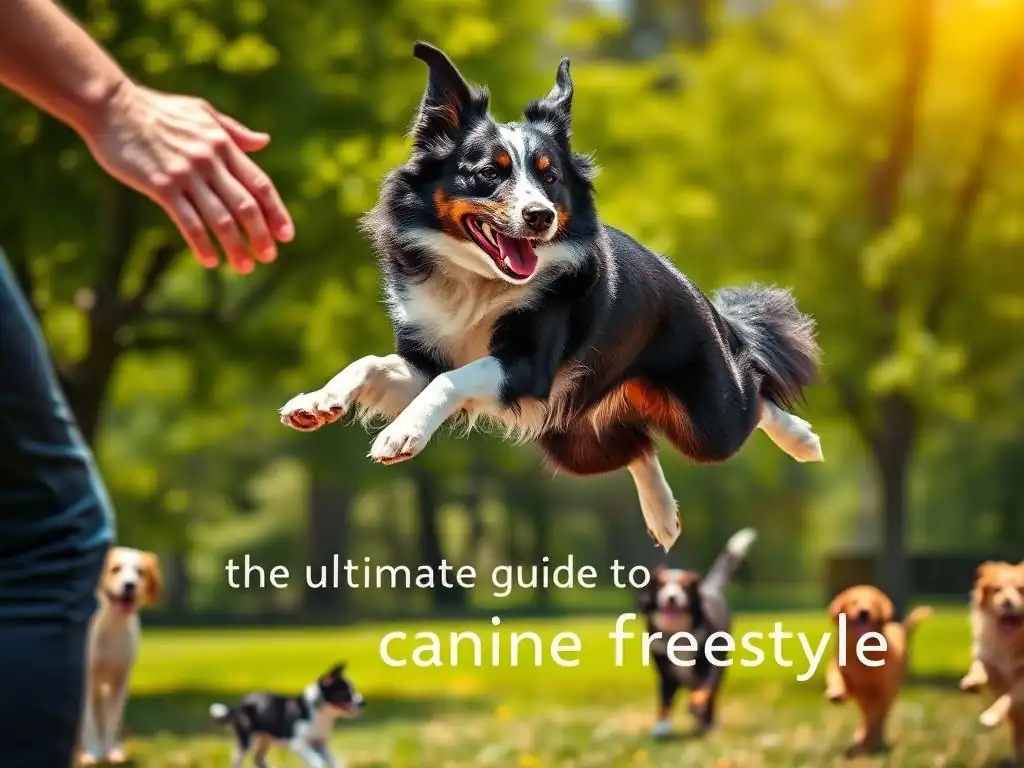
Welcome to PetCareWorld, your ultimate destination for everything pet-related! Are you ready to embark on an exciting journey with your canine companion? Our Dog freestyle training guide will unlock a world of fun and connection through innovative training techniques. Discover how to transform simple commands into captivating routines, strengthening your bond while boosting your dog's confidence and agility. Dive in and uncover the secrets to mastering canine freestyle – it’s more rewarding than you think!
- Understanding Canine Freestyle: A Beginner's Guide to Dog Dancing
- Basic Freestyle Moves for Dogs: Building a Foundation
- Intermediate Freestyle Moves & Techniques: Expanding Your Routine
- Creating a Choreographed Routine: From Simple to Complex
- Advanced Canine Freestyle: Mastering the Art of Dog Dancing
- Troubleshooting Common Challenges in Dog Freestyle Training
- Resources for Canine Freestyle Enthusiasts: Books, Videos, and Communities
- Frequently Asked Questions
- Final Reflection: Unleashing the Joy of Canine Freestyle
- Unleash Your Dog's Inner Dancer: Start Your Freestyle Journey Today!
Understanding Canine Freestyle: A Beginner's Guide to Dog Dancing
Canine freestyle, often referred to as dog dancing, is a dynamic and engaging activity that combines the joy of dog training with the artistry of dance. This comprehensive guide will take you on a journey from understanding the basics of canine freestyle to crafting impressive and complex routines. Whether you're a seasoned dog trainer or a complete novice, this resource will equip you with the knowledge and tools needed to embark on this rewarding adventure with your canine companion.
We'll explore everything from selecting appropriate music and gathering essential equipment to mastering fundamental moves and choreographing advanced sequences. This guide focuses on providing a practical and informative approach to dog freestyle training, ultimately aiming to strengthen the bond between you and your dog while promoting physical and mental enrichment. Get ready to unleash your dog's inner dancer and experience the magic of canine freestyle!
What is Canine Freestyle and its Benefits for Dogs?
Canine freestyle is a performance sport where dogs and their handlers work together to create a choreographed routine set to music. It's not just about tricks; it's about building a strong partnership based on trust, communication, and mutual enjoyment. The routines can range from simple, beginner-friendly moves to incredibly complex and acrobatic sequences. But the core of canine freestyle remains the same: a fun and rewarding activity for both dog and owner.
The benefits for dogs extend beyond the obvious physical activity. Canine freestyle provides significant mental stimulation, challenging dogs to learn new skills, focus their attention, and improve their problem-solving abilities. The positive reinforcement training methods typically used further strengthen the bond between dog and handler, fostering trust and improving communication. This positive interaction can lead to a more confident and well-adjusted canine companion.
Moreover, the consistent training involved in canine freestyle helps build a dog's self-esteem and provides opportunities for positive social interaction during competitions and training sessions. The physical exercise involved contributes to a healthier lifestyle, helping to maintain a healthy weight and improve cardiovascular fitness. Finally, successful execution of routines boosts a dog's confidence and provides a sense of accomplishment, leading to a happier and more fulfilled dog.
Getting Started: Essential Equipment for Dog Freestyle Training
Before you begin your canine freestyle journey, gathering the right equipment is crucial for both your comfort and your dog's safety. While you don't need a lot of specialized gear to get started, having the right tools can significantly improve your training experience and enhance your dog's performance.
A fundamental requirement is a high-value reward, such as small, soft training treats or pieces of your dog's favorite food. These rewards should be easily manageable and given frequently during training sessions to reinforce positive behavior. A comfortable and well-fitting harness is also essential; avoid collars as they can be uncomfortable and potentially dangerous during more dynamic movements. A lightweight and adjustable harness allows for freedom of movement while keeping your dog secure.
Finally, consider purchasing a clicker; this tool provides a consistent and clear signal to mark the exact moment your dog performs the desired behavior, leading to more effective training. While not strictly necessary, a mat or designated training area can establish a clear space for training and help your dog focus. Remember, safety is paramount; always prioritize your dog's well-being, and select equipment that is comfortable and suitable for their size and breed.
Choosing the Right Music for Your Canine Freestyle Routine
Music selection is a critical aspect of canine freestyle that significantly impacts the overall performance and enjoyment of the routine. The right music can enhance the choreography, improve the flow of the movements, and even boost your dog's energy and engagement.
When choosing music, consider your dog's personality and temperament. Upbeat and energetic music might be ideal for a high-energy dog, while something more mellow and rhythmic might be better suited for a calmer dog. The tempo of the music should also align with the pace and complexity of your planned routine.
Faster music can be incorporated for quick, dynamic movements, while slower music can work well for more graceful and controlled sequences. The overall style of the music is another important factor; anything from pop and rock to classical or even world music can be incorporated, depending on the theme and style of your routine. Remember to test different music selections during practice sessions to see how your dog responds and which music inspires the best performance.
Finally, ensure the music is at an appropriate volume to avoid startling or distressing your dog. A well-chosen soundtrack can transform a simple routine into a captivating performance, enhancing both the audience experience and the overall enjoyment for you and your canine partner.
Building a Bond: The Importance of Positive Reinforcement in Dog Freestyle
Positive reinforcement is the cornerstone of successful dog freestyle training. It's not just about teaching tricks; it's about building a strong, trusting relationship with your canine partner. This bond is crucial for effective communication and a joyful training experience for both of you. Forget harsh corrections or punishment-based methods; they'll only damage the relationship and hinder progress.
Instead, focus on rewarding desired behaviors with enthusiastic praise, treats, or toys. This creates a positive association with the training process, making your dog eager to participate and learn. Think of it as a game, where both you and your dog are actively engaged and having fun.
The key is to make training sessions short, fun, and rewarding. Avoid overwhelming your dog with too much information at once. Start with simple movements, gradually increasing the complexity as your dog masters each step. Remember to celebrate even the smallest successes.
A simple "Good dog!" or a pat on the head can go a long way in reinforcing positive behavior. This consistent positive reinforcement not only speeds up the learning process but also strengthens the bond between you and your dog, making your training sessions more enjoyable and effective.
This positive approach translates into a more harmonious relationship beyond training, building a foundation of trust and understanding that extends to all aspects of your life together. A dog trained with positive reinforcement is more likely to be confident, relaxed, and willing to cooperate in various situations. This collaborative approach transforms dog freestyle from mere tricks into a shared experience of joy and mutual respect.
The benefits extend beyond the immediate training session. A dog trained with positive reinforcement is more likely to be a well-adjusted and happy companion. They develop a positive attitude towards learning and are more receptive to new challenges.
This positive reinforcement also strengthens the bond between you and your dog, creating a deeper connection built on trust and mutual respect. This isn't just about learning tricks; it's about building a lasting friendship based on positive interactions and shared experiences. For example, a dog consistently rewarded for performing a spin will associate the movement with positive feelings, making it more likely to repeat the behavior willingly and enthusiastically.
This contrasts sharply with methods relying on punishment, which can lead to fear, anxiety, and a reluctance to engage in training. The ultimate goal is a happy, confident dog who enjoys the training process as much as you do – and that's only achievable through consistent and enthusiastic positive reinforcement.
Basic Freestyle Moves for Dogs: Building a Foundation
This section focuses on establishing the fundamental building blocks for successful canine freestyle. A strong foundation in basic obedience and a clear understanding of how to introduce and refine simple movements are crucial for progressing to more complex routines. Remember, patience and positive reinforcement are key throughout the entire training process. Your dog's enjoyment and engagement are paramount to achieving a successful and rewarding experience for both of you. This guide will help you build that solid base for your dog freestyle journey.
Teaching Your Dog Basic Obedience Commands for Freestyle
Before even thinking about fancy spins and impressive weaves, your dog needs a solid grasp of basic obedience commands. These aren't just for showing off; they're the bedrock upon which all freestyle movements are built. Think of it like learning your ABCs before tackling Shakespeare. The commands should be crisp, clear, and consistently rewarded. We're talking about:
- Sit: A crucial command for transitions and pauses in your routine.
- Stay: Essential for holding positions and maintaining control during complex moves.
- Down: Another versatile command used for transitions and dramatic effect.
- Come: Absolutely vital for bringing your dog back to you, especially during more energetic sequences.
- Leave it: Important for preventing unwanted behaviors and maintaining focus during training.
These commands should be practiced in various environments and distractions to ensure reliability. Use high-value rewards (small, tasty treats work best) and positive reinforcement to motivate your dog and build a positive association with the commands. Consistency is key – practice these commands regularly, even for just a few minutes a day. A well-trained dog will make the freestyle learning process significantly easier. Remember to keep training sessions short and fun to avoid overwhelming your canine partner.
Introducing the First Freestyle Moves: Turns, Spins, and Walks
Once your dog has mastered basic obedience, you can start introducing simple freestyle moves. Begin with slow, deliberate movements, focusing on clear cues and immediate rewards. Remember to keep it fun and engaging for your dog! Here's a breakdown of some initial moves:
- Turns: Start with simple left and right turns. Use a hand signal and a verbal cue ("Turn left," "Turn right"). Reward your dog immediately after each successful turn. Gradually increase the speed and the angle of the turn as your dog becomes more proficient.
- Spins: Similar to turns, but involve a full 360-degree rotation. Use a clear hand signal (circular motion) and verbal cue ("Spin"). Again, reward immediately and gradually increase the speed as your dog improves.
- Walks: Practice walking your dog in different directions, including forward, backward, and sideways. Use clear cues and rewards to encourage precise movements.
It's crucial to break down each move into small, manageable steps. Don't expect perfection overnight. Celebrate small victories and adjust your training approach based on your dog's progress. Positive reinforcement, patience, and consistency are your best allies. Remember to tailor your training to your dog's individual learning style and pace.
Mastering the Basics: Refining Technique and Precision
After successfully introducing the basic moves, the next stage involves refining technique and precision. This stage demands patience and a keen eye for detail. The goal is to ensure your dog executes each move with fluidity, accuracy, and consistency. This will enhance the overall performance and aesthetic appeal of your freestyle routine. Consider these key aspects:
- Timing and Rhythm: Practice the movements to music or a rhythmic beat. This helps to synchronize your dog's actions with the rhythm, adding a sense of grace and flow to your routine.
- Smooth Transitions: Work on seamless transitions between different moves, avoiding abrupt changes in direction or pace. This will create a more polished and visually appealing performance.
- Clear Cues: Ensure your cues (verbal and hand signals) are consistent and easily understood by your dog. Avoid confusing or contradictory signals that might hinder your dog's learning.
- Distance and Speed Control: Practice controlling the distance and speed of your dog's movements. This can be achieved through variations in your cues and rewards.
Regular practice is essential for mastering these aspects. Video recording your training sessions can be incredibly helpful for identifying areas for improvement. Analyzing your performance will allow you to fine-tune your technique and address any inconsistencies. Remember, the journey to mastering canine freestyle is a collaborative process, requiring patience, understanding, and a deep bond between you and your dog. The rewards, both for you and your canine partner, are immeasurable.
Practicing Consistently: Building Muscle Memory and Confidence
Consistent practice is the cornerstone of successful dog freestyle. It's not just about the number of sessions, but the quality and structure of those sessions. Think of it like building a muscle – you wouldn't expect to lift a heavy weight after only one workout. Similarly, your dog needs repeated exposure to the moves to build the necessary muscle memory and confidence.
Short, frequent training sessions are often more effective than long, infrequent ones. Aim for several 15-20 minute sessions throughout the week, rather than one long hour-long session. This prevents your dog from becoming bored or overwhelmed, maintaining their enthusiasm and focus.
Remember that consistency also applies to your own actions. Use the same verbal cues and hand signals every time you practice a specific move. Inconsistency will only confuse your dog and prolong the learning process. Maintaining a positive and encouraging attitude is crucial. Celebrate even the smallest successes with praise and rewards, reinforcing the desired behaviors. Positive reinforcement is key to building your dog's confidence and making the learning experience enjoyable for both of you. A stressed or frustrated dog will learn less effectively, so keeping the atmosphere light and fun is paramount.
A structured approach to practice is also beneficial. Start each session with a warm-up, including some basic obedience exercises and light physical activity. This prepares your dog both mentally and physically for the training session ahead. Then, focus on one or two specific moves during each session, ensuring that your dog masters them before moving on to more complex routines. Regularly review previously learned moves to reinforce muscle memory and prevent forgetting. Finally, end each session with a cool-down period, allowing your dog to relax and de-stress. This structured approach ensures efficient and effective learning, maximizing the benefits of your training time. This consistent, structured approach will significantly improve your dog's performance and build their confidence in their abilities, creating a strong foundation for more advanced freestyle moves. Remember, patience and positive reinforcement are key to building a strong bond with your canine partner and achieving success in dog freestyle.
Intermediate Freestyle Moves & Techniques: Expanding Your Routine
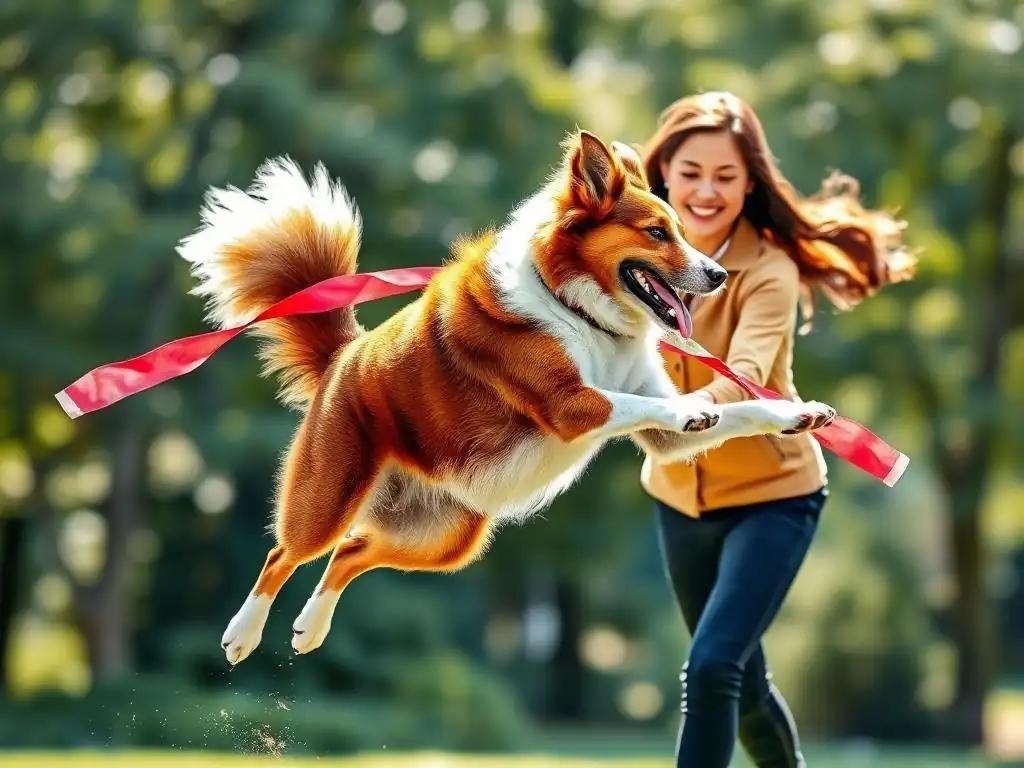
This section delves into intermediate-level freestyle moves, building upon the foundational skills already established. We'll explore techniques to enhance your dog's performance and add more fluidity and excitement to your routines. Remember, always prioritize your dog's comfort and enjoyment; never force a move they aren't ready for. Positive reinforcement remains key throughout this process. Consistent practice and patience are essential for success in dog freestyle training. This guide focuses on building upon basic obedience and introducing more complex maneuvers.
Incorporating Jumps and Hops into Your Dog Freestyle Routine
Adding jumps and hops to your dog freestyle routine introduces dynamic energy and visual appeal. Start with simple, low jumps over easily manageable obstacles like low hurdles or even a rolled-up towel. Use clear hand signals and verbal cues, associating the action with a positive reward. For example, the cue "jump" followed by a treat immediately after a successful jump.
Gradually increase the height of the obstacle as your dog masters the skill. Remember to maintain a safe environment and to never push your dog beyond their comfort level. A gradual progression from simple hops to higher jumps is crucial.
The key to successful jump incorporation is precise timing and consistent cueing. Your movements should be fluid and anticipate your dog's response. Consider the rhythm of your music to help synchronize the jumps within your routine. For example, a simple hop can be timed to the beat, while a more complex sequence of jumps might require more intricate timing.
- Safety First: Always ensure the jumping surface is safe and provides adequate grip to prevent slips and injuries.
- Progressive Training: Begin with low jumps and gradually increase the height.
- Positive Reinforcement: Reward every successful jump with enthusiastic praise and treats.
- Variety: Introduce variations in jump height, distance, and direction to keep your dog engaged.
- Music Integration: Time the jumps to the rhythm of your chosen music for a more polished performance.
Advanced Spins and Turns: Adding Flair and Complexity
Mastering advanced spins and turns adds significant flair and complexity to your dog freestyle routine. Building upon basic spins, we'll explore variations like 360-degree spins, quick pivots, and intricate combinations of spins and turns. Focus on clear and consistent cues, ensuring your dog understands the direction and number of rotations required. A well-executed spin should be smooth and controlled, not jerky or hesitant. Remember to tailor the complexity to your dog's skill level, gradually building up to more challenging maneuvers. The use of lures can be particularly effective in teaching advanced spins, guiding your dog through the desired movement.
Here's a breakdown of how to introduce more advanced spin techniques:
- Speed Control: Practice spins at varying speeds, from slow and deliberate to faster, more dynamic turns.
- Direction Changes: Incorporate changes in direction within your spin sequences to add variety and challenge.
- Combining Spins and Turns: Create a series of spins and turns, linking them smoothly together for a more fluid routine.
- Adding Hand Signals: Use clear hand signals to guide your dog through the spin, enhancing communication and precision.
Introducing Hand Targeting and Other Creative Freestyle Tricks
Hand targeting is a versatile skill that opens up a world of creative possibilities in dog freestyle. Teaching your dog to touch your hand with their nose allows for seamless transitions between moves and enables you to guide them into various positions. Start by holding your hand close to your dog's nose and rewarding them for touching it. Gradually increase the distance and incorporate hand targeting into your existing routine.
Beyond hand targeting, countless other creative tricks can elevate your freestyle performance. Consider incorporating:
- Bowing: A graceful bow adds elegance and charm to your routine.
- Play Bows: A more playful, energetic version of the traditional bow.
- Weaving: Navigating through your legs or around obstacles.
- Fetch and Retrieve: Incorporating a fetch element can add excitement and dynamism.
- High Five: A fun and engaging trick that always impresses the audience.
Remember to maintain a fun and positive training environment. Celebrate your dog's successes, and never hesitate to adjust your approach if they seem frustrated or overwhelmed. The journey of learning dog freestyle is as much about bonding with your canine companion as it is about achieving a polished performance. Enjoy the process!
Combining Moves: Creating Sequences and Transitions
Once your dog has mastered several individual freestyle moves, the real fun begins: combining them into fluid, expressive sequences. This is where your choreography skills come into play, and where your dog's understanding of cues becomes truly crucial. The key to successful transitions isn't just about stringing moves together; it's about creating a seamless flow that's both visually appealing and enjoyable for your dog.
Think of it like a dance – each move is a step, but the transitions are the connections between those steps that make the dance graceful and captivating. A jerky, abrupt shift between moves can disrupt the rhythm and make the routine feel disjointed. Smooth transitions, on the other hand, elevate the performance, creating a sense of elegance and precision.
One effective technique is to use bridging movements. For example, if you're transitioning from a spin to a bow, you might incorporate a short walk or a change of pace to connect the two. This creates a natural flow, preventing the routine from feeling choppy. Another strategy is to use verbal cues strategically. A clear "ready," "go," or "switch" can signal to your dog that a transition is coming, helping them anticipate the next move and execute it smoothly.
Consider the energy and tempo of your routine. High-energy moves should generally be followed by slightly less energetic moves to prevent your dog from becoming overwhelmed. Similarly, transitions should match the overall energy of the sequence. A slow, deliberate transition might be perfect for a graceful, flowing segment, whereas a quicker transition might suit a more upbeat section.
Remember to practice transitions frequently. Start by practicing the transition between just two moves, perfecting the smoothness and timing before adding more. Break down complex sequences into smaller, manageable chunks. Positive reinforcement remains vital throughout this process; reward your dog for even small improvements in their transitions. With patience and consistent practice, you'll be amazed at the complex and beautiful routines you and your canine partner can create together.
Don't be afraid to experiment and find what works best for you and your dog's unique style. The goal is to create a routine that both of you enjoy performing! This is a crucial step in developing your dog freestyle skills and crafting a truly impressive routine. 🐶🎉
Creating a Choreographed Routine: From Simple to Complex
This section delves into the process of crafting a canine freestyle routine, progressing from basic moves to more intricate sequences. We'll explore how to select appropriate music, choose suitable tricks, and seamlessly integrate them into a cohesive and engaging performance. Remember, the key to successful dog freestyle is building a strong bond with your canine partner and making the training process fun for both of you! This guide will help you achieve that, transforming your dog training sessions into enjoyable bonding experiences.
Planning Your Freestyle Routine: Choosing Music and Moves
Selecting the right music is paramount. The tempo and rhythm should complement your dog's abilities and the complexity of the planned moves. Upbeat, energetic music generally works well for high-energy routines, while slower, more melodic pieces can suit routines with more graceful movements. Consider your dog's personality; a shy dog might benefit from gentler music, while an enthusiastic dog might thrive with something more lively.
Before you even start thinking about choreography, you need a repertoire of tricks. Start with fundamental commands your dog already knows, like sit, stay, down, and come. Gradually introduce more advanced moves like weaving, spinning, jumping, and retrieving. Remember to keep it fun! If your dog isn't enjoying a particular trick, don't force it. Instead, find an alternative that both you and your dog find engaging.
Here's a table illustrating some music styles and suitable corresponding dog tricks:
| Music Style | Tempo | Suitable Tricks | Difficulty Level |
|---|---|---|---|
| Upbeat Pop/Rock | Fast | Jumps, spins, weaving, quick changes | Medium to High |
| Smooth Jazz | Moderate | Slow spins, figure eights, graceful bows | Medium |
| Classical Music | Varies | Precise movements, intricate sequences | High |
| Country/Folk | Moderate to Slow | Walking, sitting, simple retrieves | Low to Medium |
Sequencing Your Moves: Creating a Flowing and Engaging Routine
Once you've chosen your music and tricks, the next step is sequencing them into a cohesive routine. The goal is to create a smooth, flowing performance that tells a story or conveys a specific emotion. Avoid abrupt transitions between moves; instead, aim for seamless connections. For example, you could transition from a down to a sit to a spin, creating a natural flow.
Think about the visual appeal of your routine. Vary the movements to keep the audience engaged. Consider incorporating changes in direction, speed, and level (e.g., ground work, jumps). Don't be afraid to experiment and try different sequences until you find what works best for you and your dog. Remember to build in rests and transitions to avoid overwhelming your dog. A well-paced routine is crucial for both your dog's performance and your own enjoyment.
Consider using a visual aid, like a flowchart, to plan the sequence:
Start --> Sit --> Spin (right) --> Walk --> Down --> Spin (left) --> Come --> Bow --> End
This simple example shows a basic flow. More complex routines will have many more steps and transitions.
Practicing Your Routine: Adding Polish and Refinement
Practice makes perfect! Start by practicing individual moves until your dog performs them consistently and confidently. Then, begin to string them together, gradually adding more moves as your dog masters each one. Remember to keep training sessions short and positive. Reward your dog frequently with praise, treats, and affection.
As your routine takes shape, focus on adding polish and refinement. Pay attention to details like your dog's posture, footwork, and timing. Ensure your movements are synchronized with the music. Video recording your practice sessions can be incredibly helpful for identifying areas that need improvement. Review the recordings critically, paying attention to both your dog's performance and your own choreography. This detailed self-assessment is key to refining your routine and maximizing its impact. Remember, consistent practice, positive reinforcement, and attention to detail are the cornerstones of successful dog freestyle training. 🐶🎉
Performing Your Routine: Handling Nerves and Showmanship
Performing your carefully crafted canine freestyle routine is the culmination of weeks, or even months, of dedicated training. However, the pressure of a competition or even a performance for friends can significantly impact both you and your dog's performance. Successfully navigating this pressure requires careful preparation and a focus on both your own composure and your dog's well-being.
One crucial aspect is managing your own nerves. Anxiety is contagious, and if you're feeling stressed, your dog will likely pick up on it. Practice deep breathing exercises before your performance. Visualize a successful routine, focusing on the positive aspects and celebrating small victories during practice. Remember, even seasoned competitors experience pre-performance jitters; it's a normal part of the process. The key is to channel that nervous energy into focused enthusiasm.
Your dog's comfort and confidence are paramount. Familiarize your dog with the performance environment well in advance. If possible, practice in the actual location beforehand to help them acclimate to the sights and sounds. Ensure your dog is well-rested and hydrated before the performance. Avoid any significant changes to their routine in the days leading up to the event. Consistency is key in maintaining their confidence and reducing stress.
Showmanship is another vital element. While the technical execution of the moves is crucial, the overall presentation significantly enhances the impact of your routine. Maintain eye contact with the judges (or your audience), project confidence, and smile! Your enthusiasm is contagious and will elevate the performance. Consider incorporating elements that showcase your dog's personality and build a narrative into your routine. This could involve playful interactions, expressive movements, or even incorporating props that enhance the visual appeal.
Remember, your performance is a partnership. Focus on clear communication and positive reinforcement throughout the routine. Reward your dog generously for even small successes during the performance. A positive and encouraging demeanor will help your dog stay focused and relaxed, even if things don't go exactly as planned.
Celebrate your performance, regardless of the outcome, focusing on the journey and the bond you share with your canine partner. The joy of sharing this experience together is as important as the final score. A well-executed routine, combined with excellent showmanship, will leave a lasting impression, showcasing the amazing partnership between you and your four-legged friend. 🐶🌟
Advanced Canine Freestyle: Mastering the Art of Dog Dancing
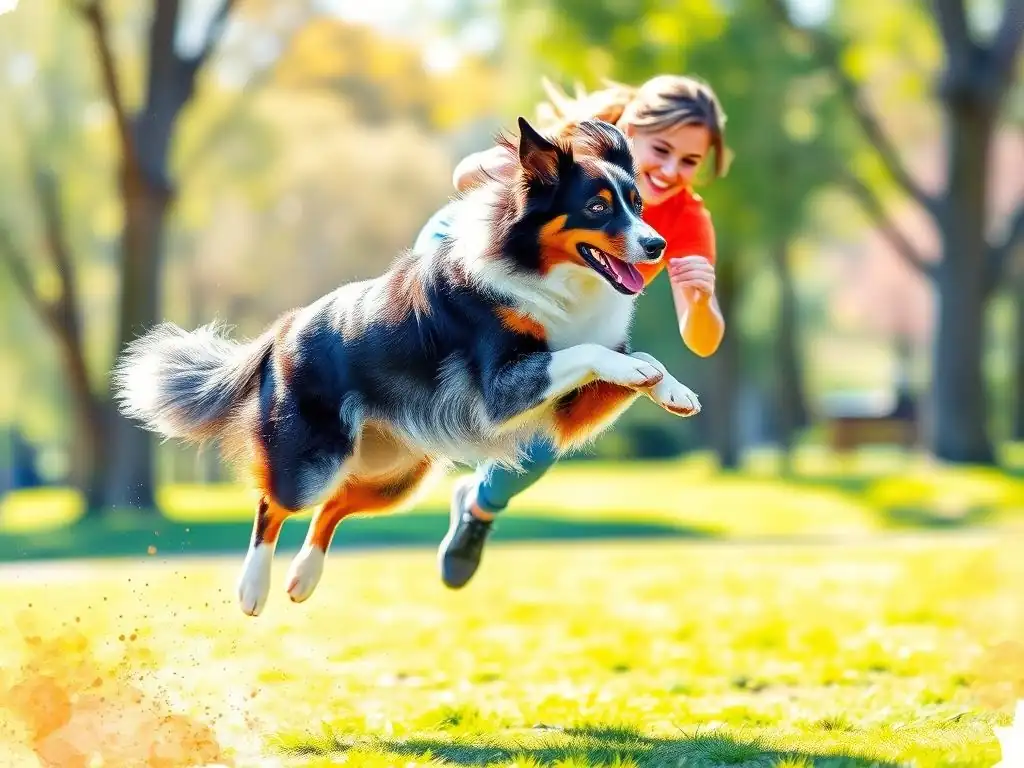
This section delves into the more nuanced aspects of canine freestyle, moving beyond basic obedience and into the realm of truly expressive and competitive routines. We'll explore how to elevate your dog's performance through strategic choreography, incorporating props, and understanding the intricacies of judging criteria. Mastering these advanced techniques will transform your dog dancing from a fun hobby into a polished and potentially award-winning performance. Remember, consistent training and a strong bond with your canine partner are key to success in advanced freestyle.
Incorporating Props and Costumes into Your Freestyle Routine
Adding props and costumes can significantly enhance the visual appeal and storytelling aspect of your freestyle routine. However, careful consideration is crucial to ensure safety and seamless integration. Improperly used props can distract your dog or even cause injury.
The selection of props should be guided by several factors: your dog's temperament, the complexity of the routine, and the overall theme. Simple props like brightly colored balls, lightweight hoops, or even a small, soft toy can be effectively incorporated into basic routines. More complex routines might involve larger props, such as a miniature agility course or even a cleverly designed set piece.
Costumes, too, should be carefully considered. They should be comfortable, lightweight, and not restrict your dog's movement. Avoid anything that might snag, overheat your dog, or cause undue stress. A well-chosen costume can dramatically enhance the performance's theme and visual impact, but prioritize your dog's comfort and safety above all else.
Consider these examples:
- A playful beach theme could involve a brightly colored bandana and a small beach ball.
- A "fairytale" theme might incorporate a whimsical costume and perhaps a small, lightweight prop representing a magical object.
- A "western" theme could utilize a miniature cowboy hat and a small toy horse.
Remember, the goal is to enhance, not detract from, the performance. Practice incorporating the props and costume elements early in the training process, gradually increasing the complexity as your dog becomes comfortable.
Understanding Freestyle Judging Criteria and Scoring
Successful competition in canine freestyle requires a deep understanding of the judging criteria and scoring system. While specific criteria may vary slightly between organizations, most focus on several key elements:
| Criterion | Description | Scoring Weight (Example) |
|---|---|---|
| Choreography | Originality, creativity, flow, and difficulty of the routine. | 30% |
| Dog's Performance | Obedience, precision, enthusiasm, and engagement with the handler. | 30% |
| Handler's Performance | Skill, precision, and coordination with the dog; showmanship and presentation. | 25% |
| Overall Impression | The overall effect and enjoyment of the performance. | 15% |
Judges look for routines that are well-structured, creative, and showcase a strong bond between dog and handler. Points are deducted for mistakes, disobedience, or lack of enthusiasm. Understanding the weighting of each criterion allows you to focus your training efforts effectively. For example, if choreography carries a heavier weight, you'll want to invest more time in developing a complex and visually appealing routine. Studying past competition videos and feedback from judges can significantly improve your understanding of what constitutes a high-scoring performance.
Competing in Canine Freestyle Competitions: Tips and Strategies
Competing in canine freestyle competitions offers a rewarding experience for both dog and handler. However, success requires careful preparation and strategic planning. Here are some key tips and strategies to enhance your performance and increase your chances of winning:
- Choose the right competition: Research different competitions to find those that align with your skill level and your dog's capabilities.
- Practice, practice, practice: Consistent and dedicated practice is essential. Rehearse your routine multiple times in different environments to help your dog become comfortable with various settings.
- Develop a strong bond: A strong, trusting relationship with your dog is crucial for a successful performance.
- Master your choreography: Ensure your routine flows smoothly and is well-paced.
- Handle pre-competition nerves: Develop strategies to manage your own anxiety and ensure your dog remains calm and focused.
- Dress for success: Choose attire that is both comfortable and appropriate for the competition.
- Know the rules: Thoroughly understand the rules and regulations of the competition.
- Learn from your mistakes: Use feedback from judges and your own observations to improve your performance.
Remember, the goal is not just to win, but to enjoy the experience and celebrate the bond you share with your canine partner. With dedication, practice, and a deep understanding of canine freestyle, you and your dog can achieve remarkable success in the world of dog dancing. 🐾
Continuing Education: Advanced Training Techniques and Resources
Continuing your education in canine freestyle is crucial for both you and your dog. The journey from basic tricks to complex routines requires consistent learning and refinement. This isn't just about adding new moves; it's about deepening your understanding of canine learning, improving your communication, and building a stronger bond with your canine partner. Many resources are available to help you progress, offering a diverse range of approaches and techniques.
One avenue for advanced training is seeking out experienced freestyle instructors. These professionals can provide personalized guidance, identify areas for improvement in your technique and your dog's execution, and offer constructive criticism to help you refine your performance. Look for instructors with proven track records and positive testimonials from other dog-dancing teams.
They can help you understand subtle nuances in body language, timing, and the overall flow of your routine, ultimately elevating your performance to a new level. Consider workshops, seminars, or private lessons, depending on your learning style and budget. The personalized feedback and tailored advice are invaluable in overcoming plateaus and mastering more challenging maneuvers.
Beyond formal instruction, online resources provide a wealth of information. Numerous websites and videos demonstrate advanced techniques, showcase successful routines, and offer tips for improving choreography and musicality. However, it's crucial to be discerning in your selection of online resources. Always verify the credibility of the source and ensure the techniques presented align with positive reinforcement training methods. Avoid approaches that involve punishment or force, as these can negatively impact your dog's well-being and your relationship. Remember, effective freestyle relies on mutual trust and enjoyment.
Furthermore, attending dog freestyle competitions and demonstrations can serve as invaluable learning experiences. Observing skilled handlers and their dogs perform complex routines provides inspiration and allows you to analyze different approaches to choreography, timing, and musical interpretation. This is a great opportunity to learn from the best and gain insights that you can then apply to your own training. The competitive atmosphere can also motivate you to set ambitious goals and refine your own performance.
Don't be afraid to interact with other handlers; networking with fellow enthusiasts is a great way to share knowledge and support each other's progress. This collaborative approach fosters a positive learning environment and strengthens the dog-dancing community. Remember to always prioritize your dog's comfort and well-being throughout your training journey. A happy and engaged dog is the key to success in canine freestyle.
Troubleshooting Common Challenges in Dog Freestyle Training
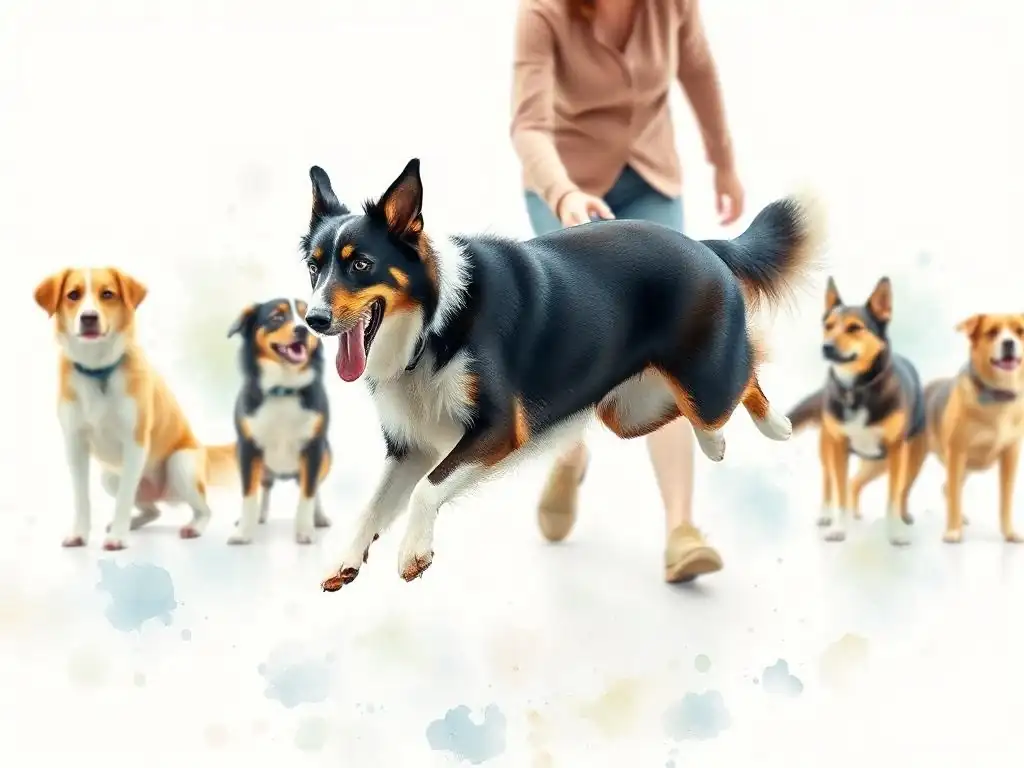
This section addresses common hurdles encountered during canine freestyle training, offering practical solutions to help you and your canine partner achieve a harmonious and successful training experience. Remember, patience and positive reinforcement are key to overcoming these challenges. Successful dog freestyle training requires understanding your dog's individual needs and adapting your approach accordingly. This guide provides strategies to navigate common obstacles and maximize your training efficiency.
Addressing Distractions and Maintaining Focus During Training
Maintaining your dog's focus during freestyle training can be challenging, especially in environments with numerous distractions. A dog's natural curiosity can easily lead to interruptions in training. Here's how to address this:
- Start in a quiet environment: Begin training sessions in a calm, distraction-free space, gradually introducing more stimulating environments as your dog's focus improves. This controlled introduction minimizes overwhelm and maximizes learning.
- Use high-value rewards: Employ treats, toys, or praise your dog loves most to reinforce desired behaviors and maintain engagement. The reward should be directly tied to the successful completion of the trick.
- Implement a "leave it" command: Teach your dog a reliable "leave it" command to redirect attention away from distractions. This command is crucial for managing focus in various environments.
- Short, frequent training sessions: Avoid lengthy sessions that can lead to fatigue and decreased attention spans. Shorter, more frequent sessions are more effective for maintaining focus and preventing boredom.
- Strategic placement of distractions: Once your dog is performing well in a quiet environment, start introducing controlled distractions gradually. For example, begin with a single, easily ignored distraction, and slowly increase the number and intensity of distractions over time.
- Positive reinforcement only: Never punish your dog for being distracted. Instead, redirect their attention back to the training using positive reinforcement techniques. Consistency is crucial here.
Dealing with Common Dog Behavior Problems in Freestyle
Canine freestyle, like any other dog training discipline, might reveal underlying behavioral issues. Addressing these problems proactively is crucial for successful training and a strong bond between you and your dog.
- Fear and anxiety: If your dog exhibits fear or anxiety, create a safe and comfortable training environment. Use positive reinforcement and desensitization techniques to gradually expose your dog to the elements causing anxiety. Consider consulting a certified professional dog trainer for guidance if the issue persists.
- Aggression: Aggression during training is a serious issue requiring professional help. A certified dog trainer or veterinary behaviorist can help identify the root cause and develop a safe and effective behavior modification plan. Never attempt to handle aggression on your own.
- Lack of motivation: If your dog seems unmotivated, assess your training methods and reward system. Ensure you're using high-value rewards and making training fun and engaging. Varying training exercises and incorporating play can also boost motivation.
- Hyperactivity: Hyperactive dogs may benefit from additional exercise before training sessions to burn off excess energy. Structured activities can improve focus and make training more effective. Consult your veterinarian to rule out any underlying medical conditions.
- Inconsistent performance: Inconsistent performance may indicate confusion or a lack of clarity in your cues. Ensure your cues are consistent and clearly defined, using simple, easily understood signals. Break down complex moves into smaller, manageable steps to avoid overwhelming your dog.
Modifying Your Training Approach for Different Dog Breeds and Personalities
Dog breeds and individual personalities significantly influence the training approach required for successful freestyle. Understanding these differences is crucial for tailoring your methods and maximizing your dog's potential.
| Breed Type | Typical Traits | Training Considerations |
|---|---|---|
| High-energy breeds (e.g., Border Collie) | Energetic, intelligent, highly trainable | Require structured training sessions, high-value rewards, and challenging routines. |
| Calm breeds (e.g., Greyhound) | Relaxed, independent, less easily distracted | May require more patience and encouragement, focusing on positive reinforcement. |
| Small breeds (e.g., Chihuahua) | Smaller size, sometimes more easily distracted | Training sessions should be shorter and more frequent, with focus on positive reinforcement. |
| Larger breeds (e.g., Great Dane) | Larger size, may require more physical support | May need modifications to routines to accommodate size and potential physical limitations. |
Remember to always prioritize your dog's well-being and adapt your training style to their individual needs. A positive and patient approach will yield the best results. By understanding and addressing these challenges, you'll build a stronger bond with your dog and enjoy the rewarding experience of canine freestyle. 🐶
Staying Motivated: Keeping Training Fun and Engaging for You and Your Dog
Maintaining motivation in dog freestyle training is crucial for both you and your canine partner. Long training sessions can be tiring, and it's easy to lose enthusiasm if progress seems slow. The key is to make the process enjoyable and rewarding. This isn't just about avoiding burnout; it's about fostering a positive training environment where your dog learns to associate training with positive experiences. A bored or frustrated dog will likely be less receptive to learning new moves.
One effective strategy is to incorporate variety into your training sessions. Instead of focusing solely on complex routines, intersperse practice of new moves with revisiting previously mastered tricks. This keeps things fresh and prevents boredom. Try adding a new musical element or altering your training environment. A change of scenery, like moving from your living room to a park, can stimulate your dog and reignite your own enthusiasm.
Remember to celebrate small victories! Every successful execution of a move, no matter how small, deserves acknowledgment. Positive reinforcement, such as verbal praise, treats, or even a fun game, strengthens the bond between you and your dog and reinforces the positive association with training. Don't be afraid to break down complex routines into smaller, more manageable segments. Accomplishing these mini-goals provides a sense of progress and keeps you both motivated.
Another important aspect is setting realistic expectations. Dog freestyle is a journey, not a race. Progress takes time and patience, and there will be setbacks along the way. Don't get discouraged by occasional failures. Instead, view them as learning opportunities and adjust your training approach accordingly. Consider keeping a training journal to track your progress and celebrate milestones. Seeing how far you've come can be a powerful motivator.
Finally, remember to prioritize fun. Dog freestyle should be an enjoyable activity for both you and your dog. If you're finding the training sessions tedious, it's likely your dog is too. Take breaks when needed, and don't hesitate to incorporate games and play into your training sessions. A happy, engaged dog is a much more willing learner. This positive, playful approach will keep you both coming back for more, ensuring a long and rewarding journey in the exciting world of canine freestyle. 🎉
Resources for Canine Freestyle Enthusiasts: Books, Videos, and Communities
This section delves into the wealth of resources available to help you excel in canine freestyle. From comprehensive guides in book form to engaging video tutorials and supportive online communities, we'll explore the avenues to enhance your dog's freestyle journey and your understanding of this rewarding activity. Finding the right resources can significantly impact your progress and enjoyment. Remember, consistent learning and practice are key to mastering dog freestyle techniques and building a strong bond with your canine partner.
Recommended Books and Videos on Dog Freestyle Training
Finding high-quality resources on dog freestyle training is crucial for success. While many resources focus on general dog training, dedicated canine freestyle materials offer specialized techniques and insights. Look for materials that cover a range of skill levels, from beginner to advanced, and emphasize positive reinforcement methods.
Here's a breakdown of what to look for in reputable resources:
- Books: Search for books that offer step-by-step instructions, clear diagrams, and insightful advice on choreography, music selection, and performance strategies. Some books may focus on specific breeds or skill levels, allowing you to tailor your learning to your dog's abilities and your goals. Consider books that emphasize building a strong foundation in basic obedience before progressing to more complex freestyle movements. Pay attention to reviews and author credentials to ensure the book's quality and relevance.
- Videos: Video tutorials offer a visual learning experience that can be incredibly helpful in understanding proper technique and body mechanics for both you and your dog. Look for videos that demonstrate a variety of freestyle moves, different levels of difficulty, and showcase successful dog-handler pairings. The best videos will provide clear instructions, multiple angles, and slow-motion replays to help you grasp the nuances of each movement. Consider subscription services that offer a library of dog training videos, including specialized freestyle content.
Example of Helpful Video Content: Videos demonstrating the proper execution of common freestyle moves like "the spin," "the bow," and "the jump" are invaluable. Look for videos that break down each move into smaller, manageable steps, making it easier for beginners to learn. High-quality videos often include tips on handling, cueing, and rewarding your dog effectively.
Online Communities and Forums for Dog Freestyle Enthusiasts
Connecting with other dog freestyle enthusiasts is a fantastic way to learn, share experiences, and gain support. Online communities provide a platform to ask questions, share videos of your progress, and receive feedback from experienced trainers and fellow participants. This collaborative environment fosters a sense of community and motivates you to continue your training.
Here's why online communities are beneficial:
- Shared Experiences: Connect with other dog owners navigating the same challenges and celebrating similar successes. Sharing experiences and learning from others' mistakes can accelerate your learning curve.
- Expert Advice: Many online forums have experienced dog freestyle trainers who actively participate, answering questions and offering guidance. This direct access to expertise can be invaluable.
- Motivation and Inspiration: Seeing the progress of others and sharing your own achievements can be incredibly motivating. The supportive atmosphere of these communities helps you stay committed to your training goals.
- Finding Local Groups: Online communities can often help you locate local dog freestyle groups or training classes in your area, facilitating in-person interaction and networking.
Finding Qualified Canine Freestyle Instructors and Trainers
Investing in professional guidance from a qualified canine freestyle instructor or trainer can significantly elevate your skills and your dog's performance. A good instructor will teach you proper techniques, provide constructive feedback, and help you develop a safe and effective training plan tailored to your dog's breed, age, and temperament.
Key considerations when selecting an instructor:
- Experience and Credentials: Look for instructors with proven experience in canine freestyle, ideally with certifications from reputable organizations. Check for testimonials and reviews from previous clients.
- Training Philosophy: Ensure the instructor uses positive reinforcement methods, focusing on building a strong bond between you and your dog. Avoid trainers who employ harsh or aversive techniques.
- Individualized Approach: A good instructor will tailor their teaching to your dog's unique needs and abilities, offering customized training plans and adjustments as needed.
- Safety First: The instructor should prioritize the safety and well-being of both you and your dog throughout the training process.
Remember, finding the right resources and instructors is a crucial step in your dog freestyle journey. Investing time and effort in finding the right support system will contribute greatly to your success and enjoyment of this engaging activity. Happy training! 🐶🎉
Frequently Asked Questions
What is canine freestyle?
Canine freestyle is a dog sport that combines obedience training with dance and choreography. It's a fun and engaging way to bond with your dog while showcasing their skills. You and your dog perform a routine to music.
What are the basic skills needed for dog freestyle?
Basic skills include reliable recall, staying, target training, and various positions (sit, down, stand). Building a strong foundation in these is crucial before moving to more complex tricks. Positive reinforcement is key.
What equipment do I need for dog freestyle?
You'll primarily need high-value treats for rewarding your dog, a comfortable collar or harness, and music you both enjoy. Consider comfortable shoes for yourself! Some people use clickers for training.
How long does it take to learn a freestyle routine?
The time it takes varies greatly depending on your dog's learning ability, your training experience, and the complexity of the routine. Simple routines can be learned in weeks, while more advanced routines may take months or even years.
Where can I find more information on dog freestyle training?
PetCareWorld offers a wealth of resources, including this Ultimate Guide to Canine Freestyle, and many additional articles on dog training techniques and positive reinforcement methods. Look for our expert guides and videos.
Final Reflection: Unleashing the Joy of Canine Freestyle
The bond between humans and dogs is profoundly strengthened through shared activities, and canine freestyle offers a unique and exhilarating way to deepen that connection. This guide has explored the journey from basic obedience to crafting impressive routines, showcasing the incredible potential for both canine and human partners. The rewards extend far beyond the competition arena; they lie in the joy of shared accomplishment and the unwavering loyalty forged through collaborative training.
Canine freestyle is more than just tricks; it's a testament to the intelligence, adaptability, and sheer joy dogs experience when working alongside their humans. It's a vibrant community built on mutual respect and a shared passion for pushing boundaries. The positive reinforcement techniques emphasized throughout this guide are not only effective for training but also foster a deep sense of trust and understanding. As renowned dog trainer Karen Pryor once said, Reinforcement is not about rewarding good behavior; it's about making good behavior more likely to occur.
This philosophy underpins the entire process of freestyle training, creating a positive and enriching experience for both dog and owner.
Now, it's your turn. Consider the unique talents and personality of your canine companion. What kind of freestyle routine would best showcase their strengths and bring you both immeasurable joy? Don't be afraid to experiment, to laugh at the inevitable stumbles, and to celebrate the small victories along the way. The journey of canine freestyle is as rewarding as the destination, a testament to the incredible bond you share with your furry friend. Embrace the challenge, unleash your creativity, and discover the magic of canine freestyle together.
Unleash Your Dog's Inner Dancer: Start Your Freestyle Journey Today!
Thank you for exploring the exciting world of canine freestyle! You've learned the fundamentals and discovered how rewarding this activity can be for both you and your dog. Ready to put your knowledge into practice?
- Start with the basics: Practice the steps from the article, focusing on one or two at a time. Consistency and positive reinforcement are crucial for success.
- Create a simple routine: Even a short sequence of a few moves will build confidence and excitement for you and your dog. Film yourselves to monitor your progress.
- Share your experience: Tell us about your journey in the comments—let's build a supportive community of freestyle enthusiasts!
What move will you and your furry friend master today?